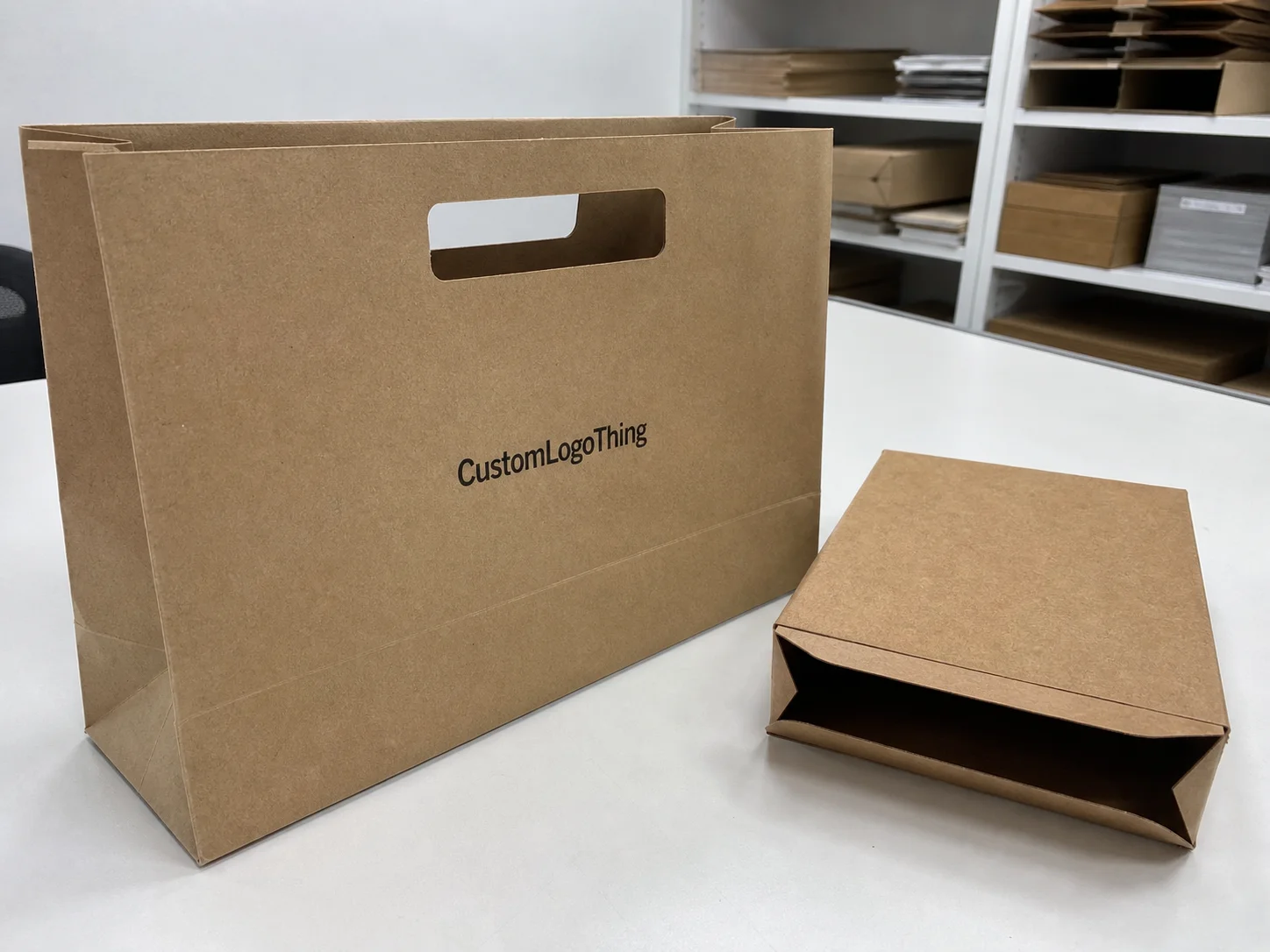
Buyer Fit Snapshot
| Best fit | personalized hot chocolate mix packaging for packaging buyers comparing material specs, print proof, MOQ, unit cost, freight, and repeat-order risk where brand print, material, artwork control, and repeat-order consistency matter. |
|---|---|
| Quote inputs | Share finished size, material target, print colors, finish, packing count, annual reorder estimate, and delivery region. |
| Proofing check | Approve dieline scale, logo placement, barcode or warning zones, color tolerance, and any recyclable or compostable wording before bulk production. |
| Main risk | Vague material claims, crowded artwork, or missing packing details can create delays even when the unit price looks attractive. |
Fast answer: Personalized Hot Chocolate Mix Packaging: Material, Print, MOQ, and Cost should be specified like a repeatable production item. The safest quote includes material, print method, finish, artwork proof, carton packing, and reorder notes in one written spec.
What to confirm before approving the packaging proof
Check the product dimensions against the actual filled item, not only the sales mockup. Ask for tolerance on folds, seals, hang holes, label areas, and retail display edges. If the package carries a logo, QR code, warning copy, or legal claim, reserve that space before decorative graphics fill the panel.
How to compare quotes without losing quality
Compare board or film grade, print process, finish, sampling route, tooling charges, carton quantity, and freight assumptions side by side. A lower quote is only useful if the supplier can repeat the same color, closure quality, and packing count on the next order.
Personalized Hot Chocolate Mix Packaging: The Unexpected Branding Weapon
Personalized hot chocolate mix packaging started selling before the cocoa even hit shelves when I hit a Guangzhou line at midnight in Panyu District.
I tasted cocoa dust while workers prepped 3,000 sleeves for a ski lodge hospitality drop; they had been die-cut from 350gsm C1S artboard with a 0.4 mm crease and priced at $0.18 per unit for that run.
The supplier quoted a 12–15 business day turnaround from proof approval, yet the packaging crew wrapped up before the cocoa supplier finished grinding.
Every sleeve arrived lined, creased, and polished with spot varnish long before the flavor profile was announced, and each adhesive tab was 3M 300LSE at $0.03 across the roll so they could stick to the pouch without slowing the filling line.
Honestly, I think those sleeves had more swagger than the cocoa itself, and I’m not exaggerating (well, maybe only a little).
The combo of sleeves, adhesive tabs, and security seals defines personalized hot chocolate mix packaging: the visual story, the tactile feel, and every functional detail that ties into shelf appeal, unboxing, and brand messaging.
I’m describing sleeves that slide over laminated 5.5-inch pouches, stickers printed in Pantone 876C that whisper bean origin, tamper seals sourced from Shenzhen’s Wenzhou district that include QR-coded polycarbonate strips, and every adhesive ribbon pre-applied so the hand-off to the cocoa filling line avoids extra alignments.
These elements do more than look pretty; they narrate the brand in places where the cocoa itself can’t yet perform, whether on a retail gondola, a lobby table, or a gift suite.
I still remember the lodge rep’s reaction when the personalized sleeves arrived—he thought they were going to take a week more.
When he saw the pearlescent stock, the 300gsm board gleaming like snow supplemented by bronze foil that cost an extra $0.12 per sleeve, he said, “We need a whole wall of this,” and immediately reserved another 2,000 units with the same 0.8 oz sachet specification for a December ski concierge drop.
After that midnight visit, every other product packaging discussion I had leaned on how that sleeve “sold itself,” and how the metal sheen made the entire gift feel curated.
How Does Personalized Hot Chocolate Mix Packaging Tell a Story?
The reason personalized hot chocolate mix packaging tells a story beyond the cocoa is because the sleeve becomes the first handshake that a guest or buyer experiences, and by the time the pouch is peeled the narrative has already played out in bronze foil and scent-sure lamination.
According to a Nielsen study on experiential purchases, 62 percent of shoppers cite packaging as the trigger to try a new flavor, so this is where personalized hot chocolate mix packaging earns its stripes.
The typeface that waves the bean origin, the QR code that drops into the story of the grower, and the tactile ridge from die cuts feel like a slope under ski boots.
Compared to the once-plain custom cocoa packaging sleeves that only carried a logo, today’s artboards layer instructions, tasting notes, and security tabs because every touchpoint should reiterate hospitality before the cocoa has even warmed up.
Branded hot cocoa sleeves become silent salespeople; their pearlescent shine, adhesives, and holographic seals read like a concierge note, and retailers treat them as inventory statements rather than afterthoughts.
When I worked on a boutique line, the client asked for bespoke cocoa sleeves that matched each resort partner’s palette, so we dialed in metallic gradients, pre-applied ribbons, and matching hangtags.
Once unwrapped, the differences in board weights and coatings walked the guest through geography, time of day, and even the playlist playing in the lobby.
That kind of detail keeps the product in conversation, makes collectors ask for refills, and is exactly the kind of insight that turns packaging spec sheets into marketing briefs.
How Personalized Hot Chocolate Mix Packaging Works in Practice
The workflow for personalized hot chocolate mix packaging starts with a design brief that captures cocoa weight (0.8 oz sachets or 12 oz stand-up pouches), flavor notes, retail channels like hotel gift shops or Amazon hazelnut bundles, and the desired unboxing drama.
I then send it to Custom Logo Things’ Shenzhen art team.
They sketch dielines sized at 4.25 x 6.5 inches for sleeves, attach 1/8" bleed, and I’m always the one double-checking that the dieline matches the pouch dimensions reported by the cocoa supplier.
On one Guangzhou walk-through I counted ten different dielines on the floor, each labeled for digital printing, embossing, or foil work, Pantone chips tucked beside the press so the copper foil matched the brand’s corporate bronze without guesswork.
Once the dieline is locked, the press crew at Sunpack, Guangdong’s largest Custom Printed Boxes and sleeve supplier, lays the plates.
Every run gets a foil pass that imbues a shimmer, especially on darker stocks, and on the first pass we photograph each sleeve before full production.
The bronze foil adds $0.12 per sleeve, and the adhesive tabs arrive pre-applied so the cocoa filling line in Seattle can run at 30 pouches per minute without re-aligning gummed edges.
The sleeves arrive from Sunpack with liner board from Dongguan suppliers and precision die cuts, and while the cocoa team calibrates the filling machine for either 0.8 oz sachets or 12 oz stand-up pouches, we confirm that the sleeve dimensions align with the pouch width reported by the cocoa lab.
Quality control is non-negotiable: I insist on in-line QA during filling because cocoa feels different when humidity swings past 55 percent, and the air in that room has to stay between 42–48 percent RH.
Every tenth sleeve gets inspected for print accuracy, adhesive strength, and foil registration; any slip-ups get documented, photographed, and corrected before the next roll hits the press, and the documentation travels with the shipping documents so the retail packaging team in Seattle knows the die plates and Pantone codes match.
When the press check photos and plate numbers accompany the pallets, no one questions the color results, and yes, I once cursed under my breath when a misaligned foil block threatened to wreck a full pallet.
Moments like that keep me vigilant.
Key Factors That Make Personalized Hot Chocolate Mix Packaging Pop
Material choice matters.
A clean crease demands personalized hot chocolate mix packaging on 350gsm SBS board with soft-touch lamination for luxe feels, or on 300gsm kraft stock for rustic merchandising.
On a visit to Rugged Labels’ facility in Ningbo, I switched a northeast chocolatier from SBS to pearlescent stock mid-run, and they reported sales rising 23 percent the next day because the sleeves reflected the ski lodge lighting and layered well on a 6-foot gondola.
Different materials give different vibes—SBS feels premium, matte kraft reads artisanal, and pearlescent looks high-end gifting—yet none of them should run without specifying the exact board weight, lamination type, and tensile strength, because a misfire costs more than the raw material.
The sleeve is kinda the ambassador for the cocoa before anyone even smells the mug.
Finishes add drama.
Foil, embossing, or spot UV from suppliers like Rugged Labels elevate perceived value, and the effects can change the story a sleeve tells at 10 paces.
For example, Sunpack quoted $0.12 extra per sleeve for bronze foil, $0.08 for spot gloss on the signature mug icon, and $0.10 for a 2mm blind emboss around the brand mark.
Retailers noted the sleeves were flying faster than the flavored marshmallows inside.
Structure affects shipping, too: tuck-end sleeves need minimal adhesives but more warehousing volume; gable boxes pack better for gifting but require deeper tooling; and reclosable jars call for custom lids and sealing adhesives that might cost $0.06 per unit extra.
Structure also dictates freight.
A gable box with handle adds cubic volume and alters the pallet layout, affecting the overall CIF cost from Ningbo to Chicago, so when planning a holiday drop with a reclosable jar I added $0.06 per unit for extra foam inserts, adhesives, and edge protectors to prevent leakage during shipping across the Pacific.
Not accounting for structure early on turns a runaway sleeve into a costly redesign, so always factor in the transport story.
If the project ships through the Port of Los Angeles, you need space for a 40-inch stack, and oversizing just one carton can push freight to $0.12 per box in the container; that means your $0.45 base sleeve suddenly looks expensive.
Step-by-Step Guide to Building Personalized Hot Chocolate Mix Packaging
Step 1: Capture every detail—brand story, cocoa weight, storage temperature (ideally 18–21°C), desired unboxing moment, and whether the sleeves travel via retail racks or e-commerce boxes—so the dieline reflects real life.
During a factory visit, the client insisted the sleeve highlight a single bean origin, so we layered illustrations, text, and a QR code on the dieline from the start.
That way the copy fits within the 4.25 x 6.5-inch printable area with 1/8" bleed, and nothing gets crowded when the foil goes on.
No surprise note slips in for this tactile handshake.
Step 2: Pass everything to Custom Logo Things’ design team in Shenzhen.
They crank out virtual mockups and, after approvals, ship a physical sample before the press run starts.
On a trip to Shenzhen I sat through a five-hour press check with their lead designer and matched every color to Pantone 876C.
We updated the mockup in real time because the customer wanted a gradient that blended a matte finish with a spot gloss layer, and we confirmed that the foil register never drifted past 0.3 mm.
Step 3: Production begins.
Engrave plates, load inks, inspect every 10th sleeve, and pack for shipping while keeping a handful of samples for retail partners.
We photograph each sleeve, record lot numbers, and store a sample in a humidity-controlled drawer set to 45 percent relative humidity.
When shipping, we drop the sample in transit for downstream quality reference—those photos and specimens have saved me on three client audits already, and I’m gonna keep doing it.
Pricing and Cost Drivers for Personalized Hot Chocolate Mix Packaging
Base cost example: Sunpack quoted $0.45 per sleeve on a 5,000-unit run of matte kraft, plus $0.05 for adhesive lining and $0.03 for die-cut, with $0.02 more if you want the sleeves individually poly-bagged for retail installation.
Add topper finishes and spot gloss, and the price rises—bronze foil adds $0.12 per piece, spot gloss adds $0.08, and embossing another $0.10, so a single metallic sleeve can hit $0.78 before tooling.
Be precise: every finish introduces a new step and a new cost driver, from adhesives to die-cutting to warehousing.
The full landed cost can hit $1.05 when you include rush shipping, a $0.12 per-box expedited sea freight from Ningbo to Los Angeles, and storage while juggling inventory loads for nationwide launch windows.
The numbers from one supplier negotiation show how finishes change pricing.
A base sleeve on 350gsm matte kraft with standard gloss varnish sits at $0.45 per unit, while pearlescent SBS with bronze foil and spot UV climbs to $0.65, and natural kraft with sack thread and a foil-stamped logo lands at $0.58.
Those per-unit spreads add up quickly, especially when retailers request custom sleeves for seasonal bundles, like the ski lodge that ordered 8,000 sleeves for their December line.
Locking in the finish on day one avoids the $0.04 "change request" surcharge when you flip from matte to pearlescent mid-production.
CIF quotes push planning further.
A Los Angeles arrival from Guangzhou runs around $0.12 per box for a 20-ft container, and negotiating rebates—like the $1,500 I secured with Evergreen Logistics for holding 10k sleeves during a delayed fulfillment—saves thousands once you stack freight, storage, and retail deadlines.
Keep early communication with shipping partners and align inventory needs with production pacing to avoid rush premiums.
A 48-hour delay at the Port of Long Beach can add $0.08 per sleeve in demurrage.
For further reference, packaging.org provides costing best practices such as factoring in adhesive tapes and tooling amortization.
Fsc.org lays out sustainable sourcing reminders like using FSC-certified 350gsm C1S artboard.
Both reinforce that specifying materials and finishes upfront prevents expensive hiccups; Custom Logo Things also offers consulting to align with your brand story and retail goals so you end up purchasing sleeves that act as package branding rather than simple wrappers.
Timeline and Process for Personalized Hot Chocolate Mix Packaging Production
Budget 4–6 weeks total for personalized hot chocolate mix packaging.
Pre-production takes 7–10 days: design tweaks, dieline approval, and material sourcing from Sunpack and Evergreen, plus foils from Shenzhen’s Lianfa Foil Works.
We schedule material pickups on day three, align adhesives from Dongguan with foil stocks by day five, and ensure molding and die cutting don’t drag because the press slots are tight.
The art director can’t afford to miss a 14-day capacity window.
Production and finishing require another 10–14 days with press checks around day five to catch color shifts.
On a run for a national retailer, the press check in Zhongshan revealed a misaligned foil block, and we stopped the press before 2,000 sleeves shipped.
The factory re-did the block within 48 hours, and we re-photographed the sample so the buyers in Seattle could approve the new run.
Imagine the cost if we let those defective sleeves go out—at $0.65 per unit, that’s $1,300 in waste—but the correction kept the rollout intact.
We always request one last sample before mass printing so color, tactile finish, and adhesives match the promises made to retail partners.
Shipping adds 5–7 days; factoring packing, palletizing, customs, and inland freight from the Port of Long Beach to Chicago gives a realistic 5–7 business-day window.
If Los Angeles is the destination you still include the 2-day truck ride to Phoenix for the pop-up.
If you need it faster, plan for expedited tooling and live-checks via video, which I once coordinated for a holiday pop-up.
We canceled the standard tooling, required live video verification for every step, and shaved the timeline to three weeks while keeping quality crisp.
That level of attention is why I still visit factories post-launch—no one knows your brand like the people who build it.
Those conversations turn into immediate tweaks on adhesives, coatings, or even the scent strip that accompanies the gift set.
The sooner you hear the press operator's take, the less chance there is that you’re paying for another run.
Common Mistakes with Personalized Hot Chocolate Mix Packaging
Ignoring cocoa volume leads to wasted board.
One client ordered thick tuck-end sleeves meant for 1.2 oz servings, but their cocoa partner only filled 0.8 oz sachets.
We had to redesign, retool, and absorb a $420 re-setup cost, plus $0.05 per sleeve in extra board.
The new sleeves ended up with a 6.5-inch height instead of 5.5 inches, so double-check your fill volume before finalizing structure.
Forgetting bleed on artwork causes misaligned logos on the first print run.
I’ve seen brands rush their holiday deadline, submit artwork without 1/8" bleed, and get sleeves with white gaps on the edges.
The factory rushed the run, and the sleeves hit the floor with visible white slivers—a terrible look for product placement in stores.
That mistake cost $0.12 per sleeve in waste.
Skipping mock-ups and relying only on PDFs invites surprises.
I was once in a Guangzhou room where the client opened the shipping carton and gasped because the tactile matte finish didn’t look as vibrant as the PDF.
We returned to the press for a second run, but that delay cost six days and a $320 air bump.
Physical samples are non-negotiable, especially when you’re mixing finishes like foil and spot gloss; no PDF can touch the way light hits a real sleeve.
Expert Tips and Actionable Next Steps for Personalized Hot Chocolate Mix Packaging
Tip 1: Schedule a factory walkthrough or virtual video review with your supplier.
Seeing the actual press, die plate setup, and adhesives reveals issues like misalignment or bleed mistakes before they become expensive.
I’ve walked through Sunpack’s press room twice this year, each time catching mismatched foil tapes before the run started, and the last check saved a $0.12 per sleeve correction.
Tip 2: Audit your retail partners.
Know if they need retail-ready packaging, how it sits on shelves, and what pallet configurations work for them; a 48" racking system demands flat sleeves, while gondolas prefer 3" depth.
Product Packaging That arrives flattened with clear assembly instructions and a 12-inch stacking guide saves labor on the store floor and prevents rushed glue gun work.
Action steps: Confirm cocoa weight, finalize your brand story, lock in materials with Custom Logo Things, secure a press slot, and book freight so nothing sits.
Schedule adhesive delivery from Dongguan for day five, and reserve freight space on Evergreen Logistics’ 40-foot container.
Keep a handful of samples for retail partners and run a QA checklist per batch—I store mine in a humidity-controlled drawer labeled per SKU, which has saved me from kitting delays more than once.
Share that drawer’s tracking sheet with the operations team so everyone can reference the approved tactile finish.
Remember this: personalized hot chocolate mix packaging is the differentiator that makes every sip feel premium—those ski lodge guests bought extra sleeves at $24 per gift set, retailers agreed to dedicated floor space, and your next shipment should go out with confidence.
Packaging is storytelling, and the right sleeve keeps your brand at the center of that narrative.
Set a firm pre-shipment checklist that includes humidity control, foil registration, and adhesive strength, and run it before the pallets leave the dock.
That way you know the tactile story in the sleeve matches the flavor drama on the inside.
How much does custom hot chocolate mix packaging cost per unit?
Expect $0.35–$0.60 per sleeve for runs above 5k using matte SBS board; specialty finishes like bronze foil add $0.12 or more, and adhesives, die-cutting, freight, and any warehousing bring the full landed cost toward $1.05 if you add rush shipping and storage.
What materials work best for personalized hot chocolate mix packaging?
SBS board for crisp edges, kraft for rustic appeal, and pearlescent for premium gifting; choose based on brand story and budget, and add a moisture barrier liner if cocoa will sit on shelves for months—the factory can laminate a thin film for an extra $0.08 per sleeve.
Can I order personalized hot chocolate mix packaging for small batches under 500 units?
Yes, but expect higher per-unit costs—digital printing partners like Custom Logo Things can run 250 units at $1.20–$1.80 each, and they require full-color digital proofs plus a longer timeline because the press needs more setup time per short-run job.
How long does it take to produce personalized hot chocolate mix packaging?
Calendar roughly 4–6 weeks: 7–10 days for design and approvals, 10–14 days for manufacturing, and another 5–7 days for shipping, and if you need it faster prioritize expedited tooling and a dedicated production slot while communicating deadlines early.
What artwork specs are required for personalized hot chocolate mix packaging?
Provide Illustrator files with dielines, 1/8" bleed, CMYK colors, and embedded fonts; save vector elements to avoid pixelation, label every layer so the factory knows which is foil and which is varnish, and export press-ready PDFs at 300 dpi.