Chocolate Logo Patch Beanies Bulk Order Planning Tips
Chocolate Logo Patch Beanies Bulk Order Planning Starts With Use Case
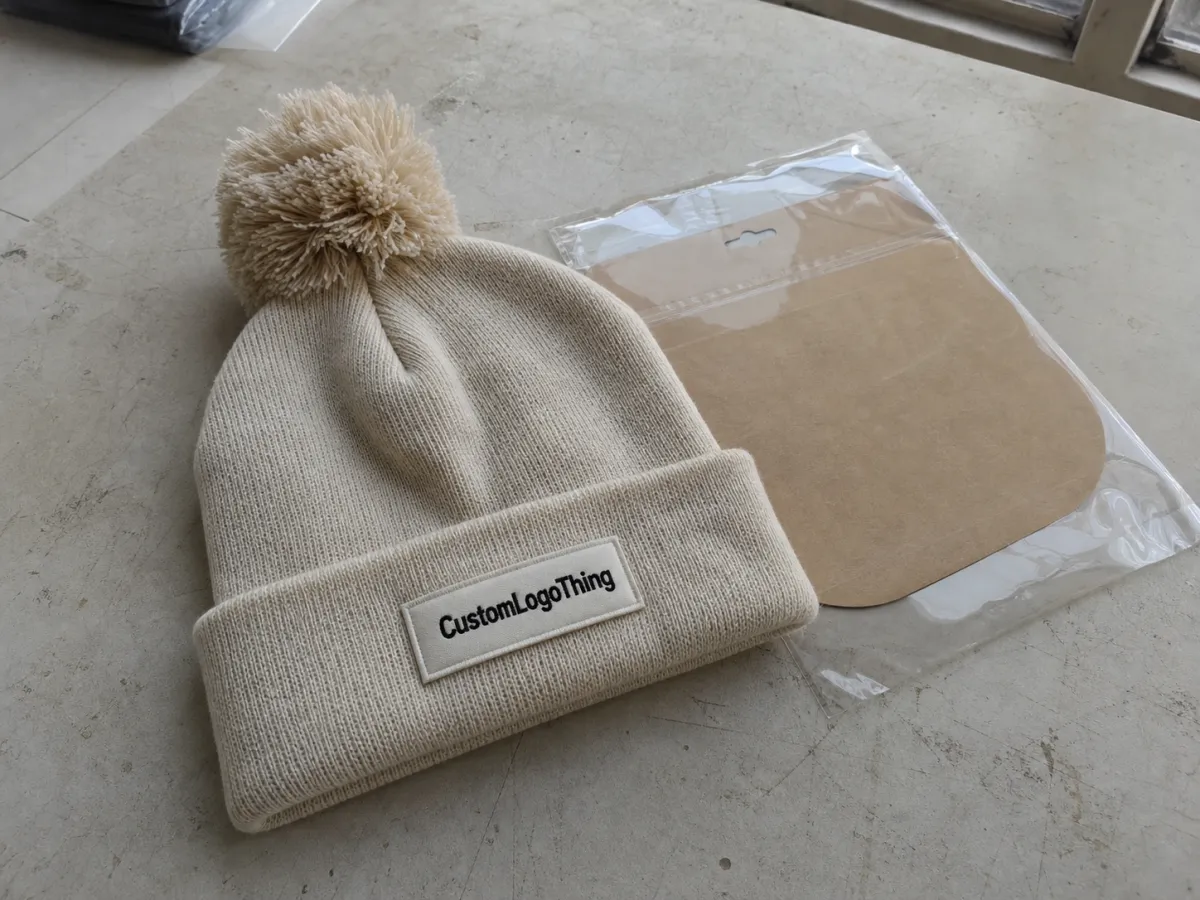
Most beanie orders do not fail because the logo is ugly. They fail because the buyer picked the wrong patch, yarn weight, color contrast, or quantity for the way people will actually use the hat. That is the blunt reality behind chocolate logo patch Beanies Bulk Order Planning, whether the order is for a coffee brand, chocolate shop, winter employee kit, retail merch drop, or gift box program.
A chocolate-colored patch works because it feels warm and retail-ready without shouting. Black can look harsh on softer knit colors. Tan can scuff and discolor faster than buyers expect. Chocolate brown sits in the useful middle: polished, forgiving, and easy to pair with cream, forest green, charcoal, navy, rust, oatmeal, heather gray, and natural knit tones.
Bulk buyers care about more than a cute mockup. They need a controlled unit cost, consistent patch color, usable artwork, predictable lead time, and packing that does not create headaches during distribution. If the beanies are going into gift kits, employee welcome boxes, subscription boxes, or winter merch bundles, the presentation matters before anyone even puts the hat on.
Bulk ordering also protects consistency. A 50-piece reorder pulled together later from different blanks, different patch stock, or a slightly different thread color can look “close enough” on a screen and noticeably mismatched in a box. Fun surprise. Not the good kind.
Before a quote means anything useful, decide the basics: beanie style, knit color, patch material, logo method, patch size, placement, quantity, packaging, and deadline. A supplier can price ten random combinations, sure. You will get a messy spreadsheet and still not know what to buy.
Practical rule: start with how the beanie will be used. Staff uniform, winter giveaway, retail resale, and executive gift all need different specs, even if the logo file is the same.
Pick the Beanie Style Before You Obsess Over the Patch
The beanie body controls how the patch looks. Not the other way around. For chocolate Logo Patch Beanies Bulk Order planning, the style decision should come before patch size, because the fold, stretch, cuff height, and knit texture all affect visibility.
Cuffed knit beanies are usually the safest bulk choice. The cuff creates a stable placement zone of about 2.5 to 3.5 inches high, which gives a logo patch somewhere to sit without being bent into oblivion. Very glamorous. Also true.
Slouch beanies can work for lifestyle merch, but the patch may sit lower or tilt depending on how the wearer adjusts the hat. Fisherman beanies have a shorter profile and look sharp, but patch height must be controlled carefully. A 2 x 3 inch patch on a compact fisherman cuff can look like a billboard taped to a sock.
Ribbed beanies give texture and stretch, but heavy ribbing can make patch stitching more visible. Pom beanies are strong for winter promotions, resorts, schools, and holiday gift programs, though they usually feel less neutral for year-round merch. Recycled yarn beanies are increasingly requested for sustainability-minded brands, especially when paired with FSC-certified paper hang tags or recycled mailers. For responsible fiber and paper sourcing claims, check standards from the Forest Stewardship Council before printing anything too bold on the packaging.
Knit weight also matters. A heavier acrylic or wool-blend beanie feels more premium and can support a structured faux leather or genuine leather patch. It also costs more and may feel too warm for mild climates. Lighter knit beanies keep giveaway budgets under control, but a large patch can overpower them fast.
Color planning is where buyers either look smart or make mud. Chocolate patches need contrast. Cream, oatmeal, charcoal, heather gray, forest, navy, and rust usually work. Dark brown, muddy maroon, and low-contrast olive can work only if the logo is stamped deeply, filled with color, bordered clearly, laser engraved with enough contrast, or produced as a woven label.
Audience fit should drive the final call. Staff uniforms need durability, consistent sizing, and easy laundering expectations. Event giveaways need budget discipline and fast fulfillment. Retail merch needs better hand feel, cleaner finishing, and a patch people would actually wear outside your building. That last part matters. Branded merch should not feel like punishment.
Patch Material, Logo Method, and Size Specifications
Patch material sets the tone immediately. For chocolate Logo Patch Beanies, the most common choices are faux leather, genuine leather, woven labels, PVC, suede-look synthetic patches, and embroidered patches in brown thread or brown base materials. Each one has a different cost, texture, minimum order behavior, and artwork limit.
Faux leather is the popular middle lane. It gives a polished look, accepts debossing or laser engraving well, and keeps cost controlled across 100 to 1,000+ units. Genuine leather feels richer, but it costs more and can show natural variation. That variation may be beautiful for boutique retail and annoying for corporate uniform programs. Both can be true.
Woven labels are better when the logo has small lettering, thin lines, or multiple colors. A 0.5-inch tagline under a mark may disappear on a debossed patch, while a woven label can hold it more cleanly. PVC patches add structure and weather resistance, though they feel sportier and less warm than leather-look options. Embroidered patches create a softer apparel feel, but dense stitching on knit must be managed so the beanie does not pucker.
Logo Methods That Actually Match the Material
Debossing presses the logo into the patch and gives a subtle premium look. Embossing raises the logo, which can work well when the mark is simple and bold. Laser engraving is useful for sharper detail on faux leather, though contrast depends on the surface coating and base color. Woven artwork handles small type and multiple colors better than most stamped patches. Embroidery feels traditional and soft, but tiny details need simplification.
For sizing, keep the real estate honest. A 1.5 x 2 inch patch is clean for minimal logos or side cuff placement. A 2 x 2.5 inch patch is the standard front cuff zone for many brands. A 2 x 3 inch patch gives extra room when the mark has a wide shape or needs a small line of text. Bigger is not automatically better. Often it is just louder.
Artwork should be supplied as vector whenever possible: AI, EPS, SVG, or clean PDF. A high-resolution PNG may work for reference, but production still needs clean edges, line weights, spacing, and a version that can survive reduction to patch size. Thin strokes under 0.5 mm, tiny registered marks, and long taglines are common trouble spots.
Placement controls the final feel. Front center cuff gives maximum visibility and is the standard for corporate merch. Side cuff feels more retail and subtle. Back placement or a hem label works for understated branding, especially if the wearer does not want a giant logo on the forehead. Match the placement to how the beanie is folded and worn, not how it looks flat on a desk.
| Patch Option | Best For | Typical Look | Buyer Watchout |
|---|---|---|---|
| Faux leather | Corporate merch, employee kits, retail-style promos | Clean, polished, controlled cost | Fine text may need laser engraving instead of deep debossing |
| Genuine leather | Premium gifts, boutique retail, higher-value programs | Natural, rich, slightly varied | Color and grain variation can be visible across bulk units |
| Woven label | Detailed logos, small text, multi-color artwork | Sharp and graphic | Less structured than leather-look patches |
| PVC patch | Outdoor brands, youth programs, weather-resistant merch | Bold, dimensional, sporty | May feel too casual for luxury gifting |
| Embroidered patch | Soft apparel styling, classic branding | Textured and warm | Dense stitching can distort stretchy knit |
Cost, Pricing, MOQ, and Unit Cost Tradeoffs
Pricing depends on the beanie blank, yarn type, patch material, logo method, patch size, stitch count or engraving complexity, order quantity, packaging, and shipping destination. That is why a quote request saying “How much for custom beanies?” is not enough. It is like asking the price of dinner with no restaurant, no menu, and no guest count.
For chocolate logo patch Beanies Bulk Order Planning, small trial runs may start around 50 to 100 units, depending on the configuration. Better unit pricing usually starts to show around 250 units, improves again around 500 units, and becomes more efficient at 1,000+ units. Custom patch materials, private-label packaging, custom yarn colors, or multiple knit colorways can push minimums higher.
Broad pricing ranges can help with early budgeting, but they are not promises. A simple cuffed acrylic beanie with a standard faux leather patch might land in a lower mid-range bulk cost. A heavier knit, genuine leather patch, custom hang tag, folded belly band, and individual polybag or paper mailer can raise the landed unit cost quickly. Shipping also changes the math, especially for bulky winter goods.
The tradeoff is simple: a cheap beanie with a nice patch still feels cheap. A premium beanie with an oversized or low-contrast patch still looks wrong. Spend where the wearer notices: knit hand feel, cuff structure, patch clarity, and finishing. Fancy packaging is useful for gift programs, but it will not rescue a scratchy beanie.
Cost drivers behave differently. Genuine leather usually costs more than faux leather. Woven labels can handle detail efficiently and may be smart for complex logos. PVC adds structure and weather resistance. Custom packaging adds cost but improves gift-ready presentation, especially for HR kits, retail shelves, and influencer mailers. If packaging is part of the program, review transit standards from the International Safe Transit Association, especially if the beanies are packed with mugs, chocolate bars, candles, or other damage-prone items.
What to Send for a Clean Quote
- Target quantity, such as 100, 250, 500, or 1,000 units
- Delivery deadline, including event date or in-hands date
- Beanie style, such as cuffed, ribbed, pom, slouch, or fisherman
- Knit color and acceptable alternates if inventory shifts
- Patch color, material, size, and preferred logo method
- Vector logo file, plus any brand color references
- Packaging needs, such as hang tags, belly bands, individual bags, or gift kit packing
- Shipping ZIP code or destination country
If you are comparing options, ask for two or three configurations. For example: good, better, best. Ten versions create noise. Three useful versions create a decision.
Proofing Process, Lead Time, and Production Steps
A clean order process keeps custom goods from turning into a panic project. The usual flow is inquiry, quote, artwork review, digital proof, sample or pre-production approval when needed, bulk production, quality check, packing, and shipment. Skip steps and you usually pay for it later.
For chocolate logo patch beanies bulk order planning, lead time depends on artwork approval, patch type, quantity, blank availability, packaging, and current production capacity. Simple repeat orders can move faster because the artwork, patch size, and placement are already approved. First-time custom patch orders often need more review, especially if the logo has fine detail or the buyer wants a specific chocolate brown tone.
As a practical planning range, straightforward bulk beanie orders often need about 10 to 20 business days after proof approval. More involved orders with custom patch materials, special yarn colors, multiple colorways, retail packaging, or sample approvals can move into the 3 to 6 week range. Holiday season demand can stretch that further. Not always, but often enough that smart buyers do not gamble.
The proof is not a decoration. It is the checkpoint. Inspect logo spelling, patch color, beanie color, patch size, placement, fold direction, thread color, and packaging labels if included. If the proof shows a 2 x 3 inch patch front center and you wanted a small side cuff label, that is the time to speak up. After production starts, “Can we just move it?” becomes expensive comedy.
Common timeline mistakes are painfully predictable: approving artwork late, changing quantity after proof, sending a screenshot instead of a usable logo file, forgetting freight time, or assuming custom goods behave like a warehouse item with a buy button. They do not. Custom production has setup, approval, production, packing, and transit stages.
Build buffers for first-time orders, corporate approval chains, event deadlines, international shipping, and gift kit assembly. If beanies need to arrive packed with mugs, chocolate, cards, or apparel, add time for kitting and carton labeling. A beanie arriving one day late for a winter event is just inventory with an attitude.
For buyers ordering through Custom Logo Things, the Wholesale Programs page is the better starting point for volume needs, repeat orders, and multi-item campaigns. If the order has strict deadline pressure, say that early. A real deadline changes the recommendation.
Quality Checks That Prevent Expensive Beanie Mistakes
Quality control for logo patch beanies should be boring, specific, and slightly obsessive. Good. Boring catches expensive mistakes.
A serious check covers patch alignment, stitch security, logo clarity, color consistency, beanie sizing, cuff height, yarn defects, fold consistency, carton counts, and packaging accuracy. If retail tags or belly bands are included, those need review too. A beautiful beanie with the wrong barcode, wrong size label, or mismatched kit insert still creates a fulfillment problem.
Patch alignment is the high-risk detail. Even a good patch looks cheap when it is tilted, placed too low, crowded against the cuff edge, or swallowed by the fold. Front cuff patches should sit level when the beanie is worn, not just when it is flattened for a product photo. Side patches need a consistent left or right placement. Sounds basic. Bulk errors usually are.
Durability expectations should be realistic. Patches should stay attached under normal wear. Stitching should be secure without chewing up the knit. Embroidery should not pucker or distort the beanie body. The hat should recover shape after stretching, especially for staff uniforms and retail merch where people will actually wear it more than once.
Color control deserves a grown-up conversation. Chocolate brown is not one color. It can mean milk chocolate, cocoa, walnut, mocha, espresso, or almost black. Buyers should approve a specific tone, preferably with a physical or digital reference tied to the material being used. Everyone does not see brown the same way. Anyone who has approved packaging colors already knows this and has the eye twitch to prove it.
Bulk consistency matters for teams, stores, and subscription boxes. Mixed patch shades, uneven folds, sloppy packing, or visible yarn defects make a brand look less organized before anyone wears the product. For larger programs, ask how quality checks are handled and what level of variation is considered acceptable. ASTM textile testing standards may apply to certain fabric performance claims, while packaging transit requirements may fall under ISTA methods depending on how goods ship.
Buyer warning: if color matching is strict, request a sample or material reference. Screen color alone is not enough for chocolate brown patches, especially across faux leather, woven, suede-look, and PVC materials.
Next Steps Before You Request a Bulk Beanie Quote
Good quote requests are not long. They are specific. Before asking for pricing, narrow the project to a realistic set of choices: target quantity, delivery deadline, budget range, beanie style, knit color, patch material, logo method, patch size, packaging needs, and shipping destination.
For chocolate logo patch beanies bulk order planning, I would rather see one clear request than ten vague maybes. Example: “We need 500 cuffed charcoal beanies with a 2 x 2.5 inch chocolate faux leather debossed patch, individually bagged, delivered to Denver by the first week of December.” That can be priced. “Send all options” usually turns into a mess.
Start with a core colorway if the audience is broad. Charcoal with chocolate, oatmeal with chocolate, or forest with chocolate are safer first-order choices than five experimental colors split into tiny quantities. Once demand is proven, add secondary colors on the reorder. This keeps unit cost cleaner and reduces dead inventory.
Request a sample when the order is high visibility or hard to judge from a proof. First-time brand order? Sample. Retail resale program? Sample. High-value client gift? Sample. Detailed logo? Sample. Strict brown tone? Definitely sample. For a simple repeat order with approved specs, a digital proof may be enough, but that depends on risk tolerance and deadline.
If sustainability claims appear in the project, keep them accurate. Recycled yarn, FSC paper tags, reduced plastic packing, and reusable mailers can be useful, but vague eco claims are not a strategy. The U.S. Environmental Protection Agency offers general guidance on sustainable materials and waste reduction at epa.gov. Use claims you can actually support.
Custom Logo Things can help narrow choices before quoting so the final spec matches the budget, deadline, and brand use case. If you need more ordering details before sending artwork, the FAQ is a useful stop for general production and ordering questions.
Final practical advice: bring real specs, not vibes. Chocolate logo patch beanies bulk order planning is fastest when the buyer has a real quantity, a real deadline, and a logo file that is not trapped inside a blurry screenshot.
FAQ
What is the best MOQ for chocolate logo patch beanies in a bulk order?
A practical starting MOQ is often 50 to 100 units, but stronger unit pricing usually begins around 250 to 500 units. If you need custom patch material, special knit colors, retail packaging, or multiple colorways, expect the MOQ to move higher. For first orders, many buyers choose a mid-range quantity to test demand without locking too much cash into inventory.
How long does a bulk order of beanies with chocolate logo patches take?
Typical lead time depends on artwork approval, patch type, quantity, blank availability, and current production capacity. Simple approved designs move faster than orders needing samples, custom materials, or several colorways. As a planning range, allow about 10 to 20 business days after proof approval for simpler orders and more time for complex programs, freight, corporate approvals, and holiday-season congestion.
Which patch material works best for chocolate-colored logo beanies?
Faux leather is popular because it gives a polished look at a controlled cost. Genuine leather feels more premium but costs more and may have natural variation across pieces. Woven labels work better when the logo has small lettering, thin strokes, or fine detail that debossing will not hold cleanly.
Can small text or detailed logos work on chocolate logo patch beanies?
Yes, but the logo method matters. Laser engraving and woven labels usually handle detail better than deep debossing in many cases. Tiny taglines, thin strokes, and complex icons may need to be simplified for a clean patch at 1.5 x 2 inches, 2 x 2.5 inches, or another compact beanie patch size. A vector logo file helps production confirm what will reproduce well.
What should I send to get an accurate quote for chocolate patch beanies?
Send your quantity, deadline, beanie style, knit color, patch color, logo file, patch method preference, packaging needs, and shipping destination. Include a target budget if you have one, because that helps narrow material and quantity options quickly. If you are comparing choices, ask for two or three clear configurations instead of a giant menu of maybes.


