Chocolate Kraft Paper Bags Sample Order: What It Proves Before You Buy
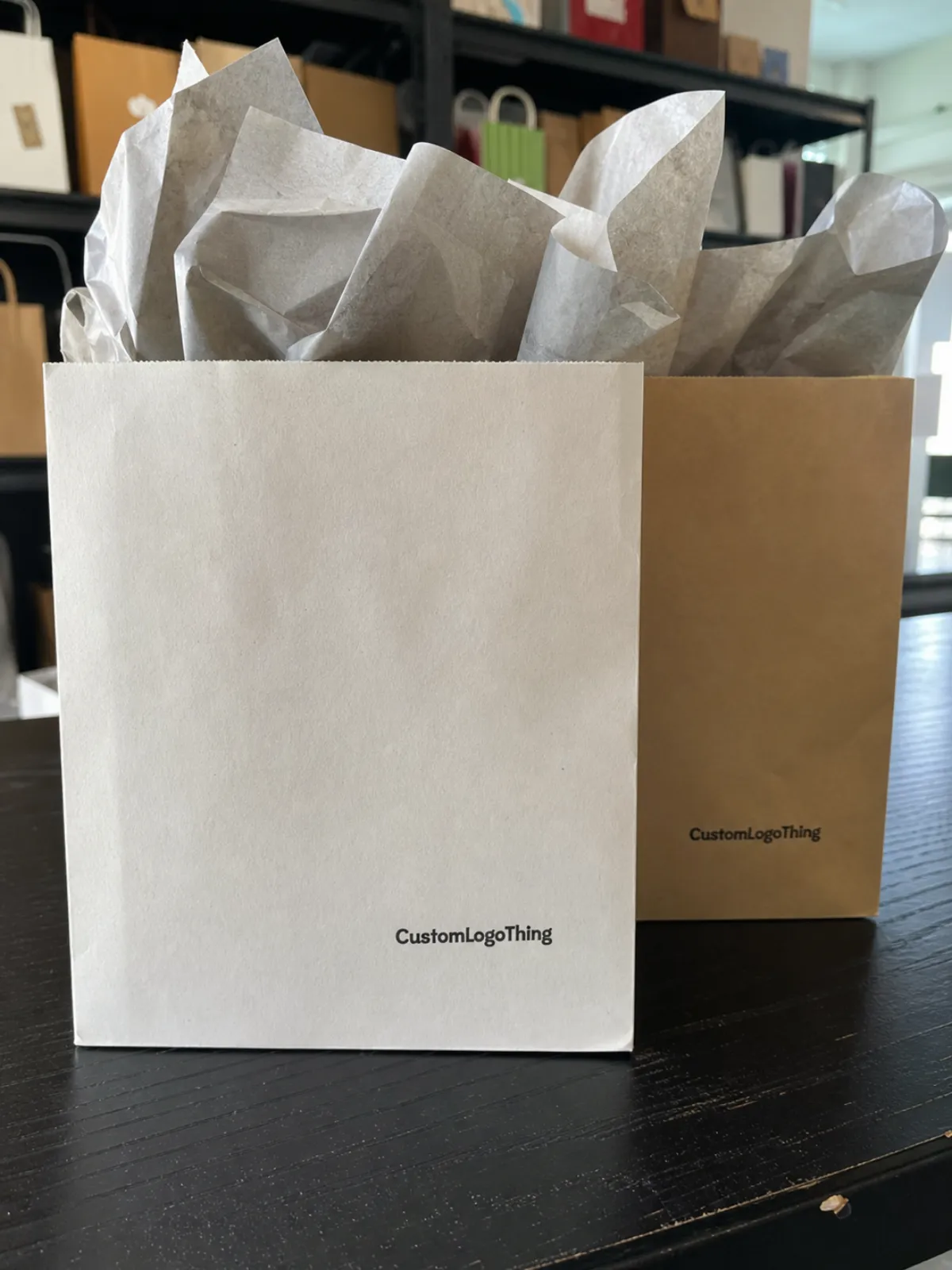
A chocolate bar can look expensive in a digital mockup and still lose margin during the first week of packing. A chocolate kraft Paper Bags Sample Order is not a polite formality; it is a practical check before printed production, especially if the bag scuffs, oils through, seals poorly, or arrives a few millimeters too tight for the inner wrap.
That small mismatch adds up quickly. If a packer needs 8 extra seconds to work each bar into a pouch, 1,000 units means more than two labor hours lost before shipping begins. If a stand-up pouch collapses after filling, the logo may sit partly folded under the gusset. If brown kraft absorbs ink more heavily than expected, a warm cocoa logo can turn flat and muddy.
A good sample proves the facts that a stock photo cannot: chocolate fit, gusset behavior, heat-seal space, grease resistance, zipper or tin-tie function, logo visibility, and whether the filled bag actually stands the way the sales image promised.
Kraft color varies. Paper texture varies. Ink absorption varies. Matte laminated kraft feels different from uncoated kraft, and a render will not show whether a dark logo loses contrast after being handled, packed, unpacked, and placed under store lighting. Treat the sample as a buying checkpoint, not a decoration preview.
Practical rule: approve chocolate packaging only after testing it with the real bar, tray, sleeve, wrap, or gift insert that will go into production. Weight alone is not enough.
Custom Logo Things works with chocolate brands, confectionery startups, bakeries, gift shops, and private-label retailers that need evidence before scaling. The work is part visual, part mechanical: match the appeal of kraft packaging with fill space, closure clearance, barrier structure, carton packing, and realistic unit cost.
Product Details That Matter for Chocolate Kraft Bags
Chocolate kraft bags come in more formats than many first-time buyers expect. Flat pouches suit wrapped bars, tasting sets, and slim seasonal inserts. Stand-up pouches work for bark, cocoa nibs, Hot Chocolate Mix, and chocolate-covered nuts. Side-gusset and block-bottom bags are stronger for larger gift formats because they create more usable depth and hold their shape better on shelf.
Tin-tie kraft bags are common for bakery add-ons, loose wrapped candies, and small-batch gifting. Window bags can show truffles, bark texture, nut clusters, or colorful inclusions, but the window material, shape, and placement need testing. A 40 mm window may look attractive in artwork and still weaken the front panel if it lands near a stress point or cuts too close to a fold.
Kraft paper creates the natural retail signal. The working protection usually comes from another layer: a film liner, grease-resistant coating, metallized barrier, glassine inner wrap, or laminated structure. For chocolate, that distinction matters because the pack may need to resist odor pickup, moisture, grease migration, light exposure, and ordinary handling abrasion.
Ask early whether the chocolate directly touches the bag. If the bar already has foil, flow wrap, glassine, or a suitable inner wrapper, the kraft bag may serve as secondary packaging. If the chocolate touches the bag, food-contact suitability and grease resistance become stricter concerns. Standards and test language vary by market, so buyers should confirm the intended use rather than assuming every kraft bag is built for direct food contact.
Brown kraft suggests artisan, organic, handmade, or recycled positioning. White kraft gives cleaner color because ink sits on a lighter base. Black kraft can raise perceived luxury for truffles and premium gifts, but it shows rub marks more readily in ecommerce movement. Black kraft looks strong on shelf; it also punishes careless packing.
Customization options include spot printing, full-color print, labels, die-cut windows, matte finish, gloss accents, hang holes, tear notches, resealable zippers, and tin ties. For brand teams comparing decoration routes and order structures, Custom Logo Things can also discuss broader custom packaging paths through its Wholesale Programs.
Do not over-specify too early. A sample should narrow the structure before artwork, order quantity, freight assumptions, and carton packing are locked. Premium finishes only help after the basic pack works.
Specifications to Confirm in the Sample Pack
A useful sample pack should not arrive as a mystery. Request the finished size, usable fill space, paper weight, laminate structure, barrier information if available, seal type, window material, and closure style. A buyer should be able to compare two samples on more than appearance.
Dimensions cause many packaging errors. Outside measurements are not the same as usable internal space, especially with gussets, zipper tracks, tear notches, and heat-seal margins. A 120 mm wide bag may not accept a 118 mm wrapped bar if the side seams are bulky or the product includes a rigid sleeve.
Test with the actual product. Not a cardboard substitute. Not a guessed fill weight. Insert the chocolate bar, box, sleeve, truffle tray, or gift card exactly as it will ship. Then check bulging, closure clearance, shelf stance, and packing speed. If the pouch takes two hands and a push to close, production staff will feel that problem long before the customer does.
Print specifications deserve the same discipline. Confirm logo size, ink coverage, kraft color shift, white ink underbase, Pantone matching limits, registration tolerance, and scuff resistance. Brown kraft can dull bright colors. A white ink underbase can improve contrast, but it can also add cost, setup time, and another variable to approve.
Chocolate protection is not one requirement. The pack may need odor resistance so the chocolate does not pick up storage smells. It may need moisture protection to reduce bloom risk. It may need grease resistance if oils migrate through an inner wrap. It may need light control for shelf exposure. The right answer depends on the chocolate formula, the sales channel, and whether the kraft bag is primary or secondary packaging.
Basic quality checks are simple but revealing: pull the seams, open and close the zipper 10 times, inspect edge cutting, smell the inside of the bag, look for grease spotting after filled storage, and rub the printed face with clean dry hands. For transport simulation language, buyers can review resources from the International Safe Transit Association, especially if ecommerce shipping is part of the channel.
Sample-Order Checklist
- Finished outside size and usable internal space
- Chocolate format: bar, tray, bark, nibs, mix, or gift assortment
- Primary or secondary food-contact role
- Paper weight, film liner, coating, or laminate structure
- Closure type: heat seal, zipper, tin tie, label, or fold-over
- Print method, logo size, ink coverage, and color expectations
- Carton packing count and shipping channel
A chocolate kraft Paper Bags Sample order should answer these points before a production quote is treated as final.
Pricing, MOQ, and Unit Cost Drivers
Sample pricing depends on the type of proof requested. Blank stock samples are usually the lowest-cost route for checking size and structure. Similar existing samples help buyers evaluate material feel, closure behavior, and print quality. Digitally printed prototypes show approximate branding. Production-grade custom samples provide the closest read, but they can require more setup and a higher sample charge.
Unit cost is driven by size, paper weight, lamination, barrier layer, closure, window shape, print coverage, number of colors, plate or setup requirements, and order volume. A small flat pouch with one-color print behaves very differently from a block-bottom kraft bag with a zipper, die-cut window, matte coating, and full front-panel ink coverage.
| Sample Type | Best Use | Typical Cost Logic | What It Proves |
|---|---|---|---|
| Blank stock sample | Early size and format testing | Lowest cost; limited branding accuracy | Fit, closure, gusset, shelf stance |
| Similar existing sample | Material and finish comparison | Moderate cost depending on availability | Kraft texture, laminate feel, print behavior |
| Digitally printed prototype | Brand review before production | Higher cost; color may differ from mass print | Logo scale, rough color direction, panel layout |
| Production-grade sample | Final approval for custom runs | Highest setup requirement | Closest read on production material and print |
MOQ follows manufacturing logic. Stock or semi-custom Kraft Paper Bags can often start lower because materials and converting formats already exist. Fully Custom Printed Kraft bags usually require higher minimums because printing, laminating, cutting, and converting need to be set up efficiently.
For a practical comparison, ask for tiered pricing at a pilot run, first retail run, and reorder volume. A 1,000-piece test order may protect cash. A 5,000-piece retail run may lower the unit price. A 20,000-piece reorder may justify more advanced print or finish choices. The right breakpoint depends on waste allowance, setup fees, freight, storage capacity, and how quickly the chocolate will move through inventory.
The cheapest quote can become expensive. Poor fit increases returns. Slow packing raises labor. Weak print reduces shelf impact. Wrong barrier can shorten saleable life. A bag that saves $0.03 per unit but adds 12 seconds of packing time is not cheaper after a few thousand pieces.
Sample cost treatment also varies. In some projects, a paid sample or prototype fee may be credited toward production if the buyer proceeds. Not always. It depends on sample type, custom tooling, print setup, and whether the prototype uses production materials.
Custom Logo Things can price more accurately when buyers provide product dimensions, fill weight, artwork status, finish requirements, destination country, and target order quantity. A sample request backed by those facts usually produces a cleaner quote than a broad request for “premium kraft bags.”
Process and Timeline From Sample Request to Production
The process should be staged, not rushed into print. Start with requirement intake: product size, chocolate type, current packaging, retail channel, food-contact role, and quantity target. Then move to sample recommendation, artwork review, sample or prototype dispatch, buyer testing, quote refinement, pre-production proof, production, quality control, and shipping.
What speeds it up? Exact product dimensions. Clear packaging goals. Desired quantity. Print-ready artwork. Target delivery date. Known compliance requirements. If a buyer can send a flat photo, side photo, and ruler measurement of the current pack, the first recommendation improves immediately.
What slows it down? Uncertain bag size, late artwork changes, unclear food-contact structure, multiple decision-makers, unusual material requests, and custom die-cut windows. Windows are a common delay because the shape affects visual design, film selection, cutting, and sometimes panel strength.
Existing physical samples are usually faster than custom printed prototypes. Production-grade samples require more review and setup because they sit closer to the final manufacturing route. Timelines vary by bag complexity, printing method, order size, and freight route, so fixed promises without specifications are not useful.
Treat sampling as a decision gate. Approve the bag only after checking filled appearance, closure behavior, print visibility, carton packing, and handling marks. The fastest order is not always the safest order. The safer order prevents repacks, missed retail launch windows, and uncomfortable conversations with buyers who expected a pack to stand upright.
For broader packaging questions before placing a chocolate kraft paper bags sample order, buyers can also review the Custom Logo Things FAQ and prepare the information needed for a cleaner quote.
Common Sample Order Mistakes That Raise Packaging Cost
The first mistake is ordering by chocolate weight instead of physical dimensions. A 100 g bar can be slim and long, short and thick, boxed, sleeved, or wrapped with folded foil corners. The bag does not care about the weight printed on the label. It cares about width, depth, thickness, and closure clearance.
The second mistake is ignoring the inner wrap, tray, or sleeve. A truffle tray that adds 12 mm of height changes everything. So does a rigid cardboard sleeve around a bar. Buyers sometimes test the naked product, approve the bag, then discover the real pack is too tight after branding components are added.
The third mistake is approving kraft print from a digital mockup. Brown kraft shifts color. Recycled materials can have visible fiber variation. Heavy ink coverage may flatten the natural texture that made the buyer choose kraft in the first place.
The fourth mistake is choosing a window only for aesthetics. A window can expose chocolate to light, show grease marks, reduce privacy for imperfect product surfaces, and weaken a panel if poorly placed. It can also improve trust for bark, clusters, and colorful inclusions. The sample should prove which side wins.
The fifth mistake is buying premium finishes before confirming the structure. Soft-touch coating, gloss accents, metallic ink, and custom closures can all be valid. They should follow the fit decision, not replace it.
The sixth mistake is skipping shipping and packing tests. Ecommerce movement can crush corners, bend hang holes, rub black kraft, and scuff large dark print areas. Pack five filled samples into the intended corrugated shipper, move the carton around, open it, and judge the result like a customer would.
If the sample fails, do not change everything at once. Diagnose the issue: size, material, closure, print, or handling. A 5 mm width adjustment may solve what looked like a material problem. A different liner may solve what looked like a kraft paper failure. A chocolate Kraft Paper Bags sample order has the most value when the failure teaches something specific.
How Custom Logo Things Supports Kraft Chocolate Packaging
Custom Logo Things is useful for buyers who want the visual appeal of kraft packaging without ignoring production reality. A chocolate pack is not just a decorative sleeve. It affects labor, freight, shelf behavior, compliance questions, and brand perception.
Packaging behaves more like a small production system than a marketing accessory. Change the zipper and packing speed changes. Change the window and barrier assumptions change. Change from white kraft to brown kraft and print color changes. Change the bag depth and carton count changes.
Custom manufacturing allows the bag to align with brand size, color, finish, closure, and retail channel instead of forcing the product into a generic stock pouch. That matters for chocolate bars, confectionery gifts, bakery add-ons, subscription boxes, private-label sweets, and retail display assortments.
The sales support should be practical. Which sample type makes sense? Is a blank sample enough to confirm dimensions? Does the buyer need a printed prototype for investor or retailer review? Should a window be tested before committing to tooling? These questions keep spending attached to evidence.
Proof discipline is equally important. Artwork, dimensions, material assumptions, and closure placement should be checked before production. For sustainability claims, buyers should be careful with terms such as FSC certified, post-consumer waste, recyclable, compostable, and biodegradable. Those claims need documentation, not hopeful copy. The Forest Stewardship Council is a useful reference point for FSC terminology and chain-of-custody expectations.
The strongest order is built from tested product fit, documented specs, and a quote tied to real requirements. That is a better foundation than a beautiful mockup with no proof behind it.
What to Prepare Before Requesting a Quote
Measure the chocolate product first. Width, height, depth, and filled weight should be recorded in millimeters and grams if possible. Photograph the current pack from the front, side, top, and open position. Define whether the kraft bag is primary or secondary packaging. Decide whether a window, zipper, tin tie, hang hole, or tear notch is truly needed.
Send the inquiry with product dimensions, fill weight, desired bag style, target quantity, artwork files if available, destination country, deadline, and any food-contact requirements. If there is a current package, explain what works and what fails. “Too tight at the zipper” is more useful than “need better bag.”
Order or review the closest sample before approving a custom run, especially if changing bag size, kraft color, closure type, print coverage, or liner structure. Fill several bags. Close them repeatedly. Place them on a shelf. Pack them in a shipper. Check appearance after handling.
Compare quotes with discipline. Same size. Same material. Same print method. Same closure. Same MOQ. Same freight assumptions. A headline unit price without these details is not a reliable comparison.
A chocolate kraft paper Bags Sample Order gives buyers the evidence needed to approve Design, Cost, and Production with fewer surprises. For a product as sensitive as chocolate, that evidence is not extra paperwork. It is margin protection.
FAQ
Can I place a chocolate kraft paper bag sample order before choosing the final size?
Yes. Start with the closest existing sample sizes, test them with your actual chocolate product, then narrow the final dimensions before custom production. This is especially useful for bars with sleeves, truffle trays, or gift inserts because usable internal space can differ from outside bag measurements.
What should I send to get an accurate sample and quote for kraft chocolate bags?
Send product dimensions, fill weight, photos, preferred bag style, closure type, target quantity, artwork status, shipping destination, and whether the chocolate directly touches the bag. If you have a current package, include what works and what fails so the sample recommendation is more precise.
Are kraft paper bags safe for chocolate packaging?
Kraft paper can be suitable when paired with the right inner liner, coating, or separate chocolate wrap. The correct structure depends on grease resistance, moisture protection, odor barrier, light exposure, and whether the bag is primary or secondary packaging.
How much does a custom chocolate kraft bag sample usually cost?
Cost depends on whether you need blank stock samples, similar material samples, digitally printed prototypes, or production-grade custom samples. Custom print, special finishes, windows, zipper closures, and unusual sizes generally increase sample and production cost.
How long does the kraft chocolate bag sampling process take?
Turnaround depends on sample type, artwork readiness, material complexity, and shipping route. Existing samples are usually faster, while custom printed or production-grade samples require more review and setup before dispatch.

