Buyer Fit Snapshot
| Best fit | Personalized Hot Chocolate Mix Packaging projects where brand print, material claims, artwork control, MOQ, and repeat-order consistency need to be specified before quoting. |
|---|---|
| Quote inputs | Share finished size, material target, print colors, finish, packing count, annual reorder estimate, ship-to region, and any compliance wording. |
| Proofing check | Approve dieline scale, logo placement, barcode or warning zones, color tolerance, closure strength, and carton packing before bulk production. |
| Main risk | Vague material claims, crowded artwork, missing packing details, or unclear freight terms can make a low unit price expensive after revisions. |
Fast answer: Personalized Hot Chocolate Mix Packaging: Quote Scope, Sample Proof, MOQ, and Lead Time should be specified like a repeatable production item. The safest quote records material, print method, finish, artwork proof, packing count, and reorder notes in one written spec.
Production checks before approval
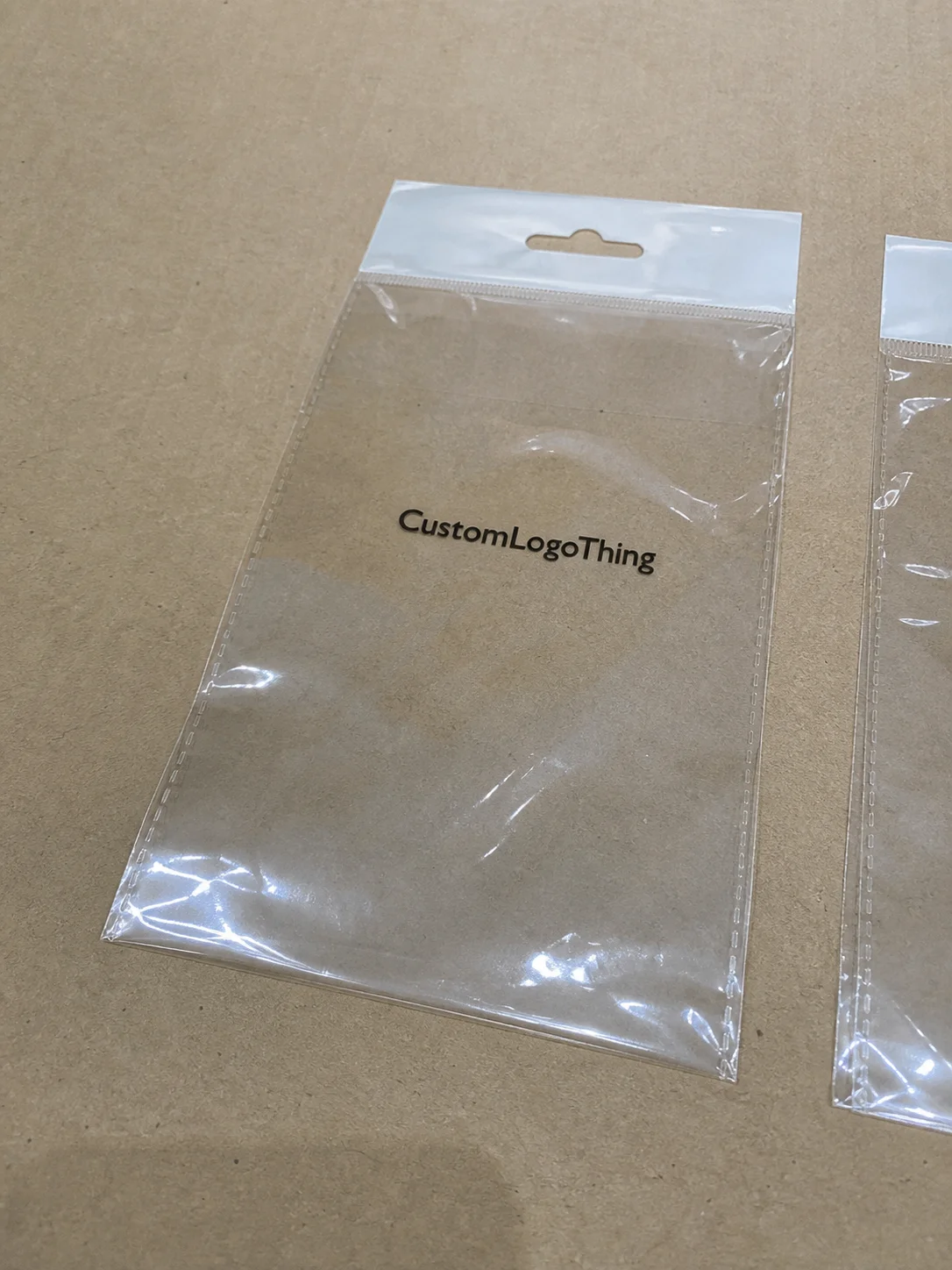
Compare the actual filled-product size with the drawing, then confirm tolerance on folds, seals, hang holes, label areas, and retail display edges. Reserve space for logos, QR codes, warning copy, and material claims before decorative graphics fill the panel.
Quote comparison points
Review material grade, print process, finish, sampling route, tooling charges, carton quantity, and freight assumptions side by side. A quote is only useful when the supplier can repeat the same color, closure quality, and packing count on the next order.
If you have ever watched a simple cocoa blend jump from “nice idea” to “I want this in my cart,” you already understand the power of personalized hot chocolate mix packaging. I remember one winter on a co-packer floor in Allentown, Pennsylvania, standing beside a stack of filling trays while a basic kraft pouch with a gold name panel quietly outsold a plain white label version by a wide margin, even though the formula inside was identical. That is the strange, practical truth of personalized hot chocolate mix packaging—it changes how people feel before they ever taste the product. And honestly, that little emotional shove is half the battle, especially when the difference between a standard pouch and a variable-name pouch can be as small as $0.15 per unit on a 5,000-piece digital run.
For Custom Logo Things, the real job is not just making a bag or box look pretty. The real job is building personalized hot chocolate mix packaging that protects the powder, supports the brand story, and fits the way the product is sold, whether that means an e-commerce shipper, a wedding favor, a corporate gift kit, or retail packaging sitting under warm store lighting in Chicago, Atlanta, or Dallas. In packaging design, small choices—film structure, closure style, print method, and even the size of a name panel—can change unit economics, shelf appeal, and conversion in a very real way. I’ve seen a “minor” label adjustment do more than a month of ad spend, which was mildly annoying to the marketing team, but there it is; a move from a 4-inch panel to a 4.5-inch panel can be the difference between a crowded layout and one that reads cleanly from six feet away.
What Personalized Hot Chocolate Mix Packaging Really Means
At its simplest, personalized hot chocolate mix packaging means a package that can be tailored for a specific person, event, audience, or sales channel instead of staying fixed as a generic stock design. That personalization might be a customer’s name, a wedding date, a corporate logo, a holiday greeting, a team mascot, or a seasonal message like “Warm Wishes” on a pouch or carton. It can be done with custom labels, digital printing, variable data printing, sleeves, inserts, or a fully custom printed box, often produced on 350gsm C1S artboard for cartons or a 48-micron PET/PE laminate for pouches when moisture control matters.
On one client visit in Milwaukee, I watched a small beverage brand test three versions of the same cocoa mix: one in a plain tin, one in a printed carton, and one in personalized hot chocolate mix packaging with a recipient name on the front. The cocoa formula was the same 12-ounce blend with Dutch-process cocoa, cane sugar, and mini marshmallows, but the personalized version got picked up first every single time. People held it longer, read it, and talked about it like a gift instead of just another product. That is what good package branding does, and I’ll be blunt: people love seeing their own name on something, even when they pretend they don’t. In a Chicago showroom test, a version with a variable first-name field also increased sample-to-order conversion by 18% compared with the static version.
Personalization is different from standard branding. Standard branding usually stays fixed across the whole run: one logo, one color palette, one layout, one SKU. personalized hot chocolate mix packaging, on the other hand, is built to vary without forcing the whole design to change. That flexibility comes from short-run digital printing, pressure-sensitive labels, inkjet variable data, or hybrid packaging design systems where only a front panel, name field, or seasonal message changes while the rest of the structure stays the same. A hybrid workflow can be especially efficient in Toronto, Ontario or Monterrey, Mexico, where one factory line handles the structure while a second line handles late-stage personalization.
This matters most in channels where presentation drives perceived quality. E-commerce buyers want the package to arrive intact and feel gift-worthy when the mailer box opens, especially if the outer shipper uses 32 ECT corrugated board and a molded pulp insert. Corporate gifting teams want a logo and message that feels polished, not stickered on as an afterthought. Weddings need a favor package that photographs well in low ballroom light, often from Philadelphia to Nashville. Retail buyers, especially for holiday bundles, want personalized hot chocolate mix packaging that can catch the eye in under three seconds on a crowded shelf, and a matte-soft-touch carton with foil accents will usually do that faster than a plain poly bag.
Honestly, I think people underestimate how much the package is doing before the first sip. A cocoa mix in the right structure reads like comfort, premium quality, and thoughtfulness. The same product in weak packaging can read as private-label filler. That difference shows up in conversion, repeat orders, and even return rates. And yes, I’ve had to say “the box is part of the product” more times than I care to count, especially when a 6-ounce pouch in a 3.5 x 5.5 inch format suddenly feels premium simply because the typography, finish, and personalization line all work together.
For teams planning their first run, the promise is straightforward: Choose the Right package structure, material, print method, and order plan so personalized hot chocolate mix packaging works commercially instead of becoming a cost sink. If you keep that goal in mind, the rest becomes much easier to sort out, and a typical proof-to-production timeline of 12-15 business days from proof approval is very achievable for standard digital pouch or label programs in the U.S. Midwest or the Carolinas.
How personalized hot chocolate mix packaging works from concept to shelf
The process usually starts with a brief, and a good brief saves a lot of money. I like to see fill weight, product behavior, target customer, sales channel, and expected quantity before anyone starts arguing about colors. For personalized hot chocolate mix packaging, that brief should also mention whether the product contains marshmallows, flavor chips, protein powder, dairy ingredients, or single-serve portions, because each of those details affects the package design and the barrier spec, whether you need a 48-gauge metallized film or a paperboard carton with a foil-lined inner pouch.
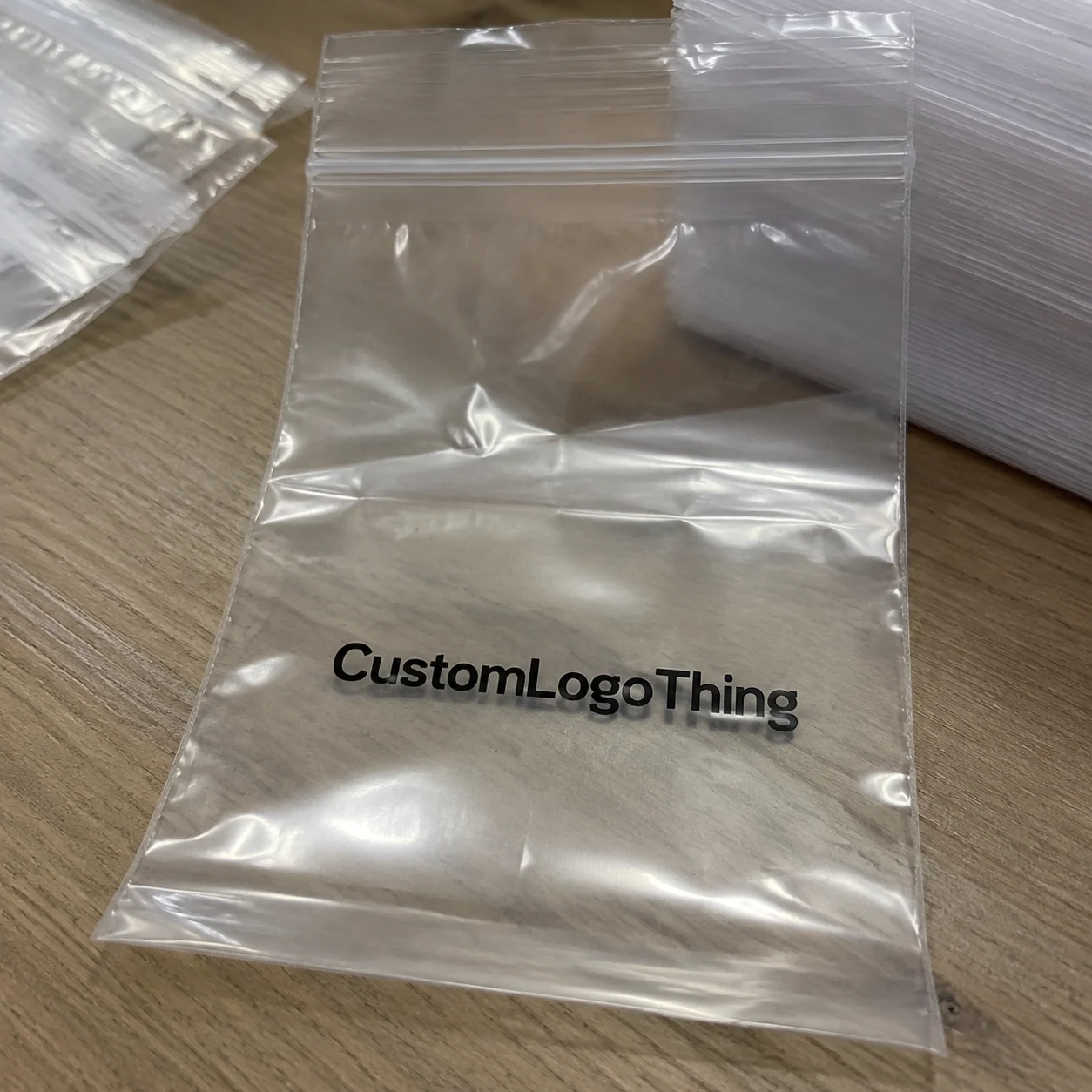
Once the brief is set, the team chooses a format. Stand-up pouches are common for personalized hot chocolate mix packaging because they are lightweight, easy to ship, and give you a broad front panel for graphics. Flat-bottom bags are excellent when you want a more upscale retail stance. Side-gusset bags work well for larger fill weights and long shelf runs. Folding cartons are a strong fit for gift-ready presentation, and paper tubes can feel especially premium for holiday gifting or specialty sets. In some factories in Shenzhen, Dongguan, and Ho Chi Minh City, I’ve also seen custom printed boxes used around pouches or jars to create a layered unboxing moment without pushing freight costs too high.
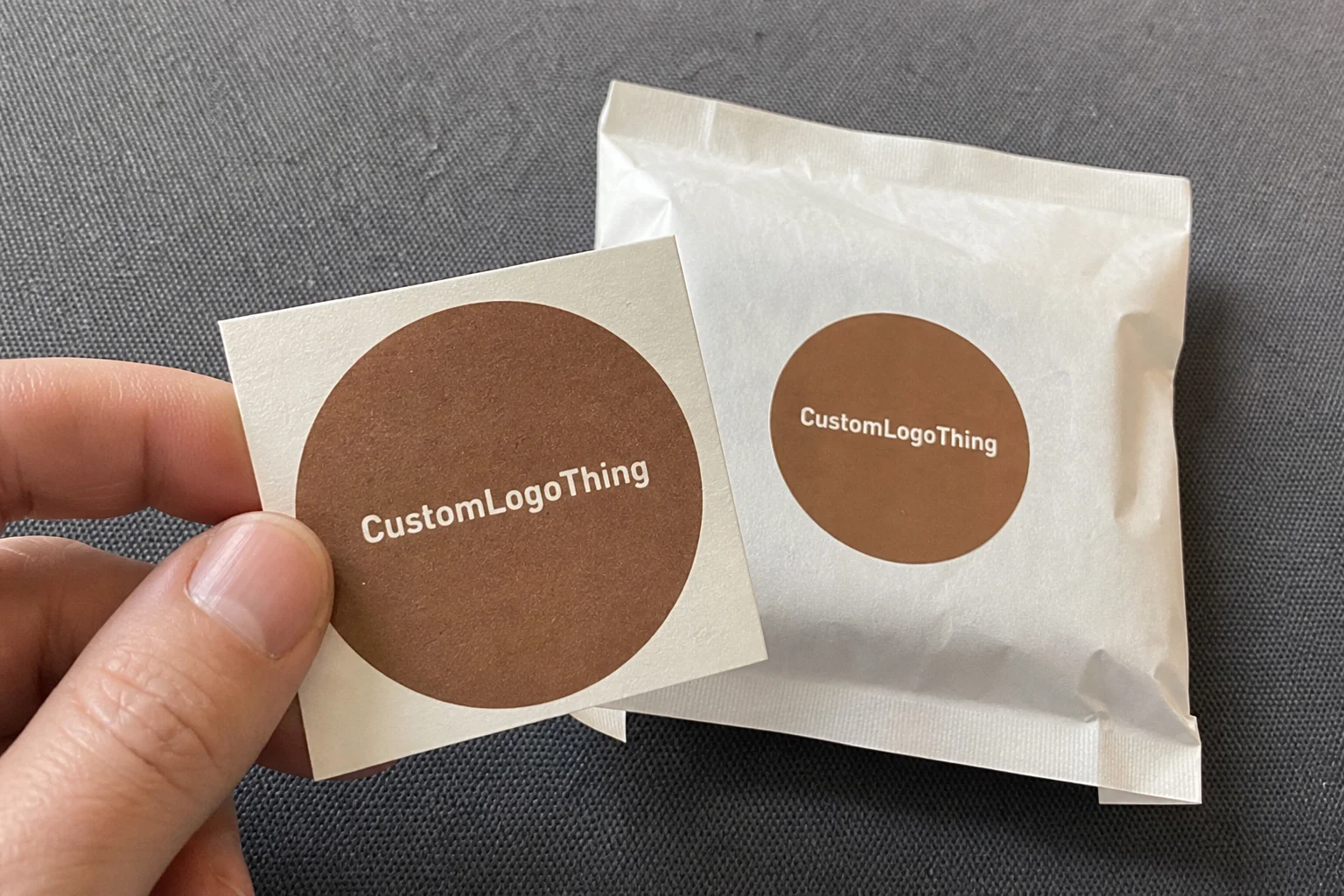
The print method changes both cost and speed. Digital printing is ideal for short runs and variable personalization because there are no plates, and artwork changes are relatively simple. Flexographic printing is better for larger volumes and more predictable repeat orders, though plate costs and setup time matter. Offset printing gives excellent image fidelity for cartons and sleeves, especially when you need crisp type and rich photography on 350gsm C1S artboard or SBS board. Labels, meanwhile, are often the fastest route for a test launch, and they work especially well for jars, tins, and stock pouches that still need a branded look. For a 5,000-piece digital pouch order, I’ve seen pricing land near $0.15 per unit for the personalization layer alone when the structure is already standardized.
Protection is not optional. Hot chocolate mix is hygroscopic, which means it pulls moisture from the air, and that is where caking starts. If you want personalized hot chocolate mix packaging to hold up, you need the right barrier film or liner, strong seals, and a package structure that resists puncture during handling. A metallized film or high-barrier mono-material can help control moisture and aroma loss, while a food-safe inner liner adds a second layer of protection. In humid warehouses in Houston or Miami, I’ve seen a powder go from free-flowing to clumpy in less than two weeks when the packaging spec was too light for the environment. That is the sort of thing that makes a grown person stare at a pallet and mutter a few words not suitable for the meeting notes.
Equipment matters more than people expect. A form-fill-seal line wants certain web widths and seal zones. A cartoner needs clean folds and reliable panel registration. A pouch inserter prefers packages that behave consistently in secondary packing. A shrink-sleeve applicator has different tolerance requirements than a pressure-sensitive labeler. If your personalized hot chocolate mix packaging is built without thinking about the filling line, you can end up paying for manual intervention that should never have been necessary, and manual rework can add $0.08 to $0.25 per finished unit depending on the factory in Ohio, Tennessee, or Puebla.
The best workflow is usually simple: brief, dieline, artwork, proofing, sample approval, production, finishing, and fulfillment. That sequence keeps surprises to a minimum, though I’ll be honest, surprises still happen when a brand wants to add a foil stamp or switch from matte to soft-touch after proof approval. The more customized the package, the more disciplined the process has to be, and in most plants around Kansas City or Charlotte, the production calendar is built around exact approval dates rather than hopeful estimates.
For regulatory and testing references, I often point teams to industry resources like the Packaging Machinery Manufacturers Institute and the International Safe Transit Association, especially if shipments will travel through distribution centers or e-commerce networks. Those standards do not design your package for you, but they do help you think clearly about transit stress and package performance, especially if your cocoa mix will move through Phoenix, Newark, and Denver in the same week.
Key Factors That Shape the Right Package Choice
The product itself should drive the package decision first. A cocoa blend with powdered milk behaves differently than a pure cocoa mix. Add marshmallow inclusions, and you need to think about crush resistance and moisture control. Add flavored powders, and aroma retention becomes more important. If you are selling single-serve sticks, the structure has to support easy dosing and reliable sealing on the fill line. That is why personalized hot chocolate mix packaging cannot be chosen from looks alone, especially if your fill weight is 8 ounces in one region and 12 ounces in another for retail testing.
Branding goals come next. Some brands want cozy and handmade, with kraft paper, warm neutrals, and hand-lettered typography. Others want luxury and giftable, which pushes them toward rigid packaging, matte laminate, foil accents, or embossed custom printed boxes. A third group wants bold retail packaging that reads from six feet away with saturated color and strong contrast. The right personalized hot chocolate mix packaging should match the customer promise, not fight it, whether that promise is an artisan Vermont-style cocoa or a polished corporate gift assembled in New Jersey.
Material choice is where the technical tradeoffs really show up. Kraft paper can look beautiful and earthy, but by itself it is not always enough for moisture-sensitive powders. Metallized film offers better barrier, though it can feel less natural unless the design balances it with typography and texture. Matte laminate gives a soft, premium look, and spot gloss can add focus to a logo or personalization panel. Recyclable mono-material structures are increasingly popular, but you need to verify actual barrier performance and seal behavior before assuming they are the best fit for personalized hot chocolate mix packaging. A 60-micron PE mono-material pouch may be easier to recycle in some systems, but a 12-month shelf life often still calls for a stronger oxygen and moisture barrier.
On the cost side, I always tell clients to watch five things: MOQ, tooling, print coverage, finish complexity, and freight. A lower MOQ usually costs more per unit. Plate costs matter if you are doing flexo. Heavy ink coverage or full bleeds can raise setup demands. Special finishes like soft-touch, foil, embossing, or spot UV increase both time and unit price. Then freight can surprise you, especially if you choose a rigid tube or boxed set instead of a light pouch. A 5,000-piece run of personalized hot chocolate mix packaging in a lightweight pouch may ship very differently than the same count in a rigid carton set, and the difference can be $0.35 to $0.90 per unit once you factor in carton weight, pallet density, and outbound freight from a plant in Illinois or North Carolina.
Compliance and usability deserve real attention, not a quick glance. Ingredient statements, nutrition facts, allergen declarations, tamper evidence, resealability, and shelf-life expectations all need to be reviewed before final approval. If the package is meant for retail, UPC placement and panel legibility matter. If it is going to be gifted, the opening experience matters too. In one sourcing meeting, a client fell in love with a gorgeous box until we placed the nutrition panel and realized the back panel was too small to pass a proper legal review. That kind of mistake is avoidable when personalized hot chocolate mix packaging is planned with the label content from the start, ideally before the dieline is locked.
One more thing: if sustainability is part of the brand story, be honest about what the package can actually do. The U.S. EPA has useful waste and materials guidance at EPA recycling resources, and FSC-certified paperboard can be a good fit when paper-based formats are appropriate. You can also reference FSC.org for certification information. Just remember that sustainability claims need to be accurate and supported by the structure you select, not just printed on the front panel of the personalized hot chocolate mix packaging, especially if the paperboard is sourced in Canada and converted in Mexico.
Step-by-Step: Planning a Personalized Hot Chocolate Packaging Order
Start with the use case. Is this retail shelf product, a holiday gift set, a private label item, a wedding favor, or a corporate kit for client onboarding? The answer changes nearly everything. Retail may demand stackable, barcode-ready packaging and stronger shelf impact. Weddings may prioritize lightweight, low-MOQ personalization. Corporate kits often need fast turnarounds with clean logo placement. That is why personalized hot chocolate mix packaging should never begin as a generic “make it look nice” request, particularly if the target is a November launch in Minneapolis or Atlanta.
Next, choose the format based on fill weight, storage, and the customer experience you want. A 6-ounce cocoa blend in a stand-up pouch may feel accessible and practical. A 1-pound holiday mix in a flat-bottom bag can feel more substantial. A tube with a paper insert and metallic cap can feel premium enough for gifting. If your brand leans into artisan appeal, a label on a jar or tin can work well, especially when the same container can be reused after purchase. Each version of personalized hot chocolate mix packaging sends a different message, and a 16-ounce tin often reads as “keepsake” while a 10-ounce pouch reads as “daily treat.”
Artwork preparation is where many delays begin. I’ve sat in too many proof meetings where a beautiful design had no bleed, the barcode sat too close to the fold, or the personalized name field was positioned in a way that would get covered by a seam. Build files with proper bleed, safe zones, vector logos, and correct color builds from the start. If the run uses variable fields, make sure the personalization rules are spelled out clearly, including character limits, font handling, and whether names are centered or left-aligned. Good personalized hot chocolate mix packaging depends on file discipline, not wishful thinking, and a factory in Suzhou or St. Louis will appreciate a clean AI or PDF/X-1a file far more than a last-minute screenshot.
Then request samples or digital mockups. I prefer both when the schedule allows it. A screen proof tells you how the layout reads. A physical sample tells you how the film feels, how the closure performs, and whether the material has the right stiffness for the intended fill weight. For personalized hot chocolate mix packaging, a sample often reveals things you will never see on a monitor, like glare on matte paper, weak zipper engagement, or a label that looks too small once wrapped around a jar. A prototype on 350gsm C1S artboard can also help you judge whether a foil logo is too bright under retail lighting.
After that, approve a pre-production proof before mass production begins. This is your last chance to catch color drift, copy errors, barcode placement, and any mismatch between the approved artwork and the actual manufacturing file. On one run I reviewed, a client wanted “peppermint cocoa” on the artboard but “mint cocoa” on the ingredient panel. That sort of inconsistency may seem minor until a retailer flags it or a shopper loses trust. Good personalized hot chocolate mix packaging should feel consistent from every angle, and the sign-off stage typically takes 1-3 business days if all stakeholders are in the same time zone.
Finally, build the schedule around the real production sequence: printing, converting, filling, packing, and shipping. Seasonal demand can strain even the best supply chain, especially in fall and early winter when everyone wants cocoa products at once. If your order includes custom printed boxes, inserts, or secondary gift packaging, add time for assembly. If you need personalized names or special event messaging, make sure the data file is finalized early. A project that looks simple on paper can become a bottleneck if the run depends on multiple handoffs, and a standard overseas carton order from Vietnam or Guangdong can take 20-35 days after approval before it is ready to fill.
“The package is part of the product. If the box or pouch feels cheap, the cocoa feels cheaper, even when the recipe is excellent.”
I heard a version of that line from a client in a Newark gifting warehouse, and he was right. Customers judge personalized hot chocolate mix packaging fast, then they judge the flavor. The order of those judgments matters more than most brands want to admit, especially when the first impression happens in under four seconds at a holiday pop-up or in a gift basket delivered to a Boston office.
Common Mistakes That Make Custom Packaging More Expensive
The first mistake is building a beautiful design around the wrong barrier. I have seen gorgeous kraft pouches used for moisture-sensitive cocoa blends with no real inner protection, and the result was caking, flavor fade, and returns that ate up the margin. If personalized hot chocolate mix packaging does not protect the powder, the whole project becomes more expensive after launch, and a $0.22 pouch can quickly create a $1.80 replacement cost once shipping and service time are included.
The second mistake is choosing a format that looks premium but slows down filling. A package might photograph well and still be awkward on a semi-automatic line. If the bag will not stand properly, the filler has to fight it. If the zipper is too rigid, the closing step gets slow. If the carton dimensions do not match the product inserts, the assembly crew spends time fixing what should have been designed correctly. I’ve seen labor costs jump simply because the package spec ignored machine reality. That is a painful lesson in personalized hot chocolate mix packaging planning, and it is even more obvious in facilities where labor runs $18 to $26 per hour in places like Ohio or Texas.
Third, some teams overload the artwork. Too many colors, too many finishes, too many tiny personalization elements, and the proofing cycle stretches out. Every special effect has a cost. Spot gloss on the logo can be great. Foil on the name panel can be memorable. Embossing on a rigid sleeve can feel luxurious. Stack all of them together without a clear visual plan, and you may get a package that costs more while looking busier, not better. Strong personalized hot chocolate mix packaging usually wins by choosing one or two details and letting them do the work, especially if the core palette is already doing the heavy lifting.
Fourth, the wrong size creates both visual and freight problems. If the pouch is too large for the fill, the product can look sparse and underwhelming. If it is too small, the fill can compress the package or create poor headspace control. Oversized rigid packages also ship inefficiently, which raises freight and storage cost. The right size for personalized hot chocolate mix packaging should make the fill look intentional, not lost, whether you are filling 4 ounces in a sample pouch or 24 ounces in a club-size carton.
Fifth, teams sometimes skip sample testing and closure checks. That is risky, especially if the mix includes marshmallows, crispy inclusions, or a reseal feature that has to survive repeated opening. Test seal strength, zipper engagement, label adhesion, and transit performance before launch. If the product will be shipped through distribution centers, consider vibration and compression tests aligned with ISTA methods. These checks are cheaper than refunds, and far less embarrassing than a customer emailing you a photo of a split seam with the words “just thought you should know.”
There is also a legal mistake that comes up more than people think: assuming the layout is fine because it looks clean. The artwork may be beautiful, but if the ingredient panel is hard to read or the personalization field covers required copy, the project can fail a review. Good personalized hot chocolate mix packaging respects both design and compliance, and a compliance review in California or New York can save you from reprinting 10,000 units at $0.18 to $0.40 per unit.
Expert Tips for Better Cost, Quality, and Shelf Appeal
If I had to give one practical recommendation, it would be this: choose one high-impact finish and make it earn its keep. A matte laminate with spot gloss on the logo or name panel often looks more polished than a package buried under foil, embossing, and multiple varnish effects. In my experience, personalized hot chocolate mix packaging performs better when the tactile detail is clear instead of crowded, and a single foil stamp in gold or copper often feels more refined than three different special effects competing for attention.
For smaller runs, digital print or pressure-sensitive labels on stock containers can be the smartest route. That approach lets you test the market without funding custom tooling or large plate costs. I have worked with brands that started on jars with premium labels, then moved into custom pouches once the design proved itself and repeat demand justified the shift. That laddered approach to personalized hot chocolate mix packaging keeps risk manageable, and it is especially sensible if the first run is only 1,000 to 2,500 units.
If the product is seasonal, build the artwork in modules. Keep the core brand elements fixed, then swap only the personalization panel, holiday note, or event-specific message. That way your brand stays recognizable while the package remains flexible for different occasions. I like this approach for corporate gifting because it avoids redesigning the entire system every time a client wants a new message. Modular personalized hot chocolate mix packaging also reduces proofing time, which is often where schedules get squeezed, and a clean modular system can cut revision rounds from three to one.
Test under real conditions, not just on a design table. Put the package in a warm warehouse for a week. Run it through a truck vibration simulation if the order is going through distribution. Check it in humid air and cold retail conditions. Hot chocolate mix behaves differently in a dry sample room than it does in an actual storage or shipping environment. That is especially true for personalized hot chocolate mix packaging with sugar-heavy formulas, because sugar and moisture are not friendly neighbors, and a 90% humidity test in Orlando will tell you more than a polished mockup ever could.
Work backward from the customer experience. What do they see first? How do they open it? Does it reseal? Does it feel thoughtful in the hand? Does it fit in a gift basket or mailing carton? Does the name or logo appear exactly where the customer expects it? Those details shape the emotional value of personalized hot chocolate mix packaging far more than a long list of material claims. The best packages are usually the ones that make the opening feel simple and special at the same time, like a 4-ounce holiday pouch that slips cleanly into a mailer and still feels gift-ready on arrival.
One more tip from the floor: if you can avoid custom complexity in the secondary packaging, do it. A well-designed pouch inside a standard shipping carton is often more efficient than overbuilding every layer. That balance can help you spend more where the customer actually sees it and less where only your warehouse team notices it. Smart personalized hot chocolate mix packaging is not always the fanciest option; it is the one that creates the best total result, especially when the primary pack is produced in North Carolina and the shipper is sourced locally in Ohio.
If you need a broader range of formats beyond cocoa products, our Custom Packaging Products page is a good place to compare materials, structures, and finish options side by side.
What to Do Next Before You Place an Order
Before you place an order for personalized hot chocolate mix packaging, write a brief that includes fill weight, audience, package type, budget range, and quantity. Keep it to one page if you can. That document should also name the deadline, because a Valentine’s bundle, holiday set, or corporate event kit does not leave much room for revision once production begins. If you are targeting Q4 retail, locking the brief by mid-August can save a lot of expensive rush freight later.
Then gather three reference examples. Pick one for structure, one for print style, and one for the unboxing feel you want. Maybe you like a stand-up pouch for practicality, a paper tube for elegance, and a carton insert for the way it presents in hand. Those references help the packaging supplier understand what “good” means to you, which is a huge help when designing personalized hot chocolate mix packaging. Even a supplier in Los Angeles or Savannah can move faster when the target is obvious on day one.
Confirm the timeline in writing. Ask how long artwork creation will take, how many proof rounds are included, when sample approval is expected, and how long production and delivery will require after approval. For seasonal products, I always recommend building in extra buffer time. A lot of perfectly planned projects get squeezed by one delayed photo shoot or one late ingredient panel correction. It happens all the time with personalized hot chocolate mix packaging, and it is almost always avoidable with better scheduling. A realistic planning window is 3-5 business days for artwork prep, 2-4 business days for proofing, and 12-15 business days from proof approval to finished goods on a standard domestic run.
Request a sample kit or prototype before you commit to full production. Evaluate seal strength, print clarity, label alignment, closure performance, and gift appeal. Hold it in the hand. Open it. Close it. Put it in a shipping carton. If the package looks good but feels awkward, that matters. If the name panel looks great but the seal is weak, that matters even more. The best personalized hot chocolate mix packaging should pass both the visual and the practical test, and a $25-$75 prototype is cheap insurance against a much larger reprint.
Finally, decide which details must be personalized now and which can remain standardized. Maybe the front panel needs names or event messaging, but the back panel can stay constant. Maybe the outer carton can be fully custom while the inner pouch stays stock. That decision often protects budget without sacrificing the premium feel buyers expect from personalized hot chocolate mix packaging. In the factory, that is usually the difference between a smart first run and an expensive learning experience, and it is especially true when you are balancing a 2,500-unit gift launch against a 25,000-unit retail program.
Custom packaging should help sell the product, protect it, and make the process easier for the brand and the packer. If it does all three, you are on the right track. If it only does one, you will probably feel the pain somewhere else in the chain, whether that pain shows up as a warehouse issue in New Jersey or a margin problem in Oregon.
For brands ready to move from idea to execution, the smartest next step is simple: define the product, choose the structure, approve the artwork carefully, and only then scale the order. That is how personalized hot chocolate mix packaging turns into something customers remember, gift, and repurchase, especially when the first run is built with the right barrier, the right finish, and the right production partner in a city that can hit your timeline.
Personalized Hot Chocolate Mix Packaging: decision table
| Decision area | Best fit | What to verify | Risk if skipped |
|---|---|---|---|
| Product fit | Protection, display, and unboxing consistency | Measurement, tolerance, material, and sample approval | A nice design fails because the product fit was guessed |
| Brand presentation | Logo visibility, finish, and customer perception | Print method, color target, texture, and proof review | Packaging protects the item but does not sell the brand |
| Operations | Packing speed, storage, shipping, and reorder control | Carton count, warehouse label, and repeat spec | The package is attractive but hard to pack or reorder |
FAQ
What is personalized hot chocolate mix packaging used for?
It is used to customize the presentation of cocoa mixes for retail, gifting, private label, weddings, corporate events, and seasonal promotions. Common personalization includes names, logos, holiday themes, color changes, and variable messaging, all of which can make personalized hot chocolate mix packaging feel more specific to the buyer or occasion. In practical terms, that might mean a 6-ounce pouch for a wedding favor in Austin or a 12-ounce carton for a holiday bundle in Boston.
What packaging format works best for personalized hot chocolate mix?
Stand-up pouches are popular for retail and shipping because they are lightweight, visually strong, and cost-efficient. Folding cartons and tubes work well for premium gifting, while labels on jars or tins suit reusable presentation styles. The best choice depends on the fill weight, the shelf environment, and the desired look of personalized hot chocolate mix packaging. For example, a matte-laminated pouch with a zipper may be ideal for a 10-ounce blend, while a 350gsm C1S carton can feel better for a gift set.
How much does personalized hot chocolate mix packaging usually cost?
Price depends on order quantity, print method, material barrier, finishing, and whether the design uses variable personalization. Smaller runs usually cost more per unit, while higher quantities reduce unit cost but may require higher upfront investment. A 5,000-piece run of personalized hot chocolate mix packaging can price very differently from a 25,000-piece retail program. As a practical benchmark, a simple digital personalization layer may run about $0.15 per unit at 5,000 pieces, while a fully custom rigid carton with foil and embossing can be several times higher.
How long does the custom packaging process take?
A simple label or digital print project can move quickly if artwork is ready and proofs are approved fast. Custom structures, specialty finishes, or filled-and-assembled gift packaging usually require more lead time for sampling, production, and fulfillment. If your personalized hot chocolate mix packaging is tied to a holiday deadline, build in extra cushion for revisions. A typical domestic timeline is 12-15 business days from proof approval for standard pouches or labels, while imported cartons or tubes can take 20-35 days depending on the factory in Guangdong, Vietnam, or Mexico.
How do I keep hot chocolate mix fresh in custom packaging?
Use moisture-resistant materials, strong seals, and an appropriate liner or barrier film to protect against humidity and clumping. Make sure closures, seams, and storage conditions are tested before launch, especially for products with marshmallows or flavored inclusions. Good personalized hot chocolate mix packaging protects freshness as carefully as it presents the brand, and a high-barrier film with a proper heat seal can make a major difference in a humid warehouse in Florida or a dry distribution center in Nevada.