Buyer Fit Snapshot
| Best fit | Personalized Jewelry Boxes with Foam Insert projects where brand print, material claims, artwork control, MOQ, and repeat-order consistency need to be specified before quoting. |
|---|---|
| Quote inputs | Share finished size, material target, print colors, finish, packing count, annual reorder estimate, ship-to region, and any compliance wording. |
| Proofing check | Approve dieline scale, logo placement, barcode or warning zones, color tolerance, closure strength, and carton packing before bulk production. |
| Main risk | Vague material claims, crowded artwork, missing packing details, or unclear freight terms can make a low unit price expensive after revisions. |
Fast answer: Personalized Jewelry Boxes with Foam Insert: Structure, Print Proof, Packing, and Reorder Risk should be specified like a repeatable production item. The safest quote records material, print method, finish, artwork proof, packing count, and reorder notes in one written spec.
Production checks before approval
Compare the actual filled-product size with the drawing, then confirm tolerance on folds, seals, hang holes, label areas, and retail display edges. Reserve space for logos, QR codes, warning copy, and material claims before decorative graphics fill the panel.
Quote comparison points
Review material grade, print process, finish, sampling route, tooling charges, carton quantity, and freight assumptions side by side. A quote is only useful when the supplier can repeat the same color, closure quality, and packing count on the next order.
Years ago, I stood on a packing line in Shenzhen and watched a client get excited about the wrong thing. Glossy lid. Foil logo. Velvet ribbon. Very dramatic. The sample that saved the day was the plain-looking one with a firmer EVA cavity that held the ring exactly where it belonged. That tiny detail prevented a mess of scuffed prongs and loose-chain complaints later on. Packaging people love to obsess over the lid. Fine. The insert is the part doing the actual work, and in that factory, the difference between a 1.8mm clearance and a 4mm gap was the difference between a clean arrival and a headache.
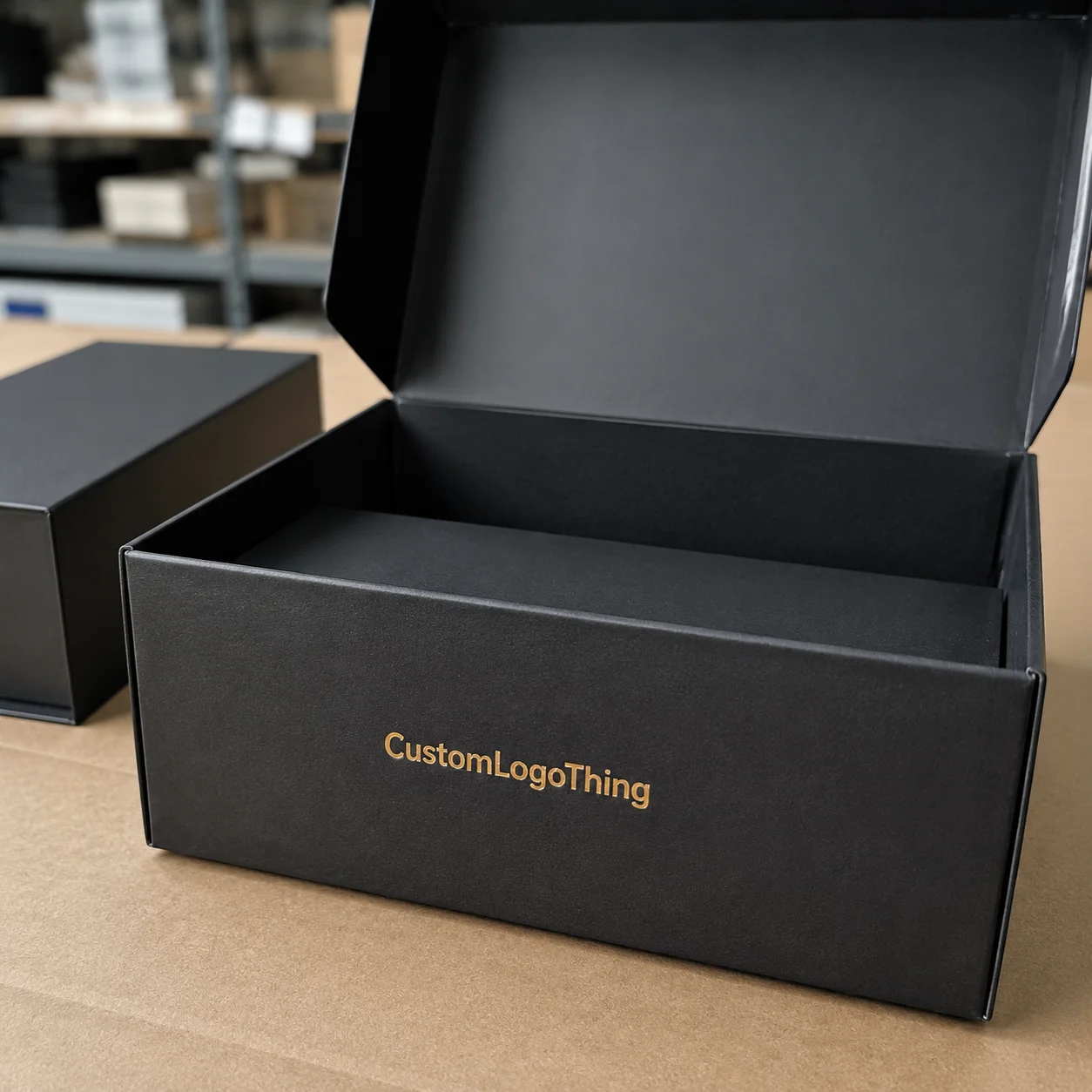
Personalized jewelry Boxes with Foam insert sit in that rare spot where branding and protection stop fighting each other. Rings, pendants, bracelets, watches, and delicate gemstone pieces all benefit from a box that looks polished and keeps the product from shifting around like it owns the place. The outer shell gets the applause. The foam insert keeps the jewelry from arriving tired, scratched, or bent out of shape. Honestly, I think that’s the whole point of good packaging: look expensive, behave responsibly. If the project is for a 14mm halo ring or a 42mm watch face, the insert has to know the difference.
I’ve watched boutique jewelers spend real money on foil stamping and wrap finishes, then under-spec the insert and wonder why a necklace pendant moved in transit. Not a mystery. Just a bad split of attention. The best Personalized Jewelry Boxes with foam insert do both jobs well: they present the product and protect it without making the customer feel like they’re opening a shipping crate. Nobody wants their engagement ring to arrive inside something that looks like it came from a hardware warehouse (I’ve seen worse, unfortunately). A box can cost $1.60 or $2.40 per unit and still fail if the foam cavity is off by 2mm.
Personalized Jewelry Boxes with Foam Insert: What They Are and Why They Stand Out
At the simplest level, personalized Jewelry Boxes with Foam insert are custom-finished jewelry boxes paired with a foam interior that has been cut, slotted, layered, or pocketed to hold a specific piece securely. The outer box may be rigid, wrapped chipboard, or a premium folding carton. The insert is usually EVA foam, EPE foam, polyurethane foam, or flocked foam, depending on how much protection and presentation the brand needs. In Dongguan and Shenzhen, I’ve seen all four on the same production floor, with the spec changing based on whether the order was 500 pieces or 10,000.
These boxes stand out because they solve two problems at once. Decorative packaging makes the product feel special. Protective packaging stops movement, scuffing, and breakage. Personalized Jewelry Boxes with foam insert can handle both if the fit, foam density, and internal dimensions are done properly. If they’re not, you get a pretty box with a loose bracelet rattling around inside it. Lovely. A real masterpiece of bad planning. A 3mm cavity mismatch can turn a premium unboxing into a return request.
Luxury brands use them for engagement rings and watches because the jewelry needs to sit centered and stable. Small-batch makers use them too, and they get just as much value from the structure. A good insert keeps a pair of earrings from banging against the cavity wall. That matters for a $60 charm set. It also matters for a $6,000 ring. Price doesn’t change physics, which is annoying but useful. A ring box built for a 6mm band should not be pretending it can hold a 12mm cocktail ring without a custom cutout.
Common use cases include:
- Engagement rings and wedding bands
- Earrings, especially stud sets
- Pendants and necklaces with delicate chains
- Bracelets and bangles
- Watches with strap keepers
- Charm collections and gemstone assortments
The sweet spot for Personalized Jewelry Boxes with Foam insert is where brand presentation, transit protection, and budget all meet. Push too hard on one side and the package feels off. A gorgeous lid with a weak insert leads to returns. A tough insert in a cheap-looking shell drags down perceived value the second the customer touches it. I’ve had buyers talk for twenty minutes about ribbon color, then go silent when I ask about cavity depth. That silence tells you everything. A box that costs $0.95 at 5,000 pieces and one that costs $1.85 can both be wrong if the structure is built on guesses.
“The box is what the customer sees first, but the insert is what decides whether the jewelry arrives looking new or looking handled.” A senior QC manager in Guangdong said that to me during a factory audit, and he was right.
For brands planning their first run of Custom Packaging Products, starting with the insert is often smarter than starting with the print finish. The insert sets the internal dimensions, the lid closure depth, and how much the jewelry can move if the parcel takes a hit in transit. I know that sounds unglamorous. It is. It also saves money. In one Guangzhou project, changing the insert first cut the damage rate from 3.4% to 0.6% before we touched the outer artwork.
How Personalized Jewelry Boxes with Foam Insert Are Made
The production flow for personalized jewelry Boxes with Foam insert starts with box style selection. A rigid setup box feels different from a folding carton, and that choice affects cost, build time, and how premium the box feels in hand. In a standard packaging plant in Shenzhen or Dongguan, the shell may be wrapped in art paper, specialty paper, linen-texture stock, or soft-touch laminated board, then assembled before the insert is fitted inside. A typical rigid shell might use 1.8mm grayboard; a premium version might move up to 2.0mm or 2.5mm depending on the size and shipping route.
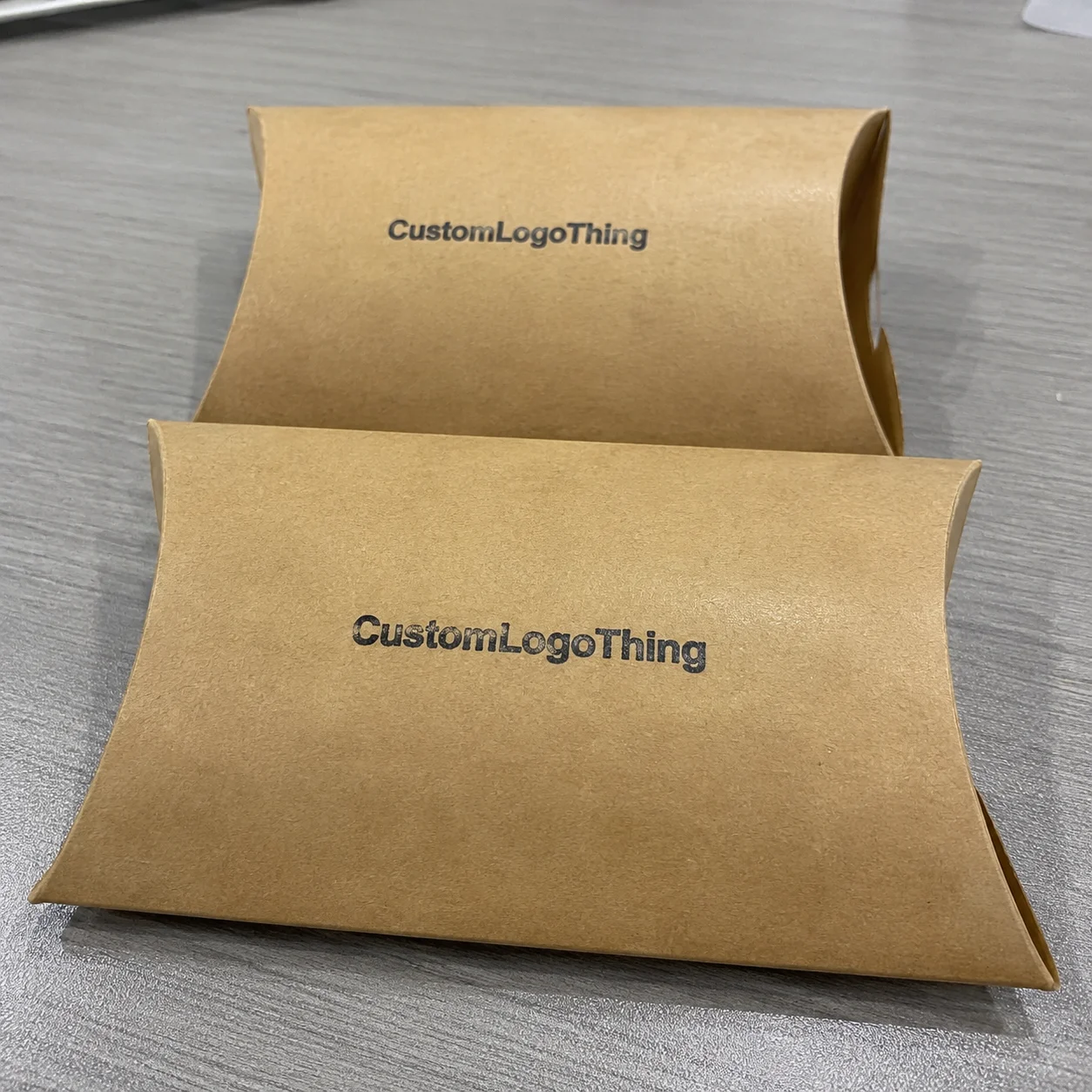
For premium projects, the outer shell is often a wrapped chipboard structure built from 1.5mm to 2.5mm grayboard, then covered with printed paper or specialty wrap. Folding cartons use a single board, usually 350gsm C1S artboard or 400gsm SBS paperboard, and work better for lighter jewelry or retail programs where cost matters more than rigid-box presence. I’ve seen both done well. I’ve also seen both done badly, which is a very different story and usually starts with someone saying “we can probably save a little here.” Sure. And then the box feels like a cereal package pretending to be luxury. The paper spec matters because 350gsm C1S artboard folds cleaner for printed sleeves, while 1.5mm grayboard gives you the heavier feel people expect from a gift box.
The foam insert is where the engineering gets specific. EVA foam is a common choice because it cuts cleanly, keeps its shape, and resists compression better than many softer foams. EPE foam is lighter and lower cost, which can work for simpler trays or less delicate items. Polyurethane foam feels softer, though it can lose shape faster under pressure. Flocked foam adds a velvety surface that many brands like for luxury presentation, but it isn’t always the strongest option for heavy pieces or long shipping routes. A 45-density EVA insert in black often performs better for watches than a soft 28-density PU foam that looks nicer on day one and deforms by week three.
Insert cutting methods vary with complexity and volume. A simple ring slot may be knife-cut or hand-slotted in lower runs. A more exact layout may use CNC die-cutting or laser cutting for tighter tolerances. If the design includes multiple cavities, pocket-routing or layered foam construction helps create different depths for rings, chains, and accessory cards. For high-volume production, a steel rule die can speed up repeat cuts and improve consistency across 5,000 or 10,000 pieces. In Guangzhou, one line I visited could cut 8,000 inserts per day once the die was approved and the cavity map stopped changing every hour.
Personalization happens on the exterior, the interior, or both. The most common methods I’ve seen on factory floors are foil stamping, embossing, debossing, UV print, screen print, and digital print. Gold, silver, and rose gold foil still sell because it gives jewelry packaging a premium spark without looking overworked. Embossing suits brands that want texture without too much shine. UV print works well for colorful logos or detailed artwork. A single hot-stamped logo on a matte black lid is often cleaner than three print effects and a ribbon nobody asked for.
A proper sample or pre-production proof matters more than many buyers expect. It verifies color, logo placement, foam depth, insert compression, and closure feel. I once watched a client approve artwork from a digital render, then find during sampling that the ring sat 3mm too high and hit the lid. That small mismatch would have turned into a production headache across 8,000 boxes. Eight thousand. Picture that phone call. No one was smiling. The proof was approved in one day, but the sample saved us from a 12,000-unit rework order that would have cost more than the entire print job.
For brands comparing options, the table below gives a practical view of what usually changes with structure and material choice.
| Box Type | Typical Material | Presentation | Protection | Common Use |
|---|---|---|---|---|
| Rigid setup box | 1.5mm–2.5mm grayboard, wrapped paper | High | High | Rings, watches, premium gifts |
| Folding carton | 350gsm–400gsm paperboard | Medium | Medium | Light jewelry, retail packaging |
| Wrapped chipboard box | Chipboard with printed or specialty wrap | High | High | Boutique and luxury lines |
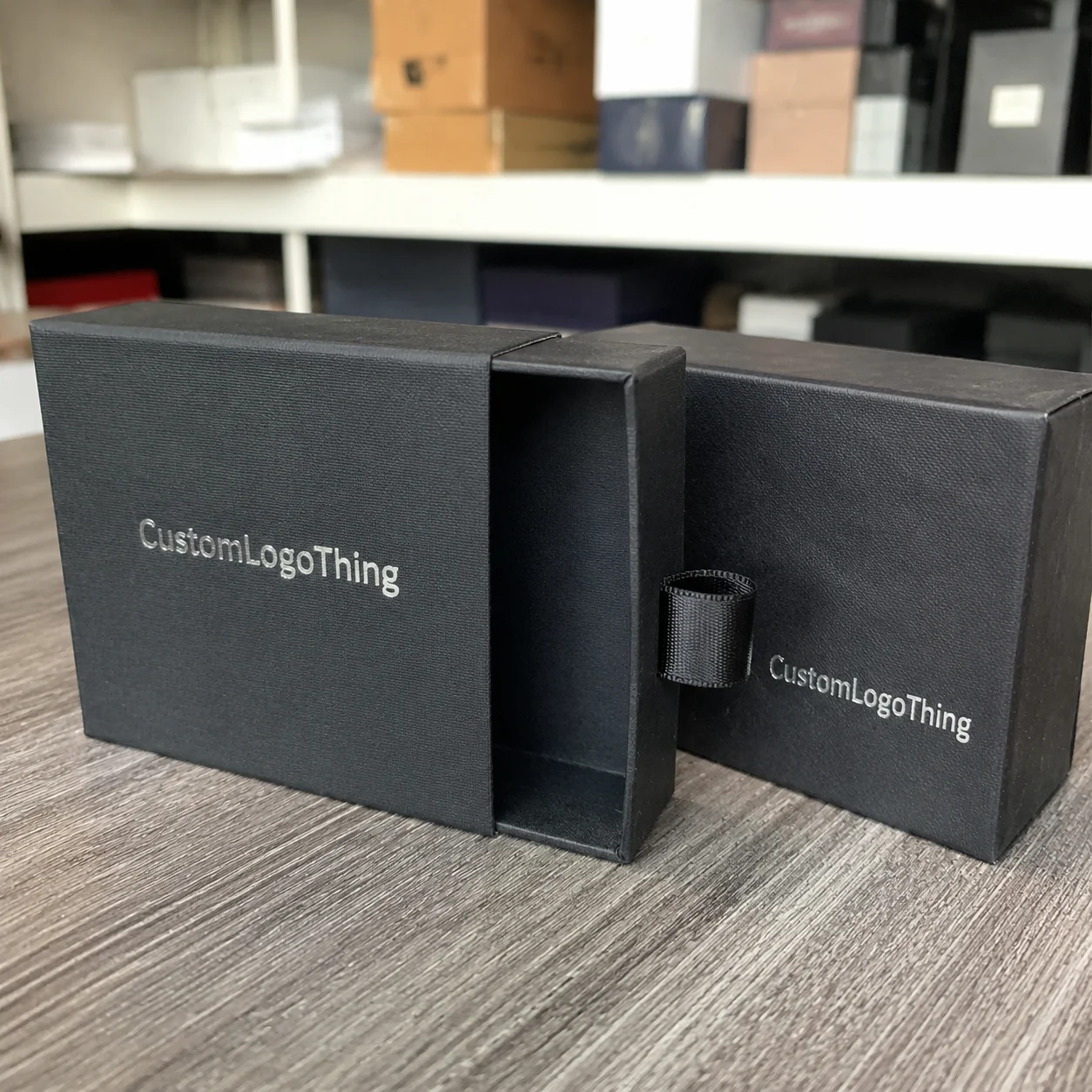
| Drawer box | Rigid shell with pull-out tray | Very high | High | Gift sets, earrings, necklaces |
If you want a deeper look at packaging standards and terminology, I often point clients to the Institute of Packaging Professionals and to ISTA for transit-test language. Those references help align conversations between brand teams, suppliers, and freight partners, especially when the order needs real shipping performance instead of just a pretty mockup. I’ve sent buyers to those resources before a 15,000-piece order in Ningbo because the freight lane to Chicago was rough enough to make a weak insert fail.
Key Factors That Shape Design, Protection, and Presentation
Size and internal tolerance are the first things I check when reviewing personalized jewelry boxes with foam insert. Jewelry should fit snugly, but not so tightly that prongs, clasps, or chain links get forced into awkward positions. A ring cavity that is 1mm too small can mess up packaging behavior fast. A necklace tray that is too loose can let the chain tangle and shift during handling. On a 55mm x 55mm ring box, even a 2mm foam error is obvious once the lid closes.
Foam density matters more than how soft the foam feels at first touch. A softer material may feel luxurious when you press it with your thumb, yet it can compress too easily under the weight of a watch or gemstone pendant. Denser EVA foam usually gives better compression recovery, which means it springs back after pressure and keeps its shape through repeated opening, closing, and shipping vibration. In practical terms, 35 to 45 kg/m³ EVA usually holds better than low-density filler foam for export orders leaving Shanghai or Shenzhen.
The visual side matters too. Paper wrap texture, linen finish, matte lamination, and soft-touch coating all change how customers perceive the box before they even see the jewelry. A soft-touch exterior can make personalized jewelry boxes with foam insert feel premium in hand, while a textured linen wrap often photographs beautifully under warm retail lighting. I’ve seen small brands raise perceived value by moving from glossy paperboard to a cleaner matte rigid box with crisp foil and a darker insert color. Tiny change. Big effect. Packaging is rude like that, especially when the same design goes from a $0.60 carton to a $2.10 rigid box.
Inside the box, brand consistency should feel deliberate. The outside logo, the insert color, the ribbon pull, and even the cavity shape should support the same visual story. If the logo is silver foil and the inside foam is neon green, that mismatch can feel accidental unless the brand identity is built around it. Most jewelry buyers notice this instinctively, even if they don’t know the packaging terms. A charcoal insert with a champagne foil lid feels curated; a random color combo feels like leftovers from two different jobs.
Sustainability is another real consideration, but it has to be handled honestly. FSC-certified paperboard can be a strong step toward responsible sourcing, and soy-based inks are common in better print operations. You can read more about paper sourcing and responsible forest management at FSC. Not every foam alternative performs the same way, though, and some eco-positioned materials simply don’t protect high-value jewelry as well in transit. That tradeoff should be discussed plainly, not buried under vague green talk. If the jewelry is flying from Dongguan to Dallas, the greener option is the one that doesn’t trigger a replacement shipment.
Here’s the way I usually frame the design decision to clients: if the jewelry is fragile, expensive, or shipped long distance, protection comes first; if the box is mostly for local retail display, presentation can carry a little more weight. The best personalized jewelry boxes with foam insert find the balance instead of leaning too far in either direction. A box that ships 300 miles on local courier is not automatically the right box for a 20-day ocean freight route.
Three factory-floor details that matter
- Insert depth: even a 2mm change can affect lid closure and product clearance.
- Compression resistance: especially important for watches, heavy pendants, and multi-piece sets.
- Surface cleanliness: some lower-grade foams can shed dust or leave residue on polished metal.
Cost and Pricing: What Affects the Budget for Personalized Jewelry Boxes with Foam Insert
Pricing for personalized jewelry boxes with foam insert depends on a handful of variables that stack up quickly. The box structure, print method, foam type, insert complexity, and order quantity all affect unit cost, and extras like ribbon pulls, magnets, satin linings, and compartment trays can push the price higher. If a buyer asks for a rigid box with a custom die-cut foam insert, then adds embossing, foil, and a matte soft-touch finish, the cost naturally climbs. No mystery there. Just math wearing a tie. A factory in Dongguan can quote the same box at $1.18 or $2.95 depending on whether you want a standard black EVA insert or a multi-layer flocked tray with a ribbon tab.
As a practical example, a simple folding carton with a generic insert might land around $0.45 to $0.90 per unit at a moderate quantity, while a rigid box with custom EVA insert and basic foil branding might sit closer to $1.20 to $2.80 per unit depending on quantity and finishing. For lower runs, setup can push that higher. A 5,000-piece order usually spreads tooling and printing costs much better than a 500-piece order, which is why small brands often get surprised by the first quote. At 5,000 pieces, some suppliers can bring a simple die-cut insert down to about $0.15 per unit for the foam component alone, but only if the cavity shape is standard and the board spec is already locked.
Setup charges are a major part of the budget conversation. These can include dieline preparation, plate creation for print, cutting-tool fees for foam cavities, and sampling charges. If the insert shape is highly custom, there may be a mold or knife fee tied to the cutting method. I’ve had procurement meetings where the client focused only on the per-unit price, then wondered why the first invoice looked so different once sample work and tooling were included. That is a normal part of the process, not a trick, but it needs to be explained clearly. Otherwise everyone acts shocked, and the supplier gets blamed for basic arithmetic. A $120 sampling fee and a $180 foam tool fee can look small until they show up on the first quote with a 2,000-piece order.
Minimum order quantities matter as well. Larger runs lower the per-unit price because the fixed setup costs are spread across more boxes. Smaller runs are possible, but the economics shift fast. A 1,000-piece order of personalized jewelry boxes with foam insert often carries a noticeably higher unit cost than 5,000 or 10,000 pieces, especially if the job includes custom foam tooling and specialty paper. In practice, I usually see better pricing at 3,000 pieces and a much cleaner quote at 8,000 pieces if the line is running in Shenzhen or Foshan.
Where should a brand spend first? On the insert fit and the outer structure. Where can they simplify? Usually on the number of finishes. A single logo foil on the lid and a standard insert shape may deliver more value than three decorative effects that don’t improve the unboxing experience. A smart supplier can usually suggest ways to keep the premium feel without padding the budget with ornament for ornament’s sake. If your budget is $1.50 per unit, spending $0.35 on an unnecessary interior print just makes the math hurt more.
| Option | Typical Cost Pressure | Pros | Tradeoff |
|---|---|---|---|
| Folding carton + slotted foam | Low to medium | Lower cost, lighter shipping weight | Less premium feel than rigid |
| Rigid box + EVA insert | Medium to high | Strong presentation, better transit performance | Higher setup and material cost |
| Rigid box + flocked foam | High | Luxury appearance, soft touch | Can be pricier and less forgiving in heavy shipments |
| Drawer box + layered insert | High | Giftable, memorable unboxing | More assembly complexity |
Step-by-Step Process and Timeline from Concept to Delivery
The smartest projects start with clear inputs. Before asking for quotes on personalized jewelry boxes with foam insert, define the jewelry type, exact dimensions, target quantity, and shipping route. A box for a single stud earring set is not the same as a tray for a necklace with a long chain, and a domestic retail run is not the same as direct-to-consumer fulfillment packed into outer mailers. I’ve seen U.S. brands in Los Angeles and Miami save two weeks just by giving the supplier the real product dimensions on day one.
After that, the design team builds the dieline and insert layout. This is where the internal dimensions, wall thickness, hinge style, and cavity depth get locked down. The artwork needs to be placed on a real template, not just a flat mockup image, because the folds and edges change how logos sit on the actual box. I’ve been in meetings where a client approved a beautiful design only to discover that the logo landed too close to the hinge spine once the rigid box was assembled. Great-looking file. Bad box. Very expensive lesson. A proper dieline also helps confirm whether the insert needs a 16mm cavity or a 20mm cavity before any cutting starts.
Sampling comes next, and this is where many problems get solved cheaply instead of expensively. A sample run lets everyone test fit, finish, and foam depth. If the piece is a ring, the sample confirms whether the stone height clears the lid. If it is a necklace, the sample shows whether the chain slips into the cavity without bending awkwardly. If it is a bracelet, the sample verifies that the clasp doesn’t press into the foam wall. Good factories in Shenzhen or Zhongshan usually turn a basic proof in 3 to 5 business days, and a more complex foam prototype in 5 to 10 business days depending on tooling.
For a standard project, a practical timeline might look like this:
- Concept and brief: 1 to 3 business days
- Dieline and artwork setup: 2 to 5 business days
- Sample or prototype: 5 to 10 business days
- Revisions and sign-off: 2 to 4 business days
- Mass production: 12 to 20 business days, depending on quantity
- Quality control and freight booking: 2 to 5 business days
Those numbers are not fixed. They move with seasonality, material availability, and the complexity of the insert. If a supplier is waiting on specialty paper or custom die tooling, the schedule stretches. If the project uses standard board and a simple foam cut, it often moves faster. What I tell clients is simple: build in margin for revisions, because a good proof round is cheaper than redoing 3,000 boxes. And cheaper than apologizing to a retail buyer with a stack of unusable inventory, which is never fun. In practice, the timeline is usually 12-15 business days from proof approval for a straightforward rigid box run, then another 3 to 7 business days for packing and export booking if the factory is in Guangdong.
Communication checkpoints keep the job on track. Good suppliers should ask for sign-off on renderings, sample approval, and packing specifications before the order hits the line. That matters because once a packaging line starts running, small changes become expensive. A different foam cavity or a shifted foil location can mean a new cutting setup and more material waste. I’ve seen a last-minute insert adjustment add two extra days and a $260 tooling charge in Dongguan because the client changed the ring profile after proof approval.
If you are sourcing alongside other packaging lines, it can help to coordinate with a broader range of Custom Packaging Products so that the jewelry box, mailer, and outer gift bag all speak the same visual language. That level of consistency is one reason some brands look more established than their order size would suggest. A 2,000-piece jewelry launch can still look like a $200,000 brand if the packaging decisions line up.
Common Mistakes to Avoid with Personalized Jewelry Boxes with Foam Insert
The first mistake I see is choosing foam because it looks plush rather than because it performs well. A very soft insert can compress quickly, shed debris, or let pieces move during vibration. For personalized jewelry boxes with foam insert, the inside has to protect polished metal, gemstones, and clasps without leaving marks or residue behind. A 28-density foam may feel nice in the hand, but it can fail fast under the pressure of a heavy pendant or a watch on a long shipping lane.
The second mistake is ordering before confirming exact jewelry measurements. “About the size of a ring box” is not enough. I’ve watched a client send approximate numbers, then discover the chain draped differently than expected and the pendant pressed into the lid. Measuring the real product, including clasp hardware and prong height, avoids that kind of headache. Saves everyone from the classic “it should have fit” argument, which nobody wins. I always ask for the actual piece on a caliper, not a guess from marketing.
Another common issue is over-branding. A logo can absolutely elevate a jewelry box, but too much foil, too much contrast, or too many printed elements can make the box feel busy instead of premium. I remember a supplier negotiation where the buyer wanted gold foil, silver foil, spot UV, embossing, and a printed interior all on the same small ring box. In theory it sounded expensive. In reality it looked crowded. We scaled it back to one foil logo and a clean flocked insert, and the final sample felt more luxurious. The customer remembers the ring. Not the design committee.
Shipping errors are another source of trouble. If the box is strong but the outer carton is weak, the jewelry can still be damaged. If humidity is high and the insert material is not selected carefully, some foams can shift in feel or hold dust differently. That is why transit testing and pack-out review are worth the effort. ASTM and ISTA-style thinking matters here, because a parcel that survives a bench sample may behave differently once it is stacked, dropped, and moved through a distribution center. A box that passes a 1-meter drop test in the factory may still fail after 14 days in a humid warehouse in Guangzhou.
Finally, poor communication about orientation causes rework. A ring can be set horizontally or upright, a necklace can be displayed centered or offset, and a bracelet can be oriented to show a clasp or hide it. Those choices affect both the look and the fit. A few extra reference photos can save a surprising amount of time. I’ve had one buyer send me three phone pictures from a showroom in Milan, and that was enough to avoid a 600-box reprint.
Expert Tips for Better Results and a Stronger Unboxing Experience
Test with the actual jewelry piece, not only the dimensions. That is my number one tip for personalized jewelry boxes with foam insert. A drawing may say one thing, but once the chain is draped, the prongs are counted, and the clasp is folded, the item may sit 2mm or 4mm differently than expected. Physical testing beats assumptions every time. I’ve carried a sample box into a supplier meeting in Shenzhen with the real necklace inside, and that one move saved a week of back-and-forth.
Use contrast thoughtfully. Dark foam makes bright metals, diamonds, and white pearls stand out beautifully. Light foam can work better for colored stones or gold-toned pieces that need a softer background. I’ve seen brands improve product photography just by changing the insert color from light beige to charcoal gray, and that kind of visual lift is often cheap compared with redesigning the whole box. A charcoal EVA insert can make a $300 pendant look like it belongs in a $2,000 display case.
Think about the opening feel. A magnetic closure that is too weak can feel flimsy. One that is too strong can make the customer struggle with the lid. Ribbon pulls should have enough length to be useful but not so much that they look floppy. Even the hinge resistance matters, especially in drawer boxes and Rigid Setup Boxes used for high-end personalized jewelry boxes with foam insert. I usually ask for two closure tests: one with bare hands and one with gloves, because warehouse staff do not care about romance.
Consider the entire journey, not just the retail moment. The box should look good on a boutique shelf, survive warehouse handling, fit inside an outer mailer, and still feel special when the customer opens it at home. That is the real challenge. Packaging that only works in one setting usually disappoints somewhere else. A box that looks incredible under showroom lights in Paris can still get crushed in a mailer if the board spec is too light.
One practical finishing tip: ask for a pre-production sample from a factory that handles both box construction and foam fabrication in-house. That gives you tighter control over cavity depth, lid fit, and assembly consistency. When the shell maker and the foam cutter are under the same roof, there are fewer handoff errors, and fewer handoffs usually mean fewer surprises. In my experience, factories in Dongguan and Foshan with integrated production usually turn faster corrections than plants that outsource the foam work across town.
“The best sample is the one that teaches you something before production starts.” I still say that to clients when they are tempted to skip prototyping because the artwork looks finished.
If you are balancing aesthetics and protection, that is the moment to ask whether the box should be a display piece, a shipping-safe retail package, or a gift box that does both. Personalized jewelry boxes with foam insert can serve all three roles, but only if the specifications are written with intention. A 2.2mm grayboard shell with a 40-density EVA insert can be a very different animal from a 350gsm folding carton with a slotted EPE tray.
Next Steps: How to Plan Your Packaging Brief and Move Forward
Start with a clean packaging brief. List the jewelry type, exact dimensions, quantity, desired box style, branding method, and whether the package will ship directly to consumers or sit in a retail setting. For personalized jewelry boxes with foam insert, that first document saves a lot of back-and-forth because it tells the supplier whether the main job is protection, presentation, or both. A supplier in Shenzhen can quote faster when the brief includes ring size, chain length, and the target outer carton dimension instead of “something elegant.”
Next, gather reference images. Include at least one example of the box style you like, one insert style you like, and one finish reference for color or texture. If you want foil stamping, embossing, or soft-touch lamination, spell that out. If you are not sure, say so. A good supplier can narrow the field if the brief is honest. I’d rather get a vague brief with real dimensions than a beautiful mood board with no numbers.
Then prepare a simple spec sheet with:
- Product dimensions in millimeters
- Target quantity
- Box structure preference
- Insert material preference
- Logo method and artwork format
- Budget range per unit
That budget range is useful because it tells the manufacturer where to make tradeoffs. If the target is tight, maybe the outer box stays rigid but the insert becomes a standard EVA cut instead of a complex layered tray. If the budget is more flexible, a velvet-flocked insert or a drawer structure may be a smarter fit. There is no single right answer for all brands. I’ve seen a $1.10 budget produce a better-looking box than a $2.30 budget because the spec was cleaner and the supplier in Dongguan knew where to stop.
Request a sample or prototype before full production. Review it for fit, branding, and protection, and make sure the real jewelry sits the way you want it to sit. If there is any doubt, revise the sample rather than hoping mass production will somehow improve it. That rarely happens. A sample approved in 6 business days can save a 10,000-piece production run from becoming a very expensive lesson.
One last suggestion from the factory floor: ask your supplier how they control quality on the insert line. Do they check cut depth, foam density, cavity size, and lid clearance on every batch? Do they pack-test sample units before shipping? Those answers tell you more than a polished sales brochure ever would. If they can tell you the exact tolerance they hold, like ±1mm on cavity depth and ±1.5mm on lid fit, you’re dealing with a supplier who has actually made boxes, not just PowerPoints.
If you plan it well, personalized jewelry boxes with foam insert can do more than protect a ring or pendant. They can make the product feel deliberate, sharpen your brand story, and reduce the kind of damage claims that eat into margins. That is why I keep recommending them to jewelry brands, whether they are shipping 300 gift boxes a month or building a larger retail program. Personalized jewelry boxes with foam insert are one of those packaging choices that reward careful thinking at every step, from the first proof in Shenzhen to the final carton leaving the warehouse in Foshan. So the actionable move is simple: measure the jewelry piece first, lock the cavity depth second, and only then worry about the fancy finish. Get those three right, and the rest stops being guesswork.
What makes personalized jewelry boxes with foam insert a smart packaging choice?
Personalized jewelry boxes with foam insert combine brand presentation with product protection. The custom exterior supports your visual identity, while the foam insert holds jewelry steady so rings, earrings, necklaces, and watches arrive in better condition. That balance matters for unboxing and for lower damage rates.
FAQs
What are personalized jewelry boxes with foam insert best used for?
They are ideal for rings, earrings, pendants, necklaces, bracelets, and watches that need secure positioning and polished presentation. They work especially well for fragile or high-value pieces that can scratch, tangle, or shift during shipping, especially on routes that run through Shanghai, Shenzhen, or Ningbo distribution centers.
Which foam is best for jewelry box inserts?
EVA foam is often preferred for clean edges, better compression resistance, and a more premium feel. Flocked foam can enhance presentation, while softer foams may suit lighter items but often protect less effectively in transit. For many projects, a 35 to 45 density EVA insert is the safest starting point.
How much do personalized jewelry boxes with foam insert usually cost?
Pricing depends on box style, print finish, foam material, insert complexity, and order quantity. Rigid Boxes with Custom die-cut foam usually cost more than folding cartons, but they often reduce product damage and elevate brand perception. In real quotes, I often see folding carton versions around $0.45 to $0.90 per unit and rigid versions around $1.20 to $2.80 per unit at moderate volume.
How long does it take to produce custom jewelry boxes with foam inserts?
Timeline varies based on sampling needs, artwork approval, tooling, and order size. A typical project includes design, proofing, sample review, production, quality control, and shipping coordination, so planning ahead is important. For straightforward jobs, production is often 12-15 business days from proof approval, with a sample phase that can take 5 to 10 business days.
What information should I provide before ordering personalized jewelry boxes with foam insert?
Share exact jewelry dimensions, preferred box style, branding method, quantity, and any special protection or presentation needs. Providing reference images and a target budget helps suppliers recommend the right materials and structure faster. If you can add the board spec, like 350gsm C1S artboard or 2.0mm grayboard, the quote gets much more accurate.