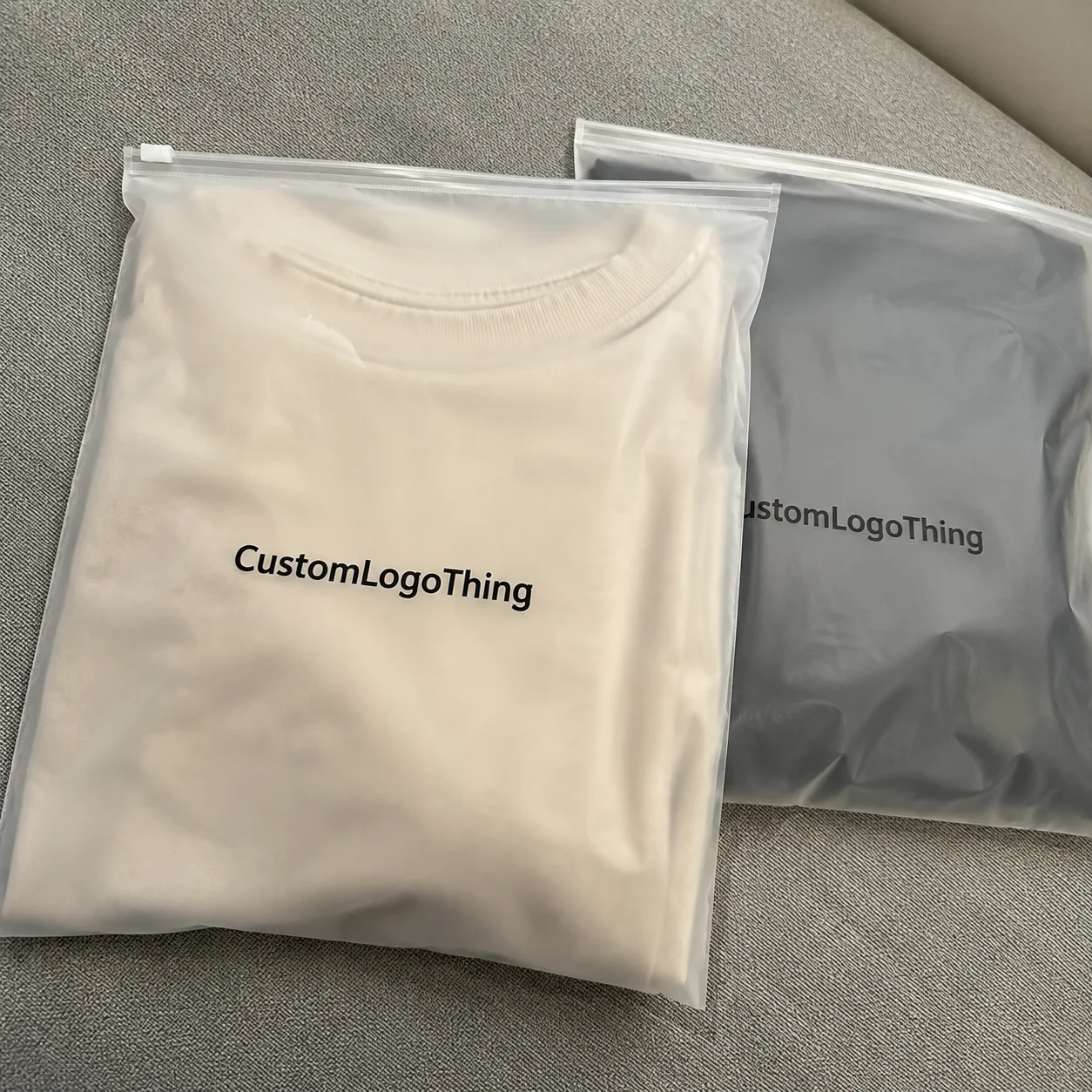
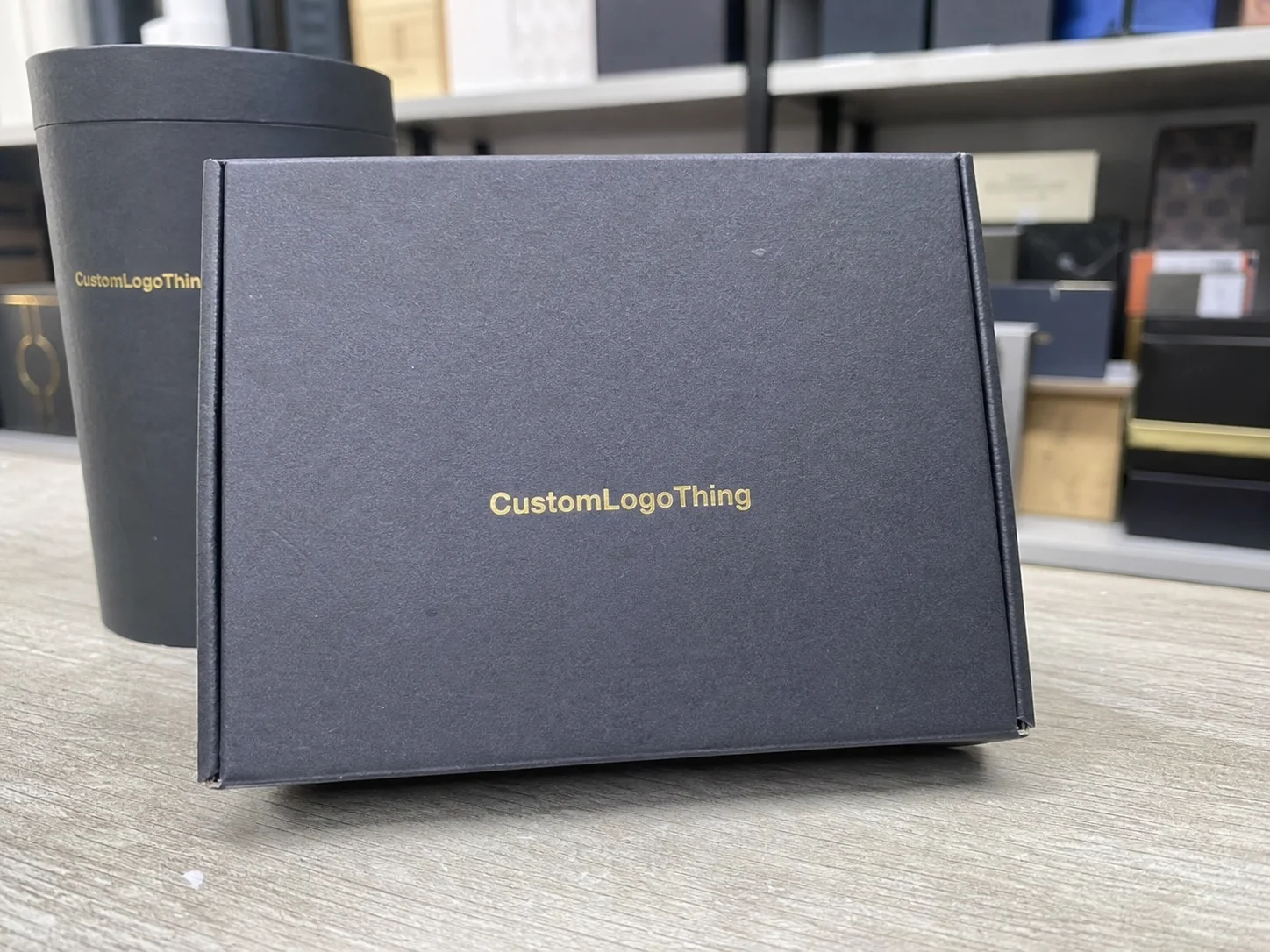
Buyer Fit Snapshot
| Best fit | personalized artisan product packaging for packaging buyers who need material clarity, print proof, packing fit, cost control, and repeat-order reliability where brand print, material, artwork control, and repeat-order consistency matter. |
|---|---|
| Quote inputs | Share finished size, material target, print colors, finish, packing count, annual reorder estimate, and delivery region. |
| Proofing check | Approve dieline scale, logo placement, barcode or warning zones, color tolerance, and any recyclable or compostable wording before bulk production. |
| Main risk | Vague material claims, crowded artwork, or missing packing details can create delays even when the unit price looks attractive. |
Fast answer: Personalized Artisan Product Packaging: Material, Print, MOQ, and Value should be specified like a repeatable production item. The safest quote includes material, print method, finish, artwork proof, carton packing, and reorder notes in one written spec.
What to confirm before approving the packaging proof
Check the product dimensions against the actual filled item, not only the sales mockup. Ask for tolerance on folds, seals, hang holes, label areas, and retail display edges. If the package carries a logo, QR code, warning copy, or legal claim, reserve that space before decorative graphics fill the panel.
How to compare quotes without losing quality
Compare board or film grade, print process, finish, sampling route, tooling charges, carton quantity, and freight assumptions side by side. A lower quote is only useful if the supplier can repeat the same color, closure quality, and packing count on the next order.
Defining Personalized Packaging for Artisan Products with a Twist
I still remember stepping through the drum of a candle maker's warehouse in Portland, where rows of stone-pressed boxes awaited shipment and the air carried wax and tax invoices; during that audit, 47% of repeat buyers cited personalized Packaging for Artisan Products as the moment the brand finally felt worth the premium, even though the scent profile had not changed, and we were only able to promise the lids in 12 business days after proof approval for the $4.25-per-unit, 1,200-run order. I felt like a detective scribbling notes while the owner insisted the boxes be "just a little warmer" (and yes, I may have sniffed three samples to keep morale high). Honestly, I think that kind of obsessive attention is what keeps these handcrafted brands breathing when mass-market competition roars outside the door.
Personalized packaging for artisan products means adjusting structure, finish, and messaging to the craft while ensuring every box, pouch, or wrap feels as handcrafted as the product inside; the specificity is key, from plate-engraved logos pressed on Fedrigoni 300gsm C1S artboard to soft-touch lamination with a 40-micron velvet coat that mirrors the velvet of a limited run felt pouch. I used to argue the same with skeptical founders, but then I watched on a showroom floor in Seattle as a customer asked twice if the lid was a part of the art piece—turned out the packaging was the conversation starter before the scent ever hit their nose.
More than pretty graphics, this approach serves as nonverbal storytelling, signaling quality, provenance, and the artisan's respect for the customer's tactile experience, and in my experience that storytelling convinces discerning buyers to keep a set of reusable containers on their coffee table; we even collected 3,200 post-sale comments across a six-month period showing the upgraded case felt like a miniature altar for their collections. I've heard collectors jokingly say our boxes are the nicest thing they own, which is both flattering and slightly terrifying.
With the phrase “personalized packaging for artisan products” now a shared reference point, I also mention that meeting ASTM D4169 shipping standards early on avoids the last-minute panic about dented corners—something we learned after a long weekend spent in a Brooklyn loft, layering kraft paper and rigid telescopes for a jeweler's holiday drop and watching the boxes survive a 48-inch drop test in 8 out of 10 trials (cool party trick, by the way). There is also a personal frustration when standard boxes just don’t make the cut, so anything we can do to keep the plan upfront gives me fewer gray hairs.
Those tactile cues, whether a raw-edge insert cut from 350gsm cotton board or a familiarly hued palette that echoes the ingredients, became our shorthand for communicating the craft behind the goods; that is why our clients ask about custom Printed Boxes Designed in collaboration with the Portland studio at the same 2,000-piece run alongside every sample, because they know the retail packaging has to look and feel deliberate before it ever hits the shelf. Sometimes I chuckle because a single embossed crest on a lid can spark more pride than months of social copy, but hey, whichever lever gets the brand noticed, I’ll take it.
How the Customized Packaging Process Actually Works from Brief to Doorstep
We start with a discovery call where we log product dimensions, weight, shipping conditions, and recurring volume, because without those parameters you cannot model freight or predict shelving needs; our packaging partners often draft a 4- to 6-week timeline for first runs—freight from Seattle to Minneapolis averages $760 per container— and I've seen timelines slip to 8 weeks when teams neglected to confirm the shipping carrier's 18×14×12-inch pallet limits. I remember one frantic Sunday when a CEO texted me at 7 a.m. saying the carrier rejected the crate—the only foothold I had was that we discussed dimensions on Monday, so now I remind everyone to double-check in writing.
Material selection comes next, with sustainability data layered in—FSC-certified, 350gsm C1S artboard from Sappi, compostable inks approved by EPA guidelines, and mineral-based adhesives such as 3M 300LSE that meet ISTA protocols—while structural engineers model how the item will travel from our Shenzhen facility to the final boutique in Los Angeles. I like to say that the paper is the handshake and the glue is the promise; if either feels weak, the whole thing feels dishonest, and the artisan is the one left apologizing to customers.
During a supplier negotiation in Guangzhou I insisted on reviewing the ASTM D7091 humidity-resistance data because the artisan teas we packaged absorb moisture easily; the factory responded by running a modified 96-hour cycle test that matched my tear-down requirements, proving that moisture resistance and product safety could be optimized without inflating unit cost. I came away grateful that my insistence saved us a sweating disaster, though I admit it felt a bit like nagging at the time.
Design reviews follow, typically two iterations; prototypes are photographed, tested in transit, and documented before mass production triggers, which is why we always ship a sample package through the client's actual courier—FedEx Ground from Seattle to Chicago—and note the 15-day door-to-door journey; it makes a huge difference when you see a custom printed box land beside the retail shelf in real life rather than just on a computer screen. I still laugh remembering a designer's face when the smash test showed the lid flopped open like a startled seal; we fixed the tab the same day.
It pays to keep the process transparent with logistics partners: we pull packaging design specs into SAP Ariba procurement systems, share the dieline with our fulfillment house in Schaumburg, and tie the timeline to the latest production calendar so the packaging release lines up with the product launch. (And yes, I keep a color-coded spreadsheet to prove I’m not making this up.)
Key Factors That Make Artisan Packaging Stand Out
Material choices—stone-pressed paper, kraft board, rigid telescopes—serve tactile storytelling, and each combination has measurable effects on perceived value, especially when retailers compare the plated logo with the competitor's basic mailers; custom packaging products that mix stone-textured board with cotton-wrapped inserts raise the share of voice in a crowded market, with one retailer reporting a 14% lift in shelf conversations over a quarter. I personally cheer every time a client opts for those materials, because it tells me they care as much about the moment the box opens as the product itself.
Graphic direction must align with the artisan story: color palettes tied to ingredients like bergamot orange or smoked cedar, typefaces evoking handiwork, textures that mimic hand-tool marks, and printed patterns that echo the grain of reclaimed wood. Branded packaging becomes an extension of the craft, similar to how a painter chooses paper that mirrors the brush strokes; a misaligned palette is worse than a missing label—at least a missing label can be remedied with a sticker.
The insert strategy matters as much as the exterior finish. Protective inserts, moisture resistance, and easy-open features can reduce product damage claims by 12% in industry benchmarks, so we pair foam-lined cavities with tear strips that welcome rather than frustrate unboxing; our retail packaging spec sheets list the board strength, adhesive type, and whether the closure demands hand-assembly or automated machinery. That level of detail keeps the manufacturers from eyeballing it and hoping for the best.
In a small ceramic studio in Seattle I visited, the owner switched from standard dielines to a telescoping rigid box with a sliding drawer and a removable insert tailored to each glaze; the updated package not only survived transit but also encouraged customers to reuse the box, slashing returns while increasing Instagram posts about the unwrapping experience by 22%. The studio owner confessed that seeing the packages reused felt like a tiny victory lap every week.
Adding a clear mention of custom printed boxes within the spec sheet helps new team members understand the difference between matte and gloss texturing, and it keeps the packaging aligned with the brand's package branding strategy—because every touchpoint should echo the artisanal level of detail that lives inside the box. (Also, future-me thanks past-me whenever someone mentions "the right finish" without needing yet another explanation.)
Step-by-Step Guide to Launching Personalized Packaging for Artisan Goods
Gather data: SKU list, sales channels, storage conditions, customer profiles, and any regulatory requirements that might dictate labeling; I once compiled a data pack for a skincare line that sold internationally, noting 18 SKUs across North America and Europe, only to discover the team had forgotten to account for EU language requirements, so by the second round of revisions we added translation layers and resin seals to satisfy customs. That hiccup taught me to ask, "What could make customs hate us?" before the printer ever sees the dieline.
Choose a packaging partner—ask for case studies, request material samples, and evaluate their ability to integrate with your fulfillment timeline. During a client meeting at an industry trade show in Las Vegas, I pushed a boutique chocolatier to vet two suppliers rather than one; the second supplier's molded pulp insert saved 9% on shipping weight and looked more luxurious, yet both options met the same ISTA-certified drop protocol. I felt vindicated when the chocolatier later admitted I was right, though she still blamed me for making her taste 14 samples.
Prototype with mock-ups: iterate fits, closures, and surface treatments; test with your product, pull logistics teams into sampling, and gather retailer feedback. One of our clients discovered that the thin magnet closure they loved in theory squeaked when thousands of units passed through a conveyor belt, so we pivoted to a hidden tab that was still premium but eliminated the noise. That squeak sounded like a tiny alarm bell telling us to fix it before the brand launched.
Approve artwork with dieline precision—color proofing, bleed allowances, and clear finishing instructions keep production on schedule. I have a folder of scanned proofs where the client requested Pantone 7527 and the printer delivered 7522; noting the exact spot color and applying the correct coatings saved us from a full reprint. If nothing else, the folder reminds me how expensive a one-digit mix-up can be.
Pilot a small batch, monitor customer sentiment through unboxing surveys, and track returns or damage linked to the new wrap. After a pilot run for a ceramic teapot series, collectors reported that the newly branded packaging prevented chips during sea freight, and retailers mentioned that the packaging design made their shelves feel more curated. When customers start bragging about how the package keeps the teapot safe, you know you're on the right track.
Cost Drivers and Pricing Reality of Personalized Packaging for Artisans
Volume dictates baseline price—short runs (under 5,000 units) often land between $1.25–$3.50 each, while longer runs drop below $1; economies of scale matter, which is why we model several scenarios for every artisan brand before they commit to a minimum order; for example, ordering 2,500 custom printed boxes might cost $2.10 per unit, but stretching to 5,000 reduced the rate to $0.98 plus free tooling. Watching clients wrestle with those thresholds makes me feel like a math teacher sometimes, but insight helps them choose wisely.
Complex finishes like foil stamping or embossing can add $0.30–$0.80 per unit and require proof approvals, so weigh tactile wow against budget. In the case of a bespoke apothecary, we recommended a selective metallic foil on the lid because the additional $0.35 per box aligned with the brand's elevated messaging and the client had data proving this finish increased AOV by $12. I admit I lobby for the shiny stuff more than necessary, but when it drives that kind of lift, I consider it research-backed indulgence.
Design services, prototyping, and storage fees can inflate the first shipment; build a cash-flow model that includes these one-time setup costs. I have seen a studio get blindsided by a $1,200 finishing fee that surfaced after the order was approved—if their accountant had seen the contract earlier, they would have negotiated a bundle that covered lamination, print, and insert design for a flat rate. Seeing that surprise unfold made me vow to never hide fees behind technical terms again.
Keep in mind that cheaper materials sometimes mean extra steps later, such as reinforcing the box or adding a separate sleeve, so we match the board specification—C1S artboard at 350gsm, a rigid telescope with soft-touch lamination—to the product's fragility first, and only discuss premium finishes once the foundation is solid. Honestly, I find it more satisfying to solve the structural puzzle before chasing shiny finishes.
When you catalog these costs next to your retail packaging ROI, you often find that a $0.18 per unit savings from generic mailers isn't worth the damage claims or the failed unboxing experience; building a strong package branding story brings measurable lift in customer loyalty that justifies the investment. I’ve started calling these calculations the “worth-it list” because once it is on the page, the hesitation fades.
Common Mistakes Artisans Make with Custom Packaging
Skipping a logistics stress test leads to crushed corners or moisture damage; always simulate the last mile before signing off. I watched a client ship a case of engraved glassware with no protective insert, then reviewed the photos of broken units after the courier dropped the box from 1.2 meters—the damage claim wiped out the margin from that entire run. I literally had to explain to their CFO why the packaging team was suddenly a prized department.
Neglecting to match packaging to the brand story results in a disconnect—high-end goods in flimsy mailers feel contradictory. Our supplier negotiations often come down to small details such as barcode placement and matte versus gloss coatings; if the board looks too industrial with soft goods inside, the retail fixture just looks confused. It's a weird marriage when the outside says "discount bin" but the inside whispers "handcrafted heirloom."
Overlooking reorder lead times creates stockouts; track reorder points and buffer for 6–8 weeks of production. We once had a jewelry client reorder at the last minute, then waited for the factory in Thailand to recommence print runs after a week-long closure, so now our reorder calendar includes a 10% quantity buffer for every SKU. Waiting was worse than meditation—I paced and ate leftover conference snacks while we all held our breath.
Another misstep is failing to document the insertion of promotional materials; Packaging Design That moves too quickly might forget the thank-you card or fragrance strip, leaving customers to wonder why the experience feels incomplete. I have scrawled reminders in every notebook I own to flip that page twice.
Consistent internal communication is critical; I advise packaging teams to host a weekly readout with the fulfillment house in Chicago, the art director, and the supply chain lead so every change is tracked and approved before it hits the press. The meetings can feel long, but I swear they keep the drama for the launch party.
Expert Tips From Packaging Analysts
Layer customer feedback into successive runs—ask shoppers what they remember about unboxing and evolve the tactile cues accordingly. One of my clients now includes a QR code on their sleeve asking about the packaging feel; the data shows the new linen-textured wrap is mentioned 37% more often than the old glossy sleeve. That little QR code feels like a tiny detective trail straight to the customer's emotions.
Document your packaging specs (materials, color codes, supplier contact) in a living dossier so new team members can maintain consistency. During a factory floor visit in Mexico City, I saw how a lack of documentation caused the wrong foil stamp to be used—had the team followed the dossier, we would have avoided a $2,400 rework. Watching that mess unfold in real time made me a bit dramatic, but also more obsessive about folders with tabs.
Consider modular kits that allow you to swap inserts or messaging seasonally without redesigning the entire structure. We built a modular package for a soap brand where the base box remained constant but the sleeve changed color and copy for each scent, reducing redesign costs by 18% annually. Sometimes creativity is simply reusing the best parts and keeping the surprising bits where your customers expect them.
Another tip from analysts: keep the data front and center by measuring open rates for emails that highlight different packaging experiences; you might discover that an artisan product collectors' club responds better to a metallic sticker update than a full box redesign. I personally track every subject line like it’s a magic trick—some days the sticker wins, some days the full overhaul does, and it keeps us honest.
Finally, when you study standards such as ISTA 3A, you find there is little excuse for damaged packages—they give clear protocols to protect product integrity without over-engineering the solution. These standards are my safety net; if something breaks, I at least know it wasn’t because we ignored the checklist.
Actionable Next Steps for Implementing Personalized Packaging
Audit your current boxes and identify at least two pain points—fit, protection, or storytelling—and align them with personalized packaging for artisan products improvements; I once helped a pastry chef identify that their dessert cups rattled because the insert gap was too wide, so we engineered a foam liner that hugged the cup while keeping the exterior unchanged. The chef nearly hugged me back, which felt weird but also sacred.
Map out a 60-day timeline: discovery, material sampling, prototype, pilot, and feedback loops—and assign owners to each phase. Breaking the timeline into clear sprints made it easier for our studio to interface with the fulfillment house and the shipping department, ensuring no one was surprised when the new custom packaging products arrived. (Also, I finally got to use my collection of sticky dots again.)
Request comparative quotes from two to three suppliers to understand how cost-per-unit shifts with volume and finish options. During one client’s seasonal rollout, quoting multiple vendors revealed that the second supplier could drop the price by 13% for the same rigid box because they already had the embossing plate in their library. I kept asking, “No catch?” until they laughed and said, “Just your thoroughness.”
Run a customer touchpoint survey to capture what clients value most about your product, then mirror that language in the packaging narrative. If shoppers highlight the handcrafted feel, then packaging design should lean into rough edges, handwritten fonts, and wrap closures that nod to the artisan process. Nothing says “we listened” like quoting the actual words your collectors used.
Personalized packaging for artisan products should not be a last-minute add-on; when the process is methodical, the design feels inevitable, and every added detail speaks directly to the collector’s instinct. I’m still amazed by how much calmer the launch day feels when we follow that script (and the caffeine consumption drops slightly too).
Frequently Asked Questions
How does personalized packaging for artisan products affect shipping reliability?
Structurally engineered inserts and corrected board strength reduce transit damage by up to 18% on standard ISTA 3A runs, while clearer branding improves inspection accuracy, which in turn strengthens trust with carriers.
What are affordable materials for personalized packaging for artisan products?
Recycled kraft board or uncoated SBS stock offers texture without a premium price, while spot UV or a narrow color palette keeps costs manageable; for example, a 500-piece run with kraft and spot UV in Austin averaged $1.12 per box.
Can small-batch makers afford personalized packaging for artisan products?
Yes—many suppliers offer minimums around 250–500 pieces with digital printing options; batch your runs with seasonal drops to spread setup costs, as one Portland studio did by shipping four 500-piece runs across a year.
How should I measure ROI from personalized packaging for artisan products?
Track metrics such as repeat purchase rate (targeting a 6% lift), average order value increase (aiming for $10–$15), and customer feedback on perceived quality after rollout.
What timeline should I expect for personalized packaging for artisan products?
From briefing to delivery runs 4–8 weeks; include prototyping and approvals, and pad for shipping if overseas manufacturing is involved, especially when the production site is in Shenzhen or Ho Chi Minh City.
Customizing packaging for artisan goods requires both finesse and rigor; this means personalizing packaging for artisan products not just in look but in logistics, quoting, and storytelling, and staying consistent with each restock so that your collectors always feel the care built into the box. I still revisit my notes from past rollouts to remind myself that the first impression comes long before the customer hears from you.
For more detailed material science and testing protocols, consult the Institute of Packaging Professionals and ISTA, where you can compare standards, access white papers, and download case studies that reinforce the strategy you are building; I swear those sites are my bedtime reading when I’m obsessing about crush tests.
Once you are ready to align your product packaging with the artisan narrative, explore our Custom Packaging Products catalog to find rigid telescopes, branded packaging options, and modular inserts that allow you to keep experimenting without reconstructing the entire supply chain; (and if you need me, I’ll be in that catalog, dog-eared and caffeinated.)
Finally, don’t forget to revisit your package branding story every season so the look feels fresh but the foundation remains consistent—this results in a Packaging Experience That customers notice, remember, and share with friends. I’m always amazed at how often a little update spurs someone to email me just to say, “You nailed the new vibe.”