Buyer Fit Snapshot
| Best fit | Personalized Packaging for Candle Shop projects where brand print, material claims, artwork control, MOQ, and repeat-order consistency need to be specified before quoting. |
|---|---|
| Quote inputs | Share finished size, material target, print colors, finish, packing count, annual reorder estimate, ship-to region, and any compliance wording. |
| Proofing check | Approve dieline scale, logo placement, barcode or warning zones, color tolerance, closure strength, and carton packing before bulk production. |
| Main risk | Vague material claims, crowded artwork, missing packing details, or unclear freight terms can make a low unit price expensive after revisions. |
Fast answer: Personalized Packaging for Candle Shop: Quote Scope, Sample Proof, MOQ, and Lead Time should be specified like a repeatable production item. The safest quote records material, print method, finish, artwork proof, packing count, and reorder notes in one written spec.
Production checks before approval
Compare the actual filled-product size with the drawing, then confirm tolerance on folds, seals, hang holes, label areas, and retail display edges. Reserve space for logos, QR codes, warning copy, and material claims before decorative graphics fill the panel.
Quote comparison points
Review material grade, print process, finish, sampling route, tooling charges, carton quantity, and freight assumptions side by side. A quote is only useful when the supplier can repeat the same color, closure quality, and packing count on the next order.
Personalized Packaging for Candle shop brands does more than carry wax from one place to another. I’ve watched buyers pick up two jars with nearly identical scents, and the one with the stronger box structure, tighter typography, and cleaner finish got the sale before the lid was even opened. That’s the strange truth of this category: personalized packaging for candle shop products can act like a silent sales rep, a shipping guard, and a brand handshake all at once, especially when the box is built from 350gsm C1S artboard with a precise die-cut insert.
I remember a candle launch where the founder had spent weeks obsessing over the scent blend—orange peel, cedar, a little vanilla, the whole mood-board romance of it—and then nearly treated the packaging like an afterthought. Honestly, I think that’s how a lot of candle brands stumble. Most people miss how quickly shoppers judge. A fragrance note like bergamot or cedar can be compelling, sure, but packaging is the first cue they process. In my experience, that cue matters most for gift buyers, where the box often has to feel premium at first glance and still survive a courier network that can stack 40 pounds on top of it, plus a 36-hour route from a fulfillment center in Atlanta to a customer in Denver. So yes, Personalized Packaging for Candle shop brands is design work. It’s also logistics, materials science, and retail psychology in one neat stack.
For Custom Logo Things, the practical goal is simple: help you build branded packaging that looks intentional, protects fragile candles, and fits your budget without forcing you into oversized inventory. If you’re testing seasonal scent drops, launch boxes, or subscription sets, personalized Packaging for Candle shop lines can be tailored with custom printed boxes, inserts, sleeves, labels, tissue, and even small unboxing cards that turn a routine delivery into a repeatable experience. And yes, the unboxing card matters more than people think. Customers notice the little things. Then they post them. Then they tell their friend “this one felt expensive,” which is marketing doing a little cartwheel in the background, especially when the card is printed on 300gsm coated stock with a matte aqueous finish.
Why Personalized Packaging for a Candle Shop Changes Everything
I’ve stood on a production floor in Shenzhen while a candle brand team argued over whether matte black or uncoated kraft told the better story. The answer wasn’t philosophical. It was commercial. The matte black looked more luxurious under store lighting, while the kraft version performed better for an earth-first brand selling soy candles at farmers’ markets and through Etsy. That’s the real job of personalized packaging for candle shop brands: it makes the product legible before the scent test even happens, and it does that with decisions as concrete as a $0.22 sleeve printed on 400gsm kraftboard.
Buyers often decide with their eyes first. Then they read the scent name. Then they decide whether the candle feels like a $24 gift or a $12 commodity. Personalized packaging for candle shop products helps control that sequence. A plain shipping carton can protect the item, but it rarely communicates the mood, origin, or scent family. A thoughtfully built candle box does all three. It tells the customer, “This is lavender and vetiver,” without sounding like a spreadsheet. Which, frankly, is harder than it sounds, especially if the box has only 2.5 inches of front-panel space and a 1-color print budget.
In plain language, personalized packaging for candle shop brands means packaging built around your specific candle line rather than generic stock. That can include custom printed boxes, rigid presentation boxes, folding cartons, sleeves, jar labels, collars, molded pulp inserts, tissue paper, and thank-you cards. I’ve even seen brands add scent strip inserts and tiny care cards that explain first burn time, wick trimming, and burn pool depth. Small details. Big difference. One candle maker in Portland added a 90mm x 55mm care card and saw customer questions about burn time drop from 18 emails a week to 4.
Here’s the part many founders underestimate: personalization can make a small candle business look established without forcing a giant retail budget. A $0.18 printed carton, when done well in a 5,000-piece run, can punch above its weight if the graphics are disciplined and the structure fits the jar tightly. Conversely, a $3.20 rigid box can look cheap if the artwork is noisy or the insert rattles. Packaging design is not a contest of decoration. It’s a contest of clarity, and the most useful clarifier is often a board spec like 350gsm C1S paired with a snug paperboard cradle.
Client comment I still remember: “The candle sold online, but the box sold the gift.” That line came from a founder in a buyer meeting, and honestly, she was right. For personalized packaging for candle shop brands, gift-worthiness is often the difference between a one-time purchase and a re-order, especially in Q4 when gift sets can account for 35% to 60% of annual revenue for smaller candle brands.
There’s another layer. Personalized packaging for candle shop products can organize your assortment. Core scent, seasonal scent, limited edition, sample size, and refill pack can each get a different visual code while still feeling like the same family. That consistency builds package branding over time, and it makes shelf sets easier to shop. I’ve seen retailers give more facings to brands whose packaging looked cohesive across four SKUs rather than fragmented across twelve, particularly when the visual system held steady across a 4-color print process in Guangzhou and a local label rerun in Los Angeles.
So yes, packaging holds wax. More than that, personalized packaging for candle shop brands sells the story, clarifies the scent, supports retail packaging decisions, and reduces damage claims. That’s a lot of jobs for one box, and it explains why the best packaging briefs usually include dimensions, quantity, coating, and target landed cost right from the first email.
How Personalized Packaging for Candle Shop Brands Actually Works
The workflow behind personalized packaging for candle shop projects is more structured than most new founders expect. It usually starts with a dimension sheet and ends with palletized cartons ready for assembly or fulfillment. Between those points sit dielines, proofs, coatings, insert decisions, color matching, and often one or two sample rounds. Skip a step, and the box tends to remind you later—usually by cracking at the corner or arriving with artwork that looks too dark. Packaging has a funny way of being polite right up until it isn’t, especially after 500 units have already been packed in Dongguan or Ningbo.
The first job is sizing. A 7 oz straight-sided jar does not behave like a 12 oz apothecary jar, and neither behaves like a tin or pillar candle. For personalized packaging for candle shop products, the structure has to match the candle’s real dimensions, including lid height, label wrap, and any protective buffer. I’ve seen 2 mm of extra headspace turn a neat presentation into a sloppy rattle. Two millimeters. That’s less than a grain of rice and somehow enough to ruin the whole vibe, especially in a mailer that’s traveling 1,200 miles.
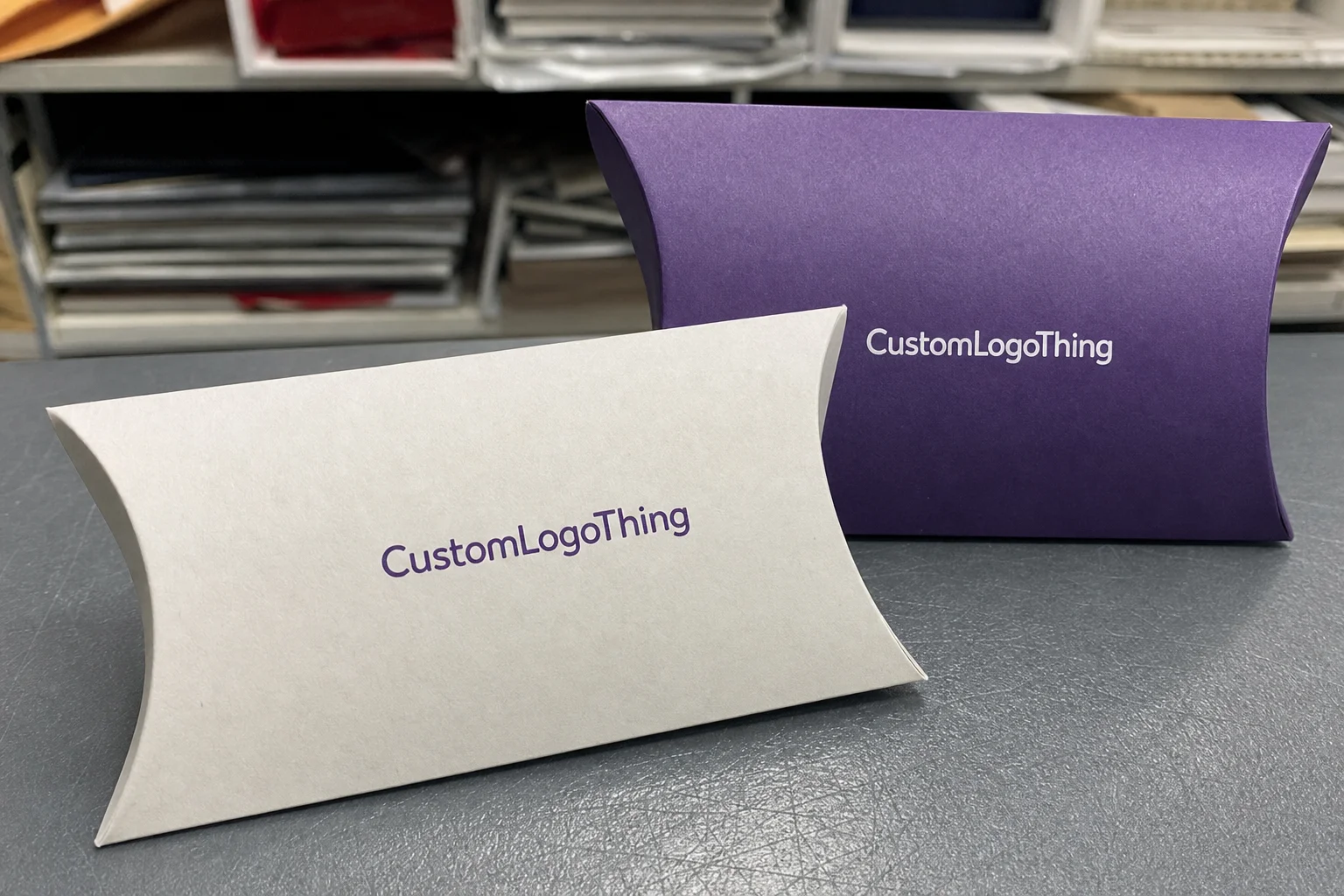
Then comes structure versus decoration. Structure is the thing that protects the candle: the board grade, the insert, the tuck lock, the rigidity, the ship-tested geometry. Decoration is what gives you brand memory: artwork, foil, embossing, soft-touch lamination, spot UV, and printed interiors. The best personalized packaging for candle shop outcomes balance the two. A beautiful box that arrives crushed is a failed box. A strong box that looks anonymous is also a failed box. That’s why many candle brands start with a 350gsm C1S folding carton and only upgrade to rigid board when the gift price point justifies it.
Packaging partners translate your brand into physical form using a few inputs: logo files, Pantone references, scent names, brand voice, and practical constraints like selling channel and unit cost. That’s where Custom Packaging Products can help in a direct way, because you can compare structures and finishes before committing to one route. For personalized packaging for candle shop brands, that comparison stage saves time later. It also saves those awkward post-approval moments where everyone stares at a sample and says, “Well, that’s not what we meant.” I’ve been there. Nobody enjoys it, especially after paying a $65 sample fee and waiting 7 business days for the courier.
Common packaging formats include:
- Rigid boxes for premium gift sets and higher-margin collections.
- Folding cartons for retail shelf appeal and efficient storage.
- Mailer boxes for direct-to-consumer shipping and subscription bundles.
- Sleeves and wraps for simple brand updates on existing stock.
- Labels and jar collars for fragrance and compliance details.
- Inserts in paperboard, molded pulp, or corrugated styles for protection.
Personalized packaging for candle shop brands can also support different candle forms. Jars need impact resistance. Tins need snug friction fit. Pillar candles need shape control and surface protection. Multi-candle gift sets need interior dividers so the units don’t scar each other during transit. I once watched a supplier in a Guangzhou meeting run a vibration test on a three-jar set. The insert looked expensive on paper, but the first shake told the truth: the wrong flute profile had left too much movement, and a 3mm gap became visible in under 20 seconds.
For brands trying to build a coherent line, the useful question is not “What box can I use?” It’s “What system can I repeat across six scents, three seasonal drops, and one holiday set?” That question changes the economics of personalized packaging for candle shop work completely, because a repeatable dieline cut in 350gsm C1S artboard is easier to reorder in batches of 2,000 than a one-off structure built from scratch every quarter.
Key Factors That Shape Personalized Packaging for Candle Shop Success
Brand identity drives almost everything. A minimalist candle line with white jars and eucalyptus notes should not use the same package language as a moody, artisan brand selling smoked amber and clove. Personalized packaging for candle shop brands needs to reflect the emotional promise of the scent. Otherwise, the customer senses a mismatch before they ever light the wick. And once they sense a mismatch, good luck winning them back with a prettier ribbon, no matter how neatly it’s tied in a studio in Brooklyn or Eindhoven.
That means choosing the right visual tone. Earthy brands often use kraft board, muted inks, and visible paper texture. Luxury brands lean toward heavier stock, precise color blocking, and restrained finishing. Playful brands can afford brighter color, illustrative elements, or hand-drawn typography. The trick is consistency. When a candle brand feels scattered, the shelf reads that confusion immediately, and the mismatch shows up faster in a boutique in Seattle than it does on a carefully cropped product photo.
Protection is not optional. Glass jars chip, lids dent, wax can soften in transit, and labels can scuff if the fit is loose. Personalized packaging for candle shop products should be tested for vibration, drop, and stacking pressure. If your candles ship nationally, I’d strongly suggest you ask your supplier about ISTA-style transit testing or at least procedures informed by ISTA guidelines. It’s not glamorous. It saves refunds, returns, and those hard-to-explain one-star reviews that mention a broken lid in Dallas or Toronto.
Sustainability matters, but not as a slogan. Recycled board, FSC-certified paper, water-based or soy-based inks, and reduced-plastic structures can all support a better profile for personalized packaging for candle shop lines. I’ve seen brands overspend on eco claims while ignoring the biggest environmental issue in packaging: damage and replacement. A recyclable box that arrives broken is not a win. A slightly heavier recycled board that prevents one return can be the smarter environmental move, especially if it costs $0.06 more per unit and cuts replacement shipments by 12%.
There’s also the matter of certification and responsible sourcing. If your buyer asks whether the paper comes from managed forests, the answer should be specific, not vague. Brands often reference FSC standards because FSC-certified materials can support both retail trust and procurement documentation. Personalized packaging for candle shop decisions get easier when the supply chain is transparent, from paper mills in Taiwan to converting facilities in Shenzhen.
Cost drivers are straightforward, even if the quotes are not. Order quantity matters. Box style matters. Board thickness matters. Print coverage matters. Finishing matters. A one-color kraft sleeve is not priced like a four-color rigid box with foil and embossing. For personalized packaging for candle shop brands, setup fees and plate costs can become a real issue if you’re ordering 300 pieces instead of 3,000. The lower the run, the more those fixed costs press against each unit price, and a $180 plate charge on a 300-piece order can feel disproportionately heavy.
Here’s a simple comparison I often use in client meetings:
| Packaging option | Typical use | Indicative unit price | Strengths | Trade-offs |
|---|---|---|---|---|
| Printed folding carton | Retail shelf, entry-level gift | $0.18–$0.65 at 5,000 pcs | Low cost, good print area, easy storage | Less premium feel than rigid stock |
| Mailer box with insert | DTC shipping, subscription | $0.95–$2.20 at 2,000 pcs | Protective, branded inside and out | Higher freight volume than flat cartons |
| Rigid presentation box | Luxury sets, holiday bundles | $2.40–$5.80 at 1,000 pcs | High-end feel, strong shelf impact | More expensive, larger storage footprint |
| Simple sleeve or wrap | Fast refresh, low MOQ test | $0.07–$0.28 at 5,000 pcs | Flexible, affordable, quick branding update | Limited protection and less structural support |
Minimum order quantities matter because candle makers often test seasonal fragrances in small batches. Personalized packaging for candle shop collections can work beautifully in 1,000-piece or even 500-piece runs, but the economics shift quickly. If you only need 250 units, expect a higher per-box cost and potentially fewer finishing options. That doesn’t make the project impossible. It just means you plan differently, and you may choose a 1-color print on 350gsm C1S artboard instead of a full foil treatment.
Too many candle founders choose decoration before structure. That’s backwards. Start with fit, protection, and order quantity. Then add the visual layers. Personalized packaging for candle shop brands should feel intentional, not improvised, particularly when the final pack has to move from a workshop in Nashville to shelves in Chicago within 9 days.
Pricing and Timeline: What Candle Shops Should Expect
Pricing for personalized packaging for candle shop projects usually falls into three bands. Budget-friendly printed cartons work for straightforward retail packaging and simple ecommerce orders. Mid-range mailer boxes add stronger presentation and better shipping performance. Premium rigid boxes are for hero products, gift sets, and launches where the package itself is part of the perceived value. In practical terms, that means a 7 oz candle box from a converter in Dongguan may come in under $0.30 per unit at 5,000 pieces, while a rigid gift set made in Shenzhen can sit closer to $4.10 at 1,000 pieces.
At 5,000 units, a basic custom printed box might land around $0.18 to $0.55 each depending on size and print coverage. At 1,000 units, the same style can rise sharply because setup costs are spread across fewer boxes. Add foil stamping, spot UV, or embossing, and the economics change again. Personalized packaging for candle shop products is one of those categories where a $0.12 finish decision can quietly become a $400 line item. That’s the kind of math that makes founders squint at a spreadsheet and mutter under their breath, especially when the hot stamp plate is billed separately at $85 to $160.
The timeline is usually longer than founders expect. A standard project can move through brief, dieline, artwork setup, proofing, sampling, production, finishing, and freight. If everything behaves, 12 to 15 business days from proof approval is possible for simpler work. For complex personalized packaging for candle shop runs with multiple inserts or special coatings, 20 to 35 business days is more realistic, and ocean freight from Shenzhen to Los Angeles can add another 18 to 24 days if you’re not flying the shipment.
Here’s the part I tell every new client: the clock starts before production. Artwork revisions can eat a week. Material approvals can eat another. If you’re launching a holiday candle set, and your packaging proof gets stuck for five days while the team debates a shade of cream versus ivory, the calendar punishes you fast. Seasonal gifting windows are unforgiving, particularly for November and December sales that often finalize packaging by late August.
Common causes of delay include:
- Unfinished dieline measurements.
- Low-resolution logo files.
- Too many finish changes after proofing.
- Material shortages for specialty board.
- Slow approval loops across multiple stakeholders.
One supplier in a pricing negotiation told me, “The box is never late by itself; people make it late.” Harsh, but accurate. Personalized packaging for candle shop orders need clear sign-off points. If you approve the structure on Monday, the insert on Wednesday, and the artwork on Friday, you should assume the schedule will slide. In Shanghai, I’ve seen a 2-day approval delay push a production slot from the 8th to the 17th because the press schedule was already full.
To keep launch planning sane, work backward from the selling date. If your candle drop needs to hit retail on October 1, your packaging should be locked well before the freight cutoff, not after. Personalization requires coordination, and personalized packaging for candle shop brands are unforgiving when the calendar is loose. Build in at least 2 extra weeks if you need inner print, foil, and a custom insert.
One more practical point: freight matters. Flat-packed folding cartons ship efficiently. Rigid boxes take more room. Inserts can increase carton count. So the cheapest box at the quote stage may not be the cheapest box landed at your warehouse. I’ve watched a client save $600 on manufacturing and lose $1,200 on freight because the packaging volume doubled. That one still stings a little when I think about it, especially because the cartons had been made in Ningbo but stored in a New Jersey 3PL that billed by cubic foot.
Step-by-Step: Building Personalized Packaging for Candle Shop Products
Step one is defining the candle line. Is this retail shelf product, direct-to-consumer shipping, or a gift box for corporate orders? Personalized packaging for candle shop brands should begin with the channel, because channel changes every structural decision. A store shelf candle can tolerate different handling than a mail-order candle with a three-state journey, and a corporate set headed to 80 recipients in Boston may need a different insert than a single retail unit sold in Phoenix.
Step two is measuring the product properly. I’ve seen teams send “approximately 3 inches wide” dimensions and then wonder why the insert pinched the jar. Measure the diameter, height, lid projection, and any label overlap. Add the tolerance your packaging partner recommends. For personalized packaging for candle shop work, one millimeter can make a box feel custom-fit instead of improvised. A jar that is 82mm wide and 95mm tall needs a different cavity than one that is 80mm wide and 100mm tall, even if both are labeled “8 oz.”
Step three is building the brand story into the artwork. This is where packaging design stops being decorative and starts being useful. Add scent notes, mood words, burn time, product care, and origin cues. A candle called “Rain on Cedar” should not use the same copy hierarchy as “Sunday Brunch.” Personalized packaging for candle shop lines become more memorable when the language matches the fragrance, and when the back panel includes a clear 40-hour burn estimate plus wick-trim instructions in a readable 8pt typeface.
Step four is sampling. Request a prototype or production sample and test it under real conditions. That means opening and closing it 10 times, shaking it gently, placing it on a shelf, and dropping a filled pack from a reasonable height onto corrugated or molded pulp as a controlled test. For transit risk, many teams reference ASTM or ISTA methods, and that’s a smart habit if your candle ship rate is high. The goal is to learn before you order 3,000 units. I’d rather annoy a sample room than a warehouse full of angry customer emails, and a $40 sample is cheaper than replacing 60 damaged jars.
Factory-floor lesson: a sample that looks perfect on a desk can fail in a carton stack test. I’ve seen one lid shear during vibration because the insert was 1.5 mm too loose. One tiny gap, one expensive lesson, and one reprint in Foshan that nobody wanted to approve.
Step five is final approval and reorder planning. Once the design is locked, create a packaging checklist with SKU codes, board spec, ink colors, insert dimensions, finish notes, and reorder thresholds. Personalized packaging for candle shop brands get easier to manage when the specs are written down, not buried in email threads. I like to keep a simple sheet that names the carton size, the exact board type, the coating, the supplier city, and the reprint trigger, such as “order at 1,200 units remaining.”
A simple workflow can look like this:
- Define candle type and selling channel.
- Measure product and confirm tolerances.
- Select structure and material grade.
- Develop artwork and copy hierarchy.
- Review digital proof and physical sample.
- Approve production and lock inventory plan.
I’ve had candle founders tell me they wanted “just the box,” and then, two weeks later, they needed tissue, labels, an insert card, and a holiday sleeve. That’s normal. The smart move is to create a system once so personalized packaging for candle shop variants can scale across future collections without rethinking everything from scratch. A modular system built in Guangzhou and reused for three seasonal drops can save 15% to 20% on design rework over a year.
Common Mistakes Candle Shops Make With Personalized Packaging
The first mistake is choosing beauty over function. This happens constantly. The box looks elegant, the foil shines, the unboxing feels expensive, and then the jar arrives cracked because the insert was decorative instead of protective. Personalized packaging for candle shop brands has to travel. If it can’t survive vibration, pressure, and a drop, it’s not finished, even if the sample photographed beautifully in a Manhattan studio.
The second mistake is clutter. Small candle boxes do not have endless space. If you cram fragrance notes, a manifesto, ingredients, care instructions, and five badges onto one carton, the design starts shouting. I prefer a disciplined hierarchy: brand name, scent, one supporting line, then technical details. Good personalized packaging for candle shop lines can say more by saying less, especially on a 95mm-wide front panel printed in four colors.
Shipping conditions are another blind spot. Heat can soften wax and distort lids. Stacking pressure can deform thin board. Transit vibration can scuff printed surfaces. Personalized packaging for candle shop products shipped in summer need different thinking than those sold through a brick-and-mortar boutique. The same design may work beautifully on a shelf and fail in a van. I have seen a lovely amber jar turn into a tiny sauna disaster in July, and nobody was pleased, including the customer in Austin who opened the box after a 94°F delivery day.
Cost creep is common too. A founder starts with a clean box concept, then adds foil, then embossing, then an inside print, then a premium insert, and suddenly the budget is double. That doesn’t mean the upgrade is wrong. It means someone should have priced the whole stack at the beginning. Personalized packaging for candle shop work rewards restraint because every added feature has a line-item cost, and the jump from a $0.35 carton to a $1.10 carton can erase most of a small brand’s margin.
Proofing mistakes are the quiet killer. A one-word typo on a 1,000-piece run is painful. A cut line that’s off by 2 mm can make a lid drag. A color shift that seems tiny on screen can look huge in hand. I once reviewed a sample where the scent name was correct but the batch number had been duplicated from a different SKU. The customer caught it in time. Another week and it would have been a warehouse problem. That kind of mistake can age a person a decade, and it gets worse if the run is already on a truck leaving Yiwu.
Here are the errors I see most:
- Loose fit that allows jars to move.
- Artwork too busy for small box sizes.
- Ignoring courier handling and temperature swings.
- Adding finishes without checking total landed cost.
- Skipping sample testing to save a few days.
For personalized packaging for candle shop brands, the lesson is simple. The box should support the candle, not compete with it. If the packaging is doing too much, the product gets lost, and the box starts acting like a costume instead of a container.
Expert Tips to Make Personalized Packaging for Candle Shop Stand Out
Use scent storytelling early. The customer should understand the mood before the box opens. “Coastal pine,” “black tea and fig,” and “warm amber” all invite a visual response. Personalized packaging for candle shop products become more persuasive when the copy, color, and texture echo the scent family. If the candle smells clean and bright, the packaging should not feel heavy and smoky, especially if the box is printed in a cool gray and the insert is a pale eucalyptus green.
Build one packaging system that can flex. I’ve seen brands save serious money by designing a core box and changing only the label, sleeve, or insert card for seasonal launches. That keeps personalized packaging for candle shop collections consistent while lowering setup costs. A modular system also makes reorders much easier, which matters when your best scent suddenly sells out on a Saturday afternoon at 3:15 p.m. and you need a replenishment plan by Monday morning.
Use the inside of the box as brand real estate. Customers notice what they see after the lid opens. A short thank-you note, burn instructions, a QR code to a refill program, or a card explaining the candle’s origin can deepen the experience without inflating the outer design. For personalized packaging for candle shop brands, the unboxing is often where repeat purchase starts, and a 50mm QR tag can do more than a long paragraph on the outside panel.
What I tell clients: “Reserve the expensive finish for the product that earns it.” Foil or embossing on a hero SKU can be smart. Foil everywhere usually isn’t, especially if the production run is 800 units and the lift in perceived value is only visible on one premium candle.
Track the data that packaging creates. Damage rates, review mentions, unboxing shares, and repeat order frequency can all tell you whether your packaging is doing its job. Personalized packaging for candle shop brands should not be chosen by taste alone. Taste matters, but numbers tell you whether the box is helping or hurting. If return rates drop from 4.2% to 1.7% after a packaging change, that is not a design opinion. That is money.
I also like to remind brands that luxury can be quiet. A 400gsm board, precise typography, and one restrained metallic accent can look more expensive than a crowded package with three finishes. In a supplier negotiation in our Shenzhen facility, a buyer once swapped a foil-heavy layout for a two-color embossed mark and cut costs by 18% while improving shelf elegance. That’s the kind of decision people only trust after they see it, usually on a sample table under a 5000K lamp with the carton lid half open.
Some additional practical wins:
- Keep SKU naming visible and consistent.
- Match insert color to the jar or label.
- Leave 1–2 mm tolerance for hand packing.
- Use recyclable tissue or paper filler where possible.
- Align retail packaging and ecommerce packaging so the brand feels unified.
Personalized packaging for candle shop brands works best when it feels specific, not generic. The customer should sense that the box was designed for this candle, not borrowed from a different product category, and not recycled from a soap line or bath bomb assortment.
Action Plan: What to Do Next for Your Candle Packaging
Start with an audit. Look at your current packaging and write down what is failing: presentation, protection, sustainability, cost, or speed. If you’re seeing broken lids, scuffed labels, or boxes that flatten too easily, personalized packaging for candle shop improvement should begin there. If the box is fine but the brand feels forgettable, that’s a design problem instead, and it often shows up in stores from Portland to Miami within the first 30 days of shelf life.
Next, collect three reference packs you genuinely like. Not ten. Three. Then note what works: the color, the structure, the opening method, the inside print, the insert style, or the shelf presence. Personalized packaging for candle shop decisions get much easier when you can point to specifics instead of saying “something premium.” Premium is a result, not a brief, and it is easier to brief when you know you want a soft-touch sleeve over a 350gsm C1S artboard carton.
Measure your products, estimate your first production volume, and set a budget range. If you know you need 1,500 units for a seasonal launch and 6,000 across the year, that changes everything. Build a brief that includes materials, dimensions, finish preferences, target sell date, and whether the packaging has to be gift-ready, ship-safe, or both. Personalized packaging for candle shop brands responds well to precision, and a brief that names the printer city, such as Shenzhen or Dongguan, can save a week of back-and-forth.
Then request quotes and samples from suppliers who can explain structure, not just price. Ask about board grades, insertion methods, print methods, and lead times. Compare total landed cost, not just factory cost. A low quote can hide expensive freight or assembly later. Personalized packaging for candle shop success depends on the full picture, including a sample lead time of 5 to 7 business days and production typically 12 to 15 business days after proof approval for straightforward boxes.
If you want a practical next move, use the specifications in your brief to start reviewing Custom Packaging Products and shortlist a structure that fits your candle size, timeline, and channel. You do not need to solve every packaging problem at once. You do need a system that your team can repeat, reorder, and ship without guessing.
My honest view? The best personalized packaging for candle shop brands are the ones that make the candle look inevitable. The customer picks up the box, the scent story feels clear, and the product feels worth the price before it’s even lit. That is the quiet power of good package branding. It sells without shouting, and it does that best when the materials, measurements, and timeline all line up.
FAQs
How much does personalized packaging for candle shop products usually cost?
Costs depend on box style, board thickness, print coverage, finish options, and quantity. Simple printed cartons can start around $0.18 to $0.65 per unit at larger runs, while rigid boxes with specialty finishes often land much higher. Smaller orders usually cost more per box because setup costs are spread across fewer units, which is why personalized packaging for candle shop projects need careful volume planning. A 5,000-piece order in Shenzhen can price very differently from a 500-piece test run in Chicago.
What is the best packaging style for a candle shop selling online?
Mailer boxes and sturdy folding cartons often work well for ecommerce because they balance protection and presentation. If the candle is fragile or premium-priced, add inserts or choose a rigid structure to reduce damage risk. The right personalized packaging for candle shop setup depends on jar size, ship method, and the unboxing experience you want customers to remember, plus your storage space if you only have room for 40 flat cartons on a shelf.
How long does personalized packaging for candle shop orders take?
Timelines usually include design, proofing, sampling, production, and shipping. Simple packaging can move faster, while multi-finish or highly customized projects take longer. Artwork revisions and sample approvals are the most common reasons projects slow down, so personalized packaging for candle shop launches should be planned well ahead of the selling date. In many cases, production takes 12 to 15 business days from proof approval, with longer schedules for rigid boxes or custom inserts.
What materials work best for candle packaging with a luxury feel?
Heavier paperboard, rigid stock, soft-touch coatings, and premium inserts often create a more upscale impression. Foil, embossing, and textured papers can raise perceived value, but they should support the design rather than overwhelm it. Luxury in personalized packaging for candle shop brands often comes from restraint, clean typography, and material quality rather than decoration alone. A 400gsm board with one metallic accent can look more refined than three finishes fighting for attention.
Can personalized packaging for candle shop brands still be eco-friendly?
Yes. Many brands use recycled board, recyclable papers, reduced-plastic structures, and water-based or soy-based inks. The best eco-friendly choices are also strong enough to protect the candle in transit. Personalized packaging for candle shop products is most credible when sustainability and performance work together instead of competing, especially if the box is made from FSC-certified paperboard and shipped from a converting facility in Guangzhou or Ningbo.
Personalized packaging for candle shop brands is not a finishing touch. It is part of the product. Get the fit right, the story clear, and the structure strong, and the packaging starts doing real commercial work. That’s why I keep coming back to the same point: personalized packaging for candle shop decisions can raise shelf appeal, reduce damage, and improve the way customers remember your brand long after the flame goes out, whether the box started life in Shenzhen, Dongguan, or a small domestic print shop in Los Angeles.