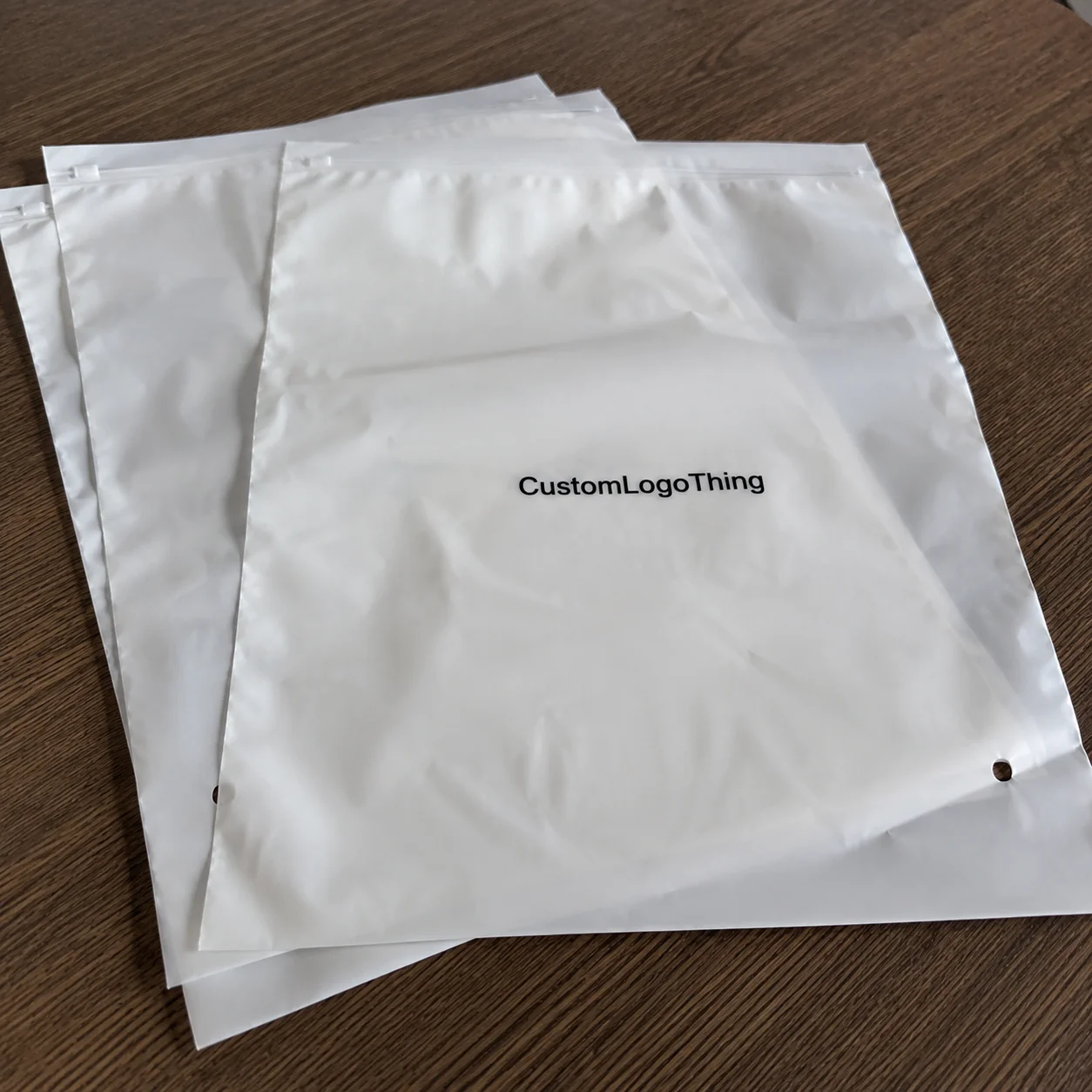
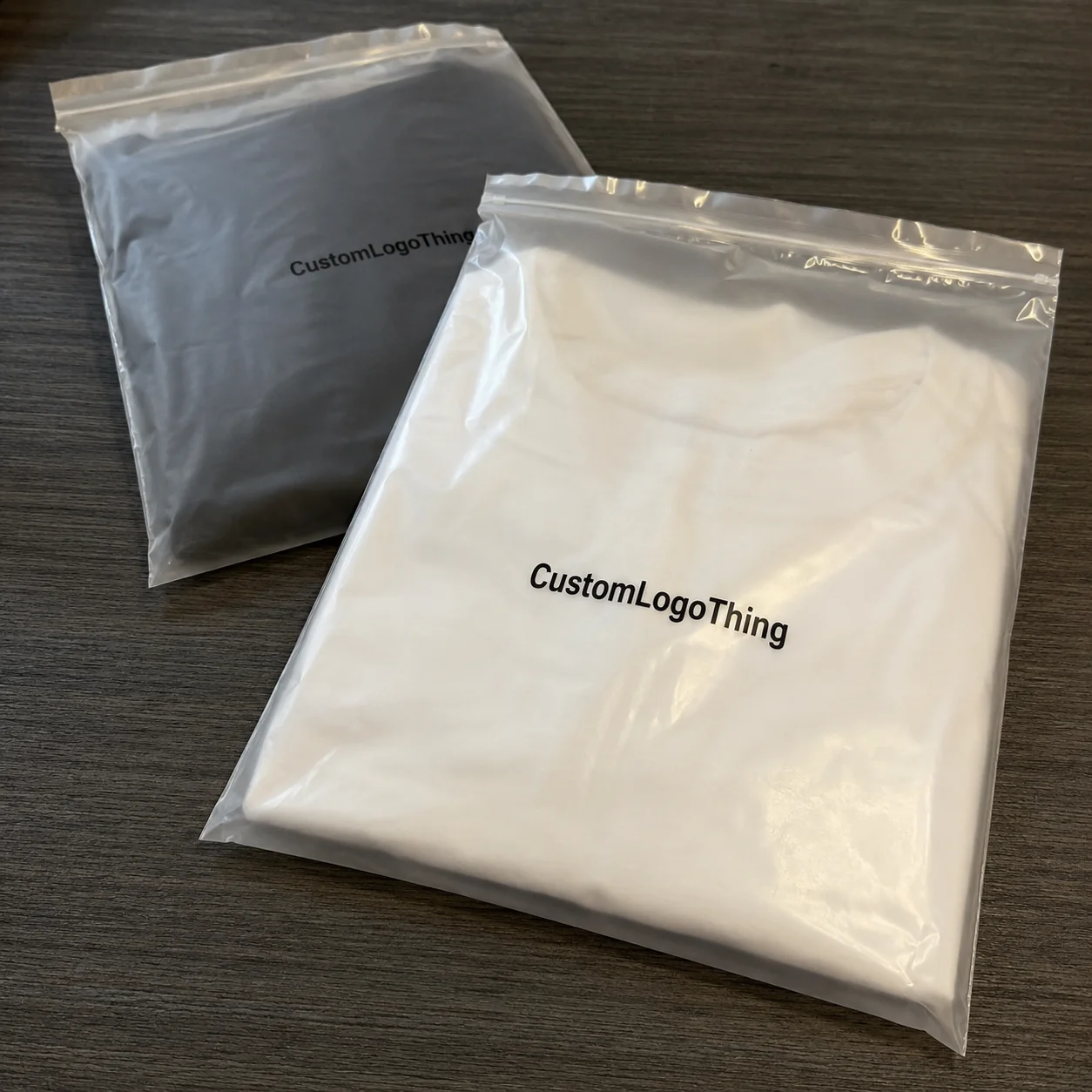
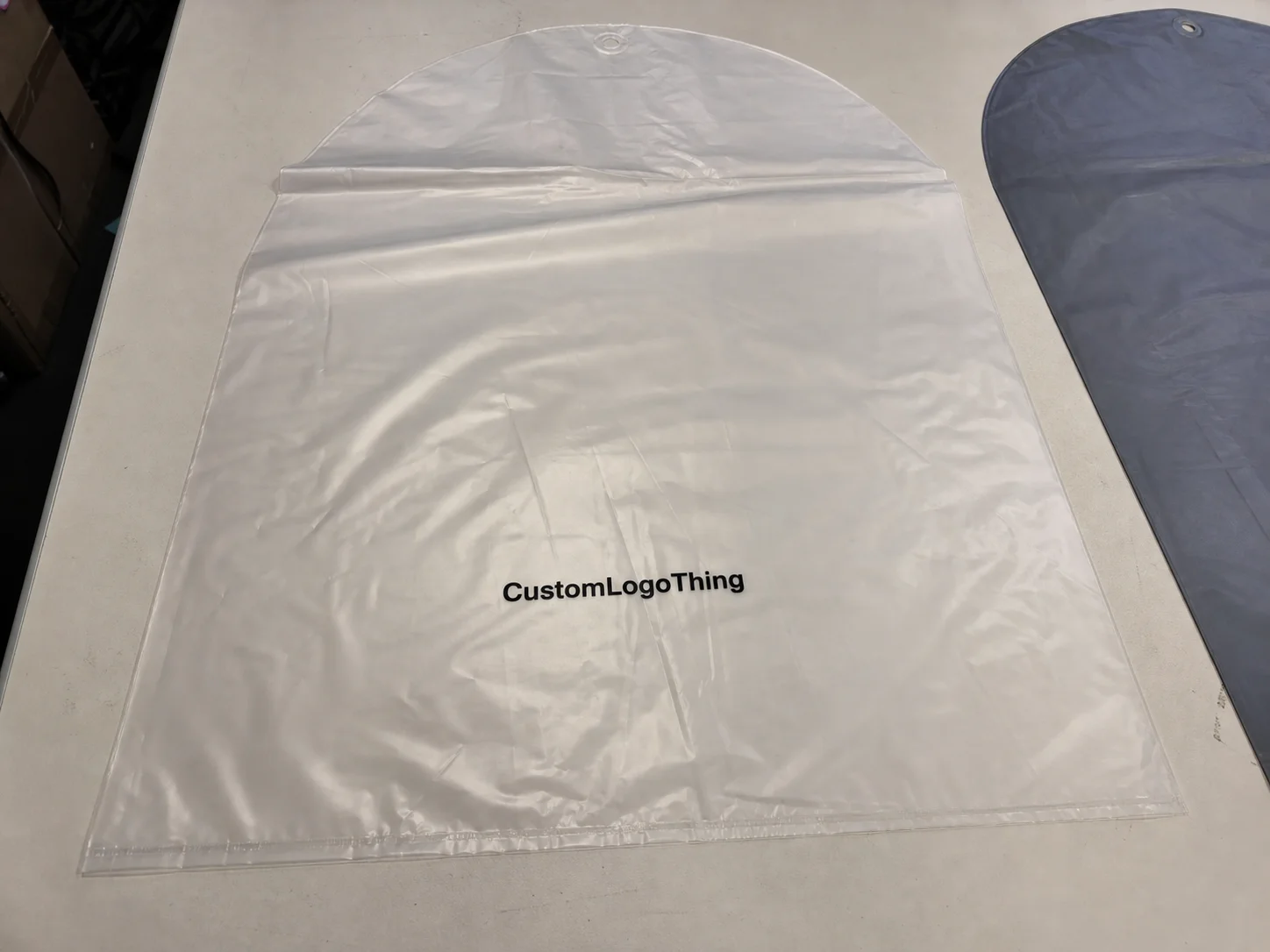
Buyer Fit Snapshot
| Best fit | Personalized Packaging for Cosmetic Business projects where brand print, material claims, artwork control, MOQ, and repeat-order consistency need to be specified before quoting. |
|---|---|
| Quote inputs | Share finished size, material target, print colors, finish, packing count, annual reorder estimate, ship-to region, and any compliance wording. |
| Proofing check | Approve dieline scale, logo placement, barcode or warning zones, color tolerance, closure strength, and carton packing before bulk production. |
| Main risk | Vague material claims, crowded artwork, missing packing details, or unclear freight terms can make a low unit price expensive after revisions. |
Fast answer: Personalized Packaging for Cosmetic Business: Quote Scope, Sample Proof, MOQ, and Lead Time should be specified like a repeatable production item. The safest quote records material, print method, finish, artwork proof, packing count, and reorder notes in one written spec.
Production checks before approval
Compare the actual filled-product size with the drawing, then confirm tolerance on folds, seals, hang holes, label areas, and retail display edges. Reserve space for logos, QR codes, warning copy, and material claims before decorative graphics fill the panel.
Quote comparison points
Review material grade, print process, finish, sampling route, tooling charges, carton quantity, and freight assumptions side by side. A quote is only useful when the supplier can repeat the same color, closure quality, and packing count on the next order.
On a factory visit in Shenzhen, I watched a buyer place two serum boxes side by side: one plain white tuck box, one Personalized Packaging for Cosmetic business with a soft-touch finish, foil logo, and a fitted insert. She didn’t open either bottle. She didn’t need to. Her team said the second one felt “worth twice as much,” and that reaction is exactly why personalized packaging for cosmetic business matters before a formula ever touches skin. I remember thinking, a little ruefully, that packaging gets to make the first impression while the product sits backstage like a nervous actor, and the difference between the two boxes was not subtle: one used a 350gsm C1S artboard with matte lamination, the other used an uncoated 300gsm stock that looked serviceable but forgettable.
Packaging is not only a container. It is product packaging, sales support, damage control, and brand storytelling in a single job. When I’ve sat in client meetings with indie skincare brands in New York, Los Angeles, and Toronto, the conversation usually starts with color and ends with a very practical question: “How do we keep a glass bottle from arriving shattered in Minnesota or Manchester?” Both questions matter. personalized packaging for cosmetic business has to make sense on a shelf and in a shipping carton. Honestly, I think that tension is the whole point, especially when a 30 ml serum can sell at $18 or $48 depending on whether the outer box feels intentional.
Personalized Packaging for Cosmetic Business: What It Really Means
Most people think personalization means adding a logo and calling it done. That’s too narrow. personalized packaging for cosmetic business means tailoring the box, label, insert, finish, and structure to a brand’s identity, its customer, its product type, and its distribution channel. A lip balm sold at a pop-up market in Austin needs different packaging than a 30 ml face oil shipped in a six-piece DTC bundle from Chicago. Same category. Different job. Different headache, too, if you ask me, because a $0.22 sleeve can be enough for a local launch while a $1.40 rigid box may be justified for a holiday set that needs to feel giftable out of the carton.
Cosmetic packaging can shape perceived value before a customer tries the formula. I’ve seen a $12 cleanser feel like a $28 product simply because the carton used 350gsm paperboard, a crisp black flood coat, and a clean silver foil logo. That’s not smoke and mirrors; that’s package branding doing its job. Good personalized packaging for cosmetic business supports the price point the brand wants to command, and in some cases it practically whispers, “Yes, you can charge more.” A rigid setup box with a 1.5 mm greyboard can do even more, especially if the jar is heavy and the unboxing moment is part of the purchase.
There’s a useful distinction here:
- Standard packaging is off-the-shelf. You choose from what a supplier already stocks, often in sizes like 50 x 50 x 120 mm or 80 x 80 x 180 mm.
- Custom packaging usually means a modified size, print, or structure made for your product, such as a 400gsm folding carton with a custom insert for a 15 ml dropper bottle.
- personalized packaging for cosmetic business goes further. It aligns the physical package with brand voice, product protection, regulatory needs, and customer experience, from the outer mailer to the barcode placement.
That may sound subtle, but in practice the difference is huge. Generic retail packaging tends to blend in and often feels interchangeable. Personalized packaging for cosmetic business tends to signal care, consistency, and a more intentional brand. In repeat-purchase categories like skincare or fragrance, that matters. Customers do remember the box that opened cleanly, protected the jar, and photographed well for social sharing. They also remember the one that arrived crushed in a warehouse-to-door route that took 4 days from Dallas to Denver (and they absolutely talk about that one).
personalized packaging for cosmetic business can show up across many formats: rigid boxes for luxury kits, folding cartons for retail shelves, Mailers for Subscriptions, sleeves for seasonal sets, inserts for glass bottles, labels for tubes and jars, and finishing details like embossing, matte varnish, or soft-touch lamination. In other words, the package can be personalized at several layers, not just on the surface. A lip gloss line might use 350gsm C1S cartons with spot UV, while a premium serum line might need 2 mm rigid board with paper-wrapped inserts and a magnet closure.
Compared with generic packaging, personalized packaging for cosmetic business usually improves three things at once: perceived quality, trust, and repeat-purchase potential. It can also reduce return risk when the structure is built correctly. That’s the business case, and it’s stronger than people expect. I’ve seen founders roll their eyes at packaging budgets in April and thank me for them by June, usually after a spike in orders forces them to learn the hard way. A 2% reduction in breakage on a 10,000-unit run can save more than the premium finish costs in the first place.
Brands often ask whether a custom label is enough, or whether the full carton needs rethinking. The answer depends on channel and price point, but the principle stays the same: personalized packaging for cosmetic business should be designed as a system, not a decoration. A label, a folding carton, and a shipping mailer may all need to work together. Miss one piece, and the whole presentation can feel oddly unfinished. That is especially true in beauty packaging, where texture and touch matter almost as much as the visual design.
How Personalized Packaging for Cosmetic Business Works
The process starts with a brief, not a design file. When I reviewed a new serum launch with a skincare founder in Los Angeles, the winning packaging decision came from three measurements: bottle diameter, dropper height, and the shipping lane from the warehouse to the customer. The pretty mockup came later. First came the facts. That’s how personalized packaging for cosmetic business should work, even if the design team is itching to make everything beige and “luxurious” before lunch. A carton that looks good but leaves 6 mm of side-to-side movement is not a win, no matter how good the render looked on a MacBook Pro.
Brands usually begin by defining the product category. Skincare often needs moisture protection, a clean premium look, and room for ingredient copy. Fragrance may need heavier rigid packaging with stronger shelf presence. Color cosmetics often demand compact sizes, mirror-safe structures, and strong graphics. Bath products can handle brighter branding and larger carton formats. Sample kits need efficient inserts and low-cost but polished presentation. The structure follows the product, not the other way around, because a 50 ml body lotion in a pump bottle has very different needs from a 5 ml lip oil in a roller tube.
Then comes the structural build. A carton designer creates a dieline, which is the flat layout that folds into the package. From there, the team chooses dimensions, board thickness, insert style, closure type, and print finish. For example, a delicate 15 ml glass dropper bottle might sit best in a 400gsm folding carton with an E-flute corrugated mailer for shipping. A luxury cream jar may be better housed in a rigid setup box with EVA or paperboard inserts. That’s personalized packaging for cosmetic business in technical form, and it is often the difference between a box that feels “premium” and a box that actually protects a $36 skincare item during a 1,200-mile transit route.
Proofing matters more than many founders realize. Digital proofs catch artwork issues, while physical prototypes catch real-world problems. I’ve seen a carton that looked perfect on screen fail the shake test because the insert gap was 2 mm too wide. The bottle rattled. The customer would have heard it instantly. Sampling avoids that mistake, and it is especially valuable for personalized packaging for cosmetic business projects with glass, pumps, or unusual closures. The first time a carton rattles in your hand, your optimism tends to leave the room, especially if the closure cap cost $0.18 each and the brand has already placed a 5,000-unit order.
Personalization can also include variable print, batch-specific labels, holiday editions, regional compliance text, and direct-to-consumer shipping optimization. A brand selling in both retail and e-commerce may use the same core design but different pack-out logic. Retail packaging can prioritize shelf visibility. E-commerce packaging may prioritize drop testing and efficient cube size. That’s not duplication; it’s smart channel planning. I’ve seen brands in Melbourne and Manchester use the same visual identity but two box depths: 24 mm for retail shelves and 38 mm for shipping-safe DTC packs.
Here’s a practical timeline I often use with clients, though every supplier and structure changes the clock:
- Brief and measurements: 2-4 business days
- Packaging design and dieline setup: 3-7 business days
- Digital proof review: 1-3 business days
- Physical sample or prototype: 5-10 business days
- Revisions and sign-off: 2-5 business days
- Production: typically 12-15 business days from proof approval for simpler folding cartons, or 12-20 business days for rigid boxes and specialty finishes
- Fulfillment and shipping: 3-10 business days depending on route
Complexity affects lead time sharply. Foil stamping, embossing, specialty coatings, and multi-component inserts all add steps. personalized packaging for cosmetic business is not slow by nature, but it is usually more involved than stock packaging. Complexity has a cost, and it also has a schedule. I wish there were a magical “premium look” button (there isn’t), but there are very real process steps hiding underneath every nice box, from UV curing in Guangzhou to die-cutting in Dongguan and final carton QC in a warehouse near Ningbo.
Channel differences matter as well. A box created for a spa counter may need stronger shelf messaging, while a direct-to-consumer box may need more crush resistance and a smaller shipping footprint. Personalized packaging for cosmetic business only performs well when those route-specific demands are baked in from the start. Otherwise, the brand pays twice: once for the design, and again for the reprint.
Key Factors That Shape Cost, Materials, and Brand Impact
The first cost driver is quantity. A run of 1,000 units will almost always cost more per piece than 10,000 units because setup costs get spread across fewer cartons. In practical terms, a simple folding carton might land around $0.42/unit at 5,000 pieces, while a rigid box with foil stamping and an insert might be closer to $1.15/unit at 3,000 pieces. Those are directional numbers, not a universal quote, but they reflect the real shape of the market for personalized packaging for cosmetic business. At 10,000 pieces, I’ve seen a comparable folding carton fall to around $0.15 per unit once print plates, cutting, and setup are amortized.
Material choice is the next major lever. Paperboard weights like 300gsm, 350gsm, and 400gsm affect stiffness and print feel. A 350gsm C1S artboard with matte lamination is a common sweet spot for retail packaging because it balances structure and cost. Rigid board feels more premium, but it costs more and takes more storage space. Corrugated mailers add shipping protection and are often the right answer for DTC orders. The best material is the one that fits the product, the channel, and the brand story, whether that means a 1.8 mm greyboard rigid setup in London or a 400gsm folding carton produced in Shenzhen for a fast-moving Amazon launch.
Printing complexity can surprise new founders. Four-color process printing is usually the baseline. Add foil stamping, embossing, debossing, spot UV, and custom inks, and the unit price climbs. A brand once asked me to quote a carton with black foil, raised embossing, soft-touch lamination, and a custom window patch. It looked beautiful on paper. The budget told a different story. We trimmed to two high-impact finishes and protected margin. That’s a common win in personalized packaging for cosmetic business. Not glamorous, but highly satisfying, especially when the savings came to $0.19 per unit across 8,000 cartons.
There’s also a clear difference between stock packaging, semi-custom packaging, and fully custom packaging. The table below shows how I usually explain it to clients.
| Option | Typical Unit Cost | Best For | Brand Impact | Lead Time |
|---|---|---|---|---|
| Stock packaging | $0.10-$0.35 | Fast launches, testing, low budgets | Low to moderate | Fastest |
| Semi-custom packaging | $0.28-$0.80 | Growing brands, moderate differentiation | Moderate to strong | Moderate |
| Fully custom packaging | $0.60-$2.50+ | Premium launches, hero SKUs, kits | Strong to very strong | Longest |
Sustainability is now part of the cost conversation whether brands like it or not. Recycled content, FSC-certified paper, mono-material structures, and right-sized packaging can reduce waste and sometimes lower shipping costs. For guidance on responsible materials and waste reduction, I often point clients to the U.S. EPA recycling resources and the FSC. If you want stronger brand credibility, those names matter. A carton made with FSC-certified board from a supplier in Guangdong or Zhejiang also gives a brand something tangible to say beyond “eco-friendly,” which can mean almost anything if nobody defines it.
Brand positioning changes everything. Premium skincare often needs cleaner typography, heavier board, and more restrained color use. Mass-market cosmetics may need louder retail packaging, bolder claims, and tighter cost control. A $60 face cream should not look like a $9 drugstore cleanser. Honest mismatch is expensive. It confuses customers and weakens trust. I’ve watched brands lose credibility because a $42 eye cream arrived in a flimsy 280gsm carton with uneven ink density and a crooked barcode, which is a very small flaw with very large consequences.
Hidden costs deserve attention too. Design revisions can run up hours. Storage space can grow quickly when rigid boxes ship flat but inserts do not. Minimum order quantities can force a brand to buy 3,000 units when it only planned for 1,000. Shipping cartons, master cases, and pallet configuration all add cost. I’ve seen brands focus on the carton price and ignore the full landed cost. That usually comes back to bite them, often just after they’ve announced a launch date they can’t move. A carton quoted at $0.18 can become $0.31 landed once inland freight, repacking, and warehousing in Los Angeles are added.
For brands comparing options, it helps to separate perceived value from real spend. Personalized packaging for cosmetic business can raise the shelf appeal of a mid-priced serum without forcing every component into the luxury tier. Sometimes a well-designed folding carton, a matte coating, and a clean foil mark do more than an expensive box with too many details.
Step-by-Step: Building Personalized Packaging for Cosmetic Business
Step 1 is goal setting. Before anyone opens Illustrator, define the product dimensions, the target customer, the sales channel, and the emotional job the packaging must do. Is the goal luxury? Shelf pop? Better shipping protection? Faster packing at the warehouse? Strong personalized packaging for cosmetic business starts with those answers, not with a mood board someone made at 11:40 p.m. and called “final_final_v3.” If the product is a 50 ml moisturizer sold in Seoul and Sydney, the box needs different copy space and transport tolerance than a 10 ml sample kit mailed from Dallas.
Step 2 is a packaging audit. I ask brands to list every problem with the current setup: cracked jars, weak shelf presence, messy branding, labels peeling in humid storage, or cartons arriving dented. During one supplier meeting in Guangdong, a client discovered that 18% of returns came from broken pumps inside oversized cartons. The package looked elegant. It failed in transit. That kind of audit turns vague frustration into a fixable spec list, and it usually leads to concrete changes like a 3 mm tighter insert, a stronger glue line, or switching from single-wall mailers to E-flute.
Step 3 is format selection. Choose between folding cartons, rigid boxes, mailers, sleeves, labels, tubes, jars, or a combination. Skincare often works well with folding cartons plus internal inserts. Fragrance often benefits from rigid presentation boxes. Bath products may need corrugated protection. Sample kits can use sleeves and dividers. The format should fit the formula, shelf use, and shipping path. That’s the heart of personalized packaging for cosmetic business. A 200 ml body wash in a pump bottle does not need the same treatment as a 15 ml facial oil, and pretending it does is how brands waste money.
Step 4 is artwork and compliance. This is where packaging design meets legal reality. Ingredient panels, net contents, warnings, barcode placement, recycling symbols, and country-specific labeling all need space. I’ve seen beautiful layouts ruined by last-minute compliance changes because nobody reserved enough panel area. A good designer plans for text before decoration. Not after. That’s one of those boring rules that saves everyone from screaming later, especially when a UK distributor asks for a reprint 48 hours before cartons are due to leave Shanghai.
Step 5 is prototyping. This is where the package gets tested for fit, durability, and assembly time. A sample should be checked for bottle rattle, closure strength, adhesive performance, and how quickly a warehouse associate can pack 200 units. If the box takes 40 seconds to assemble, that matters. If a soft-touch surface scuffs during packing, that matters too. personalized packaging for cosmetic business succeeds only when the sample passes the real-world test. I usually want at least one physical sample, because a screen can’t tell you whether the tab locks with a satisfying click or whether the insert tears after the third fold.
Step 6 is production approval and inventory planning. Once the proof is signed off, the brand should line up launch dates, warehouse capacity, and reorder triggers. If the order quantity is 5,000 pieces and the launch is tied to a retailer deadline, you need buffer time for transit and inspection. I’ve watched good products miss launch windows because the packaging arrived three days late. That’s an avoidable problem if the schedule is built honestly. A supplier in Shenzhen might quote 12-15 business days from proof approval, but ocean freight to Los Angeles can add another 18-24 days, and that changes the math completely.
Step 7 is launch and refinement. After the first shipment, gather customer feedback, damage rates, and social content. Are people posting the unboxing? Are they tossing the outer sleeve immediately? Are returns connected to leakage or scuffing? These signals tell you what deserves another round of investment. personalized packaging for cosmetic business should evolve with evidence, not just opinion. If one SKU gets 140 unboxing posts and another gets none, the difference may be in the tactile finish, the insert color, or a box opening angle of just 90 degrees versus 120 degrees.
- Measure the product exactly, including closures and caps.
- Test one sample for fit and shipping stress.
- Document your print specs, colors, and finishes.
- Track damage rates and reorder speed after launch.
For structural and transit testing, many teams use ideas aligned with ISTA packaging test standards. Not every small brand needs a formal lab program, but drop, vibration, and compression testing are a smart baseline if the product is fragile or the shipping lane is rough. A carton that survives a 30-inch drop test and a 1-hour vibration cycle from a facility in Dongguan is much more likely to survive a real fulfillment center.
Common Mistakes Cosmetic Brands Make With Personalized Packaging
The biggest mistake is designing for the photo shoot instead of the parcel network. A carton can look gorgeous under studio lights and still fail when stacked under 18 kg of mixed inventory. I’ve seen dropper bottles crack because the outer package had no real restraint. personalized packaging for cosmetic business must survive handling, not just Instagram. The warehouse doesn’t care about your brand palette, and frankly, it has no patience for it either. A box that passes a styled shoot in Brooklyn but fails a 1-meter drop in Guangzhou is not premium; it is expensive confusion.
Another common error is weak closure design. If the insert doesn’t lock the product, or the carton dimensions leave 4-5 mm of play, damage follows. This is especially true with glass jars, compacts, and spray bottles. The package needs to hold the product still. That sounds basic. It is basic. And it still gets missed all the time, usually because someone approved the outer look before checking the internal cavity width or the bottle shoulder height.
Overdesign is just as dangerous. Too many fonts, too many finishes, too many claims, too much clutter. The package becomes expensive to print and hard to read. I once reviewed a cosmetic box with six finishes on one panel. Foil, emboss, spot UV, matte, gloss, and a window. The customer couldn’t tell what the product actually did. That is not effective package branding; that is visual noise. A little restraint would have saved the day and the budget, especially on a 7,500-unit run where every extra finish added about $0.11 per carton.
Compliance errors can be costly. Ingredient panels, warning statements, batch codes, barcode placement, and local labeling rules must be planned early. For brands selling internationally, this becomes even more sensitive. A package that works in one market may fail in another because the text is too small or the required symbols are missing. Personalized packaging for cosmetic business should support compliance, not fight it. A 6 pt ingredient list may pass in one region and fail in another, which is a tiny typographic issue with a surprisingly large financial penalty.
Material mismatch is another trap. Some boards handle moisture better than others. Some coatings scuff more easily. Some adhesives don’t perform well in humid warehouses. A glossy carton may look good, but if it’s for a product stored near steam or bathroom humidity, it can lose appeal quickly. Product packaging has to match the actual environment, whether that means a moisture-resistant aqueous coating for Singapore or a sturdier lamination for a brand shipping through humid summer conditions in Houston.
Many brands underestimate lead time. They assume sample approval will take two days, then spend two weeks revising artwork. Or they forget minimum order requirements and have to reorder earlier than planned. A smart packaging calendar includes margin for change. If you don’t build in extra time, personalized packaging for cosmetic business can become the reason a launch slips. I usually tell teams to plan for at least 12-15 business days from proof approval for production, then add shipping, inspection, and one emergency buffer day because supply chains rarely read the same calendar you do.
“The package is part of the promise. If it breaks, stains, or looks cheap, the customer blames the brand, not the carton.” — a packaging manager I worked with during a high-volume skincare rollout in Dongguan
What improves personalized packaging for cosmetic business results fastest?
Start with the shipping path, not the shelf render. That’s my first rule. If the package must survive a courier belt, a warehouse stack, and a customer’s porch in summer heat, design for that reality first. Then make it beautiful. personalized packaging for cosmetic business works best when protection and presentation are developed together. A carton that survives a 2,000 km courier route from Chicago to Phoenix is doing more for the brand than a mockup ever will.
Choose one or two high-impact finishes instead of stacking every effect onto one package. A matte lamination plus foil logo often feels more refined than five competing details. I’ve watched brands spend $0.30 extra per unit on effects that nobody noticed. That money could have gone into thicker board or better inserts. Prioritize visible value. Customers spot “fancy” faster than “overdone,” and trust me, there is a difference, especially when a 350gsm artboard already gives you a solid base.
Standardize dimensions across multiple SKUs where possible. If three serum bottles can share one carton family with different inserts, you reduce tooling complexity and simplify inventory. This matters a lot for growing brands with limited warehouse space. It also makes replenishment easier. There’s a hidden efficiency in consistency, and it can make personalized packaging for cosmetic business more scalable. A brand in Dublin saved nearly 14 hours a month in pack-out time by using one carton footprint across three sizes and swapping only the inner paperboard inserts.
A packaging checklist saves time and friction. I recommend one document that includes:
- Exact product measurements in millimeters
- Material choice and board weight
- Print method and number of colors
- Finishes such as foil, embossing, or soft-touch lamination
- Regulatory text and barcode requirements
- Shipping method and carton pack-out rules
- Target quantity and reorder trigger
Timeline discipline matters too. Build extra time for proof revisions, supplier comments, and physical sample testing. A “simple” carton often has at least one revision round. A structure with inserts and specialty finishes may need two or three. I tell clients to keep a one-week buffer, minimum, between sample approval and launch commitments. That buffer has saved more than one launch. It has also saved me from the very awkward email that starts with “quick question...” and ends with a mild emergency, usually because the client changed the label copy after the plates were already being prepared in Shenzhen.
Use customer data to decide where to invest. If customers rave about the unboxing but never mention the outer sleeve, maybe the sleeve should be simplified next run. If the higher-priced rigid box drives more repeat purchases, that tells you something too. personalized packaging for cosmetic business should earn its place with data, not just taste. A $0.08 insert upgrade that cuts breakage by 1.5% may outperform a $0.40 embossing detail nobody remembers the next day.
For brands that want a strong starting point, browsing Custom Packaging Products can help narrow the options before engaging a supplier. It’s often easier to compare formats visually before choosing structure, print, and finish, especially if you’re deciding between a folding carton, a rigid setup, or a mailer for a launch that has to go live in 3 weeks.
I also encourage brands to ask for physical samples whenever the budget allows. A screen render can hide a weak closure, a flimsy insert, or a color shift. A sample tells the truth faster than a sales deck ever will. And truth, in packaging, is usually expensive to ignore. A prototype mailed from Guangzhou to New York may cost $18 by air, but it is still cheaper than reprinting 5,000 cartons because the blue shifted too far toward teal.
Actionable Next Steps for Personalized Packaging for Cosmetic Business
First, measure everything. Product height, bottle diameter, cap width, label panel, shipping weight, and secondary pack dimensions. Use millimeters, not guesses. Those measurements shape the whole project. Without them, personalized packaging for cosmetic business becomes a guessing game, and guessing is costly. If a 42 mm bottle neck meets a 44 mm insert opening, that 2 mm margin can be the difference between a smooth pack-out and a line of irritated warehouse staff.
Second, define your brand priorities. Do you need luxury perception, better shipping strength, sustainability, faster assembly, or a lower landed cost? Pick the top two. If everything is important, nothing gets designed well. Brands that know their priorities make better packaging decisions faster. A founder in San Francisco once chose premium perception and shipping strength, then accepted a simpler print system to keep the project at $0.61 per unit. That was a smart trade.
Third, set a budget range before talking finishes. A wide range helps suppliers recommend the right path. For example, a brand might decide it can spend $0.45-$0.70 per unit for folding cartons or $1.00-$1.60 per unit for a premium rigid presentation box. That gives the project real boundaries. It also prevents scope creep. If the supplier in Shenzhen quotes $0.52 for the carton and $0.14 for the insert, you can tell immediately whether you are staying inside the lane or drifting toward a much more expensive lane.
Fourth, create a vendor brief. Keep it short, but include the essentials: product type, quantity, dimensions, finish preferences, shipping conditions, target audience, and launch date. A good brief speeds up quotes and cuts down on back-and-forth. The more precise the brief, the better the result. A supplier in Dongguan can usually quote faster when they receive a file with exact dimensions, a target MOQ, and a deadline like “proof approval by Friday, production start next Monday.”
Fifth, request samples or mockups from at least two suppliers. Compare print clarity, board stiffness, assembly speed, and how the package feels in the hand. If one sample takes 12 seconds to assemble and another takes 28 seconds, that matters in fulfillment. personalized packaging for cosmetic business should work for the warehouse team as much as for the customer. A carton that saves 16 seconds per unit on a 4,000-unit run can free up more than 17 labor hours, which is real money.
Sixth, build a simple decision matrix. Score each option on cost, customer experience, sustainability, and production speed. A 1-to-5 scale is enough. That kind of ranking turns opinion into a decision you can defend in a meeting. It also stops the conversation from drifting into vague phrases like “more premium” or “better feel,” which are notoriously hard to use when comparing a matte 350gsm carton with a soft-touch rigid box from two different suppliers.
Seventh, track post-launch metrics. Watch damage rates, reorder rates, return reasons, and unboxing feedback. If you see 3% damage on one SKU and almost none on another, compare the inserts and closure tolerances. Packaging is one of the few brand decisions that can be measured after launch with unusually clear signals. A cosmetic brand in Toronto reduced breakage from 2.8% to 0.6% simply by changing the insert depth and increasing the board weight from 300gsm to 350gsm.
Honestly, the best packaging projects I’ve seen share one quality: discipline. Not flashy ideas alone. Not the cheapest quote alone. Discipline. That’s what turns personalized packaging for cosmetic business into a revenue-supporting asset instead of a line item that only looks good on a mood board. The brands that treat packaging like a system usually get better shelf performance, lower breakage, and fewer late-night panic calls from fulfillment.
When the packaging is right, the customer feels it immediately. The box opens cleanly. The product sits securely. The branding looks intentional. The shipping damage rate stays low. And the team sleeps better, which is rarer than it should be. That calm is not abstract; it is built from details like a 1.2 mm insert tolerance, a proof approved on Tuesday, and a shipment leaving Shenzhen with enough cushion for customs delay. If you are building or revising packaging now, the clearest next move is to lock your measurements, your budget range, and your shipping conditions before making any finish decisions. Everything else hangs off that foundation.
What is personalized packaging for cosmetic business products?
It is packaging customized to match a cosmetic brand’s identity, product size, and customer experience goals. It often includes branded printing, structural changes, inserts, and finishing details beyond a simple logo. For example, a skincare brand might use a 350gsm C1S artboard carton with matte lamination and a paper insert sized for a 30 ml bottle.
How much does personalized packaging for cosmetic business usually cost?
Cost depends on quantity, materials, print complexity, and finishing choices. Smaller orders and premium effects usually cost more per unit, while larger runs often reduce unit price. As a reference, a simple folding carton may come in around $0.15 per unit at 5,000 pieces, while a rigid box with foil and an insert may land closer to $1.15 per unit at 3,000 pieces.
How long does the packaging process take for cosmetic brands?
Timeline varies by design complexity, sample approvals, and production volume. A simple project may move faster, while custom structures or specialty finishes add extra time for testing and revisions. In many cases, production takes typically 12-15 business days from proof approval for standard folding cartons, and 12-20 business days for more complex rigid packaging.
What packaging materials work best for cosmetics?
Paperboard, rigid board, corrugated mailers, and compatible plastics are common choices depending on the product. The best material balances protection, brand image, sustainability goals, and shipping requirements. A 350gsm C1S artboard carton works well for many retail skincare items, while a 1.5 mm or 2 mm rigid board is often better for premium sets.
How can a small cosmetic brand start with personalized packaging?
Start with the product dimensions, target customer, and budget before choosing materials or finishes. Use a focused design strategy with one or two strong brand elements, then test a sample before placing a large order. A small brand in Miami, for example, might start with 1,000 folding cartons, a matte finish, and a single foil logo rather than a full premium rigid setup.