Buyer Fit Snapshot
| Best fit | Personalized Packaging for Crafters projects where brand print, material claims, artwork control, MOQ, and repeat-order consistency need to be specified before quoting. |
|---|---|
| Quote inputs | Share finished size, material target, print colors, finish, packing count, annual reorder estimate, ship-to region, and any compliance wording. |
| Proofing check | Approve dieline scale, logo placement, barcode or warning zones, color tolerance, closure strength, and carton packing before bulk production. |
| Main risk | Vague material claims, crowded artwork, missing packing details, or unclear freight terms can make a low unit price expensive after revisions. |
Fast answer: Personalized Packaging for Crafters: Quote Scope, Sample Proof, MOQ, and Lead Time should be specified like a repeatable production item. The safest quote records material, print method, finish, artwork proof, packing count, and reorder notes in one written spec.
Production checks before approval
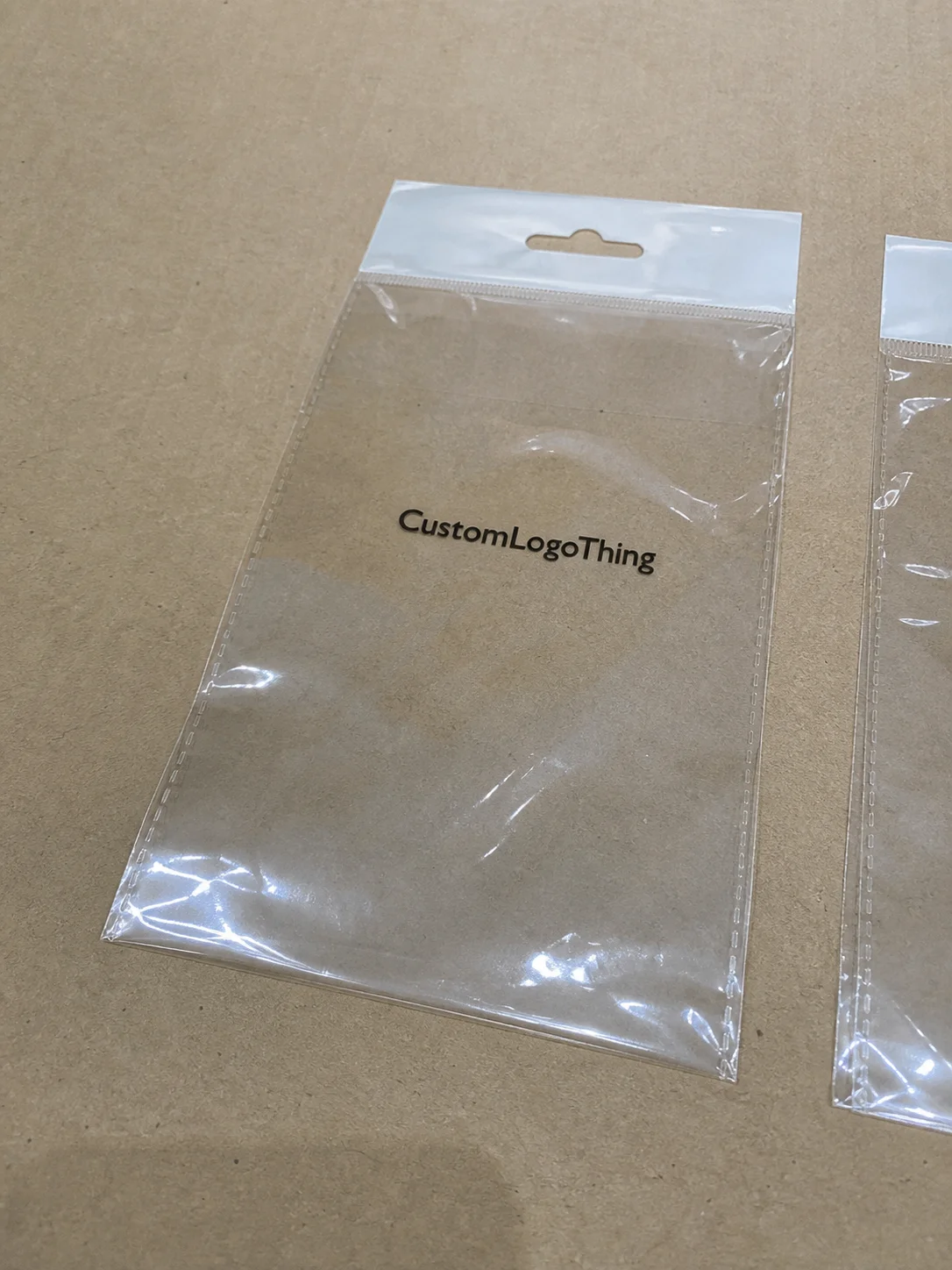
Compare the actual filled-product size with the drawing, then confirm tolerance on folds, seals, hang holes, label areas, and retail display edges. Reserve space for logos, QR codes, warning copy, and material claims before decorative graphics fill the panel.
Quote comparison points
Review material grade, print process, finish, sampling route, tooling charges, carton quantity, and freight assumptions side by side. A quote is only useful when the supplier can repeat the same color, closure quality, and packing count on the next order.
On a packing line in a small candle studio I visited outside Atlanta, the owner told me something I’ve heard a dozen times from makers: the box is often the first real product the customer touches. I remember standing there with a stack of kraft mailers, the faint smell of wax in the air, thinking she was absolutely right, especially when those mailers were running at about $0.28 per unit on a 5,000-piece order from a corrugated converter in Georgia. That is why personalized packaging for crafters is not decoration alone; it becomes part of the handmade item itself, shaping the first impression before the jar, soap bar, print, or bracelet even gets revealed.
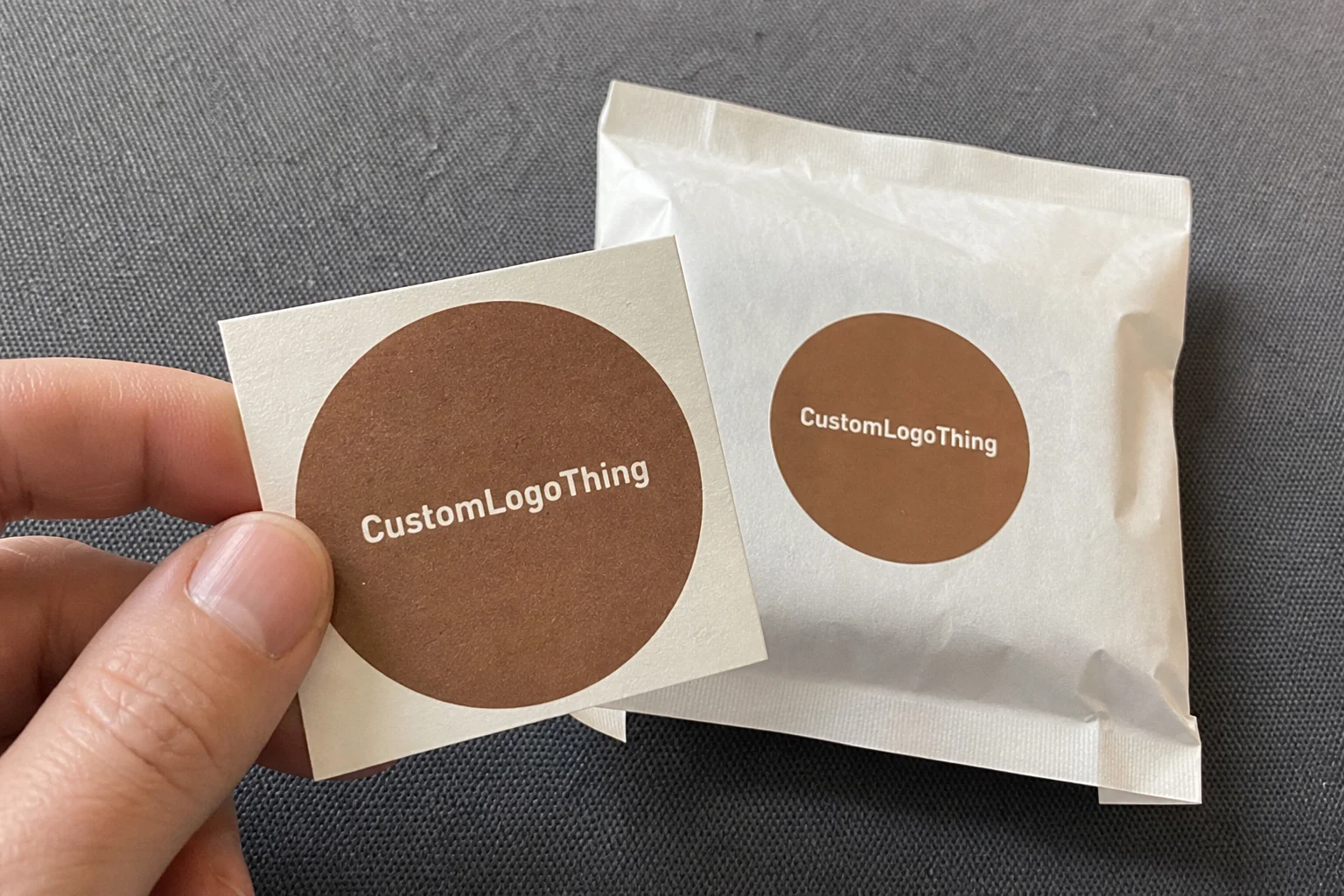
I’ve spent more than 20 years around folding carton lines, corrugated plants, and label converters in places like Chicago, Shenzhen, and Grand Rapids, and the pattern is consistent. When a craft brand upgrades its packaging by even one step, customers notice. A kraft mailer with a one-color logo, a clean insert card, or a tissue seal with a hand-drawn mark can lift perceived value faster than a long product description ever will, and those upgrades often start around $0.04 per sticker or $0.11 per insert card in medium volume. Honestly, I think that is the practical magic of personalized packaging for crafters: it quietly says, “This was made with care,” before anyone has even opened the box.
Custom Logo Things works with businesses that want their packaging to feel intentional without becoming impractical, and that balance matters. Handmade brands usually do not need thousands of units of luxury packaging on day one; they need the right structure, the right print method, and the right order size so the package supports the product, the margin, and the customer experience all at once. A bakery soap brand in Portland, for example, may only need 1,000 custom sleeves at first, while a ceramics studio in Asheville might be better served by 2,500 corrugated shippers with molded pulp inserts. (And yes, I say “supports” because packaging that looks pretty but falls apart is basically a cardboard disappointment.)
What Personalized Packaging for Crafters Actually Means
At its simplest, personalized packaging for crafters means packaging tailored to a maker’s logo, colors, message, product size, and unboxing style. That can be as modest as a branded sticker on a mailer or as complete as a printed folding carton with custom inserts, tissue paper, and a thank-you card. I’ve seen all of those work well, and I’ve also seen expensive packaging fail because it never matched the product it was supposed to protect. Beautiful packaging is great; beautiful packaging that makes the soap skid around like it’s auditioning for an ice rink is not so great.
There are three levels most makers run into. Generic packaging is the plain mailer or off-the-shelf box with no brand elements at all. Branded packaging usually adds a logo, a color cue, or a single printed message. Fully personalized packaging goes further by adjusting the box size, structure, artwork, finish, and inside components to fit a specific product line. For personalized packaging for crafters, that last category is often where a business starts to look polished without losing its handmade character, and a run of 350gsm C1S artboard cartons from a plant in Dongguan or Ohio can make that jump feel surprisingly attainable.
Here’s the truth from the factory floor: customers do not separate “product” from “packaging” as neatly as business owners do. If a soap arrives in a soggy sleeve or a jewelry piece rattles around in a box, the customer remembers that. If the same item arrives in a snug carton with soft tissue and a neat seal, the value feels higher, even when the actual materials cost only a few cents more per unit. A properly scored mailer or an insert cut to within 1-2 mm tolerance can prevent that loose, bargain-bin feeling before it starts.
Personalized packaging for crafters also helps with repeat purchases and social sharing. A well-printed insert card with a short message can drive an Instagram tag or a review. A giftable box can make it easier for a customer to hand your item to someone else without rewrapping it. That matters for makers selling at markets, through Etsy, on Shopify, or in boutique retail packaging channels where the unboxing becomes part of the buying decision, especially when the first shipment lands in 12-15 business days from proof approval instead of a vague “soon.”
I once sat with a jewelry client who was spending nearly 18 minutes per order reworking generic Boxes with Ribbons and hand-stamped stickers. I swear, by the end of the afternoon I could have tied those ribbons in my sleep. We switched her to a custom printed sleeve, a standard insert, and a pre-folded card, and her pack-out time dropped by about 40 percent. That is the kind of practical gain people miss when they think only about aesthetics. Personalized packaging for crafters can make operations cleaner, not just prettier, and a simple change from hand-tied ribbon to a $0.09 adhesive seal can save hours in a week.
It also scales from solo maker to small-batch studio. A one-person bath brand can start with custom labels and mailers. A 12-person ceramics workshop may choose custom printed boxes and molded pulp inserts. A knitwear label might use tissue, belly bands, and stamped kraft bags. There is no single correct formula; the right version of personalized packaging for crafters depends on product fragility, shipping method, and how much assembly work the team can absorb, whether the packaging comes from a print house in the United Kingdom, a corrugated facility in Vietnam, or a folding carton line in Pennsylvania.
How Personalized Packaging for Crafters Is Designed and Produced
The production path usually starts with a brand review. We look at the logo files, colors, product dimensions, and how the package will be used in real life. Then the structure gets chosen: mailer, folding carton, rigid box, sleeve, or label system. For personalized packaging for crafters, that early structure choice matters more than most people realize because it drives cost, print method, storage footprint, and shipping weight, and a mailer built from ECT-32 corrugated board will behave very differently from a gift box made with 1200gsm greyboard.
Once the structure is selected, the packaging supplier builds or adapts a dieline, which is the flat template showing folds, glue flaps, cut lines, and bleed. Good factories translate a crafter’s brand into print-ready files from there. If the job is going on a flexographic press for corrugated mailers, an offset lithography line for premium cartons, a digital printer for short runs, or a label converter for stickers and seals, the artwork has to match the machine. I’ve watched projects stall for days because a logo file arrived as a low-resolution JPG instead of a vector AI or PDF. That sort of thing can age a person a few years, honestly, and it can add 2-4 business days before a proof is even ready.
Materials are the next big decision. Common choices include kraft paperboard, SBS board, corrugated mailers, rigid chipboard, recycled cardstock, glassine, tissue paper, and pressure-sensitive label stock. Kraft board gives a natural, handmade look and takes one-color printing nicely. SBS, or solid bleached sulfate, gives cleaner white surfaces for sharper graphics. Corrugated is stronger for shipping. Rigid chipboard is the premium choice for gift-style custom printed boxes. Tissue and glassine add softness and restraint, especially for soaps, prints, or apparel, and a 30gsm white tissue sheet or a 40lb glassine wrap can change the feel of the unboxing more than many people expect.
Decoration options can transform the same structure in very different ways. CMYK printing handles full-color imagery well, while Pantone matching keeps a brand’s signature shade consistent across cartons, sleeves, and labels. Foil stamping adds metallic accents, embossing raises a logo, debossing pushes it inward, and spot UV creates glossy contrast on a matte surface. Die-cut windows let customers see a product before opening. Matte lamination feels quieter and more tactile; gloss increases shine but can show scuffs more quickly on busy retail packaging workflows. A typical silver foil stamp on a carton in a plant near Shenzhen might add $0.07 to $0.15 per unit at mid volume, which is why finish choices deserve a hard look, not a guess.
Sampling is where real-world packaging problems surface. I’ve had projects where a 350gsm artboard looked perfect on paper, but the fold score cracked after three open-and-close cycles. Another time, a water-based adhesive on a label stock behaved differently in a humid warehouse in Houston, and the corners lifted by day two. That is why I always recommend physical samples, not just screen proofs, before approving personalized packaging for crafters. You need to test fold strength, adhesive behavior, color shift, and board thickness under actual handling conditions, ideally after the sample has sat for 48 hours in the same room where packing happens.
For industry standards, packaging suppliers often refer to testing and material guidance from groups like ISTA for transit performance, and many buyers ask about sustainable sourcing through FSC when paper origin matters. Those references do not guarantee the right package, but they give a solid framework for evaluating claims instead of guessing, especially if the supplier is quoting from a plant in Ontario, Guangdong, or Wisconsin and shipping pallets by LTL freight.
Key Factors That Affect Design Quality and Cost
The biggest cost drivers are usually easy to spot once you’ve been around enough production runs: material type, print coverage, number of colors, special finishes, size and shape complexity, order quantity, and whether the pack needs inserts, windows, or custom supports. A plain kraft mailer with one-color print is very different from a foil-stamped rigid box with a die-cut insert, and the price difference shows up immediately in both tooling and labor. That is why personalized packaging for crafters can range from very modest to surprisingly premium, with a 1,000-piece run of simple labels landing far below a 5,000-piece carton order with custom foam or molded pulp.
For budgeting, I like to think in tiers. Entry-level branded packaging might include custom stickers, belly bands, and printed tissue. In many sourcing conversations, those items can land around $0.03 to $0.18 per unit depending on quantity and print complexity, with setup or freight priced separately. Mid-range options like custom mailers or folding cartons often sit higher, sometimes around $0.35 to $1.20 per unit for modest volumes. Premium Rigid Gift Boxes can move beyond that, especially with foil, embossing, or inserts, and I’ve seen them climb to $1.50 to $4.00 per unit or more in smaller runs. Exact pricing depends on size, board grade, and the supplier’s plant location, so personalized packaging for crafters should always be quoted as a full landed cost, not just a box price.
Quantity changes the math fast. A run of 500 units often carries a high unit cost because setup time gets spread over fewer boxes. A run of 5,000 pieces might bring the per-unit cost down sharply, but only if the maker can store and use that inventory before the design changes. Too many small brands order as if they are already at 50,000 units, and that is a mistake. Personalized packaging for crafters works best when the quantity matches the actual sales velocity, not the owner’s hope for the next six months, and a shift from 500 to 5,000 pieces can cut the unit price by 30% to 60% depending on the structure.
There are hidden costs people forget. Samples can run from free to paid, depending on the supplier and whether tooling is needed. Plates or setup fees may apply on flexo and offset jobs, often $80 to $350 for a short-run carton or label project. Freight is real money, especially on bulky corrugated cartons. Then there is labor: folding boxes, applying labels, inserting cards, and assembling kitted packaging can all eat into margins if the process is not planned. I once reviewed a soap maker’s quote where the packaging itself looked affordable, but the hand-assembly time made the real cost nearly double. That was the moment she looked at me like I had personally betrayed her spreadsheet.
Quality factors are not just about appearance. They include product protection, crush resistance, shelf appeal, shipping efficiency, sustainability goals, and how much work the team can realistically handle. A ceramic mug needs a different level of protection than a candle tin. A linen scarf does not need the same barrier as a moisture-sensitive balm. Personalized packaging for crafters has to support the product first and the branding second, because a beautiful box with a broken item inside is still a bad customer experience, whether the box is made in Dallas, Toronto, or a packaging district outside Ho Chi Minh City.
Artwork readiness can influence cost more than people expect. If a logo needs cleanup, if colors must be matched to Pantone references, if the dieline requires structural changes, or if a client is still debating copy when the print slot is open, delays and revision fees can appear quickly. Suppliers can handle that work, but it adds time and money. A clean file package saves both, and it can keep a production schedule on track for a job that otherwise would take 12-15 business days from proof approval to ship.
How Do You Choose Personalized Packaging for Crafters?
Start with the product itself. Measure the item’s length, width, height, and weight, then think about fragility and presentation. A 4-ounce lotion bar, a 12-ounce candle, a set of 5x7 art prints, and a hand-thrown mug all ask for different structures. I’ve watched makers order packaging based on a product photo alone, only to discover later that the item shifted during transit because the internal space was off by 8 millimeters. That is why personalized packaging for crafters should begin with product dimensions, not artwork, and why a mug box might need 2 mm of side clearance while a print sleeve only needs a tight 0.5 mm wrap.
Then map the customer journey from first glance to unboxing. Where should the brand appear most strongly? On the outer mailer, the inner box, the tissue wrap, the sticker seal, or the thank-you card? A smart package branding plan does not scream everywhere. It places the right message at the right moment. For example, a maker of botanical soaps might use a modest kraft mailer, a printed sleeve with one signature green, and a clean insert card explaining ingredients and care. That feels considered without being noisy, and a one-color Pantone 361 C accent on a 350gsm C1S artboard sleeve can be enough to make the line feel recognizable.
Choose the format that fits your product and budget. Mailers are efficient for shipping and lower in freight cost. Folding cartons are good for retail packaging and shelf display. Sleeves add personality without a full print run on every surface. Paper bags work well for in-store handoff. Rigid boxes bring a premium feel for gifts, subscriptions, and limited collections. Shipping cartons protect volume orders and can still carry branding inside. If you need a place to start, review Custom Packaging Products to compare common formats before making a quote request, including options that start near $0.15 per unit for 5,000 pieces on basic printed paper components.
Artwork prep is where many good ideas either succeed or fall apart. Use vector logos, not screenshots. Keep text away from fold lines. Build bleed correctly, usually 1/8 inch or as the supplier specifies. Set images to print-safe resolution, generally 300 dpi for raster elements. If a brand color matters deeply, define it clearly with Pantone or an equivalent match standard. Then request a digital proof and, if possible, a production sample. That sequence keeps personalized packaging for crafters from becoming an expensive guessing game, and it is especially helpful when the supplier is printing in a facility in Foshan, Newark, or Leeds.
Inventory planning matters more than many founders expect. If a seller does 40 orders a week but uses a hand-folded box that takes 45 seconds each, that is over 30 minutes of assembly time every week before labels, inserts, and sealing are counted. Add a holiday rush and the pressure climbs fast. I’ve seen studios in New Jersey and Arizona get backed up simply because they underestimated how long it takes to prepare packaging on the bench. A simple schedule for reorders, storage, and assembly can save a lot of stress, especially if replenishment takes 3 to 4 weeks by sea freight instead of a fast domestic reprint.
For short-run creators, a practical path is often: start with a branded sticker, move to a custom sleeve or mailer, then graduate to custom printed boxes once the sales pattern is stable. That kind of progression keeps cash tied up in the right places. Not every maker needs a premium box on day one, and some do better with simpler personalized packaging for crafters because it feels less forced and more handmade, particularly when the first order is only 250 or 500 units and the brand is still testing colors, copy, and structure.
“The best packaging I’ve seen from small brands is rarely the fanciest. It is usually the one that fits the product snugly, prints cleanly, and can be packed by two people without frustration.”
Common Mistakes Crafters Make With Personalized Packaging
The first mistake is choosing packaging that looks beautiful but does not protect the product. I’ve opened shipping cartons where the outer print was lovely, the foil looked expensive, and the item inside had shattered because there was no insert, no pad, and no shock absorption. For fragile candles, glass jars, ceramics, and bath products, the structure and internal support are part of the design. Personalized packaging for crafters should never be judged by artwork alone, especially if the package is crossing a hub in Memphis or Newark where boxes can take a few hard knocks.
The second mistake is overbranding every surface. If the exterior, interior, tissue, sticker, insert, and thank-you card all compete for attention, the package can feel crowded and more expensive to produce than it needs to be. I like a clear hierarchy: one hero element, one support element, and one functional message. That might mean a logo on the mailer, a message on the insert card, and a simple seal on the tissue. Clean packaging design often looks more confident, and it can save $0.05 to $0.20 per unit when extra print coverage is trimmed back.
File prep problems are another headache. Low-resolution artwork can blur. Missing fonts can shift copy unexpectedly. Incorrect dielines can put logos across folds. Screen colors rarely match printed colors exactly, especially on uncoated kraft stock. I’ve had a client bring in a beautiful teal that looked rich on monitor but printed muted on brown board because the substrate absorbed ink differently. She stared at the sample, sighed, and said, “Well, that color did me dirty.” She was not wrong. That is why proofing matters so much for personalized packaging for crafters, and why a hard copy proof is often worth the extra $25 to $60.
Shipping realities can also wreck a good plan. Oversized boxes increase postage. Finishes that scuff easily can look tired after one transit cycle. Packaging that takes too long to pack slows operations. A glossy lamination might look elegant on a retail shelf, but if the boxes slide around in the post and arrive marred, the brand perception drops. You want product packaging that fits the logistics as well as the aesthetic, whether the box is moving through a UPS hub in Louisville or a small postal route in rural Oregon.
The budgeting mistake is forgetting the extras. Samples, setup, freight, storage, finishing, and labor all matter. A quote that looks low on paper can become expensive once all the hidden pieces are included. I still remember a bath-and-body brand that was thrilled with a per-box number until we added the cost of inserts, freight from the plant, and hand-pack assembly. Their landed cost told a very different story, and the order moved from $0.62 per unit to nearly $1.05 per unit once everything was counted.
One more thing people get wrong: they choose packaging for a hypothetical future scale instead of the business they actually have. That can lead to large minimums, oversized inventory, and awkward cash flow. Personalized packaging for crafters should support the current stage, with a path to upgrade later if the product line grows, because storing 10,000 boxes in a spare room in Denver is not a growth strategy.
Expert Tips for Better Branding, Sustainability, and Timeline Planning
From the production floor perspective, the strongest packaging is usually the one that balances impact with manufacturability. Clean layouts, sensible board choices, and fewer special effects often produce better results than a complicated design that pushes every finishing station to its limit. I learned that years ago while touring a carton plant in Pennsylvania where a simple one-color kraft run outperformed a much fancier premium job because the simpler package stacked better, folded faster, and traveled more safely. No drama, fewer headaches, and fewer boxes that decide to do their own thing, especially when the line is running 8,000 sheets per hour.
For branding, crafters usually do better with a few repeatable signatures instead of trying to reinvent the look on every SKU. One signature color, one handwritten-style accent, and one consistent logo placement can make a package memorable without making it busy. That is a useful principle for personalized packaging for crafters because handmade businesses benefit from recognition and warmth at the same time, and a small studio in Nashville can look remarkably established with just a single recurring seal or belly band.
Sustainability should stay practical. Recyclable paperboard, FSC-style sourcing where available, soy or water-based inks, and reduced plastic all help. So does right-sizing the package so you are not shipping air. The U.S. EPA has useful background on materials, waste, and packaging impacts at EPA recycling resources, and those principles matter even for small craft brands. A box that uses fewer raw materials and ships more efficiently usually helps both cost and environmental goals, particularly when a corrugated shipper weighs 15% to 20% less after the structure is trimmed down properly.
For timeline planning, assume the process has several stages: briefing, artwork, proofing, sampling, and production. A simple job may move faster, but custom packaging still needs room for revisions. Complex jobs can stretch if there is a color match issue, a structure change, or freight delay. I tell clients to plan earlier than feels necessary, especially before a launch, holiday order burst, or market season. Personalized packaging for crafters gets much easier when the calendar is generous, and the most common reliable window I see is 12-15 business days from proof approval for straightforward digital jobs, longer if foil or custom tooling is involved.
Build buffer time into every step. A sample may reveal a fit issue. A proof may show a line of text too close to the trim. Freight can arrive later than scheduled. If you are assembling packaging in-house, you also need time for training staff or temporary help on the table line. One boutique maker I worked with in Chicago ordered perfectly, but she gave herself only six days before her launch event. The packaging arrived on time, yet the team still had to spend two late nights folding and labeling. A two-week buffer would have saved everyone a headache, and a 10% timing cushion in the schedule would have made a real difference.
Good sustainability and good branding do not have to fight each other. A small kraft box with a crisp black logo, a recycled insert, and a well-placed message can feel more authentic than a heavy glossy box with unnecessary embellishment. That is one of the places where personalized packaging for crafters can really shine: it can feel thoughtful, useful, and real at the same time, especially when the materials come from mills and converters that can document paper origin and board composition.
Next Steps: Build Your Packaging Plan and Request Samples
Start with a simple packaging plan. List your top three products, write down each item’s measurements, and note whether each one needs shipping protection, shelf appeal, or both. Then define your brand style in plain terms: natural kraft, minimal black-and-white, soft pastel, premium gift, or something else. That short exercise makes personalized packaging for crafters much easier to scope, and it helps a supplier see whether you need a mailer, a sleeve, or a 350gsm C1S artboard carton.
Create a packaging brief before you request quotes. Include quantity, budget range, material preference, print style, required dimensions, and any sustainability goals. If you need retail-ready display as well as shipping protection, say so early. If you want a certain feel, like matte, tactile, rustic, or glossy, include that too. Specificity helps the supplier recommend the right structure instead of forcing a one-size-fits-all answer, and it makes a $0.15 per unit for 5,000 pieces quote far more meaningful than a vague estimate.
Ask for samples or mockups and actually test them. Put the product inside. Fold the box ten times. Apply the label in humid and dry conditions if you can. Stack the cartons. Shake the shipping mailer. See how the unboxing feels with gloves on, with wet hands, or under low light if that reflects how your team works. This is exactly where personalized packaging for crafters becomes real, because the sample tells you more than a quote sheet ever will, especially if the sample comes from a converter in Shenzhen, Los Angeles, or Barcelona and arrives in 3 to 7 business days.
Compare at least two or three options side by side. I suggest looking at cost, durability, printing quality, and branding impact together. A package that is slightly more expensive but reduces labor time can win on total cost. A box that costs less but damages product is not actually cheaper. A simple comparison sheet can make the tradeoffs visible. If you want to review broader packaging options, the Custom Packaging Products page is a practical place to start, especially if you are weighing 500-piece versus 5,000-piece production runs.
One last piece of advice from the factory floor: start small, test honestly, and scale only after you know how customers respond. The first version of personalized packaging for crafters does not need every feature at once. It needs to fit your product, support your margins, and make the customer feel like the item was made with care from the very start, whether you are shipping from a studio in Minneapolis or fulfilling orders from a shared workspace in Richmond.
When I look back at the best projects I’ve worked on, they were never the loudest ones. They were the ones where the packaging stayed true to the brand, protected the product, and held up in transit without wasting time or money. That is the practical sweet spot. If you build toward that, personalized packaging for crafters can become one of the most valuable parts of your business, not just a finishing touch, and it can do that without asking the customer to pay for unnecessary ornamentation. So the next move is simple: measure your product, choose the structure that protects it, and request samples before you place the first production run.
Personalized Packaging for Crafters: decision table
| Decision area | Best fit | What to verify | Risk if skipped |
|---|---|---|---|
| Product fit | Protection, display, and unboxing consistency | Measurement, tolerance, material, and sample approval | A nice design fails because the product fit was guessed |
| Brand presentation | Logo visibility, finish, and customer perception | Print method, color target, texture, and proof review | Packaging protects the item but does not sell the brand |
| Operations | Packing speed, storage, shipping, and reorder control | Carton count, warehouse label, and repeat spec | The package is attractive but hard to pack or reorder |
Frequently Asked Questions
What is personalized packaging for crafters, and how is it different from branded packaging?
Personalized packaging for crafters is packaging tailored to a specific maker’s product, brand style, and customer experience, while branded packaging can be more general and less customized to each item or collection. It can include custom sizes, colors, printed logos, inserts, labels, tissue, and thank-you cards, not just a logo on a box. In practical terms, that might mean a 4x4x2 inch soap carton or a 9x6x3 inch jewelry mailer rather than a standard stock box.
How much does personalized packaging for crafters usually cost?
Cost depends on material, print method, quantity, and finishing, so simple branded mailers or stickers are usually far less expensive than rigid boxes with foil or embossing. The best way to budget is to compare unit price, setup fees, samples, freight, and labor together rather than looking at box price alone. As a reference point, a basic printed component can start near $0.15 per unit for 5,000 pieces, while a premium rigid box may land between $1.50 and $4.00 depending on the factory, finish, and insert style.
What is the typical timeline for custom packaging production?
A custom packaging project usually includes briefing, artwork setup, proofing, sampling, and production, which means the schedule can range from a few weeks to longer depending on complexity and revisions. Planning early is especially important before product launches, markets, or holiday peaks so there is time for approvals and freight. For many straightforward jobs, production is typically 12-15 business days from proof approval, with sampling and international transit added on top if needed.
Which packaging materials work best for handmade products?
Kraft paperboard, corrugated mailers, SBS folding cartons, rigid boxes, and sturdy label stocks are common choices because they balance appearance, protection, and print quality. The right material depends on whether the product needs shipping strength, shelf appeal, moisture resistance, or a premium gift feel. For example, a 350gsm C1S artboard sleeve may suit a print set, while an ECT-32 corrugated shipper is better for candles or ceramics.
How can small crafters keep packaging costs under control without looking cheap?
Use one or two signature design elements, keep print coverage efficient, choose a structure that fits the product closely, and test samples before scaling up. Many small brands get strong results by combining economical base packaging with a custom sticker, insert card, or seal that adds personality without a large cost jump. A thoughtful approach to personalized packaging for crafters can keep the landed cost near $0.35 to $0.60 per unit for many short-run projects while still looking polished.