Buyer Fit Snapshot
| Best fit | Personalized Packaging for Marketing Campaigns projects where brand print, material claims, artwork control, MOQ, and repeat-order consistency need to be specified before quoting. |
|---|---|
| Quote inputs | Share finished size, material target, print colors, finish, packing count, annual reorder estimate, ship-to region, and any compliance wording. |
| Proofing check | Approve dieline scale, logo placement, barcode or warning zones, color tolerance, closure strength, and carton packing before bulk production. |
| Main risk | Vague material claims, crowded artwork, missing packing details, or unclear freight terms can make a low unit price expensive after revisions. |
Fast answer: Personalized Packaging for Marketing Campaigns: Material, Print, Proofing, and Reorder Risk should be specified like a repeatable production item. The safest quote records material, print method, finish, artwork proof, packing count, and reorder notes in one written spec.
Production checks before approval
Compare the actual filled-product size with the drawing, then confirm tolerance on folds, seals, hang holes, label areas, and retail display edges. Reserve space for logos, QR codes, warning copy, and material claims before decorative graphics fill the panel.
Quote comparison points
Review material grade, print process, finish, sampling route, tooling charges, carton quantity, and freight assumptions side by side. A quote is only useful when the supplier can repeat the same color, closure quality, and packing count on the next order.
I’ve watched two boxes with the same product come off the same packing line, one wrapped in plain whiteboard and the other built as Personalized Packaging for Marketing Campaigns, and the second one got photographed by three different people before the pallet even left the dock. I still remember that moment because it felt so obvious, almost unfair in a funny way: same product, same shift, same factory, but one box got ignored and the other got treated like a little celebrity. That kind of reaction is not an accident; it comes from thoughtful packaging design, specific material choices like 350gsm C1S artboard or E-flute corrugated board, and a message that makes the customer feel like the brand had them in mind from the start.
At Custom Logo Things, I’ve seen how the right custom printed boxes can do more than protect a product. They can make a launch feel like an event, give retail packaging a stronger memory, and turn ordinary product packaging into something people want to show a friend. Honestly, I think most brands still underestimate how much personalized packaging for marketing campaigns can influence recall, repeat purchases, and even the way a customer talks about a brand after the box is opened. And yes, I’ve heard people gush over a carton flap like it was a piece of art, especially when the finish is a soft-touch lamination over a 24pt rigid board with copper foil stamping from a plant in Dongguan or Xiamen.
What Personalized Packaging for Marketing Campaigns Means
Personalized packaging for marketing campaigns means packaging tailored to a specific audience, campaign, season, channel, or customer segment instead of a single generic format used for everyone. In practice, that might mean a VIP customer receives a rigid box with a foil-stamped message and an insert card, while a first-time buyer gets a corrugated mailer with a printed sleeve and a QR code that points to a welcome video. A run of 5,000 mailers with variable-data names can be produced on a digital press in 12 to 15 business days from proof approval, while a larger offset-printed run may take 18 to 24 business days depending on finishing and freight from Shenzhen or Guangzhou.
I remember standing on a folding-carton line in a Midwest facility outside Chicago where the customer had two identical skincare formulas packed in different versions of the same carton. One version had standard branding; the other used a regional greeting, a campaign-specific color band, and a short message aimed at a loyalty club. The product inside never changed, but the personalized packaging for marketing campaigns made one carton feel like a private note and the other like a regular item on a shelf. That little shift changed the whole mood, which still surprises people who think packaging is just “the box,” especially when the carton is printed on 350gsm C1S artboard with aqueous coating and die-cut on a Bobst-style line.
The difference between personalization and simple branding is bigger than most people think. Branding covers your logo, colors, typography, and visual identity. Personalization reaches further with variable copy, segmented artwork, names, seasonal graphics, regional messaging, QR codes, serialized labels, and insert cards designed for a specific audience or campaign goal. That is why personalized packaging for marketing campaigns shows up so often in product launches, retention programs, referral kits, event mailers, and limited-time offers, including regional editions produced for stores in Austin, Toronto, and London.
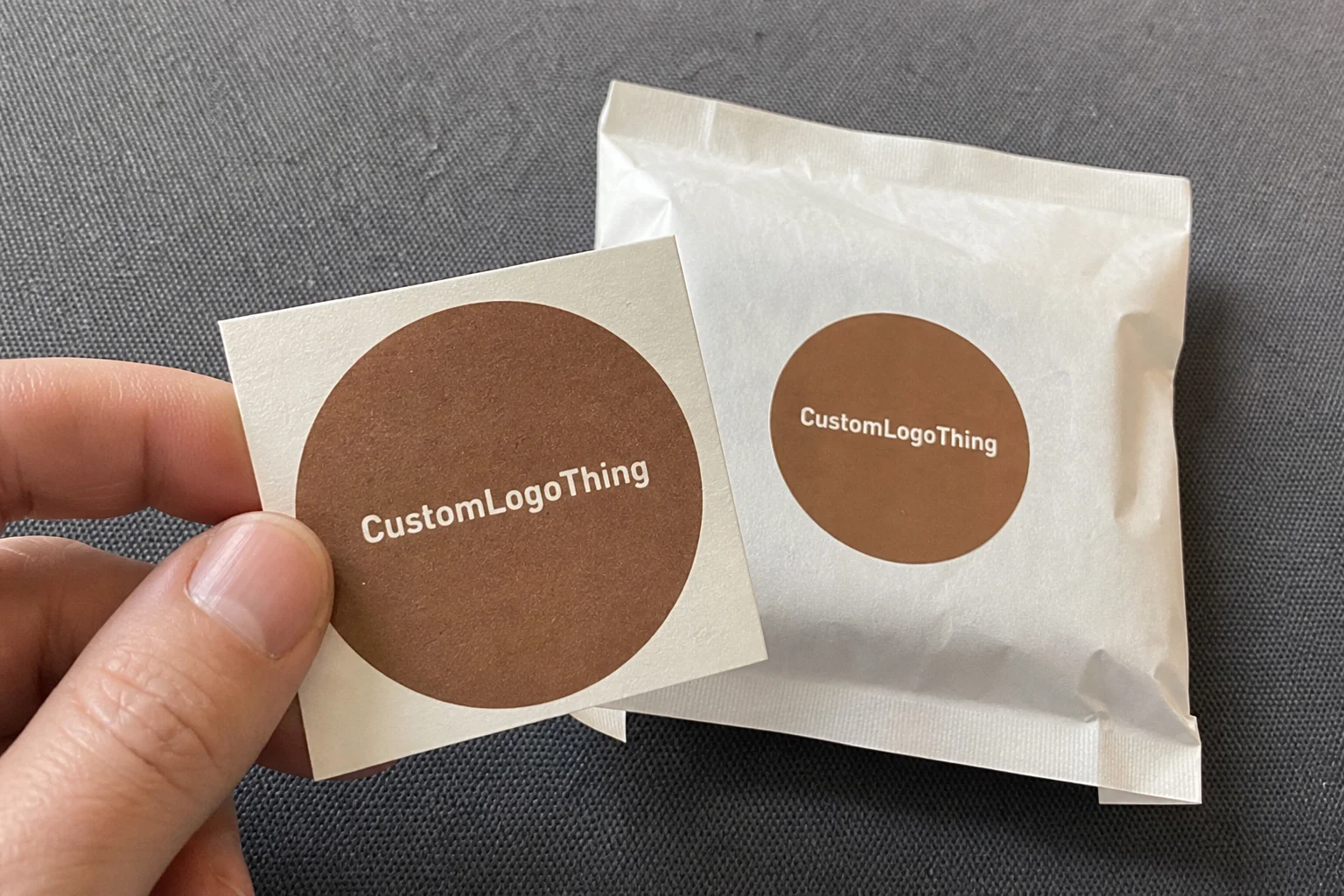
The formats that usually support this approach include folding cartons, rigid boxes, mailer boxes, labels, sleeves, tissue paper, and inserts. I’ve seen brands use soft-touch folding cartons for beauty sets, E-flute Mailers for Subscription shipments, and chipboard gift boxes for press kits. Each one can carry personalized packaging for marketing campaigns if the structure, print method, and finishing choices fit the customer experience you want to create. A humble mailer can absolutely do the job; it just needs the right material and the right attitude, whether it is a 32ECT corrugated shipper or a 2mm grayboard rigid box wrapped in printed art paper.
Marketing teams choose personalized packaging for marketing campaigns because it helps a box do four jobs at once: it grabs attention, reinforces the message, increases perceived value, and leaves a memory that lasts after the product is unboxed. That memory matters. A package that feels specific makes the product feel more considered, and the brand feels closer to the customer. Honestly, I think that is the part people remember after the details fade, especially when the packaging arrives with a printed inner lid message, a 2 x 3 inch insert, and a mailer that lands in 2 to 4 days via regional parcel shipping.
How Personalized Packaging for Marketing Campaigns Works in Real Campaigns
The workflow for personalized packaging for marketing campaigns usually starts with a campaign brief, then moves into concept development, structural design, print production, finishing, kitting, and final fulfillment. The earlier the team defines the audience and message, the easier it is to make the packaging work without forcing last-minute changes that can drive up cost and delay the launch. And yes, the last-minute changes always arrive like a surprise nobody asked for, especially when the proof is already out and the die line has been locked.
In a typical project, the marketing team brings the goal, such as awareness or retention; the packaging engineer defines the structure; the designer shapes the artwork; and the production team checks what the plant can actually run on press. I’ve sat in meetings where the creative concept looked beautiful on screen, but the folding style required a tooling change that added 8 to 12 days and pushed the carton over budget. That is exactly why personalized packaging for marketing campaigns needs both creative direction and factory-floor reality. A gorgeous rendering does not pay the overtime bill, and a custom steel rule die in a plant near Suzhou can add $180 to $420 depending on complexity.
Data-driven personalization can happen in several ways. Short-run digital print is common for smaller batches, especially when different customer groups need different copy or imagery. Variable data printing can change names, codes, or messages from unit to unit. Serialized labels are useful for tracking entry into sweepstakes or loyalty programs. Segmented artwork sets work well when you want a handful of campaign versions without creating hundreds of SKUs. In each case, personalized packaging for marketing campaigns relies on a clean handoff between design files, data files, and production controls, often using CSV data merges and proofing PDFs approved in 24 to 48 hours.
Here’s a practical segmentation example I’ve seen work well. A premium beverage brand launched a subscription campaign with three packaging tiers: VIP customers received a rigid box with a magnetic closure and a molded paper insert; returning customers got a printed mailer with a branded sleeve; first-time buyers received a lightweight corrugated shipper with a welcome card and QR code. The product inside stayed the same, but the personalized packaging for marketing campaigns matched the relationship stage, the margin target, and the shipping method. That sort of fit is what makes the whole thing feel thoughtful instead of random, especially when the VIP box uses 157gsm C2S wrap paper and the shipper uses 1.6mm E-flute board for postal efficiency.
On the plant floor, the production methods behind these campaigns can include offset printing for long runs, digital printing for short runs or variable data, die-cutting for precise structural shapes, lamination for durability, foil stamping for premium highlights, embossing for tactile depth, and gluing for final assembly. I’ve watched foil stations in a Shenzhen facility slow a line by 10 percent because a brand insisted on a large, full-panel foil field instead of a tighter accent area. That decision looked elegant in the mockup, but it added labor and inspection time that had to be absorbed somewhere. Pretty does not always mean practical, which is a lesson factories teach with impressive consistency, especially on 30,000-unit runs that need a 99.2 percent pass rate on visual inspection.
Logistics matter just as much as print quality. Inventory planning, assembly line kitting, pack-out sequencing, and shipping methods can make or break personalized packaging for marketing campaigns. If a campaign uses five message versions, the team needs a clear labeling system, a controlled pick list, and a fulfillment plan that keeps the wrong insert from landing in the wrong box. I’ve seen a simple mix-up at a co-packer turn a carefully planned customer celebration into a warehouse headache that took two nights of rework to fix. Nobody enjoys hunting down the “golden insert” at 9:40 p.m., trust me, especially when the pack-out sheet has 750 units per pallet and the wrong batch is already wrapped for outbound freight.
If you need a broader view of product structures and finishing options, our Custom Packaging Products page is a useful place to compare formats before you commit to one campaign path.
Key Factors That Affect Design, Cost, and Pricing
Material selection is one of the first cost levers in personalized packaging for marketing campaigns. Paperboard is usually lighter and often less expensive for folding cartons, while corrugated board gives better shipper strength for ecommerce and subscription programs. Rigid chipboard creates a premium feel but usually carries higher material and labor costs because it needs wrap, board conversion, and more careful assembly. Specialty papers, textured wraps, and eco-friendly substrates can raise the look and feel, but they can also raise the price if the material is harder to source or slower to run, particularly in mills around Guangdong, Zhejiang, or Pennsylvania.
I’ve quoted projects where a 14pt C1S carton with aqueous coating came in at a very different number than a 24pt rigid setup with soft-touch lamination and foil accents. The difference was not subtle. One project landed near $0.18 per unit at 5,000 pieces for a simple label-based campaign, while a premium gift box with inserts and a custom wrap structure was closer to $1.85 per unit at similar volume. A 350gsm C1S artboard folding carton with one-color inside print often lands around $0.15 per unit for 5,000 pieces in a basic configuration, while a fully customized rigid set with EVA foam insert and magnetic closure can exceed $2.10 per unit when produced in small batches. That spread is normal, and it is one reason personalized packaging for marketing campaigns needs a real budget conversation before artwork gets too far along. It is also one reason people suddenly become extremely interested in paper weights when the quote arrives.
Cost drivers usually include order volume, number of SKUs, print method, finish selection, structural complexity, and how much variable-data personalization is involved. A single artwork version in a large run is easier to price than six versions with unique copy and serialized inserts. If you add embossing, foil stamping, spot UV, or custom die-cut windows, the tooling and setup costs increase. If you add multiple pack-out steps, the labor cost increases too. There is no magic shortcut here; personalized packaging for marketing campaigns is always a balance between presentation and production efficiency, and even a 1.5mm change in insert thickness can alter assembly speed on the line.
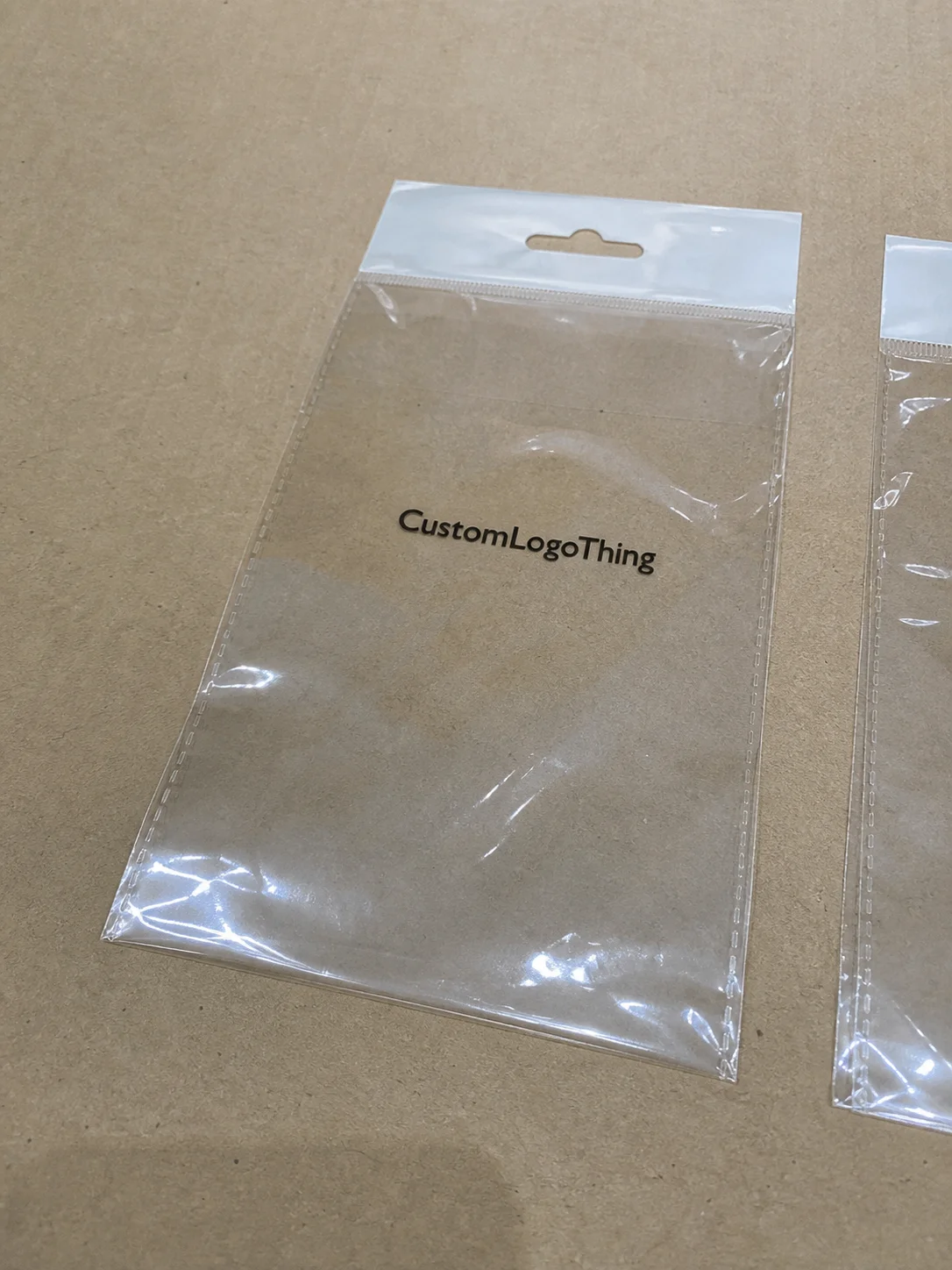
There is also a real pricing tradeoff between stock packaging with custom labels and fully custom printed packaging. For a small launch, a stock mailer with a good label and a targeted insert may be the smartest move. For a high-value campaign or a retail display program, fully custom printed boxes can justify themselves through stronger shelf appeal and better brand recall. I’ve seen small businesses overspend by jumping straight to rigid boxes when a smart sleeve-and-insert system would have delivered 80 percent of the effect for about half the cost. I hate to say it, but sometimes the fanciest option is just the fastest way to burn the budget, especially if the order is only 1,000 units and the freight from Ningbo adds another $600.
Lead time affects pricing more than people expect. Rush orders often require overtime, rescheduling, expedited freight, or a different plant slot, and those choices show up on the invoice. Prototype rounds also matter. One sample can be inexpensive; three sample revisions with artwork adjustments, material swaps, and new die lines can quietly add hundreds or thousands of dollars. With personalized packaging for marketing campaigns, the hidden costs usually live in revision cycles, not just the quote sheet, and a project that starts with a 10-business-day target can stretch to 15 or 20 when approvals bounce between brand, legal, and operations.
My advice is to reserve part of the budget for prototypes, freight, fulfillment labor, and contingency stock. A campaign can look great on paper and still fail if 10 percent of the boxes arrive late or the pack-out crew needs an extra hour per case to place inserts. If you want the campaign to move on schedule, it helps to treat the packaging like a managed production run rather than a simple print job. The box is the messenger, yes, but it still has to get on the truck, and a 40-foot container delayed at port can set back a launch by 7 to 10 days.
For brands trying to reduce waste and evaluate material choices, the Environmental Protection Agency has useful packaging and materials information at epa.gov, and FSC certification details are available at fsc.org. Those resources are especially helpful when the packaging strategy includes recycled content or responsible sourcing goals, such as FSC-certified board from mills in British Columbia or post-consumer recycled liners sourced in the American Midwest.
How Do You Plan Personalized Packaging for Marketing Campaigns From Idea to Launch?
The first step in personalized packaging for marketing campaigns is defining the campaign goal in plain language. Are you trying to build awareness, support a launch, improve retention, drive referrals, or celebrate a seasonal promotion? I’ve found that when a team can state the goal in one sentence, the packaging decisions become much easier because every finish, insert, and message has a job to do. A launch brief that says “increase first-order conversion by 12 percent” is far easier to act on than one that simply says “make it feel special.”
Next comes audience mapping. A campaign for new buyers usually needs a different tone than one for loyal customers or wholesale partners. You do not want to create so many versions that the project becomes unmanageable, but you also do not want to force one message onto every group. The best personalized packaging for marketing campaigns usually uses a few well-defined segments, each tied to a clear customer need or behavior pattern. Anything more than that, and the spreadsheet starts looking like a tax form nobody asked for, especially when the team is trying to manage 3 versions, 2 languages, and 1,500 units per version.
Creative development follows, and this is where dielines, copy hierarchy, artwork placement, insert design, and approval checkpoints come into play. A clean dieline matters because a gorgeous layout can fail if the logo lands in a fold, the QR code sits too close to a seam, or the insert card does not fit the cavity. In one client meeting, a cosmetics brand wanted a full-bleed inner print on a folding carton, but the tuck flap covered the key message during opening. We shifted the copy higher and the unboxing improved immediately. That is the sort of detail that makes personalized packaging for marketing campaigns feel intentional rather than crowded, and it is why a 2mm bleed allowance can matter just as much as the headline copy.
Prototyping and sampling are where the project becomes real. I always prefer physical mockups over screen-only approvals because paperboard weight, coating reflectivity, and structural fit are hard to judge on a monitor. Color checks matter too. A matte black mailer with silver foil can look rich under warm lighting and flat under cool warehouse LEDs. In factory settings, I’ve tested samples against 4000K and 5000K light boxes because the finish that looks premium in a design studio can shift once it reaches a fulfillment center or retail floor. That’s the part that gets people every time: the beautiful black can suddenly look a little sad under fluorescent lights, especially on 18pt SBS stock with a high-gloss overprint.
Production scheduling, quality control, packing, and delivery coordination close the loop. The plant needs a run order, the warehouse needs a sequence, and the shipping plan needs enough cushion to absorb weather, port delays, or freight backlogs. For personalized packaging for marketing campaigns, I like to see a final approval checklist that confirms print files, sample sign-off, SKU labeling, carton counts, and delivery windows before the first batch is made. It saves everyone from expensive surprises later, and it gives the team a realistic path to a 12- to 15-business-day production window after proof approval on standard digital runs.
When a campaign uses multiple components, I also recommend a clear kitting process. That can mean assembling boxes in-house, using a contract packer, or splitting duties between the printer and the fulfillment partner. The key is to avoid loose interpretation on the dock. A pack-out sheet that says “insert into sleeve, place card on top, seal with branded sticker” sounds simple, but it needs photos, counts, and a sample pack reference so the line crew can repeat it exactly. Otherwise someone improvises, and improvisation in fulfillment is how headaches are born, particularly when the order moves through a facility in New Jersey, Illinois, or Ontario with 20,000 units scheduled for the week.
Common Mistakes Brands Make With Personalized Packaging
One of the biggest mistakes with personalized packaging for marketing campaigns is making the design too busy. A box can carry too many messages, too many graphics, and too many calls to action, and the result is a package that feels noisy instead of premium. I’ve seen brands add three taglines, two QR codes, a discount offer, a founder quote, and a product benefit list to one panel. The customer didn’t know where to look first, and the box lost the very clarity it was supposed to create. It was like the packaging was trying to win a shouting match with itself, all while sitting on a 6-color press sheet with no breathing room.
Another common mistake is over-personalizing without a real audience strategy. It sounds impressive to create 18 versions of one mailer, but if the differences are too subtle or the segments are not meaningful, the extra artwork, inventory tracking, and production complexity can eat up the benefit. Personalized packaging for marketing campaigns works best when the segmentation serves a business purpose, such as higher retention for VIP buyers or better conversion for a first-time offer. A campaign with four clean versions and a $0.12 variable insert often performs better than an overly fragmented program with 14 nearly identical SKUs.
Production constraints get ignored more often than they should. Minimum order quantities, die changes, ink limits, glue area, and carton fit tolerances all matter. If a design uses an exotic paper stock that the converter cannot source reliably, the project can stall. If the insert is even 2 or 3 millimeters off, it may rattle in transit or jam the pack line. This is why packaging design should include engineering input before final approval, not after. I cannot say this strongly enough: the factory will eventually have the final word, whether the spreadsheet likes it or not, especially if the box is built from 300gsm art paper over 2.5mm chipboard and the closing magnet is too weak.
Poor timeline planning can wreck a campaign. Last-minute approvals lead to rushed freight, color inconsistency, skipped proofs, and missed launch dates. I’ve watched a brand lose a retailer window because the packaging copy went through four legal revisions in the final week, which pushed the press slot and forced an air freight upgrade. Personalized packaging for marketing campaigns needs a timeline that includes design, proofing, sample review, printing, finishing, assembly, and transport, with room for one or two revisions. A realistic plan often means 3 to 5 days for concepts, 2 days for sampling review, and 10 to 18 days for production, depending on the facility and finish set.
There is also the problem of forgetting the post-opening experience. A package may look fantastic closed, but if the insert does not fit, the adhesive fails, or the carton tears when the customer opens it, the moment falls apart fast. The unboxing is part of the campaign. If the interior loses shape, the whole branded packaging story weakens, and the memory becomes about damage instead of delight. I’ve seen a weak glue joint ruin a beautiful opening sequence on a run of 2,000 gift kits, and nobody remembers the foil once the lid pops loose.
Expert Tips to Make Personalized Packaging More Effective
If I had to give one piece of advice, it would be this: use one strong personalized element instead of five competing ones. One custom message, one targeted insert, or one QR code with a clear destination usually works better than cluttering the structure with too many signals. Personalized packaging for marketing campaigns is strongest when the customer understands the message in a few seconds, not after a long read, and a 15-second unboxing should be enough to communicate the idea even before the product is removed.
Design for both the shelf and the camera. That matters now more than it used to, because unboxing clips, shelf photos, and social posts can extend a campaign far beyond the original shipping carton. I like to ask, “Will this still look intentional at arm’s length and under a phone flash?” A soft-touch carton with a restrained foil logo and one bold interior message often performs better than a highly detailed surface that gets visually muddy on camera. If the package can hold up under a 12-megapixel phone shot and a fluorescent retail aisle, it is usually on the right track.
Test finishes and materials under real lighting conditions. Foil, matte coating, gloss varnish, and soft-touch lamination can behave differently depending on the light source and viewing angle. I’ve had a premium black box look elegant in the studio and slightly gray on the factory floor under brighter LEDs. That is why I always recommend actual samples for personalized packaging for marketing campaigns, especially when the brand is paying for premium tactile value. A sample made on 350gsm C1S board and laminated to match the final production spec can reveal more than a dozen digital mockups.
Build a modular system if you plan to run more than one campaign. A core structure that can support different sleeves, inserts, or labels is easier to manage than reinventing the entire box every time. Modular thinking is especially useful for subscription brands, seasonal retail packaging, and ecommerce promotions where the same base pack can carry new artwork every few months without major tooling changes. That keeps production simpler and helps the campaign stay fresh, and it can reduce changeover time by 20 to 30 minutes per run on a busy line.
“The best campaign packaging I’ve seen never tried to say everything at once. It picked one message, one structure, and one finishing detail, and then it let the product do the rest.”
Finally, get marketing, packaging engineering, and production aligned early. The creative team may care most about visual punch, the operations team may care most about speed and fit, and the plant may care most about runability and waste reduction. When those groups talk before files are locked, personalized packaging for marketing campaigns becomes a controlled process instead of a scramble. In my experience, early collaboration saves money every time, even if the meetings feel slower up front. That slower start usually beats a frantic correction sprint by a mile, especially when the plant is in production in Los Angeles, Toronto, or Ho Chi Minh City and the freight window is only 4 days wide.
If you need inspiration for formats and presentation styles, our Custom Packaging Products selection can help you compare stock-adapted options with fully custom printed boxes and other packaging structures before you commit to a production path.
What to Do Next Before Ordering Personalized Packaging for Marketing Campaigns
Start with a campaign brief that includes audience, budget range, quantity, timeline, product dimensions, and brand goals. That one document can prevent weeks of confusion later because it gives the design and production teams something concrete to work from. When a brief includes exact dimensions, product weight, and shipping method, the quotes become more accurate and the packaging options become easier to compare, whether you are targeting 2,500 units for a regional promotion or 25,000 units for a national launch.
Then audit your current packaging assets. Decide what can be reused, what needs redesign, and where personalization will make the biggest difference. Sometimes the best move is not a brand-new structure, but a custom label, a printed sleeve, or a targeted insert that transforms existing packaging into personalized packaging for marketing campaigns without starting from zero. I’ve had brands breathe a sigh of relief when they realized they did not need a full rebuild to get the effect they wanted, especially when the existing mailer already fit the product in a 9 x 6 x 3 inch format.
Request quotes for at least two packaging formats so you can compare cost, lead time, and presentation value side by side. A folding carton and a corrugated mailer may solve the same campaign need in different ways, and the right answer usually depends on how the product ships, where it is sold, and how premium you want the opening moment to feel. Pricing comparison is easier when both options use the same quantity, the same copy requirements, and the same finish expectations, such as aqueous coating versus soft-touch lamination or a 1-color print versus a 4-color process build.
Ask for a prototype or sample kit before production approval, especially if the package includes inserts, multiple components, or special finishes. Physical samples reveal the small issues that render files hide, like a lid that sits too tight, a fold that cracks, or a foil area that looks too heavy in person. I’ve seen a $150 prototype save a $15,000 production correction, which is a trade any operations manager would take in a heartbeat. Frankly, it is one of the few times where spending a little more up front feels gloriously boring later, particularly when the final run is scheduled for 5,000 units in a plant near Shenzhen or Dallas.
Set internal approval deadlines for design, legal, and operations so the schedule stays realistic. Marketing teams often move fast, but packaging production needs a little more discipline. If everyone knows the final sign-off date, the press slot, and the shipping deadline, personalized packaging for marketing campaigns has a much better chance of landing on time and looking exactly the way the team intended. A clear approval calendar with 48-hour review windows can save a campaign from slipping by a full production week.
For businesses ready to compare actual packaging formats and branding options, browsing Custom Packaging Products is a practical next step. It gives you a sense of structure, finish, and presentation before you lock in a campaign direction, and it can help you decide whether a folding carton, mailer box, or rigid set makes the most sense for your budget and shipment method.
From my side of the factory floor, the brands that win with personalized packaging for marketing campaigns are the ones that treat packaging as part of the message, not as a box to tick off at the end. They plan for print, for assembly, for shipping, and for the moment the customer opens the package. That extra care shows up in the unboxing, in the photos, in the repeat orders, and in the way people remember the brand a week later. If you build personalized packaging for marketing campaigns with that level of intent, the package becomes more than a container; it becomes part of the campaign itself, and a well-run project can move from proof approval to delivery in 12 to 15 business days on the right line.
Personalized Packaging for Marketing Campaigns: decision table
| Decision area | Best fit | What to verify | Risk if skipped |
|---|---|---|---|
| Product fit | Protection, display, and unboxing consistency | Measurement, tolerance, material, and sample approval | A nice design fails because the product fit was guessed |
| Brand presentation | Logo visibility, finish, and customer perception | Print method, color target, texture, and proof review | Packaging protects the item but does not sell the brand |
| Operations | Packing speed, storage, shipping, and reorder control | Carton count, warehouse label, and repeat spec | The package is attractive but hard to pack or reorder |
Frequently Asked Questions
What is personalized packaging for marketing campaigns used for?
Personalized packaging for marketing campaigns is used to make a launch, promotion, or customer outreach feel more specific and memorable. Brands use it to improve unboxing, support social sharing, reinforce campaign messaging, and create a stronger connection with a particular audience segment. It can also support loyalty programs, event kits, and referral offers, often using printed sleeves, inserts, or serialized labels in runs of 1,000 to 10,000 units.
How much does personalized packaging for marketing campaigns cost?
Pricing depends on material, print method, quantity, finish, and how many versions you need. A simple label-based campaign on a stock mailer may cost far less than fully custom printed boxes with foil, embossing, and inserts. For example, a 350gsm C1S folding carton at 5,000 pieces may run around $0.15 to $0.22 per unit, while a rigid box with a wrapped chipboard structure and insert can land between $1.50 and $2.50 per unit. Prototype costs, freight, and fulfillment labor should also be included in the total budget.
How long does the personalized packaging process usually take?
Timeline depends on design complexity, sampling rounds, and the production method. Digital short runs can move faster, while rigid boxes, specialty finishes, and complex inserts usually take longer. Build in time for proofing, approvals, production, and shipping so the campaign does not slip. A straightforward project can take 12 to 15 business days from proof approval, while a more complex build with foil, lamination, or custom inserts may take 18 to 25 business days.
Which packaging materials work best for personalized campaigns?
Paperboard, corrugated mailers, and rigid boxes are the most common choices. The best material depends on product weight, shipping needs, premium feel, and budget. 350gsm C1S artboard works well for folding cartons, E-flute corrugated board suits ecommerce shippers, and 2mm chipboard provides a more premium rigid option. Specialty paper wraps and inserts can add personalization without rebuilding the entire structure.
How can small businesses use personalized packaging without overspending?
Small businesses can focus on one or two high-impact custom elements instead of making every component custom. A core box or mailer structure can often be adapted with labels, sleeves, or inserts, which keeps costs manageable. Ordering sensible quantities and testing one campaign before scaling also helps control spend. In many cases, a 500-unit pilot run with a custom sleeve and insert will reveal whether the idea deserves a larger 5,000-unit rollout.