Buyer Fit Snapshot
| Best fit | Personalized Packaging for Restaurants projects where brand print, material claims, artwork control, MOQ, and repeat-order consistency need to be specified before quoting. |
|---|---|
| Quote inputs | Share finished size, material target, print colors, finish, packing count, annual reorder estimate, ship-to region, and any compliance wording. |
| Proofing check | Approve dieline scale, logo placement, barcode or warning zones, color tolerance, closure strength, and carton packing before bulk production. |
| Main risk | Vague material claims, crowded artwork, missing packing details, or unclear freight terms can make a low unit price expensive after revisions. |
Fast answer: Personalized Packaging for Restaurants: Quote Scope, Sample Proof, MOQ, and Lead Time should be specified like a repeatable production item. The safest quote records material, print method, finish, artwork proof, packing count, and reorder notes in one written spec.
Production checks before approval
Compare the actual filled-product size with the drawing, then confirm tolerance on folds, seals, hang holes, label areas, and retail display edges. Reserve space for logos, QR codes, warning copy, and material claims before decorative graphics fill the panel.
Quote comparison points
Review material grade, print process, finish, sampling route, tooling charges, carton quantity, and freight assumptions side by side. A quote is only useful when the supplier can repeat the same color, closure quality, and packing count on the next order.
A plain takeout box can vanish the second it changes hands, but personalized packaging for restaurants keeps the brand visible while a server, runner, or delivery driver drops an order into a bag, stacks it on a counter, or pushes it through a 7:00 p.m. dinner rush. I still remember a noodle shop in Newark moving 180 orders through a Saturday lunch window: the unprinted clamshells blended into the pile, while the custom sleeves in the same run stood out immediately, and customers picked those up first because they looked intentional. That is the real value of personalized packaging for restaurants; it is not decoration for decoration’s sake, it is part of the service system, and it has to survive heat, grease, stacking pressure, and the impatience of the person opening the bag 12 minutes later in a parking lot or office elevator. A package with a weak seam can make a $19 bowl of ramen feel like a $9 lunch special, and operators notice that difference even if they never say it out loud.
In practical terms, personalized packaging for restaurants means custom-printed boxes, sized containers, branded sleeves, labels, wraps, bags, inserts, and finishes built around a menu and a service style. A counter-service salad bar in Austin, a ramen shop in Queens with steam-heavy bowls, and a ghost kitchen in Phoenix sending out sealed meal kits need different structures, different board weights, and different closure methods. The strongest programs treat package branding and food performance as one problem, because a package that looks polished but collapses after 12 minutes in a delivery bag helps nobody. Too many operators still treat packaging like a flyer. I see better outcomes when they treat it like equipment that also happens to carry the logo, especially when that equipment is spec’d in 350gsm C1S artboard, 1.5mm E-flute corrugate, or a 450gsm barrier-coated board that can survive a greasy commute from downtown Chicago to the suburbs.
What Personalized Packaging for Restaurants Really Means
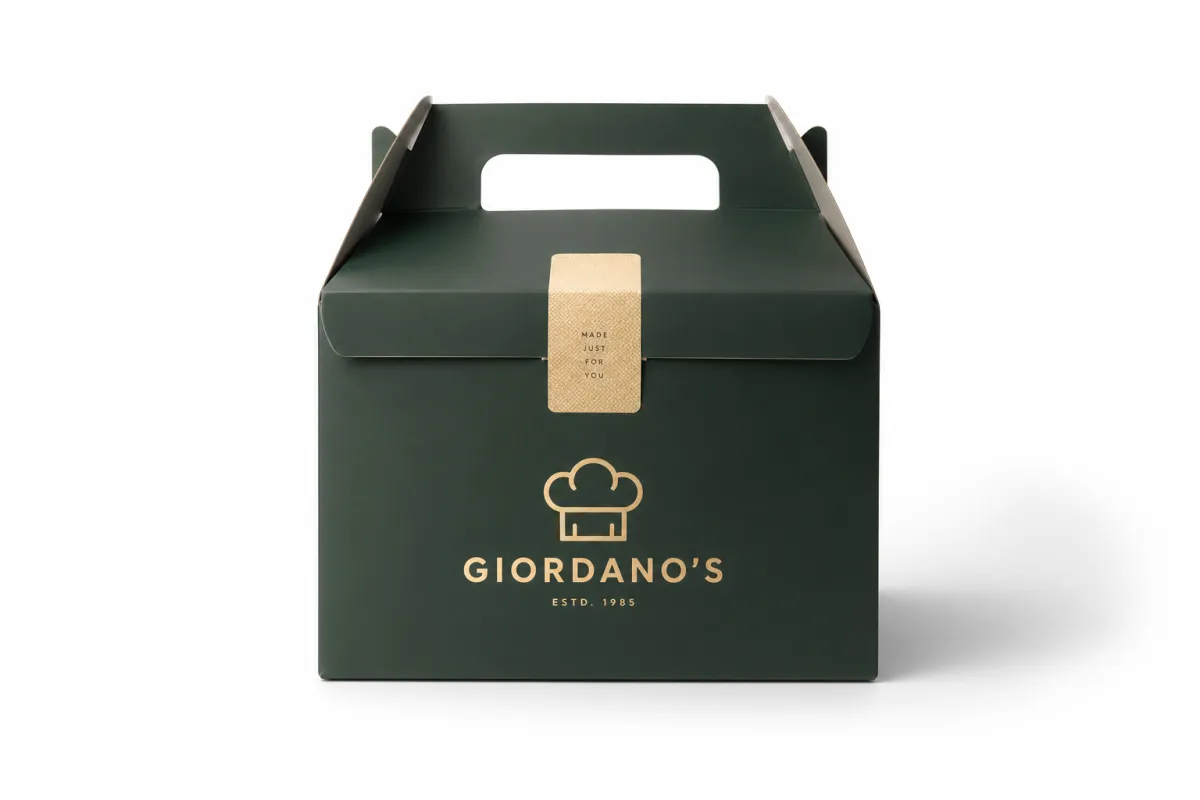
On a kitchen floor, the difference shows up fast. A plain kraft carton may hold fried chicken fine, but if it bows at the corners, leaks sauce at the seam, or takes an extra 6 seconds to fold, staff will resent it by the end of a double shift. Personalized packaging for restaurants turns that same carton into a tighter fit for the menu, the brand, and the line. I watched a taco concept in Atlanta switch from generic trays to branded packaging with a 0.5-inch deeper well, and the change did more than improve the photos; it cut spill complaints, made the packs stack cleaner on the expo line, and shaved a small but real slice of assembly time during a Friday rush that topped 220 tickets. The manager told me, with the tired smile of someone who had spent too much time with cardboard, that the new boxes felt “less argumentative.” He was joking, but only partly.
There is a practical side to this that disappears when people focus only on graphics. Good personalized packaging for restaurants has to support heat retention for hot food, condensation control for cold items, stackability for prep shelves, and quick assembly when two people are boxing 90 meals in 15 minutes. A sleeve can look elegant and still slide off a hot cup. A lid print can look sharp and still hide the fill line the staff needs to see. Smart packaging design earns its keep on the line before it ever sells the brand. I have seen a beautiful black box in San Francisco soften after 14 minutes of steam because the board was only 280gsm; the print looked expensive, but the performance was average at best, and in food service average is usually expensive in disguise.
Most restaurant owners already know they need boxes, bags, and wraps; the real question is whether those pieces should stay stock or move into Custom Printed Boxes and other branded formats that fit the service model. I explain it this way: stock packaging solves the transport problem, while personalized packaging for restaurants can also solve the perception problem, the handling problem, and sometimes even the cost problem if the structure is tuned well enough. A custom die-cut insert that holds two sauces and a dessert cup in one tray means fewer loose items, fewer bag swaps, and fewer complaints from the customer who opens the order at a desk 18 miles away. That kind of calm, tidy setup matters more than people admit, especially when the order includes a soup, a sandwich, and a cookie that would otherwise be rattling around in a paper bag like loose hardware.
That is why I draw a hard line between decoration and function. A logo printed across a lid is not automatically smart personalized packaging for restaurants. Real value shows up when the package matches the food, the delivery distance, and the staff workflow. I have seen operators spend on foil stamping before fixing box depth, and the result was pretty packaging that crushed the fries. I have also seen a small diner in Milwaukee use one-color branded sleeves on generic bakery boxes and improve brand recall because the packaging was easier to read, faster to fold, and better suited to a three-item breakfast rush than a flashy full-coverage print job would have been. My honest opinion? Modest and well-designed usually beats dramatic and impractical, and a package that folds in 4 seconds instead of 9 seconds can matter more than a gold accent nobody notices under fluorescent lighting.
“If the box cannot survive the trip in the bag, the logo does not matter.” A chain operator said that during a supplier review in Dallas, and the line stuck because it was true.
For operators who want a starting point, it helps to look at the full mix of Custom Packaging Products as a system rather than as scattered one-off purchases. When a restaurant treats cups, boxes, liners, and bags as a coordinated set, personalized packaging for restaurants starts doing real work for the brand instead of taking up shelf space. It also makes reorder meetings less chaotic, which is a small miracle in food service, especially when the order history includes a 5,000-piece carton run from Dongguan, Guangdong and a separate bag order from Suzhou, Jiangsu that both need to arrive before a holiday menu launch.
How Personalized Packaging for Restaurants Works
The production flow usually starts with a planning brief specific enough to prevent bad decisions early. What is being packed, how hot is it, how far does it travel, and how many pieces move in a normal week? From there, the supplier builds the structure, usually with a dieline that defines the fold pattern, tuck depth, glue area, and print surface. That stage matters more than many buyers realize, because personalized packaging for restaurants fails most often when the dimensions came from a mockup instead of the actual portion size. I have sat in meetings where a 9 x 9 x 3-inch lunch box looked fine on screen, then turned out to be 1/4 inch too shallow for a piled-high grain bowl with a sauce cup nested inside. That 1/4 inch sounds tiny until a lid pops up on a Friday night and everyone suddenly has an opinion.
Artwork setup comes next. Flexographic printing handles large runs efficiently, digital printing can be ideal for lower quantities or quicker sample cycles, and labels or sleeves can bridge the gap when a full print run is not the smartest spend. Embossing, foil accents, and die-cut windows can elevate branded packaging, but I always ask whether the finish helps the guest identify the product or only adds cost. Strong personalized packaging for restaurants programs use print methods strategically: a full-coverage box on a hero item, a label on a seasonal offering, and a sleeve where the staff needs speed and the budget needs discipline. I have a soft spot for restrained design here, because too much ornament can feel like the box is trying harder than the food. A two-color print on 350gsm C1S artboard can often do more honest work than a six-color layout with a foil band that adds $0.07 a unit and zero utility.
Then the supplier proofs the art, usually with color expectations, copy checks, and any regulatory language tied to food contact or recycling claims. If a restaurant is using FSC-certified paper, I want the paperwork lined up before approval, not after the freight lands, and the same rule applies to any sustainability statement printed on the panel. When a team needs a reference point for fiber sourcing or chain-of-custody questions, the FSC site at fsc.org is a useful authority to review. The point is not to make packaging sound complicated; it is to make personalized packaging for restaurants traceable, accurate, and defensible once the boxes hit the line. Nobody wants the awkward follow-up call that starts with, “So... about that claim on the sleeve,” especially if the cartons were produced in Xiamen, Fujian and the certification language was approved in a hurry.
Sampling is where the real learning happens. A flat art proof cannot tell you whether a vent hole will release enough steam from a hot noodle bowl, or whether the lid tabs will pop open when a runner carries four orders at once. That is why I push for physical samples, not just PDFs, and why I like to see the package tested with greasy hands, cold condensate, and the exact bags the delivery platform uses. For transport checks, many teams use ISTA guidance or an ISTA-style drop and vibration test, because that kind of validation tells you more about actual shipment survival than a glossy render ever will. I have watched a beautiful sample fail because the sidewall softened after 18 minutes of steam and a 22-minute delivery ride. Not glamorous, but useful. Painfully useful.
Once the structure and artwork are locked, manufacturing moves into print, cut, glue, and pack-out. A simple sleeve or label run can move quickly, while a custom carton with specialty coating, embossing, or a custom die usually needs more lead time. If a restaurant is comparing printed food packaging options, this is where the difference between retail packaging habits and food-service habits becomes obvious: retail packaging can afford a little more shelf drama, but personalized packaging for restaurants has to fold fast, nest well, and survive motion, heat, and moisture in the same shift. That combination is why the pretty sample on the sales desk is only half the story. The other half happens when somebody actually tries to pack 60 meals before noon in a 78-degree kitchen with one fan and a ticket rail that never stops blinking.
Why Does Personalized Packaging for Restaurants Matter for Delivery?
Delivery is where personalized packaging for restaurants earns or loses trust. The bag can leave the kitchen looking perfect and still arrive as a mess if the lid shifts, the sleeve slips, or the box bows under a hot entree. I have seen a clean-looking lunch rush turn into a complaint wave because the packaging solved the logo problem but not the ride. For restaurants, that is the point: personalized packaging for restaurants has to protect the meal first, then carry the brand, then survive the handoff.
The quickest test is simple: can staff close it in a few seconds, can the guest read it without squinting, and can the box hold up after 15 minutes in a delivery bag? If the answer is yes, the package is doing its job. That is why so many operators move from stock containers to custom printed boxes or branded packaging only after the operation is already strained; once they see the leaks, they finally see the gap. Better to design around that gap before the first order leaves the door, especially when a driver is crossing town with soup, fries, and a dessert cup in the same run.
Key Factors That Shape Cost and Performance
Cost starts with material, and material starts with the food. A 24-ounce soup bowl, a sesame chicken tray, and a cold dessert cup do not need the same substrate, coating, or closure. In my experience, the biggest drivers in personalized packaging for restaurants are material choice, board weight, print coverage, number of colors, finishing, quantity, and whether a custom die or tooling is required. A 4-color box with foil accents and a custom window will always cost more than a one-color sleeve on a stock carton, but the real question is whether that extra spend improves pickup speed, reduces leaks, or supports a higher menu price on the final customer bill. I have seen owners fight over pennies and then lose dollars to remakes. It is a very restaurant thing to do, honestly.
Small runs are almost always more expensive per unit because setup gets spread across fewer pieces. That does not mean low quantity is wrong; it means the restaurant should understand the tradeoff before approving the order. I have seen quotes where 3,000 pieces came in at $0.31 each, while 12,000 pieces dropped to $0.17 each, and a separate run of 5,000 350gsm C1S dessert cartons landed at $0.15 per unit because the art was simple and the die was already in place. The larger run made sense only because the operator had dry storage for 8 pallets and a predictable turnover rate. If a cafe uses 900 boxes a month and has room for only 2 pallets, a giant order can create cash flow pressure and clutter instead of savings. Good personalized packaging for restaurants planning balances unit cost against storage and usage pace. A bargain that turns your back room into a cardboard cave is not really a bargain.
| Material | Best For | Typical Planning Cost at 5,000 Units | Strengths | Tradeoffs |
|---|---|---|---|---|
| Paperboard | Sandwich boxes, dessert cartons, sleeves | $0.15 per unit | Prints cleanly, light weight, good for branded packaging, often spec’d as 350gsm C1S artboard with aqueous coating | Can soften with heavy moisture or long delivery times |
| Corrugated board | Delivery boxes, carriers, combo meals | $0.22 per unit | Strong stacking, better crush resistance, useful for transport, often built with 1.5mm E-flute | Bulks up storage and may need more folding space |
| Molded fiber | Eco-forward trays, bowls, compartment packs | $0.26 per unit | Natural look, sturdy feel, good for certain hot foods, common in Jiangsu and Shandong production lines | Print options are narrower unless labels or sleeves are added |
| Kraft paper | Wraps, bags, liners, low-cost food service items | $0.08 per unit | Low cost, easy to source, familiar look for restaurant packaging, useful for bakery and grab-and-go orders | Limited barrier performance unless coated or lined |
| Barrier-coated board | Saucy items, greasy foods, hot handheld meals | $0.29 per unit | Better moisture and grease resistance, better structural hold, useful for a 20-minute delivery route | Usually costs more and may require tighter spec review |
Those numbers are planning ranges, not a promise, because freight, print coverage, and regional paper costs move around. Still, they help owners see where the money goes. A lot of operators focus only on unit price and forget the hidden pieces: setup charges, proof fees, sampling, customs if the job is overseas, freight on a pallet run, and holding extra stock for holidays or promotion windows. I have negotiated packaging programs where freight made up nearly 14 percent of the total landed cost on a smaller order, which changed the math completely. A run out of Dongguan, Guangdong can look inexpensive at the factory gate, then become much less attractive once the cartons cross an ocean, sit in a port, and arrive on a pallet with 10 percent of the value attached to transit. That is why I tell restaurant buyers to ask for landed cost, not just factory cost, when they compare personalized packaging for restaurants options. The quote on the page is never the whole bill, and anyone who has done a few purchases knows that all too well.
Performance matters just as much. If a package reduces spill claims by even 2 percent on a high-volume menu item, that can be worth more than a cheaper box that leaks once every 50 orders. A stronger lid seal can lower remakes, a better board grade can keep a burger box from sagging, and a cleaner print layout can make the food look more premium in the customer’s hands. In other words, personalized packaging for restaurants is not a pure expense line; it can protect the meal, support the brand, and lift repeat business in ways that show up a few weeks later in reorder volume. I know that sounds a little tidy, but it is true more often than not, especially in delivery-heavy neighborhoods where a single bad spill can cost a restaurant a rating and a Tuesday night order.
Here is the part many people miss: if a supplier says every material is fine for every menu item, they are probably selling a commodity, not a solution. Ask whether the structure handles grease, whether the closure holds under a 20-minute delivery route, whether the board has enough stiffness for stacking, and whether the finish supports the story the restaurant wants to tell. If you want a natural-paper look for branded packaging, FSC-certified stock can fit the brief, but only if the operational requirements still work. I have seen beautiful kraft concepts fail because the sauce load was too high, and I have seen plain white paperboard win because it kept the food intact from expo line to doorstep. Beauty matters, yes. So does not dumping soup into a paper bag. There are limits, and they are usually measured in ounces, not opinions.
Step-by-Step Process and Timeline for Personalized Packaging for Restaurants
The strongest projects start with a planning brief specific enough to stop bad decisions early. I want to know the menu items, the service model, the target budget, the target delivery distance, and the way staff actually move food from station to station. A 120-seat bistro with table service needs a different structure than a delivery-heavy poke shop with 11 menu SKUs, and personalized packaging for restaurants should reflect that difference before anyone touches the artwork file. If the team is launching seasonal pasta, a lunch bowl, and a dessert cup, I would rather see one set of dimensions chosen intentionally than three pretty mockups that cannot stack in the prep cooler. Decision-making gets easier when reality is invited in early, especially when the prep line is 14 feet long and every extra inch of packaging eats into the same shelf space as mise en place.
Structural selection and dieline review come next. This is the stage where size, tuck pattern, lid style, and nesting behavior are decided. I have watched operators choose a box that looked perfect in the proof but forced staff to fold an extra flap under time pressure, adding 4 to 5 seconds per order during peak lunch. Those seconds matter. In a shop doing 200 meals in a lunch window, that becomes real labor. Strong personalized packaging for restaurants programs favor dimensions that fit the portion, the shelf, and the delivery bag, not just the photo. I tend to be a little stubborn here because I have seen one tiny structural choice turn into a daily annoyance for the team. Nobody needs that kind of recurring irritation, especially not for a box that costs $0.15 more than the stock option and saves 30 minutes a week in folding time.
Artwork setup follows. This is where the logo lands, the color values get checked, and the copy gets screened for accuracy. If a package claims compostability, recyclability, or food-safe performance, someone should verify the language before production. I also want to see bleed, safe zones, and panel logic reviewed by someone who understands both design and production. An attractive file can still fail if the logo sits on a glue seam or the QR code lands on a fold line. For a supplier, good personalized packaging for restaurants work means asking annoying questions early so the restaurant does not pay for them later. I know “annoying” sounds negative, but in packaging, annoying questions are usually the expensive mistakes you did not have to make. A mislabeled panel on 10,000 cartons is not a typo; it is a very expensive lesson.
Then comes sampling and kitchen testing. I like to see hot soup, cold desserts, fried items, and a saucy item all tested on the same day, because conditions change fast in a real service line. Check the fit with gloved hands and ungloved hands, see how the package behaves in a delivery bag, and watch whether condensation weakens a sidewall after 15 minutes. If the supplier cannot send samples in the exact substrate, ask for the closest match and note the difference in writing. For these tests, I lean on the practical side of personalized packaging for restaurants: does it seal, does it stack, does it survive a bump, and can the team assemble it without a 10-minute training session? I would rather hear, “This is a little boring but it works,” than, “Wow, look at the shine,” followed by a stack of failed lids. A sample that lasts 20 minutes on a pass-through shelf is worth more than a sample that photographs beautifully for 30 seconds.
Production and shipping timelines depend on how custom the job is. Simple printed items may land in 12 to 15 business days from proof approval, while a fully custom carton with a specialty coating or a new tool can run 25 to 40 business days or more. That window includes prepress, print, die-cutting, glue, packing, and freight. I tell operators to build a buffer of at least 1 extra week for revisions, especially if the menu launch is tied to a local event, a holiday weekend, or a new delivery partnership. A rushed approval can force a weak compromise, and weak compromises in personalized packaging for restaurants usually show up as wasted inventory, not savings. I have watched a launch slip because somebody approved a color proof at 4:45 p.m. on a Thursday and then noticed the logo was too small on Monday. No one needed that suspense, and nobody needed 8,000 wrong cartons from a plant in Shenzhen because the artwork file was rushed.
One useful habit is to plan the packaging schedule backward from the menu launch date. If the kitchen wants the new bowls live on the first Monday of the month, the first sample should arrive early enough for a real service test, not just a desk review. A supplier can move quickly when the brief is tight, the artwork is clean, and the decision makers are available. I have seen teams approve a box in 3 rounds because they had a clear spec sheet, and I have seen others spend 7 rounds arguing about shade differences that no customer would notice under restaurant lighting. The difference is usually process discipline, not luck. And, frankly, a bit of ego control helps too, because a restaurant that burns two weeks debating a Pantone chip has usually lost sight of the delivery window.
Common Mistakes Restaurants Make With Custom Packaging
The first mistake is choosing size from the mockup instead of the actual packed portion. I have seen a bowl designed for a 12-ounce grain serving end up holding 18 ounces on a busy night because the line cook was generous, and suddenly the lid would not seat properly. That leads to crushed food, sauce overflow, and expensive rework. In personalized packaging for restaurants, the package should be based on the real scoop, ladle, or portion cup, not the best-case art render. If the team does not measure food in ounces and inches, they are guessing at the most expensive part of the experience. Guessing feels quick right up until the complaint emails start piling in, usually after the first 40 orders go out and three of them return with sauce in the bag.
The second mistake is over-branding every square inch. A package covered edge to edge in logos, taglines, and QR codes can look busy instead of polished, especially on wet or greasy surfaces where ink readability drops. I once reviewed a fried seafood box where the marketing team wanted six messages on the top panel, but the lid spent most of its life under condensation. We cut the copy to one logo, one color block, and one short URL, and the package looked cleaner while being easier to read. That is a practical lesson in personalized packaging for restaurants: the eye should land quickly, not wander across a cluttered panel. If the box has to act like a billboard and a kitchen tool at the same time, it usually fails at one of those jobs, and sometimes both.
The third mistake is ignoring operational reality. A box that looks good in a studio may stack badly in the fridge, crush in a delivery bag, or require two hands to open when staff only has one hand free because the other is holding a ticket rail. I have seen operators discover too late that a clamshell collapsed at the corners when stacked 8-high, or that a cup carrier tipped because the base cutout was 1/8 inch too loose. That is why good personalized packaging for restaurants must be tested on the actual line, with actual staff, under actual pressure. I do not care how polished the render is if the real thing behaves like a folding chair with a grudge. The restaurant will remember the failure long after it forgets the mockup.
The fourth mistake is approving a proof without a real-world test. A screen proof can show color and layout, but it cannot reveal whether steam warps the lid or whether sauce pools at one corner after a 25-minute delivery ride. That kind of weakness only appears when heat, condensation, and transport shake the package a bit. I always prefer a sample run over a guess. If the restaurant is spending on product packaging at scale, a 30-minute test with hot, cold, and greasy items is a far cheaper lesson than a pallet of flawed inventory. Nothing humbles a buying team faster than a stack of boxes that looked flawless online and then collapsed in a live kitchen on the first Saturday dinner service.
The fifth mistake is waiting too long to reorder. When stock gets down to the last 10 percent and a weekend rush is coming, operators start accepting substitutions they would never choose on a calm Tuesday. That is how a restaurant ends up with mismatched bags, inconsistent box sizes, or a temporary unbranded replacement that breaks the whole visual story. A simple reorder system with a minimum stock level, a review date, and a lead-time reminder protects the consistency of personalized packaging for restaurants and keeps the brand from slipping between seasons. It also saves staff from the bad kind of surprise, which is the kind that shows up before brunch with 140 online orders and no labeled sleeves in the cupboard.
I have also seen buyers skip the supplier conversation about storage and then discover that a good-looking program needs dry shelving, flat pallet space, or a different pallet height than the restaurant currently has. If the boxes are too bulky for the back room, labor cost climbs fast because staff has to move stock twice. That is why the smartest operators treat packaging as a logistics decision as much as a branding decision. When a supplier understands both, personalized packaging for restaurants becomes easier to manage, not harder. I like suppliers who can talk about warehouse reality without sounding bored by it; those are usually the ones who have seen a few disasters and survived them, often in warehouses from Ningbo to New Jersey.
Expert Tips for Better Personalized Packaging for Restaurants
Design for three viewing moments: the counter handoff, the customer’s table or desk, and the social media photo that may follow 30 seconds later. The first view is about speed and clarity, the second is about trust and temperature, and the third is about shareability. I watched a brand in Chicago improve its lunch traffic after simplifying the top panel of its personalized packaging for restaurants program to one strong logo, one accent color, and one short statement. It was not flashy, but it looked intentional in every setting, which is usually what customers remember. I have seen that same principle work in Portland and Toronto: if the package reads clearly in fluorescent light and still looks decent under a phone flash, you are probably in the right zone.
Standardize dimensions across menu families wherever you can. If your wrap box, side box, and dessert carton can share the same footprint or lid family, storage gets simpler and the purchasing team can negotiate better pricing on fewer SKUs. One chain I worked with cut its box count from 14 SKUs to 8 by aligning the dimensions around two base footprints, and the warehouse team noticed the difference immediately because fewer cartons meant fewer confusion points. That kind of structure matters in personalized packaging for restaurants, where even a small reduction in complexity can save hours over a busy month. Less chaos in the back room usually means fewer muttered complaints too, which is never a bad outcome when the shift starts at 10:30 a.m. and ends after midnight.
Mix print methods and accessories with intention. A full-coverage print is ideal for a hero entree box, but a label, sleeve, or insert may be smarter for a lower-volume seasonal item or a limited-time dessert. This is especially true if you want to keep your custom printed boxes budget available for the items that move in volume. The best operators know where to spend on bold branding and where to stay practical. In my experience, a simple sleeve on a strong structural box often outperforms an expensive full-bleed design that is hard to maintain across multiple menu changes. Fancy is fine, but only if the kitchen can live with it without sighing every hour, and only if the print house in Guangdong can hold registration tight enough to keep the logo from drifting by 2 millimeters.
Run a kitchen-floor stress test with hot, cold, wet, and greasy items on the same day. Do not settle for one sample in one temperature. Put 2 ounces of sauce in the bowl, close it, stack it, and let it sit for 20 minutes. Put the cold dessert beside a warm entree and see whether condensation changes the grip. Ask a cook to assemble 25 units in a row. That is the reality check that separates good personalized packaging for restaurants from packaging that only looks good in a presentation deck. I have seen a sample pass the boardroom and fail the prep table within four minutes. That is not a mystery; that is just physics being rude.
Ask for sample packs, mockups, and storage guidance before committing. A good supplier should be able to explain flat pack dimensions, pallet counts, moisture behavior, and how the stock will sit in a prep room. If they cannot tell you whether the cartons need a certain humidity range or whether the sleeves should be stored flat for 48 hours before use, keep asking. A supplier that understands personalized packaging for restaurants should make the transition to production feel organized, not mysterious. If they talk only about “premium finish” and never about how it actually lands in your kitchen, I would be a little suspicious. Good partners know the difference between a spec sheet and a sales pitch, and they usually know the freight lead time from Shanghai to Los Angeles too.
I also advise teams to think about the brand beyond the box. Bags, tissue, stickers, and inserts can carry the same design language without forcing every surface to do too much. That is how branded packaging stays elegant instead of overworked. A well-chosen accent on a kraft bag or a short message on a closure label can reinforce the meal without crowding the structure. If you need a place to compare options, our Custom Packaging Products page is a practical starting point for teams sorting through paperboard, bags, and food-service formats. I keep coming back to this because it is easy to get seduced by a single sample and forget the whole system, especially when the sample came from a factory in Foshan and looks better under studio lights than it will under a subway platform sign.
Finally, remember that personalized packaging for restaurants should feel like a working part of the kitchen, not a marketing department add-on. The most effective programs I have seen were the ones where the chef, the line lead, and the buyer all had a say. That mix usually catches the problems a designer alone might miss, such as a lid tab that catches a glove or a box that shifts when stacked on a 2-shelf speed rack. And yes, the chef will probably complain about the first sample. That is not a problem; that is data wearing an apron, usually with a Sharpie note that says “too deep” or “needs vent.”
Here is the short version: if the package is easy to build, easy to store, and hard to spill, the branding will look better too. Personalized packaging for restaurants works best when the form, the ink, and the handling all point in the same direction. That is the kind of order customers notice in 10 seconds and remember the next time they place an order. I have seen it happen enough times to trust it, even if the box itself never gets any applause, and even if the warehouse on the other end of the shipment is in a city like Qingdao, where the cartons were packed three time zones away from the dining room.
Next Steps for Ordering Personalized Packaging for Restaurants
Start by auditing your current containers by menu item, not by broad category. List the places where leaks happen, where lids fail, where staff loses time on assembly, and where the visual presentation feels weak. I like to use a simple 3-column sheet: item name, current problem, and target improvement. Once you map the pain points, personalized packaging for restaurants becomes a targeted fix instead of a vague shopping exercise. It also keeps conversations honest, which is handy when three people in a room have three different ideas about what “good” means, and one of them is still thinking about a box from 2019 that no longer exists.
Set priorities before you request quotes. Separate must-have performance needs from brand upgrades and nice-to-have finishes. A fried item may need grease resistance first, while a dessert cup may need better print visibility second. That order helps you avoid paying for a foil accent when what you really needed was a stronger board grade. If you are comparing options across personalized packaging for restaurants, ask the supplier to quote a good, better, and best version so you can see what each tier changes in the structure and the price. I like this approach because it makes tradeoffs visible instead of hiding them inside a single number, and because it keeps a $0.06 label from masquerading as a $0.24 premium structure.
Request samples from at least 2 sources, compare the feel and closure strength, and test them with the people who actually pack the food. The person wrapping the sandwich or sealing the bowl will catch issues a buyer may miss at a desk. I have seen a 6-cent difference in a box become a 12-minute labor difference on a Friday night, and that is why side-by-side tests matter. If the sample feels awkward, it will probably be awkward 300 times in a row. Packaging has a way of repeating its habits, unfortunately, whether it came from a plant in Jiangsu or a converter 40 miles down the interstate.
Place a pilot order on one high-volume item before rolling out the whole program. A single entree box, soup bowl, or combo carrier can tell you almost everything You Need to Know about the supplier’s print quality, fit, and lead-time discipline. Once that pilot passes a real kitchen test, expand into the rest of the line. It is a safer way to build personalized packaging for restaurants than trying to change every carton, cup, and sleeve at once. Small proof, then bigger move. That order of operations saves grief, and it usually saves cash too, especially when a 5,000-piece pilot lands at $0.15 per unit and keeps the total risk low enough for the team to sleep at night.
Build a simple reorder system with minimum stock levels, lead-time reminders, and a review date. I suggest a monthly check for fast-moving items and a quarterly review for lower-volume packaging. That cadence keeps the program current as the menu changes and as promotions come and go. When the system is clear, personalized packaging for restaurants stays consistent, the warehouse stays calmer, and the guest sees the same visual story every time they order. There is nothing dramatic about that, which is exactly why it works, and why operators in cities like Miami, Seattle, and Cleveland keep coming back to it after the first inventory scare.
If you want a straightforward way to compare structures, finishes, and quantities, browse our printed food packaging collection and match the options against your menu rather than against a catalog photo. That is usually where the right decision shows up. For most operators, personalized packaging for restaurants is not about buying the fanciest box; it is about choosing the one that protects the meal, supports the brand, and keeps the service line moving at a pace the staff can live with. And if the choice prevents one more sauce catastrophe, I would call that money well spent, especially when the replacement order would have cost more than the menu item itself.
FAQ
What is personalized packaging for restaurants?
It is custom packaging built around a restaurant’s menu, service style, and brand standards instead of generic stock containers. In practical terms, personalized packaging for restaurants can include printed boxes, sleeves, bags, cups, wraps, inserts, and labels, all sized and finished to support how the food is actually packed and delivered. The best versions balance branding with heat retention, stackability, and leak resistance. I always say the box should feel like it belongs to the food, not like it wandered in from another job, especially if the order is traveling 14 minutes across town in a paper bag with one cup holder and a lot of hope.
How much does personalized packaging for restaurants usually cost?
Pricing depends on material, print coverage, quantity, finishing, and whether a custom die or tooling is needed. A small run may carry a higher unit price because setup is spread over fewer pieces, while larger orders usually lower the per-unit cost. When I quote personalized packaging for restaurants projects, I always tell buyers to compare landed cost, not just factory price, because freight, samples, and storage can change the real budget quickly. A 5,000-piece paperboard run might land at $0.15 per unit, while a 10,000-piece corrugated run could fall to $0.19 per unit after setup is spread out. The number on the quote is only the opening line, not the whole story.
How long does personalized packaging for restaurants take to produce?
Simple printed items may move in roughly 12 to 15 business days after proof approval, while fully custom structures or specialty finishes can take 25 to 40 business days or longer. The timeline usually includes brief, artwork setup, proofing, sampling, production, and shipping, so approval speed matters a great deal. For personalized packaging for restaurants, I always recommend extra buffer time for revisions and test orders before a menu launch or a busy season. The calendar has a habit of becoming dramatic right when a restaurant needs calm, and a two-week delay can be the difference between a smooth rollout and a pile of unused cartons in the stock room.
Which materials work best for personalized packaging for restaurants?
Paperboard and corrugated board are common for boxes, sleeves, and carriers because they print well and handle many food applications. Molded fiber and kraft can work well when a restaurant wants a more natural look or a sturdier, more eco-forward feel. The best material for personalized packaging for restaurants depends on whether the food is hot, cold, greasy, saucy, or riding out for a long delivery route. I wish there were a universal answer, but food service loves exceptions more than it loves simplicity, and a steamed dumpling box in Seattle needs different behavior than a dry bakery carton in Tampa.
How do I choose the right supplier for personalized packaging for restaurants?
Look for a supplier that can provide structural samples, clear proofs, realistic lead times, and dependable quality control. Ask how they handle food-safe materials, print consistency, storage guidance, and reorder support for busy restaurant teams. The right partner will test personalized packaging for restaurants in the kitchen with you, not just sell you a design on paper, because the food has to survive the real trip, not the presentation deck. If they act as though the kitchen is an afterthought, keep shopping, and ask where their last production run was manufactured, whether that was Dongguan, Foshan, or a converter in Illinois.
The cleanest path forward is simple: pick one high-volume menu item, test one packaging change on the actual line, and judge it by assembly time, leak resistance, and how it feels in a customer’s hand. If that sample holds up, expand from there. That is the most practical way to build personalized packaging for restaurants without turning the back room into a guessing contest.


