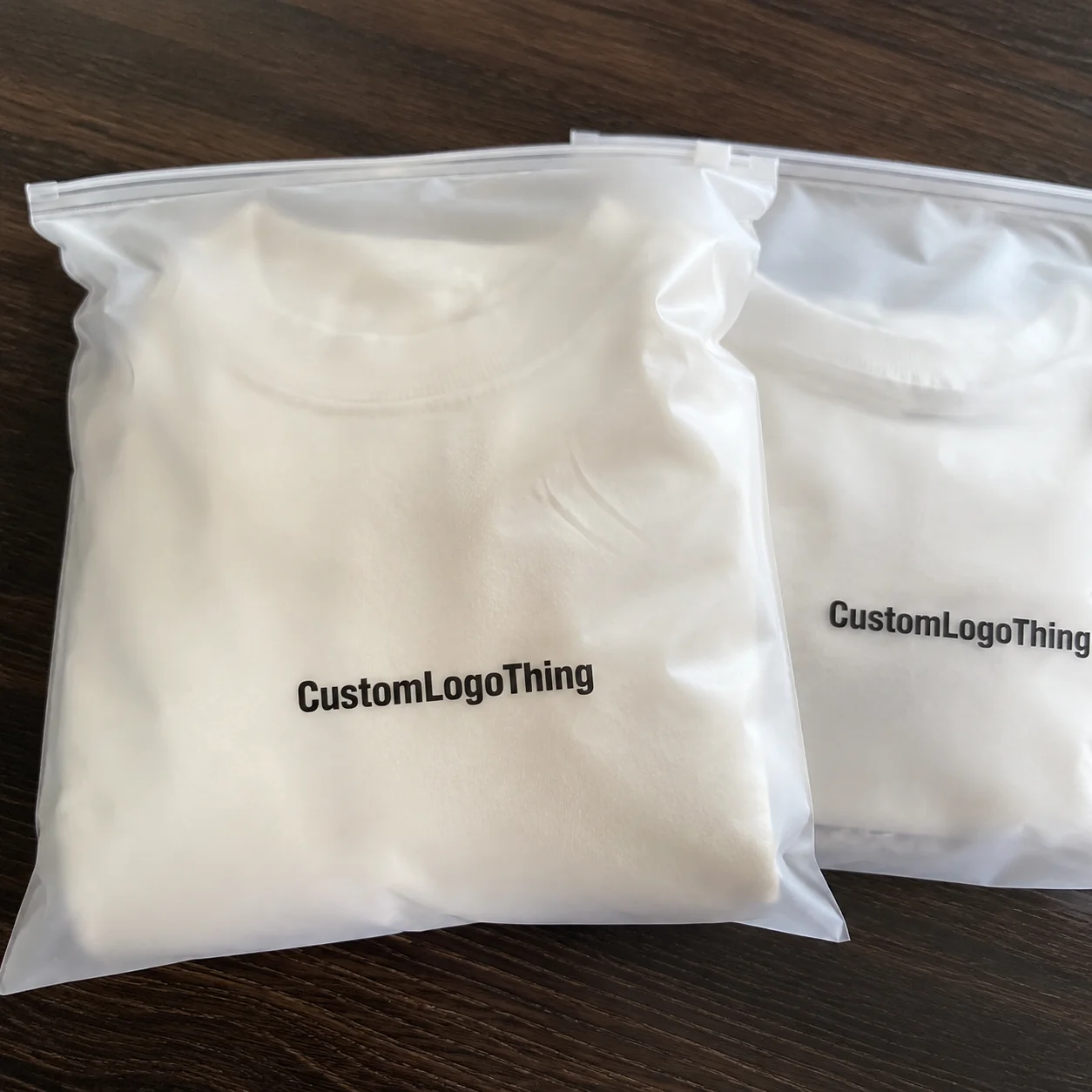
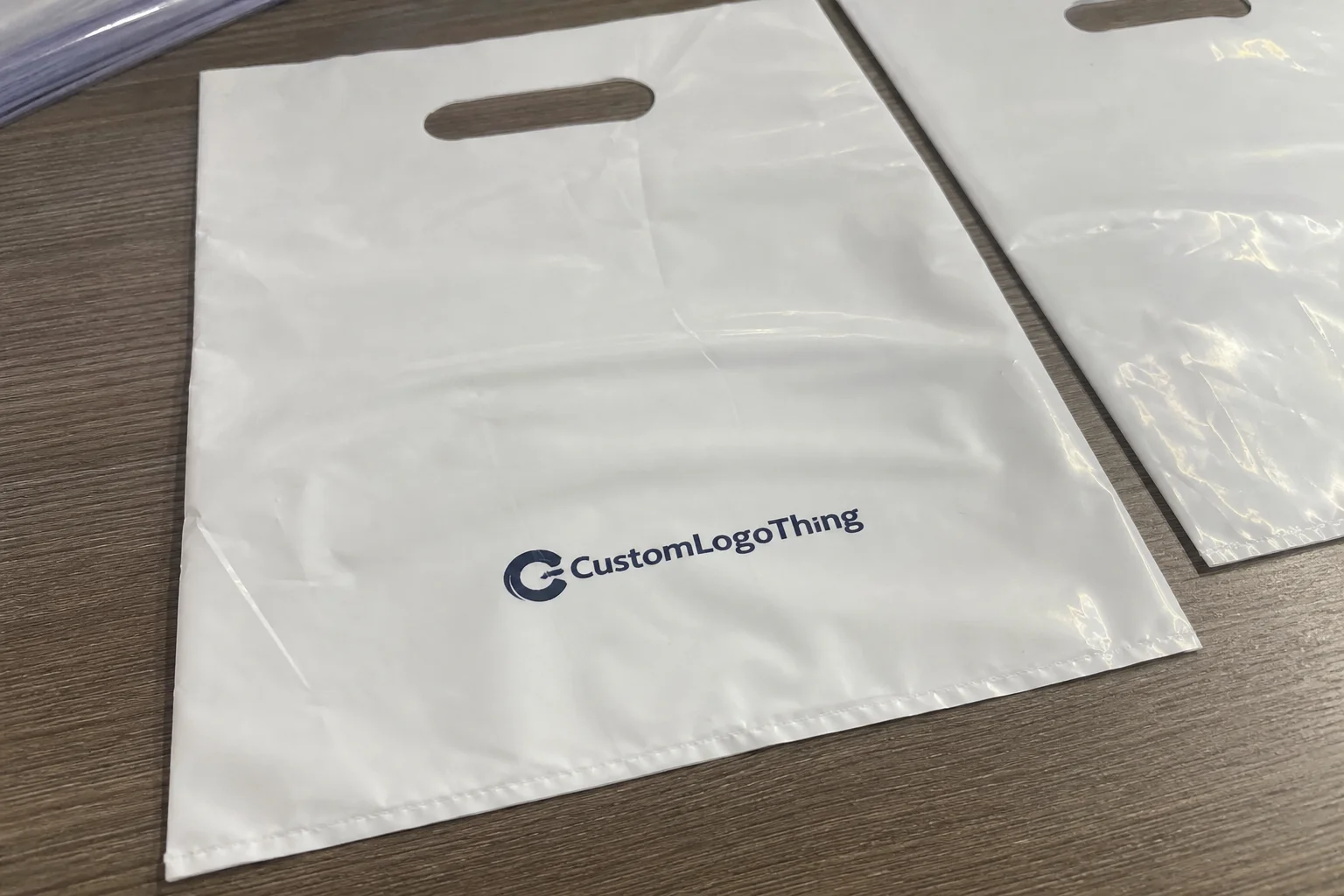
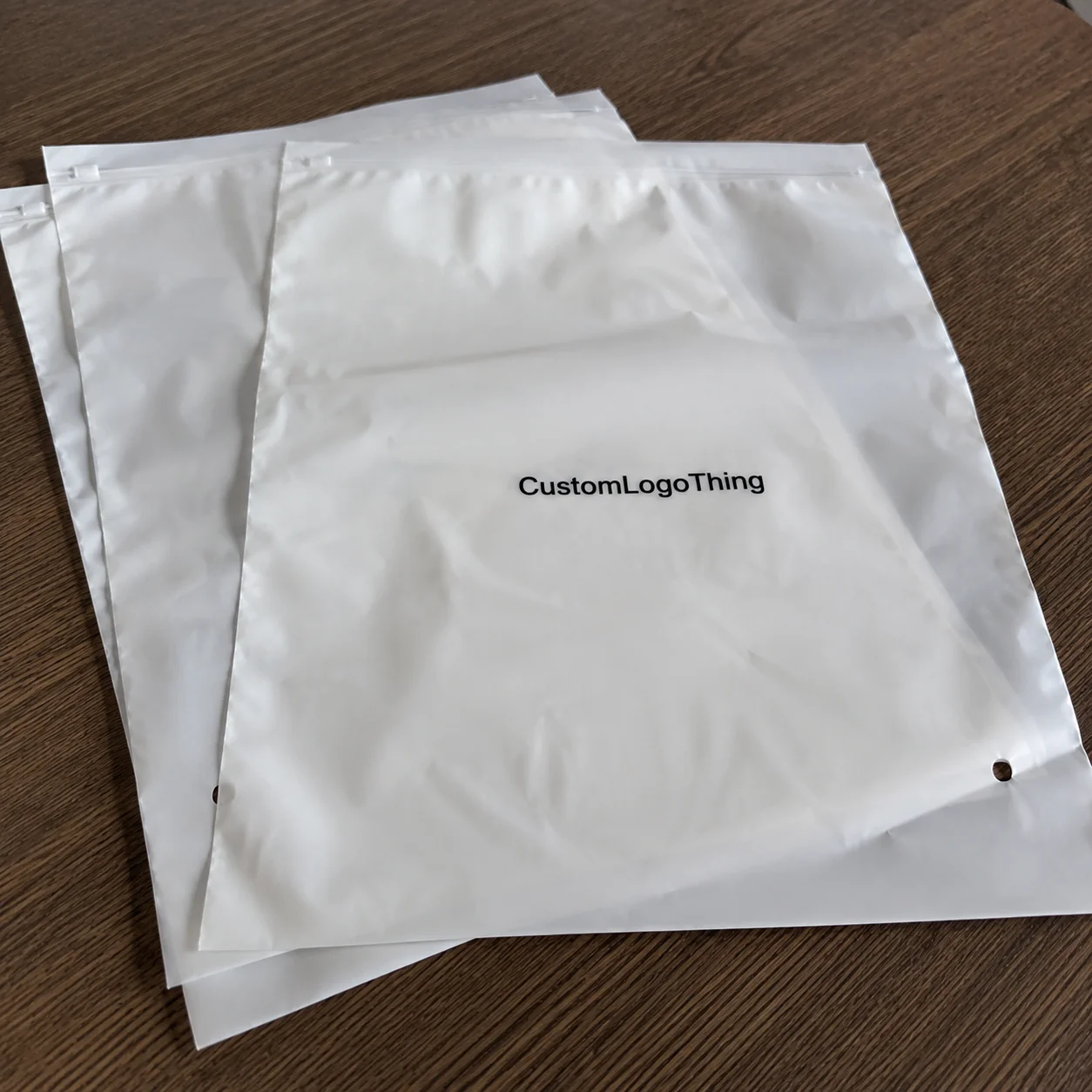
Buyer Fit Snapshot
| Best fit | Personalized Packaging for Retail Stores projects where brand print, material claims, artwork control, MOQ, and repeat-order consistency need to be specified before quoting. |
|---|---|
| Quote inputs | Share finished size, material target, print colors, finish, packing count, annual reorder estimate, ship-to region, and any compliance wording. |
| Proofing check | Approve dieline scale, logo placement, barcode or warning zones, color tolerance, closure strength, and carton packing before bulk production. |
| Main risk | Vague material claims, crowded artwork, missing packing details, or unclear freight terms can make a low unit price expensive after revisions. |
Fast answer: Personalized Packaging for Retail Stores: Artwork Proof, Packing Count, and Landed Cost should be specified like a repeatable production item. The safest quote records material, print method, finish, artwork proof, packing count, and reorder notes in one written spec.
Production checks before approval
Compare the actual filled-product size with the drawing, then confirm tolerance on folds, seals, hang holes, label areas, and retail display edges. Reserve space for logos, QR codes, warning copy, and material claims before decorative graphics fill the panel.
Quote comparison points
Review material grade, print process, finish, sampling route, tooling charges, carton quantity, and freight assumptions side by side. A quote is only useful when the supplier can repeat the same color, closure quality, and packing count on the next order.
Personalized Packaging for Retail Stores: What It Really Means
The first time I watched a buyer walk a finished carton line at a converting plant in Shenzhen, he picked up a plain brown box, turned it once, and said, “If this sits on shelf, nobody notices it.” Then he held the same product in personalized Packaging for Retail stores—full-color print, a crisp tuck-end, spot UV on the logo, and a clean barcode panel—and his whole tone changed. That’s the part people miss. Personalized packaging for retail stores isn’t just a container. It’s a silent salesperson the second it lands on a shelf, a display table, or even a shopping bag. For a 5,000-piece run, I’ve seen the difference cost as little as $0.15 per unit when the structure is simple and the artwork is already locked. Honestly, it’s doing half the selling while everyone else is still arguing about fonts.
In plain terms, personalized Packaging for Retail stores means packaging tailored to a brand, a product line, a customer segment, or even a store format. That tailoring can include custom graphics, structural design, inserts, finishes, and specific messaging that speaks to the shopper standing three feet away under fluorescent light. I’ve seen brands use it for everything from beauty serums in 350gsm C1S artboard cartons to seasonal gift items packed in rigid presentation boxes with magnetic closures and satin ribbon pulls. A typical beauty carton from a factory in Dongguan might use 350gsm C1S artboard with aqueous coating, while a premium gift set in Ningbo may use 1200gsm chipboard wrapped in 157gsm art paper. It’s still packaging, of course, but it’s packaging with a job to do beyond containment.
Standard stock packaging usually serves one basic purpose: hold the product and get it from point A to point B. Personalized packaging for retail stores goes several steps further. Sometimes that means a simple logo print on a kraft mailer, and sometimes it means fully engineered Custom Printed Boxes with inserts, tear strips, window patches, or shelf-ready trays. A lot of brands under-specify this part because they picture “custom” as a decorative decision. It isn’t. Good packaging design affects protection, merchandising, tamper evidence, seasonal promotions, and how consistent your brand looks across twelve store locations and two sales channels. I’d argue it also affects whether your product gets picked up or ignored. Harsh, but true.
“Packaging doesn’t just wrap the product. In retail, it frames the product, explains the product, and often sells the product before a salesperson ever speaks.”
The retail impact is easy to see once you’ve spent a few mornings on a store reset. Stronger brand recall. Better unboxing. Higher perceived value. More consistent presentation across stores. Those are not abstract marketing phrases; they’re practical outcomes I’ve watched play out on the floor. A glossy folding carton with clean package branding can make a $12 product feel like a $20 one, while a sloppy print mismatch can make an expensive item look like private label clearance. I remember one buyer staring at a misprinted cream box and saying, very calmly, “This looks like we bought it from a gas station.” Nobody laughed. Because he wasn’t wrong. That gap is why personalized packaging for retail stores has become such an important part of retail packaging strategy, especially for chains in Los Angeles, Chicago, and Dubai where shelf competition is brutal.
It’s not only about decoration. The right personalized packaging for retail stores can solve real problems: keeping fragile glass from clattering in transit, adding tamper-evident protection for cosmetics or specialty foods, making a box stack neatly in a countertop display, or changing a stock package into a promotional pack for a holiday endcap. That practicality is where the best branded packaging starts paying for itself. A $0.28 folding carton that prevents one damaged unit in every 200 can save more than the print upgrade costs. The pretty part gets attention. The practical part keeps your ops team from sending you angry emails.
How Personalized Packaging for Retail Stores Works
Most projects I’ve seen follow a predictable path, even when the brand team feels like they are improvising. It starts with a brief: what the product is, where it will be sold, what it weighs, what the shelf environment looks like, and what the customer needs to understand in two seconds or less. From there, the packaging team measures the product, reviews brand assets, and chooses the right structure and material. That is the foundation of personalized packaging for retail stores, and without it, the project usually drifts into avoidable revisions.
Once the brief is clear, the packaging supplier moves into dielines, sampling, and print setup. In a typical plant, I’ve watched the work move from structural design to board conversion, then into print registration, die-cutting, window patching if needed, gluing, and final QC checks at the packing table. That sequence matters because each step affects the next one. If the die is off by even 1.5 mm, the fold score can fight the flap. If the board grade is too light, the carton can crush under stack pressure. That’s why personalized packaging for retail stores needs both creative thinking and shop-floor discipline. In a factory near Guangzhou, one misaligned score line turned a 14-day project into a 19-day rework, and nobody enjoyed that meeting.
Retail brands use several common packaging formats, each with its own strengths. Folding cartons work well for cosmetics, supplements, and small specialty goods because they print beautifully and ship flat. Corrugated shippers are better for e-commerce or heavier items that need compression strength. Counter display boxes help products sell from a checkout area or promo table. Paper bags still matter for boutiques and apparel. Sleeves, hang tags, and rigid presentation boxes all have their place too. The key is matching the format to the product and the retail experience, not just choosing what looks nice in a mockup. A boutique bag in 157gsm art paper with 5mm cotton rope handles in Toronto is a very different animal from a shelf-ready tray in B-flute corrugate for a grocery rollout in Dallas.
| Packaging Format | Best For | Typical Material | Approx. Unit Cost | Typical Lead Time |
|---|---|---|---|---|
| Folding carton | Beauty, food, supplements | 300-400gsm paperboard | $0.15-$0.42 at 5,000 pcs | 12-18 business days |
| Corrugated mailer | Shipping and shelf-ready kits | E-flute or B-flute corrugate | $0.65-$1.40 at 3,000 pcs | 15-22 business days |
| Rigid box | Premium gifts and sets | 1200gsm chipboard wrapped with printed paper | $1.80-$4.50 at 1,000 pcs | 18-30 business days |
| Paper bag | Apparel, boutiques, events | Kraft or art paper with rope handles | $0.22-$0.75 at 10,000 pcs | 10-16 business days |
Print method changes the look, budget, and schedule too. Offset litho gives sharp detail and strong color control on larger runs, which is why many personalized packaging for retail stores projects use it for folding cartons and premium retail packaging. Digital printing is useful for shorter runs, variable graphics, or faster turnarounds, especially for pilot programs or store-specific promotions. Flexographic printing often shows up on corrugated packaging because it handles volume efficiently and keeps costs in check. Foil stamping, embossing, and spot UV add texture and visual lift, though each one adds tooling or process time. I’ve had more than one client fall in love with a matte black carton until they saw that heavy foil coverage pushed the cost up by 28% and stretched the schedule by four days. Beauty is expensive. Apparently nobody warned the spreadsheet.
Structural engineering matters more than most teams expect. A dieline is not just a template; it is the physical logic of the package. Board grades, closure styles, tuck depth, glue tabs, and insert geometry all need to be matched to product weight, stacking pressure, and how store staff will handle the pack. For example, a 180-gram soap bar in a 300gsm carton can ride comfortably on shelf, but a glass bottle in the same structure may need a corrugated insert or a heavier board. A 250ml serum bottle in a 350gsm C1S artboard carton with a 200gsm inner sleeve behaves very differently from a 16oz candle in kraft board. That’s the difference between nice-looking personalized packaging for retail stores and packaging that survives distribution.
I remember a cosmetics client whose team insisted on a very thin sleeve over a rigid tray because the mockup “looked premium.” The sleeves warped under humidity during a warehouse trial in Guangzhou, and the team had to rework the spec to include a tighter paper grain direction and a slightly heavier stock. That small change saved the project. The packaging still looked elegant, but now it functioned like real retail packaging instead of a trade-show sample. That is the kind of detail that separates successful personalized packaging for retail stores from packaging that only looks good in a presentation deck.
Factories also have their own reality, and buyers who understand it usually get better results. Board conversion has tolerances. Glue lines need cure time. Ink density can shift depending on humidity and press speed. Final QC checks often include barcode scan tests, fold-fit inspection, and carton-compression spot checks. If your supplier is serious about personalized packaging for retail stores, they should talk about these things without being asked. In a plant in Shenzhen or Foshan, a good team will also mention press sheet caliper, spot-check frequencies, and carton-drop test results. That’s not sales talk; that’s production literacy.
If you want to browse formats and build from a stronger starting point, Custom Packaging Products is a good place to compare styles, while broader standards guidance from the ISTA and the Packaging School / packaging industry resources can help you frame performance expectations for transit and retail handling.
What Is Personalized Packaging for Retail Stores and Why Does It Matter?
Personalized packaging for retail stores is custom packaging built to match a brand’s product, audience, and selling environment. It can include printed cartons, display boxes, custom bags, inserts, sleeves, labels, and shelf-ready formats that help a product stand out and stay protected. It matters because retail packaging does more than hold a product. It influences attention, perceived value, damage rates, and how easily a store team can place it on shelf. In plain English: if the packaging is weak, the product feels weak too.
I’ve seen this play out on real store floors. A clean, well-sized carton with the right finish can make a modest product feel premium. A bad one can make a good product look cheap. That is why personalized packaging for retail stores has become a practical tool, not just a branding exercise. It helps with presentation, but it also helps with shipping, tamper evidence, and merchandizing.
Key Factors to Consider Before You Order
Brand fit comes first. If the product is a premium skincare serum, the structure, typography, and finish should feel clean, calm, and precise; if it is a playful candy brand, the same muted look can feel flat. Personalized packaging for retail stores has to match the product category and the store environment, because shelf lighting, neighboring brands, and customer expectations all shape what “right” looks like. I’ve walked stores where a rich burgundy carton looked elegant under daylight, then turned muddy under warm retail LEDs in a Phoenix mall. Color management matters more than a lot of people want to admit.
Material choice is just as important, especially if sustainability is part of the brief. SBS paperboard gives a smooth surface and strong print quality. Kraft board offers a more natural feel and can support an earthy, recycled story. Corrugated cardboard is better for strength and shipping. Rigid board creates a premium tactile impression. FSC-certified options are available for many of these materials, and I’ve seen buyers use that certification to support both internal sustainability goals and retail buyer requirements. For more material and environmental context, the EPA recycling resources are useful when teams are comparing paper recovery and waste impacts.
Cost is never just cost per box. The actual price of personalized packaging for retail stores depends on quantity, print complexity, finish selection, structure, and whether inserts or windows are involved. A straightforward 5,000-piece folding carton with one-color print and a single glue seam might land near $0.18 per unit, while a 1,000-piece rigid box with foil, embossing, and a fitted insert can easily run above $2.50 per unit. A 10,000-piece paper bag order in 157gsm art paper with rope handles may drop to around $0.24 per unit if the artwork is simple and the handles are standard. I’ve seen buyers get shocked by pricing because they focused only on print, not on all the other operations sitting behind the carton. Tooling, sampling, and setup matter.
Here’s the kind of cost logic I wish more teams would map out before asking for quotes:
- Quantity: higher volume usually lowers the per-unit cost, but only after setup is absorbed.
- Print method: offset, digital, and flexo all sit in different cost bands.
- Finish level: foil, embossing, soft-touch, matte varnish, and spot UV each add process time.
- Structure complexity: inserts, windows, trays, and custom closures increase labor.
- Compliance printing: barcodes, ingredient copy, warning text, and legal marks need space and review.
Retail logistics should sit on the same page as design. Personalized packaging for retail stores needs to be stackable in warehouse pallets, efficient to case-pack, and easy for store associates to open and place on shelf. A gorgeous box that takes 40 seconds to assemble on the shop floor is not efficient if a chain is rolling out 1,200 units across 38 locations. I learned this the hard way while reviewing a gift set project for a chain retailer in Texas, where one extra fold created a line bottleneck that cost them two shift-hours during seasonal prep. Two shift-hours. For a fold. Packaging can be very glamorous when you’re not the one stuck in the back room assembling it.
Compliance and practical details also matter. Barcodes need a clean quiet zone. Nutrition copy, ingredient lists, and warning statements need legible size and placement. If the product is visible through a window, the opening needs to be aligned carefully so the shopper sees the right feature, not glue tabs or a seam edge. Tamper-evident seals may be required for health, beauty, or food items. All of that belongs in personalized packaging for retail stores, because good package branding is not only about appearance; it is also about clarity and trust.
Step-by-Step Process and Timeline for Retail Packaging
The cleanest projects I’ve managed usually follow the same pattern: discovery brief, quote, structural design, artwork development, prototype or sample, revisions, production approval, manufacturing, and shipment. That sequence gives everyone a chance to catch problems before paper gets cut and ink gets laid down. For personalized packaging for retail stores, skipping one of those steps usually costs more later than it would have cost to slow down at the start. A factory in Dongguan can quote a folding carton in 24 hours, but the real schedule still depends on how fast your team approves the proof.
Timeline depends on what you’re making. A simple printed sleeve or a basic folding carton can move fairly quickly, especially if the artwork is finalized and the board size is standard. A custom rigid box, a multi-component display pack, or a structure that includes foil stamping and embossing takes longer because the tooling, sampling, and finishing stages all need coordination. In real production, I usually tell clients to think in business days, not “as soon as possible.” Simple runs may finish in 10 to 15 business days after approval, while more complex personalized packaging for retail stores jobs may need 18 to 30 business days or more depending on volume. If you need a proof from a supplier in Guangzhou, the typical turnaround is 3-5 business days for a digital sample and 5-7 business days for a hard proof, then 12-15 business days from proof approval for a standard folding carton run.
Delays most often come from the same few places. Late artwork changes. Missing barcode files. A color correction that forces a reproof. An inner fit adjustment after the sample is already built. Or a team that keeps changing the copy after dieline finalization. In one supplier meeting I attended, the brand team moved their launch headline three times in six days, and each shift touched the artwork, the legal panel, and the window alignment. That is how a “small tweak” becomes a week of lost time. Everyone says “just a quick update” right before someone in production develops a twitch.
- Discovery brief: define product dimensions, retail environment, quantity, and budget.
- Quote and structure review: compare material grades, print methods, and finish options.
- Dieline and artwork setup: position logo, barcode, legal copy, and shelf-facing graphics.
- Prototype or sample: test fit, fold, print clarity, and shelf appearance.
- Revisions and approval: lock the final spec only after the sample passes review.
- Manufacturing: schedule paper procurement, press time, die-making, conversion, and QC.
- Shipment: pack by case count, verify labels, and plan receiving at the store or warehouse.
Planning backward from the launch date helps avoid the usual scramble. If a product drops on the first week of a seasonal reset, I want packaging approved early enough that there is buffer for freight, receiving, and shelf setup. For personalized packaging for retail stores, I generally recommend leaving room for at least one proof cycle and one production contingency, especially if the design includes special finishes or a new structure. It’s much easier to move a launch date by three days on paper than to ask a retailer for a late shelf reset because the cartons are still on a vessel or in a bonded warehouse.
Factories coordinate more than most buyers realize. Paper procurement has to line up with press scheduling. Die-making has to fit the production queue. QC teams need clear acceptance criteria. If the pack includes an insert, that component may come from a different line and need its own inspection. A supplier that handles personalized packaging for retail stores well will communicate those dependencies clearly instead of pretending everything is instant. That honesty builds trust fast, whether the work is running through a plant in Shenzhen, Zhuhai, or Ho Chi Minh City.
Common Mistakes Retail Brands Make with Personalized Packaging for Retail Stores
The biggest mistake I see is designing for looks only. A pack can photograph beautifully and still fail on shelf because it opens awkwardly, stacks poorly, or disappears under retail lighting. Personalized packaging for retail stores has to do both jobs: attract attention and function in the real environment. I once saw a candle brand use a gorgeous dark navy box with a lovely embossed logo, but the shelf lighting made the product category hard to distinguish from the neighboring fragrance line in a 42-store rollout. The packaging looked expensive, yet it did not communicate quickly enough.
Overcomplicated graphics can backfire too. Tiny text, heavy foil coverage, and dense dark solids often create readability problems and raise printing cost. A print shop can absolutely run those effects, but the question is whether they help the shopper in three seconds. I tell clients to remember the distance test: if the message cannot be read from a few feet away, or if the logo disappears in glare, the design may be trying too hard. With personalized packaging for retail stores, clarity usually wins over ornament. A spot UV logo on a 350gsm C1S artboard carton usually does more work than a full-panel metallic flood, and it costs a lot less than the dramatic version everyone fell in love with during the first concept round.
Another common misstep is choosing the package size before confirming the actual product dimensions. That seems basic, but it happens more than you’d think. If the item floats inside the carton, it can scuff, shift, or break. If the fit is too tight, the packaging may bulge or tear during assembly. Good product packaging starts with the exact item size, the closure type, the insert thickness, and the allowance for print-to-cut variation. A 2 mm mistake can become a visible problem on the shelf, especially in retail boxes with tight gussets or display windows.
Skipping samples or proofs is another costly habit. I’ve watched a barcode print too small, a fold line cut through a graphic, and a white background pick up a noticeable gray cast because nobody checked a physical proof under real light. Digital screens are helpful, but they do not replace a sample board or a printed proof. If personalized packaging for retail stores is going into production, you want the evidence in hand before you commit to the full run. In my experience, a 1-piece hard proof from a supplier in Ningbo is worth more than three emails arguing about “what the render should have looked like.”
Mismatched packaging across channels also causes trouble. A brand may have one style for retail, another for e-commerce, and a third for wholesale, and none of them feel related. That weakens package branding. Ideally, the customer should recognize the same visual family whether they buy online, in a boutique, or in a department store. This is where a packaging family strategy pays off, because personalized packaging for retail stores can be designed to share the same visual DNA across formats. One dieline system can support a 50ml serum carton, a 100ml lotion carton, and a gift set sleeve without rebuilding the whole identity from scratch.
Expert Tips to Get Better Results from Personalized Packaging
My best advice is to pick one primary goal before you start. Do you want visibility, premium feel, sustainability, or efficiency? You can absolutely get more than one of those in a project, but one needs to lead. When personalized packaging for retail stores tries to do everything at once, the budget gets stretched and the message becomes muddy. A luxury skincare line might lead with tactile premium feel, while a discount accessory line should probably lead with efficient shelf presence and cost control. If you try to make a $0.18 carton look like a $3.00 rigid box, the numbers will tell on you fast.
Ask for a sample board, a white mockup, or a digital proof before locking the final artwork. That gives you a chance to judge proportions, logo placement, legibility, and how much shelf face the package actually owns. I’ve seen a 5 mm shift in logo position make a carton look balanced instead of cramped. That seems tiny, but in retail packaging, tiny details often determine whether the product feels polished or rushed. A supplier in Shanghai can turn a good dieline into a clean sample in 3-4 business days; use that time instead of guessing.
Don’t choose materials only by appearance. Ask for recommendations based on product weight, handling, and retail conditions. A glossy C1S carton may be beautiful, but if the product is heavy and the display rack is crowded, you may be better off with a sturdier board or a corrugated solution. For personalized packaging for retail stores, the right material should support the product and the retail environment first, then the visual goal. A 350gsm C1S artboard works well for lightweight cosmetics, but a 280g glass candle usually deserves a thicker board or an E-flute insert.
Print-shop wisdom saves headaches. Use clean vector artwork whenever possible. Provide exact Pantone references if brand color is strict. Leave enough bleed and safe margin so critical copy does not land on the trim line. I’ve had one client send a logo file in low-resolution PNG form, and the result would have looked soft even at a modest viewing distance. Once they switched to vector art and fixed the margins, the package branding improved immediately. Good personalized packaging for retail stores depends on clean files as much as on good hardware.
It also helps to plan packaging families instead of one-off boxes. A single structural system can support multiple SKUs, seasonal graphics, and promotion packs with minimal retooling. That means one dieline can serve a skincare cleanser, a toner, and a holiday gift set with different artwork but the same structural logic. I’ve watched this approach save brands real money because they reduce engineering time and simplify warehouse stocking. That kind of consistency is what makes personalized packaging for retail stores easier to scale, especially for brands selling in New York, London, and Singapore where the same core product often needs regional copy changes.
- Use one core structure for related SKUs.
- Keep barcode placement consistent across the line.
- Standardize finish choices where possible.
- Reserve special effects for hero items or seasonal runs.
One more point from the floor: if your retailer has a planogram, ask to see it early. Shelf width, facings, and height restrictions can shape the carton size faster than any design preference. That conversation can save you from ordering a beautiful box that simply does not fit the shelf bay. Personalized packaging for retail stores works best when the packaging team understands the store as well as the product. A 92mm-wide carton may be perfect in concept and useless in a 90mm shelf bay. Retail is rude like that.
For deeper sourcing and material education, I often point teams toward the FSC resource library as they weigh certified paper options and environmental claims. It helps keep the sustainability discussion grounded in actual documentation instead of marketing language.
What to Do Next: Build a Smarter Packaging Plan
If you’re starting a packaging project now, the smartest first step is simple: measure the product accurately, define the retail environment, gather your brand assets, and list the functions the pack must perform before asking for quotes. That four-part prep gives your supplier the information they need to recommend better structures and materials for personalized packaging for retail stores. I’ve watched teams shave days off the process simply because they sent photos of the product, a rough quantity estimate, and examples of packaging they liked. A clear brief sent on Monday can save a full week of back-and-forth with a factory in Dongguan or Wenzhou.
Create a packaging brief that includes quantity, dimensions, target launch date, budget range, finish preferences, and any compliance details. If you have a store launch or a seasonal reset, say so clearly. If you need FSC-certified board, mention that up front. If the pack must survive parcel shipping and shelf display, explain both conditions. The more precise the brief, the better the recommendations for personalized packaging for retail stores. A brief that says “premium, but affordable” is not a brief. It is a mood.
Before you commit, review two or three structure options side by side. Compare shelf impact, shipping performance, assembly time, and cost. A slightly heavier board might raise unit price by a few cents, but it can reduce damage and improve perceived value enough to justify the change. I’ve seen that exact trade work in favor of the brand more than once. The right package is not always the cheapest one; it is the one that performs best across the full retail journey. If one carton costs $0.21 and another costs $0.27 but cuts damage claims by 30%, the math usually stops being emotional pretty quickly.
Build a practical approval checklist as well. I like to see fit, print clarity, protection, store handling, sustainability, and lead time all checked before production starts. If you want to keep the team aligned, make someone responsible for each point. That way personalized packaging for retail stores does not get approved on style alone while the functional details are left floating in email threads. And yes, the person responsible should have a calendar reminder, not just a good attitude.
And one last warehouse-floor habit that saves grief: test the packaging where it will actually be used. Fold a few units in the pack-out area. Put samples on shelf under store lighting. Drop a filled carton from a safe but realistic height. Stack them in a case. If a box is meant to be handled by store staff, let store staff handle it during the sample stage. That kind of practical testing turns personalized packaging for retail stores from a design idea into a dependable retail tool. A 15-minute test in a back room in Chicago can save a 15,000-unit headache later.
When I think back to the best projects I’ve seen, they all shared the same trait: the brand respected both the creative side and the production side. They cared about package branding, but they also cared about board grade, dieline tolerance, print registration, and the rhythm of the packing line. That balance is what makes personalized packaging for retail stores work in the real world, and it’s the standard I’d push for every time.
FAQs
How does personalized packaging for retail stores differ from standard packaging?
It is tailored to the brand, the product, and the retail environment instead of relying on a generic stock box or bag. Personalized packaging for retail stores often includes custom structure, artwork, finishes, inserts, and merchandising-friendly details that help the product stand out and function better on shelf. A stock mailer in Shenzhen might cost $0.08 per unit, while a retail-ready branded carton can cost $0.18 or more depending on board and print.
What affects the cost of personalized packaging for retail stores?
The biggest cost drivers are quantity, material, print method, structural complexity, and special finishes. Sampling, tooling, and added features like windows, inserts, foil stamping, or embossing can also raise the final price for personalized packaging for retail stores. A 5,000-piece 350gsm C1S carton with one-color print may start near $0.15 per unit, while a 1,000-piece rigid box with foil and embossing can run above $2.50 per unit.
How long does the personalized packaging process usually take?
Simple jobs may move faster, while fully custom retail packaging usually takes longer because it involves design, samples, and production scheduling. Late artwork changes and approval delays are the most common reasons timelines stretch for personalized packaging for retail stores. A typical schedule from proof approval is 12-15 business days for folding cartons, 15-22 business days for corrugated mailers, and 18-30 business days for rigid boxes.
What materials work best for personalized packaging in retail stores?
Paperboard, corrugated board, kraft, and rigid board are common choices depending on product weight and presentation goals. The best material for personalized packaging for retail stores depends on whether the priority is shelf appeal, protection, sustainability, or shipping performance. For example, 350gsm C1S artboard is common for cosmetics, while E-flute corrugate is better for shelf-ready kits and heavier retail shipments.
What should I include in a packaging brief for retail stores?
Include product dimensions, quantity, target launch date, budget range, brand assets, and any required print or compliance details. Adding photos of the product and examples of packaging you like can help the manufacturer recommend the right structure faster for personalized packaging for retail stores. If your retail program spans stores in Los Angeles, Toronto, and Melbourne, include that too so the supplier can account for region-specific labeling and shipping timing.
If you take one idea from this guide, let it be this: personalized packaging for retail stores should never be treated like an afterthought. It is part protection, part presentation, part logistics, and part brand promise. Get those pieces working together, and the packaging does far more than hold the product—it helps sell it, protects it, and makes the whole retail experience feel more deliberate from the first glance to the final checkout bag. Start with the product dimensions, the shelf conditions, and the approval checklist. Do that, and you’ll avoid most of the expensive surprises that usually show up right when everyone thinks the project is “basically done.”