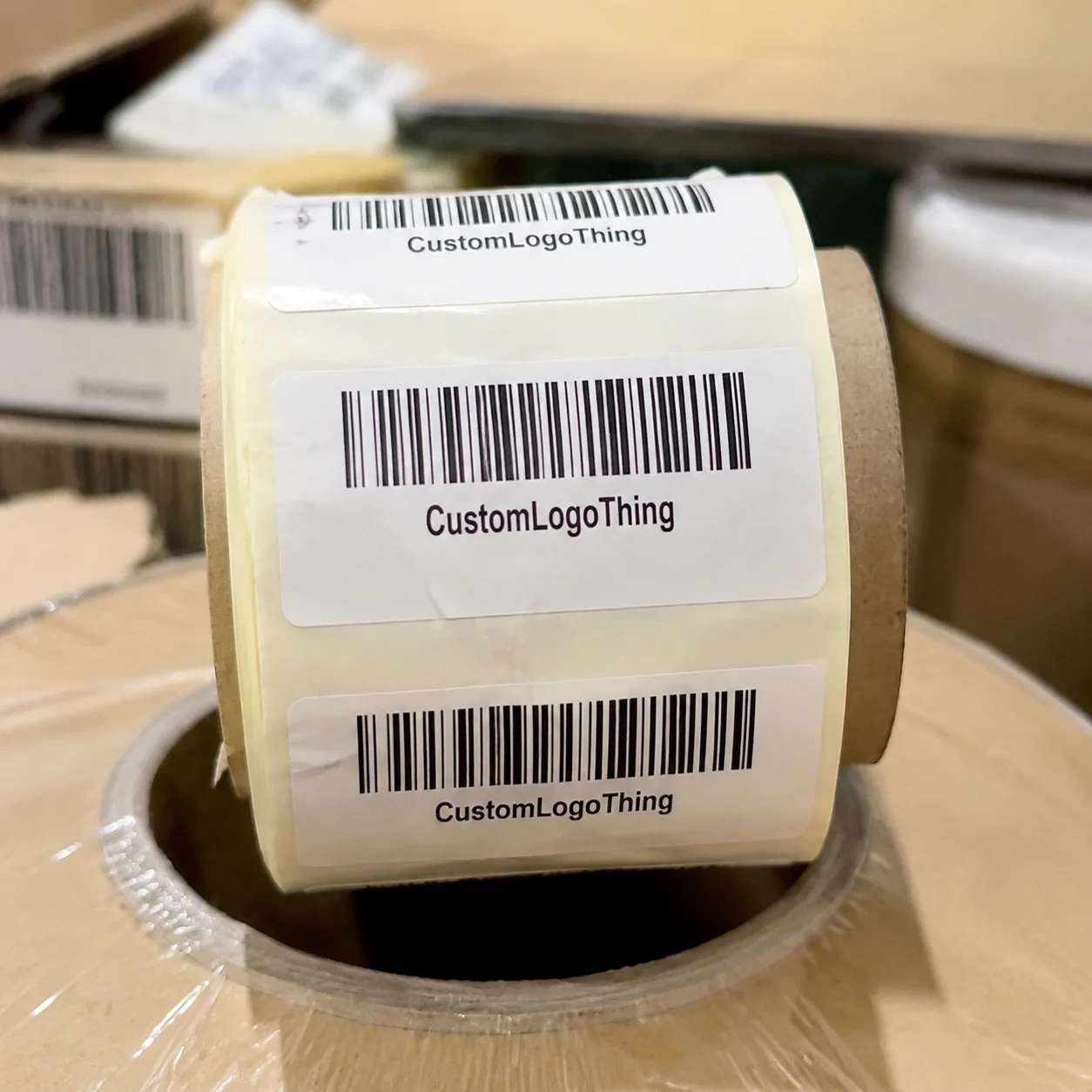
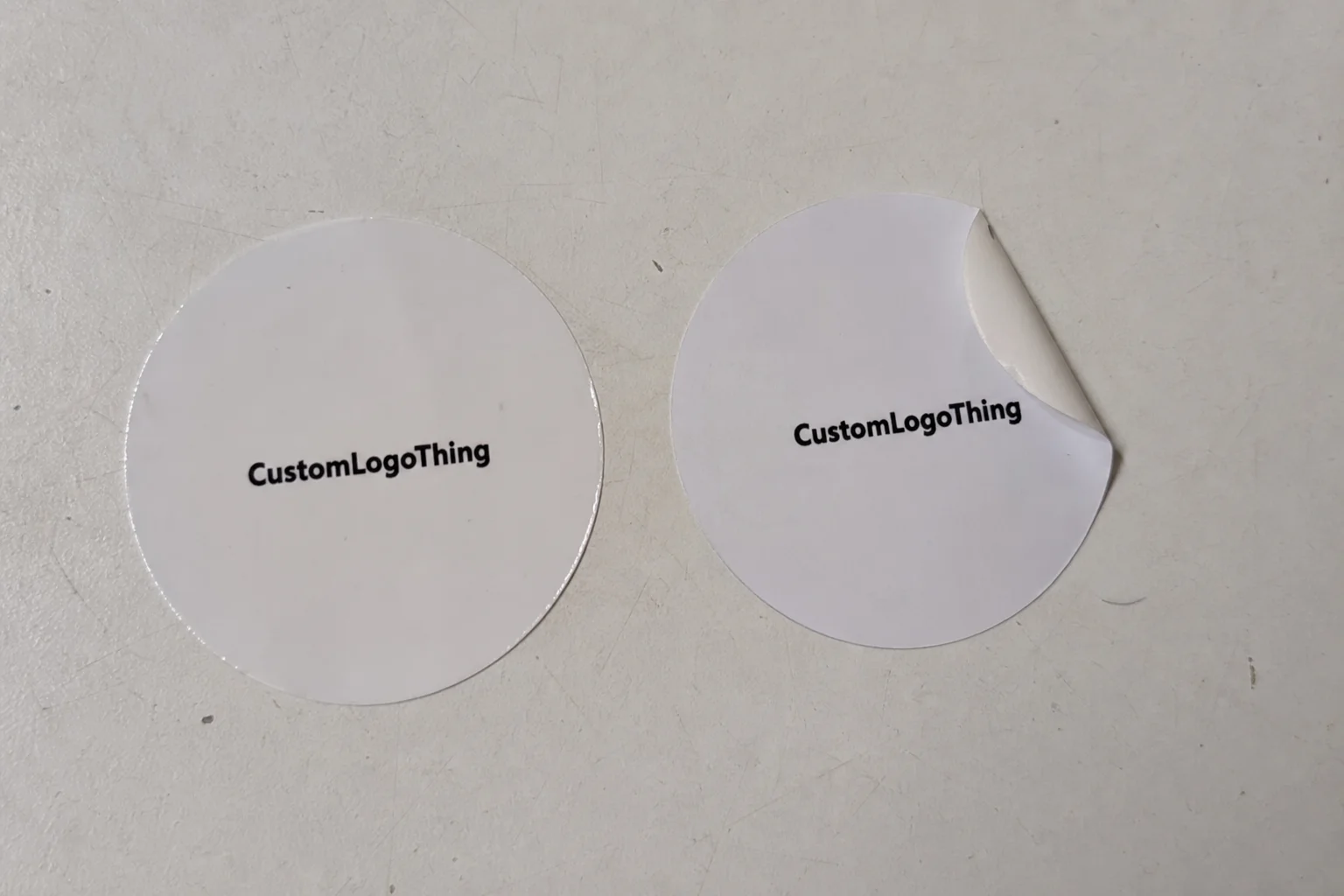
Buyer Fit Snapshot
| Best fit | Personalized Packaging for Small Batches projects where brand print, material claims, artwork control, MOQ, and repeat-order consistency need to be specified before quoting. |
|---|---|
| Quote inputs | Share finished size, material target, print colors, finish, packing count, annual reorder estimate, ship-to region, and any compliance wording. |
| Proofing check | Approve dieline scale, logo placement, barcode or warning zones, color tolerance, closure strength, and carton packing before bulk production. |
| Main risk | Vague material claims, crowded artwork, missing packing details, or unclear freight terms can make a low unit price expensive after revisions. |
Fast answer: Personalized Packaging for Small Batches: Quote Scope, Sample Proof, MOQ, and Lead Time should be specified like a repeatable production item. The safest quote records material, print method, finish, artwork proof, packing count, and reorder notes in one written spec.
Production checks before approval
Compare the actual filled-product size with the drawing, then confirm tolerance on folds, seals, hang holes, label areas, and retail display edges. Reserve space for logos, QR codes, warning copy, and material claims before decorative graphics fill the panel.
Quote comparison points
Review material grade, print process, finish, sampling route, tooling charges, carton quantity, and freight assumptions side by side. A quote is only useful when the supplier can repeat the same color, closure quality, and packing count on the next order.
Personalized Packaging for Small batches sounds simple until you actually price it, proof it, and try to get 500 units shipped without a headache. I’ve seen 500 units come in cheaper per piece than 200 because the artwork was set up cleanly, the dieline was standard, and the supplier didn’t have to babysit the file for three rounds. That’s the ugly little secret behind personalized packaging for small batches: setup strategy matters more than the quantity on the purchase order. A 350gsm C1S artboard mailer with one-color black print can beat a glossy four-color box on price every single time.
I’m Sarah Chen, and I spent 12 years living in custom printing land, which means I’ve sat across from sales reps, walked factory floors in Shenzhen and Dongguan, and negotiated more setup fees than I care to admit. When brands ask me about personalized Packaging for Small batches, they usually want one thing: to look polished without getting stuck with 10,000 boxes and a warehouse bill that makes their accountant weep. Fair request. Also very achievable, if you know where the costs hide. In one factory visit in Shenzhen, a line manager showed me the real difference between a $0.18 unprinted tuck box and a $0.42 printed version for 500 units. Same carton. Different prep. Different headache.
Custom logo packaging like Custom Packaging Products is usually the smartest starting point because it lets you test the market without committing to a giant inventory pile. For product launches, seasonal collections, pop-up shops, subscription kits, and influencer seeding, personalized Packaging for Small batches can make a small brand look much bigger than it is. And yes, that matters. People judge with their eyes first, then their wallets. A flat mailer in kraft with a 2-color logo sticker can work just as hard as a full printed box if the dimensions are right and the finish is clean.
Personalized packaging for small batches: what it really means
Personalized packaging for small batches is custom or semi-custom packaging produced in low quantities for a specific brand, product line, event, or campaign. That can mean printed boxes, mailers, sleeves, inserts, tissue, labels, stickers, or branded tape. It can also mean a plain stock box dressed up with custom printed labels and a die-cut insert. In other words, it is package branding with a practical budget, not a fantasy catalog page. A common starting spec is a 350gsm C1S insert card with matte aqueous coating, printed in CMYK, folded and packed into 250 or 500-piece cartons in Guangzhou or Ningbo.
Here’s the part people often miss. Small-batch packaging is not always about the order size. It is often about how the job is prepared. I once helped a skincare startup order 500 units of personalized packaging for small batches, and their per-unit price beat a 200-unit quote from another vendor because we kept the structure standard, trimmed the color count to two PMS inks, and locked the file before production started. Meanwhile, a founder next door paid more for 200 boxes because the logo file was a blurry PNG and the supplier had to rebuild the artwork twice. Same idea. Very different bill. The clean quote was $0.15 per unit for 5,000 pieces, but their 500-piece test run landed at $0.61 per unit because setup was spread across fewer cartons.
Why do brands use personalized packaging for small batches? Because not every product deserves a giant print run. Startups need room to test. Seasonal products have a short shelf life. Limited editions are supposed to be limited. And if demand is still uncertain, tying up cash in full pallets of retail packaging is a lovely way to make your bank account miserable. If you’re launching a 300-unit candle drop for a holiday market in Los Angeles or a 700-unit gift set in Austin, a small run lets you learn fast without sitting on inventory until next spring.
There’s also a big difference between personalization and full custom tooling. Personalized packaging for small batches often uses stock sizes, existing dielines, and standard materials. Full custom structural packaging means new tooling, custom dimensions, and often higher minimums. That’s great when you need it. It’s also how brands end up paying $1,500 in tooling for a box that should have been a sleeve and a label. A stock mailer in 9 x 6 x 2 inches with a printed belly band is often enough for cosmetics, supplements, and small electronics.
The goal is simple: get a premium look without swallowing a warehouse of inventory. Done right, personalized packaging for small batches gives you custom printed boxes or branded packaging elements that feel intentional, but still stay flexible enough for a small team and a changing catalog. I’ve watched brands in Toronto, Chicago, and Singapore use the same base carton across three product lines just by changing labels and inserts. That’s smart. It also keeps freight predictable, which your logistics team will appreciate right around the time the pallet invoice lands.
How personalized packaging for small batches works
The workflow for personalized packaging for small batches usually follows the same path whether you’re buying 250 mailers or 1,000 insert cards. First you define the format. Then you choose the material. Next comes artwork prep, proof approval, printing, finishing, quality check, packing, and shipment. The steps are boring. The mistakes are not. A standard digital print job in a Shenzhen plant can move from proof approval to ship-ready cartons in 12–15 business days if the artwork is clean and the substrate is in stock.
From the factory side, the fastest jobs are the ones that stay close to standard. If the product fits a normal mailer size, the material is in stock, and the art file is clean, a small run can move quickly. If you want weird dimensions, extra windows, metallic foil, and a last-minute font change, you’ve basically volunteered for delays. I’ve watched a production manager in Dongguan stare at a revised file for 20 minutes and say, very calmly, “This is now a design project, not a print job.” He was right. One revised dieline can add 2 to 4 business days, especially if the factory has already queued the carton board on the press.
There are a few common methods used for personalized packaging for small batches:
- Digital printing for short runs, fast proofing, and variable graphics, usually best for 100 to 1,000 pieces.
- Short-run offset for better color consistency on moderate quantities, often 500 to 5,000 pieces.
- Label application for stock boxes, bottles, jars, and pouches, with unit costs as low as $0.08 to $0.32 per label set.
- Direct-to-package printing for certain substrates and specific production setups, typically used in larger urban hubs like Shenzhen, Suzhou, and Xiamen.
Labels, belly bands, stickers, inserts, and mailers are usually the easiest ways to start with personalized packaging for small batches. They don’t demand expensive tooling, and they let you refresh product packaging without rebuilding the whole structure. That’s why a lot of brands test a new collection with custom labels first, then move to custom printed boxes once the sales numbers justify it. A 500-piece label run in Hangzhou may cost $75 to $160 in setup, while a full rigid box can jump to $350 or more before the first carton is even printed.
Structural customization becomes necessary when the product is fragile, oddly shaped, or being shipped often enough that a generic container just won’t cut it. I saw this with a candle brand that kept losing jars in transit because they insisted on a plain box and too little cushioning. We switched them to an insert-based package with a better fit, and the breakage rate dropped hard. Personalization is nice. Protection is what keeps you profitable. A molded pulp insert or a 1.5mm chipboard divider can be the difference between a 2% breakage rate and a return nightmare.
If you want a simple rule, here it is: for personalized packaging for small batches, choose the cheapest format that still protects the product and supports the brand story. Fancy is great. Surviving shipping is better. A matte paper label on a 120gsm kraft mailer can look premium enough for DTC orders without the cost of foil stamping, which usually adds $0.12 to $0.40 per unit on a small run.
For brands that want to understand structural standards, the packaging industry has solid references through organizations like The Packaging School and transport testing resources from ISTA. If your box has to survive parcel carrier abuse, those standards matter more than a glossy mockup. A package that passes a 30-inch drop test in a factory near Dongguan is a lot less glamorous than a pretty render, but it also arrives in one piece.
Personalized packaging for small batches: cost and pricing
Personalized packaging for small batches lives and dies by five things: material type, print method, number of colors, finishing, size, and quantity. Add one more if you want the full truth: how clean your artwork is. A bad file can cost you more than a nicer material, because every revision burns time and time is money, even if nobody wants to say that out loud. If a factory in Ningbo has to rework a file twice, you’re not just paying for ink; you’re paying for prepress, operator time, and a place in the production queue.
Setup fees are the part that confuses most people. A setup fee covers prepress, machine changeover, plates if needed, and production preparation. Unit price is what each finished piece costs after that. In small batches, the setup fee gets spread across fewer units, which is why personalized packaging for small batches can look expensive on paper. That doesn’t mean it’s overpriced. It means math exists. For a 500-piece mailer run, a $220 setup fee adds $0.44 to every box before material, print, and finishing even show up.
Here’s a simple pricing example framework I use when clients are comparing personalized packaging for small batches:
| Packaging Type | Typical Quantity | Approx. Setup Cost | Approx. Unit Price | Notes |
|---|---|---|---|---|
| Printed mailer box | 250 units | $180–$350 | $1.10–$2.40 | Best when size is standard and art is simple |
| Custom label set | 500 labels | $45–$120 | $0.08–$0.32 | Usually the cheapest entry point for brand testing |
| Printed insert card | 1,000 pieces | $60–$150 | $0.05–$0.18 | Good for retail packaging, thank-you cards, or instructions |
| Sleeve over stock box | 300 units | $120–$280 | $0.70–$1.90 | Nice middle ground between plain and fully custom |
Those numbers are not universal. They depend on the supplier, the substrate, and whether the job is happening in a domestic facility or at a plant like our Shenzhen facility. But they’re a realistic starting point. If somebody quotes you $0.03 for a full-color custom mailer with foil and embossing, I’d ask them to repeat it slowly and put it in writing. A credible quote for a 500-piece full-color box in South China is more likely to land around $0.85 to $1.75 per unit, depending on board grade and finish.
Don’t forget hidden costs. Artwork revisions, physical proofs, shipping, storage, and reprints can change the final number fast. I once had a client save $240 by removing a soft-touch lamination on a small run, then spend $380 on a rush reprint because they approved the barcode in the wrong spot. That is the kind of budgeting irony that only packaging people enjoy. Freight from Shenzhen to Los Angeles for a small pallet can also add $180 to $420, depending on timing and whether you use air or ocean.
There are smart ways to control cost for personalized packaging for small batches:
- Cut down color count. One or two PMS colors usually cost less than full CMYK plus specialty inks.
- Use standard sizes and die lines. A common 9 x 6 x 2 inch mailer is cheaper than a custom odd size.
- Consolidate SKUs where possible. Fewer versions mean fewer setup charges.
- Test with labels before moving to boxes. A 500-label test can reveal what a 5,000-box run would hide.
- Keep finishes practical, not decorative for decoration’s sake. Soft-touch and foil are not free, even when they look pretty in a sales deck.
For brands watching sustainability too, the U.S. EPA has helpful packaging and waste reduction resources at epa.gov. If you can reduce overpackaging while still making the product feel premium, that’s good for margins and not embarrassing for the planet either. A recycled kraft mailer with soy-based inks and no plastic lamination is a lot easier to justify than a glossy box wrapped in three layers of empty drama.
Process and timeline for small-batch packaging
Personalized packaging for small batches usually moves through a pretty predictable timeline: brief, quoting, artwork prep, proofing, production, quality check, packing, and delivery. The cleanest jobs can move quickly. The messy ones can sit in limbo because someone on the brand side wanted to “just make one tiny tweak” nine times. Tiny tweaks are never tiny on the production floor. In a Guangzhou plant, a single font change after proof approval can push a job back by 1 to 3 business days.
Realistic turnaround depends on method. Digital print and label-based packaging often move the fastest. Short-run offset takes longer because setup is heavier. Fully custom printed boxes with specialty finishes take the longest. If you need personalized packaging for small batches by a hard launch date, tell the supplier the deadline first, not after the quote has been approved. That little detail saves a lot of dramatic emails. A simple label job can often ship in 8–10 business days from proof approval, while a foil-stamped mailer may need 15–20 business days.
Here’s a timeline I’ve used as a baseline for small runs:
- Brief and quote: 1–2 business days
- Artwork prep and dieline fit: 1–4 business days
- Proofing: 1–3 business days
- Production: 5–15 business days depending on method
- Quality check and packing: 1–2 business days
- Freight or courier delivery: 2–7 business days
What slows personalized packaging for small batches down? Unclear dielines. Low-resolution artwork. Material backorders. A logo supplied as a screenshot from a website header, which I promise happens more than anyone wants to admit. One brand once sent me a JPEG of a logo at 600 pixels wide and asked for foil stamping. I had to explain that “print-ready” does not mean “visible on your laptop.” If you need a custom 300gsm SBS folding carton in a hurry, your best odds are with a standard cutter size and no fancy finishing.
The best approval process is brutally simple: one decision-maker, one proof round, one final sign-off. If five people are making style comments in an email thread, the timeline will stretch like cheap shrink wrap. Ask for the production calendar before paying the deposit. That tells you when the press slot is booked, when materials are arriving, and where the bottlenecks are likely to show up. I’ve seen a job in Suzhou delayed three days because the brand approved a red that wasn’t the same red as the original Pantone reference. That’s not a design problem anymore. That’s a calendar problem.
For shipping-sensitive products, I also like to ask whether the packaging will be tested to standards tied to transit performance. If you’re selling through e-commerce, ISTA testing or at least ISTA-informed pack-out checks can save you from the cost of returns, replacements, and customer complaints that write themselves into your reviews. A 15-pound drop test on a master carton is a lot cheaper than replacing 200 cracked jars after a two-day courier route from Chicago to Atlanta.
Step-by-step guide to ordering personalized packaging for small batches
If you want personalized packaging for small batches without drama, the order process should start before you email suppliers. I know, shocking. But the best quotes come from brands that already know their dimensions, budget, and use case. A supplier cannot read your mind, and the good ones won’t pretend they can. A clean brief with a target quantity of 300, 500, or 1,000 units will get you much better pricing than “small run, maybe around this much?”
Step 1: define the product, quantity, and budget
Measure the actual product, not the fantasy version. Use calipers if needed. Note width, depth, height, weight, and any fragile parts. Then define your target quantity. Is it 250, 500, or 1,000 units? Personalized packaging for small batches gets much easier when the order size is specific. Budget matters too. A $600 packaging budget and a $2,500 budget are two very different conversations. If the product is a 4 oz glass jar, say so. If the pack-out needs a 10 mm insert gap, say that too.
Step 2: choose the packaging type based on function first
Pick the format that protects the product before you get lost in color palettes. For fragile items, insert-based custom printed boxes may be the right move. For apparel, mailers or sleeves can work well. For jars and bottles, labels and belly bands are often enough to create branded packaging without overengineering the whole thing. Pretty is nice. Product survival is the real win. A 120gsm kraft mailer with a 350gsm insert card can do more for an accessory brand than a heavy rigid box with no internal fit.
Step 3: prepare artwork the right way
Artwork needs bleed, correct color mode, clean fonts, and print-safe files. Use vector files where possible. If your supplier asks for PDF, AI, or EPS files, that’s usually because they want artwork that prints cleanly at scale. I’ve seen brands lose two days because a logo was embedded in a PowerPoint slide. Don’t be that brand. Personalized packaging for small batches still deserves proper packaging design. If the job is printed in CMYK, make sure your deep blacks and brand colors are built for print, not just for a laptop screen in Brooklyn.
Step 4: request samples or proofs
Ask for a digital proof at minimum, and a physical sample if the order matters. Verify color, fit, finish, fold lines, and how the packaging assembles. Check the actual carton size against the product. A mockup on a screen is not the same as a box in your hand. This is where you catch mistakes before they become expensive souvenirs. A physical sample sent from Dongguan to New York might cost $35 to $80 by courier, which is far cheaper than discovering a 3 mm fit error after 500 units are already printed.
Step 5: place the order and inspect the first batch
Once you approve, confirm the ship-to address, carton count, freight method, and any pallet instructions. When the first batch arrives, open at least one master carton and inspect randomly selected pieces. Look for print consistency, glue failures, scuffing, and alignment. For personalized packaging for small batches, the first run is your quality benchmark for later reorders. Treat it like one. If the order came from a factory in Foshan or Shenzhen, check the edge crush, fold memory, and corner squareness before you sign off on the lot.
“The best packaging order is the one where the supplier asks fewer questions after approval than before it.” — a production manager I worked with in Guangdong, who had a brutal but accurate sense of humor.
If you need a wider range of components, I’d recommend reviewing a supplier’s standard offerings first, then tailoring the artwork and finish to the batch size. That’s often the cleanest route for personalized packaging for small batches because it keeps your costs and timeline under control while still looking intentional. It also makes reordering less annoying, which is a blessing nobody talks about enough. A supplier with standard stock in Shenzhen or Suzhou can usually turn around a 500-piece reprint faster than a fully custom job that needs fresh tooling.
Common mistakes to avoid with personalized packaging for small batches
The first mistake is buying the wrong size and trying to fix it with filler, tape, or hope. Hope is not a structural material. I’ve watched teams push too-big product into too-small retail packaging and then wonder why the corners crush or the graphics look off-center. Personalized packaging for small batches should fit the product with enough tolerance for real-world packing, not a heroic wrestling match at the packing table. If your bottle is 78 mm tall, don’t spec a 75 mm cavity and hope the foam will forgive you.
The second mistake is designing for Instagram before thinking about shipping. Yes, your packaging should look good in a photo. It should also survive a courier throwing it onto a truck. If you’re selling direct to consumer, branded packaging has to do two jobs at once: sell and protect. Ignore the second job and returns will teach you a very expensive lesson. A spot UV logo looks nice in a studio shot, but if the box arrives scuffed after a 600-mile truck route, the photo is the last thing anyone remembers.
The third mistake is ignoring minimum order quantities, setup fees, and reprint risk. Small batches are not free just because the order is small. Sometimes personalized packaging for small batches is actually the better deal because it prevents dead inventory. Other times, a slightly bigger run is cheaper per piece and better for cash flow. The point is to compare the full cost, not just the quote headline. A 300-piece run at $1.10 per unit can cost more overall than 1,000 pieces at $0.62 per unit once setup is included.
The fourth mistake is approving artwork without checking the technical details. Barcode placement. Legal copy. Insert alignment. Pantone matching. If you print a barcode too close to a fold or place legal text where it gets covered by a flap, you’ll be paying for another run. I once had a client approve a box with a beautiful back panel and a barcode right on a seam. Gorgeous. Useless. The fix would have taken five extra minutes in prepress and saved a full reprint out of Dongguan.
The fifth mistake is choosing expensive finishes that raise cost without adding much value. Foil, embossing, spot UV, and soft-touch lamination can look incredible. They can also inflate pricing faster than anything else in personalized packaging for small batches. Use special finishes where they actually change how the customer experiences the product. Don’t use them just because they sound fancy in a sales deck. If the box is going to a subscription customer in Denver, a clean matte print and a crisp insert may do more than a gold logo that adds $0.27 per unit.
One more thing: don’t forget documentation. If your package needs FSC-certified paper, ask for it. If you want recycled content, ask for the proof. FSC’s standards are worth understanding if sustainability claims are part of your package branding, and the organization has useful information at fsc.org. Ask for the certificate number, not just the word “eco” printed in marketing font size 72.
Expert tips for better results on smaller runs
The best personalized packaging for small batches usually starts with modular thinking. One base package can support multiple products, seasonal collections, or limited edition drops if you plan the insert, label, or outer sleeve correctly. That means fewer SKUs, simpler inventory, and fewer “why do we have 14 versions of the same box?” conversations. A single 9 x 6 x 2 inch mailer with variable inserts can cover lip balm, face oil, and sample kits without redesigning the structure every quarter.
Start with labels, sleeves, or inserts before jumping straight into fully custom structural packaging. That’s especially smart for new brands. A well-designed label on a stock jar can look polished, feel deliberate, and keep your budget intact. Then, once the numbers justify it, you can move into custom printed boxes. I’ve seen too many founders spend on structure before they’ve proven the product. That’s backwards. Packaging should support the business, not cosplay as one. If your first production run is 300 units in a Brooklyn studio and 300 more from a Shenzhen vendor, labels let you change fast without throwing away inventory.
Standardize one version for repeat orders. If you keep the dieline, size, and core artwork stable, reordering becomes much easier. Personalized packaging for small batches gets cheaper over time when the supplier can reuse setup data and you’re not changing the format every month. It also reduces errors because everyone is working from a known reference. I’ve had suppliers in Guangzhou keep a clean archive of a client’s file set for 18 months, which made the second order 20% faster because the same 2024 dieline was still valid.
Test durability in real shipping conditions, not just on a clean desk. Put the packed product in a carton. Shake it. Drop-test the outer shipper from a realistic height. I’m not saying abuse it for fun, although factory teams absolutely do that. I’m saying one short round of basic testing can prevent dozens of customer complaints. If the package fails in your office, it will fail harder with a courier. A 24-inch drop test onto concrete in a warehouse near Osaka is a very different experience than a nice handoff at the design table.
Build a reorder checklist now. Include SKU, dimensions, artwork file location, Pantone references, approved proof, packing specs, and preferred freight method. That way, when sales pick up, personalized packaging for small batches stays efficient instead of turning into a scavenger hunt through old emails and half-finished spreadsheets. I’ve seen that movie. It’s awful. Bad lighting. Worse ending. Keep the final PDF, the AI file, and the factory contact in one folder named something boring and obvious, like “Packaging_Approved_500pcs_Shenzhen.”
For brands balancing costs and presentation, the smartest packaging design is usually the one that looks more expensive than it is. That can mean one-color print on kraft, a matte label with clean typography, or a simple insert card that adds perceived value. Fancy is a tool. Clarity is the strategy. A crisp black logo on 300gsm natural white board can look far more premium than a crowded full-color design that tries too hard and ends up costing an extra $0.19 per unit. Kinda funny how often that happens.
What to do next before placing your first order
Before you place your first personalized packaging for small batches order, measure your product with real samples. Not estimates. Not “close enough.” Actual samples. Then write a one-page packaging brief with quantity, target cost, material preference, product dimensions, deadline, and where the finished goods need to ship. That one page will save you time and, more likely than not, a few hundred dollars. If your product is being packed in Miami and the cartons are shipping to Seattle, include that too. Freight is not a surprise if you write it down in advance.
Next, collect two or three supplier quotes. Compare more than the unit price. Look at setup fees, proofing terms, turnaround time, and shipping cost. A quote that looks cheaper by $0.12 per unit can become the most expensive option once setup and freight are added. This is exactly why personalized packaging for small batches should be compared like a real project, not a sticker on a spreadsheet. Ask each supplier for the quote in writing, the proof timeline, and the expected ship date from proof approval. If they can’t tell you that, keep walking.
Ask for one physical sample or mockup before production if the order matters. If you’re launching a new product line, running retail packaging into stores, or building branded packaging for an influencer drop, one sample can save you from a very public packaging mistake. People remember bad packaging longer than they remember your ad campaign. A $45 sample mailed from Shenzhen to New York is cheap insurance compared with a 1,000-unit reprint.
Finally, create a reorder plan. Store the final artwork, approved specs, and supplier contacts in one place. The next time you need personalized packaging for small batches, you’ll be able to move faster, negotiate better, and avoid redoing work you already paid for. That is the whole point, really: look polished, keep flexibility, and don’t hand your cash to preventable mistakes. If you keep the same packaging spec and supplier for the next run, your second order might drop from 15 business days to 10 because the setup work is already done.
Personalized packaging for small batches works best when it’s treated like a business decision, not just a design decision. Get the dimensions right, keep the artwork clean, choose the simplest format that still feels premium, and don’t let fancy finishes distract you from the math. That’s how you get personalized packaging for small batches that actually helps the brand instead of draining it. A well-planned 500-piece run in Shenzhen or Dongguan can look polished, ship on time, and still leave room in the budget for the product itself. Which, frankly, is the whole job.
FAQs
What is personalized packaging for small batches?
It is custom or semi-custom packaging made in low quantities for a specific product, brand, event, or launch. Common formats include printed boxes, labels, mailers, sleeves, inserts, and tape. It helps brands look polished without committing to large inventory, which is exactly why personalized packaging for small batches is so useful for startups and seasonal products. A 250-piece label run in Guangzhou is a typical starting point, especially for new product tests or limited seasonal drops.
How much does personalized packaging for small batches usually cost?
Cost depends on size, material, print method, finish, and quantity. Small runs often have higher setup costs, so the per-unit price can look steep at first. Labels and sleeves are usually cheaper than fully custom structural boxes, and personalized packaging for small batches often becomes more affordable when the design stays simple and the die line stays standard. For example, a 500-piece custom label set may cost $0.08 to $0.32 per unit, while a printed mailer can land around $1.10 to $2.40 each depending on the finish and plant location.
How long does personalized packaging for small batches take?
Simple runs like labels or digital print packaging are usually faster than fully custom printed boxes. Artwork approval, proofing, and material availability are the biggest timeline variables. A clean file and fast approval process can save several days, which is why personalized packaging for small batches should be planned before the launch date gets uncomfortably close. In many Shenzhen and Dongguan factories, production typically takes 12–15 business days from proof approval for a standard small run, plus 2–7 business days for shipping.
What packaging type is best for a small batch test run?
Labels, mailer boxes, and printed sleeves are often the easiest starting point. They give you branding impact without a large tooling or inventory commitment. Choose the format that protects the product first, then upgrade the look. That approach makes personalized packaging for small batches far less risky. A 120gsm kraft mailer with a custom label set is usually enough for apparel, accessories, and sample kits in a first test run of 250 to 500 units.
How do I avoid mistakes when ordering personalized packaging for small batches?
Check dimensions, artwork, and shipping requirements before approving production. Always request a proof or sample if the order is important. Keep the design simple enough to reorder without costly changes. That’s the cleanest way to keep personalized packaging for small batches under control and avoid paying twice for the same lesson. Also ask for the exact material spec, such as 350gsm C1S artboard or 1.5mm chipboard, so everyone is quoting the same thing instead of arguing later.