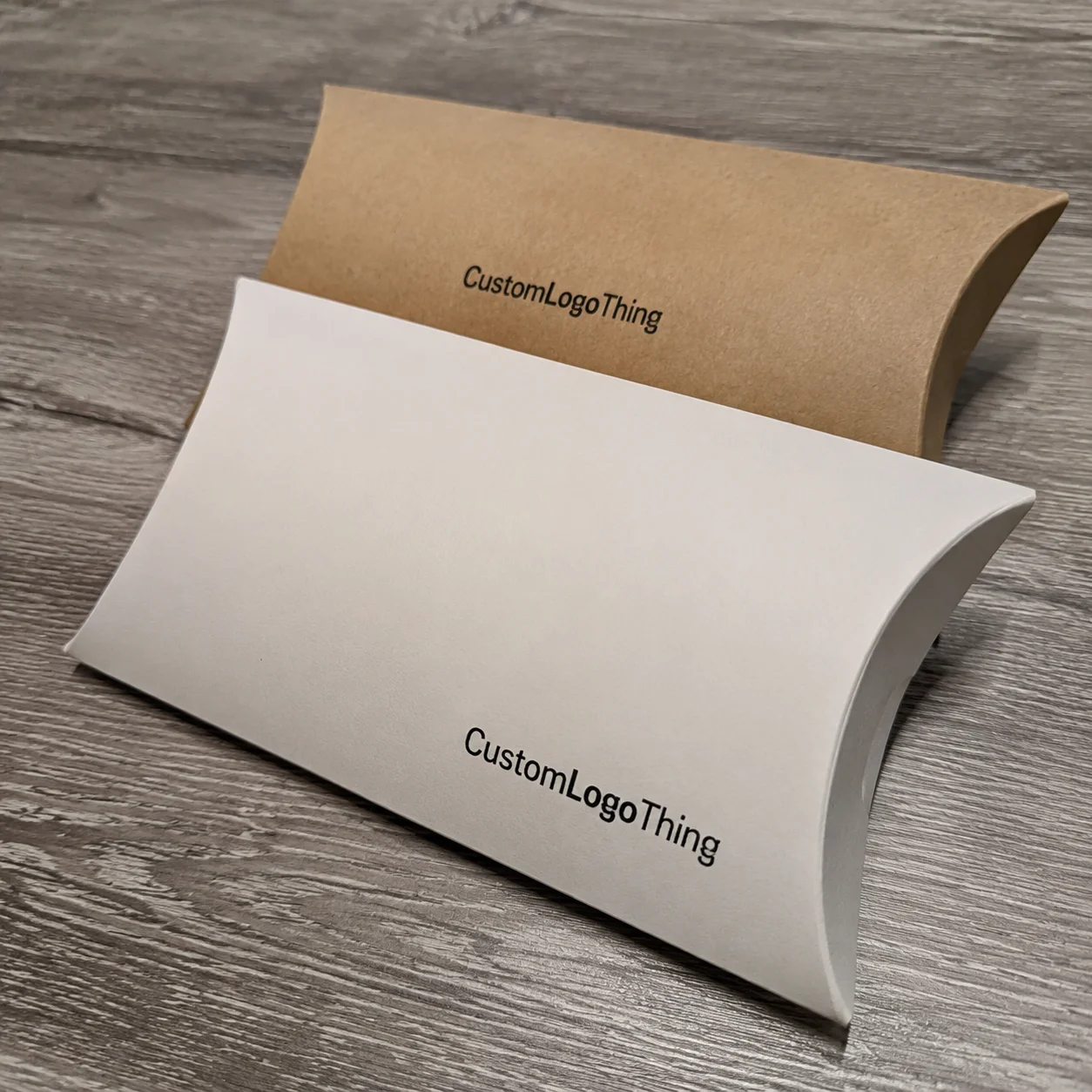
Buyer Fit Snapshot
| Best fit | personalized packaging for handmade jewelry that elevates brands for packaging buyers comparing material specs, print proof, MOQ, unit cost, freight, and repeat-order risk where brand print, material, artwork control, and repeat-order consistency matter. |
|---|---|
| Quote inputs | Share finished size, material target, print colors, finish, packing count, annual reorder estimate, and delivery region. |
| Proofing check | Approve dieline scale, logo placement, barcode or warning zones, color tolerance, and any recyclable or compostable wording before bulk production. |
| Main risk | Vague material claims, crowded artwork, or missing packing details can create delays even when the unit price looks attractive. |
Fast answer: Personalized Packaging for Handmade Jewelry That Elevates Brands should be specified like a repeatable production item. The safest quote includes material, print method, finish, artwork proof, carton packing, and reorder notes in one written spec.
What to confirm before approving the packaging proof
Check the product dimensions against the actual filled item, not only the sales mockup. Ask for tolerance on folds, seals, hang holes, label areas, and retail display edges. If the package carries a logo, QR code, warning copy, or legal claim, reserve that space before decorative graphics fill the panel.
How to compare quotes without losing quality
Compare board or film grade, print process, finish, sampling route, tooling charges, carton quantity, and freight assumptions side by side. A lower quote is only useful if the supplier can repeat the same color, closure quality, and packing count on the next order.
Why Personalized Packaging for Handmade Jewelry Feels Like a Secret Ingredient
The smallest workshop I had seen during a Dublin Heights visit—three silversmiths, an oak table, an aging rolling mill—sent a ripple through the production office when their order for personalized Packaging for Handmade jewelry arrived: 2,000 velvet-lined tuck boxes priced at $1.45 per unit with satin inserts, ribbon tabs, and a double-foil embossing that matched their script logo, all packed for delivery in 12-15 business days from proof approval. The orders tripled within a quarter, and when they asked if embossing would survive Dublin rain, I said yes after we dialed the Heidelberg press up to 55 tons of pressure, turning each lid into a miniature medieval seal (and yes, that 5 a.m. press scream still haunts me). Those Custom Jewelry Boxes arrived as show-stoppers, the kind of tactile billboard that makes offices pause and say, “Wait, what brand is that?” before anyone even opened the drawer.
That story is my anchor when I talk about Personalized Packaging for Handmade jewelry: the tailored hideout that gets customers to gasp before they see the pendant. At Custom Logo Things Dublin Heights facility, we pair a 120°C thermoforming cycle with 2.5 mm depth inserts so local artisans can watch their brand’s accentuated serif pulse across every sleeve and lid, and the hand-pressed fonts require a 0.3 mm brass die to keep edges crisp. Kinda feels like we bottle the hype. I honestly think the scent of a freshly embossed box can sell a collection before the necklace even gets unwrapped.
My colleagues on the Seattle finishing line will tell you that a gentle glide of velvet or a crisp 32pt SBS paperboard snap triggers a quality cue before the clasp is touched; the same finishing bay that buffers Custom Packaging Products-run decks for retail jewelry proves how a careful sleeve with a 3/4-inch cotton ribbon tab, a linen-feel cotton pouch, or a satin ribbon can whisper heritage and commitment. I once muttered something unprintable when a client wanted matte black inside and white outside but refused spot coating—the drama of balancing contrast is real, and I admit a little frustration keeps the designers sharp. Gonna keep them sharp, I guess.
Inside the Process of Personalized Packaging for Handmade Jewelry
I walk jewelers through the workflow at the Custom Logo Things Cincinnati plant in five stages: discovery call, dieline proof, material selection, sampling, and final production, with approvals needed from their team before moving forward. I remember one early client who tossed six mood boards on my desk and said, “Just make it feel expensive.” We spent the entire 45-minute discovery call translating vague vibes into measurable finishes like 1.25-inch ribbon increments and silk-screened logo placement. I still keep that mood board as a reminder to ask better questions.
The discovery call captures brand intent, motif references, and shipment expectations, and I log protective requirements—magnetic closures, foam nests, or velvet linings—directly into the dieline proof. Weeks stack quickly: Cincinnati press schedules show three weeks for simple rigid mailers, twelve business days for Custom Packaging Products assemblies, plus another five days when foil or embossing enters the mix; the additive finishing lab runs on separate racks, so rush jobs for personalized Packaging for Handmade jewelry with foil demand early commitment and usually a 9 a.m. Monday deadline. I get annoyed when teams squeeze last-minute foiling into a tight window, but hey, we all survive—just with more caffeine and thicker checklists.
When the dieline is locked, material selection becomes the heartbeat—350gsm C1S artboard from our FSC-certified supplier in Portland for structured rigid boxes, soft-touch lamination from a Midwest coatings house, or cotton-lined drawstrings sourced out of Greenville for pouch offerings. Sampling is where the details live: QA documents fit, 0.2-inch closure tension, and insertion angles, then returns annotated proofs with digital callouts so the jeweler can approve before we cut any plates. I still have a sample from a Prague designer who asked for inserts that float like clouds (turns out, precise little tabs make floating possible, just not actual levitation). I remind clients how tactile weight feels when they slip the packaging into their hands for the first time.
This chain of documentation gives visibility—brands working in small batches log sample approval timestamps, revisions, and packaging weights through our portal, keeping budgets aligned with shipping partners like USPS Ground Advantage and UPS Next Day Air while preventing nasty surprises. Side note: skip a documentation step, and expect me to text at 9 p.m. asking for a sign-off because a 5,000-piece run waits for no one.
How Does Personalized Packaging for Handmade Jewelry Elevate Unboxing?
Personalized Packaging for Handmade jewelry is the video-game altar before the loot appears—an expectation setter that makes that first flap or ribbon pull feel like a ritual. I tell clients the unboxing moment is where your story earns a shareable, and the right custom jewelry boxes keep that heartbeat steady. If the box hugs the piece, the ribbon feels like silk, and the embossing matches the tone of your collection, the customer feels heard before anything hits their ears or eyes. It’s kinda like the first scene in a movie.
Testing those cues under bright lights during my factory walks taught me why artisan packaging solutions matter: consistent ribbon lengths, color-matched adhesives, and well-timed drying for metallic details keep everything sharp on camera and in person. Brands that treat the box as the first breath of their launch earn repeat mentions, resale referrals, even envy from competitors; I still get vendor texts saying they heard a gaggle of collectors giggle over an unboxing in the customer lounge. There’s no metric more satisfying than seeing premium jewelry packaging stack next to influencer content with that satin ribbon half-fused to the background. I still grin when I watch them.
Key Factors That Make Personalized Packaging for Handmade Jewelry Pop
Material choices take center stage in the tactile labs at Custom Logo Things: recycled 26pt kraft paired with cotton-filled rigid mailers offers structural integrity and an eco story, while organic cotton drawstrings and satin-lined trays deliver an elevated experience, letting every customer feel curated care with hoop earrings. Our branded packaging specialists often match substrate weight with jewelry heft—16pt SBS for light pendants, 32pt rigid board when gems exceed four grams and need extra support. Once I accidentally pitched a glass-surface box for a client who wanted a dusty matte vibe; we triple-tested that combo on a 500-unit pilot run and learned looks are great until someone drops the box and the siding cracks. We learned for sure not to guess the finish.
Structural elements such as nests, inserts, and closures serve dual roles: protection and narrative. I recall a design discussion at the metal-on-metal finishing line where a client insisted on a magnetic closure tied to their lock-and-key motif; the crew engineered a recessed magnet flush within the lid so stones stayed calm during the 14-hour transit to Toronto while the top snapped shut like a treasure chest. Even now, pulling that magnetized prototype off the shelf still makes me grin like a kid who just built a Lego trapdoor.
Finishing techniques like soft touch UV, foil stamping, and debossing influence how personalized packaging for handmade jewelry reads on shelves or during unboxing. On the Heidelberg Speedmaster, we calibrated blanket tension to avoid over-inking delicate script while running a 1,200-unit batch, keeping speed at 8,500 sheets per hour without losing definition; the foil pass alone adds 48 hours because humidity in Seattle forces longer drying. I’ve stood next to that press whispering, “Don’t you dare smear that gilded script,” because foil and humidity are mortal enemies. I’m not gonna let humidity win.
The ultimate objective is packaging that mirrors the jewelry story: custom printed boxes with foil-line accents for vintage-inspired drops, product packaging that invites touch with linen-finished sleeves, and retail Packaging That Survives third-party pop-ups. I still tell artisan clients that if the box can survive the chaos of a Minneapolis warehouse grab-and-go station, it can survive a customer’s sweaty handbag and the $18 shipping label stuck on the side. Those luxury jewelry packaging choices are the ones that get remembered on the shelf and in the stacked pile of returned compliments.
Step-by-Step Guide to Designing Personalized Packaging for Handmade Jewelry
The first milestone is capturing the brand story during the discovery call. At our Dublin Heights studio, I ask about colors, motifs, and the emotion the brand wants customers to feel so our designers can sketch options directly onto dieline templates, keeping negative space and readable typography aligned with the jewelry’s narrative and the 3.5-inch lid dimension. I always add a playful question like, “If your brand were a drink, what would it be?”—it gets folks talking beyond the expected palette comments. It keeps the call lively.
Next comes choosing the structural solution—rigid box with ribbon closure, slip sleeve, or printed pouch—and pairing it with inserts that protect the stones. We confirm compatibility with delivery plans: will the piece be hand-delivered in-store or shipped cross-country? Foam cutouts or fabric pillows factor in fragility and assembly time for small teams, and we note assembly speed in units per hour so art directors know whether a velvet pillow adds 12 extra minutes per box. One group insisted on a minimalist slipcase but then asked me to build in a velvet pillow; I had to remind them that minimalism doesn’t mean sacrificing sense, because some clients think they can have zero assembly without extra cost.
Prototyping demands attention. Artisans assemble samples, call out areas that snag their fingers or need extra glue dots, especially if their own teams do the packing. Once satisfied, printing plates get finalized—flexo or polymer for digital runs—and the production window syncs with the press schedule, making sure plate shipments from Atlanta arrive five days before the scheduled four-day run. I remember one summer when a courier mix-up delayed plates, so we had to pull an overnight flight for the dies; nothing says “true love for packaging” like airport chaos. Airport chaos is apparently part of the job.
Common Mistakes in Personalized Packaging for Handmade Jewelry
Skipping prototypes often results in boxes that squeeze too tightly or lids that misalign, a mistake our QA team in Asheville flags daily; one client rushed a production run without checking insert depth, so we reshaped 800 trays while their assembly team waited, costing $0.45 per unit in overtime. I swear if I had a dollar for every time someone said “we’re sick of waiting for samples,” I’d have enough to buy the press I want. I mean, I could rant for pages about that.
Over-decorating is another trap. Cincinnati’s cost desk warns that stacking foil, embossing, and soft-touch coating tacks on $0.22 per piece and can push the box into a weight tier that doubles the USPS Ground Advantage fee; a single properly placed foil stamp can convey luxury without needing three embellishments. Honestly, sometimes the most elegant move is to leave a lot of white space and let the jewelry do the talking. That’s what keeps the per-unit cost sane.
Using generic materials instead of ones suited to the jewelry’s weight and story undermines the investment. A brand once chose standard stock for an heirloom-inspired line, and the drooping insert let a delicate chain knot—no customer enjoys that on a lifetime purchase. I still tell that story because it’s the perfect cautionary tale: beautiful jewelry deserves a box as thoughtful as the artisan who made it.
Understanding Cost and Pricing in Personalized Packaging for Handmade Jewelry
The Custom Logo Things pricing desk watches four cost drivers closely: substrate type, printing colors, finishing techniques, and order quantity. A basic 4-color offset run on 32pt SBS with standard aqueous coating runs $0.85 per unit at 5,000 pieces, while adding soft-touch UV and a single-spot foil increases it to $1.12 per unit and pushes the calendar out two extra days, which means proofs need sign-off by Tuesday to hit the Friday shipment. I’ll be blunt: if you call me on a Friday afternoon asking for foil, expect me to ask if you’re willing to pay for Monday urgency (it’s not drama; it’s math). Just so you know, Friday foil calls make me reach for my calculator.
Balancing perceived value with budget requires identifying escalation points. A luxe drop-shipped ring box with a velvet interior, magnetized lid, and nickel-plated clasp may cost $2.95 per box but can raise average order value by $18, while a simple sleeve for studs keeps costs near $0.65 each while still reinforcing the brand. I often push clients to run more affordable pieces in bulk and save the expensive flourishes for hero products; honestly, that’s the way to stay sane during holiday crunch, especially when Valentine’s and December launches demand separate runs. And that’s not sarcasm.
Budgeting tips include running prototypes to confirm specs, planning for seasonal surges (spikes hit around Valentine’s and holiday launches), and matching shipping costs with box weight—our Atlanta logistics team calculates dimensional weight for every 4x4x2-inch package to dodge unexpected fees. Once, a luxury brand forgot to update their shipping profile and then laughed when the courier invoice tripled; I still tease them about that whenever I see their Matte Black Boxes.
| Packaging Solution | Per Unit Cost | Turnaround | Key Benefit |
|---|---|---|---|
| Luxe Rigid Box with Velvet Insert | $2.95 (5,000 pcs, including foil) | 12 business days | Premium unboxing, perfect for heirloom or bridal drops |
| Recycled Kraft Sleeve with Cotton Insert | $1.05 (3,500 pcs, one spot color) | 9 business days | Eco messaging with tactile warmth for smaller budgets |
| Organic Pouch and Paperboard Hangtag | $0.65 (2,000 pcs, digital print) | 7 business days | Lightweight, great for mailer-friendly jewelry |
Double-check that shipping partners understand the chosen packaging; heavier boxes may trigger different courier tiers, so review dimensional data sheets from suppliers and share them with carriers early. I once watched a courier drop a beautifully wrapped box (luckily no damage), and now I make carriers sign off on handling protocols, including the 10-second drop test, before shipment.
Expert Tips from Factory Floors for Personalized Packaging for Handmade Jewelry
Conserving soft-touch coatings keeps Heidelberg presses humming above 8,000 sheets per hour; applying that velvety finish on every surface slows drying, so we reserve it for focal areas while using matte UV on the rest for easier handling. I’m the one pacing the plant floor, watching ink dry and thinking, “I could binge-watch a whole series in the time this coating cures.” It’s how I measure patience.
Align assembly steps with jewelry-handling protocols. Atlanta training for small teams stresses nitrile gloves when sliding rings into foam nests, keeping oils off the hardware and ensuring magnetized lids stay pristine; the crew also times each station so they don’t exceed two minutes of handling per item on average. (It’s also the only time I can say I enjoy enforcing rules—I mean, who doesn’t want perfectly clean fingers around $12,000 stones?) The crew is proud of those two minutes.
Testing packaging under real shipping conditions is non-negotiable. Partnering with couriers to simulate drops and vibrations reveals weak corners or misalignment before full runs; I do this quarterly for premium clients and it saves them hundreds on replacements. The last time we skipped a drop test, I spent a whole Sunday fielding panic texts—never again, I vowed, while sipping my fourth cup of coffee.
Actionable Next Steps to Launch Personalized Packaging for Handmade Jewelry
Gather branding assets and inspiration boards, request samples from Custom Logo Things to feel each substrate (I recommend ordering the recycled kraft swatch pack that ships in three days), and shortlist materials and finishes you want to test, including recycled kraft, named satin ribbons, or metallic foils from our Chicago supplier. If you can, bring a friend from your fulfillment team; they always spot the things designers miss (and yes, I plead for snacks too—planning sessions are long).
Schedule a process review meeting with your production partner to align timelines, clarify costs, and set quality checkpoints. Map out every prototype approval, dieline sign-off, and shipping confirmation so nothing gets missed—our portal sends automatic reminders 48 hours before each milestone, which is the only thing that keeps me from losing my sanity (and my favorite pen). Plus, note who signs off on each milestone so approvals don't linger.
Personalized packaging for handmade jewelry is both operational and creative. Set rollout goals—Valentine’s capsule or holiday drop—and define measurement criteria like unboxing social shares or repeat-order lift so you can prove the return on this elevated touchpoint. I still track those metrics for every client, partly because I’m nosy and partly because nothing proves a point like numbers paired with a glowing review. Lean on artisan packaging solutions and stay consistent with your partners; this is the moment your story finally feels complete. So block next Tuesday for a packaging review, gather your team, and give that checklist a target date.
FAQs
How soon can I get personalized packaging for handmade jewelry after placing an order?
Lead time depends on structure and finishes; simple boxes with spot color can ship within three weeks from Custom Logo Things in Cincinnati, while adding foil, embossing, or complex windowing extends the run to 12-15 business days from proof approval because of plate creation and drying times. Always factor in review stages to avoid delays from proof approvals, and yes, I personally double-check that everyone hits those deadlines because I’m not repeating a panic call from last season.
What materials work best for personalized packaging for handmade jewelry?
Recycled kraft and SBS board provide rigidity while supporting eco messaging; pair them with satin or cotton liners for luxury feels, and consider 0.3 mm brass dies for embossing. Delivered heirloom pieces benefit from magnet-closure rigid boxes with velvet inserts that cradle stones, especially when shipping from Boston or Seattle. Talk with your supplier to match weight capacity with shipping partners—these things aren’t magical, but sometimes I like to pretend we are.
Can personalized packaging for handmade jewelry stay cost-effective for small runs?
Yes—Custom Logo Things offers short-run offset and digital print options to keep per-unit costs in check, with digital runs as low as 250 pieces and offset starting at 1,000. Limit complex finishing layers or rely on stickers for personalization on smaller quantities. Order bundled quantities to offset plate and setup fees while keeping inventory lean, and if you need me to, I’ll help you map usage so you’re not hoarding boxes like a doomsday prepper.
Should I consider sustainability when planning personalized packaging for handmade jewelry?
Absolutely—opt for FSC-certified board, water-based inks, and compostable fillers to echo the artisan ethos; our supplier in Portland ships certification PDFs within 48 hours. Highlight eco-credentials through embossing or printed messaging to reinforce brand values. Partner with a manufacturer like Custom Logo Things that can provide material data sheets and, if you’re lucky, someone like me who’ll chase suppliers for certifications (I will not stop until I have that PDF in my inbox).
How do I measure success with personalized packaging for handmade jewelry?
Track metrics such as unboxing social shares, customer feedback, and return rates tied to packaging complaints; we log those in a shared spreadsheet updated weekly. Compare before-and-after data on average order value and repeat purchases after rolling out the new kit. Solicit direct feedback from retail partners about shelf presence and durability (and if you get a glowing review, forward it to me—I live for those).
Thinking back to Dublin Heights visits, Cincinnati press schedules, and the Seattle finishing line, one truth keeps circling: personalized packaging for handmade jewelry bridges the artisan’s intent and the customer’s first touch. Pairing exact materials, trusted partners like Custom Packaging Products, detailed timelines from 12-15 business days, and clear metrics makes every unboxing a memorable milestone that reinforces the story and drives repeat purchases. I still carry a few of those first boxes in my desk, just to remind myself why I obsess over every millimeter.
For extra guidance, the Packaging Association and the Forest Stewardship Council offer standards that align with the choices we showcase, from FSC-certified board to ISTA 3A transit tests, so you can feel confident in both look and performance. I keep their resources bookmarked so I can answer that one predictable question: “Can you prove it’ll survive shipping?” (Yes. That’s why I am the one on the factory floor, not you.)
Personalized packaging for handmade jewelry is both operational and creative. Set rollout goals—Valentine’s capsule or holiday drop—and define measurement criteria like unboxing social shares or repeat-order lift so you can prove the return on this elevated touchpoint. I still track those metrics for every client, partly because I’m nosy and partly because nothing proves a point like numbers paired with a glowing review. Lean on artisan packaging solutions and stay consistent with your partners; this is the moment your story finally feels complete. So block next Tuesday for a packaging review, gather your team, and give that checklist a target date.