Buyer Fit Snapshot
| Best fit | personalized packaging product launches buyer review for packaging buyers comparing material specs, print proof, MOQ, unit cost, freight, and repeat-order risk where brand print, material, artwork control, and repeat-order consistency matter. |
|---|---|
| Quote inputs | Share finished size, material target, print colors, finish, packing count, annual reorder estimate, and delivery region. |
| Proofing check | Approve dieline scale, logo placement, barcode or warning zones, color tolerance, and any recyclable or compostable wording before bulk production. |
| Main risk | Vague material claims, crowded artwork, or missing packing details can create delays even when the unit price looks attractive. |
Fast answer: Personalized Packaging Product Launches Buyer Review: Material, Print, MOQ, and Cost should be specified like a repeatable production item. The safest quote includes material, print method, finish, artwork proof, carton packing, and reorder notes in one written spec.
What to confirm before approving the packaging proof
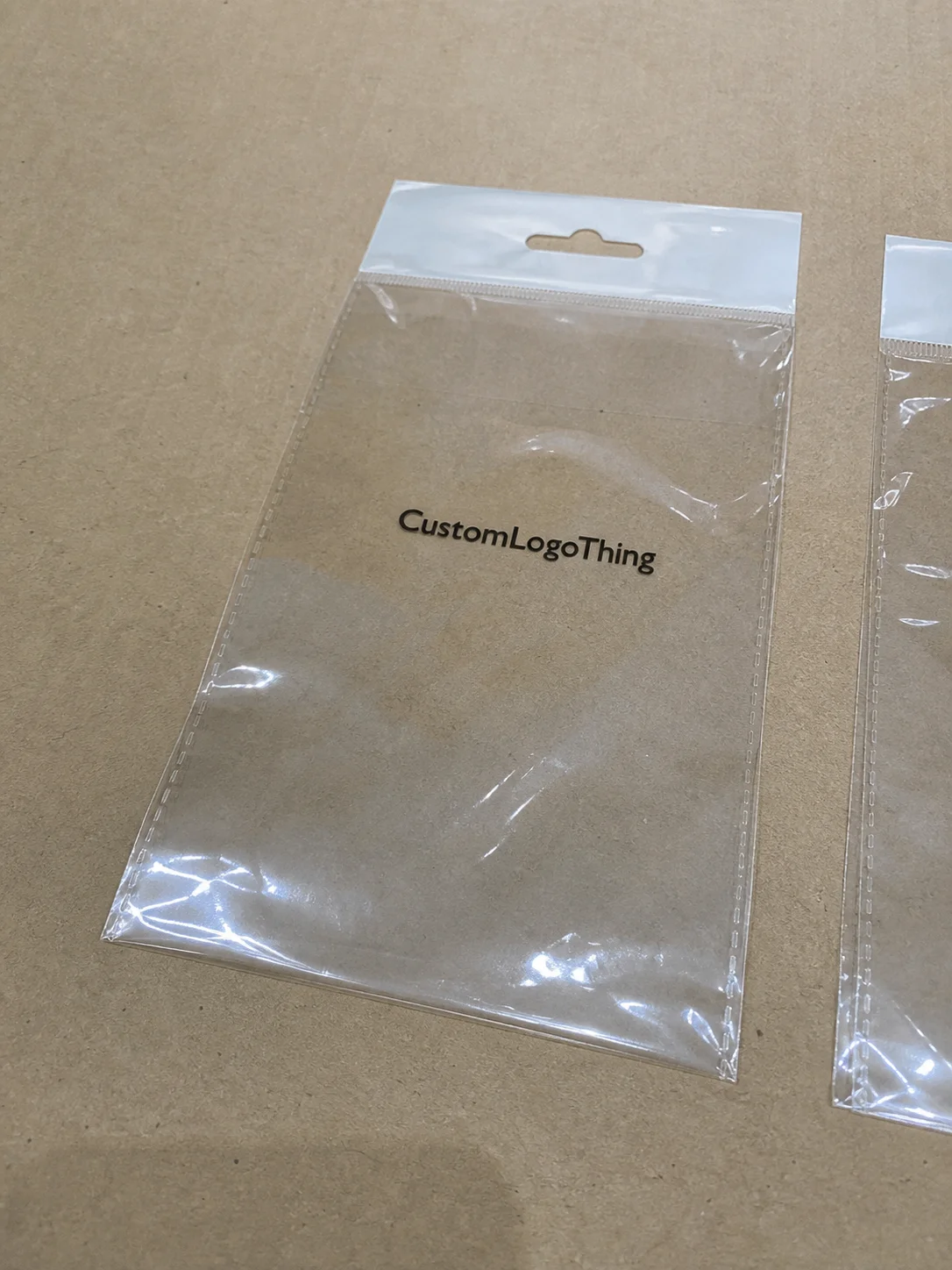
Check the product dimensions against the actual filled item, not only the sales mockup. Ask for tolerance on folds, seals, hang holes, label areas, and retail display edges. If the package carries a logo, QR code, warning copy, or legal claim, reserve that space before decorative graphics fill the panel.
How to compare quotes without losing quality
Compare board or film grade, print process, finish, sampling route, tooling charges, carton quantity, and freight assumptions side by side. A lower quote is only useful if the supplier can repeat the same color, closure quality, and packing count on the next order.
Why personalized packaging for product launches demands smarter bets
Personalized Packaging for Product launches shed any notion of mere marketing flair the afternoon I watched a sleeve-cut scrap at our Shenzhen line, just off Bao’an Road, drop waste by 12 percent once the Heidelberg XL 106 started spitting out names in variable ink at 1,200 units per hour while the die cutter kept rhythm at 65 strokes per minute.
I still remember the smell of fresh ink and the whir of die cutters the day I visited the Custom Logo Things factory floor in Dongguan, the day a new wellness kit went from CAD to cardboard in just six days; the crew dialed foil stamping to 0.6mm brass dies, insisted on showing off with a three-day block of holographic film, and kept QC notebooks open so the bottleneck of samples at the end of the tour was as much pride as it was quality assurance.
Personalized Packaging for Product launches means every surface, finish, and printed element is tuned to a specific story or consumer subset instead of settling for one-size-fits-all, and the tactile decisions—dielines held within 0.3mm tolerances, soft-touch lamination defined at 1.2 mil, ink coverage capped at 320 percent, adhesives like 3M 300LSE validated per ASTM D6194—matter more than any press release because they boost perceived value, lift conversion, and keep retailers from shoving your SKU into the clearance aisle; it’s kinda the difference between a handshake and an afterthought.
The lesson from that Shenzhen stop was that custom launch packaging must act like a conductor, since the limited-edition runs we build rely on repeatable press stops, consistent foil performance, and the sense that each box is being made for a specific recipient instead of a faceless warehouse, and every story we try to tell gets documented so our team, the press operators, and brand partners are on the same page before palettes of adhesive-lined boards leave the floor.
Documentation keeps everyone honest.
How personalized packaging for product launches actually works
Daylight-accurate dielines start the process, and the last pallet leaving the bonded warehouse marks the end of the workflow for personalized Packaging for Product launches, with most of our 5,000-unit batches moving through the queue in 12–15 business days from proof approval to dock pickup.
We lock down the dielines for custom printed boxes or sleeves, carving out personalization zones for foil-embossed batch numbers, variable name fields, or region-specific QR codes, and the printed pathways move through color separation, press checks, and detailed work matching marketing’s bright ideas to what the press can consistently hit, so the embellishments—soft-touch lamination, spot UV, inserts that cradle the product—follow with personalization zones fed through variable data printing (VDP), foil stamping, embossed serial numbers, or laser-cut identifiers that don’t stretch the lead time.
On the Shanghai Inkprint production floor, where our long-standing press partner runs three shifts across a 72-hour stretch, they schedule foil runs right after the standard CMYK passes so the machine never cold-starts twice, nesting personalization into the first print plates; this way, the 70-inch sheet Heidelberg never needs extra make-ready time and the batch of 2,400 units per shift stays intact.
Logistics wobble when proof approvals and finishing schedules aren’t synced; at Custom Logo Things, artwork approvals happen through InDesign packages uploaded to a portal tied to a vendor proofing loop, Pantone 186C swatches accompany color reviews, and QC checks unfold both on press and during palletization with photographic evidence logged within 24 hours so every batch’s proofs slot into the finishing schedule.
Out of habit, I remind clients that personalized packaging for product launches doesn’t happen after the product is packed: those proof approvals, ink profiles, and QA gates must sit between the press and the pack-out station, and we even test structure after personalization using ISTA 2A 3-cycle compression and a 48-inch drop so the packaging design not only looks good but survives the distribution route.
Packaging design collaboration with production partners is why I point brands to The Packaging Association and ISTA for best practices on testing; referencing their March guidelines on adhesives and humidity testing builds trust with logistics and retail teams when the launch stakes are high, and that trust is the lubricant that keeps personalization flowing without squeaks.
Key factors before designing launch-ready personalized packaging
Before sketching a dieline for personalized packaging for product launches, decide who precisely you’re speaking to—audience clarity shapes the packaging story, whether collectors crave limited-edition glitter foil printed at 300 lpi or the mass market needs sturdy retail packaging that holds up to 30-pound stack pressure; define the tale, drop in the brand cues, and let every personalization choice reinforce one message instead of scattering conflicting signals from the shelf, because a matte black box with a neon orange gradient and a 0.4-inch wide barcode just reads confused.
Materials become the next battlefield: rigid board weight, recycled liners, SBS coatings, kraft finishes—each choice changes how the unboxing ritual lands, so for a premium skincare SKU we once specified 350gsm C1S artboard with soft-touch lamination applied at 1.5 mil thickness, whereas a client targeting eco-conscious buyers swapped to recycled kraft with water-based inks, letting the FSC-certified 100-percent recycled stock replace the original spec and shifting lead times by two extra days from the Sappi mill in Jacinto City; when we plan limited-edition packaging, the interplay between the board surface and the foil dictates whether the personalization pops as promised, so we tie the custom launch packaging schedule to the print calendar and keep a spare roll of holographic film on hand.
Sampling is non-negotiable, and personalized packaging for product launches is no exception; order prototypes with the exact dieline, print, and personalization fields you plan to scale—our Shenzhen prototyping partner charges $110 per sample, including the variable name field printed in gold foil—and if regulatory messaging plays a role, gather certifications from UL or CSA so nothing halts the production line when the first container hits the port.
During that factory visit mentioned earlier, a marketing director pulled me aside and said the SKU now stood 0.8 inches taller because they changed the cap, so we reworked the dieline on the spot, updated the personalization area, and walked through the revised sample on the press floor while the plant manager mumbled, “People and their caps,” and we had the tooling reset in under three hours.
Process and timeline: spin up the packaging run
The process for personalized packaging for product launches resembles a relay race, and the baton passes from quote to artwork uploads, proof approvals, prepress, print/die-cut, finishing, final inspection, and finally shipping, so we track each milestone in Asana with due dates—quotation cleared by Monday, artwork uploaded by Tuesday, proof approvals by Thursday—ensuring our 5,000-unit batches move through in 12 business days.
Quotation starts with a clear scope: run size, dieline dimensions, materials, personalization needs, and we book tooling slots by Friday; artwork uploads cover both the base design and variable data spreadsheets, with a master InDesign file and editable PDFs for each field, and by the time clients sign off, we’ve locked in the Shanghai print partner for a mid-week kickoff.
Prepress sits between art and press, prepping plates, halftones, and personalization masks; once those plates scan clear, the press run begins—print, die cut, fold, glue—and finishing layers add foil, embossing, or coatings, while final inspection checks registration, personalization accuracy, material defects, and compliance for shipping, after which the bonded carrier trucks the boxes to the fulfillment center, typically in 18 hours once the pallet leaves Yangpu District.
Timeline compression works by splitting approvals—while marketing reviews artwork, we gather dieline specs and confirm materials—Shanghai Inkprint’s night crew runs personalization passes from 10 p.m. to 4 a.m., so the daylight shift finishes without overlap, and we stage multiple SKUs in the same run by merging personalization files into one job; watching rows of boxes emerge with different names but identical care instructions is oddly satisfying when the press runs 2,300 sheets per hour.
Decision checkpoints—art direction, finish approvals, pallet consolidation—are where brands usually stall, so I recommend expecting two review cycles with clear owners; our project managers text approvals from the factory floor and send time-stamped photos, and if everyone agrees on the final proof by Wednesday, we’re printing by Friday, which is normally when my phone buzzes like I’m running for office.
Remember to add another day for documentation or safety review when shipping internationally, for example allocating 24 hours for ISPM-15 fumigation certificates, and include that buffer in your timeline instead of letting it sneak in at the last minute; trust me, when customs wants a certificate and you’re down two hours, you’ll appreciate the extra cushion more than a double espresso.
Cost, pricing, and budget guardrails for launches
Budget talk is where most brands choke, so I share the numbers straight; when negotiating with WestRock for personalized sleeve units, they came in under $1.15 each for a 5,000-run that kept the palette uniform and reused a die we already owned, and setup fees were $395 upfront, so include that before the per-unit cost starts.
Cost drivers include format, print colors, special coatings, perforations, and personalization elements; each extra print color adds about $0.08 per unit, foil stamping adds $0.22, and perforated tear strips, protective liners, and inserts raise the price, especially when custom adhesives—like the 3M 300LSE we specified—are required, so I map the value of each tweak before approving the spend.
Here is a quick comparison of common options that impact price:
| Option | Specs | Impact on Price | Notes |
|---|---|---|---|
| Standard CMYK sleeve | 350gsm C1S, 2-color print, gloss AQ | Baseline $0.65/unit | Fast turnaround, minimal personalization |
| Foil-stamped insert | 1-color foil, embossed pattern | +$0.22/unit | Requires foil plate, add 2-3 business days |
| Numbered personalization | Variable data + laser numbering | +$0.30/unit | Best with batching, tested on 1,000 units first |
| Recycled rigid box | 400gsm kraft SBS, uncoated | +$0.12/unit | Must test foil adhesion, longer drying time |
Batching personalization onto one plate keeps costs down, and when limited boxes carry varying names, bundling those variations in the same press run avoids paying for separate setups; prototype before committing to the full spend—catching a flaw on a printed proof saves $0.75 to $2.50 per unit later, and building a 7 percent buffer for certified materials protects the launch budget when FSC-certified krafts spike overnight.
One of my favorite memories was renegotiating with WestRock when the initial quote jumped to $1.35 per piece because the inlet shifted to a textured stock; we swapped adhesives, kept the personalization elements intact, and pulled the price back down to that $1.15 sweet spot.
Personalized packaging for product launches becomes expensive when every new idea adds another fixture, so keep the story tight, pick the most meaningful personalization elements, and the ROI proves itself on day one—watching a launch with five different embellishments struggle to cover even the shipping costs taught me that lesson the hard way.
Step-by-step guide to executing personalized packaging for product launches
Step 1: Lock down the storyboarding session; gather SKU info—dimensions in millimeters, weights in grams, component shifts—and align stakeholders on what personalization means for this launch, because keeping the later design work focused matters for both retail packaging and custom printed boxes, which is why I begin the room with a “What story are we telling?” prompt and some coffee from the local roaster that makes a strong 14-ounce brew.
Step 2: Work with your designer to proof dielines, add personalization fields, and run variable data tests; do not skip client-approved color swatches—mismatched shades are a privilege no launch can afford—so I carry a folder with Pantone 2132 C, 186 C, and 431 C chips, and I’ve run thousands of spot color proofs while waiting in a factory lobby just to ensure every turquoise hits the brand guidelines.
Step 3: Finalize production specs with Custom Logo Things, schedule tooling, approve the proof, and prep fulfillment partners so the packaging is ready for pick-and-pack when it arrives; tooling requests include dimensions, scoring, adhesives, and personalization areas, and finishing (foil, embossing) follows the base print to minimize handling while the warehouse receives the schedule so the packaging can move from dock to product packing without surprise rework.
During one launch, the fulfillment team needed a special insert for a battery pack, so we added it to the tooling checklist, ordered prototypes, and laminated the personalization layer so the insert slipped in without shifting the foil, enabling the packaging to go straight from the dock to a retailer program without rework.
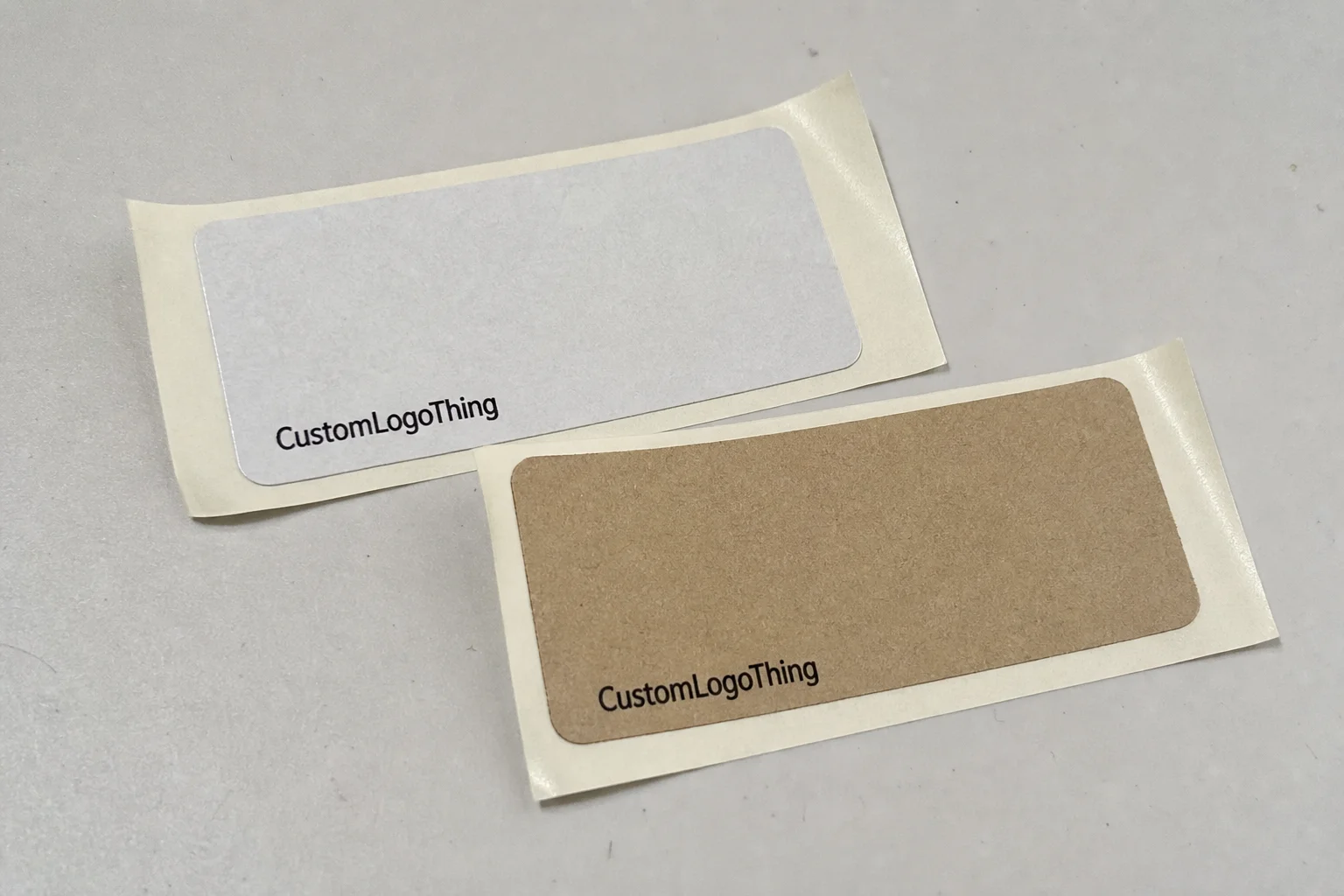
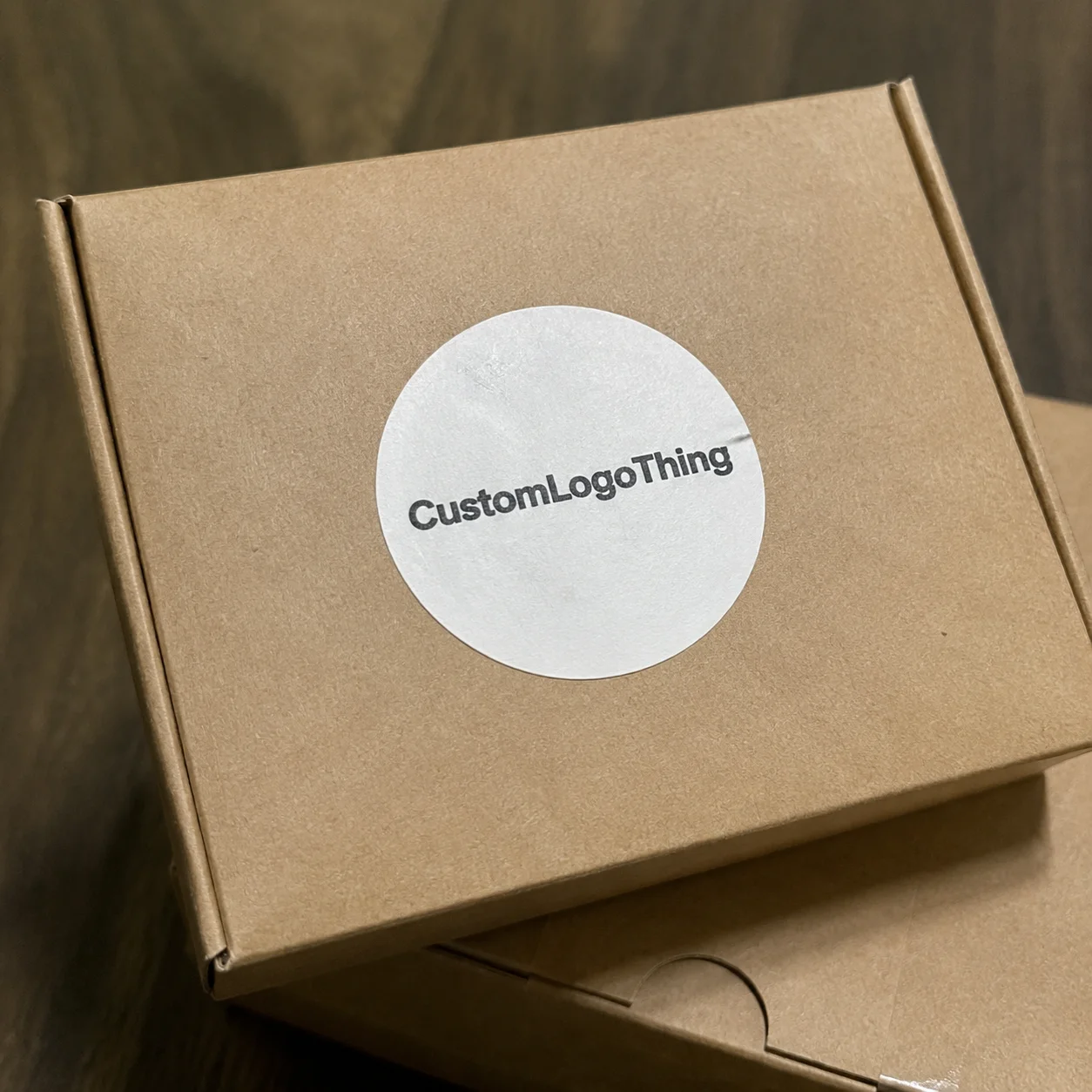
One more thing: integrate your Custom Packaging Products decisions into the process, ordering labels, tape, mailers, and other supplies that align with the launch sequence so everything matches the packaging design and the campaign stays on brand and on time.
How does personalized packaging for product launches build loyalty?
When we ask how personalized packaging for product launches builds loyalty, the answer lies in the way the packaging doubles as the first handshake between a brand and the buyer—variable data printing, foil signatures, and serial numbering tell the story that the customer is not just purchasing a SKU but being welcomed into a community, and that is the kind of impression that keeps people coming back.
Branded unboxing experiences start long before the customer slides the sleeve off the box: custom launch packaging teams choreograph the tactile cues, from embossing patterns to the smell of fresh ink, so that each layer reinforces the campaign promise; when that sequencing is orchestrated on the factory floor, the loyalty moment happens without effort because the box feels as bespoke as the product inside.
Common mistakes with personalized packaging for product launches
Mistake: treating personalized packaging for product launches like a template; a team once reused an outdated dieline, and the new product—half an inch longer—wouldn’t fit, so we called the printer back, adjusted the die, reran the job, adding two days and $0.20 per unit.
Mistake: ignoring the shipping life; personalization elements such as foil and soft-touch coatings are delicate, and without extra corrugated layers and protective liners we saw finishes rub off, whereas the $0.05 per unit investment saved $1,800 in potential damage claims on a 5,000-piece run.
Mistake: underestimating proofing; one launch missed a typo on 2,500 lids, and we reprinted them at $0.95 each, so now I require multiple proof sign-offs with our QC team and the client before the press starts, especially when variable data swaps names or numbers per batch.
A client once asked to skip the third proof because “we already approved the artwork,” but that third proof caught a misaligned serial number field and kept us from shipping to the wrong market, which is exactly what personalized packaging for product launches is about—catching those small mistakes before they scale.
Expert tips and actionable next steps for your launch packaging
Tip: integrate personalization review into your product launch checklist; interlock timelines between marketing, design, and logistics so nothing waits for approval, and I align our project board with launch sprints so every stakeholder knows when they must sign off, which keeps clarity as the antidote to panic when I’m reviewing proofs at 4 a.m.
Actionable steps: gather SKU dimensions, prepare artwork assets, book a Custom Logo Things production window, and set up a factory call to confirm finishes before ordering, because that call delivers real-time feedback from the floor manager and improved packaging decisions—I remember one call where the manager told us to swap a varnish because the humidity spiked to 85 percent, so we made the change and the impact was immediate.
Final step: schedule a packaging audit, confirm budgets, and order a pre-launch sample so the personalized packaging for product launches is ready when the first unit ships, because that sample reveals fit, finish, and the story your product tells before the customer even opens the box; I once reworked an entire sleeve after the sample showed the personalization headline falling off the edge by one millimeter.
Plan your next sampling week, lock in the factory window, and confirm the personalization datasets so the launch package leaves the dock with certainty—those are the moves that keep your product launch marching forward, not just on time but with a repeatable blueprint.
Personalized packaging for product launches wraps up with clarity, confidence, and a real plan, so talk to your designers, schedule that factory tour in Dongguan or Shenzhen, and lock the next production window—when the first sample boards the pallet you’ll know whether you’re ready or need to pivot, and that’s worth every dime spent on the perfect box.
How does personalized packaging for product launches differ from standard packaging?
It adds unique information, finishes, or inserts tuned to the campaign—like name drops, batch numbers, or limited callouts—whereas standard packaging stays generic, and you must factor in variable data printing at 400 dpi and tighter QC to ensure every unit matches the launch story so each box feels like a VIP guest.
What is the lead time for personalized packaging for product launches?
Expect 6–8 weeks from final artwork approval to delivery for most personalized runs, though split-proof processes can shave off days, and block out extra time for tooling, sampling, and regulatory approvals tied to personalization elements, because customs won’t wait for your certificates.
Can small brands afford personalized packaging for product launches?
Yes: target a smaller batch and lean on straightforward personalization like spot UV or numbering, and the per-unit cost can stay under $2 when negotiating with a contract printer willing to keep the print setup around $450; I’ve worked with artisans producing 1,000-piece runs this way, and those tiny launches often feel the most rewarding because the packaging feels bespoke rather than mass-produced.
Which materials suit personalized packaging for product launches?
Heavy kraft board, rigid setups, or coated SBS all work—choose based on how much detail the personalization needs (foil works best on smooth stocks), and confirm compatibility with finishing tools since some foils refuse recycled textures, so test before committing like the foil engineer in Ningbo who reminded me that textured kraft and silver foil seldom play nice.
How do I calculate ROI on personalized packaging for product launches?
Compare the incremental cost per unit to the expected uplift in conversion or perceived value—if personalization adds $0.75 but lifts the average order by $5, you’re winning—and track returns and customer feedback post-launch; good packaging should lower returns and spark social proof, and I keep a scoreboard of those metrics so nothing makes me smile more than seeing a package tagged on social with the customer’s name in gold foil.