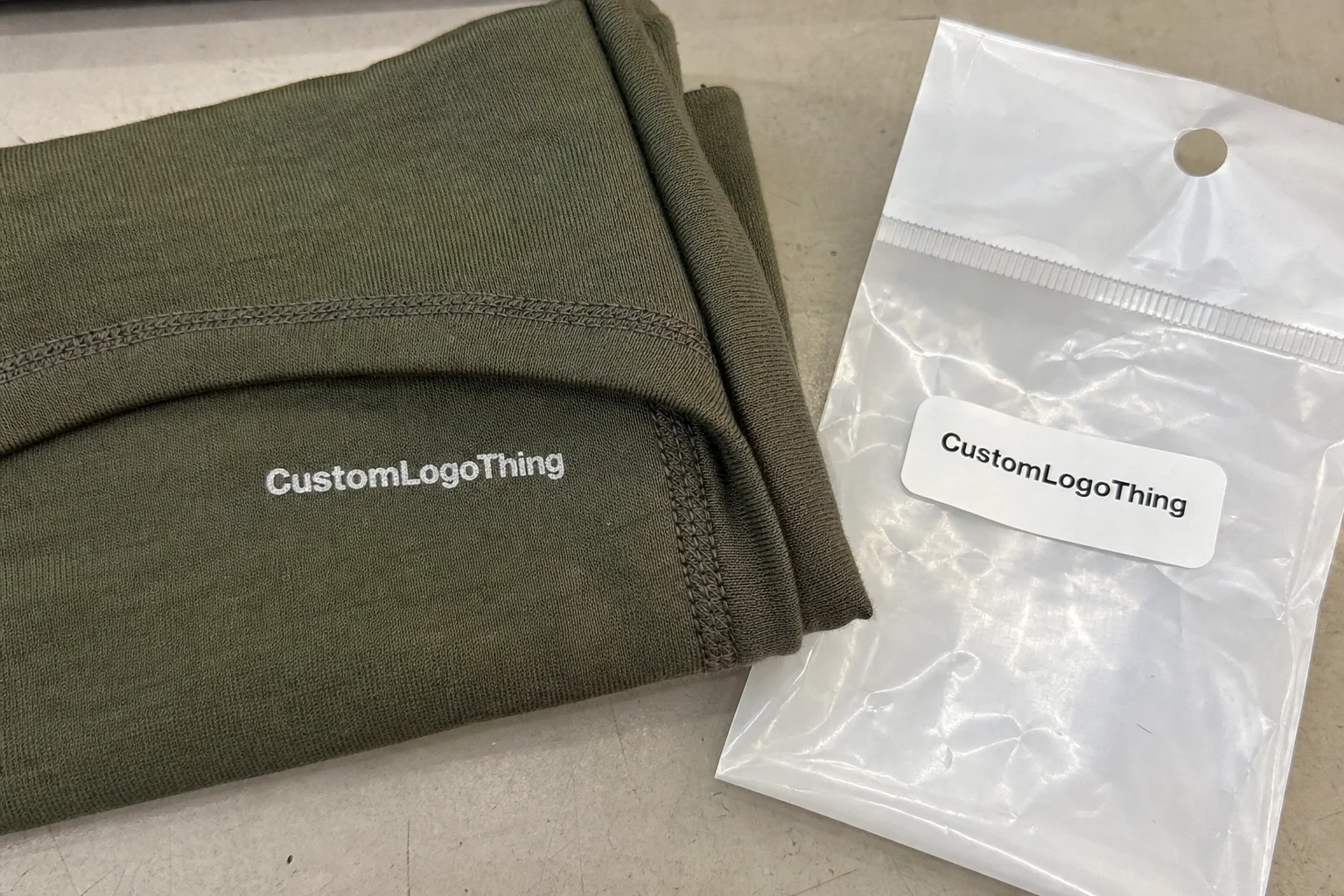
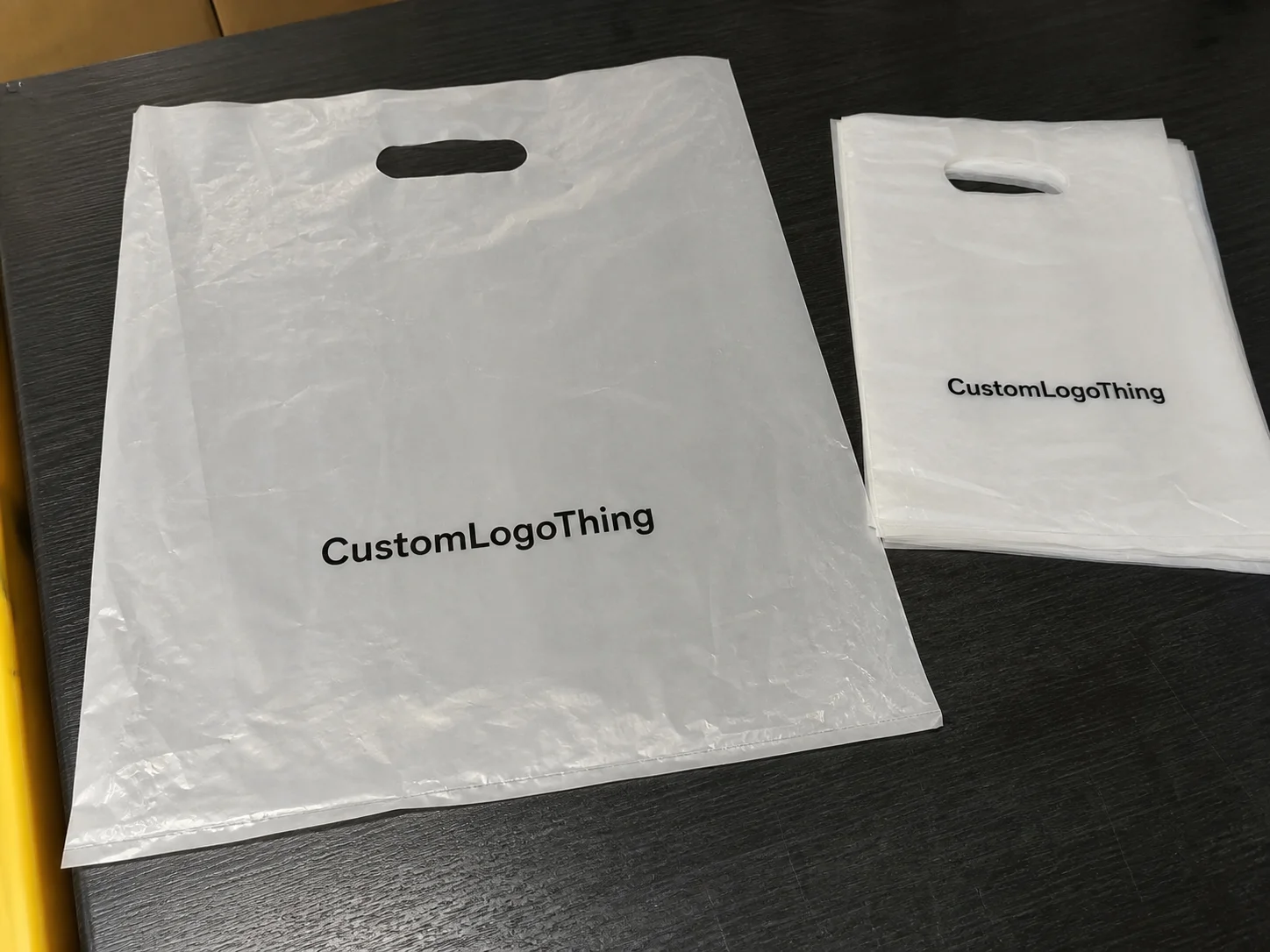
Your customer sees the mailer before they see the hoodie, tee, or matching set. That first touch does not need to feel expensive, but it should feel intentional. This apparel retailers Matte Poly Mailers moq guide focuses on the buying choices that actually affect the result: spec, cost, minimum order, lead time, and inspection.
Matte Poly Mailers will not turn basic fulfillment into luxury packaging. They can, however, make apparel shipments look cleaner, reduce shipping volume, and speed up packing compared with boxes for soft goods.
For most retailers, the question is not whether custom mailers are possible. It is which size, thickness, print method, and MOQ make sense without tying up cash in packaging inventory that sits for months.
Apparel Retailers Matte Poly Mailers: What They Fix Fast
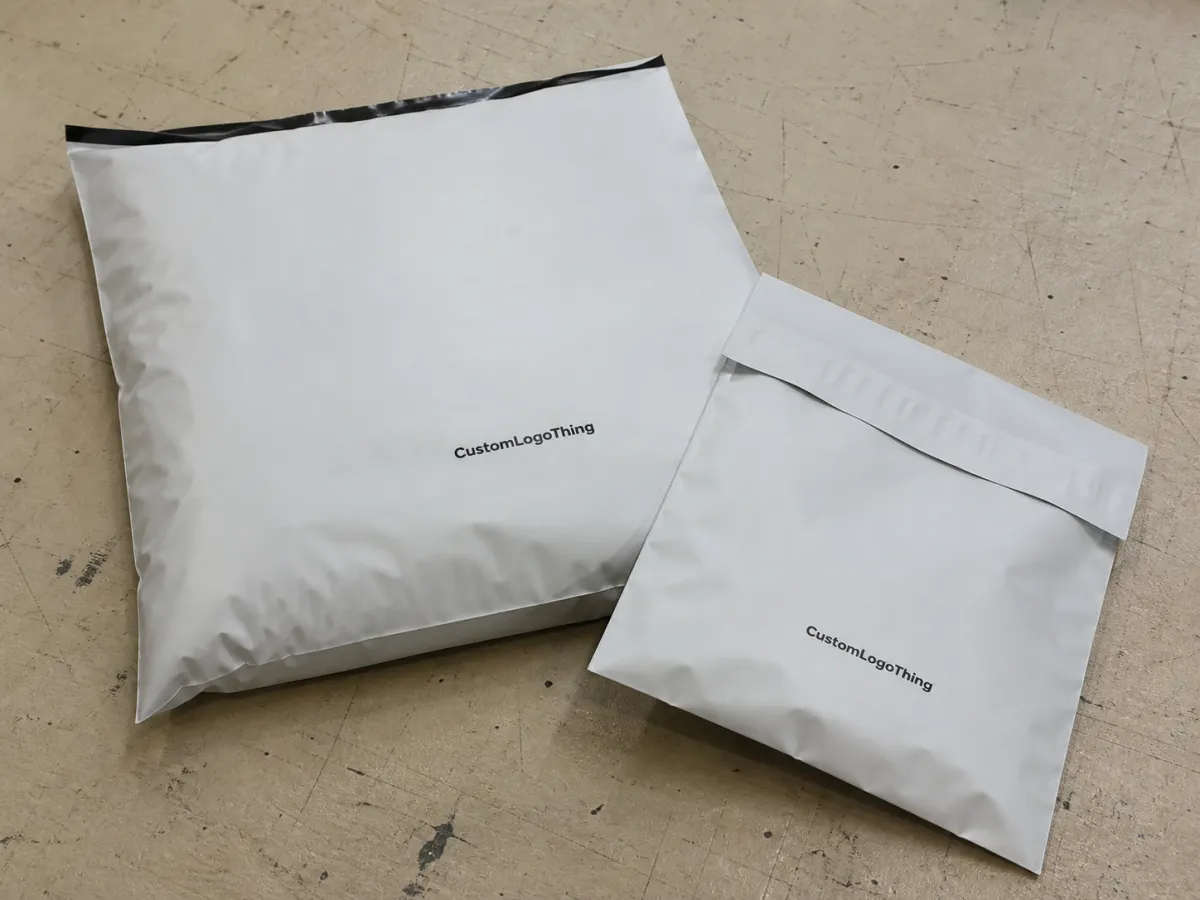
Matte film hides scratches, fingerprints, and glare better than glossy mailers. That matters for fashion, basics, streetwear, and subscription apparel packs, where a clean first impression helps the package feel deliberate instead of disposable.
A 2.5 mil to 3.0 mil matte poly mailer with a reliable self-seal strip usually handles tees, leggings, denim, and folded fleece well. Boxes still make sense for shoes, rigid accessories, and products that need shape protection, but many soft goods do not need the extra cost or cubic volume.
Practical rule: if the item can be folded, compressed slightly, and shipped without losing value, a matte poly mailer belongs on the shortlist. If the item needs structure or corner protection, use a box.
The decision should be driven by performance, not just appearance. A bag that looks good in a mockup but splits at the flap or scuffs heavily in transit creates more work than it saves.
Material Specs and Print Choices That Matter
Most Matte Poly Mailers use polyethylene film, often LDPE or a co-extruded blend. Thickness matters more than color. A 2.0 mil bag can work for a single tee or light accessory pack, while 2.5 mil to 3.0 mil is a common baseline for apparel shipping. Heavier 3.5 mil stock is better for bulky fleece, denim, or orders that will face more handling.
Puncture resistance deserves attention. A zipper pull, jean button, or rigid hangtag can stress a thin mailer from the inside, especially after the parcel is stacked or compressed in transit. Seal quality matters too. Ask whether the adhesive strip closes cleanly and whether a return strip is available if exchanges are common.
Print choice affects both price and finish. A one-color logo on stock white, black, gray, blush, or kraft-look film is usually the most cost-efficient route. Two-color art is still manageable, but full-bleed print and custom background colors often raise setup cost, MOQ, or lead time.
- Typical apparel thickness: 2.5 mil to 3.0 mil for tees, knits, leggings, and light bundles.
- Heavier use: 3.0 mil to 3.5 mil for denim, hoodies, and larger multi-item orders.
- Common print options: one-color logo, two-color print, full-bleed artwork, warning text, return instructions, or QR code placement.
- Functional checks: opacity, barcode readability, label adhesion, seal strength, side-seam strength, and tear resistance.
Opacity matters if you ship dark garments or high-value apparel. Light-colored mailers can become slightly translucent when stretched. Ask for samples in the exact gauge you plan to buy, not a thicker lookalike.
For transit testing and handling expectations, standards from ISTA are useful even if you do not run formal lab tests. The goal is simple: the mailer has to survive shipping, not just a product photo.
Choosing the Right Sizes for Apparel SKUs
Size selection should start with actual folded dimensions, not product category names. A medium tee and an oversized heavyweight tee can need different pack-outs even though both are shirts. Folded height matters as much as width and length.
For lightweight basics, common sizes often fall around 10 x 13 inches or 12 x 15.5 inches. For denim, sweatshirts, and multi-item orders, 14.5 x 19 inches, 15 x 19 inches, or 19 x 24 inches are more realistic. Oversizing wastes space and can make the package look sloppy; undersizing stresses the seams and closure.
A smart program usually relies on two or three core mailer sizes, not a long list. That keeps packing faster and reduces mistakes at the station.
| Apparel Pack Type | Common Mailer Range | Suggested Film | Buying Note |
|---|---|---|---|
| Single tee, tank, leggings | 10 x 13 in to 12 x 15.5 in | 2.5 mil | Good for low-profile packs and fast fulfillment. |
| Two tees or light set | 12 x 15.5 in to 14.5 x 19 in | 2.5 to 3.0 mil | Allows room for folded height and inner packaging. |
| Denim, sweatshirt, hoodie | 14.5 x 19 in to 19 x 24 in | 3.0 mil | Test buttons, zippers, and thick folds for puncture risk. |
| Bulky fleece or outerwear | 19 x 24 in and up | 3.0 to 3.5 mil | May need a box if presentation or structure matters. |
Do a real packing test before ordering. Fold the garment the way the team will actually pack it, use the same tissue or inner bag, apply the shipping label, and let the mailer sit overnight. Check the seal, the corners, and label adhesion before production is approved.
Pricing, MOQ, and Unit Cost Breakpoints
MOQ is only useful when viewed against landed cost. A low minimum can still be expensive once setup, freight, and sampling are added. Compare total cost, not just the quoted unit price.
Typical custom runs may start around 500 to 1,000 pieces for simple stock-size orders from some suppliers. More common custom MOQs land around 2,500 to 5,000 pieces. Custom colors, full-bleed print, special finishes, or multiple sizes can push MOQ to 10,000 pieces or more.
As a planning range, a simple one-color custom matte mailer might run around $0.18 to $0.35 per piece at 5,000 units, depending on size, gauge, and freight. Smaller runs can land closer to $0.45 to $0.90 once setup and shipping are included. Larger runs may drop into the $0.10 to $0.22 range for simpler designs.
| Order Quantity | Likely Use Case | Estimated Cost Per Piece | Tradeoff |
|---|---|---|---|
| 500 to 1,000 | Launch test, short promo, small boutique run | $0.45 to $0.90+ | Lower inventory risk, higher unit cost, setup charges matter more. |
| 2,500 to 5,000 | Regular apparel shipping volume | $0.18 to $0.35 | Better balance of bulk pricing and storage needs. |
| 10,000+ | Established retailer, repeat mailer program | $0.10 to $0.22 | Best unit cost, more cash and space tied up in inventory. |
Ask for pricing at three points: MOQ, a mid-tier quantity, and a higher reorder level. That shows where production efficiency starts. Also ask about artwork cleanup, plates or tooling, sampling, and freight, because those can change the landed number more than the base quote suggests.
Storage matters too. Poly mailers are light but bulky, so carton volume can compete with finished goods space. Buyers with limited backroom or 3PL storage should check carton counts and case dimensions before chasing the lowest unit price.
Production Steps, Proofing, and Lead Time Expectations
A clean order usually follows a simple path: quote, artwork review, digital proof, sample or pre-production confirmation, production, quality check, and dispatch. Proofing is where expensive mistakes get caught.
Simple stock-size, one-color orders may take about 10 to 15 business days after proof approval. More complex orders with custom colors, heavier film, returnable closures, or multiple sizes may need 18 to 30 business days. Transit time comes after that.
Most delays come from avoidable issues: missing vector art, low-resolution files, late approvals, vague size requirements, or an unconfirmed ship-to address. Those are order management problems, not surprises.
- Quote request: send size, quantity, film thickness, print colors, closure needs, and destination.
- Artwork review: provide AI, EPS, or print-ready PDF files when possible.
- Digital proof: confirm logo placement, dimensions, color notes, flap direction, barcode clearance, and warning text.
- Sample approval: request a physical sample for new sizes, high-value launches, or unfamiliar suppliers.
- Production: confirm run quantity, tolerances, and estimated completion date.
- QC and dispatch: check cartons, labeling, count, and shipping paperwork before the order leaves.
Work backward from the in-hands date. If inventory arrives at the fulfillment center on the 15th, the mailers should not arrive the same day. Leave at least 5 to 10 business days for receiving, counting, and packing tests.
Quality control should be specific. Check the finished bags against the approved size, gauge, print placement, and color standard. Pull samples from different cartons, test the seal, and make sure the labels adhere to the matte surface without curling.
Environmental claims need proof. If recycled content or recyclability matters, ask for documentation and avoid vague language. The EPA recycling resources are a useful baseline for understanding how packaging recovery varies by material and local program.
How to Vet a Supplier Before You Reorder
A good supplier states the basics clearly: film gauge, size tolerance, print method, seal type, MOQ, lead time, and freight terms. If a quote is vague, it is not ready for approval.
Sample quality should match the promise. Rub the print, bend the bag, fill it with the actual garment, and seal it. If the surface scuffs easily or the adhesive lifts after a short test, expect worse under real shipping conditions.
For repeat business, ask how reorders are handled. Can the supplier store artwork files? How do they handle color matching from one batch to the next? What happens if the film lot changes slightly? Consistency is only real when the process is controlled.
- Green flags: written specs, clear MOQ, tiered pricing, proof process, realistic lead time, sample options, and repeat-order references.
- Red flags: vague film thickness, no proof, unclear freight, no reorder baseline, or a suspiciously low price with missing details.
- Reorder questions: file storage, color matching, batch tolerance, carton labeling, expected repeat lead time, and defect policy.
When comparing suppliers, keep the request identical: same size, same film gauge, same quantity, same print coverage, same closure, and same destination. Otherwise the quotes are not really comparable.
What to Send for a Fast Quote
Start with the product mix: garment types, folded dimensions, expected quantity per shipment, and whether one mailer needs to cover multiple SKUs. If 70% of orders are single tees and 10% are hoodies, say so. That helps build a practical size plan.
Then send the buying variables in one message: quantity target, preferred MOQ range, print colors, finish preference, closure needs, shipping destination, and target in-hands date. A complete request is far easier to price than a vague one.
Artwork matters. Use vector files when possible: AI, EPS, or print-ready PDF. If you only have PNG or JPG files, mention that upfront so artwork prep can be included. Also flag must-haves like barcode visibility, return address placement, suffocation warning, recycled-content claim, QR code, or a return seal.
For buyers comparing options, start with Custom Poly Mailers and review related Custom Packaging Products if some SKUs need boxes, tissue, stickers, or inserts. If policy or file setup questions are still open, the FAQ can help narrow the basics before quoting.
Quote request checklist: size, quantity, film thickness, print colors, artwork file, ship-to ZIP or destination country, target delivery date, and any compliance or label requirements.
Ask for pricing at the MOQ and two higher quantities. Review the cost per piece, then add setup charges, sampling, and freight to get the real landed number. Approve only after the supplier confirms specs, proof, and timeline in writing. That becomes your reorder baseline.
For apparel brands, the right mailer program is usually the boring one: consistent sizes, predictable reorders, controlled bulk pricing, and packaging that looks sharp without swallowing the shipping budget.
FAQ
What is the usual MOQ for matte poly mailers for apparel retailers?
MOQ depends on size, print coverage, closure style, and whether the order uses stock film or a custom finish. Simple stock-size runs may start around 500 to 1,000 pieces with some suppliers, while stronger pricing usually appears around 2,500 to 5,000 pieces. Ask for the MOQ plus the next two volume breaks so you can see where the unit cost improves.
Are matte poly mailers better than gloss mailers for clothing orders?
Matte mailers usually read more premium and hide light handling marks better during fulfillment and transit. Gloss can work for bold branding, but it shows scuffs, fingerprints, and glare more easily. For apparel, matte is often the cleaner choice when the package is part of the brand presentation.
Which sizes work best for shirts, hoodies, and multi-item apparel packs?
Single tees and lightweight basics often fit in 10 x 13 inch or 12 x 15.5 inch mailers. Hoodies, fleece, denim, and bundled sets usually need 14.5 x 19 inch, 15 x 19 inch, or larger. The best size depends on folded pack-out height, inner packaging, and how tightly the brand allows garments to be compressed.
What drives the unit cost of custom matte poly mailers the most?
Quantity, print complexity, film thickness, size, finish, and closure style drive most of the unit cost. Freight and setup charges can also change the landed cost more than the headline quote suggests. Custom colors and heavy ink coverage usually cost more than a simple one-color logo on a stock matte film.
How long does production usually take after proof approval?
Simple matte poly mailer orders may often run about 10 to 15 business days after proof approval. Custom colors, full-bleed print, heavier film, returnable closures, or multiple sizes can push production closer to 18 to 30 business days, depending on current load and sampling requirements. Get the timeline confirmed in writing before approval.