Clear Zipper Bags for Subscription Brands: Buyer Checklist
Clear zipper Bags for Subscription Brands sound simple until you watch them move through a real packing line. That is usually where the weak points show themselves: a zipper that drags, film that clouds under light, seals that look fine until the bag is filled, or dimensions that are technically correct but awkward in the hand. A clean sample can hide those issues. A filled sample rarely does.
For subscription programs, the bag is doing more than holding a product. It has to present neatly inside a curated box, protect the contents through warehouse handling and shipping, and still feel worth reusing when the customer opens it again later. The bag becomes part of the product experience, but it also has to survive as packaging. That split role is why spec mistakes show up fast.
Useful packaging decisions usually come from comparing samples under the same conditions, not from reading a catalog description. If you want a standards reference for transit and handling language, the ISTA testing framework is a sensible place to start. For brands building their own internal review process, related subscription packaging case studies can help frame what should be measured, tracked, and repeated.
Clear zipper bags for subscription brands specification checklist: What fails first
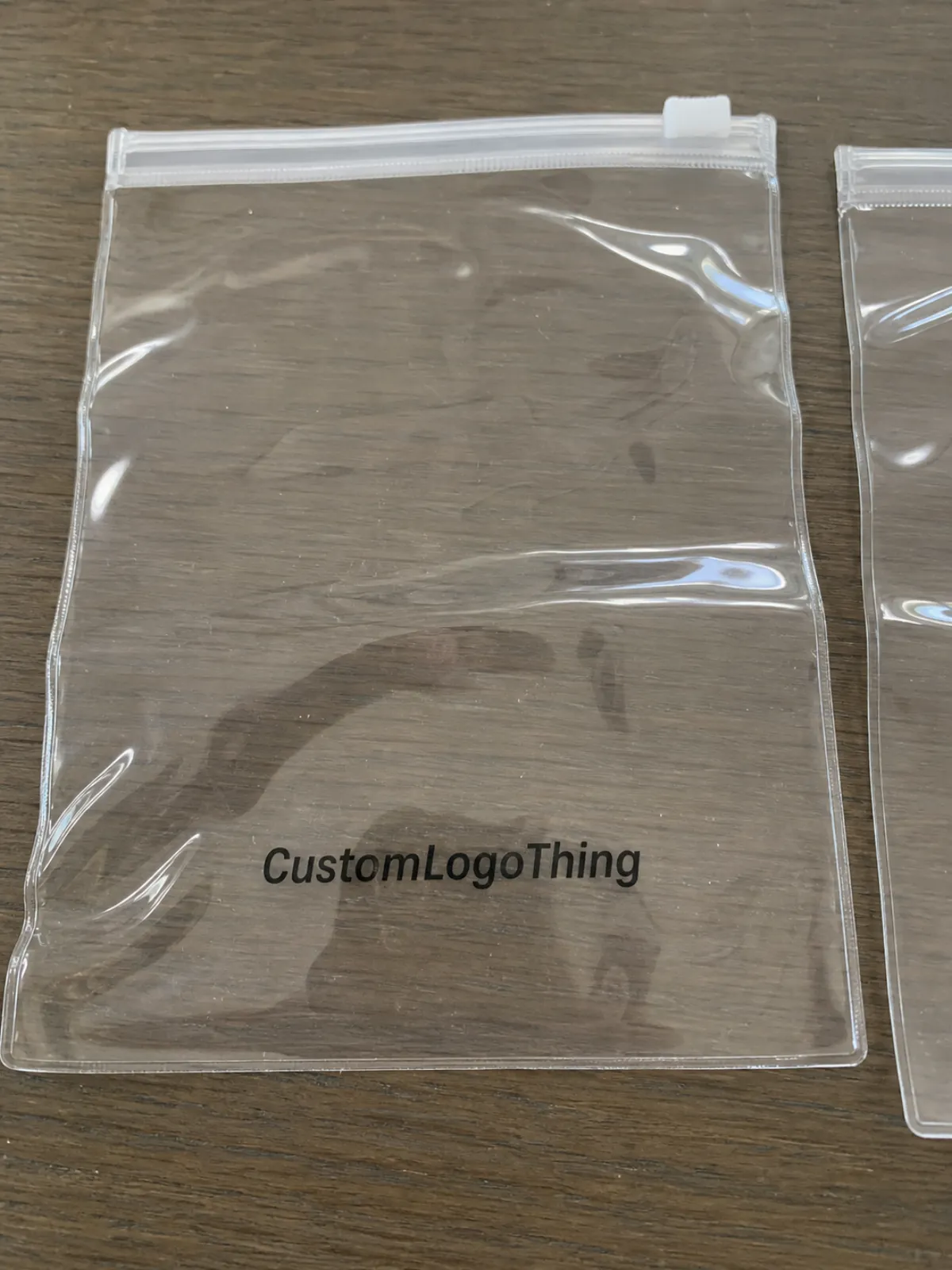
The first failure is often visual. Cloudy film makes the bag look older than it is. Scratches and stress marks create a dull patch that reads as low-grade even when the bag is structurally fine. A bag that is slightly underfilled can make a premium kit look sparse; one that is overfilled bows at the top edge and puts extra pressure on the zipper. None of that is dramatic in isolation, but together it changes how the whole shipment feels.
Subscription brands notice these problems early because the bag sits in a controlled presentation. There is no shelf clutter to soften the impression. The customer sees the bag beside inserts, tissue, samples, or apparel and compares all of them in the same moment. If the closure feels weak or the film looks wavy, the flaw is obvious.
Clarity is only one part of the story. A bag can look excellent on a light table and still frustrate the packing team if the zipper misaligns, the side seals split under load, or the mouth stays open after the first use.
That is why a clear zipper bag should be treated as a working part of the pack, not a decorative layer. It needs to protect the product, stack properly, and keep its shape through loading, shipping, and reuse. If one of those jobs slips, the spec needs another pass. A clear zipper Bags for Subscription brands specification checklist earns its value right there, because it forces the conversation back to behavior rather than appearance.
One practical habit helps more than most buyers expect: ask for a filled sample using the real product mix, not a clean empty bag. Empty bags flatter weak zippers and hide pressure points. A loaded sample tells the truth quickly.
How the zipper, gauge, and seal actually work
From a distance, the bag looks straightforward. Up close, it is a stack of tradeoffs. Film clarity, thickness, zipper profile, side seals, bottom seal, and tear behavior all shape how the bag feels on the line and in the customer’s hands. If one element is off, the whole pack can feel less finished.
Film gauge affects durability, stiffness, and presentation. Lighter bags often sit around 40-60 microns for flat inserts or low-load contents. Heavier mixed kits usually move toward 70-100 microns, sometimes more, especially if the contents have corners, rigid edges, or repeated reuse is part of the plan. Thicker film can improve puncture resistance and reduce wrinkling, but it also adds cost and can make the bag less supple during closing.
The zipper profile matters because it is the part most people touch. A single-track zipper works well for lighter packs and occasional reuse. A wider or more pronounced profile can give a firmer snap and better alignment when the contents push near the top edge. If the zipper is too stiff, packing slows down. If it is too loose, the customer may not trust it to stay shut.
Seals carry the load. Side seals should be even, with no waviness or thin-looking spots. The bottom seal needs enough strength to hold shape when the bag sits upright in a kit or mailer. Tear behavior matters too. Some programs benefit from a small notch or controlled opening point so the customer can open the bag cleanly without mangling the edge.
Material choice changes the feel as much as the geometry does. PE is common because it bends well, closes predictably, and usually gives the most familiar zipper behavior. PP can look crisper and feel more rigid, which some brands prefer for presentation. Laminated structures make sense when print quality, moisture resistance, or a more finished hand feel matters more than basic utility. There is no universal winner. The right structure depends on what the bag carries and how often it will be handled.
Film performance is usually evaluated through tensile strength, seal integrity, and impact resistance, not by eye alone. If a supplier can explain the test method behind the sample and match the sample to the proposed build, the conversation tends to get more useful. That is where the specification checklist starts preventing waste instead of simply recording it.
What to check in a subscription pack specification sheet
A good spec sheet should read like something a production team can build from, not a marketing note. The fields that matter most are dimensions, usable interior size, film gauge, zipper style, finish, clarity level, tolerance range, and the intended fill method. If those details are vague, the quote may look tidy while the order turns messy.
Tolerance deserves real attention. A nominal size of 220 x 300 mm is not enough if the usable interior varies by several millimeters or the zipper takes more headroom than expected. That can become a problem fast when the bag carries sample kits, folded apparel, printed cards, or mixed product sets. A small mismatch may not sound serious, but it can slow the line because operators start forcing contents into bags that are correct on paper and annoying in practice.
A practical spec sheet usually breaks into three groups:
- Physical size: outer dimensions, inner dimensions, seal width, and tolerance.
- Functional build: gauge, zipper style, tear notch, side-seal strength, and bottom-seal integrity.
- Use conditions: product weight, sharp edges, packing speed, reuse expectations, and storage environment.
Artwork and compliance need the same discipline. Print files should arrive in the requested format with bleed and safe area confirmed before proofing starts. If the bag will be used with food, cosmetics, or another regulated product, ask for the relevant safety statement before the order is locked. For sustainability claims, the resin makeup has to match the language being used. If a brand wants to talk about recyclability, the material structure has to support that claim.
The packing method matters too. A zipper that feels fine for hand loading can become a slowdown on a semi-automated line if the mouth opening is too narrow or the film is too stiff. Good suppliers ask about the fill process before quoting. Better ones ask about it again once they see the product mix.
Keeping one master spec sheet across vendors saves a lot of argument later. It gives procurement, operations, and marketing the same reference point and makes apples-to-apples comparison possible. It also makes the clear Zipper Bags for Subscription brands specification checklist easier to audit when different teams keep pulling in different directions.
Cost, MOQ, and unit pricing checks before you quote
Price moves first on size, gauge, zipper type, print coverage, finish, and order volume. The same bag can land in very different cost bands depending on whether it is stock clear, lightly printed, or built as a premium presentation piece with tighter tolerances. Freight, sampling, and packaging fees can shift the total further than buyers expect.
MOQ is not just a gatekeeper. It changes the whole cost structure. A lower minimum helps with launch programs or seasonal tests, but the unit price often rises because setup, tooling, and inspection are spread across fewer pieces. A larger run can reduce unit cost, but only if the brand can store the bags and use them before the product dimensions or artwork change.
| Program type | Typical build | MOQ | Indicative unit price | What it suits |
|---|---|---|---|---|
| Launch run | PE clear zipper bag, 60-70 micron, no print | 3,000-5,000 pcs | $0.08-$0.16 | Testing a new subscription kit or short seasonal offer |
| Growing program | PE or PP clear bag, 70-90 micron, one- or two-color print | 5,000-10,000 pcs | $0.14-$0.28 | Regular monthly shipments with moderate brand visibility |
| Premium presentation | Heavier clear structure, improved zipper, custom print and finish | 10,000-20,000 pcs | $0.22-$0.40 | Higher-touch subscription boxes where presentation carries real weight |
Those numbers are directional. A larger format, heavier gauge, or more demanding zipper profile will move them upward. A simpler bag with lighter material and minimal print can come down. The comparison that matters is not “who is cheapest?” It is “who can hit the spec without hidden corrections later?” A low quote can become expensive if the bags slow packing, raise reject rates, or trigger a repack cycle in the warehouse.
Ask suppliers to separate product cost, tooling, sampling, freight, and any storage or repack charges. That is the cleanest way to compare offers. It also keeps budget discussions honest, which is usually where the real tension sits.
For buyers who want a broader frame for packaging vocabulary and practice, packaging.org is a useful reference. It does not replace supplier vetting, but it helps anchor the discussion in standard terms rather than vague claims.
Production steps, proofing, and lead time
A well-run order usually moves through the same sequence: spec review, artwork check, sample production, proof approval, production, inspection, and shipment. None of those steps is unusual. The delays tend to appear at the handoffs.
Artwork changes after proof approval are a common source of delay. So are late color adjustments when coverage is heavy or the substrate is less forgiving than expected. Material substitutions can also push timing if the original resin or zipper profile is unavailable. Strong suppliers flag those issues early. Weak ones mention them after the schedule is already tight.
Typical timing depends on the build. A sample can take about 5-7 business days once the spec is confirmed. Production often runs 12-15 business days after proof approval for straightforward orders, though custom print, tighter inspection, or a crowded factory schedule can extend that. Freight is its own variable. Air moves faster and costs more. Ocean is slower and better for larger replenishment runs. Neither is universally better; each solves a different problem.
Transit testing should match the real journey. If the box is likely to be stacked, dropped, or moved through multiple distribution points, the test plan should reflect that handling risk. The ISTA test protocols are a practical reference for this, especially when the brand wants fewer surprises after launch.
Planning matters as much as the factory work. Subscription cycles do not leave much room for error because the ship date is tied to billing and customer expectation. Keep buffer stock if the bag is tied to a recurring shipment. Add even more room if the launch lands near a seasonal peak. A packaging delay rarely stays isolated. It usually becomes a fulfillment delay, then a customer-service issue, then a margin problem.
Case studies from similar subscription programs are useful because they show how spec, artwork, and lead time interact in practice. Most good packaging runs are not the result of one sharp decision. They come from a series of boring, early decisions that were written down clearly and checked more than once.
Common ordering mistakes that raise repack rates
The costliest mistakes are usually the least dramatic. A bag that is slightly too small can slow operators down, force a refold of inserts, or get rejected at the bench. A bag that is too large may look generous, but it can shift inside the box, wrinkle badly, and make the set feel loose. Both errors cost more than they save.
Another common miss is buying for appearance alone. Clear film can look great in a sample photo while still being wrong for the packing line. If the zipper drags, the operator loses time. If the seal is weak, the team spends time checking and rechecking. If the bag stacks badly in cartons, the warehouse pays for the problem in labor. Cosmetic quality and operational quality are not the same thing.
Over-specifying clarity can backfire too. A buyer may ask for the most transparent film available and then discover that the surface shows every tiny mark from handling or scuffs more easily during transit. In some programs, a slightly thicker or slightly less glossy film performs better because it survives the route from filling to unboxing with fewer visible blemishes.
The short version is simple: if the bag does not match the product, the zipper, and the packing rhythm, repack rates rise. Once that happens, the cheapest unit price stops being the cheapest order.
The best way to reduce that risk is to test the exact product mix, not a simplified stand-in. Load the inserts, cards, samples, apparel, or accessories that will actually ship. Then run a small batch through the normal packing process. Thirty minutes of that kind of testing will show more than three rounds of polite guessing.
Brands that keep a case study archive of prior pack decisions tend to move faster later because they know which variables truly changed the result. That is where the Clear Zipper Bags for subscription brands specification checklist becomes part of memory, not just paperwork.
Final checklist and next steps before you place the order
Before sign-off, confirm the dimensions, gauge, zipper type, quantity, artwork, proof approval path, timeline, and shipping destination. Then ask for a sample that uses the exact product mix you plan to ship. A clean sample with the wrong contents is only partly useful.
Here is the quick buyer checklist:
- Confirm outer size, usable interior size, and tolerance.
- Match gauge to product weight, sharp edges, and reuse expectations.
- Test zipper feel with a filled sample, not an empty bag.
- Verify print file requirements and proof workflow.
- Review sample, production, inspection, and freight timing.
- Compare quotes with setup, tooling, freight, and storage separated out.
- Check whether the material and claims line up with your sustainability language.
If the bag is going into a subscription box, ask one final operational question: can the packing team load it at the required speed without forcing or reworking it? That one question usually exposes weak specs faster than a long chain of polite emails.
For many brands, the right answer is not a larger bag or a shinier one. It is a bag that is easier to pack, easier to close, and less likely to create a problem three steps later. Once the spec is signed, the proof is approved, and the lead time is confirmed, the process gets calmer. The clear zipper Bags for Subscription brands specification checklist works best when it turns guesswork into a document the whole team can actually use.
What gauge should clear zipper bags for subscription brands use?
Match gauge to weight, sharp edges, and how often the bag will be handled during packing and unboxing. Thicker film usually improves feel and durability, but it can raise cost and reduce flexibility. For light inserts or flat items, 40-60 microns may be enough. Heavier mixed kits often need 70-100 microns or more.
How do I compare zipper styles for clear subscription bags?
Check how easily the zipper opens and closes, whether it seals evenly, and whether it survives repeated use. Ask for a sample with the real product inside, not just an empty bag test. A zipper that feels fine empty can behave very differently once the contents press against the closure.
What is a realistic MOQ for custom clear zipper bags?
MOQ varies by size, print method, and material, so compare it against your monthly subscription volume and storage space. A lower MOQ can help with a launch run, but it often pushes up unit cost because setup and inspection are spread across fewer pieces.
How long does it take to produce custom clear zipper bags?
Timeline depends on artwork approval, sampling, production queue, and freight method. A sample may take 5-7 business days, while production often runs 12-15 business days after proof approval for simpler orders. Build in extra time for proof changes and keep a buffer if the bags are tied to a recurring shipment date.
Can clear zipper bags for subscription brands be recycled?
Recyclability depends on the exact resin, additives, and local collection rules. Ask the supplier for material details so your sustainability claim matches the actual bag structure. If the bag is part of a larger kit, check the broader packaging system too, because mixed materials can affect the practical end-of-life path.


