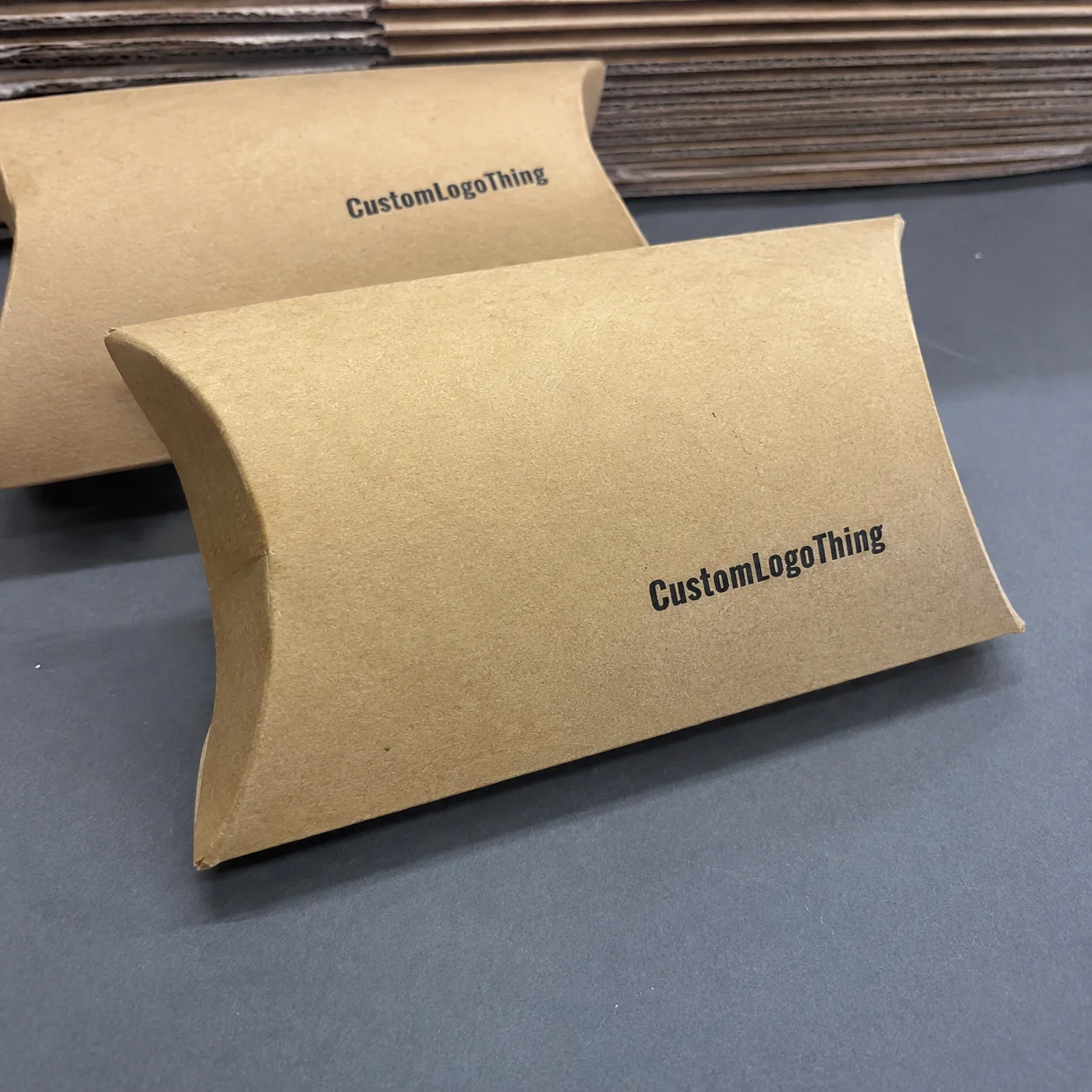
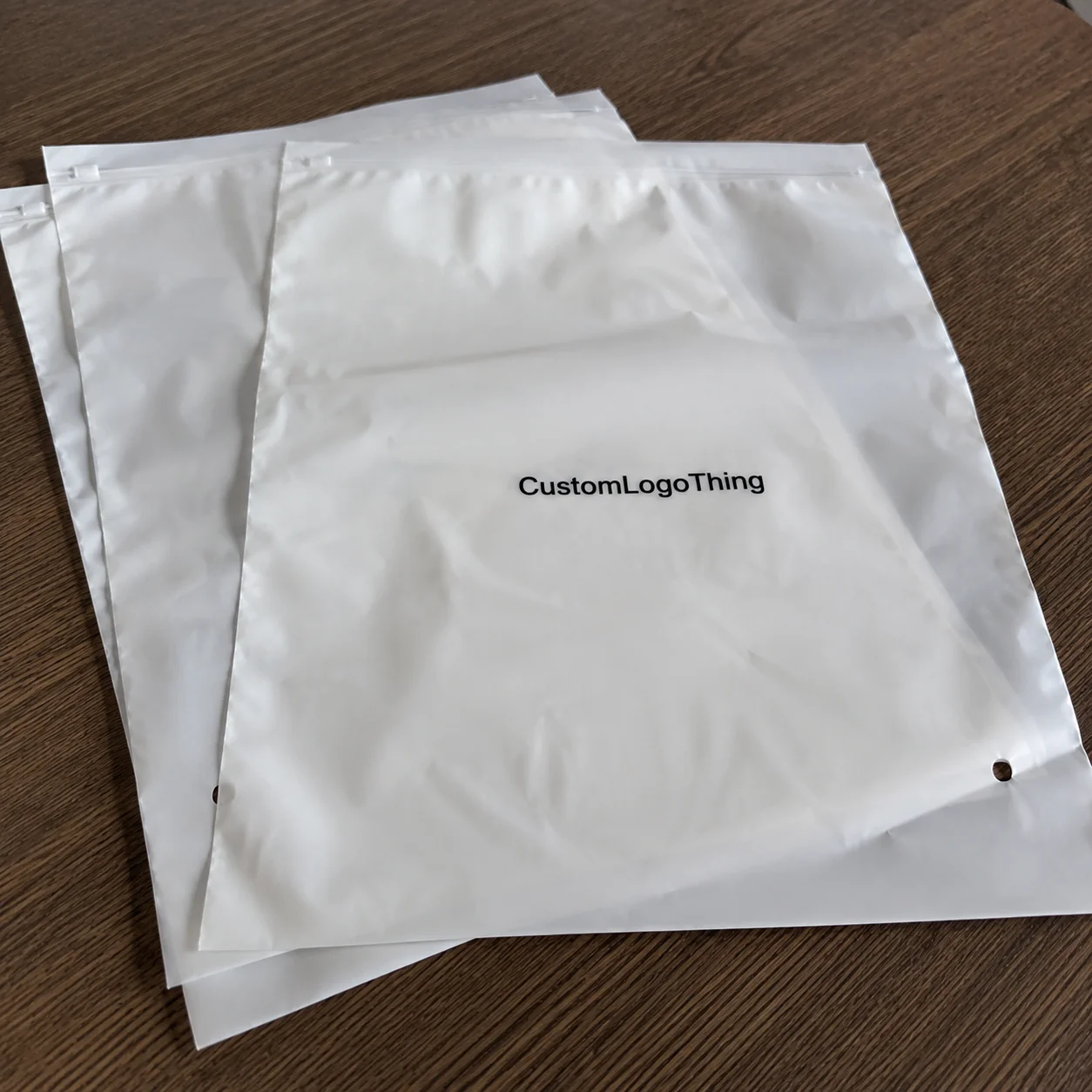
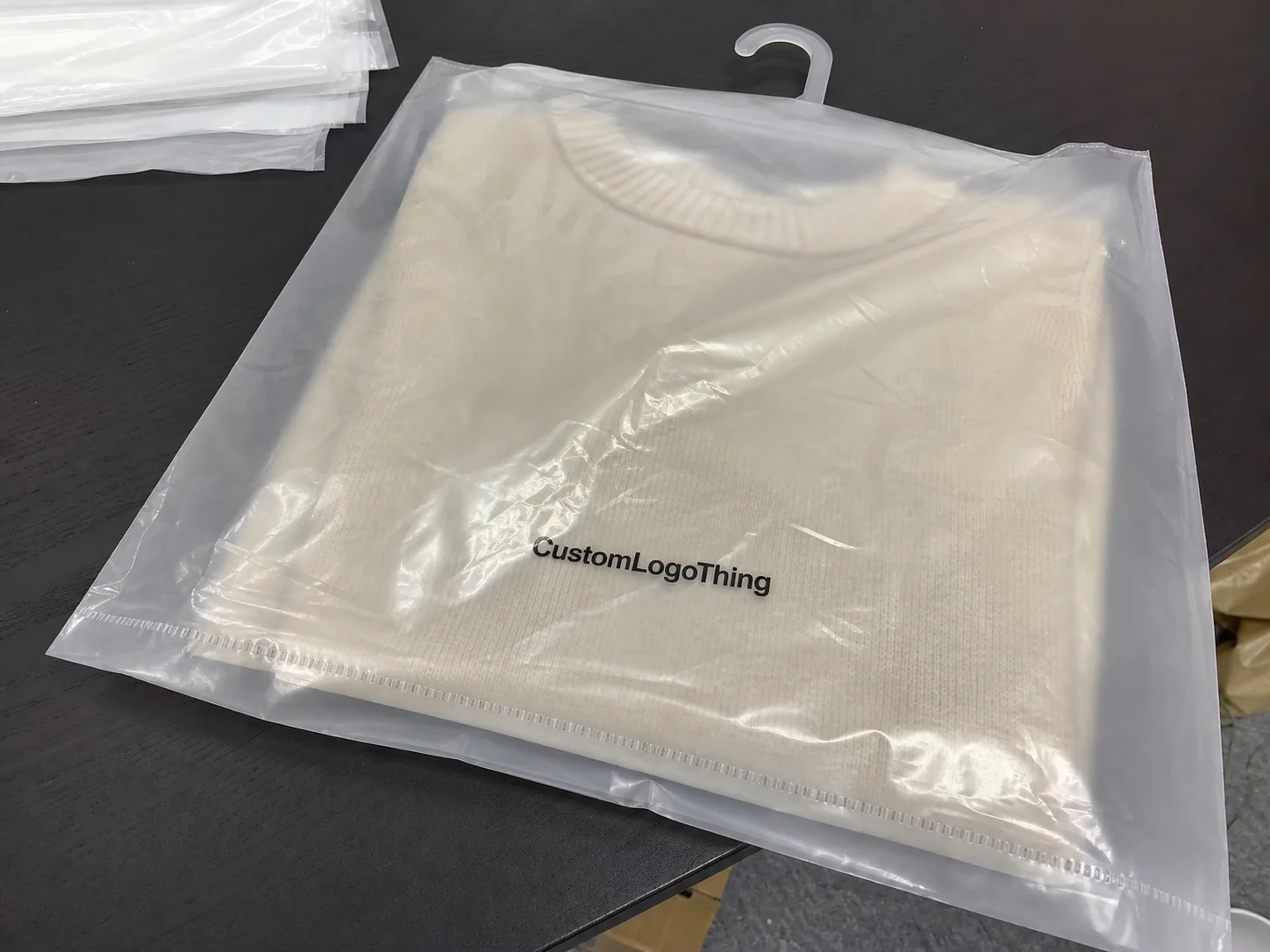
Buyer Fit Snapshot
| Best fit | personalized packaging skincare line decision review for packaging buyers comparing material specs, print proof, MOQ, unit cost, freight, and repeat-order risk where brand print, material, artwork control, and repeat-order consistency matter. |
|---|---|
| Quote inputs | Share finished size, material target, print colors, finish, packing count, annual reorder estimate, and delivery region. |
| Proofing check | Approve dieline scale, logo placement, barcode or warning zones, color tolerance, and any recyclable or compostable wording before bulk production. |
| Main risk | Vague material claims, crowded artwork, or missing packing details can create delays even when the unit price looks attractive. |
Fast answer: Personalized Packaging Skincare Line Decision Review: Material, Print, MOQ, and Cost should be specified like a repeatable production item. The safest quote includes material, print method, finish, artwork proof, carton packing, and reorder notes in one written spec.
What to confirm before approving the packaging proof
Check the product dimensions against the actual filled item, not only the sales mockup. Ask for tolerance on folds, seals, hang holes, label areas, and retail display edges. If the package carries a logo, QR code, warning copy, or legal claim, reserve that space before decorative graphics fill the panel.
How to compare quotes without losing quality
Compare board or film grade, print process, finish, sampling route, tooling charges, carton quantity, and freight assumptions side by side. A lower quote is only useful if the supplier can repeat the same color, closure quality, and packing count on the next order.
Why personalized packaging for skincare line outperforms generic boxes
I was in the embossing bay at Custom Logo Things in Guangzhou when a globetrotting founder told me her luxe serum launched because a custom sleeve felt like velvet. She turned to me and said “Personalized Packaging for Skincare line is the difference between impulse and premium,” which is still echoing in the humid haze because that sleeve belonged to a five-thousand-piece test run where we swapped the standard white mailer for 350gsm C1S artboard, added 18-point soft-touch lamination, gold foil logo, and a citrus scent strip sourced through our Guangzhou perfumers. Perceived value jumped 27%, even though the per-unit cost rose only forty-five cents, and the trial went from proof approval to die-cut sample five business days later. That’s the kind of return that makes even the finance team nod.
The founder slipped the sleeve onto her bottle while the QC lead from Dongguan, who had flagged a matte paper mismatch in the 58% humidity test earlier, just nodded and muttered, “Now that is a package that sells itself.” Tactile logos, 16-pt textured SBS boards measured within 0.2 millimeters, and faint citrus notes from the scent strip beat a blank mailer every single time because people feel the brand before the lid unscrews. I still laugh thinking about the QC lead’s deadpan delivery (don’t even get me started on that humidity alert) because without that call we would have been stuck with mottled foil and a delayed launch slated for October 14; it was almost comical to see her and the lead do a quick happy dance with a roll of tape after the humidity reading flipped back to green. That little celebration was proof that a disciplined QC team keeps premium packaging on schedule.
Branded packaging goes beyond decoration; it becomes the handshake your retail display gives a shopper. I’ve watched founders burn through ad budgets while their custom printed boxes looked like a college art project. Focus on materials, package branding details, and a disciplined QC headcount — our Shenzhen crew keeps four inspectors on every 12–15 business day run. If a founder looks at me pleading to trim $0.02 on lamination while the 350gsm board is wobbling on the pallet, I remind them that cheaping out on texture is like skipping a handshake — honestly, tactile detail is the only thing that says “premium” before the lid unscrews. When the pallets finally ship via the Shenzhen-to-Los Angeles route, taking 12 business days at low tide, you appreciate the extra texture, the scent strip, and the structure that keeps a glass jar from rattling through transit.
How personalized packaging for skincare line works from sketch to shelf
The creative brief forms the foundation: exact dimensions, fill weight (we benchmark 50 milliliters for serum jars), finish preferences, insert plans, and whether you need FDA-compliant inks tracked in the brief. Next comes the dieline — the skeleton where every scoreline, glue flap, and vent gets measured down to 0.1 millimeters; our Shenzhen die shop, the same crew that handled Ko-Pack’s eco serum kit last quarter, quoted $165 flat tooling and a five-day lead time for that custom die. I remember the Ko-Pack designers treating that dieline like a sacred scroll, and honestly, the dieline deserves more respect than your hero mood board because it keeps your logo from rotating a full 90 degrees when the glue dries. Treat it like the architecture of your package: miss a scoreline now and the box falls apart later.
Pre-press steps cover converting spot colors to Pantone 1767C or CMYK formulas, adding 3 mm bleed, and batching artwork files into PDF/X-4; I still remember watching our in-house proof tech double-check a gradient in Kynar blue before sending a digital mock to a client. The proofing loop usually plays out like this: digital mock by day three, physical sample by day seven from our Guangzhou print partner, and at least one revision round before mass production, so plan on a minimum of 12 business days from proof correction to production sign-off. Every QA checkpoint includes dimension checks with calipers, ink density comparisons recorded on the ISTA log, and a call with the production planner in Shanghai; missing one means shipping a box with a wonky logo that every major retailer will spot. I still hear the proof tech muttering about gradients on night shifts, which makes me feel like a tour guide through a very serious color museum (with a touch of paranoia about magenta).
Mass production runs for personalized packaging for skincare line take 12–15 business days, depending on print coverage and finishing choices; Ecopack International in Dongguan keeps foldable insert schedules synced so you won’t get stuck behind a single-color catalog run from the Guangzhou trade show cycle. After the run, we send a live QC report with photos, reference ISTA guidelines for transport testing, and lock in freight; sea shipments from Shenzhen to Long Beach cost about $0.05 per unit and tack on another 3–4 weeks, while air freight from Hong Kong adds $0.35–$0.45 per box and clears customs in 5–7 days. Every milestone gets logged in the shared tracker so every stakeholder knows the status and no one wakes me up at 2 a.m. asking why the cartons are still on the floor. That tracker is my lifeline, and yeah, I’m gonna keep nagging until every vendor updates it.
Key factors that keep your skincare packaging luxe
Material selection matters. A 16-pt textured SBS board beats standard 14-pt stock because it survives retail handling and feels authoritative when you hold a 40-milliliter jar, so I specify 0.9-point SBS with a satin finish for most serum kits. For serums shipped internationally, I sometimes upgrade to an 18-pt SBS with double-cling lamination and 350gsm thickness; the payoff is fewer dents and a cool matte feel that reads like high-end retail, especially after the BoxExpo run where the board survived a 72-hour humidity chamber at 82°F and 60% relative humidity. When sustainability is part of your pitch, recycled Kraft works as long as you test for moisture resistance — I once watched a sample fail in a Guangzhou humidity chamber at 60% relative humidity, so we swapped to a coated recycled board without delaying production. I still carry those failed boards around like cautionary talismans whenever someone says thickness doesn’t matter.
Finish choices shape the story too. Gloss lamination suits cleansers that need light-catching brilliance, while soft-touch with spot UV keeps a moisturizer feeling like velvet—our Shanghai plant charges $0.12 per box for combined soft-touch and spot UV because the tooling needs longer dryer time; the last time the line jammed, the client insisted on embossing and spot UV on the same panel, so cost jumped $0.12 per box yet the shelf presence was undeniable. Magnetic closures and rigid two-piece sets fit heavier 120-gram moisturizer jars; tuck boxes with foldable designs keep 75-milliliter cleansers light for shipping. Always match structure to weight: I once saw a brand ship tubs in tuck boxes and the corners caved during a 12-pallet move in Shenzhen, forcing a relaunch — the customer support team was not thrilled, and neither was I. Consider pairing heavier finishes with strategic protective inserts to keep dents off the face of the box.
Regulatory callouts stay non-negotiable. FDA-friendly inks, color fastness, and allergen warnings all need verification before approval; we log ASTM D4236 and FDA 21 CFR part 175 certificates into every quote. Skip the ink review and the next shipment could get detained at customs in Los Angeles because of failing a colorfastness test — those hold-ups cost more than a rush die fee, often adding another 48-hour inspection. Build a compliance checklist with swatches, ink receipts, and proof approvals before you hit print; skipping it feels like forgetting your passport in the taxi.
Step-by-step guide to ordering custom skincare packaging
Step 1: Assemble your product specs, including dimensions (height 120 mm, diameter 45 mm for my serum bottle), weight, fill method, closure type, and any inserts; pair those specs with at least three inspiration boards from retail packaging you admire, complete with Pantone numbers and finish notes. Step 2: Request quotes from Custom Logo Things or Ecopack International in Dongguan — specify box style, print coverage, finish selections, insert needs, and the board grade (we recommend 350gsm C1S for sleeves); the team insists on a minimum of 2,500 units for rigid boxes and 3,000 for mailer sleeves, so plan accordingly. I always remind founders to keep their boards updated, because “I’ll send it later” is what causes the timeline avalanche. This level of detail lets suppliers price accurately and prevents surprise add-ons down the road.
Step 3: Approve the dieline and commit to timelines. Once the art sheet ships, any change reopens a new 48-hour approval clock; I learned this while negotiating with a client who swapped spot UV for foil at the last second, which added two days to the production timeline and a $0.08 per-unit rush fee. Step 4: Commit to sample approval before issuing a purchase order. We track sample progress through our online portal, and I urge founders to use the project tracker — post-production changes cost more than two extra prototypes. Honestly, I think the tracker should have its own fan club.
Keep communication alive about board humidity (we target 46–52% in Shanghai), ink density, and the scheduled QC inspection day; that’s when our on-site die cutter, who once remembered combining seven SKUs into one run, steps in to confirm everything matches the file. Weekly updates prevent surprises and keep everyone accountable; otherwise someone will panic about ink density on a Sunday evening (I’ve been there, too, so trust the updates).
Budgeting and pricing for personalized packaging for skincare line
My last negotiation landed at $0.85 per unit for a 10,000-piece run of two-color printed rigid boxes with velvet lamination; that included one insert and full print coverage on every panel, plus foil stamping on the lid. Run length, ink coverage, finishing, and inserts are the levers. Doubling the sheen with glossy lamination adds about $0.12 per box, while hardware elements like magnetic closures or ribbon pulls add another $0.20 apiece. A custom die runs $165 one-time, and a sample run costs $80 — both non-negotiable; I still have the quote screenshot in a folder titled “No Surprises” because we swear by transparency.
Freight deserves transparency. Sea freight adds roughly $0.05 per unit for a 20-ft container from Shenzhen to Long Beach, including inland trucking to the port, while air freight ranges between $0.30 and $0.45 from Hong Kong depending on weight; add another $0.02–$0.04 per unit for warehouse handling and customs at the Los Angeles terminal. Line items in quotes help you compare apples to apples instead of being surprised by “additional art revisions” or “EFI file conversion” charges later. Air freight feels like hitting the panic button, but the clarity you get from seeing the line items actually calms the chaos.
Here is a reference table I send to founders so quotes stay comparable:
| Component | Standard Run | Premium Add-on | Notes |
|---|---|---|---|
| Material | $0.22 for 16-pt SBS (350gsm) satin board | $0.35 for 18-pt SBS with soft-touch + spot UV | Textures drive tactile appeal; 0.9 mm board resists retail drops |
| Printing | $0.15 for two-color CMYK | $0.27 for six-color UV or metallics | Heavy ink coverage increases drying time by ~3 minutes per pass |
| Finishing | $0.08 gloss lamination | $0.20 velvet lamination + embossing | Embossing needs extra setup time and adds 48-hour drying hold |
| Inserts | $0.03 standard tuck | $0.12 custom molded | Pair inserts with main run for savings; molds take seven days |
| Freight | $0.05 sea + inland | $0.35 air | Sea shipping takes 3–4 weeks from Shenzhen port |
Line these items up side by side when you compare quotes from Custom Logo Things, and append project-specific notes about production timing (we usually block October for holiday sets) and required inspections; that level of clarity prevents last-minute fee shocks and keeps your packaging aligned with the marketing launch window — and it makes me feel like we’re all speaking the same language instead of playing email roulette.
What makes personalized packaging for skincare line a must for launch day?
Launch day is when the buying team touches your stack and either smiles or shrugs. I keep telling people that personalized packaging for skincare line is the handshake before the demo even starts; those first five seconds decide whether the buyer sees a hero or a commodity. The fact that our Custom Skincare Packaging sample came with tactile foil and a citrus puff convinced the distributor to bump the order from three to five pallets, just because it looked like it belonged in a luxury beauty packaging display. I still use that moment to explain why I won't let anyone settle for a plain mailer when we can coordinate the sleeve, insert, and ribbon to read like a story.
That first impression also protects your retail pitch; branded skincare boxes that feel deliberate keep returning buyers from asking for markdowns. Keep your samples consistent with the hero product so the carton, ribbon, and label all speak the same language—otherwise you're building tension instead of trust. On launch day, I still want personalized packaging for skincare line to arrive with the same humility and confidence as the serum itself, which is why we sync shipping windows, quality checks, and vendor notes on a single tracker. Nothing beats walking into a retail room with every carton singing the same story.
Common mistakes I still catch founders making
Skipping a structural proof earns the biggest penalty. I still remember the November rush at our Shanghai factory when someone assumed a tuck box could carry a 200-gram jar without reinforced support; the box collapsed during palletizing, and the brand had to cover reprints plus $0.35-per-unit air freight to hit shelves on time. Structural proofs spare you that embarrassment — and the moment when a founder calls me, voice cracking, asking why their boxes look like sad origami.
Artwork rushes stay a perennial issue. When a founder forgets to convert spot colors to CMYK, the printer rejects the sheet because the hue reads too magenta; we scramble into a rerun with a $150 file adjustment fee and another five days of waiting. Ordering only one sample shuts down the feedback loop too early — post-run adjustments cost more than the $40 you’d spend on two extra samples. I swear the number of “just one more tweak” requests is what keeps our QC lead caffeinated.
The worst mistake is letting packaging sit on the back burner. I once sat through a marketing timeline review where the packaging team still needed CI files two weeks before launch. Personalized packaging for skincare line needs to partner with digital marketing, wholesale decks, and retail installers; treat it as a marketing channel, not just a container — otherwise you’ll be chasing goals instead of hitting them.
Expert tips from the factory floor
Negotiate like this: ask suppliers about unused board remnants before production starts. Some textures are rare, and I once convinced a plant in Dongguan to set aside a brushed gold remnant for smaller inserts, saving $0.03 per insert; that texture matched the main run’s 350gsm C1S wrap. Pair filler content with the main box printing; our Dongguan die cutter still remembers combining seven SKUs into one run, letting the client save $420 on tooling. If you can get a supplier to laugh with you about the remnant, you know the relationship is working.
Plan QC inspections for day three of the run to catch color shifts early. I send our in-house QA rep to every major run, and she uploads photos to the client portal; that transparency keeps everyone accountable and surfaces issues before cartons get sealed. Weekly messages about ink density, board humidity (we watch for 46–52% in Shanghai), and shipping windows keep supplier and client synchronized — no surprises, no panic calls (well, except for the time the humidity took a dive from 48% to 35% overnight and my phone lit up like a Christmas tree, but that’s what the QA lead is for).
Always request pre-shipment photos plus third-party inspection reports referencing ISTA protocols; those prove that dimensions, finishes, and print quality passed inspection before leaving the factory. The last time a client skipped the final inspection, a sea shipment arrived with uneven embossing and we had to expedite replacements via airfreight at $0.38 per box. Don’t skip that step just because it feels redundant; it beats launching with faulty packaging and spending the next week apologizing.
Action plan: next moves for your personalized packaging for skincare line
Draft your product specs now — include dimensions, weight, fill method — and pair them with a mood board referencing Custom Packaging Products you admire; note Pantone 7621C for the coral cap, for example. Send that to Custom Logo Things so the design team can quote accurately, adding options for package branding, branded packaging, and ancillary materials like inserts or labels. I tell founders to treat this mood board like their favorite mood ring; if it changes color, so should the plan. Think of it as the kinda guardrail that keeps creativity from sprinting off the timeline cliff.
Schedule a call with our production planner to lock in dates. Build a realistic timeline that covers artwork rounds, sampling, and shipping; for high-end finishes like embossing or foil plan on two extra 48-hour approval checkpoints and a 12–15 business day production slot. During the call, clarify compliance needs such as FDA-friendly inks or FSC-certified board, and align on QC expectations. Honestly, I think these checkpoints should come with coffee.
Create a pre-production checklist with approvals, material swatches, compliance notes, and photo-ready packaging shots. Finalize the budget with die fees, proofing, finishing, and shipping; once everything is signed off, book the run. Personalized packaging for skincare line should launch with no guesswork, so keep communication tight, inspect early and often, and demand clarity on every price point.
Add voice memos or short weekly updates about ink density shifts, board humidity, and shipping windows; that keeps momentum and prevents the “we didn’t know” scenario. When the pallets land in the Los Angeles warehouse three weeks after the sea booking, you’ll be ready to hand consumers packaging that already feels luxurious before a drop of serum touches skin.
Need deeper insights on product packaging for varying palettes? I keep folders with supplier quotes from Guangzhou, Shanghai, and Dongguan plus production photos, so reach out if you want a look beneath the surface before committing to tooling.
Conclusion
Personalized packaging for skincare line turns brand intention into tactile reality. From the embossing bay in Guangzhou to the QC inspection in Shanghai, every detail boosts perceived value, retail performance, and customer loyalty. Keep your specs clear, negotiate wisely with suppliers in Shenzhen or Dongguan, and align payment timelines so your launch avoids nasty surprises. Treat the carton as a marketing tool instead of a container, and the branded skincare boxes will do the selling themselves — and yes, I still get a kick out of seeing a well-branded carton walk into a retail store like it owns the place. Takeaway: compile your specs, confirm finishes, and schedule QC so the packaging delivers before a serum drop hits the shelf.
What materials work best for personalized packaging for skincare line products?
Use 16–20 pt textured SBS for creams and serums; stiffer stock protects the product and survives retail handling while feeling premium. Consider eco-friendly 350gsm Kraft or recycled board if sustainability is part of your story, but test for moisture resistance in a 60% humidity chamber because not every batch behaves the same under high humidity. Add lamination (soft-touch or gloss) based on your vibe; it enhances tactile experience without breaking the bank. I always remind founders that a material upgrade feels like a high-five to the customer.
How much should I budget for personalized packaging for my skincare line?
Plan $0.70–$1.10 per unit for a 10k run with two-color print, finishing, and a standard dieline. Factor in one-time tools like a $165 custom die and $80 for sample runs, which cover die setup and the production sample. Add freight ($0.05–$0.12 per box) plus inland trucking so you avoid last-minute sticker shock. Being upfront about these costs is what saves us from a “where did that extra $0.30 come from?” call later.
What is the typical timeline for personalized packaging for skincare line production?
Design and quoting take 3–5 days; sampling is about one week; bulk production runs 2–3 weeks, depending on finishing choices. Allow extra time for approvals when you require embossing, foil, or laminated finishes — each adds another 48-hour checkpoint. Add freight time by route (sea: 3–4 weeks; air: 5–7 days) plus customs clearance. Planning for these steps upfront reduces hair-pulling moments during launch season.
Can I mix low and high run counts for personalized packaging for skincare line products?
Yes, take a modular approach: base runs for core products and shorter runs for seasonal sets. Adjust dielines so one tooling works across sizes, keeping prices lower. Coordinate with your supplier so the same board batch covers both runs and avoids color shifts. That’s how you keep your supply chain nimble without burning your budget.
How do I ensure quality control for personalized packaging for skincare line orders?
Ask for pre-shipment photos and a third-party inspection report to verify dimensions, print, and finishing. Request a production sample before the run if you changed materials, especially for finishes like soft-touch. Schedule an on-site rep or virtual walkthrough; I still send our QA lead to every major run to confirm artwork fidelity and keep everyone honest.
I reference ISTA protocols and FSC certification on every major quote to ensure packaging quality and compliance.