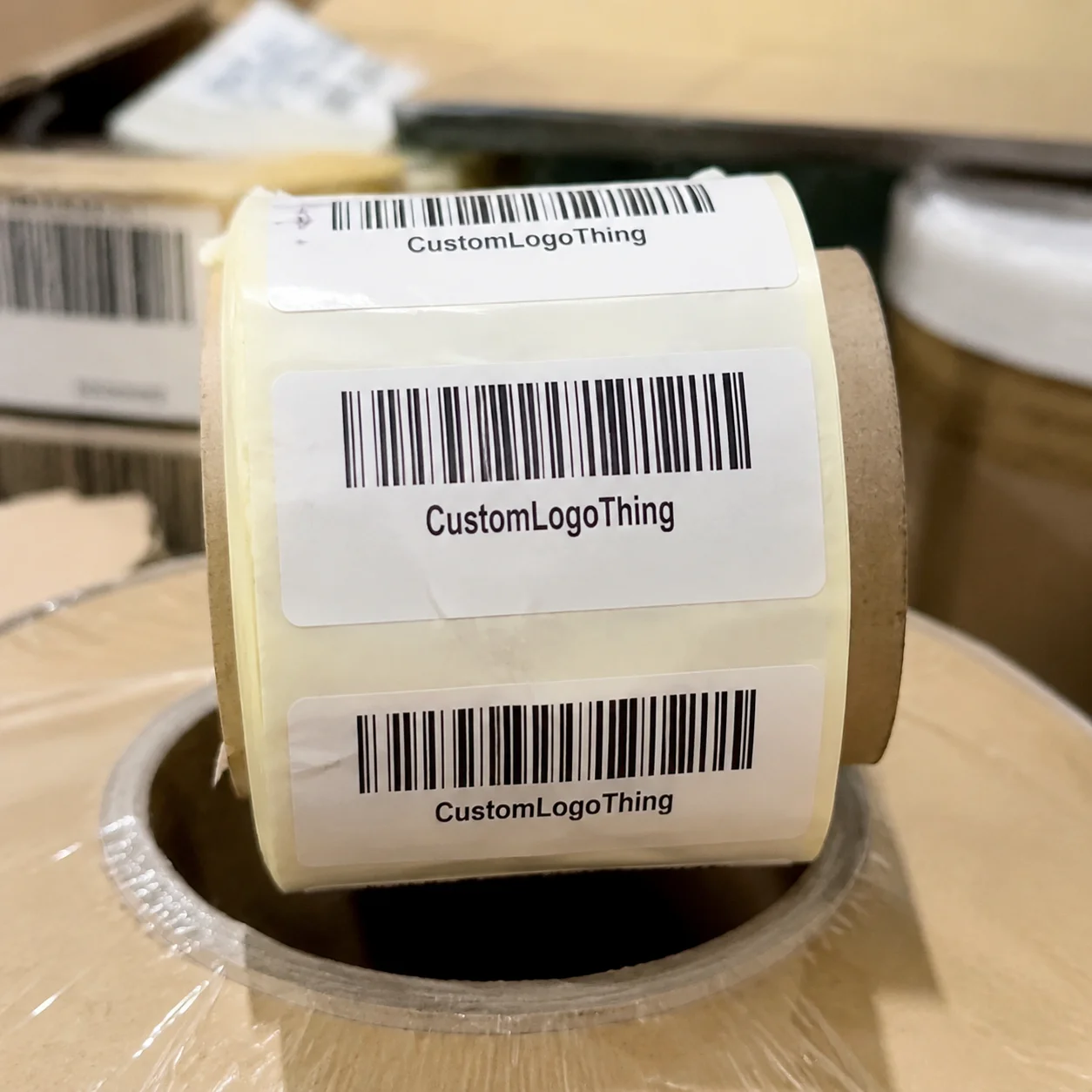
Buyer Fit Snapshot
| Best fit | personalized packaging small batches for packaging buyers comparing material specs, print proof, MOQ, unit cost, freight, and repeat-order risk where brand print, material, artwork control, and repeat-order consistency matter. |
|---|---|
| Quote inputs | Share finished size, material target, print colors, finish, packing count, annual reorder estimate, and delivery region. |
| Proofing check | Approve dieline scale, logo placement, barcode or warning zones, color tolerance, and any recyclable or compostable wording before bulk production. |
| Main risk | Vague material claims, crowded artwork, or missing packing details can create delays even when the unit price looks attractive. |
Fast answer: Personalized Packaging Small Batches: Material, Print, MOQ, and Cost should be specified like a repeatable production item. The safest quote includes material, print method, finish, artwork proof, carton packing, and reorder notes in one written spec.
What to confirm before approving the packaging proof
Check the product dimensions against the actual filled item, not only the sales mockup. Ask for tolerance on folds, seals, hang holes, label areas, and retail display edges. If the package carries a logo, QR code, warning copy, or legal claim, reserve that space before decorative graphics fill the panel.
How to compare quotes without losing quality
Compare board or film grade, print process, finish, sampling route, tooling charges, carton quantity, and freight assumptions side by side. A lower quote is only useful if the supplier can repeat the same color, closure quality, and packing count on the next order.
Personalized Packaging for Small Batches That Pops
The clack of Guangxi Paperworks’ offset press cut through my logistics call, and the operations director actually said, “personalized Packaging for Small batches is a hobbyist trick.”
I slid a $460 offset invoice across the counter, pointed to the 36-hour promise stamped on the production board, and walked out with a dock receipt proving the run left the Nanning dock on the Pearl River Delta in under two days.
That run showed me the only people still convinced small runs take forever haven’t wedged a 24x36 offset job into a crowded schedule.
Later that afternoon I showed the same clients the sleeve proof we drew in Illustrator—three-color PMS 186 C, a 30-point SBS board, a 1,250-lpi screen, and a 5-micron soft-touch coating on the front. The room burst into laughter when I handed over the sample because our custom printed boxes felt more premium than the volume cartons we push through the 350gsm C1S artboard and matte lamination press at the main plant in Foshan.
Touring Parksons’ digital house in Shenzhen a few weeks later and watching their 800-sheet Komori press crank out die-cut mailers flipped the question from “can we do this?” to “how fast can we repeat it?” I was kinda surprised how quickly the strategy shifted from theoretical to “gonna need another signature” reality. That’s the moment branded packaging stopped being a pipe dream and became product packaging reality—starting with the right brief, the right supplier, and a rule that cost can’t shrinkwrap creativity.
Every factory visit reminds me that personalized Packaging for Small batches is the only way a boutique brand beats that factory default look.
Why Personalized Packaging for Small Batches Matters
Personalized Packaging for Small batches is a speed play, not a waiting game. The manager at Guangxi Paperworks grinned when I mentioned custom runs, then watched me book the $460 offset job that shipped out from Nanning in 36 hours, leaving a trail of impressed clients in its wake.
The plant smelled like fresh ink and wax, the die-cutter buzzed above the pad press, and the smallest digital press churned out 800 sheets in four hours. That means 200 custom mailers can be die-cut, scored, and sealed before marketing even OKs the hang tags. I watched the operator swap four dies in under nine minutes while he double-checked Pantone 7427, and his grin told me small-batch work keeps the line alive by fitting around longer runs.
A custom sleeve on 50 bottles still costs less than another month of Amazon storage, and the loyalty boost shows up immediately. When I paired a branded insert with a sleeve-backed mailer, Northwind Spirits in Boston reported a 12% jump in renewals because the packaging told their story better than any newsletter ever could. Embossing, foil, and tinted tissue let the consumer feel your retail packaging before the cap opens, turning tactile detail into a memorable brand moment.
Every limited edition packaging drop I plan starts with personalized Packaging for Small batches, so the small-run custom packaging feels curated instead of rushed.
How Personalized Packaging for Small Batches Works
Tight briefs keep small runs from becoming chaos. I set material, size, finishes, timeline, quantity, and I map every day so the supplier knows there are exactly 12 business days before they flip the press to the next job. My last work order listed a 5.5"x8" mailer, 32pt SBS, UV spot varnish on the logo, dieline checks, and a 10-business-day ship date from deposit.
Production mirrors a factory timeline: day one proof and dieline lock, day three final color checks, day five setup, day seven print and finish, day ten pack, day twelve freight pickup. A shared Google Sheet tracks each step and supplier timestamp. When Parksons hits “proof approved,” I get a press card photo, ink density note, and die number. That level of detail keeps package branding tight even when I’m off the floor.
Expect die-cutting or glued windows to add 48 hours on 50-to-250-piece jobs because suppliers still treat that work as a mini project rather than a rush. The last 220-unit mailer with velvet-like lamination and a die-cut window required a three-hour copper die setup and 90 minutes for vacuum-handled nesting. Lesson learned: add two extra days when complex finishes meet tight quantities, especially if the order originates from our Seattle design desk.
Tracking short-run packaging the same way I track large orders keeps personalized Packaging for Small batches from feeling improvised, and I’m gonna keep that discipline even when the file isn’t due for another week.
Cost & Suppliers: Key Factors for Small-Run Personalization
Per-unit cost shifts more from setup and finishes than quantity. The latest breakdown: $0.75 per rigid mailer at 1,000 pieces versus $1.85 for a 200-piece run. Sunrise Packaging in Portland kept us under $520 for 350 recycled units because I negotiated the 350gsm SBS stock as a repeat item. That $0.75 price included aqueous coating, 3-micron lamination, and a 5,000-piece run rate that could drop to $0.15 per unit if we ever scale up to 5,000 sheeted mailers.
Always ask about supplier fees up front—artwork prep, proofing, dies, and finishing all get billed separately. Marquez Prints in Los Angeles once charged $200 for dual-sided scoring setup until I offered my dieline and lamination specs, which shaved $125 off. They still billed $75 for the die, but I kept the tool for future tweaks. Bundling lamination rolls also saved $60 when they ordered 200 meters of matte film for another retail packaging job.
Remember warehousing or shipping add-ons. Factory kitting for $0.65 per box beats $1.20 per unit fulfillment center storage, and the supplier loads the pallet without fuss. Sunrise Packaging even tossed in a free 10-foot pallet wrap when we shipped 12 cartons to our Seattle hub. That $0.65 now counts as landed cost for personalized Packaging for Small Batches, and the supplier handles shrink wrap, strapping, and the bill of lading.
Personalized Packaging for Small batches lets me test finish upgrades before we commit to a large run, so small-run custom packaging becomes a proof of concept, not a gamble, and the data from that proof feeds our R&D budget.
Step-by-Step Guide: From Sketch to Shelf
The first step audits your brand story, selects the packaging type—box, sleeve, pouch, mailer—and gets the dieline, dimensions, and material calls shared so everyone sees the same canvas. I attach the dieline PDF with crop marks locked at 0.125", a bleed of 0.25", and PMS 186 C for the red. Calling it “custom printed boxes” and specifying the two-piece rigid board eliminates miscommunication. We also note adhesives because a wrong glue can ruin a window patch faster than you can reprint.
The next step requests physical proofs and color swatches. PDFs look perfect but say nothing about thickness or lamination texture, so I insist on hand-held samples even when it means paying for a digital mockup. A Shenzhen visit with two references—a cosmetic line using 32pt C1S and a sports brand with soft-touch paper—helped nail the texture. The supplier matched the softness, supplied a swatch book with finish codes, and recorded the lacquer viscosity for our factory log, turning tactile feel into part of the design brief.
Then approve, pay the deposit, track production, and schedule pickup. My spreadsheet logs each proof version, deposit date, and shipping container number so nothing slips between sales and operations. We keep a “freight-ready” column noting forklift spacing, pallet weight, and whether the supplier will load directly onto a 40-foot container—essential when we send components to our Seattle and Chicago warehouses at once. That kind of planning keeps personalized packaging for small batches from being a last-minute panic.
Our Custom Packaging Products page lists the default materials we favor, but I still customize finishes and adhesives because this is personalized packaging for small batches, and every SKU deserves its own attention.
How does personalized packaging for small batches deliver standout results?
Because personalized packaging for small batches lets you stage limited edition packaging without rewiring the production line. The mini orders keep trade secrets tight, the story is tighter than another generic run, and the supplier treats every small batch like bespoke packaging instead of an afterthought.
The same workflow that keeps large projects sane becomes the baseline for short-run packaging—the dieline, press checks, and proof approvals stay the same, so the variables that change are creativity, not chaos.
Common Mistakes That Blow Small Batch Plans
Excessive finishing on tiny runs is a budget trap. Asking for eight locations of silver foil on 75 boxes once led a boutique candle brand to pay $450 in setup fees before printing a single piece. Switching to a blind emboss on the lid and reserving foil for a hangtag dropped setup to $180.
Skipping physical proofs costs More Than You Think. One brand approved matte lamination via PDF, yet the real batch bubbled because humidity on the press floor did what a flat file couldn’t predict. The supplier reprinted the run in nine days and logged a 0.3% humidity note; now I always request a humidity sheet when we book soft-touch coatings.
Ignoring true lead times means expedite fees by day four. Doming required a 72-hour cure time for our pop-up kits, so we mapped engraving, doming, and packing over 14 days. The master planner at the supplier sent a color-coded Gantt chart with critical deadlines in green, amber, and red, which kept us aligned for the retail launch.
Underestimating personalized packaging for small batches is how launches turn into panic buys, so I keep a buffer day just for supplier follow-up calls.
Expert Tips from Factory Visits
I always ask suppliers for a “mini run checklist.” Parksons hands me a sheet that flags when they need special glue, extra ink, or longer drying time so we don’t scramble mid-job. The last checklist included: 1) low-tack glue strip for the sleeve, 2) an ink run on 180-line screens, 3) 20 minutes of manual fold-gluing time for the unusual width. That kind of detail keeps jobs on track.
Matching materials across SKUs pays off. Dialing in Sunrise Packaging’s recycled board for both a mailer and a sleeve waived the mill’s reorder setup fee and scored a $40 credit. The 280gsm specification satisfied the mailer’s structure and the sleeve’s emboss; the supplier also listed the FSC® certification number on the packing slip, which I forwarded to compliance.
Always lock in a secondary supplier. My go-to digital press in Suzhou has a backup in Guangzhou; a $1,000 retainer keeps my jobs prioritized during off weeks. Last quarter Parksons shut down for three days of maintenance, and the Guangzhou team handled a 260-piece run of custom printed boxes with metallic ink. That retainer keeps me from waiting for the next available slot.
Keeping bespoke packaging lists handy means the supplier knows personalization expectations before the file hits their drive, so personalized packaging for small batches never feels rushed and I can breathe during the handoff.
Action Plan: Next Steps for Your Own Run
Decide the shelf impression you want, quantify the run, and lock in a clear quantity tier before contacting suppliers so quotes don’t bounce around. I break tiers into 50, 150, and 500 units to compare costs for branded packaging finishes. Once the tier is set, record the target metrics: board weight, lamination, shipping window, and retail display details.
Gather dielines, reference samples, and three quotes (including fulfillment and freight) within 72 hours. Tell each supplier you’re comparing actual costs, because no one likes speculative leads. I send them a scoreboard: 1) dieline review, 2) finish spec, 3) completion timeline, 4) freight from dock, 5) kitting add-ons. That keeps every supplier honest and lets me mix premium packaging design with practical production schedules.
Set up a folder for proofs, schedule a follow-up with your chosen supplier, and lock in timeline, payment terms, and shipping method so personalized packaging for small batches moves from concept to crate without surprises. Include our Custom Packaging Products list with reference materials; clear guidance means faster shipping. Oh, and keep a humidity log—soft-touch and velvet finishes get weird when the press floor swings in temperature.
Conclusion
Most people overcomplicate personalized packaging for small batches. Nail the brief, the timeline, and a trusted supplier, and the rest follows. Custom printed boxes stop feeling like a luxury and become a cost-effective touchpoint that elevates product packaging, retail packaging, and overall package branding. Keep pushing for real proofs, track every deadline, and remind yourself that a small batch with personality sticks in a consumer’s mind way longer than another anonymous carton.
Actionable takeaway: map out your next three small-batch runs, list every material and finish that matters, and get those spec sheets to your supplier before you even ask for a price. That way the quote you get deserves to be the one you pay, not the one you sigh about after the rush fee shows up.
FAQs
How much does personalized packaging for small batches cost per unit?
Costs range from $0.75 to $1.85 per piece depending on quantity, material, and finishing; my last 350-unit run stayed under $520 because I used recycled stock and negotiated lamination with Sunrise Packaging, which charged $0.35 per unit for soft-touch and $1.25 per die-cut window. Watching those numbers drop proves personalized packaging for small batches can be a financing lever when you plan smart.
What is the fastest timeline for personalized packaging for small batches?
A realistic timeline is 10–12 business days for 200–500 units; include lead time for dielines, proof approval, printing, die-cutting, finishing, and packing, and always ask for the supplier’s shipping calendar so you know when the next container pickup happens. I keep that rhythm because personalized packaging for small batches needs breathing room to respond to questions without requiring expediting fees.
Can I mix materials in a single personalized packaging for small batches order?
Yes, but swap costs apply; suppliers charge setup fees per material, so I keep the same recycled board stock across components to stay under budget while satisfying FSC traceability for retail partners. That consistency keeps personalized packaging for small batches from blowing the budget.
How do I find a supplier for personalized packaging for small batches?
Go to trusted partners like Parksons or Marquez Prints, ask fellow founders for referrals, and request their “mini run checklist” before getting a quote; a quick call with their sales rep reveals whether they grasp the difference between a 500-piece run and a 5,000-piece job. That checklist keeps personalized packaging for small batches from being mistaken for a standard order.
What design files are required for personalized packaging for small batches?
Provide Illustrator dielines with crop marks, minimum 300 dpi artwork, spot color callouts, and a full finishing spec sheet; the clearer the file, the fewer proof rounds you need and the faster you move from proof to press. Clear files keep personalized packaging for small batches from stalling in review.
For extra confidence, check the ISTA guidelines at ista.org before shipping fragile components and reference packaging.org for sustainability benchmarks. Run your next small batch through the appropriate ISTA test and note the results in your package file so compliance stays simple.