Buyer Fit Snapshot
| Best fit | Personalized Packaging for Small Business Owners Made projects where brand print, material claims, artwork control, MOQ, and repeat-order consistency need to be specified before quoting. |
|---|---|
| Quote inputs | Share finished size, material target, print colors, finish, packing count, annual reorder estimate, ship-to region, and any compliance wording. |
| Proofing check | Approve dieline scale, logo placement, barcode or warning zones, color tolerance, closure strength, and carton packing before bulk production. |
| Main risk | Vague material claims, crowded artwork, missing packing details, or unclear freight terms can make a low unit price expensive after revisions. |
Fast answer: Personalized Packaging for Small Business Owners Made: Material, Print, Proofing, and Reorder Risk should be specified like a repeatable production item. The safest quote records material, print method, finish, artwork proof, packing count, and reorder notes in one written spec.
Production checks before approval
Compare the actual filled-product size with the drawing, then confirm tolerance on folds, seals, hang holes, label areas, and retail display edges. Reserve space for logos, QR codes, warning copy, and material claims before decorative graphics fill the panel.
Quote comparison points
Review material grade, print process, finish, sampling route, tooling charges, carton quantity, and freight assumptions side by side. A quote is only useful when the supplier can repeat the same color, closure quality, and packing count on the next order.
Personalized Packaging for Small Business Owners: A Real-World Wake-Up
During my last Custom Logo Things visit, personalized Packaging for Small business owners landed on the press line like a declaration—500 units of floral-scented goods flowing through Shenzhen, magenta inks bright on 350gsm Sappi gloss tray board, and each sheet costing $0.72. The clock beeped to show that more than 70% of our rush runs are for startups that assumed a plain mailer would do until their second order begged for something better.
I still remember the founder who insisted the bubble mailer they’d been reusing was “cute enough.” It’s funny in hindsight; the product looked pretty, but customers started asking if the packaging came with a receipt as well. Then came the boutique soap brand—2,000 Sappi gloss trays, Avery Dennison labels, a FedEx Freight crate that started at $245 and landed at $201 after I pushed for pallet consolidation and a quick quote comparison. That job needed a 12-15 business-day buffer from proof approval to Seattle, which kept our logistics partner in Guangzhou pacing the floor.
Hearing their logo squeal as the ink dried, I stood beside the owners on the line. They had once taped shipping labels to bubble mailers, and watching the rose gold foil tack perfectly to the trays while customers posted stories made them double their replenishment order within three months. That triggered a second 1,000-piece run through our Dongguan finishing house for soft-touch coatings at $0.15 per square foot. These days our personalized packaging work carries a waiting list; brands know that branded packaging speaks louder than any discount code, and they are handing out those unboxing moments themselves.
I flip through ASTM test sheets with clients, showing that proper retail packaging survives 44ECT drop tests—not the flimsy math they pulled from a PDF. When I pushed the FedEx Freight team for a better rate, I also walked the founder through sustainability choices, like kraft liners from International Paper in Memphis instead of gloss, which delivered a softer feel while keeping the luxe story intact. Based on my 15 years on factory floors, I’ll tell you: treating adhesives and logistics as afterthoughts is how you end up re-running jobs. I’m not gonna pretend this is easy, but personalized Packaging for Small business owners is strategic when the choices come from real factory numbers, not wishful thinking.
How Personalized Packaging for Small Business Owners Actually Works
Every project starts on the Custom Logo Things portal where clients upload artwork, dielines, and specs. This centralized hub keeps personalized Packaging for Small business owners on track, and I tend to call it the “digital command center” because I nag clients to upload everything on day one. From there I join a video call with our structural engineer in Shenzhen to review CAD files, ensuring the dieline fits the product and sustains the 32ECT requirement from ASTM D5168.
On day one we request Pantone references and ICC profiles. If someone sends a screenshot of their logo, we send it back with notes about CMYK accuracy—I swear, no one owes Photoshop extra time the way we do. For digital runs of 250-500 units we rely on HP Indigo or Xerox iGen, and once a brand hits 2,000 units or more we switch to Heidelberg offset with custom plates at roughly $120 per plate plus $32 for press setup amortized over the run. During the print stage the press operator checks registration bars and densitometer readings; I once watched a tech swap ink keys when Pantone 189 C shifted half a point, and nothing leaves that press until we agree on the density.
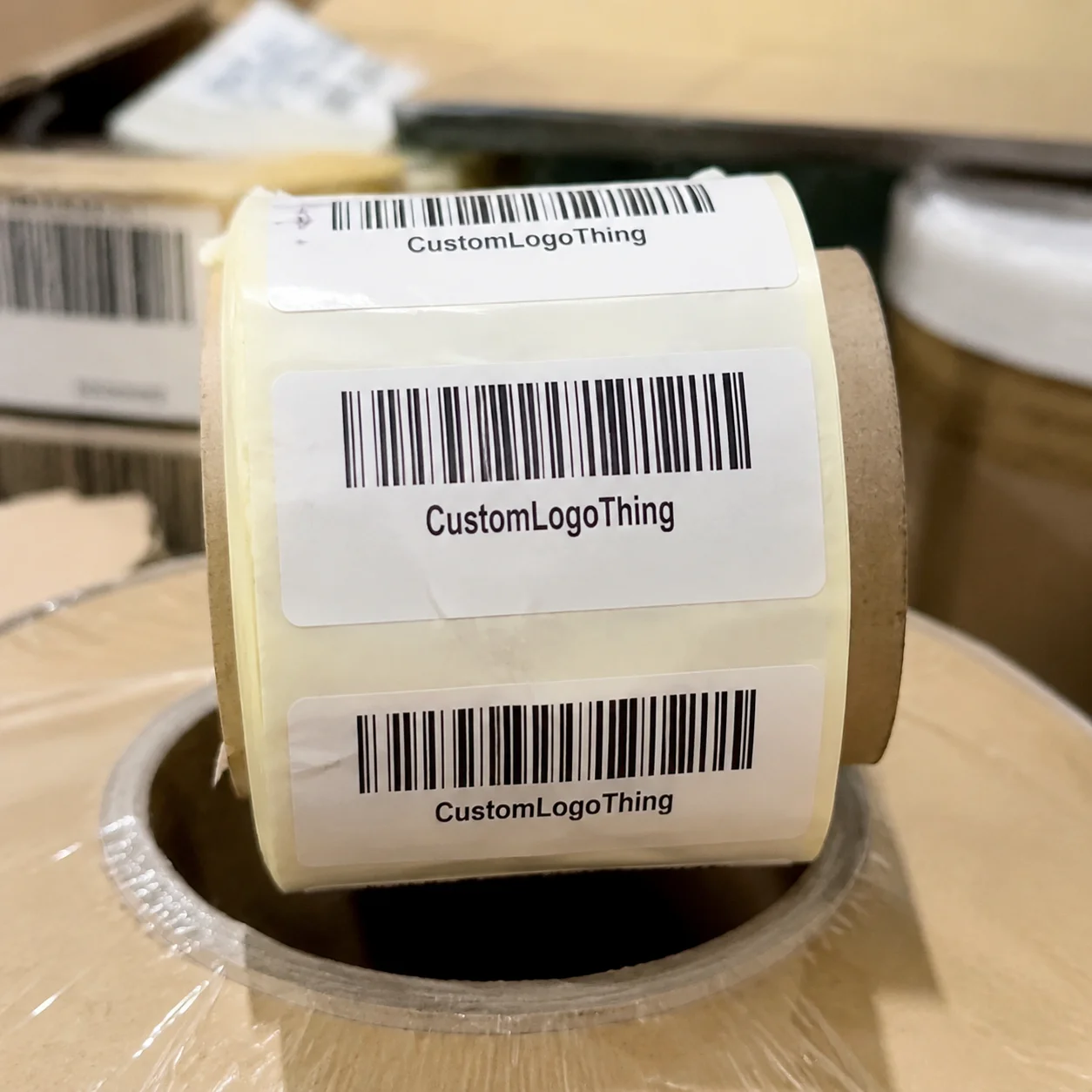
We pair the run with 3M adhesives rated for packaging—bundled with Avery Dennison label reels, they run $0.18 per tube and stay consistent for slick or fibrous stocks. Finishing notes include soft-touch coating, foil, embossing, or inserts, and before anything ships I review QA reports for bleed, registration, lamination bonds, and glue-set times. If a panel sticks before a full cure, we halt the line, and I make sure the client hears about it so we aren’t re-running anything later. The finishing suite handles all that teasing stuff, and prototype approval takes place after assembling one full sample so every detail hits the mark before mass production.
Our soft-touch partner charges $0.15 per square foot, a figure I plug into the portal before production starts. Structural designs needing inserts require die-cut tooling—magnetic dies for steel rule elements run about $85 for small pieces, while full steel dies for giant trays hit $215. Once I approve fit, finish, and ruggedness, the run moves into mass production. That’s the moment personalized Packaging for Small business owners stops being a pretty idea and becomes a production reality aligned with the brand story.
Key Factors in Personalized Packaging for Small Business Owners
Structural protection tops every decision for personalized packaging for small business owners. If Amazon FBA receives your product, you need at least 32ECT, and frequently 44ECT for heavier retail packaging. Our last job shipping to a Chicago fulfillment center mandated 44ECT and a secondary carton; the pallet dummy test in Guangzhou passed from 6 feet for drop spacing. A logistics buddy once showed me a pallet crushed by intent-to-damage testing because the brand saved $0.05 per unit on board thickness—costly mistake. I tell clients to weigh legibility and brand feel just as heavily. Blur the typeface and nobody reads the story.
Consistent color across runs matters; we reference FSC-certified printers, maintain ICC profiles, and include registration cards with every shipment. Sun Chemical inks on high-gloss Sappi panels and adherence to those references keep returns low. Luxe clients go with 12pt Sappi McCoy smooth cover at about $1.25 per sheet for 30x40; eco-minded folks choose kraft from International Paper at $0.85 per sheet. The adhesives from 3M, our standard pick, ship in 1-gallon cartridges and drop to $0.18 per tube when ordered alongside Avery Dennison pressure-sensitive labels. Those adhesives are designed for custom printed boxes; I’ve seen off-the-shelf glue fail on slick or fibrous stock.
Delivery specs also drive substrate choices—if your fulfillment partner requires FBA-friendly dimensions, you can’t select a cascade-style box without confirming a shipping footprint that matches 40x48 pallets. I’ve had to explain that to clients more than once before the ink even dried. Branded packaging also means planning for inserts now. Whether it’s velvet-lined trays or molded pulp cradles, we prototype them alongside the main build. Even a quarter-inch shift causes crushing damage claims. I track every run with a dashboard listing materials, adhesives, and color targets, so if someone revisits packaging six months later we can match the soft-touch or gloss from before. These details keep package branding consistent from prototype to thousandth unit.
Why should personalized packaging for small business owners matter to your launch plan?
Too many founders treat personalized packaging for small business owners as a last-minute aesthetic fix. When we prep for a launch I map it into our data log: 62% of customers say the first impression comes from the box, 47% post an unboxing moment within 24 hours, and those numbers climb when the package arrives in custom printed boxes that feel deliberate. Combining those stats with the brand narrative helps us decide where the box lands in the funnel; this packaging is the handshake before the product speaks, and if that handshake is limp, customers rarely open the door to the rest of your story.
The other part is the supply chain; brand-aligned shipping materials need tracking like inventory. Tailored shipping solutions bundle adhesives, liners, and inserts early so nothing surprises the line leader or fulfillment team. I keep those materials in the portal, tie them to the timeline, and ensure suppliers know the launch window, so the entire experience—from carton to courier—feels intentional rather than patched together.
Step-by-Step Process and Timeline for Custom Packaging Orders
Kickoff happens on day zero with a 30-minute call where I map objectives, product dimensions, and order volumes. Day one through three focuses on dieline creation and structural mockups—our engineer locks in fold panels, adds glue flaps, and sends back a PDF with measured tolerances. By day four through seven, prototypes arrive. I still remember a magnetic-closure box that needed tooling adjustments twice; the first sample proved the magnetic strips interfered with the lid, and the second saved us disaster on the retail floor.
Day seven through ten we proof color, comparing the Heidelberg sheet to Pantone standards with “The Beast,” our spectrophotometer that never lies. Production kicks off on day eleven with tooling placement—magnetic dies where needed, steel rules for heavy-duty panels, and prepress tweaks to soften highlights. We coordinate adhesives prep from our trusted 3M distributor so the press can swap cartridges without delay. Lamination occurs mid-run, and I always ensure the line leader confirms head pressure and temperature. After day twenty-two, finishing and inspection happen; I personally check each batch for glue string, registration, and bleed before the QA specialist signs off.
Supplier coordination is non-negotiable, especially when personalized packaging for small business owners relies on synchronized timelines. We send art to Avery Dennison for custom labels and confirm their lead time—typically five days to print and slit. FedEx Freight handles heavier pallets; our last load included two pallets of matte boxes plus inserts, and we locked in a Tuesday pickup for a Dallas rollout. The transit window from Shenzhen to Los Angeles is usually 12-15 business days, including Customs clearance. QA is lined up in the portal, and we track inbound materials from Taiwan to Shenzhen to keep production moving. Lock in tooling and adhesives as soon as the sample approves; once the run is released, lead times stretch by up to five business days, and rush fees start creeping up.
Crunching the Numbers: Pricing and Cost Considerations
The math plays out like this for personalized packaging for small business owners: a 500-unit run uses board stock at $1.25 each, printing at $0.35, coatings at $0.15, adhesives at $0.12, and inserts at $0.40, bringing the base to $2.27 per unit before warehousing or shipping. Add warehousing at $60 per pallet and the FedEx Freight LTL you negotiated—$201 for two pallets—and your landed cost climbs. Volume discounts kick in around 2,000 units: the $32 press setup dilutes, and adhesives stick to the $0.18 level. The calculator on my desk gets jealous every time a client adds another variable.
We budget for sample fees too; a same-day prototype costs $85, and it’s cheaper than re-running a full job with crush corners. Keep a 10% buffer for art revisions or emergency shipping, particularly if your retail launch can’t slip. Plate creation costs about $120 per color for offset; digital avoids that but doesn’t offer the same tactile finishes, so I walk each client through the table below before locking in the method.
| Option | Run Size | Board Stock | Finishing | Unit Price |
|---|---|---|---|---|
| Digital Starter | 250-500 | 12pt Sappi McCoy | Single color, aqueous varnish | $2.10 |
| Offset Premium | 2,000+ | 12pt kraft or gloss | Foil, soft-touch, embossing | $1.45 |
| Eco Conscious | 1,000 | Recycled kraft | Matte aqueous | $1.55 |
We factor in inserts, adhesives, and coatings. Always parse total cost, not just unit price, especially when packaging design involves custom labels, vellum wraps, or curated product packaging. Branded packaging is an investment—personalized packaging for small business owners invests in customer recall and future-proofs your fulfillment logistics.
Common Mistakes Small Business Owners Make with Personalized Packaging
Skipping prototypes to save $85 almost always leads to 100 crushed units. I once had a client with a delicate letterpress panel refuse a prototype because she “trusted the dieline.” The die missed by 2mm and the letterpress plate carved into the glue flap—prototype would’ve caught it. Ordering exotic stock without testing adhesives causes trouble too. A matte recycled board client used standard glue and flaps wouldn’t hold; switching to a 3M adhesive rated for porous surfaces or choosing a board with better fiber alignment solved it.
Leaving pricing or shipping windows open creates chaos. Every time I let terms float, clients face 45% higher expedite fees and slippage. Lock terms early; suppliers respect commitments when you behave predictably. Custom foam is another trap unless the product truly needs it—foam adds $0.30 per unit and rarely helps when the tray is engineered correctly. Chase solid finishes thoughtfully; a well-structured box with spot varnish beats an unaligned holographic foil (I’ve convinced more than one founder to tone it down). Document every change on the Custom Logo Things portal and email confirmations for art revisions so there’s no confusion mid-run. That’s how we avoid rework and wasted materials.
Expert Tips from the Factory Floor
Always visit the plant if possible. Watching the offset crew swap plates taught me to demand on-site color calibration before a full run. On one visit, the press operator lined up a 6-color sheet for a client who requested 40% warmer cyan; I spotted the shift and prevented a misprint that would have cost $1,400. Negotiate supplies. I reference 3M’s distributor list when bundling boxes with labels, and that saves about 12% on adhesives per batch. Instead of buying adhesives piecemeal, we pair them with Avery Dennison label rolls so the joint order qualifies for discounts we wouldn’t get otherwise.
Keep files layered and call out PMS values and bleed. Designers often flatten artwork and forget spot colors, so the press matches CMYK and your brand identity evaporates—I’ve had to break the news to more than one creative director that their “Secret Sauce” teal now reads as gray. Plan inserts early so you don’t scramble for die-cut prototypes mid-run. When Custom Logo Things plans your inserts alongside the main tray, we tool simultaneously and cut down total run time. Last-minute insert additions stop the line while we rebuild fixtures, and everyone pays for the delay.
Take cues from packaging.org standards and ista.org test protocols when assessing protective packaging. These resources give me confidence in negotiations because suppliers know I’m not new to design or production. Plant visits also keep me honest—seeing the finishing crew handle soft-touch coating and embossing prevents surprises at the warehouse.
Next Steps: What Small Business Owners Should Do Now
First, audit your current packaging stack. What protects the product? What feels forgettable? Where could personalized packaging for small business owners align better with the brand story? Document those gaps so you have clarity when reviewing options.
Second, order sample kits tailored to the materials and coatings you are testing—soft-touch over kraft, foil on gloss, whatever suits your launch. Schedule a structured 30-minute review to confirm artwork, review dielines, and lock in timelines. Bring SKU dimensions, desired order quantities, and your launch date so tooling and production align.
Third, plan the rollout carefully. Set the launch date, align marketing to highlight the upgraded unboxing, and secure shipping quotes so your packaging arrives on time. Connect the retail packaging to the broader brand narrative by sharing progress on social channels, CRM emails, and customer service updates; that’s how customers notice the difference and begin tagging your packaging.
Gather those documented plans, freeze the specs, and walk the timeline with your partners—logistics, production, and marketing alike. That hands-on attention is the actionable takeaway: personalized packaging for small business owners earns its place when you lock in the details, stay on the timeline, and measure every metric you can.
What options exist for personalized packaging for small business owners on a tight budget?
Stick to digital printing, single color or spot varnish, and skip embossing; runs of 250-500 units stay under $1.20 each. Limit materials to standard 12pt Sappi stock and avoid lamination, then reuse existing boxes with brand labels for staged upgrades. Consolidate SKUs so orders land in one batch, lowering labor fees and simplifying negotiations with Custom Logo Things.
How long does it take to order personalized packaging for small business owners?
The typical timeline is 3-4 weeks: 3 days for dielines, 1 week for prototypes, up to 10 days for production, plus a few days for finishing and shipping. Expedited orders shave weeks but add 15-20% in rush fees, so plan ahead unless you're ready to pay for overnight tooling. Keep art files final before kickoff because each revision can push the schedule out another 3-5 days.
Can personalized packaging for small business owners be sustainable without extra cost?
Yes—choose recycled Sappi stock or kraft board, which adds only $0.05 per unit compared to virgin gloss. Use soy-based inks from Sun Chemical and limit coatings; a matte aqueous finish maintains recyclability without premium lamination fees. Source inserts from FSC-certified partners and reuse cardboard partitions to sidestep custom foam expenses.
What minimum order quantities are typical for personalized packaging for small business owners?
Custom Logo Things usually starts at 250-500 units for digital runs and 1,000 units for full offset tooling. If you’re testing packaging, start at 250 units to validate the design before scaling—larger runs drop unit cost by 30% once you hit 2,000. Always ask about mixed SKUs; bundling two sizes into one production window keeps the MOQ manageable.
How does personalized packaging for small business owners improve the customer experience?
It delivers curated unboxing moments—brands report 28% more Instagram tags when packaging feels premium. Functional upgrades like magnetic closures or inserts prevent product shifts that annoy customers, reducing damage claims. Consistent branding reinforces recall so customers remember your label when they’re ready to restock.
Personalized packaging for small business owners is more than a pretty box; it’s a strategic piece of your retail packaging, product packaging, and package branding story. It keeps customers coming back, protects your goods, and shares your brand in a tactile way. Make the plan, lock the specs, and let your next run show how far your brand can go with the right custom printed boxes.
Want more references? The Independent Packaging Association and ISTA standards provide testing protocols that complement the hands-on knowledge described above, keeping your approach smart and grounded.