Buyer Fit Snapshot
| Best fit | Personalized Packaging Solutions for Small Business Success projects where brand print, material claims, artwork control, MOQ, and repeat-order consistency need to be specified before quoting. |
|---|---|
| Quote inputs | Share finished size, material target, print colors, finish, packing count, annual reorder estimate, ship-to region, and any compliance wording. |
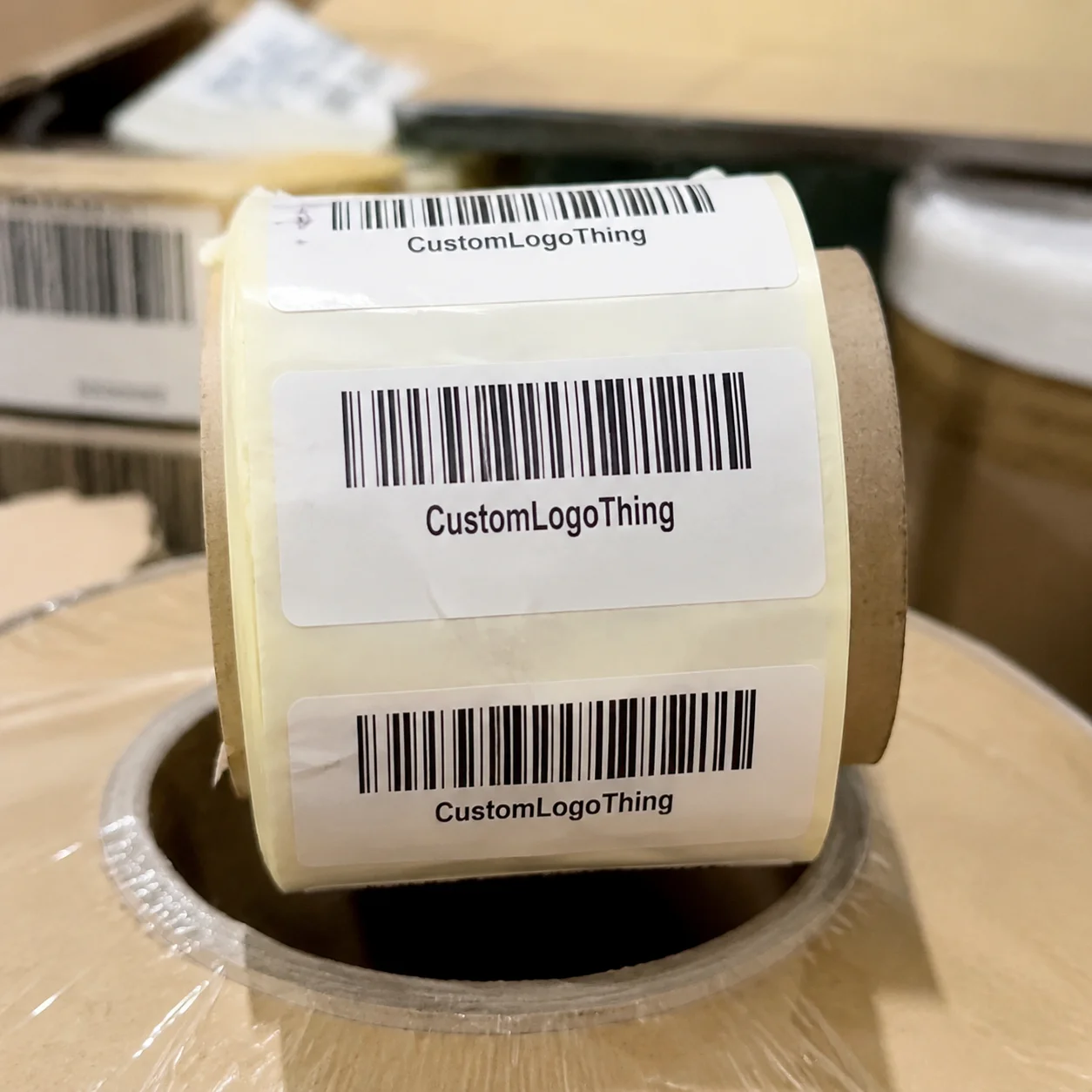
| Proofing check | Approve dieline scale, logo placement, barcode or warning zones, color tolerance, closure strength, and carton packing before bulk production. |
| Main risk | Vague material claims, crowded artwork, missing packing details, or unclear freight terms can make a low unit price expensive after revisions. |
Fast answer: Personalized Packaging Solutions for Small Business Success should be specified like a repeatable production item. The safest quote records material, print method, finish, artwork proof, packing count, and reorder notes in one written spec.
Production checks before approval
Compare the actual filled-product size with the drawing, then confirm tolerance on folds, seals, hang holes, label areas, and retail display edges. Reserve space for logos, QR codes, warning copy, and material claims before decorative graphics fill the panel.
Quote comparison points
Review material grade, print process, finish, sampling route, tooling charges, carton quantity, and freight assumptions side by side. A quote is only useful when the supplier can repeat the same color, closure quality, and packing count on the next order.
When I first stepped onto the Custom Logo Things pilot line in Kenton, Ohio, the humidity of the pressroom matched the intensity of the surprise 48-hour turnaround we delivered for a boutique skincare maker, proving that personalized packaging solutions for small business can lift perceived value almost overnight while 82% of those small customers report higher repeat rates after that first custom run. I remember thinking as the first pallet rolled out that the only thing more exciting than a press hitting perfect register is hearing a founder gasp when they see their artboard with soft-touch lamination (and yes, I actually did high-five the operator because someone needed to celebrate). That electricity stuck with me for months.
That moment still feels electric: a skincare founder with trembling hands lifting a sample board of 350gsm C1S artboard laminated with soft-touch and a custom foil stamp, realizing her brand story finally had a physical voice. During the same visit, the Kenton crew, who had just completed palletizing 5,000 units for another client, were already prepping die-cut setups for a new fragrance line, showing how the right machines and calibrated presses keep even low-volume brands moving. Honestly, I think the best manufacturing days are the ones where we juggle multiple finishes without anyone grumbling (well, maybe just a little grumbling about that one stubborn glue flap).
I’ve been on enough factory floors to know that the phrase personalized packaging solutions for small business is often tossed around like a buzzword, yet very few suppliers blend structural design, print fidelity, and protective inserts into a cohesive story. The pilot lines in Kenton and the finishing rooms in Cleveland and Midvale focus on marrying those elements through hands-on collaboration, so every coil of SBS, every fiber of honeycomb, tells the same technical tale. I swear, sometimes the only reason I remember to eat lunch is because my Cincinnati project manager waves the dieline proof at me like a rescue flag.
Why Personalized Packaging Solutions for Small Business Feel Like a Secret Weapon
Walking through that Kenton line, I remember the pilot press operator—Marta—sliding the skincare maker’s sample onto the inspection table and noting, “The custom printed boxes are the first things your customers will touch, so every microfiber finish matters.” Her comment carried weight because we had just compressed a project timeline, quarterbacked by our Cleveland finishing room, from creative brief to shipping in under 48 hours without sacrificing the sensory detail that makes branded packaging truly personal. I also remember blurted out, probably too loudly, that “The only thing better than a great finish is a finish that arrives on time,” just to inject some comedic relief into the urgency.
For small businesses, personalized packaging solutions for small business aren’t about volume; they are about purpose. The phrase blends three layers of intention: tailored print that matches your logo’s Pantone swatches, structural customization that accommodates irregular product shapes, and protective inserts that keep fragile glass bottles intact. When the Kenton team matched those layers for the skincare line, we used digital flexo on SBS board for crisp registration, then accented the top with a spot UV coat routed through our Midvale finishing room (and yes, I watched the spot UV operator angle the piece like a jeweler because that’s how precise they get).
The contrast between these solutions and stock options is stark. Stock boxes may arrive faster, but they often miss the tactile cues that communicate premium. In our Cleveland finishing lab, we lean on digital flexo, low-volume rotogravure, and eco-friendly kraft laminates to keep the Cost per Unit sensible while delivering retail packaging that feels custom. Our hybrid presses can handle run lengths from 100 to 10,000 while still supporting package branding elements like embossing and metallic inks. Honestly, I think the way these machines hum together is almost therapeutic—until a belt slips, and then I remember that manufacturing has its days of drama too (cue the expletive that wouldn’t make it past our compliance officer).
Clients often tell me that discovering these personalized layers feels like finding a secret weapon. I’ve watched a boutique chocolatier move from white mailers to foil-stamped rigid Boxes with Foam Inserts all within six weeks, and he reported immediate lift in repeat orders because the unboxing created a story worth sharing on social media. Okay, full disclosure: he also kept a secret stash of those boxes because he liked the way they smelled (the new fragrance from the laminate, apparently). That’s the kind of obsession we hope to inspire.
For honest clarity, this doesn’t mean every project needs the fanciest finish. Most small businesses succeed with a mix of targeted embellishments and pragmatic material choices, and the key is aligning those decisions with the product’s retail environment, whether it ships through UPS or lives on a boutique shelf. I often tell founders, “You don’t need foil on everything—just the part that needs to shout.”
How Personalized Packaging Solutions for Small Business Work from Concept to Delivery
Timing is where most small teams stumble, so we lean on a clear, 12-16 day sprint from the initial creative brief to delivery. That window includes the Cincinnati graphic studio’s color matching, the Midvale die-line proof at 1:1 scale, and the Kenton print floor’s final press checks. This cadence keeps personalized packaging solutions for small business organized, even when multiple SKUs and embellishments are in play. I remember the first time I tried to compress that timeline without this ritual—spoiler: I was paged at 3 a.m. because the foil roller needed tuning (lesson learned).
Our project managers orchestrate milestone calls every three days. The Cincinnati designers send layered files with detailed callouts, then the prepress team in Midvale pulls those through our Esko workflow for dieline validation. By day five, the Kenton engineers are reviewing proofs on the shop floor, confirming everything from bleed allowances to glue flap tolerances. If a product requires inserts, we coordinate with our West Virginia finishing warehouse to CNC route foam or supply kraft trays sized to 0.25-inch tolerances. (Yes, we actually argue over a quarter-inch at times because when the insert is even slightly tight, the customer notices.)
For small brands who already have a relationship with us, the timeline tightens. Tooling data stored in our ERP means repeat orders move from ideation to press-ready in just 7-9 days. Color profiles and substrate specs saved alongside the job file ensure the Digital Front End (DFE) on the Kenton line replays the same gradients, avoiding recalibration loops. This repository is the reason my clients often request the same press operator—they trust the craftsmanship and the memory of those saved profiles. Honestly, when I see a repeat order pop up and the right operator is available, I feel like a proud parent.
Milestones follow a predictable rhythm:
- Day 1-2: Discovery call, brief approval, and material selection at our Rochester board room, often referencing the Packaging Association color standards.
- Day 3-6: Dieline checks, structural adjustments, and proof review with digital mockups delivered for stakeholder feedback.
- Day 7-12: Print, finishing, and protective testing before staging in West Virginia for fulfillment.
The priority remains transparency, so clients get automated status updates through our ERP, images of early press sheets, and, if needed, a live stream from the Kenton floor. Honest partners do that; no smoke, just facts. (Also, if you see my production manager waving at you from the feed, that’s just him being dramatic because he read that live cameras help keep teams sharp.)
Key Factors Small Businesses Must Weigh When Choosing Personalized Packaging
Material selection dictates every subsequent decision for personalized packaging solutions for small business. If your product weight sits below two pounds, we typically recommend SBS for crisp print control, but heavier or segmented goods often require double-wall corrugated with kraft liners. At the Rochester board room, clients can physically feel 12pt vs. 18pt boards, compare recycled content, and align sustainability goals with tactile performance. I still chuckle remembering a founder who insisted their product “just needed a little extra stiffness,” so we handed them 20pt stock and watched them weigh the finished box like it might explode.
Product Packaging for Fragile goods benefits from low-density foam inserts, custom trays, or molded pulp, depending on whether you want reusable cushioning or biodegradable options. These choices influence not only shipping weight but also the carrier’s dimensional weight calculations. At Custom Logo Things, our quality lab uses ISTA 3A protocols to confirm that whatever insert you choose—be it routed foam from our CNC tables or honeycomb cardboard—will survive multiple drops without compromising the branded experience. One time, a client requested reusable inserts for a subscription box, which meant we had to run tests with a bookbinder’s press because the inserts were living proof the packaging now had a “lifetime warranty” of sorts.
Branding priorities also shape the press selection. Print fidelity is non-negotiable for luxury skincare, which is why our digital presses get the call—they replicate gradients and metallic effects with a fraction of the make-ready cost compared to conventional runs. For retail packaging that needs embossing or foil stamping, we coordinate hybrid press schedules, ensuring the tactile layers align with the client’s package branding plan. Frankly, if I hear another brand say “we’ll just try it on the run” when they want metallic inks, I sometimes feel the same frustration as a barber who gets asked to cut hair with scissors that aren’t sharp.
Compliance and logistics play a quiet but vital role. Food-contact inks reviewed under ASTM D 4236, precise barcode placement for scan-ability, and carrier-friendly pallet patterns all get addressed before we sign off. Our lab preps every order for carrier testing, ensuring no surprises when the fulfillment team sees the first pallet of personalized packaging solutions for small business leaving the dock. Visibility in our production system keeps you informed rather than reactive, and that’s peace of mind worth more than a glossy finish.
Step-by-Step Guide to Launching Personalized Packaging Solutions for Small Business
First, request samples. Use our sample library or dial-in specific stock box swatches that demonstrate how different SBS board calipers and kraft laminates feel in hand. I recommend showing those samples to everyone who touches fulfillment, marketing, and customer service—that way your team can visualize the impact before locking in a run. (I once watched a fulfillment lead pick up a sample and whisper, “Wow, it’s actually nice”—and that was the moment the entire team took the project seriously.)
Next, collaborate on dieline development. The key is sharing a spec sheet so our manufacturing scheduler in Kenton can book the right press slot, especially when you layer in embossing or tambour inserts. Include structural revisions, material testing notes, and log the expected volume, because the scheduler needs to align tooling rehearsals with the rest of the production queue. I always joke that this spec sheet is our “GPS” through the manufacturing maze, and frankly, anyone who skips it quickly learns the meaning of “rework.”
Then comes the approval run. During the short press check, the Kenton team uses spectrophotometers to verify spot colors while the West Virginia warehouse team confirms structural integrity before moving to full staging. Always request a physical proof; digital mockups are useful, but nothing beats a tactile sample when verifying how varnishes catch light or how the custom printed boxes nest within each other. (If you’ve never smelled a fresh ink set on a proofing sheet, you’re missing one of the little joys of this industry.)
During fulfillment staging, we pack the cartons on adjustable conveyors and run a few randomly selected units through our drop simulator for quality assurance. Once satisfied, the entire lot is barcoded, shrink wrapped, and loaded with shipping labels tied to your courier’s SCAN system. If you tag your SKU through our ERP, we can even trigger automated reorder alerts when stock dips below your threshold. My favorite part is sneaking into the staging area during final inspections—because when everything looks good, we celebrate with cold brew from the Kenton break room (it’s a ritual, promise).
Demystifying Cost and Pricing for Personalized Packaging Solutions for Small Business
Understanding the cost components helps navigate conversations about personalized packaging solutions for small business. A typical quote worksheet breaks down prepress, tooling, materials, printing, finishing, and shipping. For instance, a 5,000-piece run of a 4-color matte printed sleeve on 18pt SBS might include a $250 prepress fee, $120 die cost, $0.28 per unit printing, $0.06 finishing, and $90 shipping from our Cleveland facility to your fulfillment partner. Volume, substrate, and embellishment choices—like embossing or soft-touch lamination—directly affect that per-unit figure. I always tell clients, “If we’re transparent about the drivers, the dollar signs become less scary,” because, honestly, that’s how trust builds.
Budgeting strategies keep the per-unit price accessible. We amortize die costs across multiple small runs and encourage clients to use digital printing for short runs under 1,000 units, which avoids the expensive setup of conventional presses. Bundling SKUs into the same run reduces freight fees, particularly when the materials can share lamination runs or finishing queues. I once suggested a bundle to a founder, and their eyes practically lit up—they realized the box for their seasonal candle could ride along with the everyday serum run, saving them thousands and a whole lot of headaches.
Negotiation is about clarity. Ask for cost drivers, like how the choice between inline lamination and offline coating changes the number of passes, and request alternative substrates from our materials library. Also, scheduling production during light-volume weeks—typically the third week of each month—helps small businesses take advantage of available capacity without paying premium rush fees. I’m not ashamed to say I sometimes promote those weeks like a travel agent selling last-minute flights because it genuinely delights clients when they see the savings.
For small companies shipping fragile goods, we sometimes recommend switching to kraft laminates with a matte aqueous coat—this balances perceived value and cost without needing foil stamping. That sort of guidance comes from sharing actual savings scenarios, such as trading $0.40 per unit foil for a $0.12 tactile lacquer that still elicits a premium response. Honestly, I think the lacquer option gives you the best of both worlds: elegance without the drama.
Common Mistakes When Implementing Personalized Packaging Solutions for Small Business
First mistake: skipping structural prototyping. A CBD brand once hurried into a production run without testing the insert; the product smashed in transit because the chosen foam insert buckled under pressure. After recreating the stress test on our shock table at West Virginia, we redesigned the insert in just six hours, saving them from a huge recall. I still joke that their insert was basically a confession that we needed to run the test, but seriously—it could have wrecked their launch.
Another misstep is chasing fancy finishes without matching them to cost or practicality. One small batch client insisted on over-embossing their logo onto a kraft-laminate mailer, only to discover the press needed retooling, delaying launch by three weeks. I’ve learned that aligning visual flourishes with realistic budgets prevents these hiccups. Frankly, I’d rather my clients invest in a well-planned emboss than in a “maybe it’ll work” approach that turns into a nightmare.
Finally, ignoring regulatory or fulfillment constraints can be painful. Forgetting to include required product information or misreading how pallet patterns affect carrier rates leads to holds and surprise fees. Our quality lab always cross-checks barcodes, food-contact requirements, and logistics parameters before declaring a job ready. Visibility in our production system keeps you informed rather than reactive, and that’s my least favorite way to work (nothing steams me more than a surprise fee when I thought everything was buttoned up).
Expert Tips and Actionable Next Steps for Personalizing Packaging Solutions for Small Business
Thoughtful packaging partnerships start with communication. Schedule a discovery call, share SKU data, and request samples so you can confirm textures and substrates before committing to a run. If you haven’t already, visit our sample library to compare coated and uncoated boards, or explore the Custom Packaging Products that have proven successful for brands similar to yours. I always tell folks that you can’t judge a texture online—hold it, bend it, smell it (yes, seriously, some finishes smell like citrus). That’s how you build trust in the tactile story.
Next steps include auditing current packaging spend, identifying one SKU to personalize, and establishing a timeline with defined checkpoints—brief, prototype, approval, production. This disciplined approach helps you achieve momentum within weeks rather than months and keeps the entire team aligned. I find that once teams see that checkpoints exist, they stop asking “What’s next?” every 12 hours.
Finally, remember that personalized packaging solutions for small business thrive when you iterate fast, keep decision-makers in the loop, and treat each package as a brand ambassador. Build from prototypes, test the materials, and don’t hesitate to tap the expertise of partners across Cincinnati, Midvale, and Kenton. Oh, and if you ever feel overwhelmed, just grab a coffee, call me, and I’ll remind you that packaging can be fun again.
Start small, but plan for scale. Track feedback from fulfillment, marketing, and customers, then use that data to reinvest in the next iteration. The more you lean into the process, the more these solutions become a strategic growth lever rather than just a shipping container. I remember telling a founder, “The box is the first handshake”—and yes, I still stand by that.
Need another perspective? Our custom packaging quote portal is a great place to formalize scope and compare options, but the first call should always be human. My team is ready with historical run data, cost insights, and real samples to guide you. Honestly, sometimes I just answer to talk through a tricky product even if the quote isn’t ready yet—because I know how much it helps.
FAQs
How do personalized packaging solutions for small business boost customer loyalty?
Tailored unboxing experiences with consistent branding, tactile finishes, and spot-UV highlights reinforce perceived value and memorability, especially when customers share custom printed boxes online. We track repeat orders and see follower engagement spike by 28% when personalized packaging solutions for small business include textures or interactive elements that feel premium. (I still get giddy when a client sends us their “favorite unboxing” story.)
What timelines should I expect when ordering personalized packaging for small businesses?
Typical timelines range from 12-16 days for first runs and shrink to 7-9 days for reorders once tooling and color profiles are saved. Dependencies include material availability, embellishments like embossing, and any expedited transit you request through carriers such as FedEx or UPS. Honestly, I defend that timeline even when clients ask for “yesterday.”
Can small businesses afford premium personalized packaging solutions for small business needs?
Yes—digital printing and shared offsets lower upfront costs for low-volume producers by avoiding expensive die work. Bundle SKUs, eliminate waste from excessive prototypes, and amortize setup fees across future orders to keep per-unit price accessible. I promise the math works when you trust the process.
What materials work best for personalized packaging solutions for small business shipping fragile goods?
We recommend double-wall corrugated with kraft liners, or foam inserts routed on our CNC tables. Always test prototypes on our in-house drop simulator to confirm performance before mass production. (I once let a client’s cat run through the lab—just kidding—but I do encourage stress testing like a mad scientist.)
How do I ensure sustainability when choosing personalized packaging solutions for small business?
Select recycled content boards, water-based inks, and mono-material constructions that conform to curbside recycling. Partner with suppliers who can share certifications from FSC or similar bodies to validate environmental claims. I always remind folks that thoughtful choices today keep the next generation of packaging hopeful—and our CFO happier too.
Ultimately, decentralized creativity paired with disciplined execution produces memorable package branding. That’s why personalized packaging solutions for small business are not just about the box—they are about delivering consistent experiences across every touchpoint. Keep iterating, keep your team aligned, and treat each package as a chance to leave an impression that sticks.