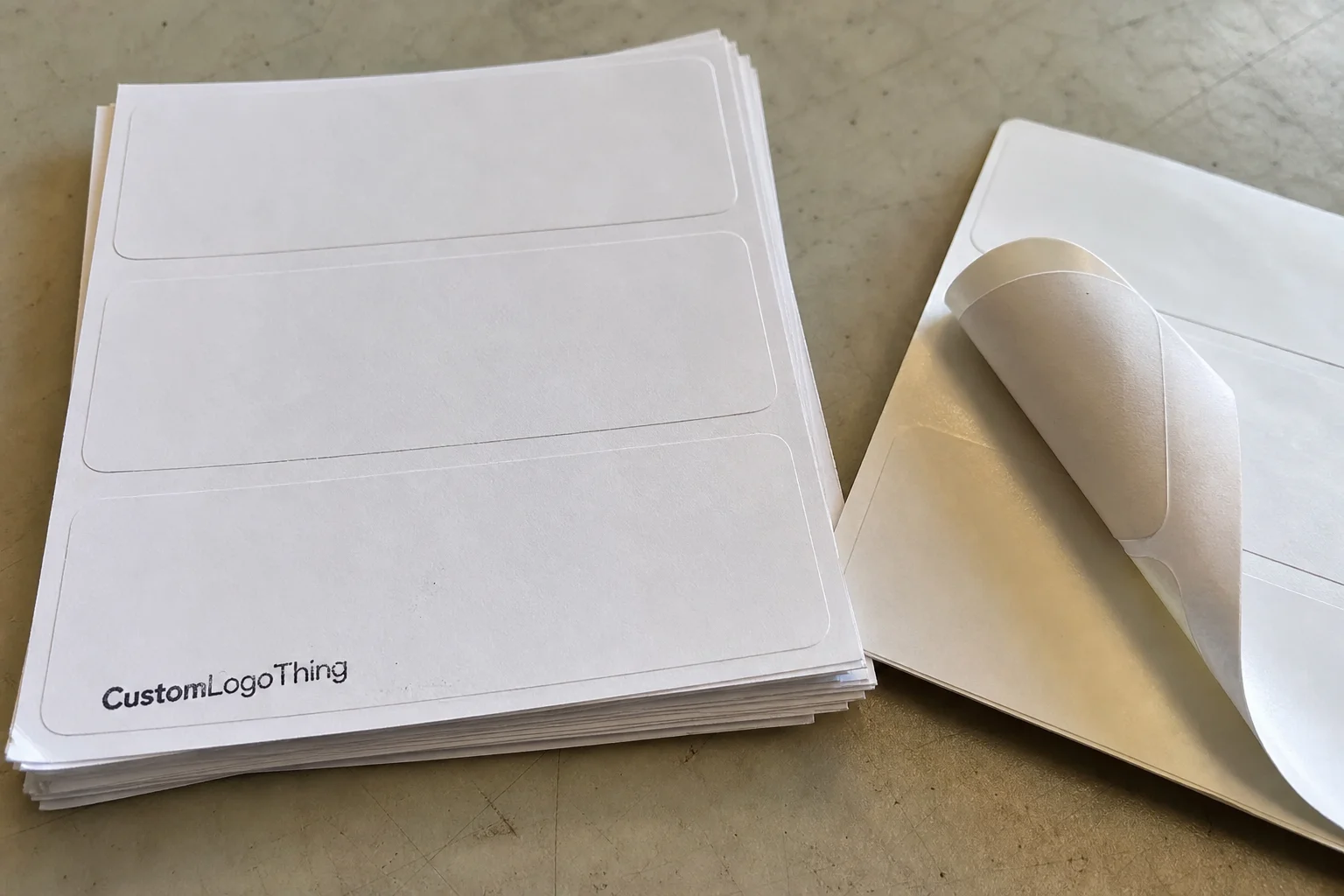
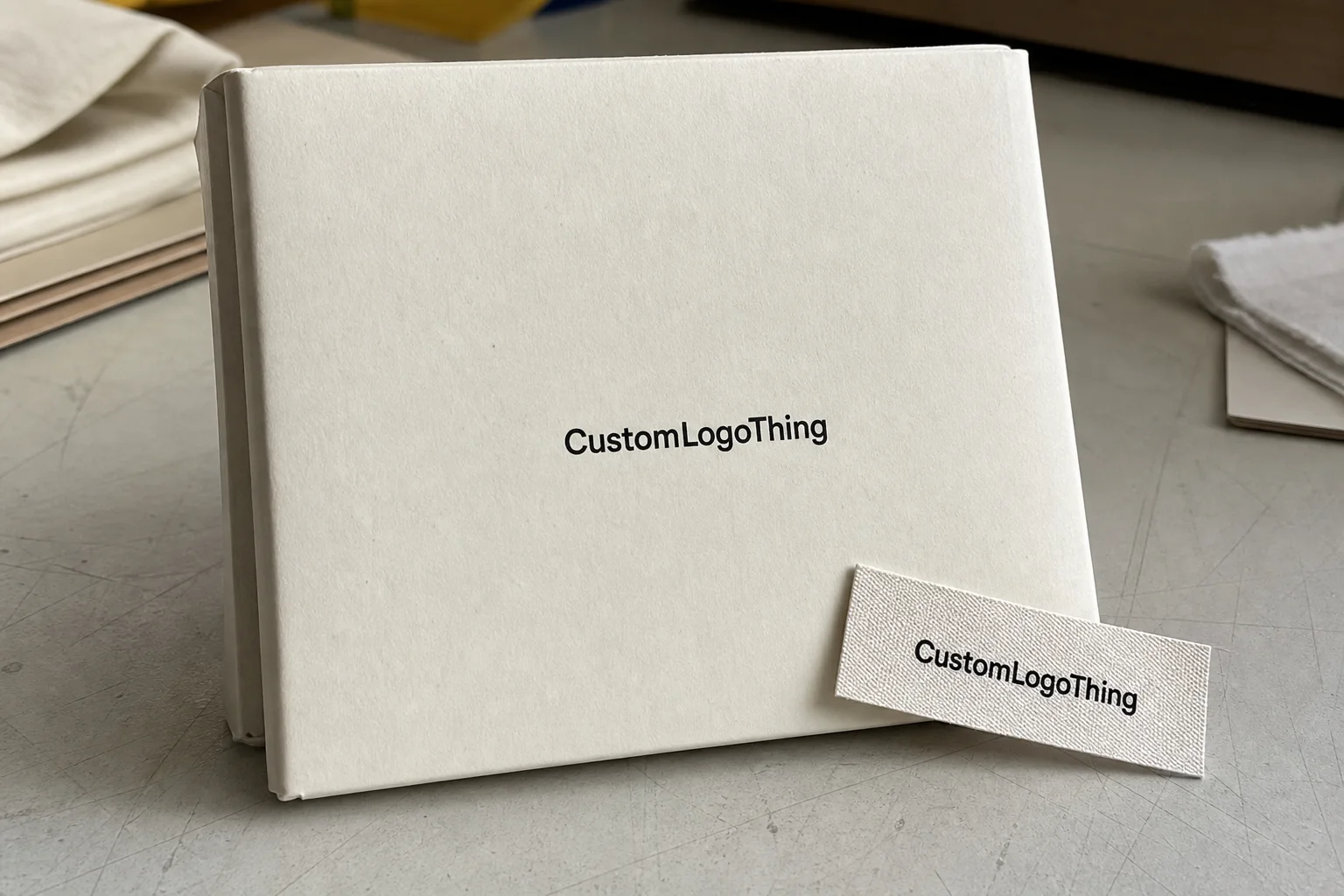
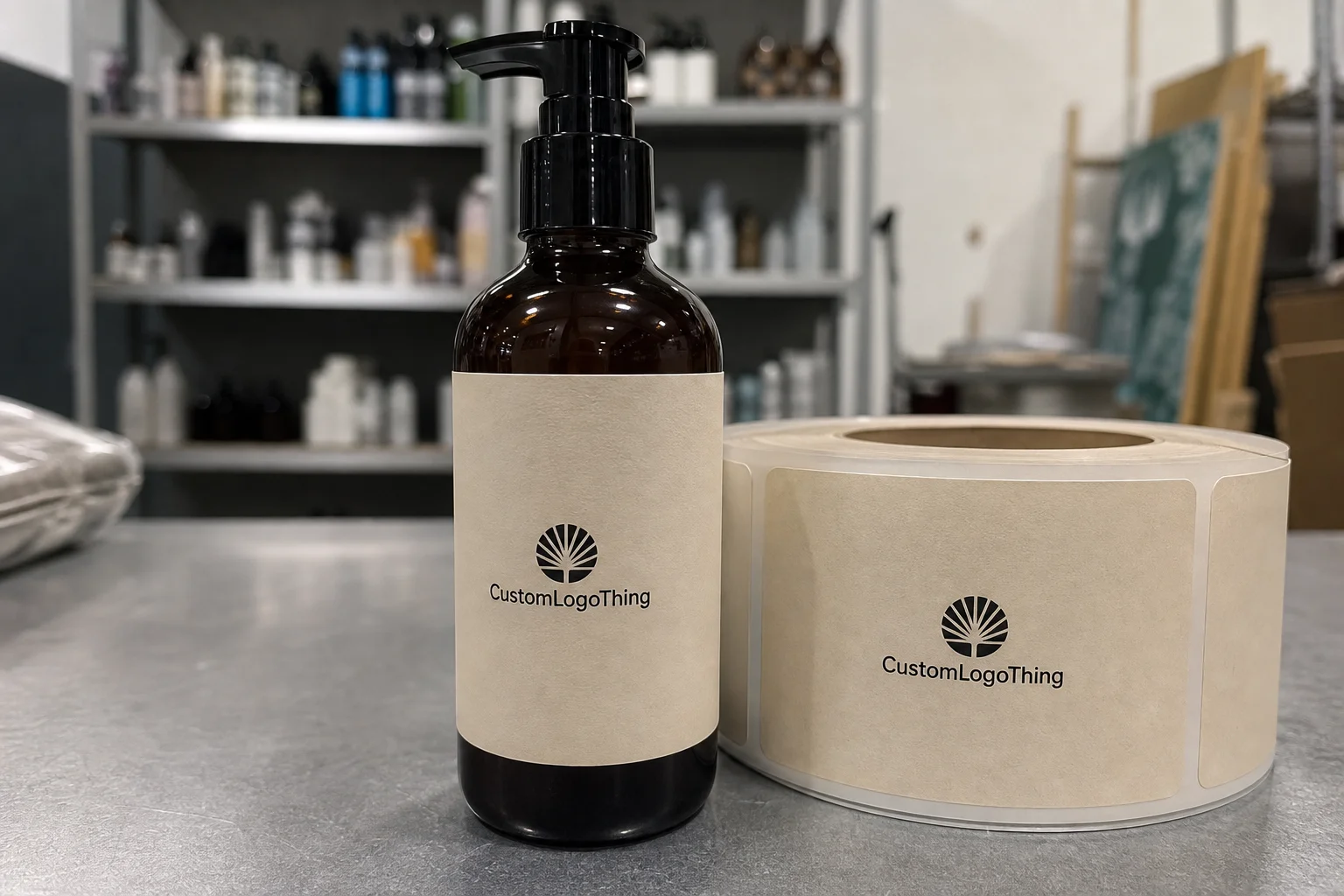
Personalized product labels do more than identify a garment. They change how a piece is read before it is worn, folded, or washed. Two tees can share the same fabric weight and stitching, yet the one with cleaner branding, a better hand-feel, and a more deliberate label placement usually lands as the stronger product. That response is not cosmetic. It is part perception, part comfort, and part trust.
Buyers often treat labels as a finishing detail, then discover they influence compliance, resale value, and repeat recognition. A label can make a garment feel finished. It can also make the whole line feel improvised if the material, size, or placement is off. The smallest line item on the spec sheet can have a surprisingly large effect on how the product performs in market.
That is why label planning belongs alongside fabric selection and trim approval. Once you understand the main constructions, the decision tree is manageable. The challenge is not finding a label. It is choosing one that fits the garment, the customer, and the price point without creating avoidable friction in production.
Why personalized labels matter more than most brands realize
A label can make a product feel intentional or temporary. That distinction matters because customers rarely inspect construction the way a technician would. They notice what touches skin, what they can read at a glance, and what survives repeated wear. If a tag scratches, curls, or fades, the product absorbs that annoyance every time it is worn.
That is especially true for apparel brands trying to move from early-stage to established. A strong label system can make a small line look organized and mature even before the rest of the packaging catches up. A weak one does the opposite. The garment may be well made, but the presentation feels unfinished, and customers pick up on that faster than brands expect.
Personalized product labels also carry functional information. Size, fiber content, care instructions, and country of origin often have to fit somewhere on the garment or attached trim package. In many markets, those details are not optional. Treating labels as decoration creates a predictable problem: the brand story competes with the compliance text, and both end up harder to read than they should be.
There is a practical lesson here. The label is one of the few parts of the product that gets seen in the store, on the hanger, in the drawer, and during every wash cycle. A logo can sit on a hangtag for one shopping moment. A sewn-in label stays in the picture much longer.
A label that disappears into the garment quietly does its job. A label that scratches or peels becomes the detail customers remember for the wrong reason.
How personalized product labels work across clothing production
The process usually starts with a brief rather than a finished design. Good suppliers need the size, label type, artwork, quantity, placement, and intended use before they can quote accurately. If those inputs are vague, the quote is vague too. That is not a sales tactic. It is a sign the supplier does not yet know what the final item needs to be.
Most apparel programs use more than one label type. A woven brand label may sit at the neck. A care label may carry the mandatory text. A size tab may be added at the side seam. Some brands rely on printed satin for softness, while others use heat-transfer labels to reduce bulk. The best system is usually a combination, not a single label doing every job.
Construction choice affects both appearance and comfort. Woven labels hold detail well and usually feel more structured. Printed satin tends to be softer against skin. Cotton gives a more natural, matte finish. Heat-transfer labels sit almost flat, which is useful for activewear, babywear, and garments where a sewn-in tag would feel bulky.
Artwork needs practical editing before it is sent to production. Thin type, tiny legal copy, and multi-color logos can all lose clarity at label scale. A logo that looks crisp in a presentation deck may become unreadable once it is translated into a narrow weave or printed on a small strip. If the label area is tight, simplify the mark first and add complexity only where it survives the format.
Placement also changes the customer experience. Inside-neck branding preserves the exterior look of the garment. Side-seam labels are often more comfortable. Exterior tabs, on the other hand, can become part of the design language on streetwear and outerwear. The right answer depends on how visible you want the branding to be and how much tactile presence the label should have.
The production flow is usually straightforward:
- Send a brief with dimensions, quantity, artwork, and material preference.
- Review quote options and confirm construction details.
- Approve a digital proof or sample.
- Lock the revision set and move into production.
- Inspect shipment quality before attaching labels to finished goods.
If you already know your specifications, comparing Custom Labels & Tags becomes much easier because the discussion stays on material, finish, and cost instead of drifting into generic sales language.
Key factors that affect label quality, feel, and brand fit
Material is the first decision that shapes everything else. Woven labels usually feel more durable and structured. They suit denim, outerwear, and brands that want a more heritage-driven look. Printed labels are softer and lighter. Satin has a smooth surface and works well for garments worn close to the body. Cotton reads as natural and understated. None of these is universally better; each solves a different problem.
Durability should be judged against actual use, not just sample appearance. A lounge tee and a performance top live very different lives. One may be washed occasionally and worn indoors. The other may face frequent laundering, high friction, and constant skin contact. If wash resistance matters, ask directly about colorfastness, print adhesion, edge finish, and whether the substrate holds up after repeated cycles.
Design limits show up quickly at label scale. Fine lines can blur. Small type can collapse. Too many colors can make a woven label muddy or expensive. The safest approach is often to reduce detail until the mark reads clearly at the final size. Negative space matters more than most brands expect. A label that feels cramped usually looks cheaper, not richer.
Compliance content needs room of its own. Most clothing labels have to include some combination of fiber content, care instructions, and origin information. Depending on the market, that text must remain legible after normal wear and washing. If the logo and legal copy are forced into the same small panel, both lose clarity. Splitting the information across multiple labels often solves the problem cleanly.
There is also a systems view that gets overlooked. If the labels sit alongside packaging inserts or hangtags, the whole package should behave as one specification set. If the brand uses paper components, sourcing may intersect with standards such as FSC. If the finished product needs to survive shipping stress, test methods aligned with ISTA can help validate how the full pack holds up in transit. Those standards do not choose the label for you, but they shape the surrounding decisions.
Cost, pricing, and MOQ: what drives your label quote
Label pricing moves with a few variables: quantity, material, dimensions, color count, finishing, fold style, backing, and whether the design needs custom shaping. Setup costs matter more than buyers sometimes realize. The artwork prep, proofing, and tooling are front-loaded, so even a small order carries some fixed overhead before the first unit ships.
As a rough benchmark, many custom clothing labels fall around $0.08-$0.35 per unit, depending on type and volume. Simple printed labels can sit near the low end at higher quantities. More detailed woven labels, specialty folds, or custom finishing can push the number up. At 500 or 1,000 pieces, the unit cost usually rises because the setup is spread across fewer labels.
Sample fees and setup fees should be read separately from production pricing. A sample may be charged as a fixed cost, then credited back if the order moves forward. Revision requests can also affect the total if the supplier has to rework the file for weave limitations or print constraints. Buyers often compare only the unit rate and miss the real difference between quotes.
A useful way to judge value is to compare the label cost with the garment's retail price and expected lifecycle. A few extra cents may be justified if the label improves comfort, reduces returns, or better matches the brand position. The lowest quote is not always the strongest outcome, especially if it compromises readability or feel.
| Label type | Typical feel | Best fit | Common pricing range |
|---|---|---|---|
| Woven label | Crisp, structured, durable | Denim, outerwear, heritage branding | $0.12-$0.30 at mid to high volume |
| Printed satin label | Smooth, soft, low bulk | Tees, lingerie, lighter garments | $0.08-$0.22 at mid to high volume |
| Cotton label | Natural, matte, textured | Eco-focused or lifestyle brands | $0.10-$0.25 depending on finish |
| Heat-transfer label | Minimal, flexible, nearly flat | Activewear, babywear, comfort-first pieces | $0.15-$0.35 depending on complexity |
If a supplier cannot explain what is inside the quote, ask for a breakdown. Tooling, sample, run length, finishing, and shipping should be visible somewhere in the price structure. Without that detail, comparisons are guesswork. That is where a cheap quote becomes an expensive mistake.
Process and timeline: from artwork to finished labels
A label timeline starts with the brief, not the proof. If the dimensions, quantity, material, and artwork are clear at the beginning, the quote is more reliable and the revision cycle tends to be shorter. If the supplier has to infer the format from a logo file alone, the early numbers are only estimates.
After the brief comes the proof stage. This is where small problems surface: a font that is too small, a fold that does not fit the design, a color count that pushes the weave too far, or legal text that needs more room. Revisions are normal. The delay usually comes from waiting on approval, not from the actual proof itself.
Typical timelines vary by construction. Simple printed labels may take about 10-15 business days after proof approval. More detailed woven labels, custom folds, or specialty finishes often take longer, especially if a physical sample is required before the run starts. Shipping adds another variable. Domestic freight is often predictable; international freight can add several days, and customs can add more.
Most delays come from three places: late artwork, unclear sign-off, and transit issues. The machine time is rarely the main bottleneck. The human side is slower. If a launch date matters, build in time for one revision round and a shipping buffer. That small amount of slack prevents a disproportionate number of problems.
For repeat programs, a locked spec sheet is worth more than another round of discussion. Once the first run is approved, keep the dimensions, colors, attachment method, and material on file. That turns future reorders into a controlled process instead of a fresh sourcing exercise every time. Consistency matters more than novelty once the product line is established.
Common mistakes brands make with label specifications
The most common mistake is designing for a mockup instead of the real label size. A mark that looks clean on screen can become crowded or unreadable when reduced to a narrow strip. That problem often appears after the proof stage, which means it costs time to fix. Simple artwork survives better than decorative detail.
Another error is choosing a material that sounds premium but feels wrong on the body. A thick woven label can work beautifully on outerwear and denim. On a soft tee, the same label may feel scratchy and out of place. The issue is not whether the material is good. It is whether the material fits the garment category and the wearer’s expectations.
Brands also underplan the information hierarchy. Too much room goes to the logo and not enough to care text or origin details. Then the legal copy gets squeezed into tiny type, or the label has to be broken into awkward pieces. That may seem like a space-saving move, but it usually hurts legibility more than it helps.
Attachment method gets ignored more often than it should. Sew-in labels, side-seam placements, heat-transfer applications, and adhesive-backed options all behave differently in production and in use. If the attachment is wrong, the label can pucker fabric, irritate skin, or fail after washing. That is a product-quality issue, not just an installation detail.
A good test is simple: evaluate the label the way a customer will experience it. Put it on the garment. Check it under ordinary light. Wash it. Feel the edge against skin. That quick pass catches a lot of mistakes before inventory does.
Expert tips for labels that feel premium and sell the story
Contrast helps, but only if it is controlled. A logo should be readable without shouting. High contrast can rescue a small label, yet too much contrast can feel harsh against a soft color palette. A muted mark on a dark woven label often reads more expensive than a bright, crowded one. Subtle is not the same as weak.
Texture should match the product category. Soft-touch finishes suit basics and loungewear. Tight woven constructions suit tailored pieces, denim, and outerwear. Durable finishes belong on activewear. That sounds simple, but the mismatch is common enough to matter. A label system feels intentional only when the material logic matches the garment logic.
Think in systems rather than isolated pieces. A well-built apparel program usually combines a brand label, a care label, and a size label, then supports those with packaging choices such as tissue, insert cards, or hangtags. The result is a more coherent customer experience. The garment feels designed, not assembled from disconnected parts.
Run wear tests before committing to full production if the product sits close to skin or will be washed hard. A short internal test is cheaper than replacing a flawed run. Check whether the print stays legible, whether the edge rubs, and whether the label keeps its shape after laundering. Those are practical checks, not theoretical ones.
The strongest labels are rarely the flashiest. They are the ones that support the garment without competing with it. That is a more disciplined choice, and it tends to age better than trend-driven decoration.
Next steps: what to do before you order
Before placing an order, build a one-page label brief. Include size, material preference, artwork files, quantity, placement, and any compliance text that has to appear. If the product category is already fixed, add that too. A specific brief gets you a more reliable quote and fewer revision loops.
Request pricing from at least two vendors using the same specifications. That keeps the comparison honest. If one quote is lower by a meaningful margin, ask what changed. The difference may come from material thickness, finishing, attachment method, or sample policy. Without matched inputs, the comparison does not tell you much.
Review the proof under real lighting, not just on a monitor. If possible, place it on an actual blank sample or a true-size mockup. Proportion, legibility, and hand-feel problems often show up there. A PDF can look fine and still fail on the body.
Confirm revision limits, lead time, shipping date, and compliance details before approving production. That sounds administrative, but it is where a lot of avoidable delays start. Clear approval language protects the schedule and keeps the run from drifting.
For brands that expect to reorder, the best move is consistency. Keep the spec locked, keep the file organized, and keep the vendor notes clean. That way, the next order is faster, the cost is easier to forecast, and the label program stays aligned with the rest of the line.
How do personalized product labels for clothing differ from standard garment labels?
Personalized labels are built around your brand, artwork, size, and care details instead of a generic template. They are chosen to match the garment's feel, the brand position, and the durability needs of the product. Standard garment labels are usually quicker to source, but they give you less control over look and finish.
What is the best material for personalized labels on soft clothing?
Soft garments usually do best with satin, printed, or heat-transfer labels because they reduce scratchiness. Fine-gauge woven labels can still work if the weave is tight and the edge finish is clean. The real test is whether the label stays readable and comfortable after washing.
How much do personalized product labels for clothing usually cost?
Pricing depends on quantity, size, color count, material, finish, and whether sample or setup fees apply. Unit cost usually drops as the order gets larger because production setup is spread across more pieces. The cheapest quote is not always the best value if it hurts comfort, durability, or presentation.
What information should be included on clothing labels?
Most brands include the logo or brand name, size, fiber content, care instructions, and country of origin where required. The exact requirements depend on the market and garment category. Space is limited, so legal content usually needs to take priority over branding details.
How long does it take to produce personalized labels?
Timeline depends on proofing speed, sample approval, production complexity, and shipping method. Simple printed labels often move faster than detailed woven or specialty-finish labels. The biggest delays usually come from artwork revisions and waiting for approval, not the machine run itself.