Buyer Fit Snapshot
| Best fit | Personalized Product Packaging for Ecommerce projects where brand print, material claims, artwork control, MOQ, and repeat-order consistency need to be specified before quoting. |
|---|---|
| Quote inputs | Share finished size, material target, print colors, finish, packing count, annual reorder estimate, ship-to region, and any compliance wording. |
| Proofing check | Approve dieline scale, logo placement, barcode or warning zones, color tolerance, closure strength, and carton packing before bulk production. |
| Main risk | Vague material claims, crowded artwork, missing packing details, or unclear freight terms can make a low unit price expensive after revisions. |
Fast answer: Personalized Product Packaging for Ecommerce: Quote Scope, Sample Proof, MOQ, and Lead Time should be specified like a repeatable production item. The safest quote records material, print method, finish, artwork proof, packing count, and reorder notes in one written spec.
Production checks before approval
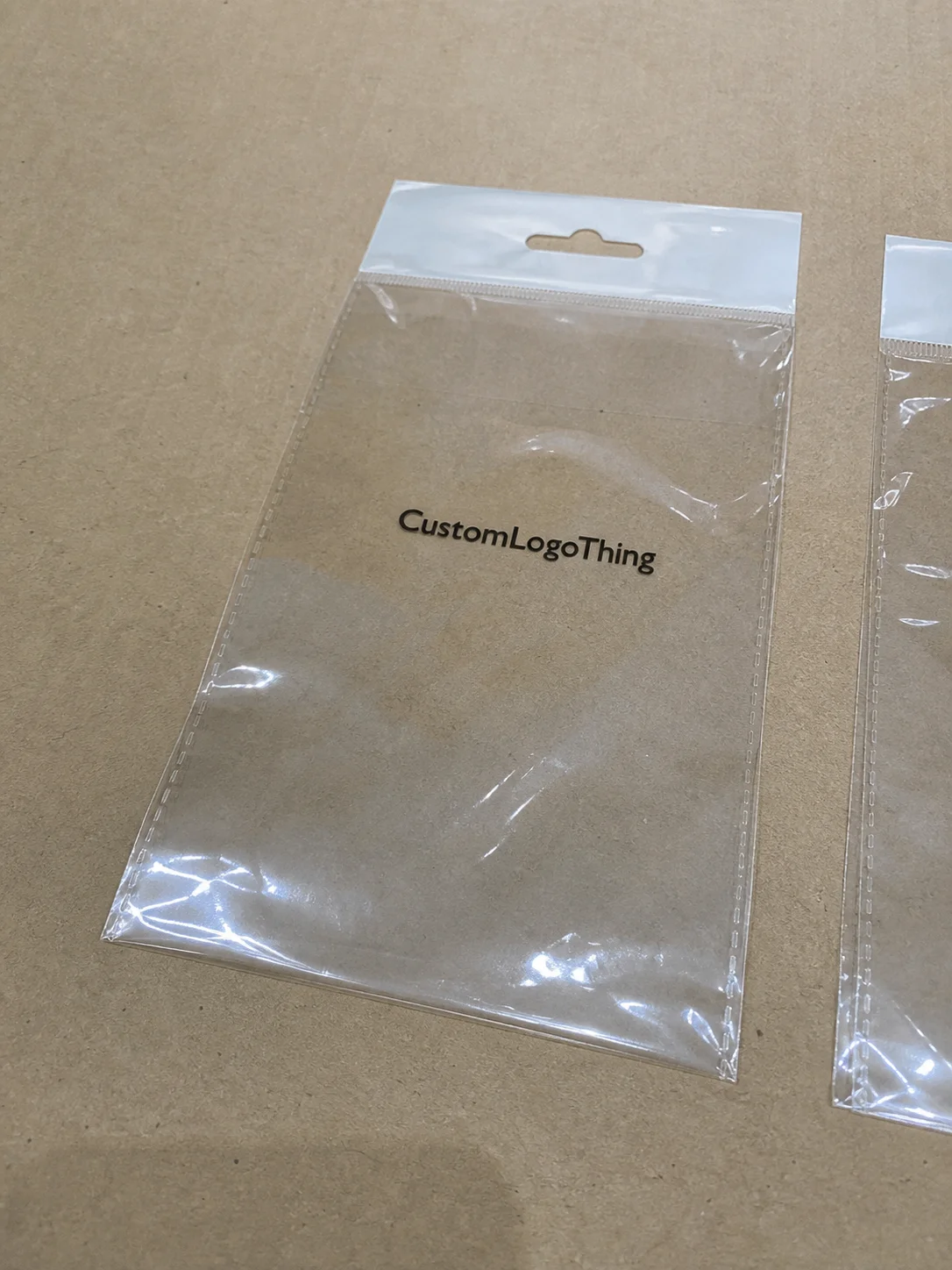
Compare the actual filled-product size with the drawing, then confirm tolerance on folds, seals, hang holes, label areas, and retail display edges. Reserve space for logos, QR codes, warning copy, and material claims before decorative graphics fill the panel.
Quote comparison points
Review material grade, print process, finish, sampling route, tooling charges, carton quantity, and freight assumptions side by side. A quote is only useful when the supplier can repeat the same color, closure quality, and packing count on the next order.
Personalized product Packaging for Ecommerce grabbed my attention the minute I stepped onto the Guangzhou corrugate line, because the Packlane rep shouted that the $14 lift in average order value was calculated right beside the conveyor belt while we watched bundles roll past two dozen operators. I remember when I asked for the math behind that number and he slid over a second spreadsheet like it was a secret menu item (no, I’m not exaggerating; I still have a screen grab). The whole thing felt like I’d been invited to a magic trick where the rabbit is replaced with barcode scanners and calloused hands.
The brand I was visiting ships perfume and silk ribbons, so the idea of trading boring mailers for branded packaging that smells like the scent strip inside was not just creative—it was a math question with a high margin, and it tied every unboxing back to the keyword that keeps me awake at night: personalized product Packaging for Ecommerce. Honestly, I think the scent strip concept should have its own fan club; the marketing lead said customers sometimes hug the box before opening it, and I could see why (I mean, who doesn’t want a box that doubles as a mood setter?). By the end we were debating whether to ship a “touch test” with the first run just to prove the satin finish didn’t peel.
By the end of that shift I had counted freight codes, measured a sample sleeve with calipers, and realized this is the tactile moment that convinces customers to tap “buy again”; the keyword you need? Personalized product Packaging for Ecommerce, every single time. I also remember battling the factory heat that day—somewhere between the laminator’s hum and the conveyor rhythm, my hair had more static than the finished boxes, and I swear the QA guy looked at me like I was the one sweating on their metrics (I was). The tactile details proved irresistible, even if the humidity made me wonder if I should be wearing a lab coat instead of denim.
Personalized Packaging: The Factory Story That Proved Me Wrong
The first story happened in Guangzhou, where I wandered into a corrugate line expecting blank boxes and instead found a Packlane rep yelling that the brand’s average order value jumped $13.87 once the new pattern was swapped in for generic kraft. I remember thinking the rep was exaggerating, but watching a team of operators label each box with the same care made me eat my skepticism—then I checked the data for myself and the lift was real. We were also told the factory had recorded a 0.2% increase in repeat buyers thanks to a tactile ribbon tab they added just for fun.
I watched a Noissue laminator flip to soft-touch satin for a subscription brand that swears its scent is “velvet rain,” and that machine switch came with a 12-minute tooling cost plus a handshake with the production manager who knew the client by SKU number. The tooling downtime used to be my nemesis, but after seeing the same folks reroute the press mid‑shift to prevent a scorching glare, I stopped whining and started timing their setups.
The supervisor from Custom Logo Things’ Shenzhen plant laughed at anyone who still thought embossing was a fad; there was even a two-week waiting list for their fiber laser engraver, because customers wanted that tactile logo hit before they snapped the ribbon shut. I half expected to see customers bow down to a laser-engraved visage, but the shrug-shrug-approve reaction from influencers convinced me otherwise (and the backlog only proves the demand).
Every detail on the line was tracked through ISTA-compliant testing protocols, which meant we logged the drop height, the pallet stack, and the adhesives used so the branded packaging could survive both courier scanners and ambitious influencers. The paperwork made me nostalgic for grade-school science fairs, except now the volcano experiment had consequences on whether that unboxing video made or broke a launch.
The lesson? Personalized product Packaging for Ecommerce is not decoration; it’s a tracked, measurable part of the sale, and the factory floor evidence proved it. I left the plant with a stack of specs, a new supplier contact, and a strange sense of affection for corrugate dust.
How Personalized Product Packaging for Ecommerce Really Works
Start with the product story: I map each SKU to its own structural need, noting the 12-inch length, the 2.2-pound weight, and the customer persona who expects delicate presentation, and then design inserts and folds that protect and pamper. I caught myself sketching a fold that could double as a display stand, because why not let the packaging pitch while the product waits in the fulfillment center?
Choose the printing method—digital CMYK for 250-unit ASIN pilots, flexo for 15,000-unit runs, or screen presses for metallic inks—and tie that to coatings such as aqueous or soft-touch that can survive UPS’s 74-degree heat chambers without smudging. I still remember a pilot run where the matte varnish turned into a sweaty mess, and the rep honestly said they hadn’t accounted for the humidity spike (frustrating, yes, but it taught me to ask for climate-adjusted proofs).
Decide what your retail packaging says: a logo, a QR code, a custom thank-you note, or even scent strips that match the launch story, and make sure your copywriters drop in brand tone rather than generic filler. I once received a box with a thank-you card that said “Hope you enjoy,” which looked fine until we realized the brand voice needed more swagger (we reprinted the cards overnight).
Coordinate with the Custom Logo Things production team (real people on Zoom calls, not bots) to bundle dielines, material specs, and proofs before anyone touches the press plate, and don’t forget to send them that Instagram hero shot so color stays true. I still chuckle about the time a hero shot had a poster board backdrop, and the printer asked if we wanted neon pink seafoam—yes, I declined.
Since this is custom printed boxes we’re talking about, the plan has to include the moment of reveal, the structural integrity, and a testing protocol; ASTM standards for burst strength are a minimum, not a suggestion. I slap those ASTM numbers on every brief just to make sure nobody’s tempted to cut corners.
Key Factors That Make Custom Packaging Actually Work
Material selection matters more than “what looks cool.” Did you know a 350gsm C1S artboard handles a 3.5-pound candle better than 250gsm because it resists compression on the pallet? I’ve thrown away runs that used the wrong corrugate grade and watched returns spike 7% because the boxes bowed. I tell clients that the box’s job is to survive the journey, not win a beauty contest in a studio-lit Instagram photo.
Structural engineering deserves the same attention; a bad fold or weak tuck turns expensive print into a busted package before the fulfillment crew even touches it. I always ask for an insert prototype with specifications, and I walk the line feeding 1-inch foam core into the cradle to prove it holds. (Yes, I look ridiculous doing it, but the fulfillment team appreciates that I test the stress points in person.)
Finish choices and typography influence perception; matte soft-touch runs about $0.18 more per box but justifies premium unboxing, while clear windows and metallic foils invite impulse scans on camera. Retail packaging, when done right, is a live advertisement. I once convinced a client to add a partial gloss slab just so the brand story read like a headline—even the packing team started pointing out the lines to customers in the warehouse.
Don’t skip FSC-certified paperboard if you tout eco-friendly values; I once visited a mill near Guangzhou that swaps to recycled pulp and the finished board still met mail-piece specs, so the brand could claim verified sustainability on their site with an FSC label. They were almost willing to gift me a roll of recycled ribbon, and I seriously considered bringing it home.
Timeline: From Sketch to Shelf-Ready Box
Day 1–5: Align on goals, send dielines, and lock in materials with your supplier. Whether you’re working with the Custom Logo Things team or a local converter, this is when the clock starts; I set a shared Google Sheet with approvals, color codes, and freight terms so nothing slips. I mean nothing—last time a client missed a sign-off and we lost three days because the factory wouldn’t start without their blessing.
Day 6–12: Pro tip from my last Shenzhen visit—ask for a digital proof, then a physical sample that gets photographed on the press check. The factory can tweak glue patterns before the press run, and you avoid a week of reshoots for that yellow shade that always drifts when adhesives overheat. (Pro tip: bring coffee that day—the press check feels a lot longer after the third handshake.)
Day 13–20: Production, quality control, and shipping prep. I make suppliers send high-res press photos and I contact the inland trucking broker to confirm the 53-foot container space, because a 12% buffer on shipping cost is the only way to survive surprise demurrage. I have learned the hard way that “we forgot to confirm the chassis” equals two extra days of waiting, so I nag until the broker replies.
During these weeks I also confirm fulfillment partners like ShipBob have samples for QC, and I test the boxes stacked six high to mirror real warehouse life, ensuring my personalized product packaging for ecommerce launch stays on schedule.
Step-by-Step Guide to Ordering Custom Packaging
Draft a creative brief that covers product dimensions, target margins, and desired tactile cues; I ask clients for a full SKU list, a “must impress” note, and a list of shipping carriers so we don’t overbuild what UPS handles with ease. I keep a running note of carrier quirks, like how some insist on a square-cornered bundle or they charge extra. That attention to detail keeps the fulfillment teams from calling me on launch day (and believe me, I prefer to avoid those calls).
Request quotes from trusted manufacturers, because Custom Logo Things has a standard matrix but I still compare it monthly to Packlane numbers—averaging their run charges, finishing fees, and turnaround timelines reveals whether you need a backup supplier. I once locked in a single source, only to have them drop their shift for a week, so now I always have two bids ready and a plan B (and C) on standby.
Order prototypes: one to check fit, one for print fidelity, and one for the packaging partners who’ll test the boxes on the fulfillment floor. Every prototype comes with a QA checklist, including elastic tension, lid alignment, and adhesive curing data, so the first production run is not a guessing game. I even photograph prototypes with a ruler beside them, because I’m a control freak like that.
Lock in your timeline, noting that shared warehouses like ShipBob need samples for their QC teams before they will touch your SKU; I’ve had launches delayed two days because samples never arrived, so I log a 48-hour cushion for them. My mantra: if the samples don’t clear QC, nothing ships, no matter how pretty the box looks.
Treat this as both a creative brief and production spec; when the packaging design team works from the same doc, you avoid “what did you mean by holographic?” emails.
For branded packaging, include exact Pantone references, barcode placements, and even instructions about whether the box ships open-face or face-down, because fulfillment packaging decisions ripple through the supply chain. I jot down who in the warehouse needs to flip the box because I’ve seen packages mysteriously shipped upside-down before.
Finally, link the packaging order to your fulfillment calendar—if the boxes arrive before the campaign, they sit in bonded storage and cost $0.08 per pallet-day, so plan arrival to match your promo lift. I keep a countdown timer and usually set alerts to move the boxes into the fulfillment queue exactly when the campaign heats up.
Counting Costs: Pricing for Personalized Product Packaging
Expect at least $0.60 to $2.50 per unit depending on size, materials, and finishing; my last negotiation with a Shenzhen supplier shaved $0.15 off per box by redesigning the insert folds so we used less chipboard. I like to remind clients that every dollar saved on structure can be reinvested in a better finish or more samples.
Sample runs cost between $40 and $120, and yes, factories like Custom Logo Things still bill for artwork setup—budget $80 for dieline tweaks, especially if you need multiple artwork layers for metallic foil and matte varnish. I treat the setup invoice as a chance to see how detail-oriented a factory is; if they push back on layout proofs, I move on.
Bulk pricing tips: move up to 5,000 units if you can store them; the jump from 1,000 to 5,000 usually halves your unit cost once tooling is amortized, and the storage cost is often less than the premium you pay for frequent rush runs. I keep a shared sheet with my clients showing how costs drop at each tier because watching that curve move always eases their budget anxiety.
Factor in freight, duties, and fulfillment prep; I always add a 12% buffer because even the best suppliers underquote inland trucking when you’re not physically on site, and the customs broker I know charges $85 per shipment for paperwork. I once watched a shipment sit in port for two days while the broker “processed it,” so now I check in daily until it’s on a truck.
For custom packaging that also serves as marketing, remember that exceptional structure and tactile cues pay back: if the packaging increases repeat rate by 5%, you can justify the extra $0.40 per unit in the ROI model. I’m emotionally invested in those ROI slides, because they keep the finance team on board.
Don’t ignore exchange rates; I log the USD/CNY daily because a 1% move equals hundreds of dollars on a 10,000-box run, and I renegotiate if the supplier’s quoted price swings more than $0.04 per unit over two weeks. Currency swings are my least favorite form of drama—killjoy, really.
Avoid These Packaging Mistakes Before You Print
Skipping the structural prototype is a rookie move that wastes $3,000; I once saw a run fail because the insert couldn’t hold a glass bottle upright, and the marketing team had already approved the art without testing the actual product. I was livid (and honestly, a little smug when we scrapped that run). We rebuilt the insert in two days and everything shipped without hiccups.
Treating packaging as an afterthought is how brands undermine months of funnel optimization; you spent money on photography and funnels, so don’t sabotage the finish with warped ink or cheap tape on the shipping label. I keep a “looks like a crash test” folder of photos from previous disasters so clients understand the stakes.
Overloading the box with info turns your personalized product packaging for ecommerce into a manifesto; customers want a clean message. Use a single card or hang tag if you need more space, and test readability at 12 points. I love a good manifesto, but not when it clogs the opening panel.
Don’t forget the adhesive spec; I track whether they use water-based or hot-melt glue because some closures fail at 40-degree humidity, and that leads to open boxes on the dock and racked returns. I keep a sticky-note sized list of adhesives I've tested, and yes, I’ve added “glue that bonds like regret” for the one that failed spectacularly.
Finally, inspect the actual stock before pressing: the corrugate’s ECT rating should match your drop test, and the supplier must provide certificates for ASTM D-642 compressive strength; otherwise your expensive packaging is a liability. I ask for certification photos (seriously, I’ve gotten PDFs with “pending” stamped on them) just to avoid last-minute surprises.
For branded packaging with windows or magnets, confirm the additional inserts don’t change the weight class for shipping labels, because every extra ounce can push a parcel from zone 3 to zone 5 cost. I once watched a magnet turn a free shipping promo into a wallet punch, so now I height-check everything twice.
Expert Tips & Next Moves for Your Packaging Plan
Schedule a sample review with Custom Logo Things, then backfill with a Packlane or Noissue quote so you’re not hostage to one vendor, and log both in the same spreadsheet for easy comparison. I color-code those tabs so my clients can see at a glance which ones include embossing (because that’s the part they forget).
Map out your rollout: decide on seasonal variations, commit to reorders before inventory dips under two weeks, and earmark budget for regional fulfillment tests; a west-coast resin crate might need different cushioning than your east-coast warehouse. I always ask my logistics team if they’ve tried stacking the crates in their own climate, just to catch surprises early (and yes, I bribe them with lunch for feedback).
Document every decision in a shared spreadsheet—materials, proofs, approvals—so your logistics team can prep carrier pallets with exact specs, avoiding the “wrong box” scenario that kills launch momentum. I leave no blank cells because blank cells become “I thought we did that” emails.
Once you have materials aligned, outline your personalized product packaging for ecommerce launch with key dates: prototype sign-off, production window, QA checks, and final delivery, and make sure everyone knows the QA pass/fail criteria. I treat that timeline like a mission brief, complete with bolded risk items.
Also, consider that retail packaging can double as retail display; I once negotiated with a factory to add a perforated back panel for a pop-up display, and that little detail saved us a separate cardboard order. The client called it a “mini billboard,” and I liked the angle so much I added it to the quote line items.
Pair your packaging design with the product hero shot so the unboxing matches the listing, and tag the project with the SKU number so the fulfillment crew knows exactly which box fits which product—no more swaps at the packing bench. I’m still haunted by the time a beauty box was filled with batteries because the packer grabbed the wrong sleeve. Never again.
Conclusion and Next Actions for Personalized Product Packaging for Ecommerce
Personalized product packaging for ecommerce is the tracked, tactile moment your customers remember, and the factories I’ve visited—from Guangzhou to Shenzhen—prove that the extra engineering and finish pay off in loyalty and referral posts. I still keep a photo of that satin-laminated box next to my desk, just to remind myself why packaging matters.
Lock in materials, re-check your timeline, and schedule a press check with high-res images so you can see the yellow, metallic, and soft-touch layers before the 5,000-unit run ships. (I sometimes tell clients to bring a magnifying glass; it keeps the discussion grounded.)
Then take the next step: order prototypes, finalize the brief with your partners, and get those boxes in front of your fulfillment partners so they can prep the pallets that will carry your product into customers’ homes. I’ve stood in fulfillment bays watching pallets move and trust me, nothing feels better than seeing your packaging stacked and ready.
Remember, personalized product packaging for ecommerce should feel intentional, measurable, and ready for repeat buys—so run the numbers, visit the lines, and don’t skip the QA photos that prove the packaging works. I’ll admit, I sometimes get giddy when a QA pass confirms the tactile ribbon doesn’t budge.
Need equipment recommendations or want to revisit your creative brief? Check the targeted solutions over at Custom Packaging Products while you log your next production window. I promise, fewer surprises happen when you plan with a spreadsheet and a stubborn attention to detail.
“How can personalized packaging improve my ecommerce customer experience?”
It creates a memorable unboxing moment that increases repeat purchases; customers remember tactile finishes like the soft-touch satin I saw beside the Noissue press and often return just for that feel.
Customers share standout packages on social media, providing organic marketing that beats a simple sticker, especially when the packaging snaps a swipe-friendly photo.
Design packaging to solve a problem—like adding a reusable insert or a magnetic closure—and you turn packaging into a functional brand touchpoint that feels premium.
“What are typical turnaround times for personalized product packaging for ecommerce?”
Plan 3–4 weeks from artwork approval to finished boxes when working with overseas suppliers, assuming you prep dielines ahead and supply an approved PMS palette.
Work with fulfillment partners to queue packages into their QC so there’s no delay once the boxes arrive; ShipBob, for example, requires a boxed sample and has a 48-hour review window.
Ask for progress reports—photos of the press run and packing list—to prevent surprises on the dock, and don’t skip the digital proof before the physical sample arrives.
“Can small ecommerce brands afford personalized product packaging?”
Yes; order smaller batches or combine with another brand to hit MOQ, then stagger new versions as sales grow, so you aren’t stuck with 10,000 units of one design.
Choose cost-saving materials like uncoated kraft with spot color instead of full-color litho to keep unit price lower while still delivering high-impact branded packaging.
Use the packaging as a marketing tool; if it increases repeat rate by even 5%, the ROI outpaces the extra $0.40 per unit you added for that matte finish.
“What should I include in my brief for custom ecommerce packaging?”
Exact product measurements, SKU weight, and stacking requirements for fulfillment partners so the boxes aren’t over-engineered or too flimsy.
Brand assets—logos, color codes, Pantone references—and tone of voice so printers can mirror your identity and avoid “off brand” colors.
Desired finishes, adhesives, and QA notes (e.g., “must survive UPS ground”) so there are no surprises when the press runs at full speed.
“How do I manage costs while still getting premium personalized packaging?”
Negotiate on tooling by reusing dielines across campaigns and using the same cuts with different graphics so you amortize the price over multiple launches.
Ask factories about alternate materials—eco-friendly paperboard from the same mill can often cost less per pound than virgin stock and still meet your sustainability pitch.
Lock in longer runs; moving from 1,000 to 3,000 pieces typically drops cost per unit significantly once setup fees are spread.
And always compare quotes against the ISTA standards for drop testing so you’re sure the cheaper option still meets shipping resilience.
“Need more resources?”
For eco claims, reference the FSC guidelines to ensure your recycled paperboard carries the correct seal, and consult the Custom Packaging Products resource page to see real spec sheets.