Buyer Fit Snapshot
| Best fit | Personalized Product Packaging for Ecommerce projects where brand print, material claims, artwork control, MOQ, and repeat-order consistency need to be specified before quoting. |
|---|---|
| Quote inputs | Share finished size, material target, print colors, finish, packing count, annual reorder estimate, ship-to region, and any compliance wording. |
| Proofing check | Approve dieline scale, logo placement, barcode or warning zones, color tolerance, closure strength, and carton packing before bulk production. |
| Main risk | Vague material claims, crowded artwork, missing packing details, or unclear freight terms can make a low unit price expensive after revisions. |
Fast answer: Personalized Product Packaging for Ecommerce: Material, Print, Proofing, and Reorder Risk should be specified like a repeatable production item. The safest quote records material, print method, finish, artwork proof, packing count, and reorder notes in one written spec.
Production checks before approval
Compare the actual filled-product size with the drawing, then confirm tolerance on folds, seals, hang holes, label areas, and retail display edges. Reserve space for logos, QR codes, warning copy, and material claims before decorative graphics fill the panel.
Quote comparison points
Review material grade, print process, finish, sampling route, tooling charges, carton quantity, and freight assumptions side by side. A quote is only useful when the supplier can repeat the same color, closure quality, and packing count on the next order.
If you walk a packing line long enough, you start noticing little truths that don’t show up in a mood board. A plain corrugated mailer and a custom-printed rigid box can hold the exact same serum bottle, ship on the same parcel lane, and land on the same doorstep, yet the customer’s reaction the moment the tape is cut is completely different. That’s the real power of personalized product Packaging for Ecommerce, and I’ve seen it reshape everything from first impressions to repeat orders in brands that sell 300 units a week and brands that ship 30,000 from facilities in Dallas, Phoenix, and Newark.
At Custom Logo Things, the smartest packaging conversations usually begin with one simple question: what should the customer feel in the first five seconds? That question matters because personalized product Packaging for Ecommerce is not just about printing a logo on a box. It’s about tailoring the structure, print, inserts, messaging, and finish choices to the product, the brand, and the buyer profile, while still protecting the item and staying inside your margin. For a typical 5,000-piece run on 350gsm C1S artboard, that balance might mean a unit cost near $0.15 for a one-color custom sleeve, or closer to $0.85 for a fully printed tuck box with a foil-stamped interior message. Honestly, I think that balance is where a lot of brands either shine or completely trip over themselves.
Why personalized packaging changes the ecommerce experience
I remember a client meeting at a fulfillment center outside Dallas where the brand owner had two packaging samples sitting side by side on a stainless table. One was a stock kraft mailer with a one-color stamp. The other was a rigid gift box with a 350gsm insert tray, soft-touch lamination, and a foil logo on the lid. Same product. Same unit cost inside the box. Yet when the team opened each sample, everybody’s shoulders changed. The rigid box felt like a gift, while the plain mailer felt like logistics. That difference is exactly why personalized product Packaging for Ecommerce matters so much, especially when your SKU leaves the warehouse in a 12 x 9 x 4 inch shipper and travels through UPS Ground in 2 to 4 business days.
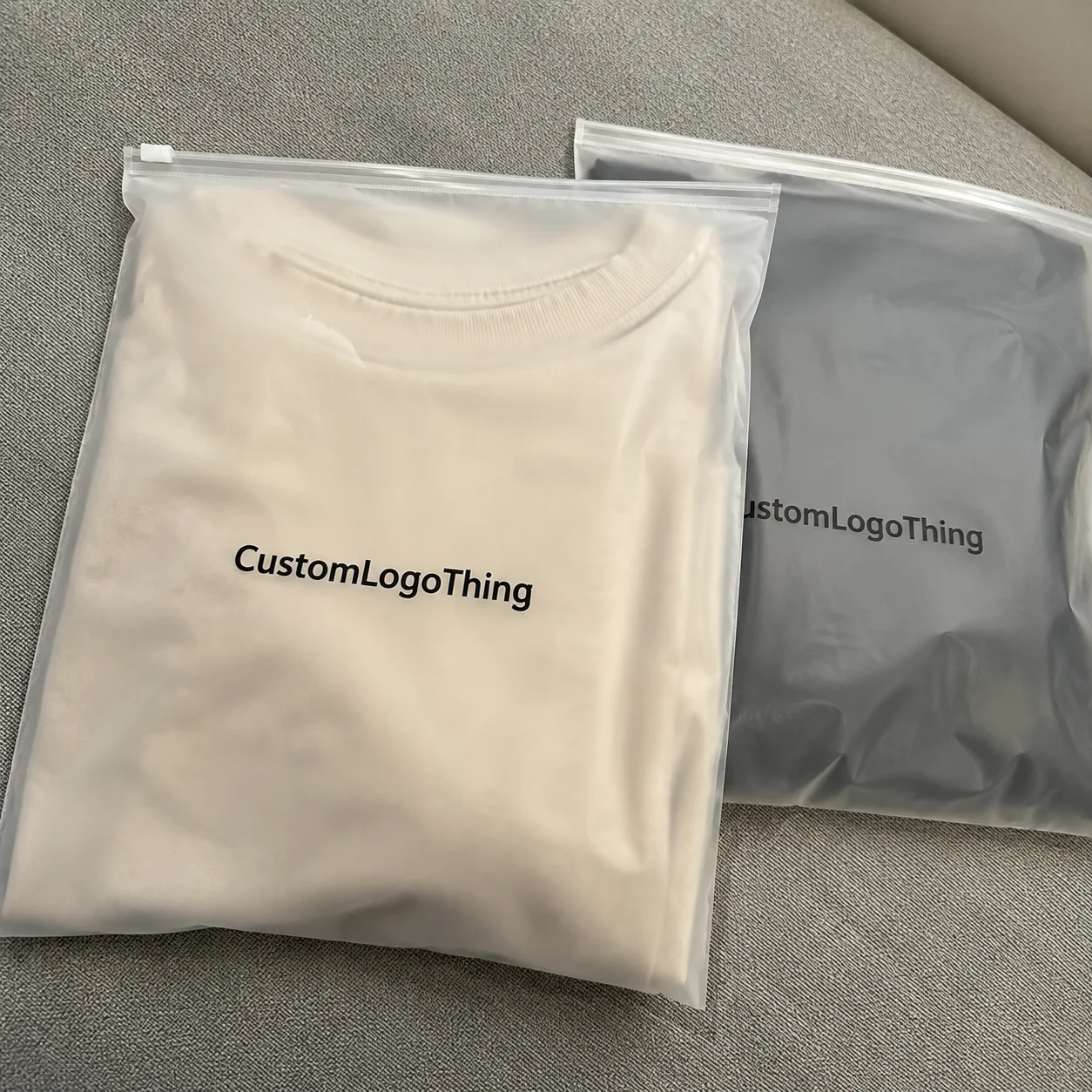
In practical terms, personalized product packaging for ecommerce means packaging that is tailored beyond basic size and print. It can include customer-name personalization, segment-based messaging, regional language, seasonal artwork, bundle-specific inserts, QR codes, or product-line-specific instructions. It may be a custom printed boxes program for a skincare brand, a printed corrugated mailer for a candle company, or a subscription kit with multiple compartments and personalized thank-you cards. I’ve even seen brands use the inside flap like a tiny billboard for a very specific buyer segment, and weirdly enough, it worked beautifully for a 28-day facial kit made in Dongguan and packed in both English and Spanish.
The business impact is usually easy to measure if you know where to look. Better presentation often increases perceived product value, and that can lift conversion on repeat purchases, especially in categories where customers compare brands by feel as much as formula. I’ve seen brands in beauty, supplements, apparel, and specialty foods get more social sharing simply because the branded packaging looked intentional and the inside message felt personal instead of generic. One cosmetics client told me their unboxing videos jumped from a handful a month to dozens after they added a printed interior panel and a segmented insert card for first-time buyers. That was a nice moment, because the finance team had been grumbling about “extra print spend” for weeks, even though the extra print cost was only $0.24 per unit on a 10,000-piece reorder.
Packaging personalization is not the same thing as fancy printing. A box can have six colors and still feel cold. A simple mailer with the customer’s name, a smart message, and a clean insert hierarchy can feel remarkably thoughtful. That is why personalized product packaging for ecommerce works best when it is tied to behavior, audience segments, and product context rather than just decoration. I’m biased, but I’d rather see one clear, well-placed message than a box that screams from every panel like it lost an argument with a highlighter.
Of course, it still has to function as packaging. I’ve seen beautiful cartons fail a simple edge-drop test from 30 inches because the board grade was too light and the product had no inner support. A design that looks elegant on a desk but crushes in a UPS sortation environment will create returns, refunds, and complaints fast. Good product packaging must protect, ship efficiently, and open well. If it doesn’t do all three, it becomes expensive art, even if the exterior was printed on 18pt SBS in a plant outside Shenzhen.
For brands comparing structure options, the packaging industry has a useful standard language around performance testing. Many teams reference ISTA test procedures for distribution testing, and that’s a smart habit. The packaging is not just there to be photographed; it has to survive vibration, compression, humidity, and repeated handling. If you want a place to start learning about testing and transport issues, the ISTA testing standards site is a solid reference, and so is the EPA recycling guidance page when sustainability questions come up. For a project headed into coastal Florida in August, I’d also want a humidity-aware coating spec, because a box that looks perfect in a California sample room can behave very differently at 85% humidity in Miami.
How personalized ecommerce packaging works in practice
In the shop floor language I grew up with, personalized packaging starts as a conversation and ends as a controlled process. The best personalized product packaging for ecommerce programs usually follow the same backbone: brand discovery, structural selection, artwork setup, prototyping, testing, production, and packing-line integration. Skip one of those steps and you usually pay for it later in slow assembly, print errors, or damaged goods. I’ve done that once, and let me tell you, the “we’ll fix it in the warehouse” plan is a terrible plan when the warehouse is processing 800 cartons a day on a 7 a.m. shift.
The first stage is the design brief, and this is where many brands rush. I always push teams to define three things before they ask for quotes: what the customer should feel, what the item needs physically, and what the fulfillment team can actually handle. If your warehouse team packs 1,200 orders a day, a packaging concept that requires four folds, two stickers, and a ribbon tie might look beautiful but perform badly on the line. That is why personalized product packaging for ecommerce needs to be designed with the packing station in mind, not only the marketing deck, especially if the packout table is only 48 inches wide and the operator has to finish each order in under 18 seconds.
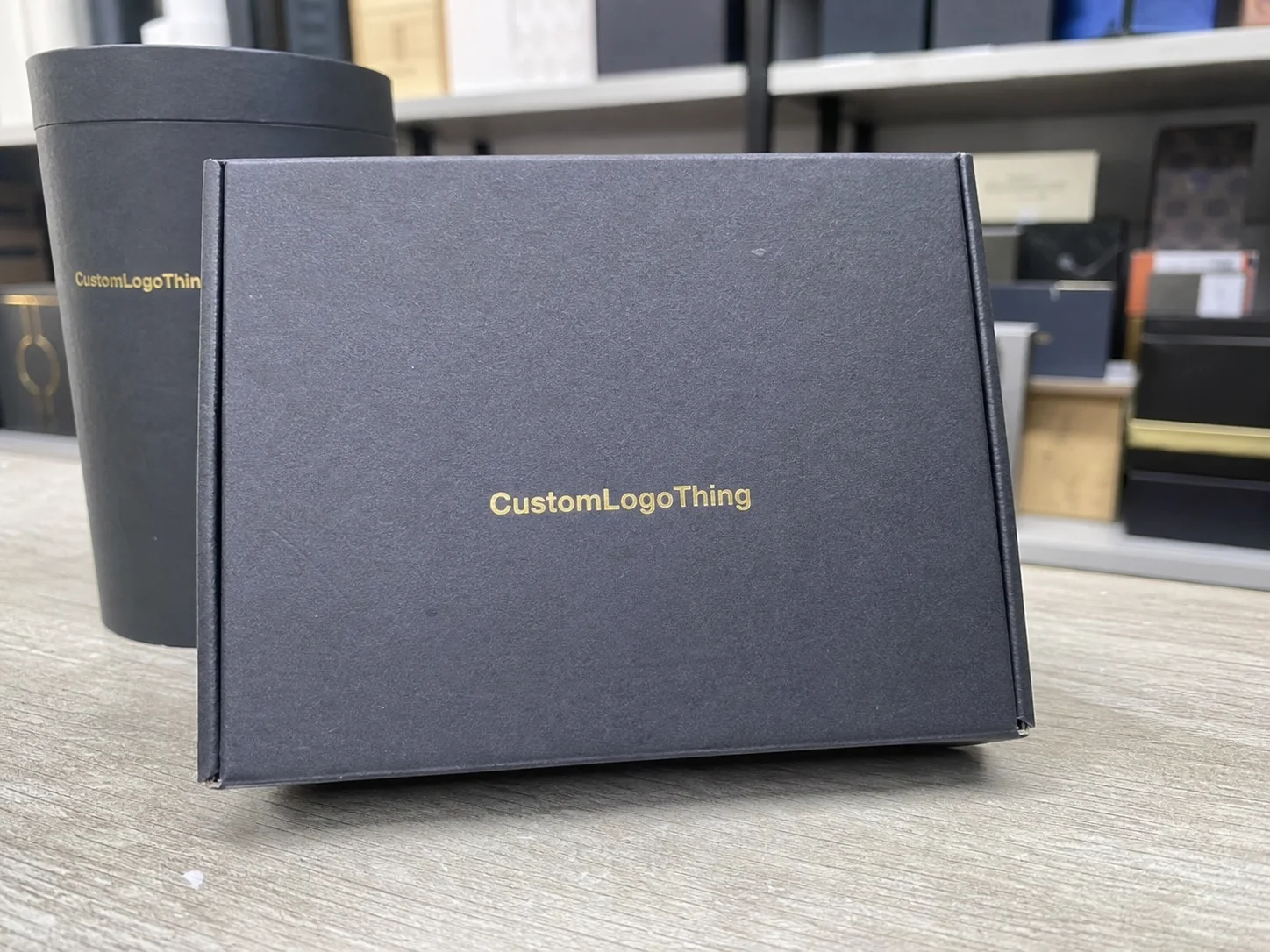
Common ecommerce formats include corrugated mailers, folding cartons, rigid boxes, poly mailers with inserts, paper sleeves, and subscription-style kits. Each one supports a different version of personalized product packaging for ecommerce. Corrugated mailers are great when you need durability and cost discipline. Folding cartons work well for lighter products where print quality matters. Rigid boxes carry a premium feel, especially for gift sets or influencer kits. Poly mailers can still feel personal when you combine them with a branded insert card, tissue wrap, or variable data print on the inside panel. A 200-piece subscription run in Atlanta might use a 32 ECT mailer with a printed belly band, while a luxury gift set from a factory in Suzhou may need a 1200gsm rigid setup with a 157gsm art paper wrap.
Personalization can happen in several places. I’ve stood next to a Heidelberg press where the outer graphics were generic, but the interior lid carried a campaign message specific to first-time subscribers. I’ve also seen a digital print run where every mailer had a QR code tied to a different landing page based on customer segment. That is the practical side of personalized product packaging for ecommerce: the outer shell, the interior print, the inserts, and the small detail layers all work together. In one skincare launch, the outer carton stayed identical across 8,000 units, while the inside card changed from “Welcome” to “Restock Reminder” based on the order source, and the variable print added less than $0.06 per unit.
Factories handle this in different ways depending on quantity. Short runs often use digital printing because the setup is lighter, proofs are faster, and variable data is easier to manage. Larger programs may move into flexographic printing or offset, especially when the same custom printed boxes are repeated across many thousands of units. Structural elements require die-cut tooling, and once the design is approved, gluing, erecting, and bundling are typically organized around machine efficiency. If your packaging supplier has a clean folder-gluer line and an organized prepress department, you’ll feel the difference quickly, particularly in manufacturing hubs like Dongguan, Ningbo, and Monterrey where line discipline can make or break a 25,000-piece order.
Prepress deserves more respect than it usually gets. Bleed, color management, die lines, panel orientation, barcode placement, and proof approval all matter. I’ve had one project where a beautifully designed sleeve looked perfect until we realized the side panel wrapped the barcode onto a fold. That kind of issue adds delays and can trigger rework on the press. Good personalized product packaging for ecommerce has to be designed with production reality in mind, not just visual appeal. A 3 mm shift on a dieline can be the difference between a clean fold and a barcode the scanner reads only half the time.
If you need a place to start sourcing, you can review our Custom Packaging Products for structure ideas, or compare the feel of different retail packaging styles before committing to one direction. The strongest programs tend to combine a clear structural choice with a simple personalization strategy that can be repeated without chaos, whether the job is being run in New Jersey or in a converting shop outside Ho Chi Minh City.
Key factors that affect design, quality, and pricing
Material choice changes everything, and I mean everything from print sharpness to shipping damage. For many ecommerce brands, E-flute corrugated is a smart protection layer because it balances rigidity and thickness without adding too much bulk. SBS paperboard gives you a cleaner surface for sharp printing, especially if the brand relies on color accuracy and fine typography. Rigid board is the premium option, often used for luxury presentations, gift sets, or subscription launches. Recycled substrates can support sustainability goals, but the exact fiber mix matters because recycled board can behave differently under scoring and folding pressure. A 16pt C2S carton in a Los Angeles folding plant will not behave the same as a 24pt recycled board run through a plant in Toronto or Pune.
Finish options shape both perception and cost. Matte laminate gives a restrained, modern look and helps resist fingerprints. Soft-touch coating feels excellent in hand, but it adds cost and can show scuffing differently than a standard aqueous coat. Foil stamping creates strong contrast on logos and monograms, especially gold or silver, though it needs careful die control. Embossing and debossing add tactile depth, which can be powerful in package branding if the design is otherwise simple. Spot UV works well for highlighting a logo or pattern on a matte field. Aqueous coating is often a practical option when teams need protection without chasing luxury effects, and in many U.S. converter quotes it adds only a few cents per unit on runs above 10,000 pieces.
On pricing, there is no honest way to talk around the numbers. A short-run digitally printed mailer might land around $0.18 to $0.42 per unit at 5,000 pieces depending on board, size, and one or two personalization steps. A folding carton with a single-color interior and custom insert may come in lower or higher depending on fit and print coverage. Rigid boxes can jump sharply, often starting around $1.20 to $3.80 per unit once you include wrapping, board strength, and specialty finishes. Tooling can add a few hundred to several thousand dollars depending on complexity. None of these numbers are universal, but they are the kinds of ranges I’ve seen in real factory quotes from Shenzhen, Dongguan, and U.S. converting plants. In one case, a 5,000-piece order of printed corrugated mailers came back at $0.21 per unit, while the same brand’s magnetic rigid gift box landed at $2.65 per unit before freight.
Personalized product packaging for ecommerce becomes more expensive when the order quantity is low, when the print method requires setup, when the structure needs custom tooling, and when special finishes are stacked together. A box with embossing, foil, soft-touch, and a magnetic closure may look stunning, but every added step adds labor or machine time. Many brands overspend by trying to make every side of the box impressive. A strong front panel, a clean inside message, and a well-fitted insert usually do more than four extra layers of decoration, and they do it with fewer headaches on a line in Charlotte or Grand Rapids.
Packaging size efficiency matters too. If a product ships in a box that is 20% larger than necessary, you can pay for it in dimensional weight, extra dunnage, and a less polished unboxing. Better-fit packaging reduces the amount of void fill, lowers movement during transit, and often improves how the customer reads the experience. This is one reason personalized product packaging for ecommerce should be designed around the actual product dimensions and the shipping network, not guessed from a shelf sample. A one-inch oversize on a shoe box can add real freight cost over a 50,000-order season.
Compliance and logistics are not glamorous, but they matter. If you ship fragrance, supplements, electronics, or anything with instructions and warnings, your packaging may need labeled inserts, tamper evidence, or specific regulatory language. That is especially true if orders travel through different temperature zones, rough carrier sortation, or humid storage. I’ve seen glued seams warp after a coastal freight run because the board and coating were not matched to the climate. That kind of lesson is expensive, and it’s one reason I keep telling clients that personalized product packaging for ecommerce has to be designed as a transport system as much as a marketing asset, especially for products moving through Houston, Savannah, and Tampa in summer.
For brands concerned about sustainability, organizations such as FSC provide useful guidance on responsibly sourced fiber options. I’ve found that the best sustainability decisions are specific, not vague: choose a recyclable material, confirm the local recovery stream, and avoid unnecessary mixed materials when a single-substrate solution will do the job. A 350gsm FSC-certified artboard with aqueous coating often performs better in curbside recycling programs than a mixed plastic-and-paper construction that looks premium but complicates disposal.
How do you build personalized product packaging for ecommerce step by step?
Step 1: Define the customer journey. Before you choose paper, ink, or coating, decide what the customer should understand in the first five seconds after opening. Should the packaging say premium? Friendly? Clinical? Giftable? Trusted? I usually ask teams to write one sentence describing the opening moment, because that helps anchor the entire personalized product packaging for ecommerce strategy. If the sentence is unclear, the box usually becomes cluttered, and clutter is expensive when your insert is being printed in a facility outside Xiamen with a 14-day production window.
Step 2: Choose the Right format. Match the structure to the product weight, fragility, shipping method, and brand position. A compact skincare set may work beautifully in a folding carton with a sleeve and insert tray. A ceramic mug may need a corrugated mailer with molded pulp support. A candle set often does best in a printed rigid box if giftability is part of the value proposition. The format is the backbone of personalized product packaging for ecommerce, and the wrong backbone makes the rest of the design unstable. If the product weighs 420 grams and ships by air to Chicago, that choice matters a lot more than whether the logo is foil or debossed.
Step 3: Build the visual system. This is where package branding gets specific. Decide where the logo lives, how much color is used, what the typography sounds like, and where personalization appears. A lot of brands make the mistake of turning every surface into a billboard. I prefer a cleaner hierarchy: one strong exterior message, one interior surprise, and one practical insert that helps the customer use the product. That approach keeps personalized product packaging for ecommerce readable and memorable, whether the print is CMYK plus one Pantone or a simple one-color black on natural kraft.
Step 4: Request samples and prototypes. Never approve a design from a screen alone. I’ve watched teams sign off on artwork and then discover the bottle rattled inside the insert, or the closure needed too much force for a customer to open comfortably. Prototypes let you test fit, drop resistance, scuff resistance, and packing speed on the real fulfillment line. If you can, test with the actual team that will pack the order. Their hands will tell you more than the design presentation ever will. A prototype made in 3 to 5 business days from a supplier in Southern California can save you from a 5,000-piece reprint later.
“The first prototype looked gorgeous on the conference table, but it took our packers 19 seconds too long per order. We had to simplify the insert and move the thank-you note to a single fold card.” That kind of tradeoff is normal, and it’s why personalized product packaging for ecommerce should always be tested in the real process, not just admired in a sample room. On our second pass, the line speed improved by 14 seconds per unit, which mattered a lot at 2,400 orders per day.
Step 5: Finalize artwork and production specs. Once the sample passes fit and function checks, lock the file structure, confirm the proof, and align production with inventory timing. This is where exact details matter: board caliper, print method, coating type, glue area, barcode size, and carton count per master case. If you are ordering personalized product packaging for ecommerce across multiple SKUs, document those specs clearly so the next reorder doesn’t start from scratch. A spec sheet with the exact dieline revision, a 350gsm board callout, and a 24-pack master case size can save days during replenishment.
Step 6: Roll out in phases. I like phased launches because they expose problems before the budget gets buried. Start with one SKU, one campaign, or one customer segment. Measure damage rate, packing speed, repeat purchase rate, and support tickets related to presentation or transit. Then refine. A smart personalized product packaging for ecommerce program gets better over time because the brand learns which details matter to customers and which details only matter in the pitch deck. A three-month pilot with 1,000 units is often enough to reveal whether the structure, finish, and insert strategy are working.
For brands building out a bigger packaging line, it helps to keep a few internal checkpoints: marketing checks the message, operations checks pack speed, finance checks unit economics, and fulfillment checks storage and case pack efficiency. That cross-functional review might sound boring, but it saves money. I’ve seen a $0.27 insert become a $1.10 problem because nobody measured how it affected the pack station, especially when the insert was being hand-folded in a warehouse in Louisville.
Timeline, production planning, and lead times to expect
People often ask me how long personalized product packaging for ecommerce takes, and the honest answer is: it depends on the structure, the print method, and how disciplined the approvals are. For a simple digitally printed project, you might move from artwork to production quickly once the files are set. For custom tooling, rigid construction, or special finishes, you need more breathing room because samples, revisions, and finishing all add steps. I wish I could say every factory runs on fairy dust and good intentions, but shipping schedules have a way of laughing at optimism, especially when a port delay in Long Beach adds four days to a freight plan.
A typical timeline has several stages. Discovery and quoting can take a few days if the specs are clear. Structural design and prototype creation may take one to two weeks, depending on the complexity of the dieline and whether a new cutting tool is required. Artwork revisions and proof approval can take anywhere from two days to two weeks, especially if multiple teams are reviewing the copy. Production can move in a few days for simple digital jobs or several weeks for multi-step finishing and assembly. Freight to the warehouse adds another variable, especially when you’re moving pallets across regions or internationally. That’s the practical rhythm of personalized product packaging for ecommerce, and a straightforward rigid-box order from proof approval to ready shipment is often in the 12 to 15 business day range when the specs are locked and the factory is in Guangdong or Taiwan.
One of the biggest delays I’ve seen comes from artwork changes after proofing. A brand approves a proof, then marketing wants a new headline, legal wants updated copy, and operations wants a smaller insert. Suddenly the job is back in revision. Another common delay is material substitution when a board grade is out of stock or a coating paper becomes hard to source. Holiday capacity can also create pressure; packaging plants run tight when demand spikes, and the best converting lines fill up quickly. If your launch depends on a specific unboxing date, do not leave the packaging order until the last minute, especially if you need a 10,000-piece run before Black Friday.
Here’s my practical scheduling advice: build buffer time for sample approvals and cross-functional review. If you think you need 15 business days, plan as if you need 20. That extra five-day cushion protects you from the small interruptions that always show up somewhere between procurement and shipment. For personalized product packaging for ecommerce, buffer time is not waste; it is insurance, and it becomes even more valuable if your supplier is coordinating print in Shanghai and assembly in a second plant in Suzhou.
I also tell brands to plan packaging ahead of product launches, influencer campaigns, and subscription renewals. When the packaging lands before the goods, you can inspect it, stage it, and correct any issue before the warehouse goes live. When it arrives late, everyone starts improvising, and improvisation on a packing line usually costs money. If you are sourcing multiple formats, keep your reorder point visible, because personalized product packaging for ecommerce often combines long lead items like rigid boxes with faster-moving components like cards or tissue. A reorder trigger at 30% inventory remaining is usually safer than waiting until the pallet rack is nearly empty.
Common mistakes ecommerce brands make with personalized packaging
The biggest mistake I see is choosing packaging that looks impressive on a tabletop but fails in transit. A crushed corner or broken bottle will erase the value of a beautiful unboxing in a single delivery scan. If you are building personalized product packaging for ecommerce, test it with drop checks, compression checks, and carrier handling assumptions, not just with a photo shoot. A package that survives a 30-inch edge drop and a 200-pound compression stack has already earned a lot more trust than a sample that only looked good under studio lights.
Another common problem is over-personalization. Some brands try to personalize every component: the outside box, the inner wrap, the tissue, the card, the insert, the sticker, and the tray. The result can feel busy, and it often slows down packing enough to wreck labor assumptions. I’ve watched an order line stall because the team had to choose between three card versions and two tissue colors. Good personalized product packaging for ecommerce should feel intentional, not crowded, and a single personalized insert often does more than six decorative elements.
Dimensional weight gets ignored more often than it should. If a box is too large for the item, you pay for wasted air. You also use more filler and increase the chance that the product moves around. This matters a lot for subscription brands and high-volume ecommerce operators, because even small oversizing errors multiply fast. Better-fit personalized product packaging for ecommerce often saves freight money while making the package feel more considered. On a 20,000-order month, shaving just half an inch from each side can add up to noticeable parcel savings.
Skipping prototyping is another expensive habit. I’ve lost count of the brands that approved a sample on a Zoom call and then discovered the packers couldn’t close the box quickly enough, or the glue panel curled, or the insert caused a jam in the line. Prototypes are not a luxury; they are part of the process. If you want durable personalized product packaging for ecommerce, you need to test it with real hands, real products, and real speed, ideally on the same packing tables and tape guns your warehouse uses every day.
Finishes can also disappoint if they are chosen for appearance alone. A soft-touch coating may feel amazing, but it can mark differently in humid storage. A dark matte surface may look elegant but show scuffs after a long parcel journey. Foil can lift if the board or adhesive system is wrong. This is where honest supplier conversations matter, because not every effect performs equally well on every substrate. In one Chicago project, a soft-touch lid looked great in January but showed handling marks after just two weeks in a 75-degree warehouse in July.
Finally, brands often misjudge quantity. They order too little, run out, and panic-reorder at the worst possible time, or they overbuy and create storage headaches. One client filled half a mezzanine with slow-moving seasonal boxes because they guessed demand too high. That storage cost was ugly. Personalized product packaging for ecommerce should be ordered with a realistic forecast, not optimism alone, and if a seasonal promo only runs six weeks, a 7,500-piece order may be smarter than chasing 20,000 units just because the per-unit quote looks prettier.
Expert tips to make personalized packaging perform better
If I had to boil years of packaging work down to one principle, I’d say this: keep the story focused. One strong message on the outside and one meaningful surprise inside usually beats a box that tries to say everything at once. A clean hierarchy gives personalized product packaging for ecommerce more staying power because customers actually remember it, especially when the box is opened in a kitchen in Portland or a dorm room in Columbus and photographed on a phone within 10 seconds.
Use variable elements strategically. QR codes can lead to assembly instructions, reorder pages, loyalty offers, or tutorial videos. Personalized thank-you cards can reference the first purchase, a subscription renewal, or a product category. Segment-specific inserts can speak differently to new buyers versus repeat buyers, and that matters because different customers need different information. That is where personalized product packaging for ecommerce becomes a performance tool, not just a decoration choice. A tutorial card that reduces support emails by 8% may be worth more than a gold foil logo.
Balance premium finishes with durability. A brand can choose matte lamination, aqueous coating, or a reinforced corrugated structure that protects the shipment while still looking polished. I always push for materials that survive the carrier network, because the prettiest package in the warehouse is worthless if it arrives dented. Durable personalized product packaging for ecommerce is often the one that costs a little more up front but saves much more later in fewer damage claims, especially on routes that pass through multiple sort centers.
Design for assembly speed. Simplify carton construction where you can, reduce insert count if the product does not need it, and standardize sizes across SKUs. A packaging team can pack faster when the structure is predictable and the insert behaves the same way every time. That practical rhythm is one of the strongest reasons brands stay loyal to a good supplier for personalized product packaging for ecommerce, and it can cut per-order handling time from 28 seconds to 20 seconds on a busy shift.
Measure the right metrics. Damage rate, packing time, repeat purchase rate, social shares, and customer support tickets related to packaging tell you more than a pretty photo ever will. If a branded mailer gets 200 more social shares but increases packing time by 15 seconds per order, you need to know both numbers. Smart personalized product packaging for ecommerce decisions come from actual operating data, not just creative preference, and even a modest reduction in damage claims can justify a $0.10 increase in unit cost.
One more thing I’ve learned from supplier negotiations in Shenzhen: ask for samples early, and ask for them in the exact substrate you plan to run. A sample on lighter board can fool you into thinking a design will behave better than it really will. I’ve seen brands get excited over a prototype that used a different coating, then discover the production run looked flatter and scuffed faster. Precision matters, especially with personalized product packaging for ecommerce, and the right request is often as specific as “350gsm C1S artboard, aqueous coated, with a 1.5 mm score depth and the final Pantone match on press.”
Personalized Product Packaging for Ecommerce: decision table
| Decision area | Best fit | What to verify | Risk if skipped |
|---|---|---|---|
| Claim type | Recycled, FSC, compostable, recyclable, or plastic-reduced packaging | Certificate, material percentage, and claim wording | Unclear claims create greenwashing risk |
| Performance tradeoff | Protection, print quality, and shelf feel | Strength, moisture behavior, ink choice, and finish limits | Eco material is chosen but does not protect the product |
| End-of-life path | Customer disposal, retail requirements, or municipal recycling | Label wording, inserts, and documentation | The buyer cannot understand how to dispose of it |
Frequently asked questions
How do you start personalized product packaging for ecommerce without overspending?
Start with one high-impact format, such as a custom mailer or insert card, instead of customizing every component. Use short-run digital printing or modular designs to test customer response before committing to large volumes. Prioritize packaging that improves protection and reduces shipping waste, because those savings can offset part of the customization cost in personalized product packaging for ecommerce. For example, a 5,000-piece printed mailer at $0.22 per unit is often easier to justify than a $2.40 rigid box on a first test run.
What is the difference between custom packaging and personalized packaging for ecommerce?
Custom packaging refers to packaging designed specifically for your product and brand. Personalized packaging adds variable or customer-specific elements such as names, seasonal messages, audience segments, or campaign-based inserts. A package can be custom without being personalized, but personalized product packaging for ecommerce is always built on a custom packaging foundation. A 16pt carton with your logo is custom; a 16pt carton with a first-order welcome message and customer-segment insert is personalized.
How long does personalized ecommerce packaging usually take to produce?
Simple digitally printed projects can move quickly once artwork is approved and structural specs are set. Projects with custom tooling, rigid construction, or special finishes take longer because they require samples, revisions, and finishing steps. The most reliable timeline comes from factoring in design, proofing, production, and freight separately rather than assuming one flat lead time for personalized product packaging for ecommerce. In many factories, a straightforward proof-to-ship timeline is typically 12 to 15 business days after proof approval, while a complex rigid-box job may need 3 to 5 weeks.
What packaging materials work best for personalized ecommerce orders?
Corrugated board is a strong choice for shipping protection and practical branding. Paperboard works well for lighter products that benefit from sharp print and a polished retail feel. Rigid boxes suit premium or gift-style ecommerce experiences, while recycled and FSC-certified options support sustainability goals in personalized product packaging for ecommerce. In practical terms, a 32 ECT corrugated mailer, a 350gsm C1S folding carton, and a 1200gsm rigid set all solve different problems at different price points.
Can personalized packaging reduce returns or customer complaints?
Yes, when it improves protection, organizes inserts clearly, and sets accurate expectations about the product. Clear labeling, better sizing, and sturdier structures can reduce transit damage and confusion at delivery. A thoughtful unboxing also reduces complaints by making the order feel intentional and well cared for, which is one of the quiet strengths of personalized product packaging for ecommerce. If damage claims drop from 3.2% to 1.1% after a packaging upgrade, the savings can be significant on a 50,000-order quarter.
If you’re planning your next launch, my advice is simple: treat personalized product packaging for ecommerce as a business system, not just a design exercise. The best programs protect the product, support the warehouse, tell the brand story clearly, and make the customer feel seen without slowing the operation down. I’ve watched the difference happen on real factory floors from Shenzhen to Louisville, and honestly, the brands that get this right tend to earn more trust than the ones chasing looks alone.
Before you place the order, lock the structure, define the one message that should survive the unboxing, and test the prototype with the people who will actually pack it. That one habit catches a lot of expensive mistakes early, and it keeps personalized product packaging for ecommerce doing what it should do: protect the product, move fast on the line, and leave the customer with a reason to remember the brand.