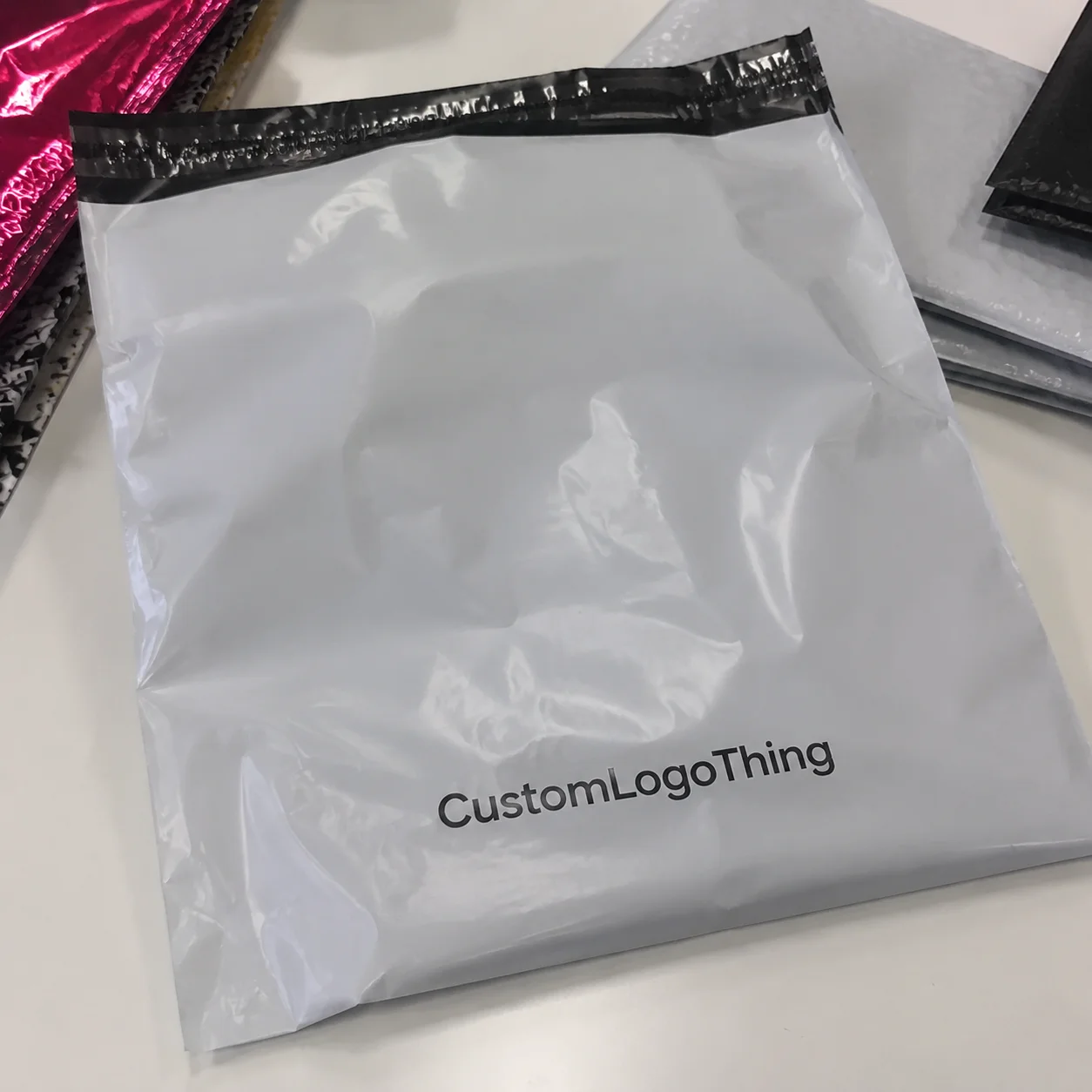
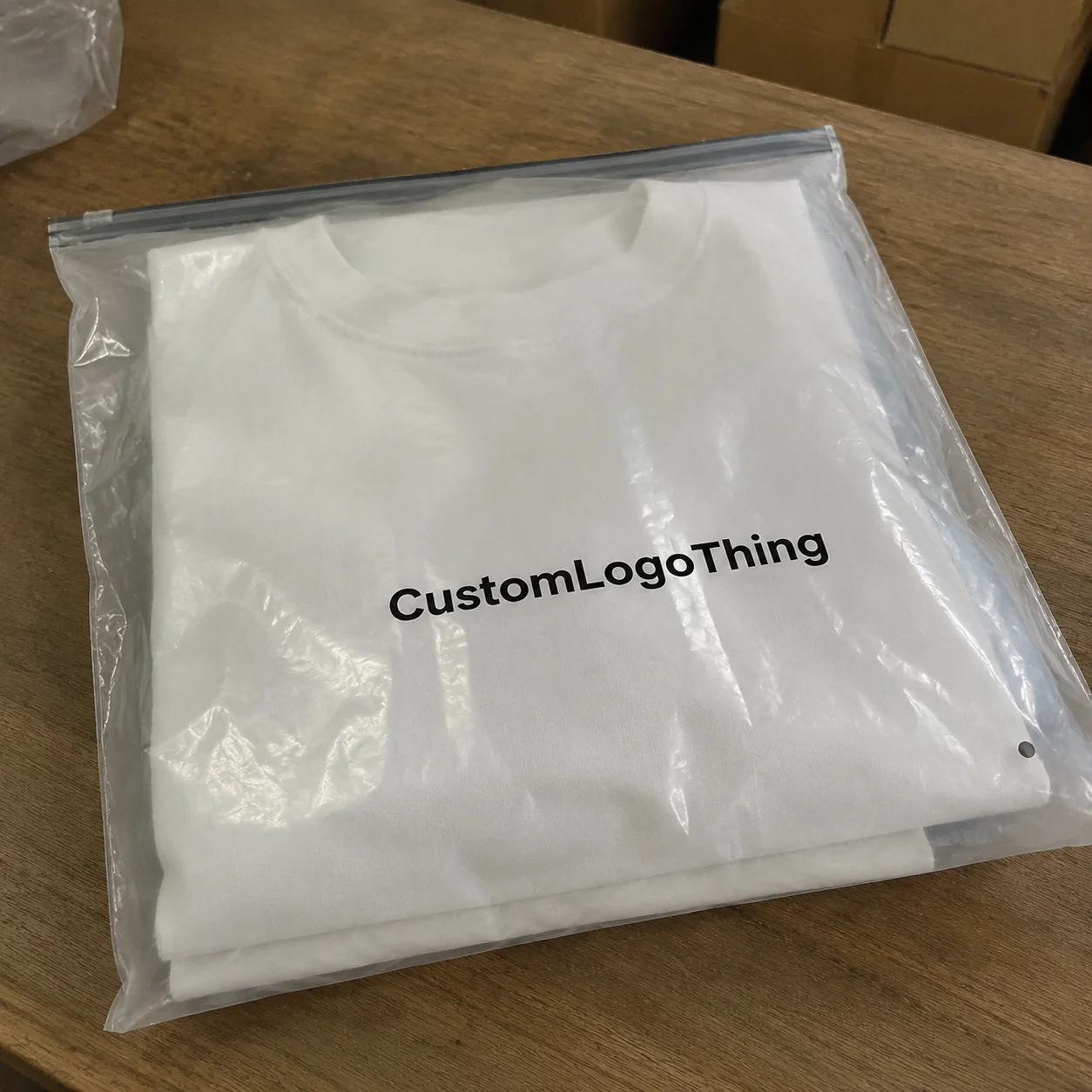
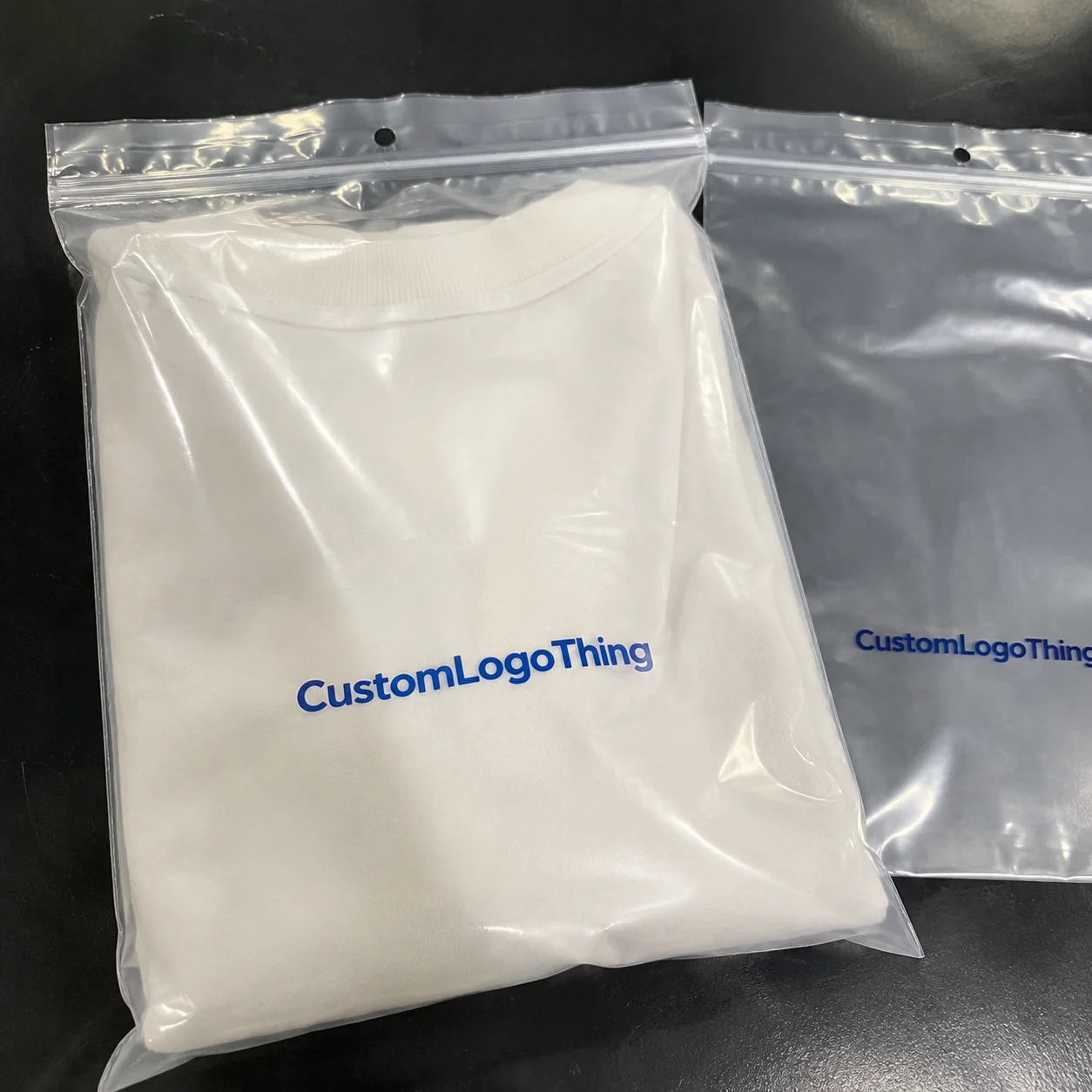
Buyer Fit Snapshot
| Best fit | Personalized Seasoning Packet Packaging Design projects where brand print, material claims, artwork control, MOQ, and repeat-order consistency need to be specified before quoting. |
|---|---|
| Quote inputs | Share finished size, material target, print colors, finish, packing count, annual reorder estimate, ship-to region, and any compliance wording. |
| Proofing check | Approve dieline scale, logo placement, barcode or warning zones, color tolerance, closure strength, and carton packing before bulk production. |
| Main risk | Vague material claims, crowded artwork, missing packing details, or unclear freight terms can make a low unit price expensive after revisions. |
Fast answer: Personalized Seasoning Packet Packaging Design: Artwork Proof, Packing Count, and Landed Cost should be specified like a repeatable production item. The safest quote records material, print method, finish, artwork proof, packing count, and reorder notes in one written spec.
Production checks before approval
Compare the actual filled-product size with the drawing, then confirm tolerance on folds, seals, hang holes, label areas, and retail display edges. Reserve space for logos, QR codes, warning copy, and material claims before decorative graphics fill the panel.
Quote comparison points
Review material grade, print process, finish, sampling route, tooling charges, carton quantity, and freight assumptions side by side. A quote is only useful when the supplier can repeat the same color, closure quality, and packing count on the next order.
Personalized Seasoning Packet Packaging Design: Why It Matters
I remember when the cat at Dongguan Xingsheng printing lost interest in the Pantone chips, charged across the press, and the crew handed me a personalized seasoning Packet Packaging Design sample with its tail high in the air.
The opening act to that line was chaos, but the orders tripled once someone matched barrier specs (12-micron PET/AL/PE rated at 0.18 g/m²/day oxygen transmission) to the flavor voice and let the brand story live inside the pouch instead of shouting from a generic sleeve.
We were already paying $0.07 per pouch for 5,000 pieces and suddenly the investment whispered quality instead of screaming 'off-the-shelf.'
My friends laugh when I describe this concept as the mashup of flavor messaging, barrier film, 5 mm tear notches, and CMYK/UV print treatments with 2 mil of soft-touch varnish—kinda shows how extra this job looks from the outside.
But I’m dead serious when I say it makes a pouch feel like a mini billboard for spice houses who demand packaging that behaves like their premium sauces.
Sometimes I swear the tear notch has more personality than the marketing brief.
After I showed a sushi partner a Custom Logo Things prototype with embossed waves, 35-degree gloss lamination, and a $0.12 per unit price point on a 10,000-unit run, they banned the generic silver sachets and we spent a week juggling those bags.
The same kits finally matched their retail boxes from Vernon, CA for the first time since launch, and watching the chef inspect the pouch next to the sauce bottle felt like a mic-drop moment.
That landing earned us a follow-up order slated for 12-15 business days later.
The tactile finish, precise messaging, and verified barrier properties are the reasons I care so much about this process; I’ve seen heat-seal slings fail on 110°F filling lines in Shenzhen and watched expensive spices oxidize in 48 hours because teams leaned on off-the-shelf pouches instead of flexible options tailored for their needs.
On a Shenzhen trip I heard converters quoting ASTM D3985 oxygen transmission numbers (0.14 cc/m²/day) while my crew aligned them with our in-house standards, and that willingness to dig into data is what sets personalized seasoning packet packaging design apart from a generic sleeve.
Give me your aroma profile, your printing budget, and your retail story, and I’ll show you how Custom Logo Things makes your seasoning pouches act like the first handshake with customers: confident, intentional, and unmistakably yours.
(Yes, even if you’re launching a new line of street-taco salt with zero tolerances for mistakes and need the full project completed in a two-week sprint from proof approval.)
You’re gonna appreciate having a partner who keeps those deadlines from sliding into chaos.
What Makes Personalized Seasoning Packet Packaging Design Stand Out?
Personalized seasoning packet packaging design is not just about matching art direction to a color chip; it is matching barrier film to aroma profile and keeping adhesives, tear notches, and QC checkpoints in sync.
On the Tijuana floor and again during a Shanghai showroom session, I treated the job like custom spice pouch design so operators, QA, and finance all understood which flavor gets which temp, glue, and code before press even starts.
Seasoning packet branding needs a voice that feels confident next to the sauce bottle, and flexible packaging solutions make those tactile varnish choices, variable data runs, and international film approvals possible without blowing the schedule.
I even drop the film spec sheet into the brand guide so procurement sees the oxygen numbers before proofs hit, keeping everyone from panicking when the freight agent calls.
Trust me, that little detail keeps the nosey folks from interrupting the run.
How Personalized Seasoning Packet Packaging Design Works in the Production Chain
Blueprints begin with ingredient specs and thermal needs.
When planners send chili oil viscosity figures alongside portion sizes, converters can select the correct laminates—OPP/PET/PE for spicy powders or PET/AL/PE for oily pastes—so the barrier demands are honored instead of slapping metalized foil on everything and just crossing fingers.
I say that because I have seen that mistake, and it is not pretty.
We require designers to share adhesive compatibility data because a standard hot-melt sealant cracks at 175°C and the dosing line rejects the packet before it even hits the cartoning side.
Right-angle seals, micron-thick barrier layers, and oxygen transmission numbers go straight into our Custom Logo Things database so every revamp keeps the same reliability, whether we move from premium kits to bulk retail packaging for a foodservice partner in Chicago or another one headed to Toronto.
That level of tracking keeps finance from panicking about rejects.
Proofing is non-negotiable.
Designers send dielines, fonts, and color chips, and the converter’s prepress team returns a digital proof plus a physical mock-up within about three days—because I will not go to press on a mismatched color.
I still picture the Tijuana floor where operators compared printed Pantone 186C chips against the physical pouch before approving the run; that kind of diligence keeps retailers from sending pallets right back.
Once the proof gets the nod, the conversation shifts to press and finishing.
Runs that demand tactile varnish, raised UV logos, or matte lamination stretch our lead time to 10-14 days depending on how many metallic inks need queuing.
When I visited the Dongguan shop floor, a bundle of five flavors with variable data ignored the tear notch; the team re-ran the setup to avoid mismatched color-coded tear zones, and the schedule still fell within 12 days because we optimized the die-cut roll stock.
Final note: ISTA guidelines guide how I qualify barrier film shipments, so I always request an ISTA-certified sample from the converter before approving a run for our food clients.
That step keeps customs checks from slowing everything down, and honestly, it gives me one less thing to worry about on a tight deadline.
Key Factors When Picking Material & Messaging for Personalized Seasoning Packet Packaging Design
Material selection revolves around barrier strength, oxygen transmission, and puncture resistance.
A three-layer PET/AL/PE laminate measured at 0.35 cc/m²/day for oxygen transmission holds up better for chili pastes than a simple PE bag, but dry herb blends usually survive in the latter if your budget leans toward Custom Printed Boxes made from 350gsm C1S artboard.
I say this because I’ve had to explain to clients that cheaper isn’t better when the product sits next to olfactory royalty on a shelf.
Adhesives never behave the same.
During a walk-through at Spice Point, their filling line proved calibrated for a heat-seal glue that softens above 165°C, so we requested a heat-stable adhesive with 650 g/inch peel strength; the converter delivered compatibility data within 48 hours and retested post-run, cutting spoilage by 3% and keeping the packaging design consistent across multiple SKUs.
That kind of nerdy detail keeps the operations lead from chewing my ear off during production calls.
Messaging deserves the same obsession as specs.
Place the flavor name, QR code, and instructions near the tear notch so operators feed the right pouch into the correct hopper.
I’ve yet to see a shopper read tiny whimsical script on a crinkled pouch unless the tear notch and flavor callout sit flush with a curved edge, so we map that placement during dieline reviews and include the variation in the project brief with the measurements confirmed to 0.5 mm.
Seasoning packet branding is part of the same brief as barrier specs.
Every tear notch, font, and flavor callout needs to reinforce the premium story that personalized seasoning packet packaging design is supposed to deliver.
Cutting corners on those details makes the pouch look like a leftover from some bargain bin.
Size and portion cues still slip past most brands.
Leave room for nutrition facts, traceability barcodes, and manufacturing codes so SQF or BRC audits stay clean.
I once worked with a retailer that rejected a shipment because the barcode bled into the seam; re-labeling cost $780 and dragged a week of delay.
Keep a 4 mm safe area inside the dieline for mandatory marks—I say this from the “learn the hard way” school of packaging.
For packaging design veterans, coordinate with your supply chain partners: if the spice house needs your spec sheet, send it with oxygen transmission numbers (no higher than 0.2 cc/m²/day for pungent blends) and the adhesives’ compatibility report.
That upfront work saves time, prevents rejects, and sets your retail packaging up to hit shelves with a lot more certainty.
(Trust me, there is nothing more frustrating than chasing compliance emails while a line waits in limbo.)
Step-by-Step Guide to Launching Your Personalized Seasoning Packet Packaging Design
Gather specs and the brand guide, confirm the legal copy, and lock in the target run quantity; spend a day or two with your designer and account manager.
During a negotiation with a Midwest seasoning co-packer in Indianapolis, locking the 48,000-unit goal upfront let us secure a $0.09 per pouch rate before the converter touched the art.
That’s the kind of clarity that makes everyone’s job easier.
After drafting the dieline and choosing films, route artwork to the Custom Logo Things prepress crew.
We reserve a 72-hour window for proof revisions so foil, matte, and soft-touch options can be weighed against tactile varnish.
My Manila visit taught me to print a Pantone concordance strip along the edge so the filling team can match colors post-finishing, and they appreciated that real-time reference when switching from smoky chipotle to lemon pepper in the same 12-hour shift.
Approve a physical prototype, test tear strength, and measure reclosable options when required; we record pouch dimensions to keep the filling machines from fighting the shape.
A client once moved the notch location halfway through, and the ribbon became unusable with their hoppers; the re-tool cost $420 and took three days to correct.
(Honestly, I was this close to throwing my pen across the room—don’t let it get that far.)
Schedule press time, book inks, and plan finishing touches like matte varnish; most factories in Dongguan need 5-7 working days after prototype sign-off.
That window is when we order lamination rolls, confirm adhesive stock, and double-check metallic inks with our supplier so the team doesn’t stall waiting on a special run.
Complete the final quality check, add barcodes, pack into master cartons, and line up logistics; I insist on a one-week buffer for customs.
Once inspection wraps we load the cartons with 20 pouches per inner bag, 500 per master carton, and ship with the plan already locked.
PC Packaging’s coordinator knows to expect our calls, so the containers leave Long Beach on time (no heroic midnight phone calls required).
Cost and Pricing Considerations for Personalized Seasoning Packet Packaging Design
A 50,000-unit run of laminated pouches from our Shenzhen partners lands around $0.085 per packet with standard matte lamination; bump that to foil or embossing and you edge closer to $0.12 per packet.
I keep that figure handy so clients can choose whether to invest in personalized seasoning packet packaging design treatments like tactile varnish or keep the spend lean for a test run.
Prototype and tooling costs still matter.
Expect about $120 for an initial mock-up and roughly $60 for engraved foil dies—we negotiated those rates with Dongguan Xingsheng by promising continued business.
Variable data printing comes in at $0.015 per packet, which pays off when matching QR codes for traceability or dropping limited-edition flavor names across 12 cities.
A quick comparison table below shows recent supplier quotes:
| Feature | Matte Laminate | Foil + Emboss | Variable Data Add-ons |
|---|---|---|---|
| Unit Price (50,000 units) | $0.085 | $0.12 | $0.015 extra |
| Prototype & Tooling | $120 mock-up | $60 foil die | Included in setup |
| Finishing | Standard matte | Emboss + metallic ink | Color-coded tear notches |
| Logistics (5,000 units) | Air freight $360 | Ocean $210 | Freight remains same |
| Average Lead Time | 14 days | 16 days | Same as run |
Express air freight for 5,000 units to the West Coast holds at $360, while ocean freight through Long Beach runs about $210—get those quotes logged by accounting before locking the schedule.
Double-check you are not funding dead stock: set aside 10% of the run value for rework and QC rejects before final sign-off, and always budget for barcodes, which can cost $50 for the first allotment.
Working with Custom Logo Things lets you align retail packaging needs with operational realities.
We consolidate flavors on the same press sheet to cut setup fees, and we route you to our in-house sourcing for custom printed boxes and retail packaging implements whenever you assemble a kit.
(Plus, I keep a list of preferred converters who answer the phone on the first ring—yes, I’m looking at you, “I’ll get back to you” people.)
Expert Tips to Refine Personalized Seasoning Packet Packaging Design
If you stack flavors, keep the overall palette consistent but differentiate tear notch color so line operators can spot the right hopper at a glance.
I insisted on that after a Manila visit where operators kept loading miso sachets into the ginger lane; we now standardize notch color in our spec sheet and honestly haven’t had a false start since.
My favorite trick from Manila is printing a small concordance strip with Pantone chips on the pouch edge so the filling crew can match colors even after finishing.
That move saved a project juggling IRG appliances and retail shelves; the pack always matched the custom packaging products we shipped with the kit, and the line supervisor loved it (he actually sent me a thank-you text, which is rare).
Put your packaging spec sheet into the spice house’s hands.
When I shared aluminum oxygen data with Spice Point, they adjusted dosing procedures, we cut spoilage by 3%, and the line ran without a single ravioli-style tear.
It also avoided a $350 batch rejection because the sweetness label wasn’t aligned with the barcode—so yes, those nerdy specs do matter.
Always confirm packaging design decisions with logistics: listing weight per master carton (20 kg with 10 inner bags) helps freight teams plan container loads, and referencing ISTA or ASTM standards gives customs and compliance teams solid data.
I even send a note linking to the packaging.org barrier film resources so they can see those numbers firsthand; the more transparent, the smoother the handoff.
Next Steps to Execute Personalized Seasoning Packet Packaging Design
Send your flavor list, shelf-life needs, and retail presentation goals to Custom Logo Things so we can pull material samples and estimate timelines.
We respond within one business day with film options and production capacity, referencing the same batch data we shared with our spice clients in Seattle.
(Yes, I am the person who stalks the inbox until that confirmation lands.)
Schedule a call to review the 72-hour proof window, confirm barcodes, and align your filling team’s capacity before committing to press.
Loop in the quality assurance lead and the logistics planner so they can coordinate those 10 pallets without a scramble.
Seriously—prepping them now saves a week of frantic texts later.
Finalize orders with insurance, QC, and logistics partners, then lock in the production calendar—nothing derails a launch faster than a delayed spice shipment.
I recommend securing insurance with the carrier and the shipping plan before the prototype is signed to keep costs stable.
Lock in the schedule with Custom Logo Things so your personalized seasoning packet packaging design hits production windows without delays and your team knows when to start filling.
A clear plan keeps the ERP from spitting out red-screen alerts and stops everyone from scrambling for extra pallets.
Conclusion and Next Steps
Treat your personalized seasoning packet packaging design like a product launch with numbers attached: $0.085 per pouch, 72-hour proof windows, and a one-week customs buffer.
I’ve negotiated builds with Dongguan Xingsheng, watched line operators in Manila, and compared specs on the floor of a Shenzhen facility—those stories prove that planning keeps your seasoning fresh, your brand consistent, and your retailers happy.
For materials we already stock, visit Custom Packaging Products, and consult packaging.org for the technical standards plus ista.org for testing protocols.
When the specs, messaging, and logistics align, your personalized seasoning packet packaging design gets a pouch that protects aroma, tells a story, and stands out beside the competition.
Here’s the actionable takeaway: send that flavor list, book the proof window, and start locking in the run so your next batch delivers on taste, shelf life, and brand trust—even if your deadline is eating lunch in the press room.
What makes personalized seasoning packet packaging design different from off-the-shelf sachets?
It aligns barrier films, tear notches, and flavor messaging with your specific product so the packaging protects aroma, conveys quality, and matches your brand palette.
Generic sachets skip variable data, customized copy, and tailored adhesives, which is why they fail when your seasoning contains a higher oil content or sits in premium positioning.
How can I keep costs manageable when ordering personalized seasoning packet packaging design in small batches?
Work with a partner who consolidates runs (we group different flavors on a single press sheet) to spread set-up fees across SKUs.
Choose standard laminates and skip heavy foils until larger runs justify them, and always budget for plates and proofs before you begin.
How long does the personalized seasoning packet packaging design process take from concept to press?
Expect about three days for proof revisions, up to a week for prototyping, and another 5-7 working days once the factory has your signed prototype to run press.
Add QA, barcoding, and shipping prep, and you are looking at roughly three weeks with a one-week buffer for customs hiccups.
What materials work best for oily seasonings in personalized seasoning packet packaging design?
A three-layer PET/AL/PE laminate or metalized PET/PE combo gives excellent barrier protection and heat resistance for oils and chili pastes.
Specify adhesives tested by your filling line since some break down on hot fills, so request a compatibility report from the converter.
Can I mix multiple flavors with different personalized seasoning packet packaging design treatments in one order?
Yes, but plan the press schedule carefully.
Switching inks or laminates mid-run costs time, so group similar treatments together and coordinate changeovers with your supplier.
Document each flavor’s dieline, labeling, and finishing note so the packing team does not confuse weedy ginger with smoky miso.