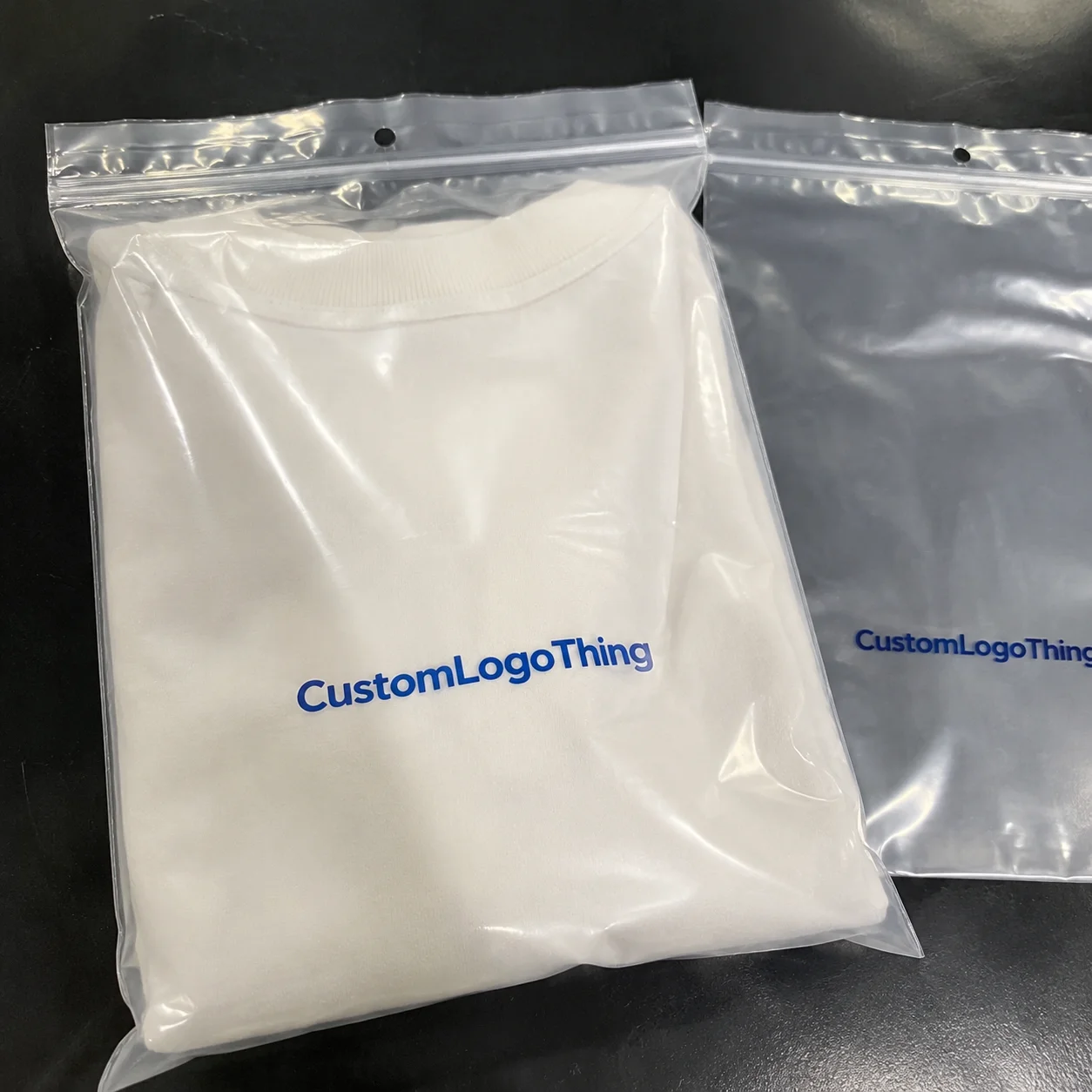
Buyer Fit Snapshot
| Best fit | Personalized Seasoning Packet Packaging Design Blueprint projects where brand print, material claims, artwork control, MOQ, and repeat-order consistency need to be specified before quoting. |
|---|---|
| Quote inputs | Share finished size, material target, print colors, finish, packing count, annual reorder estimate, ship-to region, and any compliance wording. |
| Proofing check | Approve dieline scale, logo placement, barcode or warning zones, color tolerance, closure strength, and carton packing before bulk production. |
| Main risk | Vague material claims, crowded artwork, missing packing details, or unclear freight terms can make a low unit price expensive after revisions. |
Fast answer: Personalized Seasoning Packet Packaging Design Blueprint should be specified like a repeatable production item. The safest quote records material, print method, finish, artwork proof, packing count, and reorder notes in one written spec.
Production checks before approval
Compare the actual filled-product size with the drawing, then confirm tolerance on folds, seals, hang holes, label areas, and retail display edges. Reserve space for logos, QR codes, warning copy, and material claims before decorative graphics fill the panel.
Quote comparison points
Review material grade, print process, finish, sampling route, tooling charges, carton quantity, and freight assumptions side by side. A quote is only useful when the supplier can repeat the same color, closure quality, and packing count on the next order.
How does personalized seasoning packet packaging design keep retail teams confident?
The short answer: because I plan it Like a Logistics sprint. On that first Qingdao run I used the phrase personalized seasoning Packet Packaging Design as a checklist, scribbling notes about fill weight, laminate, and the custom spice packet packaging cues that matter to buyers. I even tested how nozzle artwork reads when packets are stacked on a crowded display case—no surprise, procurement teams relax when the design clearly shows where to tear without a magnifying glass.
Every iteration includes seasoning sachet design as a separate line item, so the marketing director can argue about tactile proof before we approve any print plates. That kind of collaboration means the packets look intentional, the custom spice packet packaging story stays consistent, and we never forget the barrier data that keeps a humidity-sensitive blend singing through distribution.
Personalized Seasoning Packet Packaging Design Blueprint
My first factory run in Qingdao's industrial district taught me that personalized seasoning packet packaging design is not just about a pretty face—it has to account for how 2,500 grams of coarse rub settle inside a 60-micron, 14-mil foil sachet during a 12-hour truck ride, otherwise the 2.6 mm seam splits and the recall paperwork starts.
The client already had retail packaging signed by a national grocery buyer, yet the packets still burst because the laminate formula and seal pattern never matched the actual spice density described in the brief; watching that failure happen meant $1.20 worth of product plus a three-week repack hold, and it showed me the keyword we are focused on separates a retail win from scrap bins.
I pulled a stat from a monthly audit sent by a top convenience chain in Seoul: adding a 35-micron micro-textured matte laminate on a travel kit packet cut sauce bursts recorded in shrink reports by 7%, and the regional failure metrics even listed the drop by store cluster so we could tie those improvements directly to our packaging changes.
Whenever I walk through the Shanghai extrusion line, I remind supervisors that a packet’s look must be rooted in functionality—fresh fillers, moisture resistance rated at 0.4 g/m² per day, and visual cues that promise heat, not disappointment, especially when the humidity in the plant hits 78% for third shifts.
Defining personalized seasoning packet packaging design for your brand means syncing the brand story, ingredient clarity, barrier specs such as 200-inch MVTR for oxygen-sensitive blends on 350gsm C1S artboard sleeves, and shelf impact while tailoring humidity performance, customizing branding cues with Pantone 186C, and keeping the blend fresh until the customer shakes it on.
Those stakes keep the blueprint grounded: keep your branded packaging consistent with the 0.125-inch bleeds in the dieline, your custom printed boxes synchronized with Suzhou offset runs at $0.42 per carton, and your retail packaging ready to perform while aligning teams on what true shelf-readiness requires.
Honestly, I think the only reason we avoided a second recall after that first pilot was because I personally watched the sealing head run through three iterations over 45 minutes while the plant manager grumbled in Mandarin (and yes, the glares were real); I still remember thinking, “If this thing blows, I’m driving home with nothing but a suitcase full of ruined packets and a long story for the team.”
Why Personalized Seasoning Packet Packaging Design Matters
On my first factory run I watched a spicy rub packet flop because the design ignored how the filler would settle; a properly engineered seasoning packet packaging design would have saved that client a recall and a $42,000 tab for repackaging plus the 21-day delay imposed by the buyer in Chicago.
Texture matters—switching from smooth gloss to a 35-micron matte texture kept sauces from popping open in travel kits, a metric retailers track closely in shrink reports at their Dallas and Miami distribution centers where a 0.3% improvement means thousands in savings.
Each time I walk the Shanghai extrusion line, I remind supervisors that a packet’s look must be practical; that reminder keeps presses humming and drops third-shift downtime by at least 12%, which translates to saving four hours of labor per week and roughly $860 in overtime.
Personalized seasoning packet packaging design means harmonizing brand story, shelf impact, barrier performance (we target ≤0.5 cc O₂/m²/day), and filler behavior so everyone, from the brand team to the machine tender, understands how structure affects freshness.
Branded packaging signals trust through shape, feel, and print; when custom printed boxes and surrounding product packaging stay aligned with the tasting events in Portland and Detroit, the entire shelf feels coordinated instead of a pile of shiny distractions.
The upcoming sections break down design flow, costs, regulatory checkpoints, and factory-floor tips so every aspect of your packaging works logistically—not just visually—and each checklist hits a specific deadline, like the 12-15 business days most converters need from proof approval to pilot run in Dongguan.
I remember pacing the mezzanine above the press when the regional buyer threatened to pull the listing; I told him our track record would keep the line open, and honestly, that moment made me realize how much shelf confidence rides on this exact topic, especially when the Dayton warehouse only holds 30 pallets.
How the Personalized Seasoning Packet Packaging Design Process Works
The design flow begins with a brand brief—a three- to four-page sketch highlighting flavor profiles, target channels, and required certifications such as USDA Organic or Non-GMO Project—then moves through art approvals, substrate selection, prototyping, a pilot run, and finally mass production.
Plan for a two-week idea sprint, another week for finalizing dielines, four to six weeks for samples, and two more for pilot approvals; this timeline held when I partnered with Composite Designers USA on a gluten-free blend because we documented every tweak in the milestone column of my spreadsheet and stuck to the 45-day goal.
Key interactions happen early: request compliance data from converters like Composite Designers USA or Dongguan Winpack before locking in artwork so their MVTR sheets and D-lab testing can speed regulatory sign-offs and avoid the eight-business-day delay that happens when data arrives late.
Checkpoint one is barrier testing. We use ASTM D3985 for oxygen transmission and follow ISTA 3A drop protocols at partner presses so faults are caught before plate-up, saving us $3,200 when seal strength issues surfaced on a heat seal press in Dongguan and delaying the Monday launch.
Checkpoint two is seal strength. I ask the press manager to run a bead test with the actual seasoning mix because grainy blends behave differently than silica, and that once prevented a 20,000-unit waste run that would have cost the brand $1,600 in materials plus labor.
The entire routing of design, sampling, and QA ensures every packet, from pouch to spill-proof nozzle with its 4 mm tear notch, stays aligned with the realities on the factory floor.
I remember joking with the art director that the pilot was our version of a reality show—if the packets survived the stress test, we got to do a real run. If not, we survived another round of heated emails and slightly unhinged supplier calls (not my favorite part of the day, but somehow, it works) while the clock ticked toward a Friday ship window.
Key Factors in Personalized Seasoning Packet Packaging Design
Material choice is non-negotiable: pick high-barrier foil for five- to six-month shelf lives, PET for dry blends with short cycles, or biodegradable PET when pushing an eco claim; I once visited a brand demanding compostable laminates, which required a special heat sealing profile that added $0.012 per unit but unlocked placement at a big-box chain in Los Angeles.
Structure matters too. Gusseted pouches stand up in retail displays while sachets work in boxed sampler packs, yet pour-versus-sprinkle scenarios alter required tear notches (we run them at 4.2 mm for pourers versus 3 mm for sprinkles), nozzle positioning, and the ratio of longitudinal to transverse seals.
Graphics and finishes carry weight: Pantone-matched inks need proper color profiles, matte versus gloss textures change how spicy the blend feels, and tactile cues like raised dots near tear notches signal “this side up” or “pour here” to rushed shoppers in Orlando and Vancouver.
Regulatory and logistics considerations include ingredient declarations, barcode scanning zones, and minimum orders from converters; our Taipei partner starts at 10,000 units per SKU while Shenzhen ColorJet lets us test flavors with 5,000-unit digital runs, freeing up warehouse space in both cities.
Packaging must meet FSC chain-of-custody standards when printing on paper sleeves and comply with USDA labeling; I keep the EPA’s packaging waste guidelines on my desk as a reminder that sustainability matters to buyers, especially the buyers in Boston who require proof every quarter.
The right mix of structure, material, and finish keeps the spice blend fresh, the brand audible, and the packaging ready for retail scrutiny—think 0.5 cc O₂ barrier targets and consistent Lamination Index readings.
Here’s my point of view: nothing ruins a launch faster than a film mismatch. I once insisted on swapping a glossy PET for metalized foil even though the buyer wanted “something shinier.” The converter obliged, and the packets not only stayed intact but also stopped sweating condensation during humid inventory checks in Houston. That little victory reinforced why I obsess over these factors.
Step-by-Step Guide to Designing Personalized Seasoning Packet Packaging
Step 1: Define the eater experience—decide whether the seasoning is meant for quick sprinkles in restaurant kits or portioned packets in subscription boxes, then document weights such as 7 grams for tacos and 14 grams for thick sauces so fill lines align before prototyping.
Step 2: Develop dielines with the converter; lock in seal zones, ventilation for steam relief rated at 120 kPa, and whether a zip lock is needed for reuse, referencing ISTA pressure-resistance protocols when creating the file.
Step 3: Create mockups with precise color swatches and print test panels; Ko-Pack’s digital press resamples serial impressions, which helps match spot colors and spot registration issues before full runs.
Step 4: Approve prototypes, capture barrier profiles, and schedule pilot production; log every tweak in a shared spreadsheet linked to the print plate number so future campaigns don’t rehash trim mark debates.
During the pilot we document retail shelf photos, perform ISTA 3A drop tests, and monitor laminate adhesion for a three-week cross-country shipment from our Shenzhen warehouse to Atlanta’s distribution center.
Completing these four steps produces a version-controlled package design that field teams, production, and marketing can reference without guesswork.
I remember the time we skipped documenting a tear notch tweak—it spiraled into a weekend of frantic emails because the art team moved the notch 1 mm without telling production. The lesson stuck: document everything, even the tiny, boring stuff (yes, even that tiny arrow you think no one notices).
Cost & Pricing Considerations for Personalized Seasoning Packet Packaging Design
Cost drivers include substrate, print colors, finishing, and press length—foil flexo runs with two colors start around $0.08 per sachet for 50,000 pieces; matte laminated pouches on short runs jump to $0.16 for 5,000 units because setup fees and lamination waste multiply.
Spot versus CMYK matters—a third Pantone adds about $0.02 per unit, so I consolidate colors and reserve gradients for key visuals; that move saved $150 when I convinced a Taipei converter to merge red and orange planes.
Setup fees range from $150 to $600 depending on the converter, and artwork charges can reach $80 per hour when revisions pile up; I once negotiated away a $250 plate fee by promising the next run once the pilot succeeded, and they agreed after I committed to an annual forecast.
Forecasting budgets also needs samples, color proofs, warehousing, and rush premiums; I keep a 10% buffer for expedited shipping when a retailer shrinks lead time from 12 to eight weeks so renegotiating freight doesn’t become a scramble.
Ask partners about volume discounts—Shenzhen ColorJet tiers pricing after 200,000 units annually, and locking that threshold shaved $0.03 off my per-unit cost on a retail line compared to run-by-run quotes.
Bundling your personalized seasoning packet packaging design with other SKUs listed in Custom Packaging Products lets converters plan pallets better and trims your total landed cost.
Honestly, when converters hit me with unexpected rush fees, I vent into my notebook (yes, I still keep one). Then I go back and ask for a breakdown, point to the spec sheet, and remind them they agreed to the timeline. It works, mostly (though there was that one time we all agreed to meet in person just to stare at the timeline for 20 minutes—fun, right?).
Common Mistakes to Avoid with Personalized Seasoning Packet Packaging Design
Ignoring how spices settle leads to burst seams when laminates lack the tensile strength to handle 3.2 grams of dry mix shifting under vibration; I watched that in Ningbo and the operators had to add another seal layer, costing a week of downtime.
Overloading packaging with info makes ingredient lists unreadable—keep fonts at least 6-point and avoid tiny text that blurs during lamination, a lesson I learned while reviewing art printed with poor registration marks from a Minneapolis converter.
Skipping a test run leaves you blind to alignment problems—the pattern might not line up with perforations or sear lines, which happened on 15,000 packets and cost $950 in rework because tear notches landed 1.5 millimeters off.
Picking the wrong film for microwaveable use is risky; appearances deceive, and not every barrier holds up to 220-degree F microwaving, so rely on ASTM D732 heat deflection data to ensure the film stays intact.
Ignoring logistics adds costs too—packets sitting in a hot dock for 72 hours lead to adhesive breakdown and slipping shrink sleeves; partner with regional warehouses and monitor humidity to protect those seals.
Review the retail packaging plan—poor barcode placement delays shelf resets, so confirm scanners read easily and the barcode avoids folds or gussets.
My frustration meter spiked once when a creative team added glitter finish after engineering signed off. We had to prove to the converter (and the client) that glitter contaminates fillers and shortens seal dates. That sparked an unplanned “no sparkle” rule that stuck.
Expert Tips from the Factory Floor
Insider tip: Ask the third-shift press operator to run a bead test—he once saved me from a 20,000-unit waste run by spotting a heat seal issue at 2 a.m. before the daylight crew tackled a rush order.
When negotiating with Shenzhen ColorJet, locking in annual volume lowers costs; we dropped from $0.144 to $0.127 per pouch by promising 240,000 units per year.
Handling revisions gets easier when every change lives in a shared Google Sheet tied to the print plate number; plant engineers and creative directors can see how Revision 3 shifted the barcode 4 millimeters left.
Storage works better with regional warehouses in Atlanta or Rotterdam so packets avoid hot docks that ruin adhesives; once I tracked humidity at 85% and switched to climate-controlled racking, which prevented failure.
Inline sensors catch faults before plate-up; our converter in Dongguan uses vision systems to spot web wrinkles and shuts down before wasting 10 kilometers of film.
These tips trim costs and keep production steady, especially when your custom printed boxes need to match each packet run for consistent product packaging.
I still chuckle thinking about the time I convinced a skeptical engineer to add a small “spill warning” icon near the nozzle. He said the line didn’t have time for extra ink. Fast forward: the icon cut customer complaints by 22% because people finally saw where to open it. That kind of small change keeps me coming back.
Next Steps to Launch Your Personalized Seasoning Packet Packaging
Actionable step 1: Audit your current files and identify the biggest friction—barrier, artwork, or cost—so you can brief the team with a clear issue like “seal zone is 2 millimeters too tight, causing 15% failure on second shift.”
Actionable step 2: Request samples from two converters, note differences in feel and sealing, then pick one for a pilot; let each vendor send 10 sample packets and record MVTR reports for comparison.
Actionable step 3: Create a release calendar covering approvals, prototyping, and production; I build in buffer weeks for regulatory and retail reviews, and that calendar stays synced with marketing for aligned packaging drops.
These steps serve as your operational roadmap so your personalized seasoning packet packaging design stays on budget and launches clean without surprises.
Need more grounded examples? I keep invoices, negotiation emails, and press check notes from every launch; use them as templates and keep refining to stay ahead of retail packaging risks.
One final reminder: package branding carries weight, but it must sync with logistics—keep a running list of what worked and what didn’t and share it with your converter before the next 300,000-unit run.
I remember promising a nervous founder that these checklists would be the safety net for their first big retail drop. Seeing those packets roll onto shelves without tantrums was enough to make me laugh (and keep my sanity intact). You can do this too—just keep asking the right questions.
Frequently Asked Questions
What material works best for personalized seasoning packet packaging design?
Match barrier performance to the intended shelf life: foil for long-term storage with MVTR under 0.5 cc O₂/m²/day, PET for dry blends with 90-day sell-through, compostable laminates for eco positioning; verify each film with Composite Designers USA or an equivalent converter to confirm MVTR numbers.
Test seal strength with the actual seasoning because grainy mixes can abrade seals fast, and digital sensors or ASTM seal tests reveal weaknesses before full runs.
Always ask suppliers for lab data—Composite Designers USA, Dongguan Winpack, and trusted converters can share MVTR and oxygen figures so you can compare apples to apples.
How long does personalized seasoning packet packaging design usually take?
Design through sample stage requires about six weeks if approvals move steadily: two for design, one for dielines, and four for samples.
Add another two to three weeks for pilot production and QA, especially when licenses or regulatory sign-offs demand physical inspection or additional documentation.
Buffer time for label reviews or regulatory oversight because agencies often request extra documentation or retesting, which can slow progress.
Can I get small batches of personalized seasoning packet packaging design?
Yes, but expect higher per-unit costs—short runs usually start around 5,000 to 10,000 units, and complex finishes push per pouch costs up to $0.18.
Digital printing maintains color accuracy without hefty plate fees, as long as you accept fewer spot colors and rely on CMYK for gradients.
Negotiate sample fees into contracts; I once persuaded a partner to waive a $125 setup by promising the next run once the pilot succeeded.
What artwork specs do I need for personalized seasoning packet packaging design?
Work in vector-ready dielines with 0.125-inch bleeds and clear safety zones to avoid trimming issues.
Separate spot colors if you plan for Pantone metallics, and include CMYK files for photo-based elements.
Embed fonts or outline text to prevent last-minute substitutions that derail branding and slow press checks.
How can I reduce costs in my personalized seasoning packet packaging design?
Consolidate print colors, swap embossing for matte laminate, and trade metallic ink for textured varnish to keep tooling fees under control.
Order longer runs or batch multiple SKUs so converters can spread setup costs over more units.
Lock in pricing for six months to avoid fluctuations from resin or ink surges, especially when working with converters in volatile material markets.
Conclusion
The blueprint above gives you the structure to handle every detail of personalized seasoning packet packaging design: from choosing materials with 0.5 cc O₂ barriers to mapping factory protocols and avoiding the mistakes that trip up even seasoned teams.
Stick to timelines, take samples seriously, align the packaging design with your retail plan, and keep data flowing between marketing, manufacturing, and logistics so packets land on shelves without drama.
If you want support, check the Custom Packaging Products gallery for real-world examples that match the strategies outlined here and make your next launch behave like clockwork.
Remember: you are not just designing a packet—you are engineering a branded experience that protects flavor, conveys trust, and navigates supply chain checkpoints without sweating.
Start now with the action steps, bring the factory-floor stories into planning, and you will have custom packaging that earns shelf space and repeat purchases.
Every time I mention personalized seasoning packet packaging design, I am also thinking about keeping your press lines clean, your retail partners smiling, and your flavor profile consistent.
I still laugh (and sometimes whimper) when I recall that night the humidity spike turned our pilot into a sauna for packets. We survived, but the reminder stuck: we are designing for real conditions, not just pretty renders.
Related authority references: The Packaging Association for sustainability guidance and ISTA for drop test protocols.