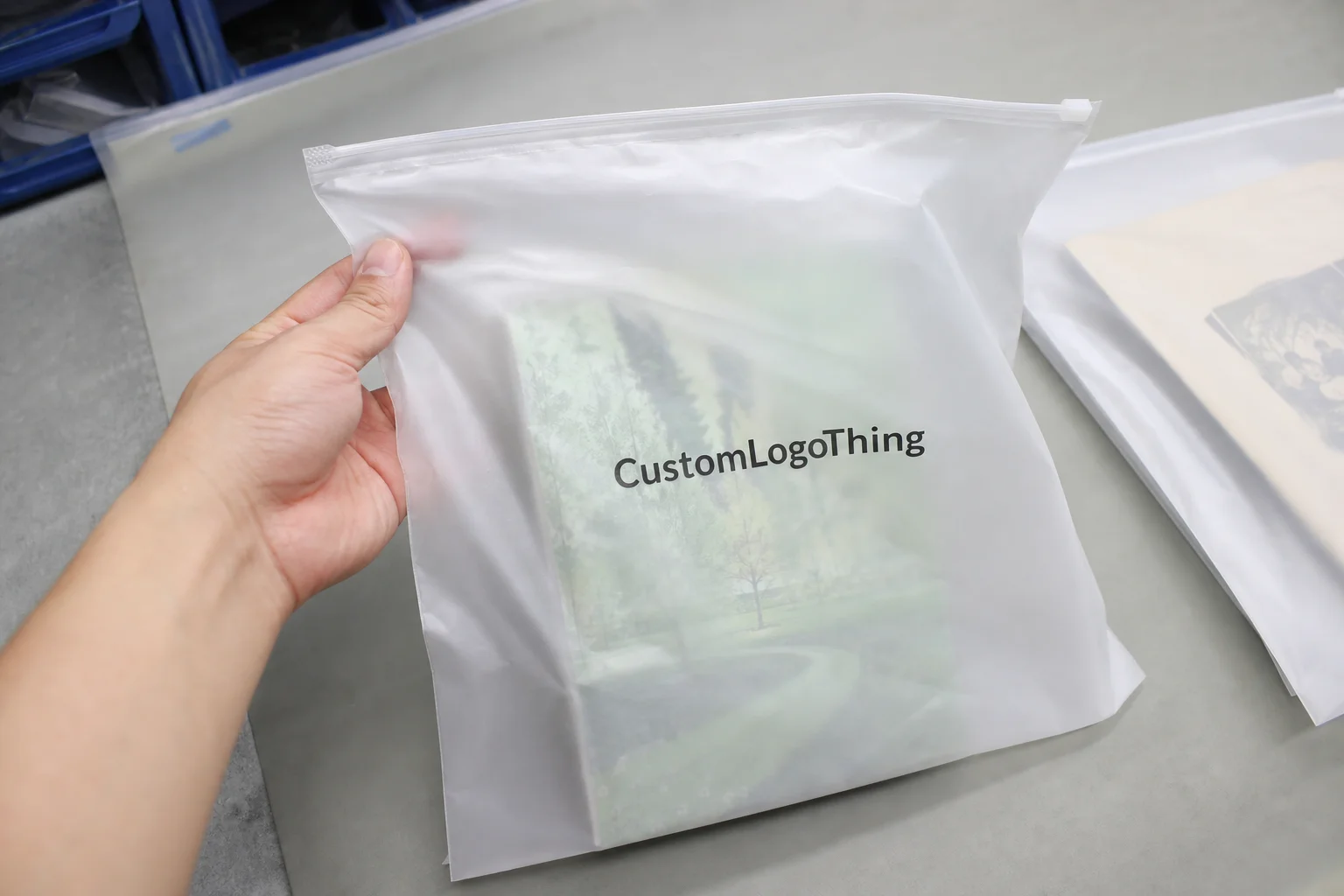
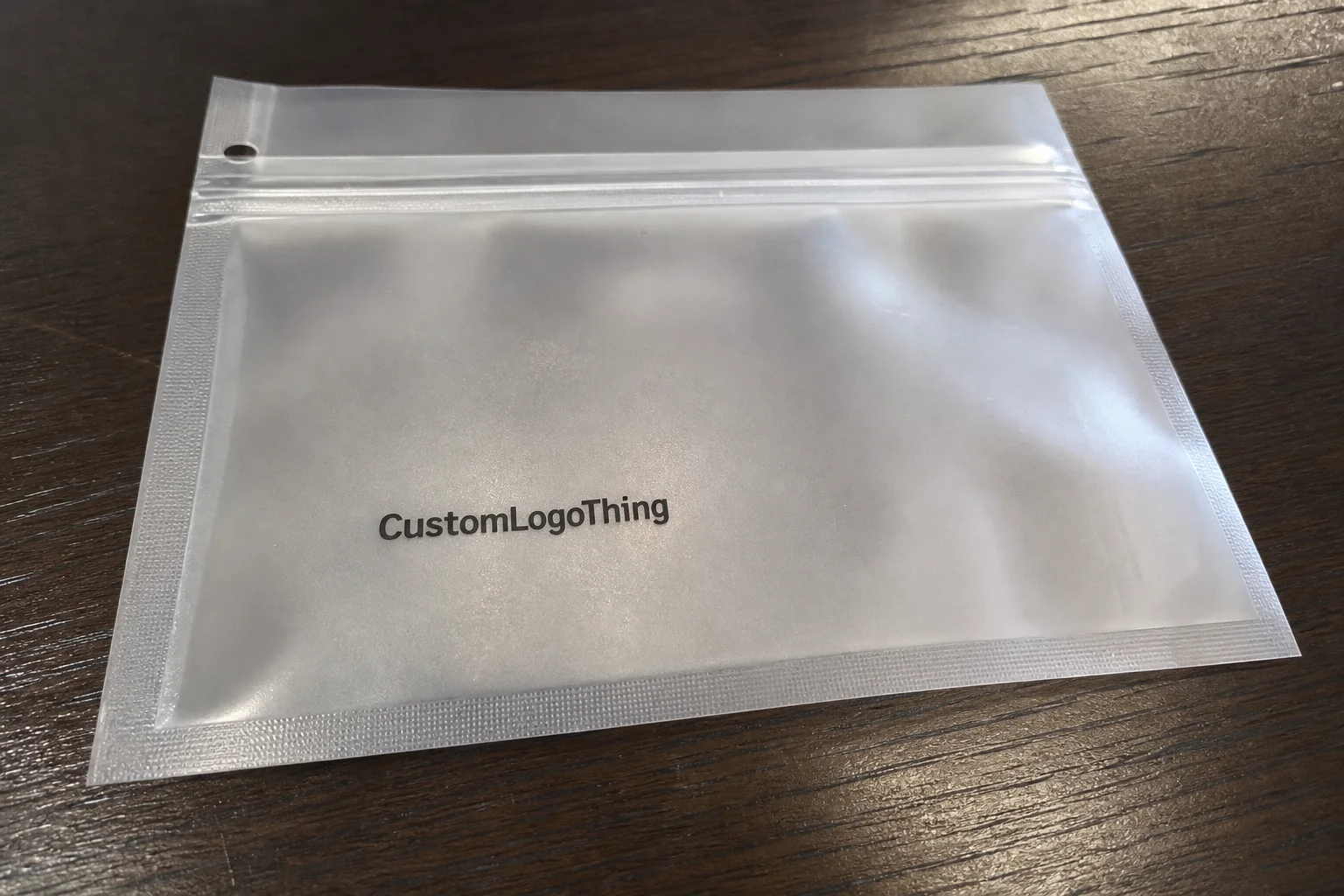
Personalized shoe bags look simple, which is why buyers sometimes underestimate them. A good one is not just a sleeve for transport; it gets reused, handed around, packed into luggage, and seen at the moment somebody decides whether a brand feels thoughtful or rushed. That first impression happens quickly, and a weak spec can make even decent artwork look less polished than it should.
From a buyer’s point of view, the job is straightforward: choose a soft-sided bag for storing or carrying shoes, then match the material, size, closure, and print method to the actual use case. Get that right and the bag becomes a practical brand touchpoint. Get it wrong and you pay for something that looks fine in a mockup but underperforms once production starts.
Why personalized shoe bags get noticed fast
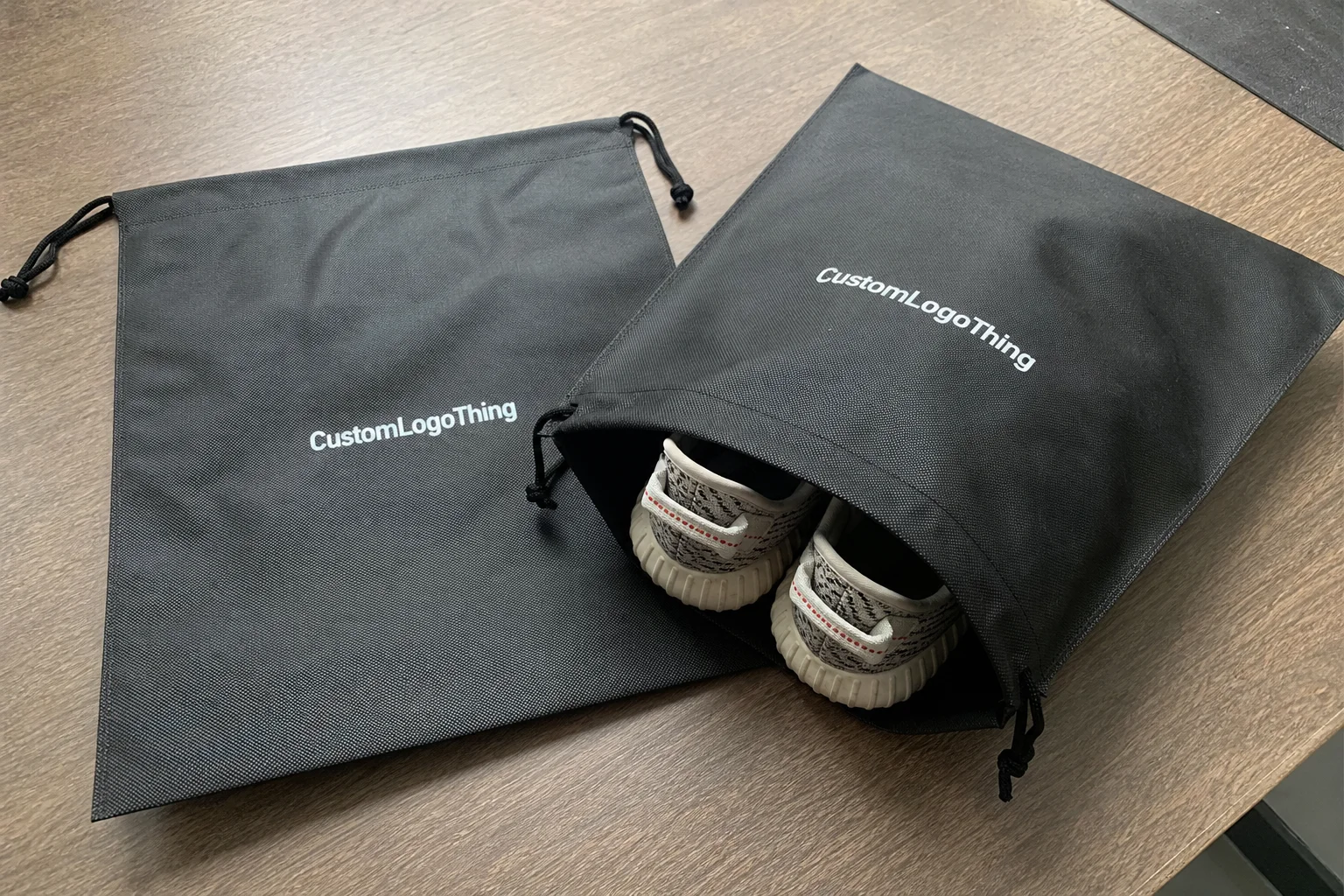
Shoe bags are one of those packaging items that can outlive the event they were made for. They are often reused for travel, gym storage, bridal party gifts, retail packaging, and team kits. That reuse matters because a brand impression on a bag keeps showing up long after a carton is thrown away.
The product itself is uncomplicated: a soft-sided bag made from nonwoven, polyester, cotton, or PE materials, usually closed with a drawstring, zipper, or flap. That simplicity is useful, but it also means the buyer has to define the job clearly before asking for quotes. A bag for white sneakers in a retail set does not need the same build as a bag for hiking shoes or event giveaways.
In practice, the use case decides the spec faster than any design discussion. A premium retail bag needs cleaner print control and a better hand feel. A sports team bag needs durability and quick packing. A bridal gift bag can lean toward presentation. The wrong material or closure can drag down even a strong logo, while the right one makes basic branding look intentional.
A digital mockup tells you where the logo sits. It does not tell you how the bag feels, folds, or survives being used three times a week.
That is why experienced buyers do not start with decoration alone. They start with the shoe type, the setting, and the expected reuse rate. Once those are clear, the bag format usually narrows itself down quickly.
How the build and printing process works
The production flow is more linear than many first-time buyers expect. First, you choose the bag style and dimensions. Then you submit artwork, review a proof, approve a sample if one is needed, and move into mass production. After that comes packing, inspection, and shipping.
Decoration method matters a great deal. Screen printing is the workhorse for simple logos and solid spot colors. Heat transfer is better when the design has more color detail or needs a cleaner gradient. Woven labels can look more premium on some bags, while embroidery is usually a fit for thicker fabrics and smaller marks. The bag material controls what will print cleanly, so the same logo can look sharp on polyester and muddy on a textured nonwoven surface.
For buyers, the most useful files are the boring ones: vector artwork, Pantone or brand color references, preferred placement, and target quantity. Add packaging notes too. If you need a folded bag with an individual polybag, hang tag, or care card, say so before the proof stage. Rework after approval costs time and usually creates avoidable friction.
There is also a practical compliance angle here. If the bags will ship inside cartons and need transit validation, ask about testing aligned with ISTA methods. If you are adding paper inserts or hang tags, FSC-certified paper is a clean procurement choice.
Print placement on a soft bag behaves differently from print on a rigid carton. Fabric stretch, seam location, and fold lines all affect the final look. A proof can confirm the layout, but only a sample tells you how the design sits once the bag is filled.
Materials, sizing, and closure details that matter
Material choice drives most of the feel and a good portion of the price. Nonwoven is usually the budget-friendly workhorse. It is light, flexible, and easy to produce in volume. Polyester feels tougher and tends to give cleaner print results. Cotton has a softer, more natural look and usually reads as more premium. PE options are more utilitarian and less tactile, which may be fine for short-term use but not ideal if you want the bag to feel giftable.
Sizing is where many orders go sideways. Measure the longest shoe in the pair, then add room for width, sole height, and closure overlap. Chunky trainers, boots, and shoes with inserts need more depth than standard low-top sneakers. If the bag is too tight, the shape bulges and the print area distorts.
Closures are a tradeoff, not a fashion choice. Drawstrings are flexible and inexpensive. Zippers feel more secure and premium, but they add cost and usually require tighter construction control. Flaps are simple and can be efficient in production, though they do not always hold the shoes as tightly during travel. For retail packaging, zipper bags often feel more finished. For giveaways, drawstrings are usually the better value.
Use the specs that actually change performance, not just the ones that sound technical in a quote.
- Fabric weight or GSM, because thin bags show wear faster.
- Seam strength and stitch density, because corners fail first.
- Breathability, especially for athletic shoes that hold moisture.
- Opacity, if you need the shoe contents hidden.
- Flat-fold behavior, because some decorated surfaces crack when packed too tightly.
| Material | Typical feel | Print compatibility | Best use case | Rough unit cost at mid volume |
|---|---|---|---|---|
| Nonwoven | Light, functional | Good for simple logos | Budget retail inserts, events | $0.25-$0.70 |
| Polyester | Smoother, tougher | Strong for screen or transfer print | Travel, sports, repeat use | $0.45-$1.10 |
| Cotton | Soft, premium | Works well with clean artwork | Bridal gifts, premium retail | $0.70-$1.80 |
| PE | Utility-focused | Limited, depends on finish | Short-term storage or low-cost sets | $0.20-$0.55 |
That cost range is a rough buying lens, not a promise. Size, print coverage, closure type, and packaging format can move it a lot. A small logo on a plain nonwoven bag costs nowhere near a fully printed, zipper-closure cotton bag with custom inserts. Same category. Very different economics.
In the sample stage, the finish details matter more than people expect. A slight mismatch in thread tension, a crooked seam allowance, or a logo that sits too close to a fold line can change the whole impression. These are small issues on a spreadsheet and obvious issues in hand.
Pricing, MOQ, and what drives unit cost
Buyers usually want the unit price first. Fair. But the real drivers are the details underneath it: material, size, closure, print colors, decoration area, packaging format, and quantity. If any one of those changes, the quote changes with it. That is normal.
MOQ matters because setup and proofing get spread across fewer pieces in smaller runs. That is why a 100-unit order can feel expensive while a 1,000-unit order drops quickly once the design is locked. The important part is consistency. If the spec keeps changing, the low MOQ does not help much.
Ask for tiered pricing at several breakpoints. A useful spread is 100, 250, 500, and 1,000 units. That shows where the real efficiency starts. A single quote at one quantity tells you almost nothing about the economics.
For a practical benchmark, smaller custom runs often land in the higher per-unit range because tooling, artwork prep, and proofing are fixed costs. As the run scales, the unit price often falls fast, especially on plain nonwoven or polyester bags with one-color print. By the time you reach mid-volume, the difference between a basic bag and a more premium spec can become only a few cents per unit on the production side, but freight and packaging can still swing the landed cost.
That is why you should compare landed cost, not just unit cost. Freight, duties, sampling, revision fees, and overage policy all belong in the comparison. A quote that looks cheap ex-factory can turn into the most frustrating line item on your spreadsheet once it is actually delivered.
There is also a hidden cost in unclear artwork. When a logo arrives as a low-resolution JPG instead of vector art, the proofing back-and-forth can add days, and rushed corrections raise the chance of color drift or layout errors. The cleanest orders usually begin with complete files and a clear spec sheet.
Production steps, proofing, and lead time expectations
The production timeline should be read in order, not as a vague estimate. First comes inquiry and spec check. Then artwork review. Then a digital proof. If required, there is a physical sample. After approval, production starts. Then quality inspection, packing, and shipping.
Lead time moves for predictable reasons. Multiple artwork revisions add days. Custom color matching adds more. Physical samples add more again. Factory queue time matters, especially in busy periods. Shipping method changes the calendar too, which is why an air-shipped order and a sea-shipped order are not even close to the same project.
A digital proof helps confirm layout, scale, placement, and spelling. It does not guarantee exact color or texture. Buyers who treat it like a finished product preview usually get annoyed later. The better habit is simple: use the proof to catch avoidable mistakes, then use a sample to check the physical realities.
If the bags are for an event, retail launch, or gift drop, work backward from the delivery date and leave buffer time. Tight deadlines are where decent projects start getting expensive.
A realistic planning rule: do not assume the fastest possible turnaround. Build in room for revisions and shipping, because nobody gets rewarded for discovering a problem on the week the goods are due.
As a planning range, many straightforward orders need roughly two to four weeks for production after proof approval, while more complex builds, heavier customization, or sample revisions can stretch longer. Shipping is separate and can become the dominant part of the timeline if the order moves by sea.
Common mistakes that waste budget and inventory
The most common error is ordering the wrong size for the shoe type. A bag that fits low-top sneakers can fail badly for boots, chunky trainers, or shoes with thick sole profiles. Once the bag is too small, the closure strains, the print area warps, and the product feels cheap even if the logo is good.
Artwork problems are the next budget drain. Low-resolution logos, missing vector files, and unapproved brand colors create extra proof rounds. Those revisions cost more time than money, which is often worse. Time pressure makes everyone sloppy, and the quality usually takes the hit.
Then there is the classic mistake of choosing the cheapest fabric because it looks cheap on a quote sheet. Sometimes that works. Often it does not. Thin material that tears, sags, or closes badly sends a clear message: the brand cut corners.
For personalized shoe bags, a sample fit test solves more than any spreadsheet can. Put the actual shoe in the sample, close it fully, check the logo visibility, and carry it for a minute. That tells you whether the bag is practical, not just printable.
Before full production, confirm three things:
- The actual shoe model fits without strain.
- The print area stays visible after the bag is filled.
- The closure works with the full weight of the shoe pair.
One more issue that gets overlooked: overordering the wrong version. A few hundred bags with the wrong size or closure is not a small mistake if they were meant for a specific retail season or event. Because shoe bags are so tied to presentation, unsold inventory is harder to repurpose than people expect.
Expert tips and next steps for a cleaner order
Start with the use case, not the decoration. A retail display bag, a travel bag, and an event giveaway need different specs even if the logo is identical. One product can cover more than one job, but it rarely does all three well.
Build a request sheet before you ask for quotes. Include shoe type, bag dimensions, material, closure, print location, color count, quantity breakpoints, packaging needs, and hard delivery date. Clear specs produce cleaner quotes. Vague specs produce back-and-forth.
Ask vendors to quote the same specification side by side. If one quote is missing packaging, or one uses a lighter fabric, or one excludes setup, you are not comparing the same product. A cheap-looking quote is often just a partial one.
There is also a good rule for branding decisions: keep the artwork clean and the structure honest. A simple logo on the right fabric usually beats a busy design on the wrong bag. Personalized shoe bags work best when the size, branding, and budget are solved together instead of treated like separate decisions.
For a custom packaging buyer, that is the whole point. Personalized shoe bags are worth the effort when they fit properly, print cleanly, and keep doing brand work after the original purchase is over.
FAQ
What size should personalized shoe bags be for sneakers?
Measure the longest sneaker in the pair and add clearance for width, sole thickness, and closure overlap. Low-top sneakers usually fit standard sizes, but chunky trainers, boots, and shoes with inserts need more room. If the bags are for retail packaging, test the actual shoe model before locking the spec.
What is the minimum order for custom shoe bags?
MOQ varies by material, print method, and closure type, but smaller runs usually carry a noticeably higher unit cost. Ask for tiered pricing at several quantities so you can see where the real savings begin. If you only need a small run, simplify the design and keep the spec consistent to reduce setup cost.
Which print method lasts longest on shoe bags?
Screen printing is usually a strong choice for simple logos on compatible fabrics because it is durable and cost-effective. Heat transfer can handle more detail, but durability depends on the fabric and how the bag is used and washed. For a premium look, woven labels or embroidery can work well when the material and budget support it.
How long do personalized shoe bags take to produce?
A typical timeline includes proofing first, then production, then shipping, so the full process is longer than the factory run alone. Artwork revisions, samples, and color matching can add days or weeks if they are not settled early. For event or retail deadlines, build in buffer time instead of assuming the fastest possible turnaround.
Are personalized shoe bags worth it for retail packaging?
Yes, when the bag is reused or seen again, because the brand exposure lasts longer than a throwaway carton. They are especially useful when the packaging is part of the perceived value, such as gifting, premium retail, or team merch. If the budget is tight, keep the design simple and focus on fit, durability, and clean branding instead of chasing extras.