Personalized teacher tote bags: what they are and why they get noticed
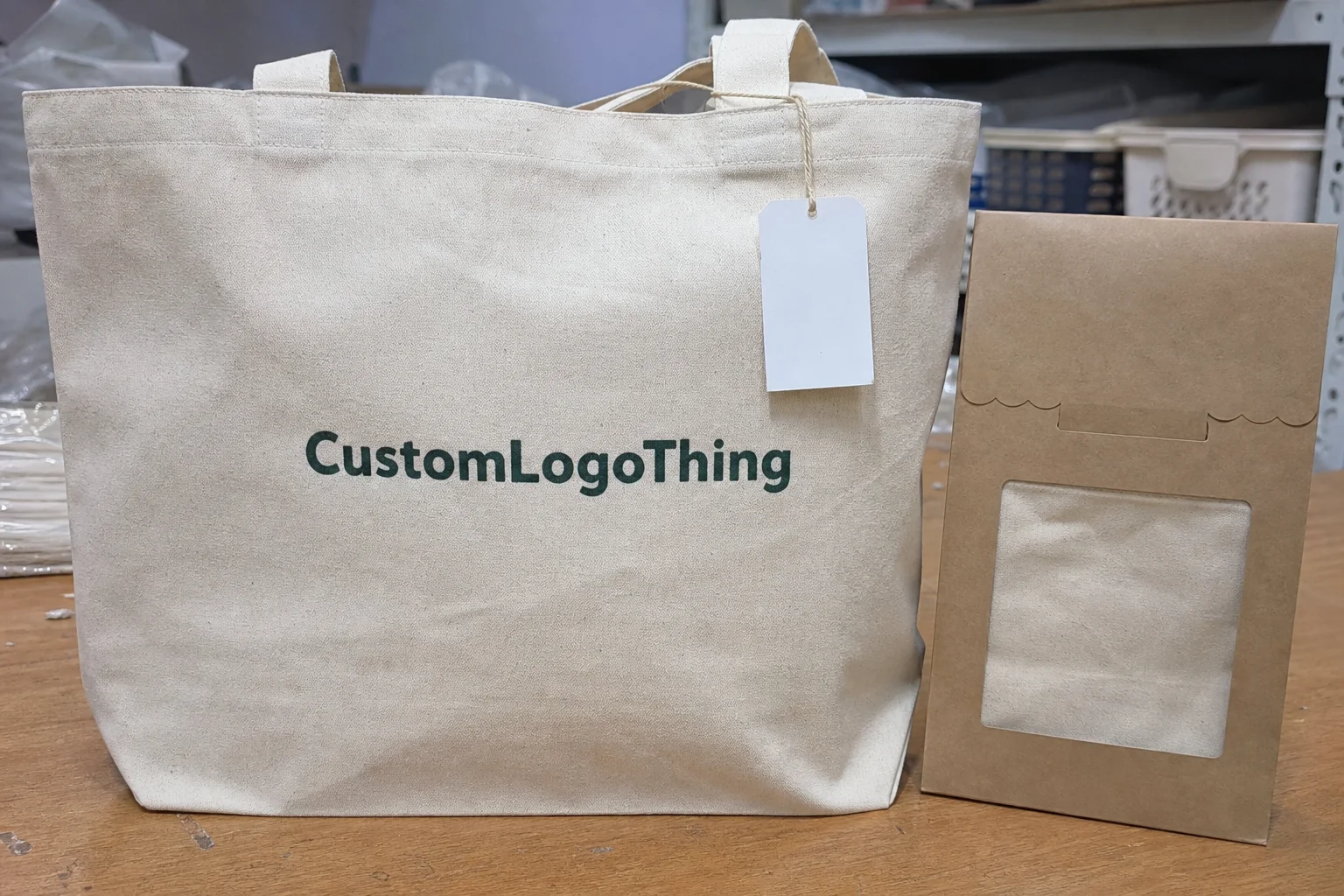
A teacher walking into school with a stuffed tote is not carrying “just a bag.” They are carrying graded papers, a laptop or tablet, lunch, markers, attendance folders, reward stickers, and usually one item that has no business being in the same compartment as a sandwich. That is why personalized teacher tote bags get attention: they solve a daily carrying problem while still feeling thoughtful enough to give as a gift.
Personalization is broader than putting a name across the front. It can be initials, a subject icon, school colors, a grade-level message, or a role-based line such as “Best Fourth Grade Teacher.” Those details change the bag from a generic utility item into something that feels chosen. A simple canvas carry bag can read as a keepsake without losing its practical value.
That practical value matters because teacher totes are often used far more than buyers expect. Many custom bags become a regular part of the school day, replacing separate carriers for desk supplies, lunch, handouts, and small electronics. If the construction is right, the bag stops being a novelty and starts doing real work.
The finish of the tote affects that experience more than many people realize. A flimsy bag with a weak print can make a generous gift look rushed. A sturdier reusable tote with clean graphics and reinforced handles does the opposite. It feels deliberate, holds up to daily use, and reflects well on the person or program that gave it.
For school buyers and gift planners, the presentation side matters too. A tote is often part of a staff appreciation event, holiday gift, or end-of-year recognition package. Accurate color, crisp printing, and a strong hand-feel all influence how polished the final gift looks when it is handed over.
How customization works from artwork to finished tote
Most orders follow the same path: concept, artwork setup, proofing, sampling if needed, bulk production, inspection, and packing. It sounds straightforward, but the early steps determine whether the order stays on schedule. Proof approval is the biggest checkpoint. If the proof is wrong, the correction often shows up later as waste, delay, or both.
Buyers usually need to provide a logo file, a name list, color references, and target dimensions. If the tote includes multiple names, a clean spreadsheet helps prevent entry errors. If the names are role-based, such as “Mrs. Allen,” “Coach Rivera,” or “Reading Specialist,” spell them exactly as they should print. A misspelling on a 100-piece run is not a minor design issue; it is a rework problem.
Decoration method depends on the material and the artwork. For nonwoven or polypropylene promotional bags, screen print is still common because it is efficient for solid logos and simple text. For tote-style carriers with more detailed graphics, heat transfer or full-color print may work better, especially when the artwork includes gradients, small lettering, or multiple tones. On fabric totes, embroidery can add a premium feel, although it usually raises both Cost and Lead Time.
There is also a real difference between a logo-only run and a personalized run. A logo-only order repeats one artwork file across the full quantity. A name-by-name run requires variable data handling, extra proof checks, and tighter file management. The production line can handle it, but the coordination has to be cleaner.
Proof approval is where good orders stay good. It is the easiest place to catch the wrong handle length, a color mismatch, or a name that was entered incorrectly.
For buyers comparing suppliers, it helps to ask how they manage variable personalization. Do they merge names in-house? Do they require one file per name? Do they provide a proof for each variation or only a master mockup? The answers reveal how organized the process is behind the scenes.
Key material, size, and durability factors to compare
Construction is the first spec worth comparing. Lightweight promotional carry bags are fine for flyers or low-load gifting, but they are not a good match for books, binders, and laptops. Reinforced-handle totes, thicker reusable styles, and sewn gusset constructions usually perform better under daily use. If the bag is meant to last, the spec sheet should make that clear.
Size comes next. A tote that looks balanced in a mockup may be too narrow for file folders or too short for a 15-inch laptop sleeve. Common useful dimensions sit around 14 x 15 inches for lighter carry use and 15 x 16 inches or larger for books, notebooks, and devices. Gussets in the 3 to 6 inch range make a noticeable difference in capacity. Buyers often underestimate how much that extra depth matters once the bag is actually packed.
Handle style affects comfort and usability. Short carry handles are fine for quick lifts, while longer shoulder straps work better for teachers already juggling coffee, a badge lanyard, and another bag. Closure type matters too. Open-top bags are easy to access, but a top zipper or snap gives added security for electronics, handouts, and loose papers.
Opacity is another decision point. If the tote will carry confidential paperwork, a more opaque material may be a better fit. If it is mainly for gifts or event swag, a lighter visual finish may be acceptable. Print area matters as well; a large front panel gives room for a name, icon, and school identity, but only if the bag shape supports that layout cleanly.
Finish changes the look more than buyers expect. Matte surfaces reduce glare and keep typography easier to read. Glossy finishes look brighter and more promotional, but they can reflect light and make printed details harder to read in photos. For staff photos, award moments, or school social posts, that difference can matter.
| Bag style | Best for | Typical strengths | Watch-outs |
|---|---|---|---|
| Lightweight promo tote | Flyers, gift cards, light handouts | Lowest cost, easy to print | Less durable, limited carry weight |
| Reinforced reusable tote | Books, supplies, lunch, daily carry | Stronger handles, better long-term value | Higher unit cost, larger footprint |
| Zip-top tote | Laptops, papers, field trips, commute use | More secure, more premium feel | Extra hardware can extend lead time |
| Premium fabric tote | Staff gifts, recognition programs | Better presentation, higher perceived value | Embroidery or detailed print may add cost |
If there is one practical rule, start with the contents. Books and tech need structure. Snacks and paper folders need volume. That is the fastest way to avoid buying a pretty tote that fails in the first week of use.
Cost, pricing, and MOQ: what actually drives the quote
Price is usually shaped by five factors: quantity, material thickness, print coverage, number of colors, and personalization complexity. A one-color logo on 500 bags is a very different job from 500 bags, each with a different teacher name, a school crest, and a second ink color. More variables mean more setup and more inspection.
MOQ, or minimum order quantity, is the point where a supplier decides the job becomes economical to run. Smaller quantities usually raise the unit price because setup costs are spread across fewer pieces. That does not mean short runs are impossible. It simply means the math looks less favorable at 25 units than at 500 units.
Setup fees are common. Depending on the process, you may see artwork charges, plate fees, or screen setup costs. These are not automatically a red flag. They often reflect real prepress work. The useful move is to ask for a line-by-line quote so setup and shipping are visible instead of hidden inside a unit price that is hard to compare.
Personalization by name can also change the pricing structure. Some suppliers keep the same unit price across the run and absorb the file handling. Others add a small per-name fee or charge separately for proofing if every tote is different. If you are comparing suppliers, ask whether variable data merging is included. Otherwise, the quote that looks cheapest can become the most expensive once the extras appear.
The lowest unit price is not always the lowest total spend. A slightly higher price on a better-sized, better-built tote can reduce replacement needs and keep recipients using the bag longer. That has real value if the tote is tied to staff appreciation or school branding.
| Order factor | Lower-cost approach | Higher-value approach | Typical impact on price |
|---|---|---|---|
| Quantity | Smaller run | Larger run | Larger runs usually lower unit cost |
| Print colors | Single-color logo | Multiple ink colors or full color | More colors usually increase setup and print cost |
| Personalization | One design repeated | Names or role-based variants | Variable data often adds handling cost |
| Construction | Basic tote | Reinforced or zip-top tote | Better materials raise unit cost but improve lifespan |
For budget planning, ask for landed cost: unit price plus setup, packaging, and freight. If a supplier cannot separate those pieces, comparisons get muddy fast. And for branded gifts, muddy numbers are where overspending hides.
For packaging standards and decoration terminology, a useful reference is the Packaging School / packaging.org. For material recovery and sustainability context, the EPA recycling guidance is a solid place to sanity-check reuse claims.
Production steps, timeline, and lead time expectations
A realistic order timeline starts with inquiry and quote review, then moves to artwork confirmation, proof approval, production, quality inspection, and shipping. If sampling is needed, add time for that as well. A simple logo-only tote can move quickly. A variable-name order or premium construction usually needs more breathing room.
Most delays happen before production starts. The most common causes are incomplete artwork, slow proof approval, and missing personalization data. If names are still being collected from staff, the schedule is already slipping. Planning backward from the event date is safer than placing the order and hoping it arrives in time.
Typical production timelines often fall somewhere around 12 to 20 business days after proof approval, depending on order size and decoration method. Rush orders can shorten that window, but they also limit flexibility on materials and can raise cost. If the order has a fixed event date, leave a cushion for freight delays or a reprint if an issue is found late.
Quality control matters more than people think. A reliable supplier will inspect print alignment, color consistency, handle attachment, and spelling before shipment. For orders that will travel, compression testing and transit durability are worth asking about. If the tote is carrying heavier loads, some buyers also ask whether the cartons or finished bags have been checked against standard transport test methods such as ASTM or ISTA procedures. The more fragile the order, the more useful that question becomes.
From a buyer’s point of view, the best schedule is still the boring one: approve the proof early, confirm the names once, and leave enough time for shipping. That is not exciting, but it prevents nearly all last-minute problems.
Common mistakes buyers make when ordering personalized totes
Low-resolution artwork is one of the fastest ways to make a tote look cheap. A blurry logo will not sharpen itself in production. If the file is pixelated, the print usually will be too. Vector files are the safer choice for logos and line art because they scale without losing edge quality.
Bag size errors are another recurring issue. Buyers often approve a digital mockup without thinking through the actual contents. A tote sized for folders may be too small for books and a laptop, while an oversized bag can look awkward for gift presentation. The dimensions should match the real use case, not just the screen mockup.
Too much text can also damage readability. Names, titles, school names, subject icons, and a slogan can all fit on one front panel in theory. In practice, the design starts competing with itself. If the letters get too small or the contrast is weak, the personalization loses the visibility that made it worthwhile.
There is a difference between decorative appeal and everyday usability. A beautiful tote that feels flimsy, slips off the shoulder, or prints poorly in daylight is a missed opportunity. The better teacher gifts do both jobs: they photograph well and survive a semester of real use.
The final mistake is approving proofs too quickly. Check spelling, spacing, handle placement, color references, and any school detail that appears in the layout. Once production starts, changes can be expensive or impossible. Ten careful minutes now can prevent days of correction later.
Expert tips for better value and stronger classroom appeal
Pick one strong personalization element and let it lead. A name plus a clean icon is usually more effective than a crowded design with three fonts and five messages. Simplicity reads as more polished, especially from a few feet away.
Match the tote style to the teacher’s routine. A teacher who moves books between classrooms needs a different build than someone who mostly carries paperwork and snacks. If the bag is meant for daily commuting, a zipper or longer handles can improve usability. If it is a gift bag, presentation may matter more than maximum load capacity.
School colors can add identity without making the tote loud. Use them in the text, strap detail, or icon accent rather than flooding the whole design. That keeps the bag thoughtful instead of busy, and it makes it more likely the tote will be used beyond school events.
Ordering a small overage is usually a smart move. A few extras help with replacements, new staff members, or late additions. For group recognition programs, that buffer often costs less than running a second production batch later.
Readability from a distance is another quiet test that saves a lot of regret. If the name or subject title disappears at arm’s length, the personalization is not doing its job. Clear contrast, enough white space, and a sensible font size make the bag feel intentional instead of ornamental.
Buyers also get better value when they stay honest about how the tote will be used. A lightweight bag is fine for a holiday gift basket insert. It is not the right choice for a teacher who carries a laptop, folders, and a water bottle every day. Matching the build to the load protects both the budget and the recipient’s experience.
Next steps: how to brief your supplier and place a confident order
Before requesting quotes, build a simple spec sheet. Include quantity, bag dimensions, material preference, handle style, print colors, and the exact personalization list. If the order includes multiple teachers, put the names in a spreadsheet and note any special titles or subject references. Clear input usually produces cleaner pricing and fewer proof changes.
Then gather artwork files. Send vector logos where possible, along with any color references such as Pantone values or school brand guidelines. If you want a subject icon, provide the illustration or confirm that the supplier should create one. The less guesswork involved, the fewer proof revisions you will need.
Ask for a quote that separates unit cost, setup fees, decoration, and shipping. That makes comparison much easier. A lower unit price with higher freight may not be the better deal, especially for smaller orders. You want the full landed cost before you decide.
Request a proof and timeline before production begins. If names are variable, ask how the supplier will confirm each one. If the tote is intended for heavier carry use, ask about material thickness, handle reinforcement, and carton packing. Those details are not cosmetic. They affect how the finished product performs once it is out of the box.
One final practical step: review the proof carefully before ordering personalized teacher tote bags. Check names, spelling, spacing, colors, and dimensions one more time. That final review is where careful buyers protect both budget and reputation.
What should I know before ordering personalized teacher tote bags?
Confirm the bag size, material, and handle style based on what the teacher will carry. Prepare exact spelling for every name or message before proofing starts. Ask whether the quote includes setup, decoration, and shipping.
How much do personalized teacher tote bags usually cost?
Price is driven mainly by quantity, bag material, print colors, and how many names or variations are included. Smaller quantities usually raise the unit cost because setup is spread across fewer pieces. Always compare total landed cost, not just the headline unit price.
What affects the turnaround time for personalized teacher tote bags?
Artwork readiness, proof approval speed, material availability, and order size all affect lead time. Variable personalization, like different teacher names, can slow production slightly. Rush orders may be possible, but they can add cost and limit material choices.
Can I order personalized teacher tote bags in small quantities?
Yes, but small runs often come with higher unit pricing and possibly setup fees. Ask suppliers about their MOQ and whether a short run is possible for gifts or staff recognition. If budget matters, standardizing the design can help keep costs down.
What design mistakes should I avoid with personalized teacher tote bags?
Avoid tiny text, cluttered layouts, and low-contrast color combinations. Do not approve a proof without checking every name, title, and school detail. Make sure the design fits the actual print area, not just the digital mockup.