Buyer Fit Snapshot
| Best fit | Personalized Vitamin Bottle Labels Waterproof projects where brand print, material claims, artwork control, MOQ, and repeat-order consistency need to be specified before quoting. |
|---|---|
| Quote inputs | Share finished size, material target, print colors, finish, packing count, annual reorder estimate, ship-to region, and any compliance wording. |
| Proofing check | Approve dieline scale, logo placement, barcode or warning zones, color tolerance, closure strength, and carton packing before bulk production. |
| Main risk | Vague material claims, crowded artwork, missing packing details, or unclear freight terms can make a low unit price expensive after revisions. |
Fast answer: Personalized Vitamin Bottle Labels Waterproof: Print Tolerance, Proofing, and Reorder Cost should be specified like a repeatable production item. The safest quote records material, print method, finish, artwork proof, packing count, and reorder notes in one written spec.
Production checks before approval
Compare the actual filled-product size with the drawing, then confirm tolerance on folds, seals, hang holes, label areas, and retail display edges. Reserve space for logos, QR codes, warning copy, and material claims before decorative graphics fill the panel.
Quote comparison points
Review material grade, print process, finish, sampling route, tooling charges, carton quantity, and freight assumptions side by side. A quote is only useful when the supplier can repeat the same color, closure quality, and packing count on the next order.
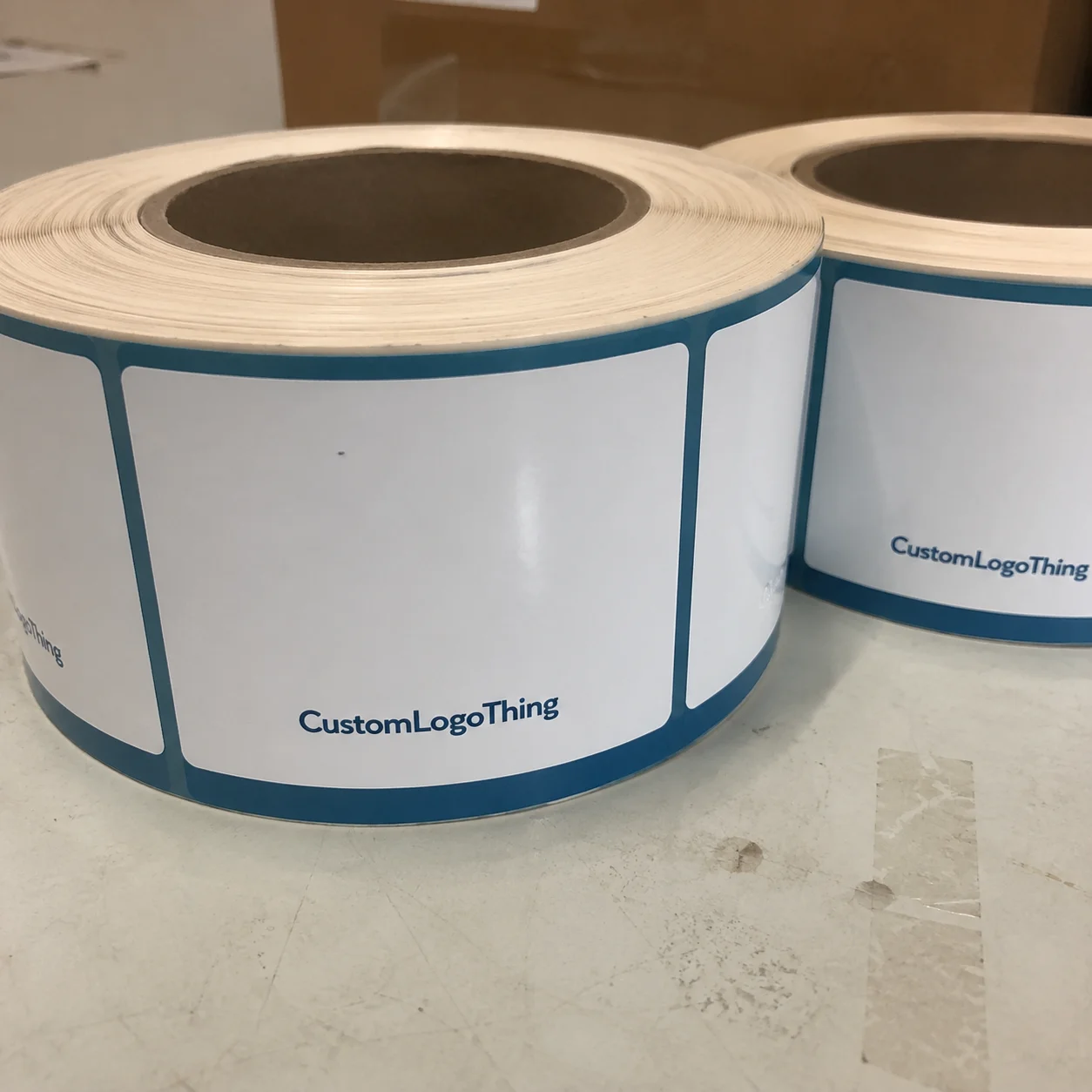
When I stepped into Gratson Label Industries in Shenzhen, I watched the line spit out Personalized Vitamin Bottle Labels Waterproof, then saw them dunk the finished jars into a tank—yes, water splashed everywhere and yes, the ink never smeared. The operator, Li, pointed me to the BOPP face stock, the 2.0 mil cold lam film, and he grinned when I asked about the solvent-free adhesive that keeps the labels anchored to amber glass even after those splash tests. I was there because a client planned to ship 15,000 units of a chilled supplement line and I needed to see firsthand how the humidity chamber at that facility ramps to 85 percent to mimic gym-bag condensation.
I remember when my first client insisted a digital mock-up was enough proof, so I dragged him through the dunk tank with me to prove otherwise. Honestly, I think every batch of personalized vitamin bottle labels waterproof deserves a dunk test—water should not be able to embarrass the ink. (Watching the tank splashes was the closest I got to making synchronized swimming cool for packaging nerds.)
Here’s what I logged while tracking every detail: how the layered laminate survives fridge shelves, which adhesives don’t quit after a soak, and the supplier pricing I dragged across the table over steaming bowls of noodles—grounded advice, no fluff. I scribbled notes on a greasy napkin because I refused to forget the humidity settings—honestly, the noodles were cooling so fast the steam might as well have been another humidity chamber. Those personalized vitamin bottle labels waterproof earned their keep in that moment, and the supplier grinned like I’d just asked for another sample instead of another stress test.
Why personalized vitamin bottle labels waterproof matter
The day I toured Gratson, the QA manager made a point to show me the micro-printed batch codes before and after the dunk test, and the ink was still crisp, which proves that personalized vitamin bottle labels waterproof earn their keep when wet. The distinction between waterproof solutions and the flimsy paper wraps that peel after a single fridge cycle comes down to three tangible specs: a BOPP or PET face stock, a solvent-free adhesive that laughs at humidity, and a micro-printed varnish that keeps compliance text legible even after 72 hours in condensation. I still have one of those damp samples tucked in my desk drawer, as weird as that sounds—I show it to clients just to prove that the ink really does stay sharp no matter how clumsy their fulfillment partner is.
Most supplement teams underestimate how much sweat, fridge condensation, and gym-bag violence their packaging faces, so Custom Logo Things engineers laminates that hold compliance text readable and brand colors true. Our color-matched proofing room in Ohio checks hue against the Pantone guides and prints a 4-inch dice test that shows how the lamination reflects light. The waterproof promise is worthless if your FDA-required panel blurs during storage, so I remind clients that the layered combination—face stock, adhesive, lamination—is not optional but essential for surviving real bottle abuse. Honestly, I think adhesives deserve a medal; I’ve seen them solve problems that would have made even the calmest brand manager twitch (yes, I’m talking to you, overzealous startup with a CPE bottle that hates glue).
Brands that dunk prototypes into a tank before launch stay confident. The ones that trust digital renders alone end up scrambling for replacements when labels start releasing at the packer’s weigh station. I told one founder to stop acting like a sleeping teenager and get a real-world test, and he did—a dunk and two shipping tests later, he stopped emailing me at midnight. The waterproof core of these labels is why clients keep requesting personalized vitamin bottle labels waterproof, because it keeps the tonality consistent in the warehouse and ensures no refunds because a label peeled mid-shipment. (Yes, I’ve had the “we didn’t see that coming” text thread; it’s not a vibe I want to revisit.)
How personalized vitamin bottle labels waterproof actually work
Layer anatomy matters: the face stock (usually 80 to 90 gsm BOPP or a 2.0 mil PET) is the stage for your colors, the adhesive is the actor that sticks to your substrate, and the laminate is the final costume that protects everything from abrasion. I still remember asking Gratson’s plant engineer why he insisted on the 2.0 mil cold laminating film with UV inhibitors instead of the cheaper UV varnish, and he replied, “This film keeps the text sharp after 10,000 passes through a tumbler test.” That film beats a varnish every time—no tackiness, no edge lift. (I was standing there holding two clipboards like a referee at a dance-off.)
The adhesive is the other half of the equation: we pair high-tack adhesives like 3M 300LSE or Mactac 906LSE depending on the substrate. When I visited a contract packer in Columbus, the line worker showed me a roll of adhesive that was specifically balanced for HDPE and PET; the labels stayed glued despite the plasticizer migrating from certain CPE bottles because the adhesive formula prevented plastic stress cracking. You need adhesives that bond to the substrate without oozing or liner slip, which is why our production managers record the torque and liner tension during each run. Honestly, I think adhesives should be the unsung heroes of every supplement label story.
Regarding production technology, digital (HP Indigo) handles short runs and variable data, while flexo with inline AWI ink is the lean machine for huge volumes. During a client meeting, I explained how our digital press runs 10,000 3 x 4 labels in one shift, prints variable lot numbers, and immediately feeds them into the lamination stage; that process takes 5 business days after approval, including humidity and abrasion testing. For that reason, I tell smart brands to insist on final humidity (72-hour exposure) and abrasion tests before shipping, because Custom Logo Things will document the drop in coefficient of friction to prove compliance. (Trying to convince a nervous founder otherwise feels like explaining why a glass of wine is necessary at a long supplier meeting—just trust me.)
Key factors for picking the right waterproof label
Surface matters: glass, plastics, even metallized laminates all need a specific adhesive profile. When I flipped through the supplier binder at our Shenzhen facility, I pointed to a sample of amber glass and asked for 180-degree peel strength data; the engineer pulled a T-Back test report and said the adhesive held 7.2 lbs per inch even after a condensation cycle. Ask your printer for that data and require a T-Back test when mixing substrates to avoid sudden peeling on the line. I remember the engineer almost snorted when I asked for humidity data on a coated PET—I was relentless, and honestly, I think that stubbornness saved one client from a recall.
Regulatory copy is another reason these labels matter. Waterproof labels don’t hide ink bleed, so you still need sharp FDA statements and health claims. Pick printers with 1200 dpi color registration and slow-drying heads so your text stays legible after lamination. I make sure our design team matches fonts with 0.13-inch x-height and ensures contrast ratios stay above 70 percent; otherwise the laminated surface challenges readability. Need to compare materials? Glide over to Custom Labels & Tags to see the face stocks that pass the ASTM D4800 bubble test. (Spoiler: the ones that pass also survive being dropped on concrete, so it’s not just about looking pretty.)
Durability checklist: I once negotiated with Sunrise Packaging to swap to a scratch-resistant laminate at a $24/roll premium because a client’s labels had to survive cross-country warehouse racks. UV resistance, cold resistance, and abrasion resistance should be measured. If your label is stored near a window, the UV inhibitors keep printing from fading, and the abrasion rating (ASTM D4060 Taber) precludes scuffing during fulfillment. Keep these criteria on your checklist and demand the specific test results before sign-off—otherwise you’ll be texting me a week later asking why the label looks like it’s been through a war zone.
Cost & pricing reality for waterproof vitamin labels
Base material costs are concrete: Custom Logo Things can source BOPP at $75 per 500-sheet pallet, which yields about 9,600 3 x 4 labels once die-cut. Designers often ask if they can leave bleed, but that decision directly hits cost because more bleed equals more waste. If you want precision, build the extra $0.02 per label into the budget so the tooling doesn’t need a second proof. I remember a client balking at that number—then a week later they were crying over a second press run that cost double. Trust me, just plan for the bleed.
Production pricing depends on volume. Digital printing with inline lamination runs about $0.18 per label for 10,000 pieces, while flexo drops to $0.07 per label when you hit 50,000 units. I remember a detailed debate with our production manager over freight: we routinely negotiate with Pacific Consolidators to keep FOB costs below $0.02 per label, and that keeps the landed price reasonable even when shipping from our Ohio plant to East Coast warehouses. When clients ask why they should care about FOB, I remind them that every penny saved there is one more penny for a weatherproof label.
Upcharges also matter. Variable data adds $0.01 per label, specialty foils or embossing tack on $0.05 to $0.12, and expedited sampling from our Ohio lab is a flat $95 fee. Ask yourself before quoting: do you really need foil stamping or would plain lamination suffice? If you do need an upgrade, make sure it is approved in writing to avoid a surprise invoice when the press finishes the run. (Surprise invoices are the worst; I’ve seen smiles disappear faster than you can say “lamination fee.”)
Step-by-step process & timeline for rolling out labels
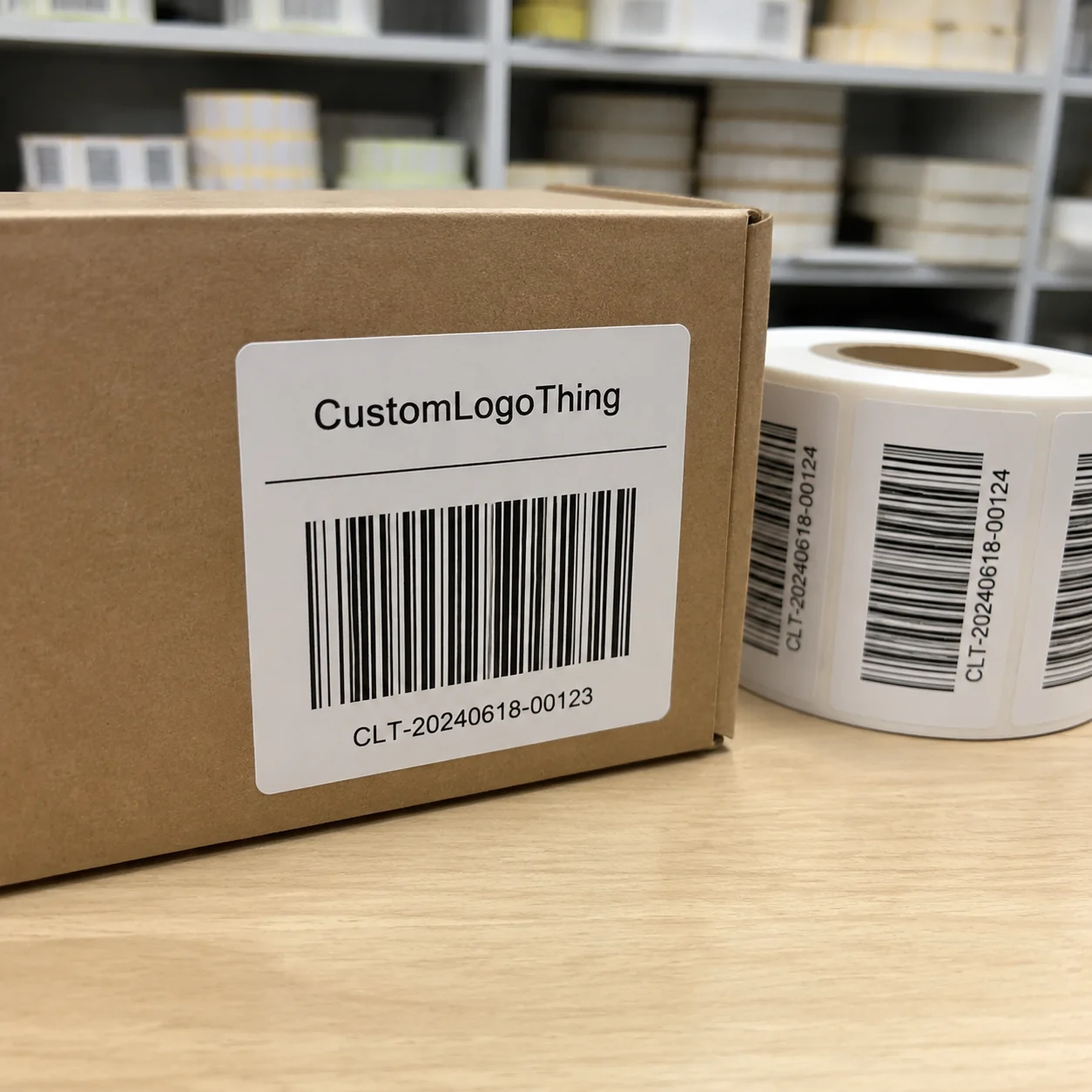
Week 1: Lock the artwork. Finalize dielines with your designer, send the PDF to Custom Logo Things for preflight, and include actual bottle pictures so we can confirm curvature and wrap length. Our art department double-checks for 0.25-inch bleed and 1200 dpi output, then hits the proof button. At this stage, I also ask for a glaze template to verify edges on a wraparound label and note which adhesives match the substrate.
Week 2: Approve the first digital proof, request a tactile sample from the Ohio lab (they ship via FedEx Priority for $38), and run the label through a humidity chamber; expect 2-3 days for testing feedback. I always remind clients to describe the planned storage conditions—warehouse racks, refrigerated cabinets, or a gym bag—so the QA team can mimic the defeat scenario. (It’s wild how many folks forget to mention the gym bag; apparently so much sweats we could power a small city.)
Week 3: Hold a short call with the production manager to confirm adhesives (3M vs. Mactac) and lamination type, then schedule the press run; digital jobs usually ship within 5 business days after sign-off. Flexo jobs take closer to 10 days because of tooling, so plan accordingly. We also provide a press report showing press speed, nip pressure, and die-cut details so clients have full transparency before logistics. Seriously, the report is more detailed than some of the brand decks I’ve seen.
Week 4: Inspect the pilot batch, tally the roll count, and coordinate logistics—our partner Pacific Consolidators can drop ship to your warehouse or your contract packer’s line directly from the plant. That last inspection is where personalized vitamin bottle labels waterproof stop being a promise and become a deliverable, complete with shipping labels and packing slips that match the requirements you gave us in Week 1.
Common mistakes to avoid with waterproof labels
Skipping real-world tests is a rookie move: don’t rely on a digital render. Ask for a soaked sample on your actual bottle before ordering 20,000 labels. I watched a supplement founder ignore this and wind up with labels that shrank and bubbled, costing her another $1,400 to redo the run. The worst part? She asked if we could “patch” them instead of reprinting, which led to a very honest “no, thanks” on my end.
Ignoring adhesives is the second mistake: using the same glue for amber glass and PET ends with peeling labels. We once had a client blow a run because the adhesive reacted with the plasticizer on their CPE bottles—switching to a high-tack Mactac 906 solved it, but not before they wasted 4,000 pieces. That’s why we require a 72-hour adhesion test for every new container. (If you hear a shriek in the plant, it was me seeing that run go south.)
Overcomplicating design is the third mistake. Too many colors or micro-text can muddy once laminated; keep fonts bold and contrast high. The waterproof promise is meaningless if compliance text blends into the background once the film goes on. I usually tell the design team to respect a 30-point minimum for primary headlines and 12-point for secondary copy, which keeps things legible without sacrificing personality. Once, a designer insisted on 8-point script; I had to stage an intervention with the brand to prevent a shipping disaster.
Expert tips from factory visits and supplier deals
Negotiation tactic: I always bring a secondary supplier quote to the table. Last visit, when we showed a Mactac 906LSE bid from Sunrise Packaging, the plant cut our Custom Logo Things price by $0.02 per label right on the press floor. A little pressure—plus proof that I’d done my homework collecting data from another vetted supplier—kept our margin in check. (Also, Diplomacy 101: never let them see you sweat when they mention tooling fees.)
Tip: Ask about split-liner options. We send multi-panel labels to supplement brands so they can hand-peel backed instructions without touching the adhesive. That feature comes from a week I spent on the Ohio line, watching the laminator knife score the back liner so the consumer can lift the panel cleanly, even after the label endured transit vibration.
Run small before scaling. Start with a 2,000-label batch to dial in inks and adhesives, then scale. The Ohio line can replicate the exact press settings we used during the factory visit, so scaling up feels like déjà vu. Don’t skip that tiny run; it’s the most affordable insurance policy you can buy. (And you’ll thank me when you don’t have to explain to the founder why the labels look sad.)
Actionable next steps for rolling out personalized waterproof labels
Inventory: Audit every bottle shape that will use the label and note surface material so you can match it to the right adhesive profile. Bring those specs—glass, HDPE, PET, matte, or gloss—when you sit down with Custom Logo Things so we can show you the test data relevant to those surfaces. I keep a whiteboard of bottle shapes in my office and it looks like a crime board, but it keeps us honest.
Testing: Schedule a humidity and abrasion trial with Custom Logo Things, specify 72-hour exposure, and document results before approving full production. Ask for the specific ASTM D3359 crosshatch adhesion numbers and Taber abrasion cycles to compare runs. Knowing what happened during the test lets you explain durability confidently to your retail partner. (If they still ask for more data, send them a photo of the dunk tank—I don’t want to fight anyone about waterproof claims.)
Confirmation: Lock in your pricing (include any foil or emboss add-ons), finalize the delivery window, and remind your team that personalized vitamin bottle labels waterproof works only if the documentation says so—no surprises. That means printed specs, adhesive data, freight terms, and handling notes all need to be signed off before the press run begins. I once had a client forget to confirm freight and their warehouse refused the shipment; I’m still waiting for that apology lunch.
Conclusion
After standing in both the Shenzhen and Ohio plants, I can confirm that personalized vitamin bottle labels waterproof go from concept to cabinet when you respect materials, adhesives, and testing; skip any link in that chain and you risk a ruined launch. I still text that founder a “remember when” meme whenever someone tries to skip the dunk test.
What materials ensure personalized vitamin bottle labels waterproof stay readable?
Use BOPP or PET face stock with UV inks and matte or gloss lamination, pair with adhesives like 3M 300LSE or Mactac 906LSE for high peel strength on glass and plastic, and request abrasion plus sunlight tests from your supplier before production.
How long does production take for personalized vitamin bottle labels waterproof after approval?
Digital runs ship in about 5 business days post-approval while flexo comes closer to 10 days; add 2-3 days for humidity/adhesion testing and 1-2 days if you need FedEx sampling, plus 2-4 days for domestic freight depending on your location.
Can personalized vitamin bottle labels waterproof stick to both glass and plastic bottles?
Yes, but you must Choose the Right adhesive profile—glass prefers acrylics while PET often needs high-tack adhesives—ask suppliers for a T-peel test, confirm adhesion after a 72-hour condensation cycle, and always retest when switching containers even if the stock stays the same.
Do personalized vitamin bottle labels waterproof require special storage?
Store rolls in a climate-controlled area (65-75°F) away from direct sunlight to keep adhesives stable, keep humidity below 50% to prevent curl or adhesive migration, and don’t unspool until ready because pressure-sensitive stock picks up debris fast.
What is the minimum order quantity for personalized vitamin bottle labels waterproof with lamination?
Custom Logo Things can run as few as 1,000 labels on digital presses, laminated runs typically start at 2,000 pieces to cover tooling and setup, and for the cheapest per-unit cost aim for 10,000+ labels with roll storage options.
For more standards reference, check Packaging Machinery Manufacturers Institute for adhesives and ISTA for humidity and abrasion guidelines.