What Woven Labels for Apparel Brand Hats Actually Do
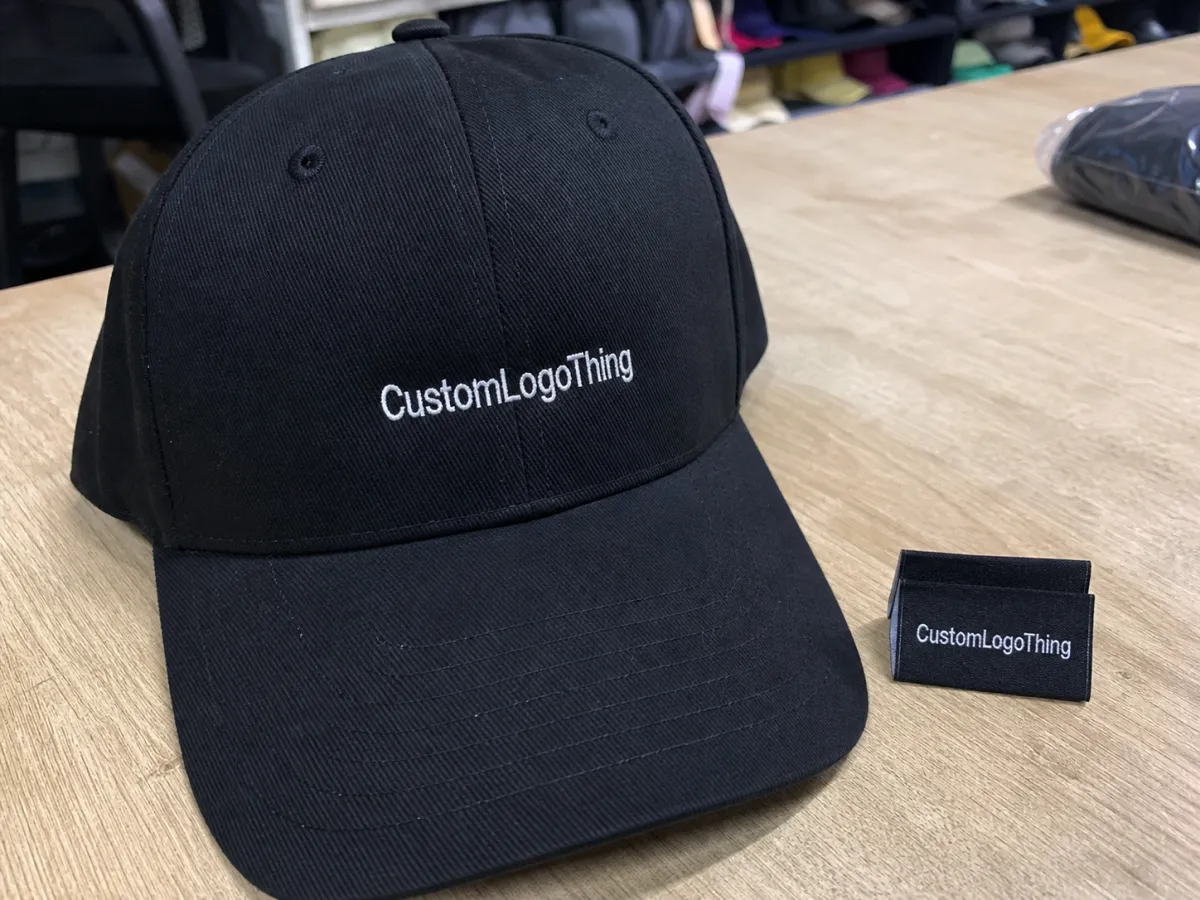
Most customers notice the label before they notice the stitch count. Tiny tag, big judgment. Annoying, but true. Woven labels for apparel brand hats are not decoration afterthoughts; they are branding real estate placed right where customer perception starts to form.
A woven label is made by weaving colored threads together to create the design inside the fabric. It is not ink printed on top of a textile surface. That distinction matters because thread carries texture, depth, and better wear resistance than surface print in many visible branding applications. A well-made woven label can handle regular touch, light abrasion, sweat, folding, shelf life, and repeated wear without looking tired after a few outings.
On hats, woven labels can sit almost anywhere: front crown, side seam, back closure area, inside sweatband, underside of the brim, or paired with a hang tag for retail presentation. Streetwear brands often use a front label as the main visual mark. Outdoor brands may prefer small side tabs or folded cuff labels on beanies. Golf, resort, and corporate retail lines often lean toward cleaner placement, tighter color control, and less visual noise.
Do not confuse a woven label with a patch. A woven label is usually thinner, softer, and more flexible. A patch may include backing, merrowed edges, foam, embroidery, heat-applied film, or a heavier body. Both can work beautifully. They solve different problems. A label bends with the hat. A patch announces itself.
The job is simple: make the hat feel finished, not improvised. A good label makes a blank cap feel like part of a product line. A bad one makes even a decent hat look like someone applied a logo during lunch and called it a brand system.
How Woven Hat Labels Are Made and Attached
Woven hat labels start with artwork. The logo, text, border, and background are translated into thread instructions for a loom. Colored yarns cross and lock together to build the design directly into the label fabric. Clean shapes usually beat fussy artwork because the loom is interpreting thread, not pixels.
The main weave types are damask, satin, and taffeta. Damask is the common choice for fine detail because it uses thinner threads and gives better definition for small logos, tight borders, and readable type. Satin has a smoother sheen and can feel more polished, but it may not hold tiny detail as clearly. Taffeta is simpler and more budget-friendly, useful for basic labels, though it can look less refined on premium retail hats.
Thread count and yarn thickness affect detail. If your label has a thin icon, a narrow border, a 0.5-inch wordmark, and a micro tagline, expect the supplier to simplify the artwork or quote a finer weave. Magic is not a production method. Thread needs enough space to turn corners, create contrast, and keep letterforms open.
Common finishes include straight cut, end fold, center fold, Manhattan fold, laser cut, heat cut, adhesive backing, iron-on backing, and sew-on construction. For caps, flat sew-on labels and woven patch-style labels are common. For beanies, folded cuff labels are popular because they wrap cleanly over the edge and show branding on both sides.
Attachment depends on the hat. Labels may be sewn onto the crown panel, stitched to the brim, tucked into a seam, heat pressed if the material allows it, or applied before final hat assembly. Structured caps, foam truckers, dad hats, beanies, and performance caps all behave differently under sewing needles and heat. A label that looks crisp on a flat proof can turn into a sad bumper sticker on a curved crown if the size, backing, and flexibility are wrong.
Practical rule: design the label for the actual hat, not for the prettiest flat mockup. Curves, seams, foam, sweatbands, and closures all vote on the final result.
Key Specs That Decide Whether Your Hat Label Looks Premium
Before requesting a quote for woven labels for apparel brand hats, gather the specs that affect production: size, shape, fold type, edge finish, thread colors, backing, and application method. A vague request for a “small logo label for caps” produces a vague quote. Then everyone acts surprised later.
For size, small side labels often land around 0.5 to 1 inch tall. Front labels commonly run 1.5 to 3 inches wide, depending on the crown shape and logo complexity. Inside sweatband labels need enough width for readability but not so much bulk that the wearer feels a ridge against the forehead.
Artwork has limits. Tiny serif fonts, gradients, distressed textures, shadow effects, and five microscopic taglines are where good logos go to die. Woven thread can do impressive detail, especially in damask, but it is still thread. Simplify the art. Use bold marks, clean type, strong contrast, and fewer colors. The label is not a billboard. It is a label.
Color matching deserves a sober conversation before production. Woven thread can approximate Pantone colors, but thread reflects light differently than ink on coated paper or dye on cotton twill. A navy thread may look slightly lighter under studio lights and darker on a black cap. If brand consistency is strict across hats, tees, bags, and packaging, ask for available thread color options and approve the closest physical match rather than relying only on a screen proof.
Background thread, border thickness, and negative space decide whether the logo reads from three feet away or becomes thread soup. A 1 mm border may look refined on a digital layout and disappear in production. A thin white logo on a busy heathered background may seem minimal until nobody can read it. Contrast is not optional for brand recognition.
Comfort matters too. Inside sweatband labels and beanie cuff labels sit close to skin. Scratchy edges, stiff backings, and bulky folds can make customers quietly dislike the hat. They may never complain. They will just stop wearing it, which is harder to fix than a visible defect.
| Spec | Typical Range or Option | Buyer Tradeoff |
|---|---|---|
| Front label width | 1.5 to 3 inches | Bigger reads faster, but may curve or wrinkle on structured panels |
| Side label height | 0.5 to 1 inch | Subtle and clean, but small text can fail quickly |
| Weave type | Damask, satin, taffeta | Damask handles detail; taffeta controls budget |
| Backing | Sew-on, adhesive, iron-on, patch backing | Sew-on is reliable; heat options depend on hat material |
| Thread colors | Usually 2 to 6 for clean results | More colors can add cost and muddy small artwork |
Cost, MOQ, and Unit Cost for Custom Woven Hat Labels
Cost depends on label size, weave quality, thread colors, backing type, edge finish, order quantity, sampling, and whether the label ships loose or gets applied to hats. Loose woven labels are usually cheaper per unit than finished hats with labels attached, but that comparison can be misleading. Sewing labor still exists. It just moves to someone else’s invoice.
For basic loose woven labels, pricing usually drops as quantity increases because setup, loom programming, and finishing time get spread across more pieces. A small test batch may feel expensive per label for exactly that reason. Larger runs tend to make more sense for brands planning a real hat drop, wholesale order, event series, or reorder program.
As a rough buying expectation, simple loose woven labels may sit in the low cents to a few dozen cents per unit at higher quantities. More detailed labels with special folds, adhesive, heat backing, heavier patch-style finishing, or premium edge treatments move higher. Sewn application adds labor depending on placement and hat construction. A front crown label on a structured cap is not the same labor conversation as a folded label on a beanie cuff.
Minimum order quantities vary by supplier and construction. Some label-only runs may start in the low hundreds, while better pricing often appears at 500, 1,000, or more units. Finished hats with labels attached may be limited by both label MOQ and blank hat availability. If you need only 48 hats for a small internal project, the economics will look different from a 1,000-unit retail run.
Sampling fees are not waste. A physical sample costs more upfront, but it protects you from ordering 2,000 labels with thread colors that looked fine on screen and strange in real life. Cheap guessing is still guessing.
If you compare loose labels against finished hats with labels applied, include local sewing costs, reject rates, shipping between vendors, and time spent coordinating the work. A label that appears cheaper on paper can lose the savings fast if placement varies by 0.25 inch across the batch or if the sewing shop struggles with the hat shape.
For a useful quote, send the artwork file, finished label dimensions, quantity, fold type, backing preference, thread colors, hat style, placement location, and target delivery date. If the logo needs tiny letters and luxury texture, do not shop like you are buying office stickers.
Process and Timeline From Artwork to Finished Hats
The normal process has several steps: artwork review, spec confirmation, digital proof, optional woven sample, approval, bulk weaving, cutting and finishing, application, quality control, packing, and shipping. None of those steps are decorative. Each one catches a different kind of mistake.
Timeline depends on whether you need labels only or finished hats with labels attached. Labels alone can move faster because there are fewer components. Finished hats take longer because the supplier may need to source blanks, confirm color availability, apply labels, inspect placement, pack units, and ship the complete order.
Proofing can take a few business days, especially if artwork needs cleanup. Sampling may add one to two weeks. Bulk production depends on quantity, weave complexity, finishing, and application. For retail launches, build the schedule backward from the launch date and include time for photography, packing, fulfillment, and the inevitable last-minute brand panic.
Common delay causes are painfully predictable: unclear artwork, missing dimensions, late approvals, changing thread colors after proofing, unavailable hat blanks, and holiday production congestion. Rush orders are sometimes possible, but rush fees do not bend physics. Looms, sewing lines, QC tables, and freight carriers still operate in the real world.
Quality control should be specific, not just a quick glance at a finished carton. Check label dimensions, fold alignment, edge sealing, color consistency, loose threads, centered placement, stitch tension, and whether the label sits flat on the hat. For applied labels, ask about placement tolerance. A reasonable tolerance may be a small fraction of an inch, but the acceptable range should be discussed before production, not after photos reveal crooked branding.
Approve a physical sample for retail launches, influencer kits, wholesale orders, and any project where color, texture, or placement has to be exact. For internal staff hats or simple giveaway merch, a digital proof may be enough if the design is basic and the risk is low.
If sustainability claims matter, ask direct questions about materials and documentation. For paper hang tags paired with hats, FSC sourcing may be relevant; the Forest Stewardship Council explains certification standards. For shipping durability, especially cartons moving through parcel networks, ISTA test procedures are useful reference points. Not every hat order needs formal testing, but knowing the standards keeps the conversation grounded.
Step-by-Step Guide to Ordering Labels for Caps and Beanies
Ordering woven labels for hats gets much easier when decisions happen in the right order. Start with the hat, then design the label around it. Not the other way around.
- Choose the hat type first. A foam trucker front panel, structured snapback, unstructured dad hat, performance cap, and folded beanie all need different label decisions.
- Pick the placement. Front crown, side seam, back opening, cuff edge, brim, and inside sweatband each require different sizes, folds, and comfort checks.
- Simplify the logo for thread. Remove hairline details, reduce colors, increase type size, and test whether the mark still works at 1.5 inches wide.
- Choose the label structure. Options include flat sew-on, folded seam label, adhesive-backed label, heat-applied label, or woven patch with backing.
- Request a proper proof. It should show dimensions, thread colors, fold marks, stitch area, edge finish, and application notes.
- Approve a sample when the order matters. If the hats are customer-facing, high quantity, or tied to a launch date, the sample is cheaper than explaining ugly hats to buyers.
- Confirm packing requirements. Decide whether labels ship loose or applied, and whether hats need individual poly bags, size stickers, barcode labels, or retail cartons.
If you are building a broader apparel or merch program, keep the label system consistent across product types. A hat label, neck label, hem tag, and hang tag should feel related even if they are not identical. That is how brand consistency becomes visible without shouting.
Custom Logo Things can support label planning through Custom Labels & Tags, especially if you need woven labels paired with packaging, hang tags, or retail presentation materials. For examples of how brand pieces can work together, the Case Studies page is a useful place to compare finished approaches.
Common Mistakes That Make Woven Hat Labels Look Cheap
The first mistake is making the label too large for the hat panel. Oversized labels wrinkle, pull at the stitch line, curve badly, and make the hat look like promotional swag. Front labels need presence. They do not need to cover half the crown like a warning sign.
The second mistake is using artwork designed for a website header. Digital gradients, thin lines, shadow effects, distressed textures, and tiny registered marks rarely translate cleanly to woven thread. A woven label rewards discipline. Boring sentence, useful truth.
The third mistake is choosing too many thread colors. More colors can look premium when planned well, but they can also create muddy detail and higher cost. Two to four colors are often enough for strong visual branding. Six colors on a tiny label can become expensive fuzz.
The fourth mistake is ignoring placement during design. A label centered on a flat mockup may sit awkwardly once stitched onto a curved crown or folded over a beanie cuff. Always check the label against the actual hat style before approving bulk production.
The fifth mistake is skipping the sample because the proof looked fine. A digital proof cannot show actual thread texture, thickness, sheen, fold behavior, or edge stiffness. It can only predict. Sometimes it predicts well. Sometimes it lies politely.
The sixth mistake is forgetting the end customer. A scratchy inside label, stiff seam tag, or poorly placed edge can turn a nice cap into something people stop wearing. Nobody buys brand recognition if the product annoys their skin.
The seventh mistake is ordering labels before confirming the hat blank. If the blank changes, the panel shape, material, backing, and attachment method may need to change too. That can affect both pricing and timeline.
Next Steps Before You Request a Hat Label Quote
Before asking for pricing, prepare a short spec sheet. It does not need to be fancy. It needs to be clear.
- Hat style: structured cap, dad hat, trucker, beanie, performance cap, or another blank
- Label placement: front crown, side seam, back closure, cuff edge, brim, or inside sweatband
- Quantity: labels only or finished hats with labels applied
- Artwork: vector file preferred, plus a simplified small-format logo if available
- Dimensions: finished width and height, with fold marks if needed
- Construction: flat, end fold, center fold, Manhattan fold, adhesive, heat-applied, or sew-on
- Deadline: target in-hand date, not just the launch date
Prepare two logo versions: the full brand mark and a simplified small-format mark. Let the woven label format tell you which one survives. If the full logo becomes unreadable below 2 inches wide, that is not a supplier failure. That is a design reality.
Ask the supplier about thread color limits, edge finish, minimum readable text height, and whether the label should be attached before or after hat construction. Also ask how placement is checked during production. A clean label placed crooked is still a bad label.
Prioritize cost for giveaways, staff events, and simple merch runs. Prioritize polish for retail hats, premium drops, wholesale accounts, and products photographed for campaigns. The goal is not to buy the fanciest label. The goal is to Buy the Right label for the hat, the customer, and the margin.
Before ordering woven labels for apparel brand hats, lock the hat style, placement, artwork, quantity, and timeline so the quote is useful instead of a guessing game. Good labels do not rescue bad planning. They reward good planning.
FAQs
What size should woven labels for brand hats be?
Side seam labels are often around 0.5 to 1 inch tall, while front labels commonly land around 1.5 to 3 inches wide. The right size depends on hat style, logo detail, placement, and whether the label is flat, folded, or patch-like. Always check the label size against the actual hat panel, not just a flat digital mockup.
Are woven labels better than printed labels for apparel brand caps?
Woven labels usually look more premium and hold up better because the design is made from thread, not surface ink. Printed labels can work for complex gradients, photo-style artwork, or very low-profile inside branding. For visible cap branding, woven labels usually win on texture, durability, and retail feel.
How much do custom woven labels for hats cost?
Cost depends on size, weave type, thread colors, backing, edge finish, quantity, and whether labels are applied to hats. Loose labels have a lower unit cost than sewn-on finished hats, but application labor still has to be counted somewhere. For accurate pricing, send artwork, dimensions, quantity, placement, backing preference, and target delivery date.
What is the usual lead time for woven labels on hats?
Proofing may take a few business days, sampling can add one to two weeks, and bulk production depends on quantity and complexity. Finished hats with labels applied take longer than loose labels because they require hat sourcing, sewing or pressing, QC, and packing. Approvals, artwork changes, and unavailable hat blanks are the most common timeline killers.
Can small text work on woven labels for apparel hats?
Small text can work if the weave is fine enough and the letters are not too thin or tightly spaced. Very small taglines, delicate serifs, and legal marks often become unreadable in thread. A good supplier should tell you the minimum readable text height before production, not after the labels look like fuzz.