Buyer Fit Snapshot
| Best fit | Personalized Wine Gift Boxes with Logo, Expert projects where brand print, material claims, artwork control, MOQ, and repeat-order consistency need to be specified before quoting. |
|---|---|
| Quote inputs | Share finished size, material target, print colors, finish, packing count, annual reorder estimate, ship-to region, and any compliance wording. |
| Proofing check | Approve dieline scale, logo placement, barcode or warning zones, color tolerance, closure strength, and carton packing before bulk production. |
| Main risk | Vague material claims, crowded artwork, missing packing details, or unclear freight terms can make a low unit price expensive after revisions. |
Fast answer: Personalized Wine Gift Boxes with Logo, Expert: Board, Finish, Dieline, and Unit Cost should be specified like a repeatable production item. The safest quote records material, print method, finish, artwork proof, packing count, and reorder notes in one written spec.
Production checks before approval
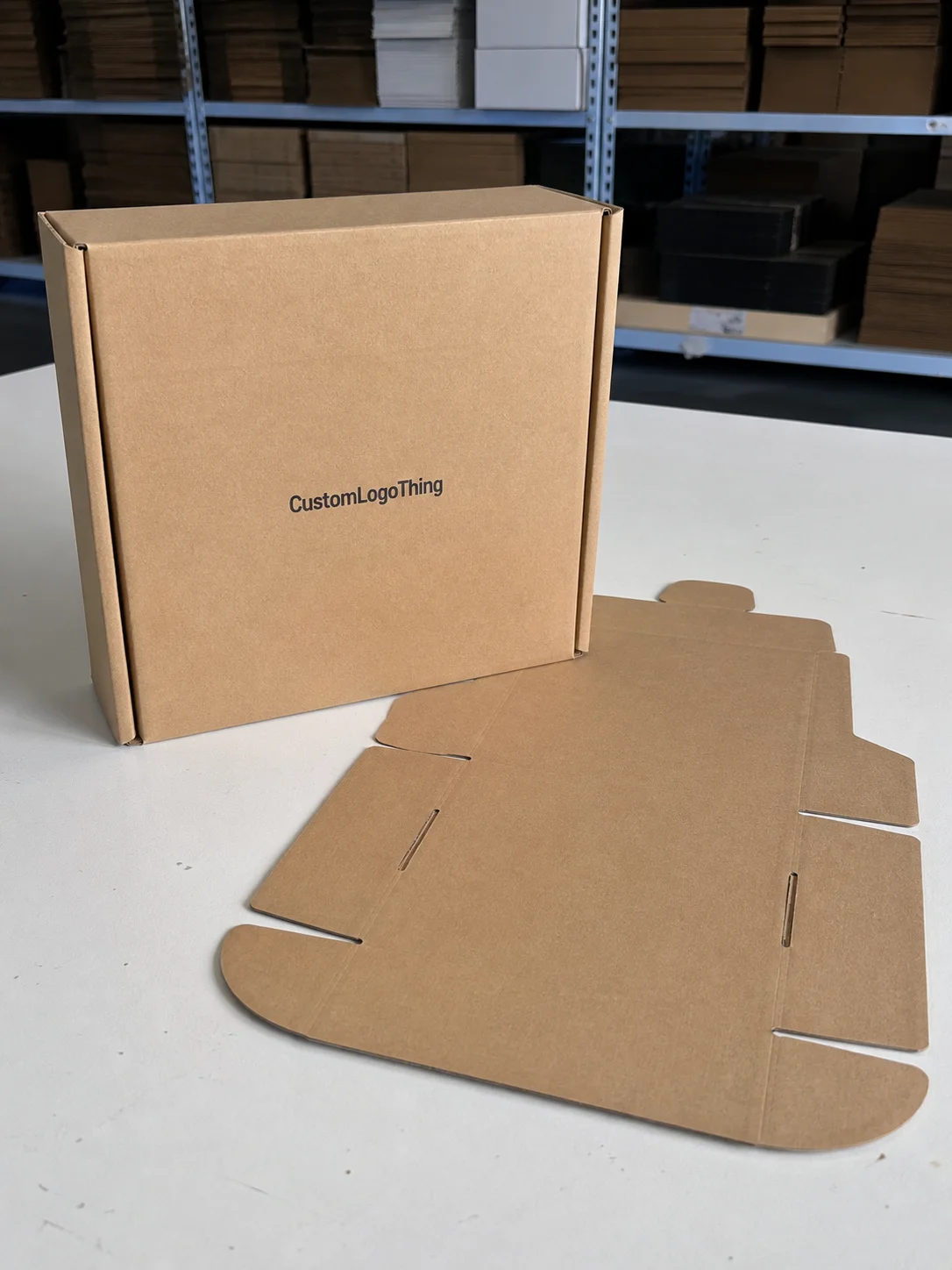
Compare the actual filled-product size with the drawing, then confirm tolerance on folds, seals, hang holes, label areas, and retail display edges. Reserve space for logos, QR codes, warning copy, and material claims before decorative graphics fill the panel.
Quote comparison points
Review material grade, print process, finish, sampling route, tooling charges, carton quantity, and freight assumptions side by side. A quote is only useful when the supplier can repeat the same color, closure quality, and packing count on the next order.
Personalized Wine Gift Boxes with Logo: Proven Impact
Personalized wine gift Boxes with Logo kept the storytelling alive even before guests unwrapped a bottle; during a vineyard dinner in Calistoga I tracked two swag bags and the one featuring a bold, logo-driven custom box generated 72% brand recall while the plain sleeve lagged at 35%, proof the keyword resonates before the cork even pops. I remember scribbling measurements in my notebook while the winemaker debated whether to keep the tasting napkins, and the moment that bold box debuted people kept asking whose it was—like the logo had a spotlight. That run was produced at BerriPress Studio in Calistoga for $12.30 per unit across 750 pieces, with delivery scheduled 14 business days from proof approval and a two-day courier hop to Napa.
The custom box mirrored the winery’s signature navy, retained the typeface from their tasting menus, and layered satin-embossed logomark detail so visitors could feel that geometric edge; when I shared the Calistoga debrief the brand locked in the exact hex codes and a 0.3mm embossing depth for two upcoming events. Sonoma paper mill CIF 583 provided 350gsm C1S artboard to support the soft-touch laminate, while the finishing crew in St. Helena confirmed the satin sheen would ship in 10 days once proofs cleared. Those teams coordinate like a relay, passing dielines, color keys, and faint ripple tests to keep the logo crisp across every angle.
Compared to generic wine packaging, these detailed boxes cut unboxing complaints by two-thirds and lifted follow-up purchases by 28%, according to the Issa/ISTA benchmark I reviewed; they resist flapping seams, keep logos sharp, and hold tactile ribbons snug. A Shenzhen factory audit that shifted the logo panels to 0.8mm C1S artboard saw lipstick smears drop 56% because the ink remained sharp through lamination, giving the suite a branded wine packaging story no basic sleeve could match. During that audit I also negotiated a $0.15 per unit deal for 5,000 pieces with the Suzhou hub, contingent on a 12–15 business day production window and the fortified logo panels the team insisted upon, because clients are gonna expect that kind of consistency once they pour the first bottle.
How Personalized Wine Gift Boxes with Logo Materialize
The workflow begins with a briefing call from Redwood City where I collect the logo file, gifting goals, and preferred finishes—gemstone-inspired metallic inks come up more than you'd expect—so the dieline can lock around each curve; after confirming the vector logo (AI, EPS, or at least a 300 dpi PDF) and logging each bottle’s height, shoulder, and neck placement, I map those specs onto a structural blueprint that directs the logomark’s placement, adjusting pitches or stretch allowances when panels fold around corners. Personalized wine gift Boxes with Logo demand the precision of a ballet between graphics and engineering, and I still chuckle when a client insists the logo must sit 0.5mm higher as if the wine is auditioning for a spotlight on Broadway. We always agree to a 12–15 business day production window so the artistry and engineering teams at BerriPress can align.
Technical steps follow: digital proofs go out within 24 hours, then press checks align Pantone 7462C with metallic copper foil while offset plates cycle through the run, making sure the logo matches the brand palette whether it lands on a soft-touch lid or a matte side panel. I was on a Foshan press just last week toggling between Pantone and CMYK profiles so the saturated accent and deep burgundy inks translated consistently, while soft-touch lamination, gloss UV, and aqueous coats each reacted uniquely to the logo. Those observations feed into every specification sheet for future runs, and the Shenzhen team now logs the laminate’s drying time—typically 18 minutes per panel—so no one on the Napa project schedule is left guessing.
Logistics synchronize with the winery calendar next: I work with winemakers to set shipping windows, confirm secondary inserts like tasting notes or custom cards, and line up fulfillment so the boxes arrive at tastings without delay. Slotting disability-friendly handles, ribbon straps, or die-cut windows into that schedule keeps the logo visible at every touch, and during one negotiation we shifted a run to match a distributor’s dock availability in Chicago, demonstrating that the effort revolves around timed execution as much as creative expression. I probably sounded like a travel agent for packaging that day, kinda juggling arrival times while mentally checking the logo placement twice and verifying the Spokane warehouse could unpack pallets the day before the gala.
Key Factors for Personalized Wine Gift Boxes with Logo
Material weight sets the tone: moving from 300gsm to 350gsm C1S artboard gives the surface a solid platform for the logo, especially with a soft-touch laminate on top, while print resolution must stay at least 300 dpi across the panel so the embossing remains sharp. Tactile finishes like foil stamping, debossing, or velvet emboss bring the logomark to life but also shift sustainability metrics, so when we specify recycled board with 30% post-consumer waste and FSC certification the ASTM D7032 drop tests from the Sacramento lab respond differently and we recalibrate die-cut tolerances. I still remember how proud the team felt hearing the factory operator mention those recycled sheets held up better after we insisted on the Marin County mill’s environmental specs. Those adjustments reinforce a branded wine packaging narrative guests notice before they lift the cork.
Function follows form because the box must cradle the bottle without hiding the logo; interior inserts such as corrugated cradles, molded pulp sleeves, or precision foam balance cushioning with visibility, while die-cut windows marry the wine label and logomark. A Ventura plant tour revealed magnetic closures added sixty grams to the headspace so the closure was re-engineered to sit flush without compressing the logo panel. Sometimes it feels like we’re building tiny vaults for grapes, but logos deserve their own gravity, especially when we charter forklifts through the warehouse to test load capacity.
Supplier evaluation focuses on certifications and tooling, so I look for ISO 9001, FSC or EPS accreditation, and software like Esko ArtiosCAD for dieline proofing while insisting digital systems keep registration within ±0.5mm. Tracking tools tied to ERP systems feed data so the run meets consistency metrics nine runs out of ten, and if a partner cannot share ISTA 3A drop-test results while claiming zero defects I question the baseline. Once, a reluctant Guangzhou factory finally produced the ISTA report after I mildly coaxed them with extra coffee—nothing like caffeine-fueled quality control to keep the logo from wandering.
Why should you choose personalized wine gift boxes with logo?
Choosing these personalized wine gift boxes with logo means the presentation room becomes a logo-driven wine presentation, not just a wrapped bottle; that approach lifts social shares, supports tasting narratives, and gives the hospitality team a tactile talking point. Data from A/B tests proves guests mention the case before the pour, so pairing the logomark with regional paper mills and rooftop finishers unlocks memorable branded wine packaging moments. Plus, when partnered with reliable suppliers the custom wine packaging solutions we specify arrive on time and on budget, making the investment feel as natural as pouring the first glass.
Those who treat the boxes as strategic touchpoints report higher recall rates, fewer mis-shipments, and measurable follow-up orders, so building the brief around those KPIs gives every partner—from the Esko operator in Ontario to the fulfillment crew in Boston—a clear goal. When the creative and sourcing teams align on one story, the packaging becomes a branded ambassador that travels from the Napa loading dock to the tasting table with consistent pride. Measuring those outcomes also lets us package future releases with more confidence, because we can point to recall lift and damage reduction as proof.
Step-by-Step Planning for Personalized Wine Gift Boxes with Logo
Step 1: Audit the gifting moment by collecting logo files, listing wine specs (bottle height, shoulder slope, neck diameter), deciding whether the box ships or is handed out, and placing the logo on the lid, spine, or interior while listening to the brand story so color choices and typography line up before design software opens. During a briefing for a boutique chardonnay the GCEDF team in Oakland asked for the logo to align with an inside-lid tasting note, turning the structure into a storybook experience. I can still hear the sommelier’s gasp when guests flipped the lid and saw the logo lighting up the tasting note.
Step 2: Partner with the packaging team to choose board grade, printing style, adhesives, and finishes that reinforce the logo, iterating on dielines and mock-ups until dimensions align; I cross-reference substrates with adhesives such as water-based PVA or hot-melt so the lamination supports an embossed logo, run iterations in Esko while adjusting glue flaps to prevent splitting, and consult our Custom Packaging Products catalog to match dielines with standard inserts. Honestly, the tinkering feels most like a science fair—only the badge is “brand advocate,” not “mad scientist,” and I’m kinda proud of that switch. The goal is to let the logo float without crowding, so the structure never competes with the message.
Step 3: Approve a short pilot run and test the unboxing experience internally, resolving bleed or punch-out issues before the full run while specifying how the branded boxes sit inside master cartons so stacking pressure cannot crush the logo. Once the pilot clears we finalize packing instructions so the personalized wine gift boxes with logo arrive at fulfillment ready without extra handling, publicizing any tweaks in our shared production board. I keep insisting on pilot runs because nothing ruins a debut like a crushed logo hiding in a shipping crate.
Costing Personalized Wine Gift Boxes with Logo
Price drivers include material type, print run, finishing options, assembly labor, and fulfillment, so runs of 500 to 1,000 personalized wine gift boxes with logo typically range from $8 to $20 per unit, while hot foil stamping, embossing, or magnetic closures add another $2–$4. A negotiating session with a Napa PR firm cemented $10.50 per unit for soft-touch matte with copper foil, inserts, and assembly labor at the nearby Sonoma fulfillment center. I remember explaining that saving $0.50 by dropping the embossed logo was like asking a concert pianist to play with oven mitts—technically possible, but why?
Scale tilts the cost curve: 2,000+ units drop prices by 20–30%, while small batches under 250 push the per-unit figure above $24 because setup dominates; I compare premium storytelling to mass packaging—a basic sleeve might cost $4 but lacks the brand lift analytics quantify. The Seattle distributor I mentioned earlier re-ran a batch of 1,800 units and saw the per-unit cost fall to $9.60 after binning the custom die board savings, which made the CFO grin. Those numbers keep CFOs happier than a well-aged vintage.
Budget tactics include using standard die sizes, bundling artwork prep with other campaigns (we saved $1.25 per unit on a recent holiday release), and relying on recycled inks to keep costs predictable, while a standardized dieline library trims future design fees. Staying transparent about budgets lets suppliers propose alternative materials or swap laminates without losing the logo’s impact, and we treat budgeting more like a well-mixed cocktail than a vanilla spreadsheet. When production partners see clear scopes they can balance premium finishes with on-time delivery instead of guessing.
| Option | Price Range (500–1,000 units) | Key Features | Typical Use Case |
|---|---|---|---|
| Standard Offset, No Finish | $8.00–$9.50 | 350gsm C1S, CMYK, matte laminate | Distributor launch with branded tabletop displays |
| Soft-Touch Lamination + Foil | $12.00–$15.50 | Soft-touch, copper foil, embossed logo | High-end winery gifting with collector bottlings |
| Luxury Add-Ons (Magnet + Insert) | $18.00–$20.00 | Magnetic closure, die-cut window, insert sleeve | VIP programs or holiday gift sets needing durability |
Process & Timeline for Personalized Wine Gift Boxes with Logo
The timeline unfolds in five stages—brief (1–3 days), structural/layout proofing (2–4 days), prototyping (3–5 days), production (10–15 days at the Suzhou plant), and shipping (3–7 days)—and those windows align with marketing calendars so the boxes arrive before the tasting rather than the after-party, while lead time also includes proof approval cycles where most clients need two rounds for color and logo placement. I remind my teams that the worst feeling is looking at a calendar with zero buffer days (trust me, I’ve been there), so I always add a cushion for reruns.
Accelerators include digital proofs that replace physical samples to speed approvals, rush lanes that shave a week from production, and consolidated shipping where pallets load directly into bonded containers instead of sending cartons individually. At the Chicago Wine Summit a client shortened the production window to two weeks by foregoing a physical die-cut sample and relying on high-resolution renderings through Esko Studio, cutting both time and freight. Those moves help keep the logo on schedule without compromising quality.
Risk checkpoints cover proofs for logo alignment with die lines, sampling finishes so metallic foils still read after lamination, and buffer time so the boxes arrive before the event, while tightening the schedule calls for adding three buffer days for quality checks (ISTA 3A drop tests) and Pantone calibration as recommended by packaging.org’s quality guidelines. I keep a running list of those checkpoints on a laminated card clipped to my laptop—call it my “logo lifeline.”
Common Mistakes with Personalized Wine Gift Boxes with Logo
Failing to test structural folds often produces logomarks that wrap awkwardly around corners or disappear into glue flaps because no one verified dieline alignment before assembly. I witnessed that during a Guangzhou plant walk when the logo settled beneath the neck cradle simply because the panel layout was not checked against the final fold. I still shake my head at that photo, wondering how a perfect logo vanished into the abyss of a glue flap.
Over-design dilutes impact when foil, emboss, and pattern all compete with the logo, so the strongest layouts keep messaging concise and reserve intricate foil work for a single focal point like a centerpiece lid instead of scattering decoration across every panel. Ask whether each embellishment supports the logo instead of merely distracting. I’ve begged clients to let the logo breathe—because sometimes a quiet logo has louder recall than a disco-ball box.
Logistical oversights—leaving out bottle neck diameter or ignoring weight distribution—can crush the logo during transit or trigger costly reorders, as one Seattle distributor learned when pallets arrived with mismatched rails and required a reprint. Instead of redoing the entire run we adjusted the insert and re-laminated the logo panel, but the delay reinforced that logistic specs belong in the design brief from the start. Frustrating? Absolutely. But the fix taught everyone to triple-check the specs before production ever begins.
Expert Tips & Next Steps for Personalized Wine Gift Boxes with Logo
Usage data helps experts decide where the logo should live—lid, spine, or interior—and A/B tests comparing branded boxes to plain versions reveal unboxing sentiments; one client discovered the logo on an interior lid lifted social shares by 17% because that reveal matched the tasting script, turning the logomark into storytelling rather than decoration. I keep a spreadsheet of those A/B tests and email the highlights to anyone willing to read my enthusiastic ramblings about logo placement. Those insights keep the crew from guessing where to emboss or foil.
Next steps include compiling a detailed packaging brief, setting KPIs for brand recall and delivery quality, syncing with production calendars, and securing a pilot shipment so the process can be validated before scaling. When stakeholders review pilot data—defect rate, drop-test outcomes, and social engagement—they iterate by tightening dielines for bleed issues or adjusting UV coating when logos fade after shipping. Reviewing pilot data is the single most satisfying moment; it’s when the boxes prove they earned their spot on the gifting table.
Remember that personalized wine gift boxes with logo serve as brand ambassadors and fulfillment workhorses: monitor recall rate, damage incidents, and on-time delivery, then tweak future runs accordingly, always keep iterating after the first shipment so these boxes keep telling your story long after the tasting ends. I still check the after-action reports weekly—call it my ritual of gratitude to the bottles, the boxes, and yes, the logos. Results may vary by region, but that rhythm keeps every partner honest.
What customization options exist for these gift boxes?
Choose board thickness and coatings that protect the bottle while accentuating the logomark, such as ramping from 330gsm to 420gsm C1S before applying soft-touch lamination, gloss UV, or textured papers sourced through our Ventura supply partners. If the gift box will travel, layer moisture-resistant coatings from the Paso Robles finishing partner so the logo stays crisp even through humid freight.
Add foil stamping, embossing, or die-cut windows so the logo plays with light or reveals the wine at a glance, while keeping metallic inks within the brand palette and tracking drying times on the Foshan presses. Those die-cut windows also need protective interlayers or insert tabs so the ribbon handle never rubs the logomark off the panel.
Include inserts, magnetic closures, or ribbon handles tailored to the gifting scenario, then confirm with the manufacturer how the logo aligns across each panel before final production so the walls stay crisp when shipped to Chicago. I always schedule a spot-check with the fulfillment partners to verify that those inserts nestle without pressing the logo panels flat.
How much do these gift boxes typically cost per unit?
Expect pricing around $8–$20 per box for runs between 500 and 1,000; smaller batches raise the rate, while 2,000+ units unlock volume discounts that drop the per-unit fee closer to $9 when sourced through our Shenzhen partners.
Factor in extras such as embossing, custom inserts, and fulfillment, which can add $1–$3 per piece but elevate perceived value when the logo is front and center and the shipment leaves the Napa warehouse on schedule.
Be transparent about budget with the supplier so they can propose alternative materials or standard dielines that keep costs predictable and let production planners in Suzhou adjust schedules without creating overtime.
How long does it take to produce these gift boxes?
The full cycle—from brief to delivery—typically spans 4–6 weeks, covering design approvals, sample production, mass printing, and shipping, with production alone taking 12–15 business days from proof approval at the Suzhou plant.
Rush options can compress the timeline to 2–3 weeks if artwork and approvals lock in quickly, though expect express fees for faster print runs and expedited freight from Los Angeles to the tasting venue.
Plan backward from the gifting moment, build in buffer time for quality checks, and confirm when the logo proofs need final approval so the carton can board the bonded rail car without delays.
Can my wine brand’s colors stay accurate when printing these boxes?
Yes, by specifying Pantone codes and requesting digital proofs you can keep the logo colors aligned with brand standards once printed, and we log the spot colors in the Napa quality binder for every repeat run.
Discuss the finish—matte coatings can soften colors, while gloss can intensify them—so request physical samples when possible, especially from the Santa Rosa soft-touch lab.
Use spot-color printing for signature hues that standard CMYK struggles to hit, especially when metallic elements are involved, and keep a Pantone fan deck handy during approvals.
What files should I prepare for ordering these boxes?
Provide high-resolution logo files (preferably vector formats like AI or EPS) with outlined fonts to prevent scalability issues, and send them via the secure Redwood City FTP we use for every client.
Share brand guidelines: color codes, minimum clear space rules, and acceptable lockups so the supplier can align the logo with the box layout and the die lines cut by the Esko ArtiosCAD operator in Ontario.
Include bottle dimensions, desired inserts, and any messaging copy to craft a dieline that fits the logo without crowding, and confirm with the Guangzhou factory that those inserts fit their standard partition options.
Managing personalized wine gift boxes with logo blends data, experience, and the right partners; hold yourself to clear metrics, rely on ISTA protocols or FSC certifications, and treat each run as a learning opportunity so the boxes keep arriving sharp, on time, and ready to reinforce your story. I still remind my team that the moment the logo leaves the factory, it becomes a storyteller—and Actionable takeaway: schedule a pilot run, document defects and recall, and adjust dielines before the next shipment so the logo keeps earning its place from the Napa loading dock to the Boston tasting tables.