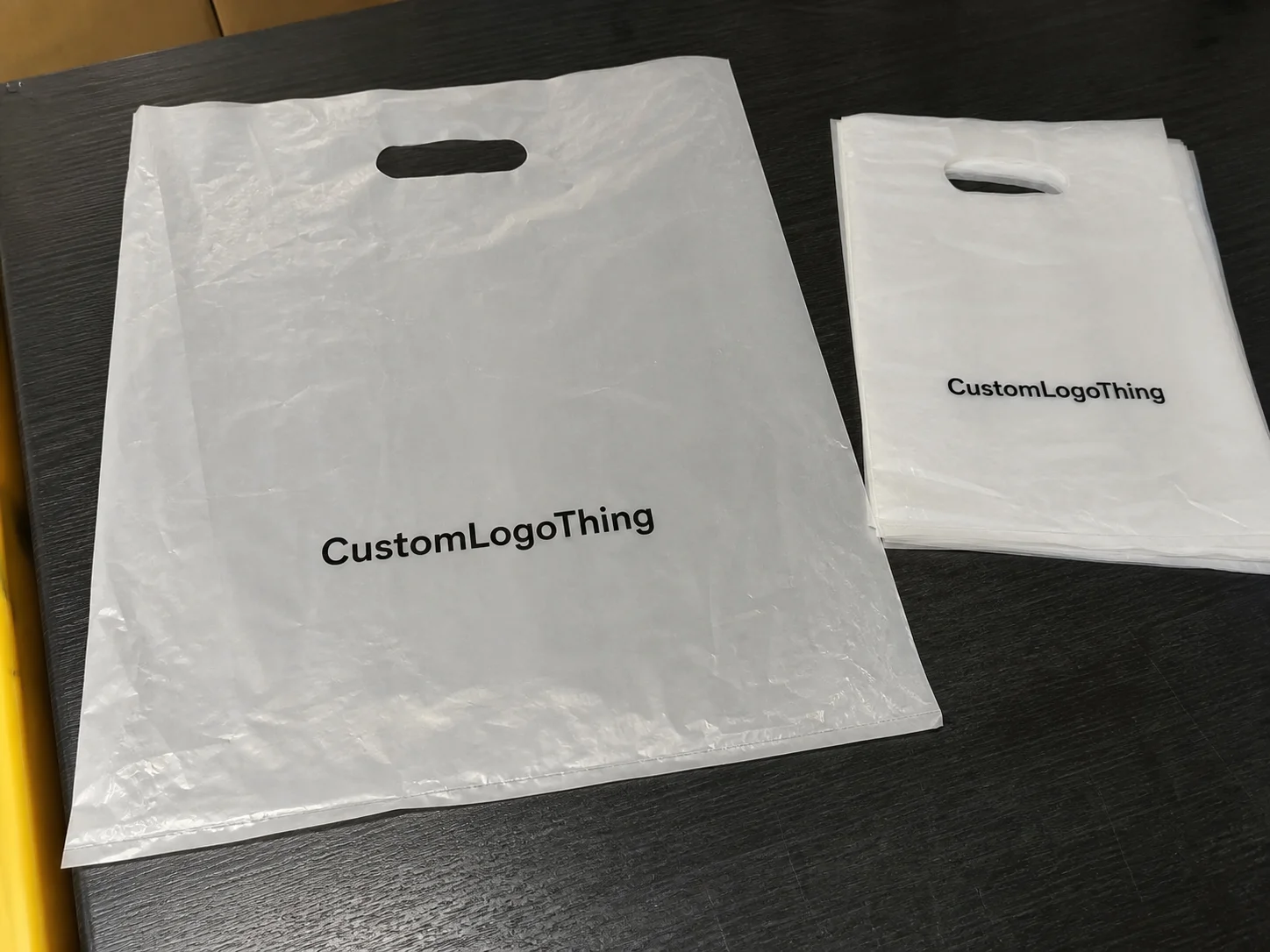
A wine shop can lose the margin from a carefully built gift order if the branded mailers arrive three days after the carrier cutoff. That is the uncomfortable truth behind this wine shops Matte Poly Mailers lead time review: the bag itself is inexpensive, but a timing mistake can cost sales, staff hours, and customer goodwill.
After comparing the common ordering routes, the fastest practical option is usually stock Matte Poly Mailers with a single-color logo. Fully custom matte colors, custom dimensions, recycled-content film, heavy ink coverage, and multi-color artwork can all look better in a presentation photo, but they need more runway. Sometimes they need twice as much.
Quick Answer: Wine Shops Matte Poly Mailers Lead Time Review
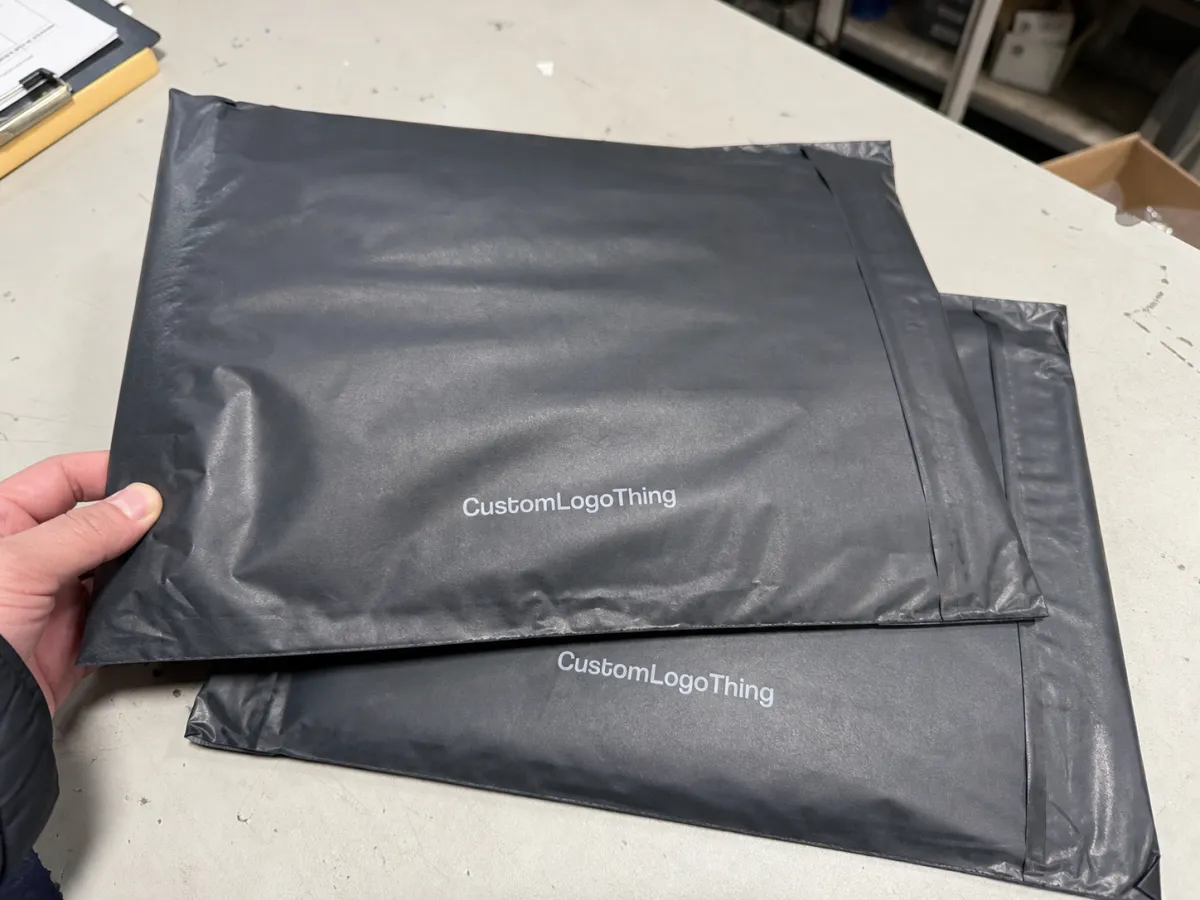
Use blank stock matte mailers for urgent campaigns. Use custom printed stock-size matte mailers for recurring wine club inserts, gift card programs, tasting kits, apparel, branded accessories, and follow-up mailings after events. Move to fully custom matte mailers only if the design will repeat often enough to justify the minimum order quantity, setup work, storage space, and slower production path.
One clarification matters before any buying decision: Matte Poly Mailers do not ship wine bottles by themselves. They are not a substitute for compliant molded pulp, foam, corrugated, molded fiber, or other approved bottle shippers. They work best for non-fragile or already protected items: tasting notes, club membership letters, gift cards, corkscrews, wine keys, event invitations, branded T-shirts, tote bags, loyalty materials, or presentation pieces that travel separately from the bottle shipper.
For alcohol shipments, compliance stays separate from cosmetics. If a bottle moves through a carrier network, the primary shipper needs to meet carrier rules and state requirements. A matte mailer can carry the brand moment. It cannot carry the legal or structural load.
The review lens here is practical rather than romantic: print opacity, seam strength, scuff visibility, adhesive strip behavior, MOQ flexibility, proofing speed, and actual delivery timing versus quoted production timing. Matte film is attractive, but it is also honest. A dark burgundy mailer that looks expensive on a desk can look tired after rubbing against corrugated cartons in a fulfillment bin.
Short answer: for most independent wine shops, the safest buying path is a stock-size matte poly mailer with one- or two-color branding, ordered early enough to allow proofing, production, and standard freight.
That conclusion may sound conservative. Good. Packaging buyers get hurt by optimistic schedules more often than by slightly plain bags.
Top Matte Poly Mailer Options Compared for Wine Retailers
The buying decision usually branches into four practical paths. Each has a different risk profile. The cheapest quote is not always the lowest-cost decision once art corrections, freight upgrades, missed event dates, and storage are counted.
| Buying Path | Best Use Case | Typical Order Size | Branding Quality | Proofing Complexity | Typical Speed | Late-Arrival Risk |
|---|---|---|---|---|---|---|
| Blank stock matte mailers | Emergency gift card, insert, or accessory mailings | 100-1,000 pieces | Low unless paired with labels or insert cards | None | Often ships in 1-3 business days if in stock | Low, except during carrier peaks |
| Stock-size custom logo mailers | Wine club collateral, branded merchandise, tasting kits | 500-5,000 pieces | Good, especially with one-color logos | Moderate: art check and digital proof | Commonly 7-15 business days after proof approval | Medium during seasonal spikes |
| Fully custom matte mailers | Luxury gift programs, repeat subscription packaging | 5,000-25,000+ pieces | Highest, with custom size and color options | High: size, color, print, material, approvals | Often 20-35 business days or more | High if ordered near a campaign date |
| Premium recycled-content matte mailers | Sustainability-led brands and eco-conscious clubs | 1,000-10,000 pieces | Good, though color and film feel vary | Moderate to high depending on material claim | Often 12-25 business days | Medium to high if resin supply is tight |
Small mailers, such as 6 x 9 inches or 7.5 x 10.5 inches, are usually enough for gift cards, loyalty vouchers, tasting notes, and small flat kits. Medium sizes around 10 x 13 inches work for T-shirts, corkscrews with padding, aprons, or folded club literature. Larger 12 x 15.5 inch or 14.5 x 19 inch mailers suit subscription collateral, tote bags, and bundled merchandise that accompanies compliant bottle packaging.
Blank matte mailers win on speed. They lose on brand recall. A plain black, white, or gray mailer can still look tidy, especially with a printed insert or label, but it does not build the same memory as a printed logo, shop address, tasting room mark, or club name. Stock-size custom logo mailers usually hit the best middle ground: controlled cost, adequate polish, fewer production variables.
There is one quote detail worth pressing on early. Some suppliers advertise fast production while excluding proof approval, artwork correction, weekend days, stock allocation, and freight transit. A five-business-day production promise can turn into a 13-calendar-day delivery if the proof sits overnight, the logo needs vector cleanup, and the cartons move by ground freight.
Ask vendors to separate production lead time from door-to-door time. That single question filters out weak quotes quickly.
Detailed Reviews: Print Finish, Seal Strength, and Real Handling
Matte poly mailers are judged twice. First by the buyer approving the sample. Then by the staff member sliding it across a packing bench with dusty hands, a corrugated case nearby, and six orders waiting. The second judgment is usually harsher.
Matte film shows friction differently from gloss. Rub a dark matte mailer against a corrugated bottle shipper and the surface can pick up pale scuff lines. Slide it through a plastic fulfillment bin and corners may polish slightly. Handle it with damp hands and fingerprints may show on black, navy, or deep burgundy film. White, warm gray, kraft-look, sage, and muted blush colors tend to age better in transit.
Dark matte colors still have a place. A black mailer with a restrained cream logo can feel premium, almost like a tasting room envelope. Burgundy can echo wine cues without printing grapes, barrels, or other overused signals. If the package will travel through rough parcel handling, though, dark matte needs better film quality and realistic expectations.
Logo Opacity and Print Sharpness
White ink on dark matte film needs enough opacity to avoid a faded, gray cast. A thin ink deposit can make a luxury logo look tired before it ships. On 2.5 mil film, a simple one-color logo often prints cleanly; small serif type, fine vineyard illustrations, and reversed-out lines below roughly 0.5 point can fill in or soften depending on the print method.
Metallic-effect artwork is another trap. Many poly mailer jobs simulate metallic color with standard ink. That is not foil. It will not behave like hot stamping on a rigid box, label stock, or paperboard sleeve. If a supplier cannot explain that limitation before proofing, slow the order down and ask for a printed sample or a closer substitute.
Seal Strength and Packing Friction
Peel-and-seal closures deserve more attention than they usually receive. A strong adhesive strip can reduce packing time by several seconds per order, which matters if a shop is preparing 400 club envelopes before a weekend release. Overly aggressive adhesive is not always better. Staff may need to reopen a mailer to add a last-minute tasting note, allocation card, or local event insert, and once the strip grabs, clean correction becomes difficult.
For most non-fragile wine shop mailings, 2.5 mil to 3 mil coextruded polyethylene feels better than very thin commodity film. Ultra-thin mailers may survive transit, but they can feel flimsy with premium wine club materials inside. Heavier does not automatically mean better, either. Consistent side seams, clean trim, reliable adhesive, privacy opacity, and good print registration usually matter more than chasing the thickest film.
Mini Scorecard by Buying Path
| Option | Brand Impression | Tactile Quality | Print Sharpness | Puncture Resistance | Privacy Opacity | Operational Ease |
|---|---|---|---|---|---|---|
| Blank stock matte | 2/5 | 3/5 | N/A | 3/5 | 3/5 | 5/5 |
| Stock-size custom logo | 4/5 | 4/5 | 4/5 with vector art | 3.5/5 | 4/5 | 4/5 |
| Fully custom matte | 5/5 | 4-5/5 | 4-5/5 if specs are controlled | 4/5 | 4-5/5 | 3/5 |
| Recycled-content matte | 4/5 | 3.5-4/5 | 3.5-4/5 | 3-4/5 | 3.5-4/5 | 3.5/5 |
Standards help frame the conversation. Transit testing bodies such as ISTA focus on distribution hazards, while ASTM methods are often referenced for material properties such as tensile strength, tear resistance, and puncture behavior. A poly mailer for tasting notes does not need the same validation as a bottle shipper, but the discipline is useful: test the package with the real contents, not with hope.
Lead Time, Timeline, and Production Steps That Change the Delivery Date
The most common misunderstanding in a wine shops matte Poly Mailers Lead Time Review is simple: the clock often starts after proof approval, not after the first email. A quote request is not a production order. Artwork submission is not approval. Payment may not reserve film or press time unless the supplier states that clearly.
A realistic ordering process usually looks like this:
- Quote request with size, quantity, film color, print color count, and target delivery date.
- Artwork check for file type, resolution, line weight, and print area.
- Digital proof creation showing placement, size, color callouts, and bleed if applicable.
- Proof approval from the buyer.
- Material allocation or stock confirmation.
- Printing, curing, slitting, converting, or finishing depending on the production route.
- Carton packing, freight booking, pickup, transit, and final delivery.
Blank stock matte mailers can often leave a warehouse within 1-3 business days if inventory is available. Printed stock-size mailers commonly run 7-15 business days after proof approval, though very simple one-color work may move faster. Fully custom matte mailers, especially custom colors or non-standard dimensions, can require 20-35 business days or longer. Freight transit sits on top of those ranges.
Delays are painfully predictable. Low-resolution logos. Debates over Pantone matching. A buyer choosing between 10 x 13 inches and 12 x 15.5 inches for too long. Holiday spikes. Freight congestion. Proof emails sitting unread over a weekend. One missed approval can erase the benefit of a rush fee.
Wine shops should build a backward calendar from the campaign date. Start with the fixed deadline: wine club pickup weekend, holiday gift cutoff, tasting event, allocation release, local delivery promotion, or wholesale partner mailing. Then subtract freight time, production time, proofing time, art correction time, and a two- or three-day buffer. If that calendar looks impossible, simplify the package.
Ask every supplier for two dates: ship-out date and estimated in-hand date. They are not the same. A carton shipped on Thursday by ground may not help a Saturday event.
Rush production can save a campaign, but it has tradeoffs. Color choices may shrink. Unit cost can jump 15-40%. Quality control windows may tighten. Freight upgrades can cost more than the mailers themselves on small orders. A rushed matte black mailer with weak ink opacity is not a premium result; it is just an expensive panic purchase.
Cost, MOQ, and Unit Pricing: What Wine Shops Actually Pay For
Cost depends on more than size. Film thickness, matte finish, ink coverage, number of print colors, recycled content, custom dimensions, order quantity, setup charges, freight, carton count, and rush fees all move the final number. A $0.22 mailer can become a $0.34 landed mailer after setup and shipping are spread across a small order.
As a rough planning framework, blank stock matte mailers may land around $0.08-$0.25 per unit in common accessory sizes, depending on quantity and thickness. Stock-size custom logo mailers often sit around $0.18-$0.45 per unit for 1,000-5,000 pieces, with higher pricing on small runs or heavy ink. Fully custom matte mailers can drop in unit cost at volume, but setup and MOQ pressure are real. For 10,000+ pieces, the unit economics improve; for a one-off seasonal design, they may not.
MOQ is where independent shops get squeezed. A 250-piece minimum feels safe for a holiday gift card design, even if the unit price is high. A 5,000-piece MOQ may look attractive per piece, but those cartons need dry storage, staff discipline, and enough future usage to avoid dead inventory. Packaging that sits for 18 months is not cheap. It is prepaid clutter.
Hidden quote items deserve scrutiny:
- Plate, screen, or setup fees for printed work.
- Artwork cleanup if the logo is a low-resolution PNG instead of vector AI, EPS, or PDF.
- PMS color matching, especially on dark or recycled films.
- Carton count and palletization for larger orders.
- Commercial versus residential delivery fees, which can affect shops using mixed addresses.
- Expedited freight, often the silent budget killer.
Calculate cost per shipped customer touch, not just cost per mailer. A matte branded mailer may carry a tasting note, loyalty card, event invitation, allocation insert, gift message, and small merchandise item in one impression. If it supports a $75 gift card order or a $150 club renewal, a few extra cents can be defensible.
A blunt decision rule helps: if the design will be used for at least two campaigns, custom printing becomes easier to justify. If it is tied to one tasting event or a narrow seasonal promotion, use stock matte mailers with branded stickers, insert cards, or simple one-color printing. Customlogothing.com’s Custom Poly Mailers category is a practical place to compare stock-size printed options before committing to a full custom run.
How to Choose Without Overbuying or Missing the Campaign Window
Start with the item being mailed, not the design. That sounds obvious. It is often skipped.
Gift cards need stiffness and a clean presentation, not a large mailer. Tasting notes need flatness and privacy opacity. Corkscrews need puncture awareness; a sharp edge can stress film if there is no padding. Apparel needs enough room to avoid ugly bulging. Wine keys, foil cutters, membership packets, and subscription collateral each create different sizing and film demands.
Order samples before placing a full run. Put the actual insert stack inside: card, tissue, coupon, event flyer, branded sticker, padding, return insert, or whatever the team truly uses on a busy packing day. Seal it. Drop it into a bin. Rub it against a corrugated bottle shipper. Check how it looks after ten minutes of normal handling.
Matte color choice should match the shop’s brand, but survival matters. Muted neutrals often look better after transit than very dark matte finishes. Warm gray, cream, stone, muted green, kraft-look tan, and dusty rose can hide scuffs while still feeling boutique. Deep black, navy, or burgundy can be beautiful for hand-delivered VIP gifts or controlled local deliveries, but they expose scratches faster.
Prioritize speed for event mailings, local promotions, gift card pushes, and holiday campaigns. Stock sizes and simple artwork reduce variables. A one-color logo on a standard matte mailer is rarely the boldest choice, but it is usually the most dependable.
Prioritize customization for club retention packages, luxury gift programs, wholesale partner kits, and repeat subscription drops. If the same package repeats monthly or quarterly, better dimensions, stronger opacity, and more distinctive print can pay for themselves through consistency.
Ask suppliers direct questions:
- What is your average proof turnaround after receiving vector art?
- Does production happen in-house or through a brokered facility?
- Can you separate production lead time from freight transit?
- What substitute sizes or colors are available if stock changes?
- Are setup, art cleanup, and freight included in the quote?
A clean buying checklist prevents drift:
- Exact internal usable dimensions, not just outer dimensions.
- Quantity needed for the next 90 days plus a small buffer.
- Artwork file type: vector AI, EPS, or press-ready PDF preferred.
- Color count and any PMS targets.
- Target in-hand date, not just ship date.
- Delivery address type: commercial, residential, tasting room, warehouse, or third-party fulfillment site.
- Acceptable substitute options if timing becomes tight.
Sustainability claims require care. Recycled-content film may support a shop’s values, but buyers should request specific content percentages and disposal guidance rather than vague eco language. The U.S. EPA recycling resources are useful for understanding why flexible plastic recovery varies by location. For paper-based inserts or belly bands paired with mailers, FSC-certified materials may be worth considering; the FSC site explains chain-of-custody basics.
Recommendation Before You Place the Order
For most wine shops, the practical default is stock-size matte poly mailers with one- or two-color custom branding. They look more intentional than blank mailers, avoid the slowest custom production traps, and keep unit cost within reason. Pair them with compliant bottle shippers where bottles are involved, and use the mailers for the pieces that benefit most from presentation: cards, club materials, merchandise, and tasting-room follow-up.
Premium custom matte mailers make sense only when the shop has repeatable volume, clear brand standards, and storage space for bulk cartons. If a design will support wine club shipments, gift card fulfillment, merchandise orders, and partner kits for several cycles, custom sizing and richer print can be worth the extra lead time.
Blank matte mailers should not be dismissed. They are the emergency reserve. Pair them with branded stickers, belly bands, printed insert cards, or rubber-stamped tissue and the presentation can still feel deliberate. A plain mailer that arrives on time beats a perfect mailer sitting in transit after the campaign ends.
Before placing the order, take five concrete steps:
- Count the next 90 days of expected mailer use by program: gift cards, club inserts, merchandise, events, and accessories.
- Pick two sizes rather than six. Most shops can cover 80% of needs with a small flat size and one medium apparel or collateral size.
- Request samples and test them with real contents before approving a full quantity.
- Send vector artwork and ask for production and in-hand dates separately.
- Confirm total landed cost, including setup, freight, rush fees, and any art cleanup.
If you are comparing mailer styles with other branded packaging, review the broader Custom Packaging Products lineup before locking into one format. A matte poly mailer may be right for apparel and inserts, while a rigid bottle shipper, paper gift bag, or printed card may do the heavier brand work elsewhere.
Keep a small emergency reserve of blank or lightly branded matte mailers for last-minute gift card and accessory orders. Twenty-five to 100 backup pieces can protect a weekend promotion. Not glamorous. Very useful.
Use this wine shops matte poly mailers lead time review as a quote checklist before approving artwork, especially when the campaign date cannot move. Ask about proof timing. Ask about ship-out versus in-hand dates. Ask what happens if stock changes. The best packaging decision is not always the fanciest mailer; it is the one that reaches the customer on time, intact, and consistent with the shop’s brand promise.
FAQ
What is the typical lead time for custom matte poly mailers for wine shops?
Blank stock mailers are usually the fastest option and may ship within 1-3 business days if inventory is available. Printed stock-size mailers take longer because artwork review, proofing, approval, printing, and packing must happen first; 7-15 business days after proof approval is a common planning range. Fully custom sizes, custom colors, heavy ink coverage, or recycled-content films can add more time. Always ask whether the quoted lead time begins at quote approval, artwork submission, or final proof approval.
Can wine shops use matte poly mailers to ship wine bottles?
No. Matte poly mailers are not a standalone bottle shipping solution. Use compliant rigid wine shippers for bottles, then use matte poly mailers for accessories, tasting notes, gift cards, apparel, membership materials, or outer presentation items. If alcohol-related inserts are included, confirm carrier and state compliance requirements before mailing.
Are matte poly mailers more expensive than glossy poly mailers?
Matte mailers can cost slightly more depending on finish, film quality, print method, and order quantity. The premium is often justified when the shop wants a softer, more boutique presentation. Dark matte colors may also require better ink opacity and tighter quality control, which can affect pricing.
What MOQ should a small wine shop choose for printed matte poly mailers?
Choose the lowest MOQ for seasonal campaigns, limited promotions, or designs tied to a single event. Choose a higher MOQ for evergreen branding used across wine club shipments, gift card orders, and merchandise mailings. Before chasing a lower unit price, calculate storage space, expected monthly usage, and the risk of obsolete design details.
How can I reduce delays when ordering wine shop matte poly mailers?
Send vector artwork, confirm dimensions, approve proofs quickly, and provide a firm in-hand deadline at the quote stage. Avoid last-minute changes to color, size, or quantity after proof approval. Request both production lead time and transit time so the delivery date is not misunderstood. For urgent campaigns, keep the design simple and use stock sizes whenever possible.