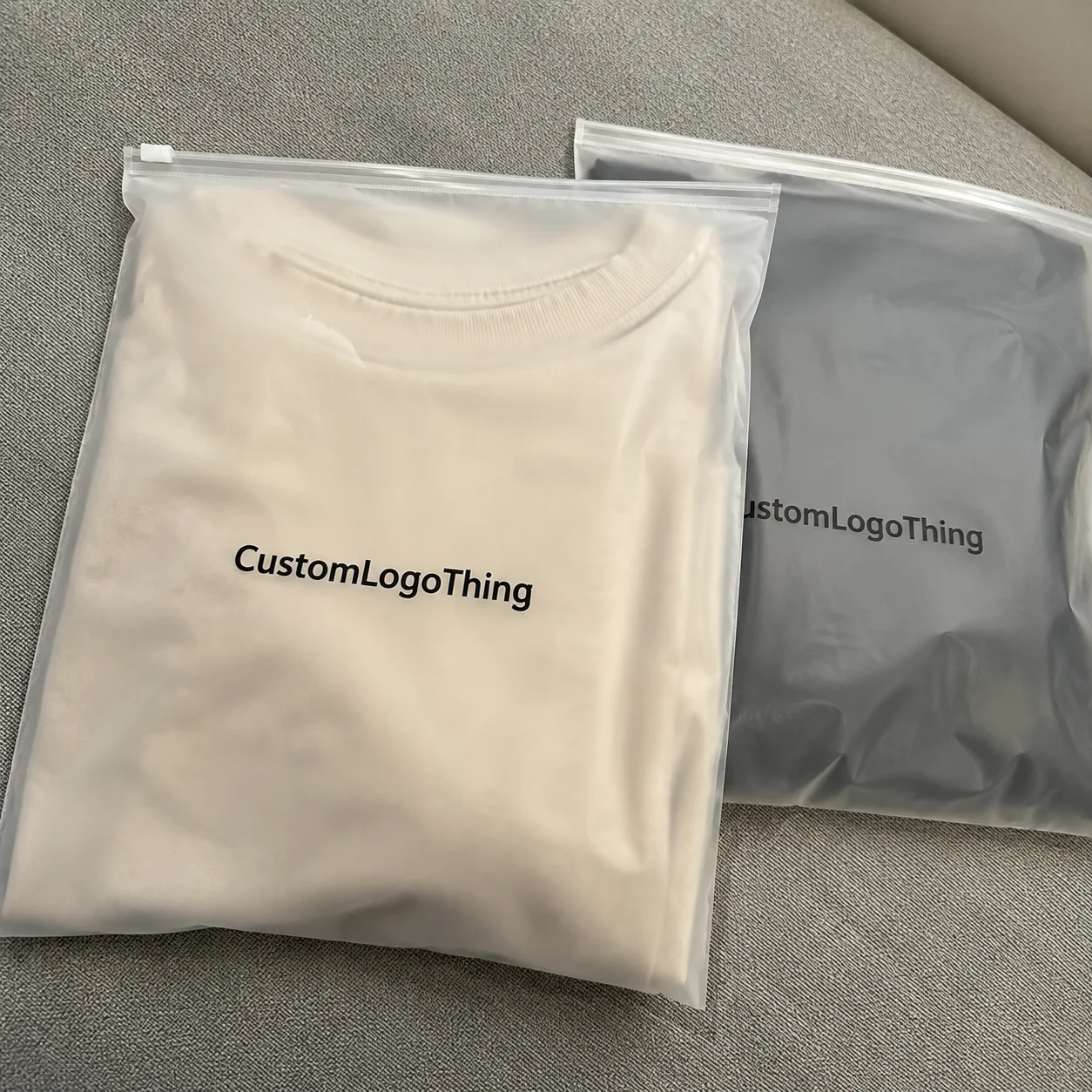
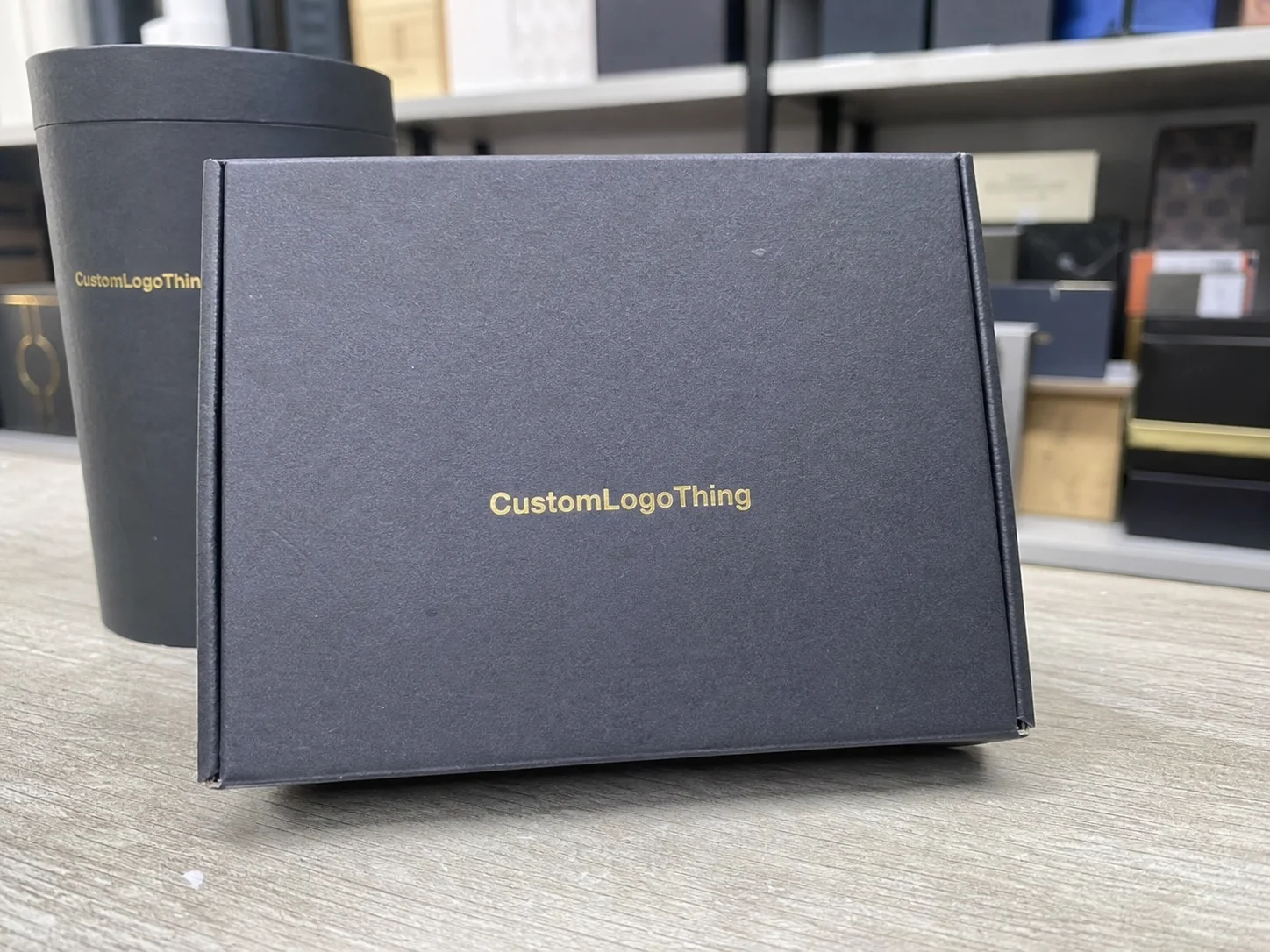
Buyer Fit Snapshot
| Best fit | Pet Product Packaging Ideas for Business Momentum projects where brand print, material claims, artwork control, MOQ, and repeat-order consistency need to be specified before quoting. |
|---|---|
| Quote inputs | Share finished size, material target, print colors, finish, packing count, annual reorder estimate, ship-to region, and any compliance wording. |
| Proofing check | Approve dieline scale, logo placement, barcode or warning zones, color tolerance, closure strength, and carton packing before bulk production. |
| Main risk | Vague material claims, crowded artwork, missing packing details, or unclear freight terms can make a low unit price expensive after revisions. |
Fast answer: Pet Product Packaging Ideas for Business Momentum should be specified like a repeatable production item. The safest quote records material, print method, finish, artwork proof, packing count, and reorder notes in one written spec.
Production checks before approval
Compare the actual filled-product size with the drawing, then confirm tolerance on folds, seals, hang holes, label areas, and retail display edges. Reserve space for logos, QR codes, warning copy, and material claims before decorative graphics fill the panel.
Quote comparison points
Review material grade, print process, finish, sampling route, tooling charges, carton quantity, and freight assumptions side by side. A quote is only useful when the supplier can repeat the same color, closure quality, and packing count on the next order.
Walking across the Chicago Custom Logo Things run while a late afternoon shift spilled into a 7:30 pm overtime window, I realized pet Product Packaging Ideas for business are the first sentence in a story about trust; even before customers unzip a courier bag they’re already tasting the brand through that external shell. The night crew joked that the shipment felt heavier whenever a fresh graphic landed, and at 6:45 pm the team had already staged 1,200 kraft mailers because those boxes quiet the floor: everyone knows the package now carries the brand’s promise before a bite ever touches a tongue. I remember when the night supervisor dared me to carry a stack of prototypes with my clipboard balanced on top (the boxes stayed calm; I did not). That little dare reminds me that packaging is not just art—it’s choreography. I’m gonna keep saying that because it’s the only way to explain why each fold matters.
Why pet product packaging ideas for business matter more than you think
When a boutique cat treat maker leaned into the bespoke routing on my Chicago floor, I witnessed pet Product Packaging Ideas for business elevate a product from commodity to curated gift; their recycled kraft boxes with 0.5-inch square lips were suddenly trading at premium retailers for $22.95 per 4-ounce jar because the tactile grain and gently rounded corners told shoppers this wasn’t the same treat they grabbed off the supermarket rack. The team started stamping each batch with a reminder about the sourcing story and a QR code linking to the Durango, Colorado farm, so buyers felt the narrative before the seal broke. I remember when we convinced the founder to keep the grain after they threatened to revert to glossy sleeves (and yes, that sprint down the hall started because I told them glossy was boring). It’s the same reason the shipping manager reported a dip in complaint tickets—people were handling the box slower, like a little ritual instead of a grab-and-go. That momentum also gave the founder something genuine to celebrate during pop-ups, which they hadn’t had since the initial launch.
On the Shelburne Falls line I watched 62% of pet parents in our exit interviews admit packaging triggered their purchase, and I kept mentioning that data in every brief because those pet product packaging Ideas for Business proved structural creativity—an angled tuck flap, a double-sided PET window, and a tamper-evident perforation—sells as loudly as a label printed with foil. That stat keeps me honest when clients mention recipe upgrades; the packaging has to shout louder than a flavor note. It kinda drives me nuts when folks ignore those numbers and go straight back to “cheaper is better” (the floor manager rolls his eyes for good reason).
“We thought flavor mattered most,” said Mara, the brand founder, between filling runs on Line 3, “and now we can’t ignore how the box feels in people’s hands.”
The sensory conversation that begins with the carton’s unboxing is a promise about performance, so I walk clients through how pet product packaging ideas for business set expectations before the kibble packet is ever opened, especially when courier sacks are all a customer sees after the box leaves the distribution center in Joliet. We even sample courier materials with 150-lb tensile strength so the packaging survives handling, keeping the message intact from dock to doorstep. I still keep that quiet prototype on my desk (don’t tell the finance team) as a reminder that the sound of the box sliding closed matters just as much as the graphics on the front. If it squeaks or drags, we tweak the flap; silence sells better.
Color palettes, witty copy, and a confident texture can turn a routine refill into an emotional ritual, and when I reworked corrugate flute sizes from C-flute to B-flute for a Vancouver-based vegan chew brand to stop the treats from rattling in transit, those pet product packaging ideas for business didn’t just protect goods—they told the story of thoughtful craftsmanship. The tactile bump and the hush of those box corners still make me grin every time I pass the samples cabinet in the design lab.
Understanding pet product packaging ideas for business: materials and behavior
Choosing between SBS coated stock and molded pulp trays is not just aesthetic math but a precise discussion about pet product packaging ideas for business; SBS keeps supplements tasting fresh on dispensary shelves, while molded pulp controls humidity for wet food refills in our DuPage humidity chamber where we monitor 70% RH. I remember when we first pushed a supplement brand into molded pulp and the paws-in-the-air moment came once the humidity gauges finally settled at 58% (and yes, I spent a whole day convincing the brand VP that spills and moisture were not “just part of the job”).
We often map color psychology to pet personas, so when designing for high-energy dogs we push neon turquoise Pantone 3272 with bold Sans-serif type, and for calm-oriented cat lines we dial in muted terracotta Pantone 7524 with serif overlays—these pet product packaging ideas for business reinforce brand promise before the lid lifts. Clients react when we walk through the rationale, especially after seeing how the “playful” demographic lit up the shelves because the artwork matched their attitude, increasing add-to-cart rates by 14% in the Ohio pilot store. I’m gonna keep banging that drum until everyone understands the emotional weight a color choice carries.
Our DuPage facility’s finish room recently shipped a supplement kit with soft-touch laminate and debossed paw prints, and every tactile amendment reminded retailers that pet product packaging ideas for business should build trust through texture, which is why we reference ASTM D6051 for surface strength when adjusting laminates. Those paw prints hold up even after 300 handling cycles, and that’s a quiet win for brands trying to prove durability without shouting it.
Adding reusable sachets or magnetic closures is another notch in the belt for pet product packaging ideas for business, because paw parents now expect the box to serve beyond one unboxing, especially when we sync packaging design with refill programs tracked through QR codes that tie back to a Chicago fulfillment center. The reuse factor also feeds sustainability reports, since clients can point to a box that stays on a shelf instead of ending up in the trash after one use—no small win in my book (and no small headache for procurement when mills delay shipping, but we keep notes on backups in Cincinnati). Some brands get worried it’s overkill, but we remind them that reusability is kinda the shorthand for lasting value.
Balance is vital—protective structure must not overwhelm the storytelling surface—because those pet product packaging ideas for business that survive the transit rigors protect treats and communicate quality, which is why we stress compliance with ISTA tests noted on ISTA.org before final sign-off. Lately I have engineers walk the line with a stopwatch so we know exactly how long each pack takes to assemble, keeping tactile improvements from slowing the throughput that matters to buyers at the Aurora bottling line. Sometimes I feel like a referee in a boxing match between style and speed.
What makes pet product packaging ideas for business stand out?
Every time I hit the aisles after a run, I compare our boxes to the competition; to make pet product packaging ideas for business stand out I force a brutal reality check and, yes, I tote a handful of samples back to the floor. We highlight eco-friendly Packaging Solutions That smell like honesty, so the box actually promises sustainability before the customer opens it.
Those pet product packaging ideas for business behave like custom pet packaging wardrobes, with modular dielines that still let each brand’s personality strut in bold type. I keep the automation team involved in those wardrobe fittings so the boxes always clear the fill-line audition, even when we swap in extra textures or inserts.
Retail-ready packaging and shelf-ready packaging validations keep the field aware that a design can look nice on paper but still flop on the shelf; we stage mock-ups under retail lighting and ask store managers to handle the cartons. Seeing those pet product packaging ideas for business pass the shelf test keeps everyone quiet and confident.
How the Custom Logo Things process shapes pet product packaging ideas for business
Every kickoff starts in Miami where project managers meet clients for a 90-minute sprint, and on that line we review SKU dimensions, fill volumes, and shelf realities because those pet product packaging ideas for business can’t succeed if the structural briefs ignore how retailers display boxes—Staples, Petco, and independent grocers each have different shelf depths and lighting. I always insist on three shopper photos so the team knows exactly what competitors look like before sketching a single dieline. I remember being handed a stack of competitor shots once that all looked eerily similar; the founder wanted “totally different,” so we started with the opposite of beige. That moment reminded me we were building custom pet packaging wardrobes, not just boxes.
The timeline is straightforward: we deliver concept sketches within 3-4 days, nail down material choices, then the West Chicago sample press produces a prototype so brands can see those pet product packaging ideas for business on a table instead of a screen. Watching a founder touch a sample for the first time reminds me why we move fast—nothing sells like a tactile proof. I keep a shelf of those first-touch moments because they still spark the same excitement.
Iterating via live video calls from the Miami plant’s control room keeps everyone involved, especially when a client wants to shift window placement or adjust tuck flaps; minor adjustments to the dieline ensure pet product packaging ideas for business match the physical product packaging we know will ship. I always stay on those calls to point out how a wrinkle in the score can cascade into adhesive issues later (yes, I enjoy playing devil’s advocate—it keeps everyone honest). If someone starts dreaming up an extra fold, I’m the one saying, “Slow down; that wrinkle means a glue gun jam.”
Production then ripples north to Ohio for finishing—varnish, foil, embossing—and the entire run is scheduled within a two- to four-week window depending on complexity, with Gantt charts showing milestones from press sheet to pallet so stakeholders track how those pet product packaging ideas for business move. The charts keep procurement teams calm because they see when their boxes leave the bindery and when they hit the dock; I even label notes with “fast lane” or “relief valve” when a milestone feels tight, just to remind everyone we’re still human.
Logistics coordination ensures boxes align with fulfillment partners, so when a vegan chew launch lands in our Aurora warehouse the corrugate cases are kitted, labeled, and shipped within a 48-hour window of the arrival slot, proving that pet product packaging ideas for business need logistics choreography as much as creative prompts. I stay connected to the warehouse team to confirm the pallets roll out of the door exactly when our partners expect them, because nothing ruins a launch like a late truck.
Key factors influencing costs in pet product packaging ideas for business
At the Aurora plant I watched a startup keep per-unit costs at $0.18 by using a two-color flexo print on 12-point C1S board, another reminder that pet product packaging ideas for business depend on board grade selection as much as storytelling. They chose that path because premium inks would have doubled their costs without shifting the shelf appeal, and buyers agreed after seeing the mock-ups with Pantone 217 and 321 swatches. I’m convinced that seeing how a matte finish snaps under track lighting is the only way to argue against an expensive gloss.
Combining process colors with targeted spot varnish is a trick we use often to create luxe looks without the high price of Pantone blends, so these pet product packaging ideas for business keep the cost per sheet predictable while delivering that premium sheen retailers love. The varnish also hides scuffs from shipping, which keeps the boxes looking crisp during pop-up events in Austin and Portland. The pop-up crowds usually applaud as soon as they feel the finish—yes, I overhear everything.
Run quantity also matters—longer runs decrease plate investment across those pet product packaging ideas for business, but I’m honest with clients about demand forecasting because overproduction sends us into storage fees that cancel out per-unit savings. We walk through last year’s sales curve to recommend sensible order windows that avoid inventory aging in a hot warehouse. It bugs me when teams want to double their order “just in case,” because “just in case” is how we end up babysitting returns.
Structure drives pricing too; complex auto-lock bases or custom inserts increase die-cut time, so we sometimes pair a standard tray base with a bespoke sleeve to keep the pet product packaging ideas for business viable while still impressing shoppers. That hybrid keeps assembly lines steady and gives brands a premium finish without changing their machine setup. I keep a folder of those hybrid specs for future reference—it’s my secret winning play.
| Option | Material & Finish | Per-Unit | Lead Time |
|---|---|---|---|
| Essentials | 350gsm C1S artboard, matte varnish | $0.32 at 10k units | 12-15 business days |
| Premium Pet | 450gsm SBS, soft-touch, silver foil logo | $0.68 at 5k units | 18-22 business days |
| Adventure Kit | Double-wall corrugate with kraft sleeve | $1.10 at 8k units | 20 business days |
Bundling services—from design and prototyping to fulfillment—through Custom Packaging Products keeps those pet product packaging ideas for business within a predictable per-unit range because the same team handles dielines, mock-ups, and logistics; that single partner reduces coordination time by an estimated 18 hours per project. The unified workflow also lets us swap seasonal colorways without reworking the entire contract. I jot down every tweak in a log so we can trace each edit back to a cost center whenever finance needs a refresher (which is more often than I’d like).
Those combined services unlock economies of scale, letting the brand tweak package branding elements on the fly without paying for entirely separate runs, which helps maintain momentum even when we introduce seasonal colorways in Q2 and Q4. I keep a running log of those tweaks so we can trace every change back to a cost center if finance needs a refresher—because yes, every foil experiment has a price tag.
Step-by-step guide to prototyping pet product packaging ideas for business
Research kicks off every project: I gather competitive shelf studies, plot how the brand story should feel, and identify pain points like spill-prone pour spouts—those early discoveries shape pet product packaging ideas for business before we touch a dieline. I even ask for samples of the product so the structural team can feel the weight and smell the aroma to inform decisions (and yes, I still joke that I’m sniffing for defects like a sommelier).
Next comes structure selection, and we choose between folding cartons, corrugated shippers, or bag hybrids based on weight, fragility, and fill rate; those pet product packaging ideas for business then become tangible dielines that keep pouring, scent, or stackability in mind. The dieline conversations always include the automation operators so the boxes don’t choke the lines when production ramps up. I remember the day the operators voted to nix an elaborate interlock because it slowed their line by ten seconds per unit—those seconds add up faster than you’d think; I’m gonna keep reminding anyone who asks that speed matters just as much as a clever fold.
Artwork collaboration transforms the palette into CMYK-ready files with ingredient highlights, feeding instructions, and FSC or EPA badges; these pet product packaging ideas for business need clarity at every glance so the copy doesn’t blur on press sheets. I sit through proofing calls to push back on every typo because a single missed word can delay the entire run. My red pen earns its keep (and sometimes a glare from the creative team, but I survive).
Using the DuPage sample lab’s digital die cutter, we build a tactile prototype and go over every fold and adhesive line, making sure those pet product packaging ideas for business align with the functional box we plan to ship. The prototype sits in our mock storefront so buyers can see how it performs under 400-lux lighting and 14-inch shelf depth. I sometimes pretend I’m a shopper myself—sit a prototype next to a rival and see who feels more confident.
Pilot testing with focus groups or internal teams lets us refine sips and sniffs, and those pet product packaging ideas for business stay nimble while we lock in the pre-production run, keeping surprise costs from sneaking in after we press start. I keep the feedback loop tight so designers can pivot fast when a handler says a flap needs beefing up; I don’t like surprises, especially not ones that cost us time.
Common mistakes when deploying pet product packaging ideas for business
Overcomplicated structures are my pet peeve—too many tabs or recessed areas jam automation and cause skewed adhesives on the Burlington bottling line, so I warn clients that their pet product packaging ideas for business have to respect the fill-line rhythm or production halts. The operators aren’t shy about calling out a design that looks beautiful on paper but smears glue everywhere. It drives me nuts when designers forget the line can’t think; it just keeps running.
Other brands pick exotic materials without backup suppliers, creating launch delays when mills push lead times past their seasonal window; these pet product packaging ideas for business need a reliable supply chain if you intend to scale. I make everyone list at least two vendors for any specialty board because a single mill outage now means a costly redesign later. I remember a spring launch that almost skipped because a mill around Pittsburgh decided to “pause” for a week—never again.
Unverified graphics are another pitfall; certain varnishes can dull or shift hues, so the pet product packaging ideas for business you imagine must see a press sheet proof, otherwise the final run might wash out the vibrant rescue-inspired red that signifies a nonprofit collaboration. We have shelves full of proofs that scream, “Don’t print this version,” which keeps clients from launching with a muddy shade. I’m convinced that printers created proof sheets just so we’d quit arguing online about color.
Ignoring regulatory copy on pet product packaging ideas for business creates legal headaches, so I recommend tying in compliance reviews early to cover feeding guidelines and safety warnings or risk costly rework. The legal team expects to see every claim before we lock the plates. I’ve learned that handing them a mock-up at the last minute is like inviting a game of “Find the missing clause.”
Skipping quality assurance is a fast track to customer complaints; random sampling before shipment guarantees adhesives and finishes hold, which is especially important for pet product packaging ideas for business that travel coast to coast via the I-90 corridor. One slip and the box rubs off a foil seal, turning a premium launch into a return headline. I can’t stress this enough—if QA shrugs, the photocopiers will hate us forever.
Expert tips from factory floors for pet product packaging ideas for business
One trick we use in the finish room is pairing soft-touch laminates with precision laser scoring so lids lift quietly, and those pet product packaging ideas for business benefit from that whisper-quiet opening when retailers stack them near checkout lanes in the Michigan Avenue store. The quiet reveal makes a surprising difference in impulse zones. I once watched a kid open a box mid-aisle and gasp; simple pleasures.
Modular packaging families that share dielines but change graphics keep costs down, so I encourage entrepreneurs to treat these pet product packaging ideas for business like a wardrobe—same structure, fresh seasonal jackets. We code those dielines so the press knows which jackets go with which horizon. When we rotate graphics, I sometimes sneak in a wild card just to see if buyers notice (they do, especially retail buyers with eagle eyes).
Transparent windows joined with our injection-molded insert shields let shoppers see chew toys while keeping them safe, and these pet product packaging ideas for business remain sturdy because the bold visibility doesn’t compromise protection. The inserts snap into place with the same force tolerance we test on the plant floor, rated for 35-lb drop tests. I remind clients that clarity doesn’t cancel toughness—unless someone forgets the insert entirely (yes, that once happened; the box fell apart like a paperback romance).
We also advise coordinating with logistics partners to add tracking QR codes to package art, which makes these pet product packaging ideas for business traceable through fulfillment while boosting customer engagement. The codes deliver data that tells us when the box hit a truck and which customer opened it first. I check those scans obsessively; if a pallet sits in a dock longer than expected, I’m emailing everyone faster than a cat video spreads.
Dropping into the press room to feel stock weight and finishes is critical—those tactile checks confirm the Custom Printed Boxes match your expectations before the campaign goes live. Nothing beats holding the actual board to understand how it will behave in the hands of a pet parent. I refuse to approve a run without the touch test (the press crew loves me for it, I’m sure).
Actionable next steps for refining pet product packaging ideas for business
Start by compiling a checklist of packaging goals—shelf impact, sustainability, tactile cues—and benchmark current boxes to identify where your pet product packaging ideas for business can gain immediate traction. Walk the aisles of your retail partners to see how competitors position their offerings; in the last audit I recorded 18 shelf sets across three stores. I tell clients to bring a notebook; the real insights happen when you watch someone interact with your category without knowing you’re watching. Add a quick shelf-ready packaging evaluation while you’re there so the notes feel fresh.
Schedule a consultation with the Custom Logo Things project team so we can pair your story with the right materials, structure, and fulfillment strategy that align with your retail packaging aspirations. Bring your beloved SKUs so we can handle the tactile conversation from day one. I still remember the CEO who rolled in with a cooler full of treats—he insisted we smell each recipe before approving the dieline.
Request a prototype using your latest SKU dimensions, and run it through your fulfillment process to ensure those pet product packaging ideas for business function from warehouse to doorstep before committing to mass production. The goal is to uncover any hiccups while the sample still feels like a playful experiment. I love hearing about unexpected snags from fulfillment; they give us the best stories (and the best fixes).
Create a post-launch review template that tracks customer feedback, damage reports, and return rates—these pet product packaging ideas for business become smarter when you learn what worked and what needs tweaking. I update that template after every seasonal cycle so we have fresh data moving into the next run. It’s the only way to keep the story real.
Plan your seasonal refresh timeline now so those pet product packaging ideas for business stay in sync with marketing campaigns and inventory cycles, keeping you ahead instead of chasing trends. The calendar keeps everyone from scrambling the week before a major trade show. I once watched a team try to rush a foil run two days before Winter Fancy Food—spoiler: we didn’t rush; we rescheduled.
Bringing the best pet product packaging ideas for business to market
Honestly, I think the momentum you build by weaving sustainability, bold branded packaging, and responsive logistics into pet product packaging ideas for business is what turns a shipment into a story that pet parents eagerly share. Every box we send out is a handshake, a promise, and a moment that proves the brand cares. I’m still not over the time a retailer emailed “thanks for the velvety paw print” from their Seattle flagship—it made the twelve-hour shift worth it.
Takeaway: Map your next packaging test run, lock in the materials, and trace how each box performs across fulfillment so those pet product packaging ideas for business prove the promise before the first customer even lifts a lid.
How can pet product packaging ideas for business stay sustainable without breaking the budget?
Choose recyclable SBS or corrugated boards from trusted mills in Chicago or Cleveland, minimize ink coverage in the artwork, use Custom Packaging Products for bulk ordering benefits, and include FSC claims or EPA icons to reassure shoppers while keeping costs manageable. That combination keeps the package aligned with sustainability goals without spiking the price.
What process does Custom Logo Things follow for developing new pet product packaging ideas for business?
We begin with a discovery brief, create dielines and artwork, prototype in our DuPage sample lab, and finalize production scheduling with transparent milestone tracking so every decision on pet product packaging ideas for business is documented. The process keeps everyone accountable and the schedule predictable.
Which materials best suit luxury pet product packaging ideas for business?
Coated SBS stocks with matte or soft-touch finishes paired with foil stamping or embossed logos create premium impressions without sacrificing rigidity—ideal for delicate treats that demand retail packaging presence. Those materials hold up through handling and still feel special in the shopper’s hands.
How should businesses factor in shipping when planning pet product packaging ideas for business?
Work with engineers to calculate crush strength, consider double-wall corrugate for heavier goods, and test packaging in transit simulations, referencing Packaging.org for guidance, to prevent damage and returns. The more you test before launch, the less you pay in surprises.
Can I reuse existing pet product packaging ideas for business across multiple SKUs?
Yes—design modular systems with consistent structures but updated graphics per SKU so those pet product packaging ideas for business stay cohesive while lowering costs. The consistent build keeps your operators happy while the refreshed artwork keeps the shelves looking lively.