Pet Treat PVC Garment Bags Packaging Insert Checklist
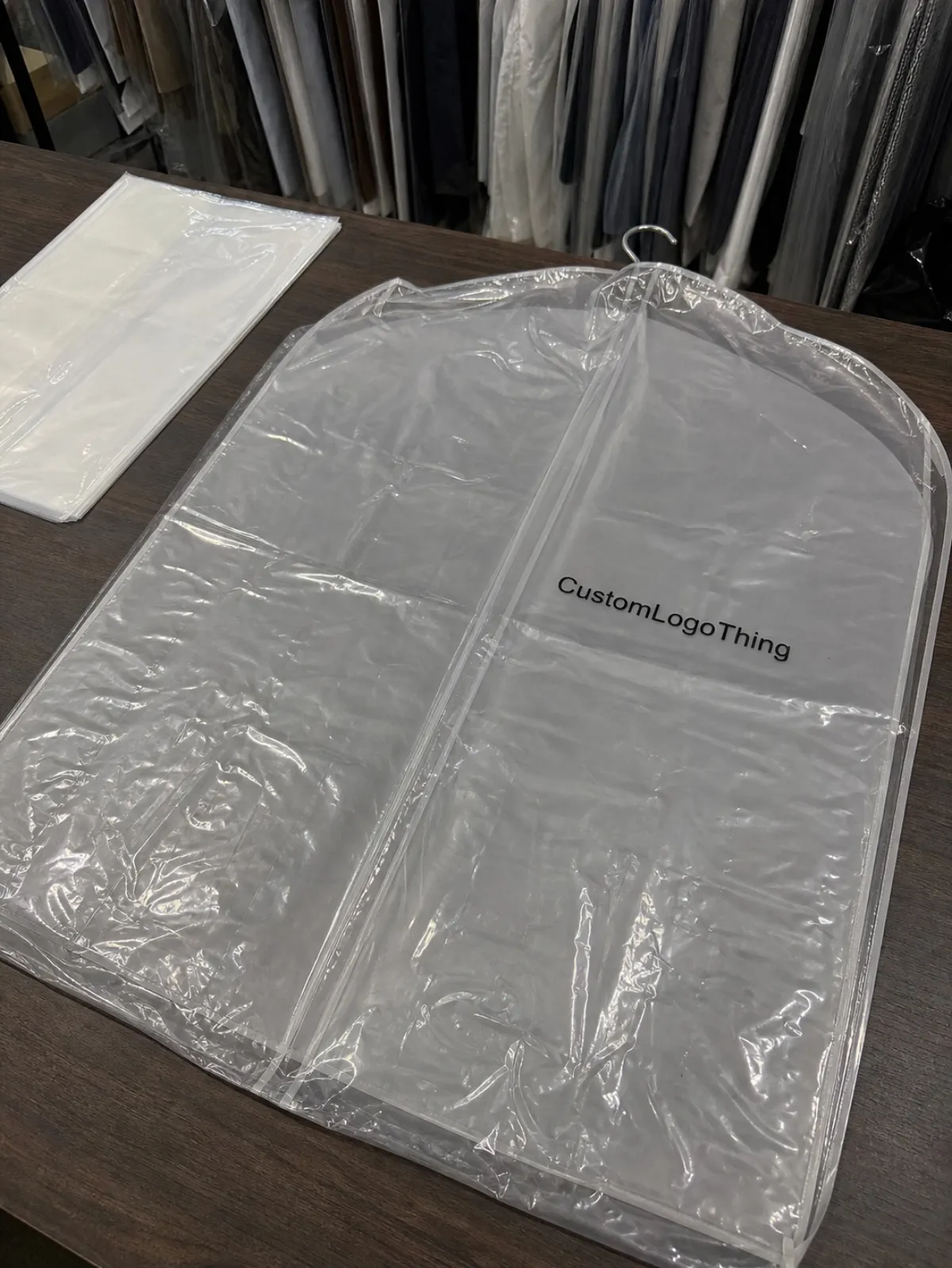
A buyer signs off on a clear hanging bag that makes chicken chips, dental chews, or holiday dog biscuits look gift-ready. Then the first filled sample arrives. The insert card bows forward like a warped menu, the treats slide into the bottom corner, the barcode sits on a curve, and nobody left a clean panel for the batch code. That is the kind of avoidable mess a pet treat PVC Garment Bags packaging insert checklist is meant to catch before artwork, sampling, and quoting become expensive.
The checklist is not a decoration worksheet. It connects bag size, usable interior space, film thickness, insert stock, closure choice, hanging hardware, print placement, food-contact decisions, packing speed, and retailer requirements. Pretty packaging can still fail if the insert is 3 mm too wide, if the hanger slot tears on a peg, or if workers need both hands and a prayer to close every zipper.
PVC garment-style bags borrow their structure from apparel packaging: clear or semi-clear flexible film, welded edges, a top opening, optional handles or hanger holes, and enough body to present contents neatly. For pet treats, the format often fits premium bundles, seasonal gift packs, sample kits, mixed-flavor assortments, and multipacks where visibility does real selling work.
The insert may be a printed backing card, divider, instruction sheet, coupon, ingredient panel carrier, or structural support. Sometimes it carries the brand story and feeding guidance. Sometimes it keeps three inner pouches from collapsing into a heap. Either way, the bag and insert have to behave as one package under retail lighting, in cartons, on pegs, and in the hands of the person packing 500 units before lunch.
Practical rule: never approve the insert from the flat PDF alone. Approve it inside the bag, filled with the real treat weight, hanging in the same direction it will face at retail.
How PVC Garment-Style Bags Work for Pet Treat Displays
A typical PVC garment-style pet treat bag uses flexible clear film, welded or heat-sealed side edges, a top opening or closure, and a display feature such as a round hanger hole, euro slot, die-cut handle, snap, zipper, or flap. Film thickness varies by supplier and project, but buyers commonly see clear flexible options around 0.12 mm to 0.30 mm. Thinner film lowers material cost and folds easily. Thicker film stands cleaner on a peg and resists wrinkling during bulk packing.
Brands like the format because shoppers can see the actual treat assortment. A printed carton can show a product photo. A clear bag shows size, color, texture, coating, and quantity in seconds. That visibility matters most for irregular treats: jerky strips, bakery-style biscuits, freeze-dried pieces, mixed seasonal shapes, and variety packs where the contents are more persuasive than another stock image of a happy dog.
The insert then does the controlled communication work. It holds the logo, flavor name, feeding directions, ingredient panel, barcode, claim language, warnings, net weight, and sometimes a short brand message. The tension is obvious: the more the insert says, the more it can block the product. Good design leaves the treat window alone unless there is a reason to cover it.
Closures change both function and price. A zipper track is useful if the outer bag will be reused, but it adds cost and can slow packing if the track is stiff. A snap closure looks tidy for gift packs, though stress points may need reinforcement. A flap with an adhesive strip is economical and fast, but it should not be mistaken for a freshness system. A final heat seal protects the outer presentation, yet it removes easy consumer access unless the design includes a tear notch or clear opening instruction.
The insert can sit behind the treats as a backer, slide into a separate sleeve, hang from the top seam, or fold around the product to create front and back panels. Each choice changes usable space. A 6 by 9 inch bag may sound roomy on a quote sheet, but after adding a 350 gsm card, three inner pouches, a gusset, and a zipper track, the filled shape tightens quickly.
PVC is often chosen for clarity, flexibility, and structure. Still, it is not automatically the right primary food-contact material for every treat. Loose, oily, aromatic, high-fat, or sticky treats need closer review. Many pet brands put the treats in a separate food-safe inner pouch, then use the clear PVC garment-style bag as outer retail packaging or gift presentation. For broader packaging education, the Packaging Machinery Manufacturers Institute and other industry resources are useful starting points.
Key Specs to Confirm Before Artwork or Sampling
Start with size, and be suspicious of any drawing that shows only outside dimensions. Finished bag size is not usable interior size. Welded edges, zipper tracks, flap folds, gussets, corner radius, and punch location can each steal a few millimeters. If the filled product is 40 mm thick and the gusset is 25 mm, the card may bow even though the flat sample looked perfect.
The checklist should capture finished width, finished height, interior width, interior height, gusset depth, product fill volume, filled weight, closure allowance, and hanger location. Tolerance belongs there too. Even a simple note such as plus or minus 2 mm on bag dimensions and plus or minus 1 mm on punch location gives production and quality teams something measurable.
Film thickness deserves more than a quick checkbox. A light 0.12 mm clear PVC can work for a low-weight sample kit. A 0.20 mm or 0.25 mm film usually presents better for a premium multipack. Thicker film can improve posture, but it also makes folds stiffer and increases carton cube. Air freight punishes cube. Ocean and ground freight punish poor abrasion control and compression resistance.
Insert specs should be locked before final artwork. Common choices include 300 gsm to 400 gsm C1S artboard, 18 pt SBS, or coated two-sided card when both faces carry copy. Rounded corners help prevent scuffing on clear film. Soft-touch lamination looks premium, but it can show rub marks. Gloss lamination resists light smudging and dust, though it may glare under store lighting. Uncoated board can look natural, yet it may absorb oils or collect treat crumbs.
- Artwork zones: front logo, flavor name, product window, back copy, lot code area, barcode, warnings, and disposal notes.
- Barcode space: keep quiet zones clear and avoid curves, gussets, seams, zipper pressure, and punched areas.
- Food-contact decision: confirm whether treats touch PVC directly or sit inside a separate food-safe pouch.
- Packing check: test whether the insert scrapes film, blocks closure, punctures inner pouches, or slows loading.
Small label decisions can turn into large production headaches. A barcode moved 8 mm to avoid a zipper may scan better. A lot-code box placed on the insert instead of the curved bag back can save relabeling. A protected window on the dieline keeps the designer from filling the one area that should show the treats.
Sustainability and sourcing claims need proof. If the insert says recycled content, FSC-certified paper, recyclable, compostable, or plastic-free, the material and paperwork must support that claim in the intended market. For FSC-related guidance, buyers can review information from the Forest Stewardship Council before printing chain-of-custody language or certification marks.
Production Steps and Timeline from Sample to Delivery
A good custom bag project begins with a specification review. The buyer shares treat dimensions, filled weight, number of pieces per bag, desired display style, closure preference, insert purpose, artwork files, estimated order quantity, and target delivery window. If a retailer has rules for hanger strength, barcode size, carton labels, country-of-origin copy, or peg display, those details belong in the first conversation.
Sampling usually follows. A blank prototype is often enough to verify bag size, gusset, hanger placement, insert fit, and closure function. A printed prototype gives a better read on color, logo scale, barcode position, and how much of the treat window remains visible. For pet treats, a filled sample review is worth the time because crumbs, oil bloom, trapped air, and shifting product can change the package fast.
Artwork proofing should include dieline confirmation, bleed allowance, spot color or CMYK callouts, barcode placement, ingredient copy, feeding directions, net weight, lot-code area, and any insert fold, punch, or die-cut detail. If the insert has a coupon or instruction panel, confirm whether it must be removable. If the backer card must stay flat, ask about paper grain direction; grain can affect curl more than people expect.
Production steps vary by supplier and construction, but the flow is usually material sourcing, cutting, welding or sealing, zipper or hardware application, printing or insert production, quality checks, final packing, carton labeling, and shipment preparation. Quality checks may include visual clarity, seal strength, dimensional checks, zipper operation, hanger position, print registration, insert count, odor review, and carton pack count. For shipping performance, some buyers use ISTA-style thinking around handling, vibration, compression, and drop exposure; the International Safe Transit Association publishes useful package testing resources.
| Project Stage | Typical Time Range | What to Confirm |
|---|---|---|
| Spec review and dieline setup | 2-5 business days | Bag size, insert size, closure, hanger, food-contact approach |
| Blank or printed sample | 7-15 business days | Filled fit, insert curl, zipper function, barcode visibility |
| Bulk production | 15-30 business days | Material availability, print method, tooling, order quantity |
| Freight and delivery | 3-35 days | Air versus ocean or ground, carton cube, delivery deadline |
Those ranges are planning estimates, not promises. Lead time depends on material availability, print complexity, tooling, sample revisions, inspection requirements, order quantity, and freight method. A one-color logo bag with a standard insert can move quickly. A custom gusseted bag with zipper, die-cut handle, printed insert, special lamination, and strict retail carton requirements needs more room in the calendar.
The fastest projects usually share one habit: decisions are documented. If the approved sample uses 0.20 mm film, a 330 gsm card, rounded insert corners, and a 10 mm clear barcode margin, those details should appear on the purchase order or attached specification. Memory is not a quality-control system.
Cost, Pricing, and MOQ Factors Buyers Should Expect
Unit cost starts with size and material usage. Larger bags, deeper gussets, thicker PVC, reinforced seams, and added hardware all increase material and labor. A small clear hanging sample bag will not price like a premium gift bundle bag with a zipper, handle, backer card, and printed front panel.
For planning, simple custom PVC presentation bags may land around $0.35-$0.90 per unit at moderate quantities, depending on size, thickness, and print. More structured bags with gussets, zippers, handles, or multi-surface printing can move into the $0.85-$2.50 range. Inserts may add roughly $0.08-$0.45 each depending on card size, stock weight, coating, lamination, die cutting, folding, and whether they are preloaded. These are working ranges, not quotes.
The insert is easy to underestimate. A flat 300 gsm card printed on one side is straightforward. Add rounded corners, two-sided full-color print, matte lamination, a die-cut hanger slot, fold lines, and hand insertion into each bag, and the economics change. If the supplier packs inserts separately, your fulfillment team takes on assembly labor. If the supplier preloads them, unit cost rises but packing may be faster and more consistent.
Print economics are blunt: every setup has to be paid for somewhere. A one-color logo on a clear bag may be economical. Full-coverage graphics, metallic ink, tight registration around a transparent window, or printing on both bag and insert can require more setup and higher minimums. Custom printed boxes follow the same logic, which is why comparing the full packaging system matters more than judging one bag price in isolation. Buyers reviewing related formats can browse Custom Packaging Products to think through bags, cartons, sleeves, and display options together.
| Cost Driver | Lower-Cost Choice | Higher-Cost Choice | Buyer Note |
|---|---|---|---|
| Film thickness | 0.12-0.15 mm flexible PVC | 0.20-0.30 mm structured PVC | Thicker film often presents better but increases material and freight cube. |
| Closure | Adhesive flap or simple top opening | Zipper, snap, reinforced handle, final seal | Match closure to freshness expectations and packing speed. |
| Insert | Flat one-sided card | Laminated, folded, die-cut, two-sided card | Oil resistance and scuff resistance may justify the upgrade. |
| Assembly | Inserts packed separately | Inserts preloaded into each bag | Preloading saves fulfillment time but adds factory labor. |
MOQ is another practical point. Custom Plastic Bags often require minimums because machine setup, tooling, print plates or screens, material rolls, and labor scheduling need enough units to make the run efficient. For a small launch, ask for tiered pricing at 1,000, 3,000, 5,000, and 10,000 pieces if those quantities fit the sales plan. The first tier may feel safe, but the second or third tier often shows where the project becomes commercially sensible.
Hidden costs deserve a line in the budget. Prototype fees, dieline work, tooling, color matching, carton upgrades, compliance review, rush production, air freight, preloading labor, and revisions after approval can all shift the final number. A low unit price with surprise air freight is not a low-cost package.
Common Insert and Bag Mistakes That Cause Rework
The most common fit mistake is designing the insert to the outside bag dimension instead of the usable interior space. A bag may measure 7 inches wide on the spec sheet, but the usable width between welded seams may be closer to 6.6 inches. Cut the card to 7 inches and it will curl, buckle, or jam against the sealed edges. It looks cheap. It also slows packing.
Another mistake is overloading the insert. Too much copy, too many icons, oversized claims, and a large barcode panel can make clear packaging feel crowded. The reason to use a transparent retail bag is product visibility. If the insert hides the treats, a pouch or carton may have been the better structure.
Material mismatch causes quieter problems. Sharp card corners scuff clear PVC. Untreated paper can absorb oils. A heavy insert can pull the bag out of shape on a peg. A glossy insert can rub against the front panel during freight and leave cloudy abrasion marks. This is one of the easiest issues to prevent: round the corners, choose the right coating, and test the filled pack in a carton before approving bulk production.
Compliance oversights are equally common. Pet treat labels may need net weight, ingredient visibility, feeding directions, lot or batch code space, manufacturer or distributor details, country-of-origin information where applicable, and retailer barcode requirements. Requirements vary by market and product type, so legal or regulatory review may be needed. Packaging suppliers can help reserve space and flag obvious layout risks, but they usually are not responsible for approving pet food label claims.
A useful pet treat PVC Garment Bags Packaging Insert checklist forces one direct question before approval: has the real filled sample been checked from the front, back, side, top, and hanging position? A flat PDF cannot show how treats settle into the gusset, how the closure pulls on the film, or whether the insert hides the batch code after sealing.
- Fit issue: insert designed too wide for the interior space.
- Visibility issue: branding covers the product window and weakens shelf appeal.
- Handling issue: zipper, snap, or hanger slows the packing line.
- Shipping issue: glossy surfaces scratch or rub inside bulk cartons.
- Compliance issue: required copy lands on a fold, curve, seam, or blocked panel.
One more problem appears late: the approved sample is packed gently by one person, while production is packed quickly by many people. That gap matters. Ask how many bags fit per carton, whether bags are stacked face-to-face or back-to-back, whether interleaving is needed, and whether cartons can be compressed without bending the inserts. A package that survives one desk sample may still fail a normal warehouse week.
Actionable Next Steps Before You Request a Custom Quote
Gather the basics before asking for pricing. You need treat dimensions, filled weight, number of pieces per bag, target bag size, retail hanging method, closure preference, insert purpose, and whether the treat requires a separate food-contact inner pouch. Also note launch quantity, reorder expectations, desired delivery date, and any retailer rules that affect barcode size, label copy, carton labels, or peg display.
Make a rough mockup. Cut a paper insert to the proposed size, place the actual treats or filled inner pouches in a clear sample bag, then hang it, shake it, stack it, open it, and pack several pieces into a carton. Five minutes of crude testing can save two weeks of sample revision. If the insert bows at the mockup stage, it will not behave better in production.
Prepare artwork assets early: vector logo files, brand colors, barcode, ingredient copy, feeding directions, claim language, net weight statement, warning copy if needed, and retailer-specific label requirements. For package branding, give the designer the usable print area rather than only the outer bag size. If the bag front needs a clear product window, mark that window as protected space on the dieline.
Ask suppliers specific questions. What PVC thickness options are available? What insert stock do they recommend for oil resistance and flatness? What are the MOQ tiers? Can they provide a blank sample before a printed sample? What is the estimated lead time after proof approval? What freight assumptions are included? What design changes would reduce cost without weakening the presentation?
If you are comparing this format with sleeves, cartons, or other product packaging, review the full set of Custom Packaging Products so the structure fits the sales channel and fulfillment process. A clear garment-style bag can be excellent for a seasonal bundle. Custom printed boxes may protect better for e-commerce. A flexible pouch may be better for primary freshness. The right answer depends on the treat, channel, shelf life, and labor plan.
Use the checklist as a working spec sheet, update it after every sample review, and keep it attached to the quote so purchasing, design, production, and packing teams work from the same decisions. That habit keeps the package honest: right size, right insert, readable copy, clean display, and fewer surprises once the first real order is on the floor.
FAQs
What should be included in a PVC pet treat bag insert checklist?
Include finished bag size, usable interior size, film thickness, closure type, hanger style, insert dimensions, card stock, print locations, barcode placement, required product copy, food-contact notes, sample approval steps, and packing instructions. The checklist should also require filled-product checks, because treats can shift, crumble, release oils, or hide important printed information once packed.
Can pet treats touch PVC garment-style bags directly?
That depends on the treat type, material specification, and regulatory requirements for the intended market, so buyers should confirm food-contact suitability before using PVC as the primary package. Many brands use an inner food-safe pouch for the treats and use the clear PVC garment-style bag as the outer presentation, gift, or retail display package.
How thick should the insert card be for pet treat PVC bags?
The insert should be stiff enough to stay flat and support the presentation, but not so thick that it strains seams, blocks the closure, or makes the bag difficult to pack. A sample with the actual treats is the best way to confirm card weight, corner shape, coating, and whether lamination is needed for scuff or oil resistance.
What affects the price of custom PVC garment bags with inserts?
Major price factors include bag size, PVC thickness, gusset depth, closure style, print method, number of colors, insert material, die cutting, assembly labor, MOQ, sampling, tooling, and shipping method. Request tiered pricing so launch quantities can be compared with larger reorder quantities.
How long does the custom pet treat bag packaging process take?
Timing depends on sample complexity, artwork readiness, material availability, order quantity, print requirements, approval speed, and freight choice. Plan extra time for a filled sample review, since the real test is how the treats, insert, closure, and hanging display behave together.

