A roaster can spend months dialing in a merch bundle, then lose the effect in the last five minutes of packing. The shirt shifts. The brew card curls. The sticker pack slides behind the zipper seam. A customer sees the kit through clear plastic and reads the whole thing as careless, even if the coffee and apparel are excellent.
That is why a practical coffee roaster PVC Garment Bags Packaging Insert checklist belongs early in the project, before artwork is final and before someone approves a bag size from a flat measurement. The goal is not decoration for decoration's sake. It is presentation, protection, and repeatable fulfillment.
PVC Garment Bags are not only for dry cleaners or fashion brands. Coffee roasters use clear and frosted bags for cafe uniforms, seasonal apparel drops, wholesale welcome kits, event swag, loyalty gifts, and retail bundles where customers need to see the product without the pack-out looking loose. The bag gives visibility. The insert gives structure.
The insert may carry roast notes, a QR code, wash instructions, a campaign line, a cafe story, or a wholesale welcome message. It can also keep a folded shirt square, stop printed pieces from curling, and give packers a fixed layout to follow. Packaging design is not just artwork. It is the physical order of the items inside the bag.
Why Coffee Roasters Use Clear PVC Bags Beyond Apparel
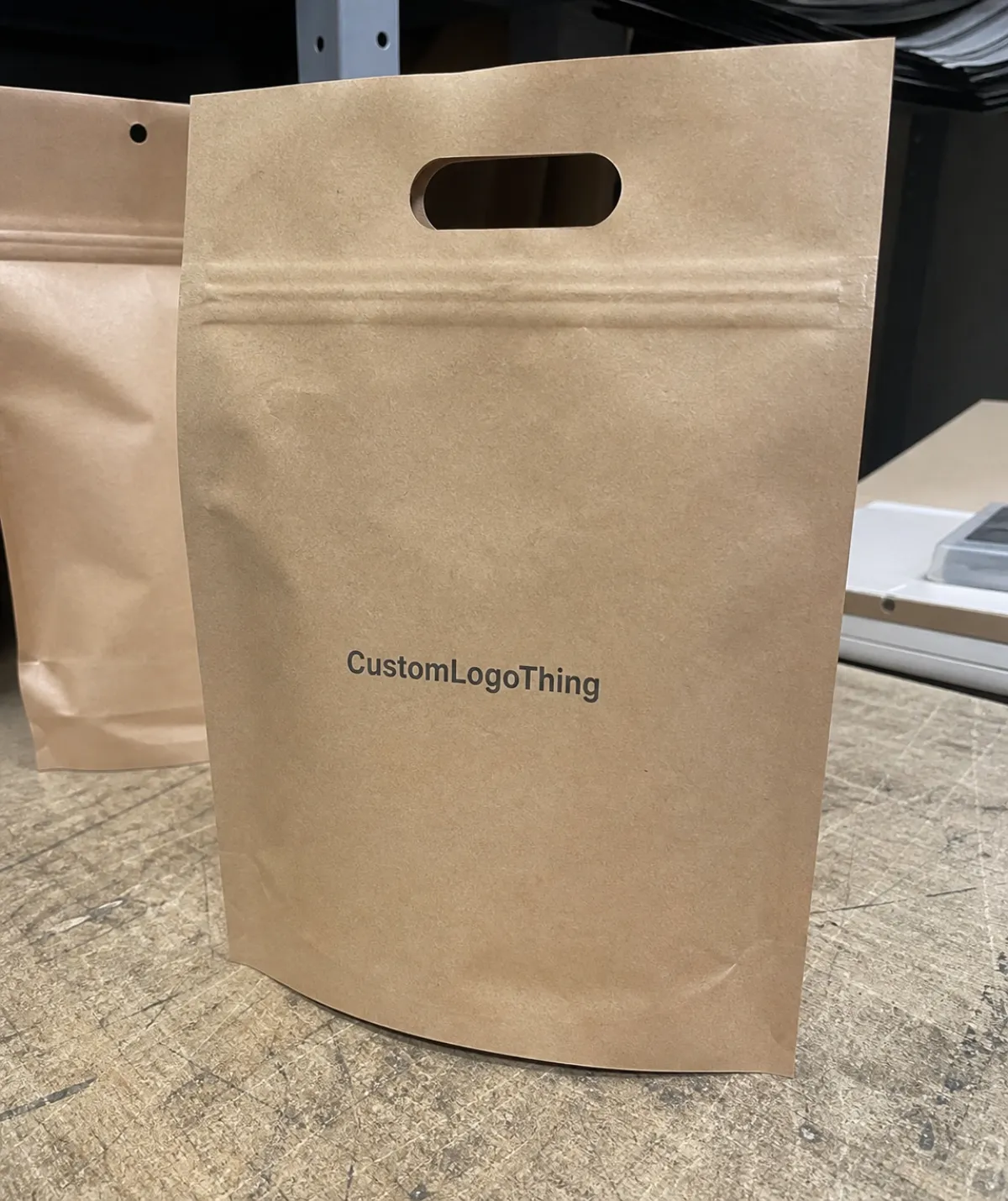
From a packaging buyer's point of view, the appeal is straightforward. A clear PVC garment bag lets the merch sell visually while giving the bundle a defined outer shape. If the kit includes a branded tee, a 12-ounce retail coffee pouch, a brew card, and a sticker sheet, the customer can understand the promotion in two seconds.
Visibility matters on cafe shelves and event tables. Kraft boxes, printed mailers, and other Custom Packaging Products still have their place. A clear bag works better when color, texture, shirt graphics, and label design are part of the offer. It also lets staff verify contents quickly during packing, which helps reduce wrong-size-shirt errors in mixed-SKU merch runs.
The insert is the quiet workhorse. A 300gsm to 400gsm coated card can support a folded garment, create a clean branded panel, and stop small paper pieces from sliding to the bottom. For a cafe launch or wholesale thank-you kit, that can make the difference between "packed with care" and "stuffed in a sleeve."
Practical rule: if the customer sees through the package, every fold, seam, barcode, sticker, and insert edge becomes part of the retail presentation. Clear bags do not hide messy pack-outs.
Many roasters underestimate the insert because it feels like a print item rather than a packaging component. In practice, it should be specified with the bag. Its thickness, stiffness, finish, and printed safe zones affect how the finished kit looks after real handling, not just in a layout file.
There is also a useful operational angle. Clear PVC bags can make inventory checks faster when apparel size, roast variety, or campaign version must be visible. A back-of-house team can spot a missing card or wrong colorway without opening every unit. That matters when a launch involves hundreds or thousands of kits, not twelve carefully arranged samples.
How PVC Garment Bag Packaging Works for Roaster Kits
A typical PVC garment bag starts with clear or frosted film, usually heat-sealed for simpler promotional styles or sewn along the edges for heavier reusable formats. Closures vary: zipper, snap, fold-over flap, hook opening, die-cut handle, hanger slot, or a combination. A zipper feels tidy for apparel and multi-piece kits. A flap or snap may be enough for a short-run event giveaway.
Thickness is usually discussed as gauge, mil, or microns, depending on the supplier. Lighter PVC feels flexible and economical, often suitable for a single folded shirt or short-term handout. Heavier PVC adds body, better corner structure, and a more giftable feel, especially when the bag holds an apron, a retail coffee pouch, and printed cards. The right choice depends on packed weight, shelf use, shipping conditions, and whether the customer may reuse the bag.
The insert can be a loose backing card, folded card, belly-style panel, header card, or full-panel printed board. A one-sided backing card may be enough for a shirt. A folded card can create front branding and back-side instructions. A header card works well when the bag hangs on a peg, provided the hang hole and zipper track do not cover the logo.
Bag and insert need to be developed together. Seam allowance, zipper placement, gusset depth, print area, corner radius, and insert thickness all influence the visible layout. Design the insert by itself and you may discover too late that the zipper cuts through the roast profile or the handle interrupts the UPC.
Roasters also have to coordinate the bag with existing product packaging. If the coffee pouch uses matte black film, copper foil, and cream labels, a glossy insert on bright white stock may look disconnected. Package branding works best when the clear bag supports the coffee bags, hang tags, labels, and cafe signage instead of competing with them.
One caveat: PVC has a particular feel and visual character. It can look sharp, practical, and retail-ready when matched to the right use case. It can also look cheap if the film is too thin, the insert waves, or the closure feels flimsy. For premium kits, compare clear PVC, frosted PVC, and alternative reusable bag materials before locking the spec.
Key Specs to Confirm Before Artwork or Sampling
Start with size, but measure the packed bundle, not the individual items laid flat on a table. Fold the shirt or apron the way fulfillment will actually fold it. Add the coffee pouch, card, sticker pack, hang tag, or gift note. Then measure the true width, height, and depth after the stack settles. A tee that looks like 9 by 11 inches flat may need more clearance once fabric loft and insert stiffness are included.
For the bag, confirm finished width, finished height, gusset if needed, PVC thickness, closure type, handle style, hanger opening, corner radius, seam color, edge finish, and whether the packed unit must stand, hang, or stack. A retail shelf pack may need a gusset or flatter base. A uniform bag may need a hanger opening. A trade show kit may need a handle strong enough for repeated carrying.
For the insert, list finished size, paperboard weight, coating, print sides, fold lines, scoring, rounded corners, hole punches, QR code position, roast information, care instructions, and barcode placement. A 350gsm C1S artboard with soft-touch lamination feels different from an uncoated 250gsm card, and it behaves differently inside flexible PVC. Thicker is not always better. Too much board can create zipper strain or make the kit feel overbuilt.
- Bag clearance: allow room for fabric loft, zipper movement, and trapped air, often at least 0.25 to 0.5 inch beyond the firm packed contents.
- Insert stiffness: choose stock that stays flat without forcing the bag into a bowed shape.
- Safe zones: keep text and codes away from seams, rounded corners, zipper tracks, and handle cuts.
- Retail data: place UPCs or QR codes where scanners and phones can reach them without glare or wrinkles.
Coffee packaging environments can involve chaff dust, oils from handling roasted coffee bags, and strong aromas. That does not mean PVC garment bags should be treated as food-contact packaging. If coffee is included, it should stay sealed in its own appropriate primary pouch. The PVC bag is the outer presentation or transport layer unless it has been specifically designed and tested for direct food contact, which is not the normal assumption for garment bags.
If sustainability language appears on the insert, keep it factual. The EPA recycling resources are a useful reference point for avoiding vague claims, and paper certifications such as FSC can matter if the insert stock is part of the brand promise. Claims should match the actual material purchased, not an aspirational version of it.
Color should be treated as a spec too. Clear PVC can increase glare. Frosted film can soften contrast. Warm-toned paper may make a cream label look intentional or make it look yellowed, depending on the rest of the kit. Ask for a physical proof when color matching matters, especially if the insert must sit next to existing labels, sleeves, or retail cartons.
Process and Timeline From Sample to Packed Launch
A clean process starts with the contents and use case. Share what goes in the bag, how many units are needed, where they ship, whether the kit hangs or stacks, and whether it is for retail sale, staff uniforms, wholesale onboarding, or event distribution. Then confirm bag size, material, closure, insert format, and artwork template before anyone polishes the final design.
A typical sequence runs like this: contents review, size recommendation, material selection, artwork template, digital proof, optional pre-production sample, proof approval, bulk production, insert printing, packing, carton labeling, and shipment. Stock-size bags with a printed insert can move faster than fully custom PVC Bags with Custom zipper color, handle tooling, and multi-color printing. For many custom projects, plan several business weeks from final proof approval, especially if a physical sample is required.
Sampling often exposes small but useful corrections. The bag may technically fit, but the insert may need trimming by 0.125 inch so it does not buckle. The zipper may need more clearance near the folded garment edge. A sticker sheet may need to tuck behind the insert instead of floating in front. These adjustments sound minor until a transparent package displays them across every unit.
Build in internal approval time. Roast notes, QR codes, sustainability statements, UPCs, care instructions, and campaign copy may need sign-off from marketing, retail, operations, or a wholesale manager. QR codes should be tested from a printed proof, not only from a screen. Barcodes should be checked in the actual position where they will sit behind PVC, because glare and curve can affect scanning.
Decide who packs the kits. If bags and inserts arrive separately, your team needs a pack-out instruction sheet, a clean staging area, and storage for flat inserts so corners do not ding before use. If the supplier pre-inserts cards or assembles finished kits, provide a clear order of operations and a photo standard. A checklist keeps that handoff practical and reduces interpretation on the packing table.
Quality control should happen before cartons are sealed, not after the launch shipment lands. Pull random units and check zipper function, insert alignment, scuffed film, loose fibers, barcode scan, QR code destination, apparel size visibility, carton count, and label accuracy. If kits are grouped by size or roast, confirm the carton marks match the packing list. Mixed kits are where small errors multiply.
Cost, MOQ, and Quote Details That Change Unit Price
Pricing is shaped by more than bag dimensions. PVC gauge, zipper quality, print method, number of colors, insert stock, coating, die-cutting, packing method, and carton requirements all affect unit cost. A simple clear bag with a one-sided paper insert sits in one price lane. A frosted bag with printed logo, custom zipper pull, rounded insert corners, two-sided coated card, and pre-packed fulfillment sits in another.
Custom PVC garment bags usually become more efficient at higher quantities because setup, tooling, proofing, and material handling are spread across more units. At 500 pieces, setup can feel heavy. At 2,500 or 5,000 pieces, the unit price often settles into a more efficient range. Exact costs depend on specs and market conditions, but buyers should expect meaningful price differences between light promotional bags and heavier retail-ready kits.
| Option | Typical Use | Cost Drivers | Buyer Watchout |
|---|---|---|---|
| Clear PVC bag with loose insert | Single shirt, event merch, simple cafe promo | Bag size, PVC thickness, one-sided insert print | Thin inserts may wave or slide during handling |
| Frosted PVC bag with printed logo | Retail merch bundle or seasonal gift set | Film finish, print colors, zipper quality, proofing | Ink color should be checked against coffee bags and labels |
| Gusseted bag with heavy insert | Apron, coffee pouch, brew card, sticker pack | Gusset construction, insert board weight, packing labor | Overloading can cause bulging and zipper stress |
| Pre-packed kit | Wholesale welcome pack or launch shipment | Assembly labor, carton specs, SKU sorting, freight | Packing instructions must be exact and photo-based |
As a broad planning range, simple printed inserts may add only a modest amount per unit, while specialty coatings, scoring, rounded corners, and tight color matching add production steps. A small insert on standard board is far different from a full-panel two-sided card designed to match a premium retail packaging system. Freight and storage also matter because PVC bags and paperboard inserts can take up carton space, especially if handles, gussets, or structured packing prevent tight nesting.
For a quote, prepare finished bag dimensions, packed product dimensions, order quantity, target launch date, print colors, insert size, insert paper weight, closure type, packing requirements, delivery ZIP or port, and whether a physical sample is required. If you already buy custom printed boxes and branded packaging, share those reference files too. Color and finish alignment is easier when the supplier can see the full product packaging family.
Be direct about tolerances and deadlines. If the launch date is fixed because of a seasonal roast, conference, or cafe anniversary, say so. If the insert must fit existing retail fixtures, say that too. A supplier can often adjust construction, packing quantity per carton, or production sequence, but only if the constraint is visible before quoting.
Common Mistakes That Make Clear Bags Look Cheap
The most common mistake is choosing the bag from flat dimensions only. A folded garment plus insert creates bulk, trapped air, and pressure points. Add a coffee pouch and the shape changes again. If the bag is too tight, seams pull, corners wrinkle, and the zipper begins to look stressed before the customer opens it.
Overloading causes the same kind of damage from a different direction. Clear PVC shows every wrinkle, crooked insert, loose sticker, and shifted card. A kraft mailer might hide some movement. A transparent bag will not. The pack-out method has to be designed with the same care as the artwork, especially for kits that sit on a shelf or ship to wholesale partners.
Do not design the insert before confirming bag structure. Seams, zipper tracks, handles, hang holes, and gussets can cover text or make a centered layout look off balance. A logo that looks perfect on a flat PDF may sit too close to a heat seal once produced. Leave practical safe zones, and mark them clearly on the artwork file.
Material mismatch can quietly weaken the brand. A premium roaster using matte coffee pouches, textured labels, and restrained color may lose polish if the PVC feels too thin or the insert stock looks flimsy. A playful cafe merch drop may benefit from bright insert graphics and a more flexible promotional bag. There is no universal best spec; there is a spec that matches the product, price point, and customer expectation.
Compliance-style language deserves care. Avoid unsupported recyclability claims, vague food-safe wording, or sustainability statements that do not match the actual PVC material and insert stock being purchased. If you want a structured testing mindset for transport, organizations such as ISTA publish widely used packaging performance resources, especially useful when kits are shipped rather than handed over in store.
Another quiet problem is poor storage before assembly. Inserts left unwrapped can absorb humidity, curl at the edges, or collect dust. PVC bags can crease if cartons are crushed or stored under uneven weight. If the launch depends on a clean clear-bag presentation, treat components like finished retail packaging from the day they arrive.
Coffee Roaster PVC Garment Bags Packaging Insert Checklist
Before requesting a quote, gather one finished sample of every item going inside the bag. Fold and stack the contents exactly as fulfillment will pack them, not the way they look best for a photo. Include the real shirt size range, apron thickness, coffee pouch, brew card, sticker pack, hang tag, and any receipt or gift note. Then measure true packed width, height, and depth.
Photograph the pack-out from the front, back, side, and top. These four views help the supplier see where the insert sits, where the garment adds bulk, and whether retail information must remain visible through the PVC. If one item has a hard corner, such as a card pack or folded hang tag, point that out because it may create a visible pressure mark.
Create a one-page spec sheet. Keep it plain and specific. Include bag size, PVC thickness preference, closure type, handle or hanger needs, insert dimensions, paper stock, print colors, order quantity, delivery location, and required in-hand date. Add packing instructions if the supplier will assemble anything, and identify whether units are packed by apparel size, roast variety, campaign, or mixed kit.
- Measure the packed bundle after the contents are folded, stacked, and settled.
- Choose bag structure: flat, gusseted, handled, hangable, zippered, snapped, or flap closure.
- Specify insert stock, coating, print sides, corners, folds, and barcode or QR code placement.
- Mark safe zones for seams, zipper tracks, hang holes, handles, and rounded corners.
- Confirm packing method, carton labeling, delivery location, and launch deadline.
- Test one packed sample for scanning, handling, stacking, hanging, and zipper strain.
Mark the insert artwork with safe zones before final design approval. Keep roast information, QR codes, care instructions, and barcodes away from zipper tracks and edge seals. If the card has a fold, do not place tiny text across the score line. If the bag has a handle cutout, make sure the brand mark is not sitting directly behind it.
One more practical detail: decide how the kit should look after three people have handled it, not only after one careful designer has packed it. Retail teams are busy. Event crews move quickly. Wholesale cartons get opened and repacked. A good insert layout should tolerate normal handling and still look intentional.
A coffee roaster PVC Garment Bags Packaging Insert checklist turns a loose merch idea into production-ready packaging details. It helps prevent slow quoting, rushed samples, avoidable resizing, and retail kits that look improvised. For a cafe launch, staff apparel pack, or coffee merch bundle, the checklist is the simplest way to make the bag, insert, and branded contents behave like one package.
FAQ
What should a coffee roaster PVC garment bag insert include?
A good insert should include the brand mark, garment or kit name, roast or cafe campaign message, care instructions if apparel is included, QR code, barcode if needed, and a clean visual layout that will not be hidden by seams, zippers, handles, or hang holes. For packed kits, the insert should also stabilize the contents, not simply advertise them, so choose a size and stock that keeps the bundle looking square through the clear PVC.
How thick should PVC garment bags be for coffee roaster merchandise?
Light-duty PVC can work for simple shirts or short-term event giveaways, while heavier film is better for aprons, multi-piece kits, wholesale welcome packs, or bags customers may reuse. The right gauge depends on packed weight, desired feel, zipper style, and whether the bag will hang, stack, ship, or sit on a retail shelf.
Do coffee roaster PVC garment bags need a custom insert or just a label?
A label is usually enough for simple identification, but a custom insert is better when the kit needs structure, storytelling, retail information, or a more polished retail presentation. If the bag is clear and the contents vary in shape or color, an insert helps create a consistent branded panel across every packed unit.
What details are needed to quote PVC garment bags with packaging inserts?
Provide finished bag size, packed product dimensions, order quantity, PVC thickness, closure type, print colors, insert size, insert paper weight, artwork status, packing instructions, delivery location, and target in-hand date. If size is uncertain, send photos and measurements of the packed contents so the supplier can recommend clearance and insert proportions. A complete coffee roaster PVC Garment Bags Packaging Insert checklist makes that quote easier to prepare accurately.
Can PVC garment bags be used for coffee products directly?
PVC garment bags are generally used for apparel, merch, documents, and bundled retail presentation, not as direct-contact packaging for loose coffee or unprotected food products. If coffee is included in the kit, it should remain sealed in its own appropriate coffee pouch or primary package, while the PVC bag serves as the outer presentation or transport bag.

