Why the pillow box niche is smaller than it looks
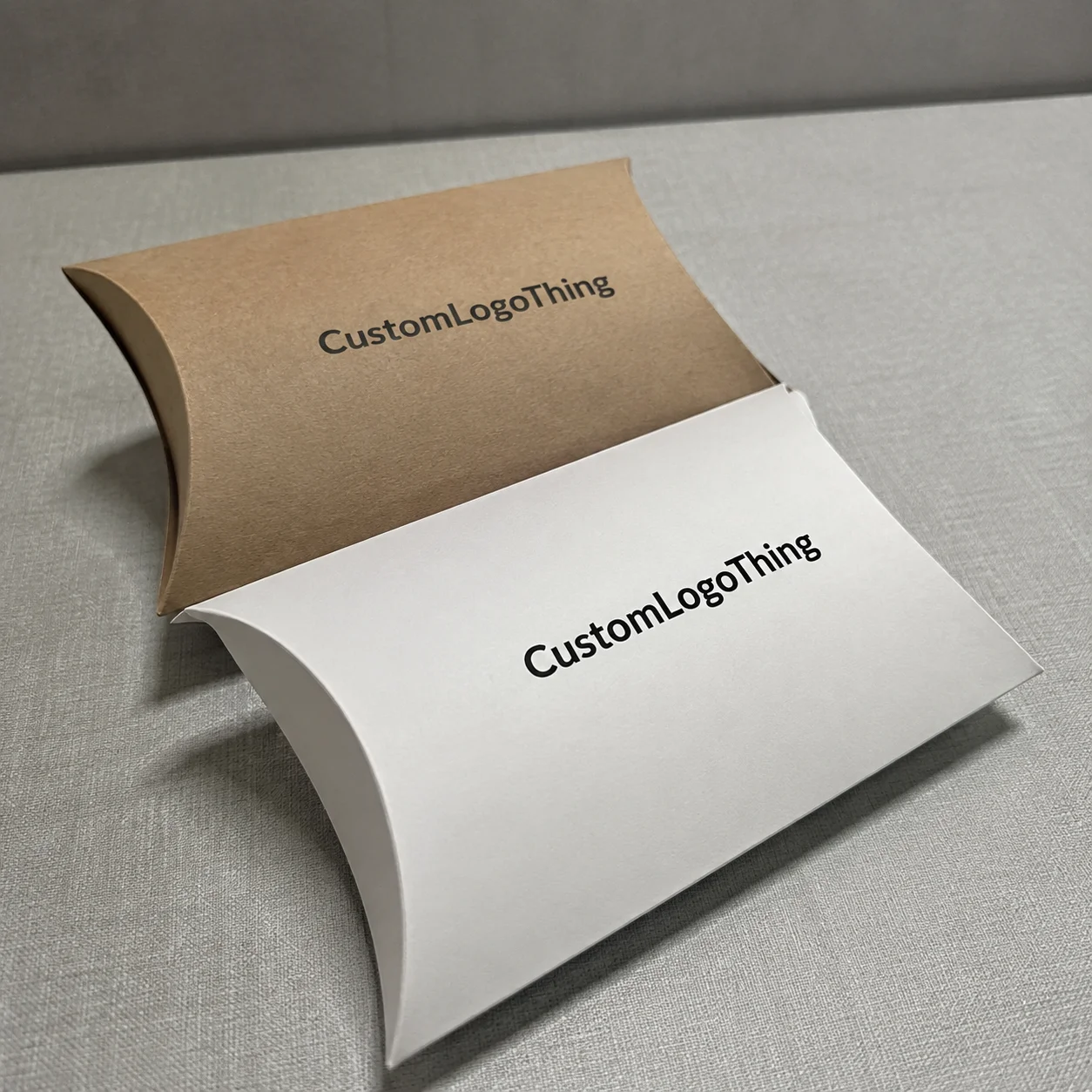
The Pillow Box Packaging market niche custom printed buyers care about is narrow in one sense and surprisingly crowded in another. Pillow boxes look simple, but once you start changing size, board weight, coating, print coverage, and closure style, the range of outcomes gets wide very quickly. A good version feels polished, light, and intentional. A bad one feels thin, crowded, or oddly fragile in hand.
That is why pillow boxes sit in a very specific part of packaging: below Rigid Gift Boxes in cost and structure, but above plain folding cartons in presentation. They are usually chosen for jewelry, cosmetics, candles, sample kits, gift cards, soap bars, and seasonal promotions. They also work well for low-weight retail items that do not need heavy protective packaging but still need a branded moment at the shelf or in the unboxing.
The appeal is straightforward. Pillow boxes ship flat, use relatively little material, and assemble quickly. For many brands, that combination makes them easier to justify than a rigid setup, especially when the product itself is small and visually appealing. The package becomes part of the product story without turning into a major cost center.
There is also a practical buyer reality here: most people are not looking for a shipping container. They want presentation, consistency, and an acceptable cost per unit. A pillow box does that job well if the structure matches the product and the print work is clean. If the structure is wrong, no amount of artwork can rescue it.
“A pillow box sells presentation first. If the structure is wrong, the design cannot carry it. If the structure is right, the design has room to do its work.”
That is the real niche. It is not luxury rigid packaging, and it is not rough handling mailer packaging either. It is compact, visually branded, and cost-aware presentation Packaging for Products that do not need a lot of board to feel valuable.
How custom printed pillow boxes work from file to fold
Every pillow box starts with a dieline. That flat template defines the trim, score lines, fold areas, and any glue or tuck structure used to hold the shape. For Custom Printed Boxes, the dieline is not a side detail; it is the foundation. If the layout is off by even a small amount, artwork can land too close to an edge, wrap awkwardly around the curved sides, or shift after folding.
Most pillow boxes are printed on paperboard, then cut, scored, and shipped flat. The customer or fulfillment team assembles them by folding in the center panels and closing the ends. Some versions use tuck ends or lock tabs for more secure closure. Others rely on the curved shape itself. The right version depends on product weight, how often the box is opened, and how much structural firmness the buyer expects.
Artwork needs more care than the shape suggests. Bleed should extend beyond trim, text should stay inside a safe area, and tiny copy should not sit on the curved edges where the fold may distort it. Small fonts can look crisp on a screen and end up awkward in print once the board bends. That is not a printing flaw so much as a shape issue, and it is one of the reasons packaging files need to be built around the actual structure instead of copied from a flat-label design.
Color is another place where buyers often overestimate what the file can do. Standard production usually runs in CMYK, which works well for most brand artwork. Spot colors are useful when brand matching is strict and a specific ink target matters. Premium effects such as foil stamping, embossing, soft-touch lamination, matte coating, and gloss varnish can improve shelf presence, but each one adds cost and can extend turnaround. The more effects you combine, the more carefully the file, tooling, and schedule need to be managed.
Board choice matters just as much. A thinner stock folds more easily and ships flat with less freight weight, but it can feel flimsy or lose shape if the product is heavier than expected. A thicker board gives the box more body and helps the printed surface look more substantial, though it may increase assembly stiffness and raise the per-unit cost. In practice, pillow boxes often fall somewhere around 250gsm to 400gsm paperboard, with the best choice depending on product weight, packaging goals, and whether the box needs to survive handling beyond a simple gift presentation.
For buyers focused on package branding, the takeaway is simple: print quality, finish, and board selection have to work together. A strong layout on weak stock still feels weak. A premium coating on a file that was never set up properly still looks careless. Packaging is unforgiving that way.
What drives cost and pricing for pillow boxes
Pricing in the pillow box packaging market niche custom printed category usually comes down to five variables: material, size, print coverage, finishing, and quantity. Change one, and the quote shifts. Change several at once, and the difference can be larger than buyers expect.
Basic printed pillow boxes in standard sizes are usually the least expensive option. A simple four-color box with standard board and no special effects might fall around $0.12-$0.28 per unit at 5,000 pieces, depending on size, coverage, and region. Add foil, embossing, soft-touch coating, heavier stock, or a more complex dieline, and pricing can move into the $0.25-$0.60+ range. Short-run work is almost always more expensive on a per-piece basis because the setup cost is spread over fewer units.
Quantity is the biggest lever. A 500-piece order still requires file prep, proofing, press setup, cutting, scoring, and packing. A 5,000-piece order uses many of the same setup steps, but the cost gets distributed across far more boxes. That is why a small order can look surprisingly expensive even when the design itself is uncomplicated.
| Option | Typical Use | Relative Cost | Best For |
|---|---|---|---|
| Basic printed pillow box | Samples, promos, lightweight retail | Lower | Clean branding on a tighter budget |
| Matte or gloss finished box | Retail packaging, gifting | Mid-range | Better shelf presence and surface protection |
| Foil or soft-touch box | Premium kits, seasonal launches | Higher | Stronger visual impact and a more premium feel |
| Short-run custom printed box | Test launches, small brands | Highest per unit | Low inventory risk and faster market testing |
Minimum order quantities matter because they affect how efficiently the line can run. Larger orders usually win on price because setup gets amortized across more boxes. Smaller runs are useful for testing, seasonal launches, or limited editions, but they rarely deliver bulk economics. That is normal and should be expected before the quote is even requested.
The easiest place to save money is usually finish, not structure. A standard matte or gloss coating can look clean and retail-ready without the added cost of foil or embossing. The place not to cut corners is on dieline accuracy, board strength, and print clarity. A bargain-looking box can cost more in brand damage than it saves on the invoice.
For brands weighing retail packaging options, a practical middle spec often works best: solid board, clean CMYK print, and one controlled premium detail if needed. That gives the packaging enough personality without turning the order into a decorative exercise that is hard to repeat at scale.
Production steps and lead time you should expect
The production sequence is fairly standard once the specs are settled. The process starts with a quote, then moves to dieline confirmation, artwork placement, proofing, approval, printing, finishing, die cutting, scoring, folding, and packing. If the job includes foil, embossing, or other special finishes, those steps usually add time between print and final assembly.
For a standard Custom Pillow Box order, a realistic lead time is often 12-18 business days after proof approval. Simpler jobs may finish sooner if the artwork is ready, the board is in stock, and no special effects are involved. Complex orders take longer, especially when the schedule includes multiple finishes or custom dimensions that need extra setup and inspection.
Most delays happen before production starts. Late artwork is common. So are files with missing bleed, mismatched dimensions, or copy that has not been checked against the actual pack size. A supplier can only move as quickly as the approvals allow, and every design change after proofing resets part of the schedule. That is one reason packaging timelines feel slower than buyers expect.
Rush jobs can be done in some cases, but they are rarely cheap. A simple CMYK print on a standard size may move faster if the material is available and the artwork is clean. Add foil, custom inserts, or a tight launch window, and the rush premium rises fast. Faster production usually means less flexibility and less room to recover from file problems.
Good production control also means understanding the testing environment. Buyers who need confidence in handling performance sometimes reference ISTA for transport testing or consult EPA guidance when sustainability claims are part of the packaging brief. Those references do not replace supplier quality checks, but they help narrow the conversation around performance and materials.
How to choose the right specs for your product
Start with the product, not the packaging trend. Measure the item in its final condition, including any insert card, tissue, sleeve, tag, or accessory that will ship with it. Then add enough allowance for easy insertion and removal. A box that fits too tightly can crush soft goods or stress the folded ends. One that is too loose can make the product feel cheap because it moves around inside the box.
For lightweight jewelry, gift cards, and small sample items, thinner board and a simple print spec can work well. Cosmetics, premium samples, and small soaps usually benefit from sturdier stock and a more polished finish. If the box will be stacked, handled repeatedly, or shipped in outer mailers, the stock should be chosen with that abuse in mind rather than based on shelf appearance alone.
Finish should follow the brand and the handling environment. Matte surfaces feel understated and hide fingerprints better. Gloss can make color richer and help the box stand out under retail lighting. Soft-touch adds a premium feel, but it can increase cost and is more vulnerable to scuffing during transport if the supply chain is rough. Windows can help the product sell itself, but they also affect structure, print area, and production complexity.
Minimal brands usually do best with clean spacing, a clear logo, and enough negative space to let the shape read properly. More colorful Brands Can Use stronger contrast and larger graphic areas, as long as the design respects the curved panels. That is where packaging design becomes practical rather than decorative. A pillow box is small, and every millimeter counts. You are not designing a billboard. You are designing a compact sales surface that has to read quickly in hand.
Here is the short version:
- Retail display items usually need stronger contrast and a cleaner finish.
- Gift packaging can support more decorative artwork and premium coating.
- E-commerce use usually calls for sturdier board and better scuff resistance.
- Sample kits work best with low-cost materials and fast assembly.
The best results usually come from matching durability, print quality, and shipping efficiency to the actual use case. That keeps the box aligned with the product instead of turning the package into a separate design problem.
Common mistakes buyers make with custom pillow boxes
The first mistake is buying by dimensions alone. Product size matters, but packaging needs matter more. A box can technically fit and still fail in practice because the closure feels weak, the finish rubs, or the item shifts too much inside the box. The full use case matters more than the raw measurement.
The second mistake is treating curved panels like flat print space. Pillow boxes are not little posters. Tiny type, legal notes, and delicate line art can distort or disappear once the box is folded. If the design depends on microscopic detail, simplify it. A cleaner layout usually prints better and looks more expensive anyway.
The third mistake is choosing finishes for appearance without thinking through handling. High gloss can look sharp, but it may show scratches. Soft-touch feels upscale, but it raises cost and can mark more easily during transit. Foil can add a lot of value visually, though it is not always necessary on a box this small. The strongest packages usually use one effect well instead of stacking several effects that fight each other.
The fourth mistake is approving a digital proof and assuming that covers everything. A PDF will not show the way board texture, fold behavior, and surface reflectivity change the final result. If the order is brand-sensitive, a physical sample is worth the extra step. It is cheaper to catch a size or finish problem before the full run than after the boxes are in the warehouse.
The fifth mistake is overordering before the sample is approved. That is how brands end up with boxes that are technically correct but practically wrong. If the design is still being tested, start with a smaller quantity. Then scale after the fit, finish, and color all hold up in real use.
In the pillow box packaging market niche custom printed space, the best habit is simple: test early, specify clearly, and keep the design tied to the product rather than the mood board. Revision loops consume time. Time consumes margin. Packaging has a blunt way of reminding people of that.
Next steps for a smarter custom pillow box order
To get a useful quote, prepare the basics before you ask around: product dimensions, quantity, target budget, print area, finish preference, and whether the box is meant for retail, gifting, or promotion. Add product weight if you have it. That one detail helps determine whether the board stock can support the item without sagging or losing shape.
Ask for a dieline before artwork is finalized. Ask for a digital proof before production. If the box is brand-critical, ask for a physical sample as well. That sequence sounds routine, but plenty of buyers skip one step and then spend a week correcting a problem that could have been caught earlier. Packaging suppliers can work quickly, but they still need clear input.
When comparing suppliers, keep the evaluation practical:
- Quote clarity: Are quantities, materials, and finishes stated plainly?
- Timeline: Does the lead time include proofing and finishing?
- Print quality: Can they show similar samples or recent work?
- Communication: Do they answer questions with specifics instead of vague reassurance?
- Material options: Do they offer board and coating choices that fit the product?
If sustainability matters, ask about FSC-certified board and how recycled content affects print or fold performance. If transit durability matters, ask how the box handles stacking, friction, and compression. A supplier that answers those questions directly is usually easier to work with than one that only leads with price. Price matters, but so does avoiding a second production run because the first one did not hold up.
The most reliable pillow box orders usually start with a clear spec, a sample check, and a modest first run. That keeps risk manageable while the brand tests fit, print quality, and perceived value. It is also the cleanest way to enter the market without paying for excess inventory or learning too late that a small design choice changed the whole feel of the box.
What products fit pillow box packaging market niche custom printed orders best?
Small, lightweight products usually fit best: jewelry, cosmetics, gift cards, soaps, samples, and promotional items. The format works well when presentation matters more than heavy protection and when the product can be packed flat, assembled quickly, or handed out at retail.
How does custom printed pillow box pricing change with quantity?
Unit cost usually drops as quantity rises because setup costs are spread across more boxes. Small runs cost more per piece, while heavier print coverage, special finishes, and nonstandard sizing push the price up even when the box shape stays the same.
What is the usual lead time for custom printed pillow boxes?
Standard orders often take about 12-18 business days after proof approval. Simple rush jobs can be faster, but delays usually come from artwork revisions, finish selection, or sample changes rather than the print step itself.
Which file setup mistakes cause the most delays?
Missing bleed, incorrect dieline placement, low-resolution artwork, and tiny type on curved panels cause a lot of avoidable problems. Unclear color targets also slow production, especially when the brand expects exact matching without giving reference standards.
How do I know if a pillow box is strong enough for my product?
Check the product weight, whether inserts are needed, and how much movement happens during handling or shipping. Ask for material specifications and a sample before full production, then choose a sturdier board or protective coating if the box will be stacked, shipped, or handled often.


