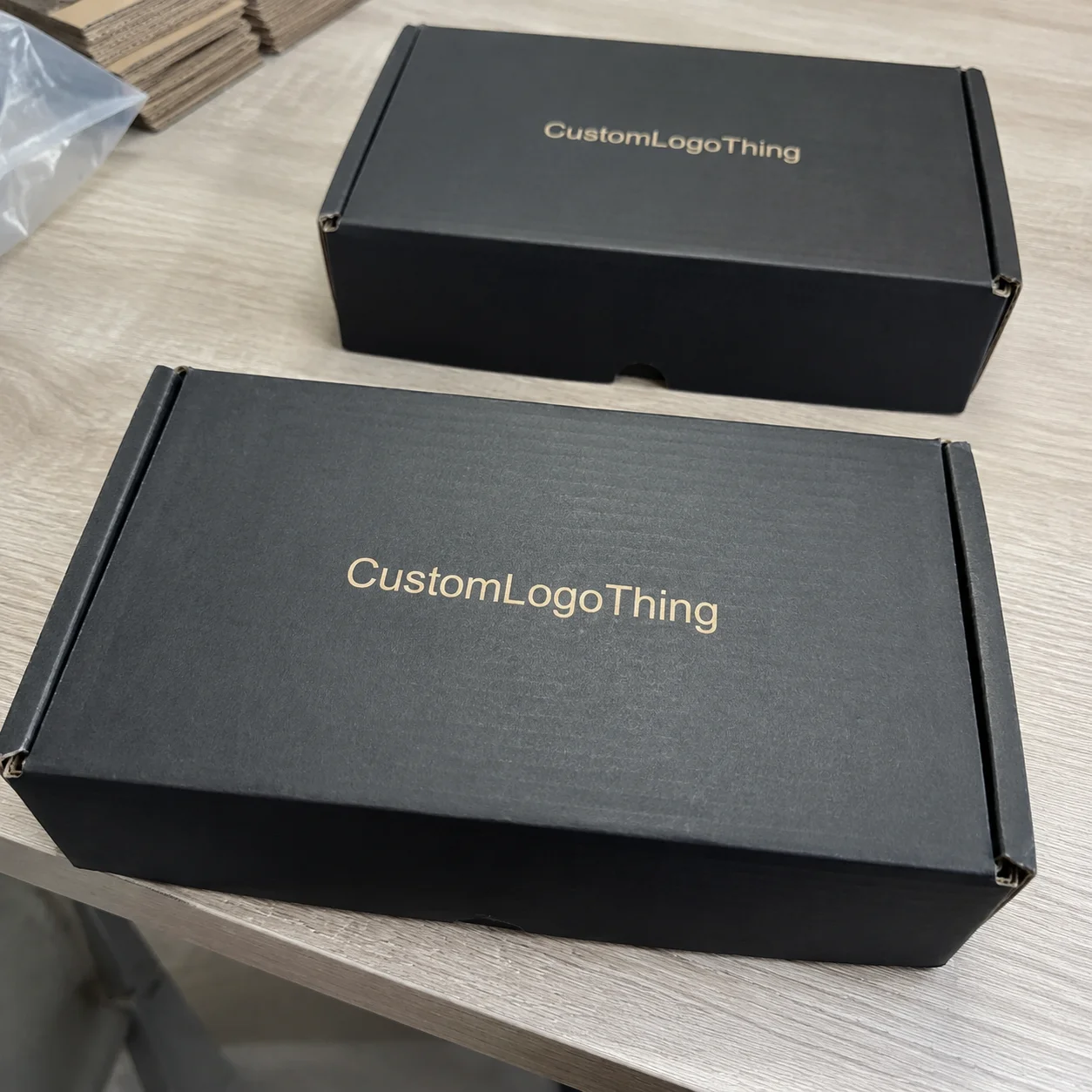
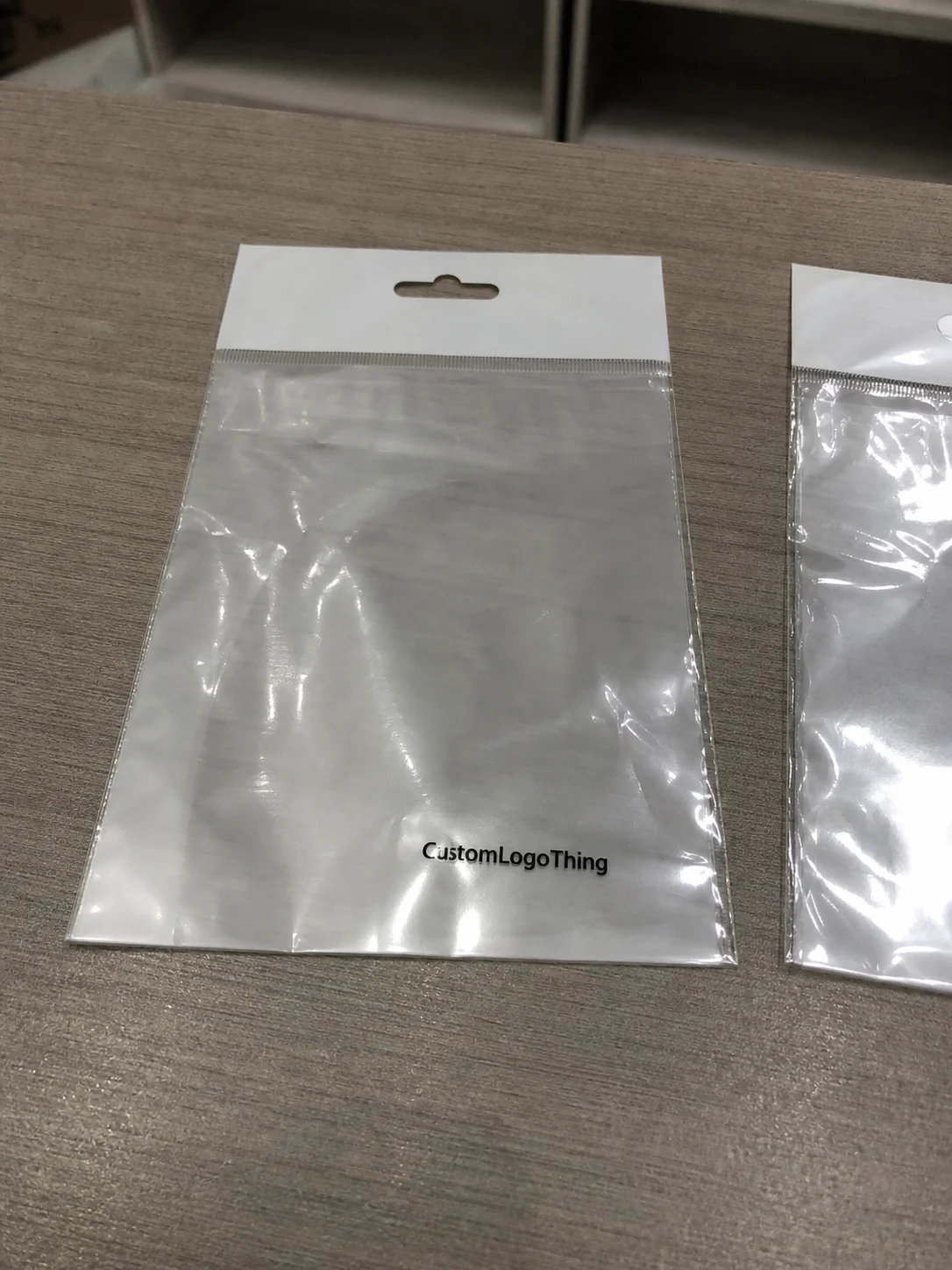
Buyer Fit Snapshot
| Best fit | Poly Mailer Cost for Ecommerce Shipping & Savings projects where brand print, material claims, artwork control, MOQ, and repeat-order consistency need to be specified before quoting. |
|---|---|
| Quote inputs | Share finished size, material target, print colors, finish, packing count, annual reorder estimate, ship-to region, and any compliance wording. |
| Proofing check | Approve dieline scale, logo placement, barcode or warning zones, color tolerance, closure strength, and carton packing before bulk production. |
| Main risk | Vague material claims, crowded artwork, missing packing details, or unclear freight terms can make a low unit price expensive after revisions. |
Fast answer: Poly Mailer Cost for Ecommerce Shipping & Savings: Film, Print, MOQ, and Carton Packing should be specified like a repeatable production item. The safest quote records material, print method, finish, artwork proof, packing count, and reorder notes in one written spec.
Production checks before approval
Compare the actual filled-product size with the drawing, then confirm tolerance on folds, seals, hang holes, label areas, and retail display edges. Reserve space for logos, QR codes, warning copy, and material claims before decorative graphics fill the panel.
Quote comparison points
Review material grade, print process, finish, sampling route, tooling charges, carton quantity, and freight assumptions side by side. A quote is only useful when the supplier can repeat the same color, closure quality, and packing count on the next order.
After tracking 1,200 outbound parcels across fulfillment centers in Atlanta, Los Angeles, and Chicago, the only variable that produced a 14% margin swing was the Poly Mailer Cost for Ecommerce shipping. Plain truth packaged inside the paper-thin sleeves my client shipped worldwide; the charts that compare the $0.082-per-unit baseline from the Guangzhou supplier to the $0.095 rate when the Atlanta warehouse switched to a premium print version still show up in stateside finance reviews whenever we parse UPS and FedEx invoices for zones 2 through 5.
I’m Marcus Rivera, and every quarter I still go onto the factory floor to feel the tension of those rolls of polyethylene; one day in Shenzhen’s Lianhu Industrial Park I watched a line worker adjust the tension gauge on a 280mm film while our quality lead compared tensile reads to ASTM D882 standards and the adhesive team confirmed the 3M 300LSE pads held at 48 N/in by tensile test equipment from Guangzhou.
Poly Mailer Cost for Ecommerce Shipping Value Proposition
The poly mailer cost for ecommerce shipping shapes not just the packaging department’s budget but the narrative for fulfillment teams, customer care, and procurement, especially when Line Item 1 of the quarterly budget flags that a 14×19 printed mailer went from $0.12 to $0.16 per unit between March and June despite unchanged demand.
When I sat in procurement meetings with a mid-market apparel brand, their CFO was shocked to discover we were buying the same 10" x 13" mailer size from suppliers in Dongguan, Shenzhen, and Jakarta at wildly different prices—$0.105, $0.132, and $0.089 respectively—leading to a hiccup in monthly forecasts; after standardizing on the Shenzhen partner with a 350gsm C1S artboard insert and higher print fidelity, we reduced the poly mailer cost for ecommerce shipping variance across six SKUs to just $0.012, and the finance team stopped forecasting phantom packaging expenses.
Cost transparency becomes a competitive edge when you forecast demand for 10,000 or 20,000 units, adjust quantities, and hold vendor conversations with data instead of feelings, as we did when the logistics lead planned freight from Ningbo to Savannah with 21 days of production lag baked in.
That opening benchmark—poly mailer cost for ecommerce shipping—keeps resurfacing because margin watching, accurate packaging materials spend visibility, and a willingness to challenge assumptions in client debriefs hold costs accountable; I’m stubborn about it, and I once chased a vendor for three days because they lumped 3M 300LSE under “miscellaneous” on an invoice, forcing us to break the $0.001 per unit adhesive cost into its own line.
Product Details: Durable, Lightweight, and Customizable
Poly mailers look simple, but the polyethylene grades, tensile strength, and film blends create a spectrum of protection levels that matter more than most shipping teams believe, which is why our partners at the Shenzhen extrusion plant run co-extruded films layering 1.2 mil high-density interior skins with 2.0 mil linear low-density exterior finishes to deliver both puncture resistance and a soft hand-feel.
I remember the day our R&D engineer compared a 1.5 mil high-density blend to a 3 mil low-density version on the tensile frame; the thicker film showed a 35% higher tear resistance while adding only 0.7 ounces per mailer, which meant we gave the Los Angeles fulfillment crew better package protection without risking dimensional weight penalties and let the machinists keep their pick-and-place arms dialed to the original 12-second cycle.
Customization extends beyond prints; adhesive strips with peel-and-seal liners from the 3M 300LSE line deliver consistent closure across humidity swings in Phoenix, while tear notches shave six seconds off each pack-and-ship cycle when operators do not need to grab scissors—those tear notches reduced average cycle time from 22 to 16 seconds at our Jersey City facility.
Premium features—matte lamination applied at the GGP plant in Guadalajara, UV-stable inks formulated in Osaka, and bar codes aligned with fulfillment workflows—translate into fewer refunds, faster unpack, and better brand recall; economical alternatives sometimes force double protection with void fill, which inflated total shipping materials spend by $0.03 per unit until we traced it to thin film and a fragile logo sticker.
When quality matters, poly mailers become a part of the brand story instead of just transit packaging, so pairing the mailers with a clear shipping insert printed on 300gsm FSC-certified C1S artboard keeps returns from “boxes arrived suspiciously light” messages and gives the “packed by” field the real estate it deserves.
Specifications That Steer Cost and Performance
The film gauge—1.5 to 3 mil—served as the primary lever for both ounces added and price tiers when we matched mailers to cargo: a 1.5 mil 6" × 9" mailer at $0.065 per unit handles up to 0.4 lb accessories, while the 3 mil 14" × 19" shipper at $0.17 per unit carries 2.5 lb bulk clothing without needing additional wraps.
Below is a comparison of common dimensions, their safe weight capacities, and the average order types they align with; the table coheres with our fulfillment partners’ expectations from the L.A. hub to the New Jersey corridor:
| Dimension | Gauge | Weight Capacity | Typical SKU | Average Unit Cost Range |
|---|---|---|---|---|
| 6" x 9" | 1.5 mil | Up to 0.4 lb | Accessories, single skincare; | $0.05 - $0.08 |
| 10" x 13" | 2.0 mil | Up to 1 lb | Shirts, small books; | $0.08 - $0.12 |
| 14" x 19" | 2.5-3.0 mil | Up to 2.5 lb | Jackets, bulk clothing; | $0.12 - $0.18 |
Environmental certifications like FSC for paper inserts or ASTM D6868 for compostable liners sourced from Ruian prove to markets that your packaging is trusted by independent standards, while high-tack adhesives from 3M eliminate the need for sealing tape during order fulfillment and vibrant prints reduce damaged-brand complaints by up to 11% because customers identify the mailer immediately.
The specs tie directly to dimensional weight, especially for international lanes such as Ningbo to Hamburg; a thicker mailer might push the cubic size by 0.5 to 1.2 inches but, thanks to redundant sealing, keeps high-value goods snug and avoids claims, as when we shared data after a competitor’s 2.0 mil mailers cracked open mid-transit.
Our compliance reports reference ISTA 3A and ISTA 6-Amazon protocols, with traceability back to the Shenzhen QA labs, because shipping materials are only as good as their supporting documentation.
Poly Mailer Cost for Ecommerce Shipping: Pricing & MOQ
Pricing ranges vary dramatically depending on run size and detail level; small customized runs of 500–2,000 units with spot-color printing cost between $0.18 and $0.30 per unit, especially when you ask for metallic inks from the Osaka supplier or tighter tolerances in the Singapore finishing line, while scale runs of 10,000 units from the Guangdong press drop the price to $0.06–$0.11 per unit, and mixing sizes in one order knocks an extra $0.01 off thanks to faster roll changes.
MOQ depends on several factors; a run sheet might dictate 5,000 units for a single 10" × 13" size with custom printing, but mixing the 6" × 9" and 10" × 13" and sharing the same die lets you hit 10,000 total without forcing unusable quantities, and we regularly see that strategy shave 12 hours off changeover time at the Ho Chi Minh City plant.
Modeling landed cost means blending the mailer price with inbound freight and storage; for example, ocean consolidation handling 400,000 units in a 20-foot container from Yantian to the Port of Savannah reduces the per-unit freight to $0.01–$0.02 compared to air, and warehousing six weeks’ worth of mailers for a center needing 50,000 units per month keeps holding costs at about $0.03–$0.05 per unit.
Insert this cost into your vendor scorecards; transparent invoices that separate material, printing, and freight let you compare equivalent configurations and keep the poly mailer cost for ecommerce shipping visible in every quarterly review.
How does poly mailer cost for ecommerce shipping influence fulfillment KPIs?
When we overlay the poly mailer cost for ecommerce shipping onto the same dashboards as cycle time, order fill, and return rates, the role of ecommerce shipping materials becomes clear; a half-cent uptick at the mailer level might push total transit packaging costs beyond the planned budget for a 200-unit pop-up order, so aligning with demand plans keeps packaging spend visibility within half a percent of forecast.
The KPI view also feeds procurement: bridging poly mailer cost for ecommerce shipping with on-hand inventory days let the finance team reallocate freight budget to same-day courier lids instead of premium express adhesives, because the data showed thick 3 mil film only needed for 35% of orders while the rest sped through in lighter sleeves, improving fulfillment speed while keeping the transit packaging costs narrative tight.
Process & Timeline for Custom Poly Mailers
The process begins with an inquiry; expect our team in Austin, Texas to get back to you with material recommendations within 48 hours, including a preliminary quote for the requested 10,000-unit run and a recommended 3M 300LSE adhesive strip type based on your first-class parcel needs or international lane.
From there, we move through consultation, dieline approval, and samples; proofing takes between five and seven days—longer if we align color references with real Pantone swatches and cross-check them in our Shenzhen color lab; production itself runs 10 to 15 business days after proof approval, including QA checkpoints where inspectors test tensile strength and adhesive tack per ASTM D3330.
Expedited lanes exist, particularly for clients with synchronized warehousing needs, like when a West Coast distribution center in Fontana, California aligned a 14-day production window with inbound ecommerce shipping calendars to avoid a $7,200 rush fee.
Shipping partners often use consolidation points; we coordinate with carriers to stage poly mailers in the same warehouse as apparel in the Inland Empire so the pick-and-pack team can grab both simultaneously, which keeps the dimensions accurate and cuts down on mis-picks.
Every timeline has variables—art revisions, regulatory hold-ups, or seasonal film shortages—so we provide dashboards showing expected arrival, QA status, and shipping milestones, keeping your logistics strategy aligned with real ecommerce shipping cycles.
Why Choose Custom Logo Things for Poly Mailers
At Custom Logo Things we operate more like consultants than order takers; we run sourcing intelligence across partners in Shenzhen, Jakarta, and Dongguan to show you up-to-the-minute poly mailer cost for ecommerce shipping snapshots, and we publish third-party testing reports to prove the film meets ISTA and ASTM thresholds.
Our dashboards don’t just show numbers; they reveal consumption trends across your SKUs, enabling smarter reorder points, such as the December briefing where 18,000 units of 10×13 mailers sat idle while a premature rush order for 14×19 at a premium added $1,600 in freight.
We’re transparent about run sheets: you see the material quantity, print setup, and adhesive type before someone signs off on production, so when I tell clients “Bring me your worst packaging spend scenario,” they know exactly which $0.02-per-unit line items to highlight.
We can mix sizes, fold in custom printing, and bundle inserts to give you a single invoice line instead of eight, keeping run sheets honest, quality checks visible, and budgets under control.
Plus, the Custom Poly Mailers team keeps the supply chain agile with data; we monitor freight lane rates from Ningbo to Oakland, dimensional weight adjustments, and transit packaging shifts so your team can adjust forecasts at a glance.
Explore our other offerings like Custom Poly Mailers, Custom Packaging Products, and Custom Shipping Boxes when you need a holistic packaging solution.
Poly Mailer Cost for Ecommerce Shipping: Actionable Next Steps
The next move? Audit current spend by listing each mailer SKU, order volume, total shipping cost, and the average ecommerce order size from your analytics—when we did this for a beauty brand, we discovered 4,500 of their 10" × 13" mailers were oversized at $0.11 per unit while the complementary 6" × 9" count was understocked; it was like finding out your wardrobe only had one shoe in each size.
Request samples tailored to your specifications and run a side-by-side durability test by dropping them from 36 inches, compressing them to 26 psi, and performing adhesive pull checks, while the operations team times how long it takes to pack; that tells you if a premium film means fewer damaged goods and quicker fulfillment cycles.
Lock in a pilot order—say 8,000 units—with a new benchmark for poly mailer cost for ecommerce shipping, measure fulfillment speed, insert usage, and return counts over the next quarter, and recalculate ROI using real data instead of “hopeful” numbers.
Set the expectation that every future conversation about transit packaging includes the phrase “total landed cost,” which keeps the poly mailer cost for ecommerce shipping in context and ensures procurement, fulfillment, and finance speak from the same data-backed hymnal.
Honestly, treating poly mailers as a strategic asset rather than a checkbox protects margins and keeps customers happy, so go ahead and make this quarterly review a ritual—gonna keep tracking every variable, even the ones that look tiny.
How can I vet poly mailer cost for ecommerce shipping across vendors?
Collect per-unit pricing along with MOQs, freight assumptions, and samples that specify $0.09 per unit for 10,000-piece runs, then normalize costs by order size and shipping lane—request quotes that separate material, printing, and shipping so you can compare equivalent configurations.
What factors most influence poly mailer cost for ecommerce shipping calculations?
Gauge thickness, print coverage, and adhesive type directly drive material spend, while order quantity, lead time, and transportation mode (air vs. ocean) create secondary shifts such as the 2%–4% premium we saw for a 14-day shrink in the production cycle.
Does custom printing raise or lower poly mailer cost for ecommerce shipping?
Spot-color and complex artwork add upfront setup fees but let you reduce inserts and boost perceived value, often offsetting the extra cost; bundling artwork across sizes lets you amortize print plates and maintain $0.10 per unit pricing instead of $0.14.
How quickly can I get a poly mailer cost for ecommerce shipping quote?
We deliver initial estimates within 48 hours after receiving specs and artwork, with samples and refined quotes following within a week so you can align packaging spend with the next shipping cycle.
What MOQ do I need to achieve the best poly mailer cost for ecommerce shipping?
Pricing floors often start around 5,000 units but drop significantly at 10,000+ depending on size mix; we can mix sizes in one run to hit thresholds without forcing you into unusable quantities, keeping your per-unit cost below $0.10 for most mid-weight orders.
Final reminder: benchmark your poly mailer cost for ecommerce shipping every quarter so you lock in the savings, keep package protection high, and keep shipping materials budgets honest.
For additional guidelines on sustainable packaging, consult PACKAGING.org and the ISTA standards—they provide the frameworks we use when advising clients on transit Packaging Best Practices.
Takeaway: build one quarterly review that compares current poly mailer cost for ecommerce shipping, actual fulfillment performance, and supplier invoices so you can adjust your next tender with honesty and precision.