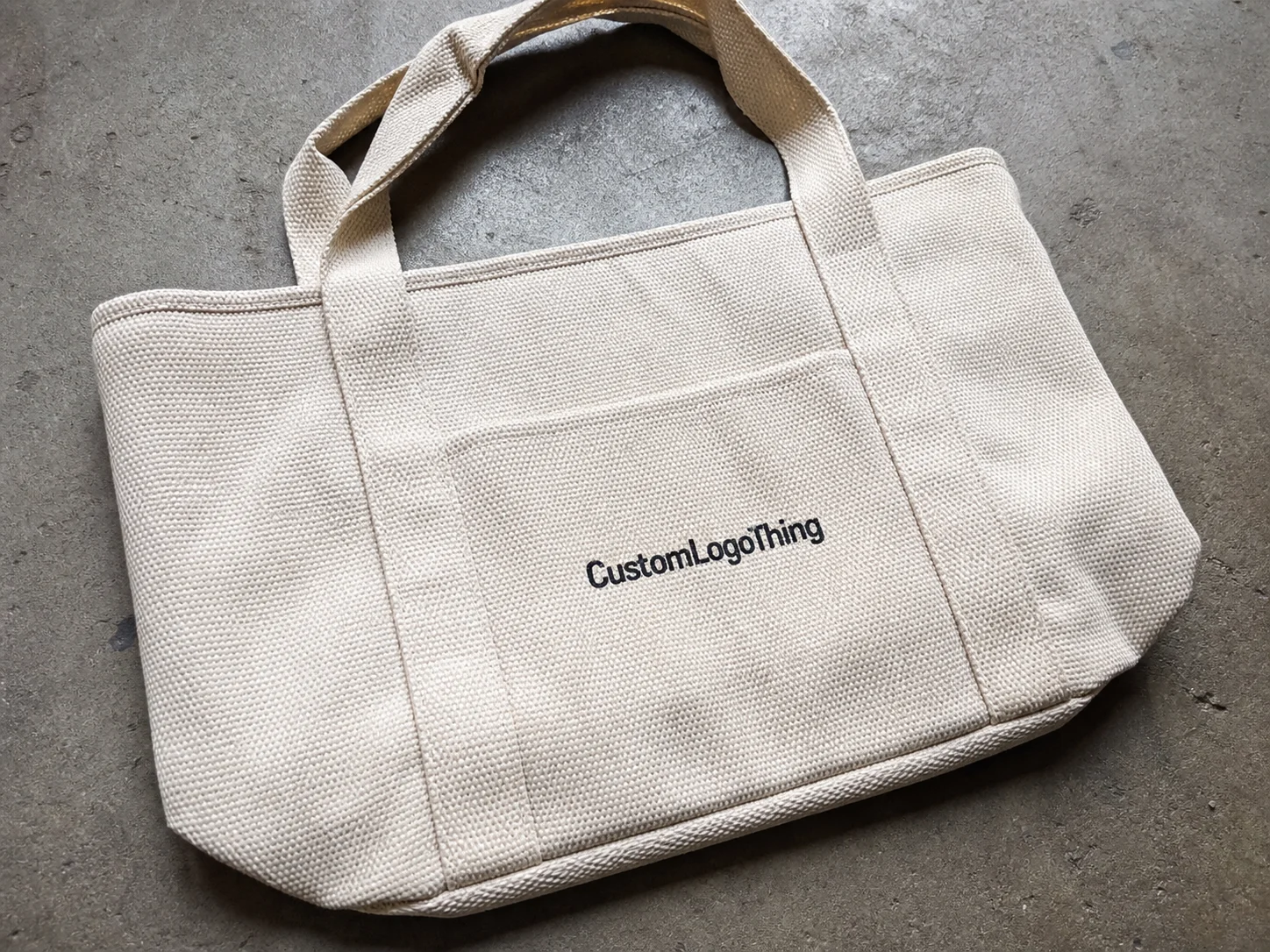
Custom Cotton Tote Bags look straightforward until the first sample arrives. Then the details show up. A bag can feel soft but flimsy, sturdy but awkward, premium on a mockup and underwhelming in hand. That gap is where buying decisions live, because the tote is doing two jobs at once: carrying things and carrying the brand.
For packaging teams, that matters more than it first appears. A tote often becomes part of the product packaging experience, not a separate giveaway. It can replace extra wrapping, support package branding, and make a handoff feel deliberate without forcing the budget into luxury territory. The challenge is practical, not philosophical: Choose the Right fabric, decoration method, and order size so the bag performs after the event, not just during it.
Why custom cotton tote bags still outperform cheap promo bags
Cheap promo bags save a little upfront and lose quickly in the real world. They tear at the handle, collapse under weight, or disappear into a kitchen drawer after one use. Cotton totes tend to stay visible. People reuse them for groceries, books, gym items, shipping inserts, and trade-show handouts, which means the logo gets seen again and again instead of once.
That reuse is the real value. A tote that survives long enough to become part of someone’s routine lowers its cost per impression dramatically. A heavy-looking but disposable item does the opposite: it spends the budget and leaves almost no trace. Buyers usually learn this the hard way after a few campaigns with thin promotional bags.
Cotton also reads as more credible in the hand. It is not automatically premium, but it usually feels more considered than a thin synthetic alternative. For retail packaging, event kits, or branded carryout, that tactile signal matters. People make judgments fast, and fabric weight is part of that judgment.
In practice, custom cotton tote bags work because they sit at the intersection of utility and visibility. In dense cities, on campuses, at conferences, and in stores, a tote can be seen dozens of times in a week. It is simple media, but it is mobile media.
“The strongest tote is not the fanciest one. It is the one people keep using.”
That is why cotton often outperforms single-use branded pieces that look expensive on arrival and forgettable a month later.
If the tote sits alongside other packaging elements, think of it as part of a coordinated set rather than a one-off item. A well-matched tote, mailer, or insert can reinforce Custom Packaging Products without making the presentation feel overworked.
How custom tote production and printing actually works
The production process is predictable once the moving parts are visible. First comes the fabric decision, then the bag size, handle style, print area, and decoration method. After that, the supplier prepares artwork, issues a proof, and moves into production. The steps sound simple. The catch is that small decisions compound quickly when the design has tiny type, multiple colors, or a deadline that leaves no room for revision.
Printing method is the biggest technical fork in the road. Screen printing is often the best fit for bold logos, one-color marks, and mid-to-large quantities because it is clean and efficient. Digital printing suits full-color art, gradients, and complex graphics, especially when the artwork cannot be simplified without losing meaning. Heat transfer can work for smaller runs or designs that need sharp detail, though the print may feel less integrated into the fabric than ink pushed directly into the weave.
Artwork placement is more important than many buyers expect. A centered front logo feels classic and economical. A two-sided print gives more exposure but changes pricing and can crowd the design if both sides compete for attention. Oversized graphics can look strong in a digital mockup and awkward on the actual bag if they run too close to seams, gussets, or stitching lines.
There is also a meaningful difference between blank bag sourcing and decorated production. Blank sourcing is faster and usually cheaper upfront. Decorated bags add proofing and setup, but they arrive ready for retail packaging, events, or resale. The right option depends on whether the tote is functional support material or a branded asset in its own right.
For higher-stakes projects, a sample is worth the extra time. A proof can confirm placement, but only a physical sample shows how the cotton drapes, how opaque the fabric really is, and whether the logo scale feels right once the bag is filled. Quality control for tote programs usually comes down to a short checklist: stitch integrity, print alignment, color contrast, handle symmetry, and consistency across the run. Those checks catch problems that a file review will never show.
Key specs that change durability, feel, and brand impact
Fabric weight is the first spec to get right, and it affects more than durability. Cotton is often discussed in grams per square meter, or gsm. As a practical guide, 120-150gsm feels light and is best suited to short-term giveaways; 160-220gsm sits in the midweight range and usually offers the best balance of cost and usefulness; canvas-style options can move higher and feel noticeably more substantial in hand.
That difference matters in use, not just on paper. A thin tote may look fine in a catalog and slump badly once it carries anything with weight. A heavier bag tends to hang better, print more cleanly, and stay in circulation longer. For retail packaging, employee kits, or any program that needs repeat use, midweight or heavier fabric usually makes the stronger case.
Bag dimensions shape usability just as much as fabric. Width, height, gusset depth, and handle length all influence what the bag can carry and how it feels. A flat tote suits documents, postcards, and lightweight inserts. A gusseted tote is better for boxed products, bottles, and mixed items. Short handles feel neat for hand carry. Long handles make shoulder carry easier and are usually more forgiving for everyday use.
Color choice is another quiet variable with real consequences. Natural cotton has a warm, organic look, but it changes how colors read. White or bleached cotton gives more predictable color accuracy, especially for logos that depend on exact brand shades. If the brand system is strict about blues, reds, or black density, test the ink against the base fabric before approving production.
Closures and finishing details tend to be ignored until they matter. Open-top totes are the most economical and common. Zipper closures add security and a more finished feel. Reinforced stitching at stress points improves confidence when the bag carries heavier loads. Those choices are not decorative extras; they affect how long the tote stays in circulation.
- Lightweight cotton: lower cost, lighter feel, best for short-term promotions
- Midweight cotton: balanced structure, better print presentation, strong all-around choice
- Canvas-style cotton: heavier hand feel, stronger perceived value, better for premium programs
Custom cotton tote bags cost: what drives unit price and MOQ
Pricing usually comes down to five variables: quantity, fabric weight, decoration method, number of print colors, and extras such as zippers, linings, or specialty stitching. Change one variable and the unit price moves. Change several at once and the quote can shift more than the buyer expects.
MOQ, or minimum order quantity, exists because setup costs have to be spread across enough units to make the run efficient. Screens, file prep, calibration, test prints, and machine time all happen before the first tote is packed. That is why 5,000 units often price better per bag than 500 units even when the bag design is identical.
For planning, a simple one-color tote in moderate quantity may land somewhere around $0.80 to $2.50 per unit, depending on fabric weight, print coverage, and shipping terms. Heavier fabric, more decoration, or smaller quantities can move the number above that range. Premium canvas-style totes with more refined construction can rise to $3 to $6 or more before freight. Those are not universal prices, but they are a useful reality check.
The least honest quote is the one that only shows base unit cost. Freight, customs, packing, sampling, and decoration setup can change the total materially. Buyers should compare landed cost, not just headline cost. A lower unit price can be the more expensive choice once the shipment is on the water or on a truck.
| Option | Typical unit cost behavior | Best fit | Notes |
|---|---|---|---|
| Blank cotton tote | Lowest base price | Internal use, fast distribution | No decoration cost, no branding value |
| One-color screen print | Often efficient at mid to high quantities | Events, retail packaging, simple logos | Strong contrast and clean edges |
| Two- to three-color print | Higher due to extra setup and passes | Programs needing more graphic detail | Better for identity systems with multiple brand colors |
| Digital print | Can suit smaller runs, but depends on artwork | Full-color art and intricate graphics | Good detail, not always the cheapest route |
| Heavier fabric or added features | Raises unit price | Premium merch, retail packaging | Improves feel and reuse potential |
If the bag is tied to a limited campaign, a smaller quantity can still be sensible. Just make sure the higher per-unit cost fits the economics of the program. A bargain unit price is not useful if the tote fails the use case.
For teams thinking about waste reduction or reuse, the EPA’s recycling and waste guidance is a reasonable background reference: EPA recycling and waste guidance.
Step-by-step ordering process and timeline from artwork to delivery
The smoothest orders start with four basics: quantity, intended use, desired size, and artwork file. With those in hand, a supplier can recommend fabric weight and print method without guessing. Without them, every quote is slower and less accurate.
- Request specs: Share the tote size, fabric preference, print area, and quantity.
- Submit artwork: Vector files are best. If those are not available, provide the cleanest high-resolution file you have.
- Review mockup: Check logo scale, placement, and color balance.
- Approve proof: Confirm spelling, sizing, and any special production notes.
- Production: Bags are printed, stitched, packed, and prepared for shipment.
- Delivery: The order ships by parcel or freight depending on volume.
Timeline depends on order size, print method, and how busy production is. A straightforward run can often move in roughly 12-15 business days after proof approval. Larger orders, heavier fabric, or more detailed artwork can extend that window. Rush service is possible in some cases, but it usually narrows options and costs more.
Approval delay is the most common source of missed delivery dates. Printing is rarely the slowest part. Waiting on internal sign-off usually is. A brand team can spend days debating logo placement and then expect the shipment to arrive immediately afterward. Production does not bend around indecision.
For event-driven programs, build buffer into the schedule. A good habit is to set an internal approval deadline earlier than the supplier’s latest requested sign-off. That extra cushion is small compared with the cost of missing a launch, a show date, or a retail window.
If the totes will be packed with other items or shipped alongside product packaging, ask how the cartons are packed and whether the shipment can handle stacking, compression, or mixed handling. If the project needs more formal transit protection, ISTA resources can help frame testing expectations: ISTA.
Common ordering mistakes that weaken the final bag
The first mistake is under-specifying fabric. A tote for brochures and postcards does not need the same construction as one carrying boxed products or beverage samples. If the fabric is too light, the bag feels disposable. If it is too heavy for the program, the budget may break before distribution starts.
The second mistake is overdesigning the print. Thin lines, tiny text, and low-contrast colors often disappear on textured cotton. A logo that looks polished on a screen can look muddy on fabric. Simple marks usually print better and hold up better, especially in branded packaging where the bag needs to read quickly in real settings.
Buyers also skip the functional details that determine whether people keep the tote: handle length, stitch reinforcement, and gusset size. Those are not glamorous choices, but they influence repeat use. A tote that carries weight comfortably gets reused. One that feels awkward gets left behind.
Artwork quality is another recurring issue. Low-resolution files can create fuzzy edges or force expensive cleanup before production starts. Vector artwork is the cleanest path. If the only file available is a screenshot or a compressed image, expect some prep work and plan for it early.
The last mistake is ordering too few units. Reprints cost more because the setup repeats, and a second run can differ slightly from the first if materials or print settings need adjustment. In most cases, it is cheaper to build a modest buffer into the first order than to chase a shortfall later.
Expert tips to get better results from custom cotton bags
Design for distance. A tote is seen in motion, not under controlled lighting. The logo needs to read from across a room, on a shoulder, or at the edge of a checkout line. High contrast, simple shapes, and enough empty space around the mark usually produce better results than dense layouts.
Match the fabric to the message. Natural cotton suggests warmth and a softer retail feel. White cotton usually gives sharper color consistency. Dark prints on light fabric are easy to read; light prints on darker cotton can look elegant but may need more testing to avoid weak contrast. If brand color accuracy matters, ask for a sample or strike-off before full production.
For premium programs, a physical sample is worth the time. Mockups cannot show hand feel, wrinkle behavior, or whether the logo placement still looks balanced once the tote has contents inside it. In packaging work, the actual material always tells the truth faster than a rendering.
A slightly heavier tote can improve perception even when the spec sheet looks only marginally different. People notice heft. They also notice whether the handles twist, whether the seams pull, and whether the bag collapses at the bottom. Those details are small individually and decisive collectively.
Think about end use before locking the spec. A trade-show giveaway needs visibility and cost control. An employee welcome kit can justify heavier fabric and cleaner finishing. A retail merch item may need a more fashion-conscious silhouette and stronger decoration. One bag style rarely serves all three well.
For larger branded sets, custom cotton tote bags can sit alongside printed cartons, tissue, and inserts as part of a broader package branding system. The coordination does not need to be elaborate. It only needs to be consistent.
Next steps: compare specs, request a quote, and lock your timeline
Before the first quote goes out, gather the essentials: quantity, intended use, size, and artwork file. Those four items usually produce a far better estimate than a long email filled with broad branding language. The more specific the brief, the less room there is for expensive assumptions.
Then compare at least two fabric weights and two decoration methods. That side-by-side view makes the tradeoffs obvious. A midweight screen-printed tote may be the most efficient choice for a large campaign. A heavier digitally printed tote may suit a smaller, more premium run. The right answer is usually visible once the options are placed next to each other.
Ask for a mockup, a sample policy, and a line-by-line breakdown of decoration, setup, and shipping. Those details matter more than a headline price. A transparent quote is easier to review internally and easier to defend if the project scope changes.
Set the internal approval date before the production slot is even requested. That keeps the project from drifting into the common “waiting on feedback” trap. Production schedules are forgiving only when decisions are made on time.
Done well, custom cotton tote bags function as reusable packaging, portable branding, and a practical object people keep using after the original event is over. Finalize the artwork early, choose the spec that matches the job, and the bag is much more likely to arrive on time, on budget, and with the right feel in hand.
FAQ
What is the best fabric weight for custom cotton tote bags?
Midweight cotton or canvas-style fabric is usually the safest choice for daily carrying and a better print surface. Lighter bags work for short-term giveaways, but they feel less durable and may show contents more easily. Heavier fabric is better for retail, premium packaging, or repeat use.
How much do custom cotton tote bags usually cost per unit?
Unit price depends on quantity, print colors, fabric weight, and added features. Smaller orders usually cost more per bag because setup costs are spread across fewer units. For planning, simple runs often fall somewhere around $0.80 to $2.50 per unit, while heavier or more detailed versions can sit higher.
How long does the production process take for custom cotton tote bags?
Timeline depends on artwork approval, print method, order size, and current production workload. Straightforward orders can move in about 12-15 business days after proof approval, while more complex runs take longer. The quickest way to avoid delays is clean artwork and fast proof sign-off.
What artwork works best for cotton tote printing?
Bold logos, strong contrast, and simple shapes usually print best on cotton. Very small text, thin lines, and low-contrast colors can get lost on textured fabric. Vector files are generally the most reliable starting point.
Can custom cotton tote bags be used for retail packaging and promotions?
Yes. They work for both because they combine packaging and brand exposure in one item. Retailers often use them as reusable carry bags or premium gift packaging, while brands use them for events, launches, and merch because they continue to circulate after the first use.