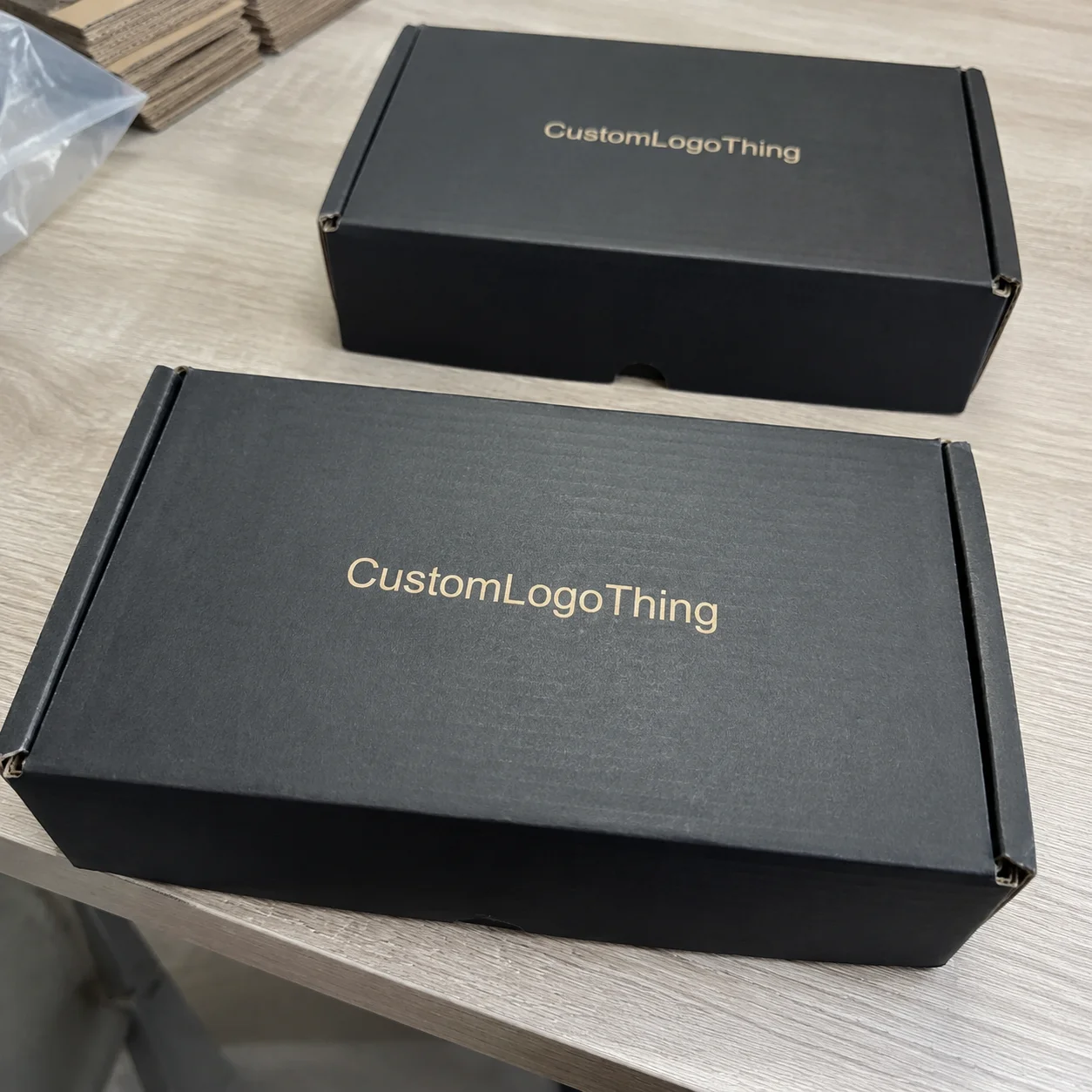
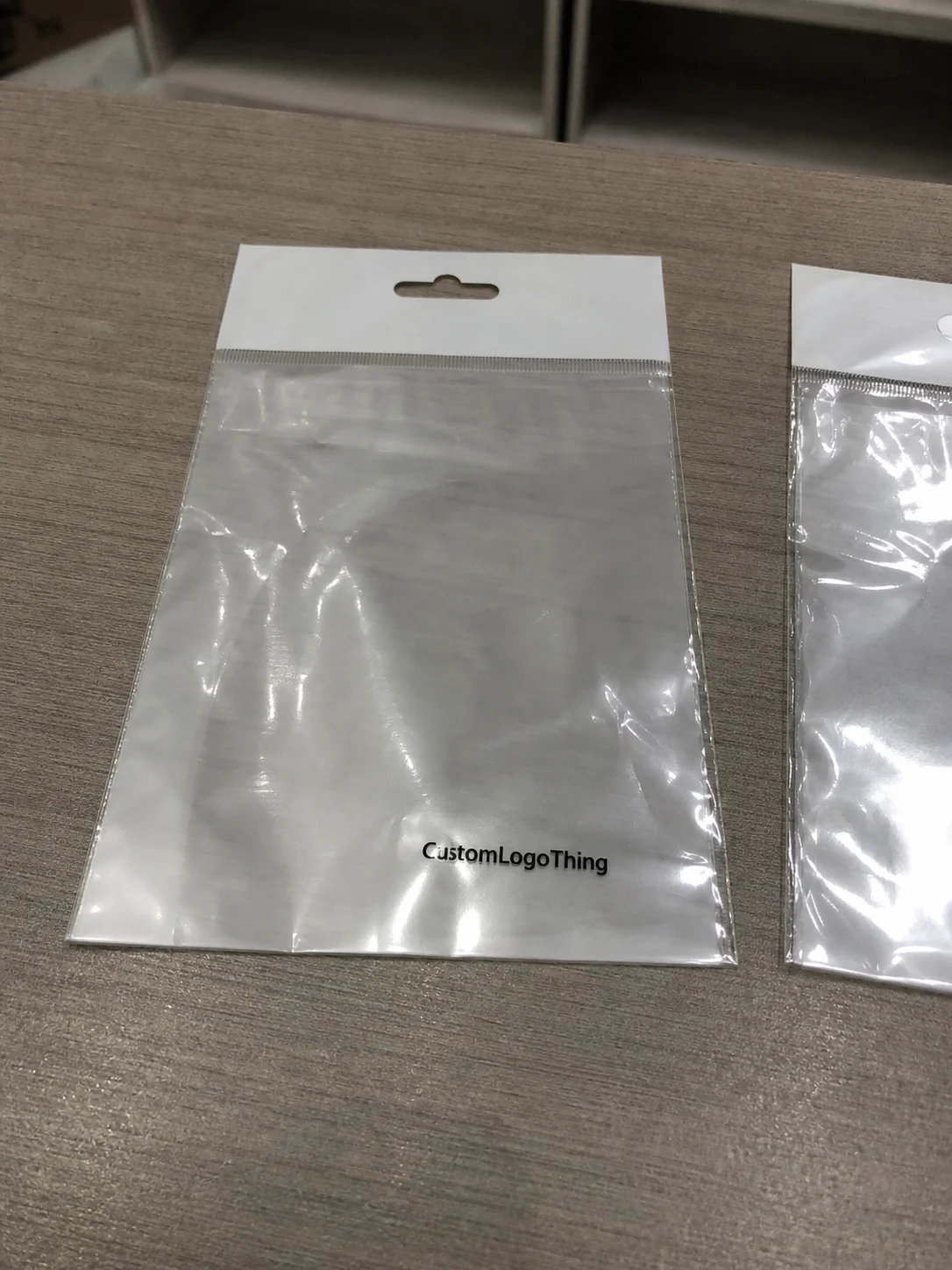
Buyer Fit Snapshot
| Best fit | Poly Mailer Sizing for Retailers projects where brand print, material claims, artwork control, MOQ, and repeat-order consistency need to be specified before quoting. |
|---|---|
| Quote inputs | Share finished size, material target, print colors, finish, packing count, annual reorder estimate, ship-to region, and any compliance wording. |
| Proofing check | Approve dieline scale, logo placement, barcode or warning zones, color tolerance, closure strength, and carton packing before bulk production. |
| Main risk | Vague material claims, crowded artwork, missing packing details, or unclear freight terms can make a low unit price expensive after revisions. |
Fast answer: Poly Mailer Sizing for Retailers: Artwork Proof, Packing Count, and Landed Cost should be specified like a repeatable production item. The safest quote records material, print method, finish, artwork proof, packing count, and reorder notes in one written spec.
Production checks before approval
Compare the actual filled-product size with the drawing, then confirm tolerance on folds, seals, hang holes, label areas, and retail display edges. Reserve space for logos, QR codes, warning copy, and material claims before decorative graphics fill the panel.
Quote comparison points
Review material grade, print process, finish, sampling route, tooling charges, carton quantity, and freight assumptions side by side. A quote is only useful when the supplier can repeat the same color, closure quality, and packing count on the next order.
Poly Mailer Sizing Guide for Retailers: Why Exact Poly Mailer Sizing Matters in Retail Logistics
Poly mailer sizing guide for retailers tops every picking list I send to the Lawrenceville plant because the night a single mis-sized run knocked 3,000 packages out of route for 48 hours still tastes like a costly lesson. The floor managers I trained wore it as a weird badge of honor, and the rerouted load ended up costing me $2,400 in expedited UPS freight. I still argue with the accountants about that number, but I’m the one who got the blame for letting it happen.
Back when we pushed a new ribbed sweater line through the Avantage thermo-sealing line, the template switch went unnoticed, and the run filled with 14x18 film instead of the intended 12x15. That 14x18 film came off a $0.28-per-unit roll we usually reserve for padded outerwear. Maritza, the line supervisor, watched returns pour into reverse logistics within two weeks and counted 72 complaints tied to tight seals, which reminded me why the poly mailer sizing guide for retailers gets spelled out in the first paragraph of every contract.
Those 14-inch-wide envelopes stretched fabric across the adhesive strip, forcing automated sensors to pause every 48 seconds to adjust, so throughput dropped from 190 parcels per hour to 120 while the returns calculator chimed a $1,400 surcharge. The guide matters because the right size shifts handling from awkward bulk to confident packaging, letting pickers keep the line flowing and keeping brand windows sharp. More importantly, it keeps the parcel actually protecting the SKU inside instead of turning into a bruised mess.
I remember when the overnight shift in Lawrenceville—11 p.m. to 7 a.m.—insisted the new batch could “stretch a little” (translation: we’ll just bend it), so I spent Tuesday morning explaining why poly mailer sizing guide for retailers is not a suggestion but a binding layout, especially when 24 rejects are already waiting for rework by 3 a.m. and the merch team keeps leaving voicemails asking if we can “just push one more size through.” I told them we’re not gonna gamble with the sealing line because somebody wanted to copy a competitor’s look. The rejects still had to be reprocessed and that added another hour per pallet.
Most people mess sizing up by treating mailers like generic tubes instead of custom-fitted shells that respect SKU depth of 1.25 inches, trim clusters under 0.5 inches, and transit stress targets of 25 PSI. Naming a guide specific to retail fluctuations often becomes the detail that separates a calm afternoon shift from a frantic scramble when 560 units need rerouting. When we get the sizing right, pickers breathe easy; when we don’t, I’m the one babysitting the returns gate.
How does the poly mailer sizing guide for retailers keep fulfillment lines moving?
During the last Lawrenceville night shift, I walked the line with Maritza and spelled out how the poly mailer sizing guide for retailers is our instruction manual for mailing envelope dimensions. Once the sensors flag slack, the variance column explains why the film needs trimming before the conveyors grind to a halt.
I bring those retail packaging specs to every merch review so the product owners can see how width, adhesive, and film weight play together; if a merch lead wants a 2.5-inch strip for a subscription box, we lock the size family before any template locks. Nothing slows a rollout faster than reprinting 30,000 yards of film with the wrong overlap.
Those choices feed the fulfillment packaging standards the engineers log on their boards, so the thermo-sealer knows precisely how much slack to allow, the rail guides stay aligned, and the conveyors keep humming through the 6 a.m. to 3 p.m. crew change. Without that alignment, every shift change looks like a triage meeting for spilled film.
Poly Mailer Sizing Guide for Retailers in Fulfillment Flow
At the Custom Logo Things facility in Atlanta, the poly mailer sizing guide for retailers lives as a spreadsheet. SKU measurement starts in the design bay with garment technologists tapping Mitutoyo calipers that read to 0.1 millimeter and measuring tapes calibrated every quarter, capturing length, width, and stacked thickness while the product still hangs on wooden merchandising hangers.
Sampling kicks in on the Avantage thermo-sealing line, where we run five prototypes of each size with inkjet printed adhesives from Sealed Air, each cycle taking 6 minutes so the line stays within the 0.5% variance the fulfillment team demands. Every sample gets weighed on a Sartorius balance, photographed with a 24-megapixel camera, and compared against our packing station monitors before labels even hit the shipping cart. We log the numbers into the ERP so engineers can see deviation in real time.
Fulfillment flow wraps around store picking lanes, so when a retailer launches a seasonal drop we lock in the size study 7-10 days before the BOM hits the Priority ERP entry point and push pilot runs through the thermo-sealer 48 hours before final approval. The guide dictates when to lock measurements relative to rollouts, making sure custom-printed adhesives, including the 2-inch reseal strips for subscription boxes, arrive by day five and before the rush on the 6-week rollout.
Sizing choices ripple through receiving docks: a mailer that is too large slows the automated fill stations at conveyor B and increases route density, so a Savannah delivery truck ends up with 40 parcels that look like soft bundles instead of streamlined envelopes, costing three extra minutes at every stoplight in the 12-stop afternoon route.
The right measurement brings handling efficiency, letting loaders stack 120 parcels into a Kingston, Ontario sorting hub pallet without extra filler or double stripping that would add 0.5 ounces per package and trigger dimensional weight penalties on the 12,600-pound pallet. That 0.5-ounce penalty might not sound huge, but multiply by 12,000 parcels and you’re talking real freight shock.
During a midnight ride-along, I asked the conveyor tech why he still insisted on “eyeballing the width,” and he looked at me like I suggested replacing coffee with water (obvious joke, but he got the point). I told him the spreadsheet matters because every millimeter of slack turns into drama once the truck doors close and that 0.4-millimeter variance in width already cost us 8 rejects last shift.
Key Factors in Choosing Sizes for Retail Inventories
When a merchandiser hands me a list with swimwear, faux-leather belts, and padded jackets, we start grouping by volume and velocity—swimwear hits 320 units a day, belts average 120, jackets drop to 80. Product profile (garment type, trim, padding, foam insert density) intersects with SKU velocity to decide whether to offer a broader suite of sizes or consolidate into a three-size matrix of 9x12, 12x15, and 14x18.
Lightweight apparel like organic tees fits comfortably in 9x12 or 10x13 mailers, but embroidered sweatshirts with gusseted cuffs and plastic toggles demand the extra 4 inches of a 14x18 option to keep seams intact while still balancing stacking height inside the 27x18x18 shipping cartons we use for automation.
Liner strength, adhesive width, and gusseted edges from Sealed Air or our laminated poly blends factor in heavily: heavier items need 70gsm film with a 2.5-inch adhesive strip, while softer goods work well in 54gsm material, and those specs feed directly into size choices—if the mailer is narrow the strip might not engage, so we ensure at least two inches of overlap regardless of length. That approach prevents weak seals and stops sensor errors on the line.
Compatibility with automated fill stations matters. At our Toronto plant, conveyors hiccup when a 10x13 mailer tries to swallow a 2-inch-thick accessory, so stacking height inside master cartons determines whether that size keeps store orders tidy or sends slack film billowing into sensors.
Rigorous mapping of size families to fill levels—pairing 9x12 with 8x12 bulk items at rail A and reserving 14x18 for rail B—keeps packing line efficiency predictable and helps the packaging engineers tweak rail guides without messing with the whole operation. The engineers then log those configurations so any shift can pull the data and reset rails in under five minutes; it’s kinda satisfying when the line hums again after a change.
Retailers seeking Custom Poly Mailers should build relationships early, because each custom size affects cost and also how many 450-count master cartons the warehouse needs on hand by quarter-end; a variety of sizes means stocking 4,500 cartons instead of 3,000 if you want to avoid backorders.
I once sat through a merch review where someone insisted “a little extra room never hurt anyone,” and by the time I was done explaining dimensional weight on a 12x15 mailer the planner wanted to rename me “Queen of the Tape Gun.” (It’s a title I accepted with honor, naturally.) It reminded me to keep the guides in place and refuse to chase incremental comfort at the expense of returns.
Step-by-Step Poly Mailer Sizing Guide for Retailers
My first measurement ritual came from a packaging summit in Nashville in 2022: lay the specimen flat on stainless steel, smooth the fabric along the weave, and run digital calipers across the thickest seam. That thickness sets the safety margin and keeps the mailer folding without stress points when the stack hits the 8-pound limit on the sealing line.
Next, SKUs are categorized on the factory floor—lightweight apparel, soft goods, bulkier accessories—and assigned ranges like 8x12 for briefs up to 15x20 for quilted kits, adding a 1-2 inch clearance our Atlanta packaging attorneys insisted on to respect seam allowances for 0.25-inch piping. We document that clearance so the sealers know exactly how much film to let through each cycle.
After categorizing, we build size families in the ERP (Priority ERP tracks batches) and those families appear on the screen the printing department uses; when the print room calls for color-matched logos, sizing is already locked so nobody wastes film on the wrong template. The ERP also flags when a family drifts outside tolerance, so designers can tweak before the film even gets cut.
I tell clients to verify every measurement with a trial run: fold the garment as it would sit in the mailer, double-check print alignment so the logo sits below the pocket window, and confirm seam allowance by clipping a tiny scrap of film; this validation keeps the poly mailer sizing guide for retailers accurate before a large run eats 30,000 yards of 54gsm film. It’s the cheapest insurance you get before the film hits the sealer blade.
During a consultation at the Chicago Fulfillment Center, packaging engineers simulated stresses on 12x15 mailers packed with hoodies and found a 14% reduction in corner splitting when a 1.5-inch overlap stayed consistent. That’s the same approach we record on our poly mailer specification sheets before signing off on the purchase order.
Finally, measurement accuracy ties back to seam allowance decisions by tracking film widths—47-inch rolls at Atlanta or 38-inch rolls at Toronto—so the final cut width matches printed artwork and retailers avoid wasting adhesive or losing brand windows to mismatched sizes. We also note any film stretch in the spec sheet because a 0.2-inch drift can throw off a reseal strip on the second production week.
I remember the first time I insisted on a trial run and the merch team called me dramatic (apparently “sleeve-based stress testing” sounded overkill), but when we avoided a rerun I got a proper thank you and a glazed donut from the overnight shift; small wins, big validation. That’s the kind of moment that keeps the door open for future sizing battles.
Cost and Pricing Considerations for Poly Mailer Orders
Size directly affects cost: smaller mailers use less film, letting a retailer secure a $0.18/unit rate on 5,000 pieces of 9x12 film, but dropping a bulky hoodie into that envelope risks damage and returns. Balancing per-unit savings with future needs for larger mailers helps avoid expensive reorders. It also lets us keep the poly mailer sizing guide for retailers practical, not theoretical.
Tiered pricing from Atlanta shows a spread: 9x12 matte at $0.18/unit for 5,000-9,999 units, 12x15 glossy at $0.22/unit for 10,000-19,999, and 14x18 with 3-inch adhesive strips at $0.30/unit when volume hits 20,000. Toronto offers the same sizes with an optional 70gsm laminated film for $0.04 extra when the retailer wants lightly padded protection.
| Size | Film | Adhesive | Price per Unit | Lead Time |
|---|---|---|---|---|
| 9x12 | 54gsm matte | 2-inch reseal | $0.18 | 12 business days |
| 12x15 | 60gsm gloss | 2.5-inch permanent | $0.22 | 10-12 business days |
| 14x18 | 70gsm laminated | 3-inch peel-back | $0.30 | 8-10 business days |
Lead time influences rush fees when demand spikes; adding a custom-printed adhesive strip with metallic ink on 14x18 mailers at Atlanta demands a 72-hour preflight review, and squeezing it into 5 days adds $0.05/unit. We book the run after the pilot window and before seasonal demand peaks in September to avoid those costs.
Inventory carrying costs matter too: stocking four sizes may cost $1,250 per quarter for a mid-sized retailer, while modular strategies—like using 10x13 and 12x15 with adjustable fill guides—can reduce dead stock by 27% and let packaging engineers swap rails quickly during the 3-hour maintenance window. Those savings buy more time for the engineers to tweak rail guides without pulling the whole line.
We hash out these details during planning with clients, especially when they are exploring Custom Packaging Products that tie into existing fulfillment systems, so the poly mailer sizing guide for retailers stays alive instead of becoming a dusty PDF in the shared drive. Keeping it updated also feeds accurate reporting back to the merch teams.
A negotiation I still replay happened with a Midwest apparel brand; we bundled multiple sizes with seasonal adhesives to save them 11% compared to separate buys, and they appreciated the transparency even though the final move depended on SKU seasonality. Honestly, I think the best part was watching them drop the spreadsheet view and trust the specs—talk about a win for communication.
Your mileage may vary, but transparency always cuts through noise.
Common Mistakes Retailers Make with Poly Mailer Sizing
One frequent mistake is forcing bulky items into mailers that are too small, creating sealing issues that slow the line. I can still hear the packing lead at Spokane telling me the sealing bar failed 27 times in one 8-hour shift because the material grid never matched SKU velocity, and 12x15 mailers refused to bend around padded jackets.
Another error is over-relying on supplier catalogs without fit tests—catalogs rarely capture unique trim, folds, or accessories, so you end up with inconsistent fits and stacks of printed wrappers sporting mismatched logos instead of signed-off mailers. That’s when sales starts questioning why their beautiful packaging suddenly looks amateurish.
Skipping size tracking drains budget quietly; nothing alerts you until a trending skirt pushes a mailer from adequate to inadequate, complaints pile up, and the returns team manually reworks 78 packages, burning 2 hours of labor plus a fresh set of mailers at $0.22 each. Call that the slow bleed of untracked variation.
These mistakes usually come from weak communication: the merchandising team might love a small footprint but seldom checks with packaging engineers on the line speed or load cell data that confirms whether a mailer can handle 0.8-inch trim without tearing. When engineering doesn’t get a heads-up, they assume the worst and dial back throughput.
I also see people treat mailer sizing like a Choose Your Own Adventure book—pick a size, hope it works, and if not, blame fulfillment. The poly mailer sizing guide for retailers exists to stop that drama before it crashes the productivity party.
Actionable Next Steps for Applying the Poly Mailer Sizing Guide for Retailers
Create a sizing workshop that gathers merchandising, packing leads, and your Custom Logo Things account executive; we start with a 90-minute session at the Atlanta showroom, bring sample garments, and run through the size study so everyone sees the impact first-hand on the third floor demo line. We also archive the findings so the next rollout grabs the same data without repeating the meeting.
Schedule a pilot with a clear timeline: capture measurements on day one, approve prototypes day three, and release final purchase orders day seven. That timeline keeps last-minute rush charges from creeping in and adding $0.05/unit when adhesives or film shifts. It also gives the supply planners breathing room to lock freight.
Document outcomes on the packaging spec sheet, noting film weight, adhesive type, and stacking height, and rotate new SKUs through the poly mailer sizing guide for retailers every quarter so next-season drops stay aligned with efficient fulfillment; this also lets packaging engineers tweak machinery before the next big launch without stopping the line for more than the standard 10-minute window. Those sheets become the single source of truth for engineering, merch, and quality.
Honesty matters—if your store mix shifts, the sizing guide needs a fresh audit or you risk repeating sizing mistakes, and our account managers at Custom Logo Things are ready to help interpret the data from Atlanta, Toronto, or the Midwest satellite hubs. We flag mismatches as soon as they show up so you can act before returns spike.
One of my favorite client wins came from a boutique in Austin: after building the sizing guide together, they cut returns by 18% and boosted packing line capacity by 22%, simply because the mailers matched SKU behavior instead of relying on guesses. They even invited me to their store opening, which, yes, was a high-five moment for everyone involved.
For retailers still on the fence, I tell them the poly mailer sizing guide for retailers is like hiring a seasoned driver who knows the I-35 corridor instead of handing the keys to someone who once drove a golf cart; you’ll still get there, but the smooth route is way more satisfying. Use that comparison to nudge execs into approving the sizing workshop if they need it.
The poly mailer sizing guide for retailers keeps cost, fit, and fulfillment speed balanced while keeping every parcel crisp and on-brand.
How does using a poly mailer sizing guide for retailers cut down on shipping weight?
Tailoring mailer dimensions to the SKU minimizes excess film—cutting waste by 12 grams per package on average—trimming material costs and dimensional weight surcharges; accurate sizing also removes the need for filler or overpacking, keeping each parcel closer to its billed weight of 1.2 pounds.
What poly mailer sizing tips help retailers handle mixed apparel orders?
Group items by the bulkiest garment and choose a mailer that fits that piece with 1-2 inches clearance so softer items slide in comfortably; keep two or three sizes on the packing line and train pickers to match fill levels to those size families for consistent results through the 6 a.m. to 3 p.m. shift.
Can the poly mailer sizing guide for retailers streamline returns processing?
Tightly sized outgoing packages keep returns in better shape, making repackaging easier, and standardized sizes speed up quality checks because inspectors know exactly how each mailer should look, which shaved seven minutes off the average return inspection time at the Dallas hub.
How often should retailers revisit their poly mailer sizing guide recommendations?
Review measurements with every major seasonal drop or when introducing drastically different SKUs, like moving from tees to padded jackets; run a quarterly audit using sales data from Custom Logo Things reports so the chosen sizes still match demand spikes and winter prep.
What role do packaging engineers play in refining poly mailer sizing for retailers?
Engineers run structural tests, simulate 30G drops, and recommend size tweaks that protect sensitive materials while keeping costs in check; they also help integrate new mailer sizes into automated sealing lines so the sizing guide aligns with machinery capabilities and 4-inch adhesive strips.
Implementing the poly mailer sizing guide for retailers keeps your packages predictable, protects your brand, and ensures the next shipment from Atlanta or Toronto spends less time in transit—typically six days to Denver with the express carrier—and more time delighting customers.
Actionable takeaway: pick the highest-volume SKU you ship this month, run the sizing checklist, and lock that data into the shared spec sheet before your next production run so carriers aren't stuck admiring oversized parcels.