Buyer Fit Snapshot
| Best fit | Poly Mailers for Boutique Orders projects where brand print, material claims, artwork control, MOQ, and repeat-order consistency need to be specified before quoting. |
|---|---|
| Quote inputs | Share finished size, material target, print colors, finish, packing count, annual reorder estimate, ship-to region, and any compliance wording. |
| Proofing check | Approve dieline scale, logo placement, barcode or warning zones, color tolerance, closure strength, and carton packing before bulk production. |
| Main risk | Vague material claims, crowded artwork, missing packing details, or unclear freight terms can make a low unit price expensive after revisions. |
Fast answer: Poly Mailers for Boutique Orders: Specs, Pricing & Fit should be specified like a repeatable production item. The safest quote records material, print method, finish, artwork proof, packing count, and reorder notes in one written spec.
Production checks before approval
Compare the actual filled-product size with the drawing, then confirm tolerance on folds, seals, hang holes, label areas, and retail display edges. Reserve space for logos, QR codes, warning copy, and material claims before decorative graphics fill the panel.
Quote comparison points
Review material grade, print process, finish, sampling route, tooling charges, carton quantity, and freight assumptions side by side. A quote is only useful when the supplier can repeat the same color, closure quality, and packing count on the next order.
Poly Mailers for Boutique Orders: Specs, Pricing & Fit
For a boutique that ships dresses, jewelry cards, socks, or beauty minis, poly mailers for boutique orders do more than shave a few cents off packaging. They shrink the parcel footprint, cut out unnecessary void fill, and help the shipment arrive looking intentional instead of overbuilt. I have seen merchants pay for a box, tape, filler, and extra labor just to send a T-shirt that would have been happier in a mailer from the start. That kind of mismatch adds up fast, especially once order volume starts climbing.
Put the same item in a small corrugated carton and the bill can move in three directions at once: carton cost, packing labor, and dimensional weight. For lightweight boutique SKUs, that often adds 2 to 6 ounces per order before the carrier even touches the label. Poly mailers for boutique orders usually keep the line item tighter, and a crisp printed exterior can do part of the selling before the package is ever opened.
If you are still weighing formats, browse our Custom Poly Mailers and compare them with other Custom Packaging Products before you lock the spec. The gap between a package that fits and one that merely ships is often measured in cents, but those cents repeat on every order and that is where the real story lives.
Poly Mailers for Boutique Orders: Why They Win on Cost and Presentation
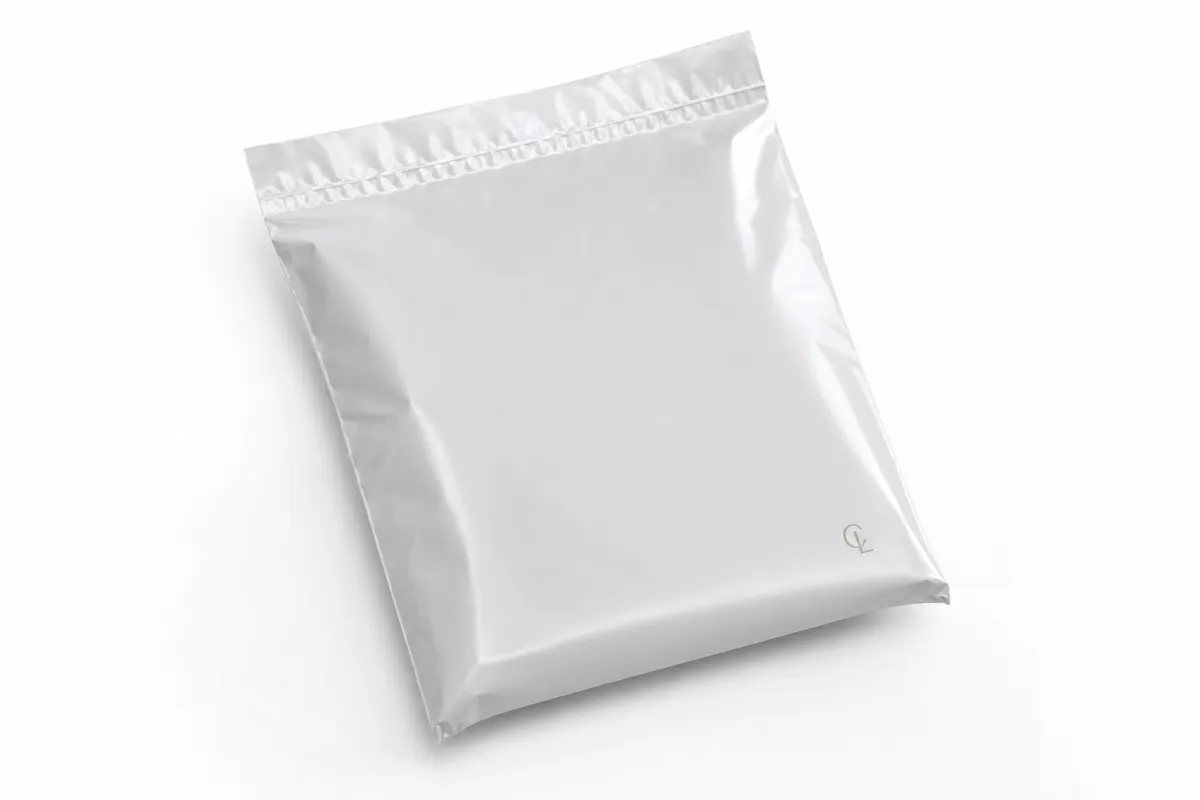
There is a pretty simple reason poly mailers for boutique orders keep showing up in apparel, accessories, and small beauty programs: they solve two problems at once. Cost, first. Presentation, second. A box can protect an item very well, but it also brings tape, filler, and dead air into the equation. A mailer strips away that excess and keeps the pack line easier to train, easier to repeat, and easier to scale.
From a packaging buyer’s point of view, the best outer pack is the one that matches the product instead of forcing the product to fit the pack. If the SKU is soft, flat, or already enclosed in an inner pouch, poly mailers for boutique orders often improve freight efficiency and customer experience at the same time. A printed mailer lands at the doorstep like part of the brand, not a leftover shipping supply that happened to be nearby.
That is why the category shows up so often for folded tees, scarves, socks, beauty kits, paper goods, notebooks, and giftable small items. These products usually do not need crush resistance from a rigid box. They need abrasion protection, moisture resistance, and a clean seal. In those cases, poly mailers for boutique orders are not a compromise; they are the cleaner fit.
Consider the math in plain English. A small corrugated setup may require a carton, tape, a label, and sometimes tissue or void fill. A properly sized mailer can remove most of that. Even when the raw mailer price looks close to a box, the total landed cost often falls once labor and carrier pricing are counted. That is one reason poly mailers for boutique orders appeal to brands that ship frequently but do not want their packaging stack getting weirdly complicated.
"The lowest sticker price is rarely the lowest landed cost. For boutique orders, the better measure is what the package costs after weight, protection, and customer presentation are all counted together."
Brand signal matters too. A matte black mailer with a sharp white logo feels intentional. A clear or glossy mailer with thoughtful copy can feel playful or premium, depending on the rest of the design. That is where poly mailers for boutique orders often outperform plain cartons in retail perception. The package is seen on the porch, in the lobby, at a friend’s apartment door, and sometimes on social media before it is opened. That visibility is no small thing.
In actual use, mailers tend to beat boxes when the following is true:
- The product is soft goods, folded apparel, or a low-fragility accessory.
- The item does not need rigid crush protection during transit.
- Repeat orders are frequent enough that every ounce matters.
- You want the outer pack to reinforce the brand instead of hiding it.
That list is short on purpose. Poly mailers for boutique orders are not the right answer for every SKU. If the item is breakable, scuff-prone, or shape-sensitive, a box still makes sense. For the right product mix, though, a mailer is often the more rational format. Honestly, it is kinda hard to beat a package that costs less to ship and still looks polished on arrival.
Product Details: Materials, Print, and Brand Finish
Most buyers start with looks, then discover they should have started with construction. That sequence is backwards. The shell material controls strength, opacity, and the way the print survives handling. For poly mailers for boutique orders, the common options are standard polyethylene film, co-extruded film, and recycled-content blends. Each behaves differently, and the difference shows up quickly once a shipment is sorted, dropped, rubbed, and stacked.
Standard polyethylene is the workhorse. It is usually the lowest-cost option, and it performs well for everyday boutique shipping. Co-extruded film adds another layer or two to balance tear resistance, puncture resistance, and print quality. Recycled-content blends, often built with post-consumer resin, can support sustainability goals, although the appearance may shift a bit in brightness or clarity. For poly mailers for boutique orders, the material choice should be tied to handling risk, not just to the marketing story.
Print choice matters just as much. One-color logo print is common for tighter budgets and fast production. Full-surface branding turns the mailer into a larger canvas and can justify the extra spend for launches, gifting programs, and social-friendly presentation. Interior print adds a surprise moment when the customer opens the mailer. With poly mailers for boutique orders, the right print layout usually depends on whether you want the package to feel premium, playful, minimalist, or seasonal.
Finish changes the feel before the customer ever sees the product. A glossy surface looks brighter and often reads as more energetic. A matte surface can feel more restrained and polished. Specialty films with a softer handfeel can work well for higher-end apparel, but the real test is still scuff resistance, seal integrity, and print clarity. A mailer can look elegant on a screen and still fail in a back room if the adhesive strip is weak or the seal line is too narrow. That is why poly mailers for boutique orders should be judged in hand, not only in a mockup.
On the functional side, three details deserve attention every time:
- Adhesive strip: a wider strip usually speeds fulfillment and improves close reliability.
- Tear line: a clean tear strip can reduce customer frustration and support easier returns.
- Tamper evidence: a visible seal gives both the shipper and the buyer more confidence in transit.
If your packaging system includes a paper insert or a secondary carton, ask whether the paper component should be FSC-certified. The Forest Stewardship Council explains certification clearly at FSC. That does not make every mailer sustainable by default. It does mean the broader packaging mix can be specified more carefully instead of being left to guesswork.
Transit testing deserves the same discipline. Many operators reference ISTA methods, especially when they want a practical baseline for drop and vibration performance. The International Safe Transit Association publishes those methods at ISTA. You do not need a lab report for every order, but the reference point helps keep vague spec sheets from turning into expensive assumptions.
For poly mailers for boutique orders, the sequence is simple: choose the film first, then the print, then the finish, and only then the decorative extras. That order keeps the package honest.
Specifications That Matter for Boutique Orders
Specification sheets can look dull until they save an order. For poly mailers for boutique orders, the most important details are width, length, film thickness, seal strength, opacity, and printable area. Those numbers decide whether the mailer fits the folded product, whether it survives the conveyor, and whether the logo lands where the customer expects it to land.
Size choice should be driven by the folded item, not the raw product label. A medium tee that measures 11 inches flat is not an 11-inch mailer job. Once folded, bagged, and aligned for packing, it may need 10 x 13 inches for a snug fit, or 12 x 15.5 inches if the SKU includes thicker knitwear or a second piece. For bundled sets, 14.5 x 19 inches may be the better starting point. Poly mailers for boutique orders should fit the actual pack-out, not the imagined one.
Thickness is usually shown in mils. A lightweight mailer may sit around 2.5 mil. A more durable everyday option often lands near 3 mil. Heavier-duty construction can move to 3.5 mil or 4 mil, depending on the film build and sealing method. Thicker is not automatically better, because extra gauge adds cost and can make the mailer less flexible. Still, if the order faces rough handling or the merchandise has sharp edges, a thicker mailer can be worth the difference. That is why poly mailers for boutique orders need a material conversation, not just a price conversation.
Seal strength is another detail people underestimate. A weak seal may hold during packing but fail after a drop or during a hot truck ride. A wider adhesive strip, especially when paired with a well-controlled seal area, gives more confidence. Opacity matters too. Some brands want the contents hidden. Others prefer a semi-visible effect for a softer presentation. Either way, the level of opacity should be intentional. With poly mailers for boutique orders, a half-spec is usually where problems start.
There is also the question of standardization. Many boutique teams eventually settle on one primary size and one secondary size. That reduces SKU complexity, speeds training, and keeps the reorder calendar easier to manage. A two-size system can cover most apparel and accessory programs without locking the team into a dozen different outer packs. For poly mailers for boutique orders, fewer sizes usually mean fewer mistakes.
Useful spec checks usually include the following:
- Width and length: confirm the packed item fits without forcing the seal or distorting the print.
- Film thickness: match the gauge to the product weight and transit risk.
- Print area: make sure the logo and copy stay visible after folding and sealing.
- Puncture resistance: test against zippers, snaps, tags, and other sharp retail details.
- Moisture protection: verify the mailer keeps out light rain, condensation, and dock dust.
Oversized mailers can waste postage if the parcel balloons under pressure. Undersized mailers slow fulfillment and create stress points where the film stretches or wrinkles. The right spec is usually the one that keeps the pack flat, tight, and readable without overworking the seal. That is the practical center of poly mailers for boutique orders: enough structure to protect the shipment, not so much structure that the shipment starts paying for empty air.
Poly Mailers for Boutique Orders: Cost, MOQ, and Quote Basics
Pricing is where a lot of buying decisions get distorted. A low unit price sounds good until the buyer notices the freight charge, the setup fee, and the extra cost of forcing a design into a smaller run. For poly mailers for boutique orders, the real question is not “How cheap is the mailer?” It is “What does the total landed package cost look like once the order is packed, shipped, and received?”
Typical pricing moves with print coverage, material thickness, size, special finishes, and volume. A plain stock mailer can be very economical. A one-color custom logo version usually costs a bit more but often stays easy to justify. Full-surface branding, inside printing, heavier gauge film, or recycled-content blends can push the number upward. That is normal. Poly mailers for boutique orders are priced like any other printed packaging: the more variables you add, the more the line item changes.
MOQ expectations also matter. Many suppliers will quote lower minimums for stock-style mailers or simple one-color print. A custom run may start around 1,000 to 3,000 units for a test order, while 5,000 units is a common zone for better economics. Larger repeat orders usually bring the unit price down further because setup costs are spread over more pieces. If you are comparing poly mailers for boutique orders across suppliers, ask for 1,000, 3,000, 5,000, and 10,000 piece quotes. The slope of the pricing curve tells you more than a single number ever will.
Here is a practical comparison at a 5,000-piece level. These are ballpark figures only; exact pricing depends on size, film gauge, print coverage, and shipping terms.
| Option | Best For | Typical MOQ | Indicative Unit Price | Notes |
|---|---|---|---|---|
| Plain stock polyethylene mailer | Cost-focused fulfillment and internal testing | 1,000-5,000 | $0.10-$0.18 | Lowest setup burden, limited brand value |
| One-color custom logo mailer | Everyday boutique shipping with basic branding | 1,000-3,000 | $0.18-$0.28 | Common sweet spot for poly mailers for boutique orders |
| Full-surface printed mailer | Launches, seasonal drops, giftable programs | 3,000-5,000 | $0.24-$0.42 | Higher visual impact, more print coverage |
| PCR or specialty finish mailer | Brands with sustainability or premium finish goals | 3,000-10,000 | $0.22-$0.48 | Depends heavily on blend, opacity, and color complexity |
Those numbers change quickly when the quote leaves out freight, tooling, or proofing. A clean quote should spell out material, thickness, dimensions, print count, shipping method, and any plate or setup charges. It should also state lead time in business days, not vague language that sounds comfortable but means very little in a planning meeting. For poly mailers for boutique orders, the quote is part of the product. If it is incomplete, the decision will be too.
There is a simple rule of thumb that helps buyers avoid false savings: if the mailer lowers freight, removes void fill, and still protects the product, it is probably a stronger total-cost choice than a box. If it saves a few cents on the packaging line but pushes the parcel into a higher shipping band, the math weakens fast. Poly mailers for boutique orders should win on the full order economics, not just on the invoice for the outer pack.
Ask every supplier to confirm these items before you approve a quote:
- Exact size and film thickness
- Print method and color count
- MOQ and quantity breaks
- Setup, plate, or tooling fees
- Lead time after proof approval
- Shipping terms and carton pack count
That level of detail makes comparison easier. It also forces the conversation away from generic cheap-packaging talk and toward the actual decision: which poly mailers for boutique orders deliver the best balance of landed cost, presentation, and consistency?
Process and Timeline: From Artwork to Delivery
Production runs smoother when the order follows a clear sequence. For poly mailers for boutique orders, the usual path is brief, sizing, artwork proof, approval, printing, curing or drying, packing, and shipment. Simple enough. Trouble usually appears when the buyer skips one of those steps or sends incomplete files and expects the timeline to hold anyway.
A good brief answers four questions: what product is being shipped, what size range needs to fit, what print style is expected, and when the inventory has to arrive. That sounds basic, but it removes most back-and-forth. If a boutique ships both tees and knitwear, the folded dimensions should be shared at the start. If the pack has a return strip or an extra message panel, that should be specified before proofing begins. With poly mailers for boutique orders, the fastest project is usually the one with the fewest surprises.
Artwork prep also shapes the schedule. Vector logos are easiest. Pantone references help if color consistency matters across repeat orders. A clean outline, adequate bleed, and a safe print zone reduce revision cycles. If the logo exists only as a low-resolution JPEG, conversion may still be possible, but it can add time and introduce compromises. When buyers are serious about poly mailers for boutique orders, they should treat artwork as production input, not as a last-minute attachment.
Typical timing depends on print complexity. A straightforward custom run may move in roughly 12 to 15 business days after proof approval. More complex work, especially full-coverage print or special film requests, may sit closer to 18 to 25 business days. Shipping time comes on top of that. If the order is supporting a launch, a holiday drop, or a market event, the margin should be built in early rather than patched in at the end. That is especially true for poly mailers for boutique orders, because they are often ordered for a calendar event, not just for replenishment.
Rush jobs can be possible, but they usually depend on a simpler spec, available film, and faster approval. The less customization you add, the easier it is to compress the schedule. Even then, “rush” does not mean “no process.” It means the process has fewer moving parts. For poly mailers for boutique orders, that distinction matters.
A planning checklist helps keep the order on track:
- Confirm the top three SKU dimensions with folded samples, not guesses.
- Send vector artwork and color references together.
- Approve the proof quickly and mark changes clearly.
- Check inventory arrival against your launch or restock date.
- Set the reorder point before the first shipment lands.
That final step gets forgotten more often than it should. The best packaging programs are not one-time purchases. They are systems. When the first order performs well, the second order should be easy to repeat with the same print quality, the same size, and the same closure behavior. In other words, poly mailers for boutique orders should be treated like an operating asset, not an impulse buy.
Why Choose Us for Poly Mailers for Boutique Orders
Buyers do not need packaging hype. They need repeatable results. For poly mailers for boutique orders, the real value shows up in three places: print consistency, dimensional accuracy, and production control. If those three stay stable, the fulfillment team works faster, the customer sees a cleaner package, and the brand avoids the cost of rework.
What does that mean in practical terms? It means the mailer should hold its size across the run, the logo should stay where the proof showed it, and the seal should close the same way on the first carton and the last carton. Small drift is how packaging costs money. A few millimeters of size variation can create packing friction. A weak adhesive line can create returns. A print shift can make the brand look careless. That is why poly mailers for boutique orders deserve tighter control than many buyers expect.
We also understand that boutique brands are not all running the same playbook. Some need a modest test quantity before a larger launch. Others need a repeatable wholesale structure. If you are comparing supply paths, our Wholesale Programs are built for ongoing ordering, not one-off guesswork. That matters because the best supplier for poly mailers for boutique orders is the one that can support the next reorder without resetting the process from scratch.
Proofing discipline is another advantage. Clear prepress checks, sample validation, and responsive revision handling save time. They also keep the final package closer to the design intent. A buyer should not have to choose between speed and accuracy. In a well-run program, they get both because the files, the spec, and the approval path were set correctly from the beginning. That is the standard we apply to poly mailers for boutique orders.
"A boutique package should look like it was planned, not assembled under pressure."
There is also a growth angle. A packaging system that works at 2,000 orders should still make sense at 20,000. That means the outer pack needs to be scalable, reorderable, and easy for a fulfillment team to understand. Poly mailers for boutique orders are strongest when they give you that structure without forcing you into a heavyweight packaging program too early.
If you want a broader view of the available formats before placing an order, review our Custom Packaging Products and compare them against your actual SKU mix. The strongest buying decision usually comes from fit, not habit.
Next Steps: Build the Right Order Plan
The cleanest way to choose poly mailers for boutique orders is to start with the products you ship most often. List the top three SKUs, fold them the way your team will pack them, and choose the smallest mailer that fits the largest repeat item comfortably. That simple step removes a surprising amount of uncertainty.
Then request samples or mockups. A mailer can look right on a screen and still feel wrong in hand. Check the closure strip, the print placement, the opacity, and the way the item sits once sealed. If the product creases or the mailer bows too much, the spec needs adjustment. For poly mailers for boutique orders, the sample stage is not a delay; it is the cheapest way to prevent a bad run.
After that, build a small but real launch plan. Decide how many units you need for the first drop, when the reorder point should trigger, and who owns artwork version control. Too many boutique teams keep packaging decisions in memory instead of in a simple document. That works until the brand grows. A cleaner system is to assign one main mailer size and one backup size, then revisit the assortment after a few shipment cycles. That is usually enough for poly mailers for boutique orders to stay efficient without becoming rigid.
If your assortment is still changing, that is normal. In fact, it is the reason the packaging plan should stay simple. One size often covers 70% to 80% of the orders. A second size handles the outliers. The result is less inventory clutter and fewer packing errors. From a business point of view, poly mailers for boutique orders work best when they support the product line instead of competing with it.
Before you place the final order, compare the spec sheet, confirm the pricing breaks, and verify the timeline against your next launch or replenishment window. If you need a refresher on common ordering questions, our FAQ is a useful place to check details before you commit.
For brands that want packaging to support margin, presentation, and speed at the same time, poly mailers for boutique orders are often the right move. Fit the product, confirm the proof, lock the reorder plan, and you will have a package that does its job every day without turning into a project of its own.
What size poly mailers work best for boutique orders?
Choose the smallest size that fits the product without forcing the seal or creating hard folds in the merchandise. For many boutiques, one or two standard sizes cover most apparel and accessory SKUs, but the right choice depends on how the item is folded, bagged, and stacked for shipment. Test with actual merchandise, not empty dimensions, because a packed tee or scarf behaves very differently from a flat measurement on paper.
Are custom poly mailers better than plain mailers for boutique orders?
Custom mailers add brand recognition at the doorstep and make the package feel intentional in photos, unboxings, and repeat shipments. Plain mailers can work when the goal is only to move product at the lowest possible cost, but they do not contribute any branding value. If the shipment is part of the customer experience, custom print usually earns its place over time.
What is a typical MOQ for boutique poly mailer orders?
MOQ varies by print method, size, and material, but many suppliers quote lower minimums for simple one-color runs and higher minimums for full-surface or specialty work. A test order may begin around 1,000 to 3,000 units, while 5,000 units often improves unit pricing enough to matter. Ask for several quantity breaks so you can see where the economics start to improve.
How long does production usually take after artwork approval?
Simple jobs often move in about 12 to 15 business days after proof approval, while more complex print or material requests can take longer. That is before freight, which should always be added separately to the schedule. If the order supports a product launch or seasonal drop, build extra time into the plan so you are not depending on last-minute shipping luck.
Can poly mailers for boutique orders protect delicate items?
They are a strong fit for soft goods and low-fragility products, but they are not the right choice for items that need rigid crush protection. If the product can bend, scratch, or break in transit, add inner protection or move to a box. The right answer depends on the product path, and that is why poly mailers for boutique orders should be approved against an actual folded sample rather than a guess.


