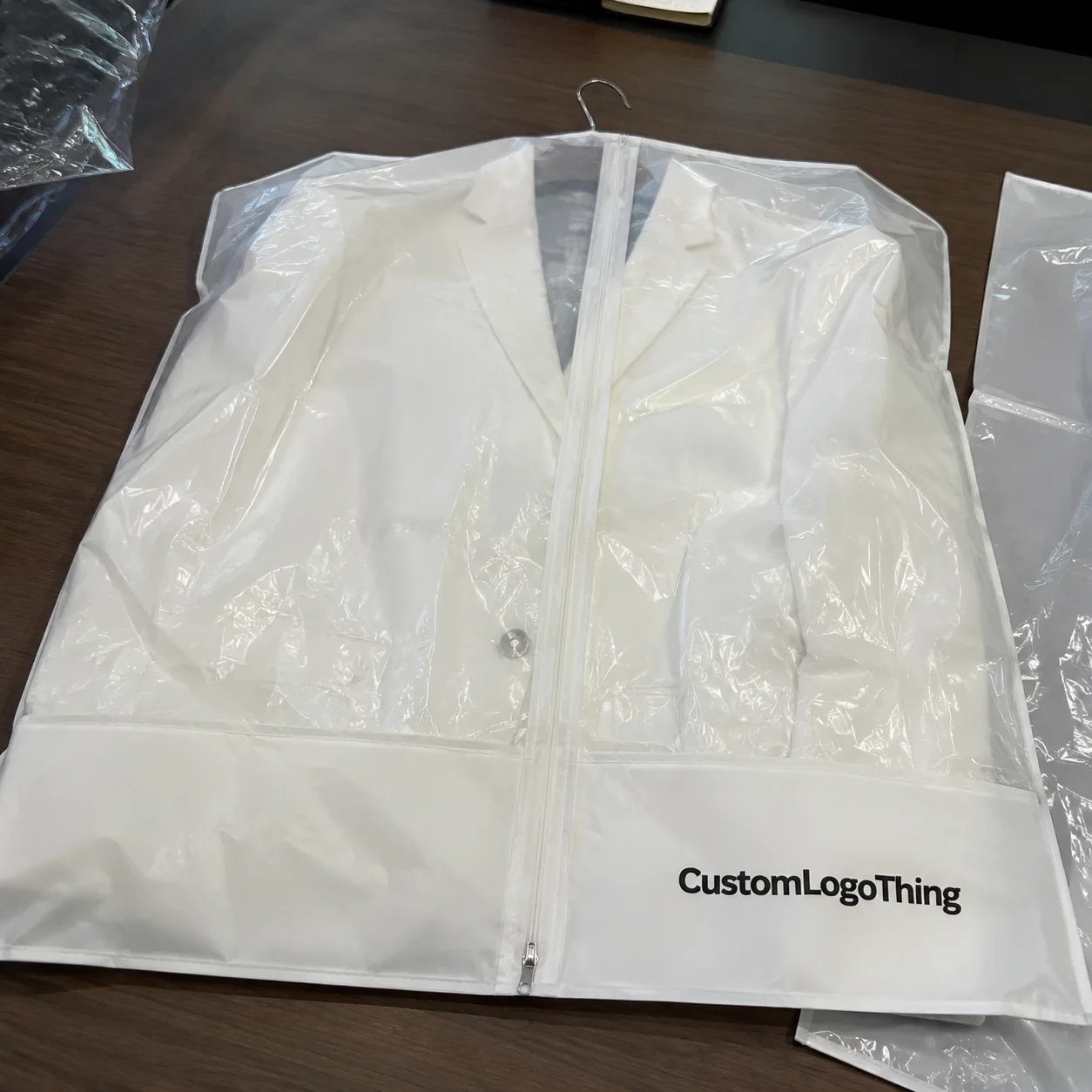
Buyer Fit Snapshot
| Best fit | Poly Mailers Manufacturer for Ecommerce projects where brand print, material claims, artwork control, MOQ, and repeat-order consistency need to be specified before quoting. |
|---|---|
| Quote inputs | Share finished size, material target, print colors, finish, packing count, annual reorder estimate, ship-to region, and any compliance wording. |
| Proofing check | Approve dieline scale, logo placement, barcode or warning zones, color tolerance, closure strength, and carton packing before bulk production. |
| Main risk | Vague material claims, crowded artwork, missing packing details, or unclear freight terms can make a low unit price expensive after revisions. |
Fast answer: Poly Mailers Manufacturer for Ecommerce: Film, Print, MOQ, and Carton Packing should be specified like a repeatable production item. The safest quote records material, print method, finish, artwork proof, packing count, and reorder notes in one written spec.
Production checks before approval
Compare the actual filled-product size with the drawing, then confirm tolerance on folds, seals, hang holes, label areas, and retail display edges. Reserve space for logos, QR codes, warning copy, and material claims before decorative graphics fill the panel.
Quote comparison points
Review material grade, print process, finish, sampling route, tooling charges, carton quantity, and freight assumptions side by side. A quote is only useful when the supplier can repeat the same color, closure quality, and packing count on the next order.
Pick the wrong Poly Mailers Manufacturer for ecommerce, and the damage shows up where operators usually get blindsided: postage, returns, pack-out speed, and customer perception. A few tenths of a millimeter in film thickness, a weak adhesive, or a bag that is a little too large can cost more than the artwork ever saved. That part gets missed all the time. The print matters. The spec matters more.
From a packaging buyer's point of view, the right Poly Mailers Manufacturer for ecommerce is not just a print shop with a shipping calculator bolted on. It is the team that takes product size, shipping method, and brand goals and turns them into a mailer that actually works in the warehouse. That means choosing the material, seal style, dimensions, print method, and finish, then making sure the bag still behaves after it is stuffed, labeled, sorted, and kicked around by carriers. Good suppliers protect margin. Bad ones create noise. And not the cute kind.
If you are comparing suppliers for a growing DTC brand, practical thinking helps more than brand poetry. A subscription business shipping lightweight replenishment kits needs a different mailer than an apparel seller moving folded tees and hoodies. A poly mailers manufacturer for ecommerce should understand that difference instead of forcing every account into the same stock format. If you want to see how Custom Logo Things frames packaging choices more broadly, the About Custom Logo Things page is a useful starting point, and the broader Custom Packaging Products catalog shows how mailers fit into a full packaging mix.
What a Poly Mailers Manufacturer for Ecommerce Actually Does
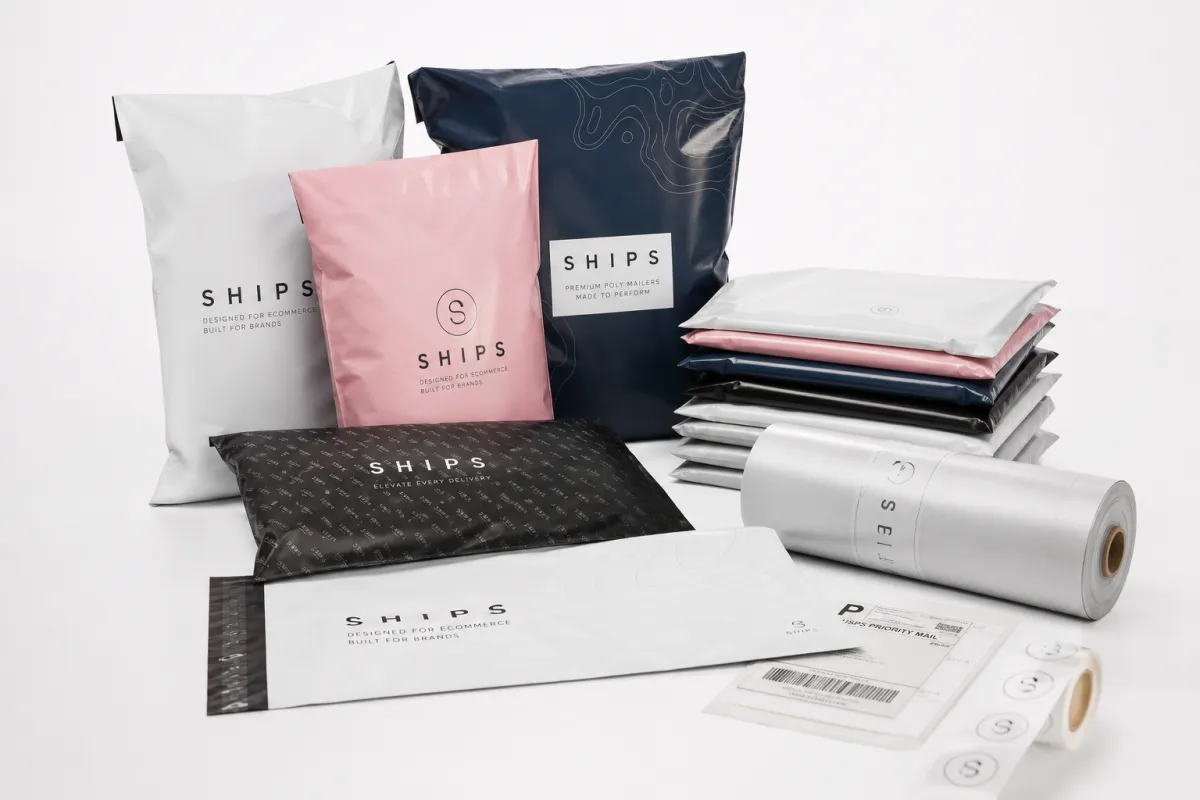
A strong poly mailers manufacturer for ecommerce does more than slap a logo on a plastic envelope. It takes your shipping requirement and converts it into a production-ready specification. That usually means deciding the right layflat width, length, film gauge, adhesive type, and print coverage. The supplier also has to think about the stuff that matters on the floor: how easily the mailer opens, how fast a packing associate can seal it, whether the film resists punctures, and whether the finished parcel stays inside the carrier's dimensional weight limits.
Design is often the smallest variable in the room. A full-coverage print can look premium, but if the mailer is oversized by even a little, the package can drift into a more expensive shipping tier. In many ecommerce operations, the difference between a tight-fitting bag and a bloated one shows up in labor and postage before it shows up in brand metrics. That is why a poly mailers manufacturer for ecommerce needs to think like a logistics partner as much as a print vendor.
The labels broker, converter, and direct manufacturer matter because they change control. A broker connects you to a source, but usually does not own the machine or the film. A converter may buy film and turn it into finished mailers, controlling dimensions, sealing, and print. A direct manufacturer tends to own the material and the production line, which usually gives buyers more visibility into quality and lead time. The best poly mailers manufacturer for ecommerce is the one that can explain exactly where quality control happens, not the one that only talks about low pricing.
| Supplier type | Quality control | Typical MOQ | Lead time | Best fit |
|---|---|---|---|---|
| Broker | Shared with upstream factory; visibility can be limited | Often flexible, but depends on factory | Can be variable | Brands that need sourcing help and are comparing options |
| Converter | Controls conversion, sizing, seal, and usually print coordination | Commonly 5,000-10,000 pieces | Often 12-18 business days after approval | Brands needing custom sizing and dependable execution |
| Direct manufacturer | Highest visibility into film, printing, and line checks | Can be 10,000+ pieces for custom work | Often the most predictable once booked | Growing ecommerce brands with repeat orders |
Take a DTC apparel seller as a practical example. A brand shipping folded tees wants protection from moisture, scuffs, and warehouse dust, but it also wants the package to feel like part of the product. A poly mailers manufacturer for ecommerce can help choose a medium-gauge mailer that is opaque enough to hide the contents, strong enough for carrier handling, and sized tightly enough to avoid excess air. The same logic applies to subscription kits, cosmetics, pet accessories, and lightweight home goods. Protection, unboxing, and margin do not need to fight each other. The right spec makes them line up.
For buyers who are newer to sourcing, ask the supplier what it owns and what it leaves to you. A good poly mailers manufacturer for ecommerce should be able to tell you whether it is quoting stock film, recycled-content film, or a custom blend; whether the seal is permanent or dual-strip; and how the mailer will behave under real packing pressure. If those answers come back fuzzy, that is a warning sign wearing a smile.
How Poly Mailers Are Made and How the Process Works
The production flow for a poly mailers manufacturer for ecommerce usually follows a sequence: material selection, film sourcing or extrusion, printing, lamination if needed, cutting, sealing, and final inspection. Some factories extrude their own film. Others buy rolls from an approved resin or film source and convert them into mailers. Either way, the goal is the same: a stable material that runs consistently at production speed without tears, wrinkles, or weak seals.
Virgin polyethylene is still the simplest path for strength and consistency. It usually gives a clean print surface and predictable sealing behavior. Recycled-content film can be a smart option for brands trying to reduce virgin resin use, but performance needs to be checked carefully because recycled blends vary more from batch to batch. Specialty blends may improve toughness, appearance, or printability, especially when a brand wants a softer hand feel or a more premium finish. A knowledgeable poly mailers manufacturer for ecommerce will explain the tradeoffs clearly instead of pushing the priciest option with a glossy pitch deck.
Printing method matters too. Flexographic printing is common for larger runs and repeated artwork because it is efficient and stable once plates are made. Gravure can support fine detail and very long runs, though setup costs are usually higher. Digital printing can make sense for short runs, frequent SKU changes, or highly variable artwork, but the per-unit cost is often higher than flexo at scale. If your design is simple, a good poly mailers manufacturer for ecommerce may tell you to reduce colors and keep coverage strategic, because fewer print stations often mean lower cost and fewer chances for registration problems.
The production steps usually look like this:
- Material review: The buyer confirms size, gauge, finish, and sealing requirements.
- Artwork check: The supplier verifies bleed, safe zones, ink limits, and repeat pattern alignment.
- Proofing: A digital proof or press proof is approved before production starts.
- Manufacturing: Film is printed, cut, sealed, and stacked for packing.
- Quality check: The team inspects seal strength, print clarity, thickness, and dimensions.
- Carton packing: Finished mailers are packed for warehouse use or export shipping.
Delays usually start earlier than buyers expect. A poly mailers manufacturer for ecommerce may be ready to produce quickly, but if the artwork file is incomplete, the Pantone reference is vague, or the size spec keeps changing, the job stalls before the line ever starts. That is why a clean brief saves time. One small mismatch in the file can snowball into a week of back-and-forth. Cute in theory. Expensive in practice.
For buyers who want a reference point for shipment testing, the ISTA site is useful. It publishes distribution testing methods that help brands ask a better question than “does it look good?” The better question is whether the package survives the trip.
Poly Mailers Manufacturer for Ecommerce: Key Cost and Pricing Factors
Pricing from a poly mailers manufacturer for ecommerce is driven by more than order quantity. The big levers are material grade, size, print complexity, film gauge, seal type, and any special finish such as matte coating, metallic ink, or recycled-content resin. A plain 10 x 13-inch white mailer with one-color print is a very different job from a full-coverage, multi-color mailer with a dual adhesive strip and custom dimensions. The quote should reflect that difference. If it does not, somebody is guessing.
Volume has a heavy effect. Short-run custom mailers can get pricey because setup time gets spread across fewer pieces, while higher-volume runs often drop sharply in unit price. In real sourcing conversations, the gap can be dramatic. A 5,000-piece custom run may land in a range such as $0.18-$0.35 per unit depending on coverage and gauge, while a 25,000-piece repeat order can fall closer to $0.10-$0.22 per unit if the spec stays steady. Those are directional ranges, not promises, but they show why a poly mailers manufacturer for ecommerce always asks about forecasted volume before talking final pricing.
There are also costs that do not always show up in the first quote. Plate charges can apply on flexo work. Sampling may be charged or credited later. Artwork revisions can add design labor. Freight matters too, especially if mailers ship in pallet quantities from a factory far from the fulfillment center. Rush fees are another surprise. If a brand needs a reorder inside an already packed production calendar, a poly mailers manufacturer for ecommerce may need to move other jobs around, and that usually costs more.
Look at the quote through the lens of total landed cost, not unit price alone. A cheaper mailer that weighs more can raise postage. A thinner film that tears during pack-out can increase waste and rework. A low-cost supplier with a 20-day delay can force emergency purchases at a premium. A better poly mailers manufacturer for ecommerce helps calculate the real cost after packing labor, shipping, and defect rates are included.
That is where many teams make a false economy choice. A mailer that is two cents cheaper but causes even a small rise in damage rate can become more expensive fast. If a brand ships 10,000 units and a poor-fit mailer adds just a 2% defect or replacement rate, the hidden cost can swallow the packaging savings. The math is boring. The math is also where the money goes.
Common pricing factors to compare:
- Order quantity: Higher volume usually lowers unit price.
- Material grade: Virgin, recycled-content, or blended film changes cost and consistency.
- Gauge: Thicker film improves protection but can increase material cost and weight.
- Print coverage: One-color logo work is cheaper than full-bleed graphics.
- Size: Larger mailers use more film and often cost more to ship.
- Adhesive style: Permanent, tamper-evident, or dual-strip options affect the price.
- Freight: Pallet shipping can be a meaningful part of the total bill.
The smartest buyers ask the poly mailers manufacturer for ecommerce to quote the same spec in multiple volumes, then compare breakpoints. That shows where scale actually helps. It also reveals whether a small change in dimensions or print coverage is worth the extra spend. I usually think of it this way: the cheapest quote is only cheap if the package still performs after it lands in the warehouse, moves through the carrier network, and reaches the customer intact.
For brands that want a broader view of packaging choices, the Packaging Association offers industry context on materials and packaging systems that help frame these tradeoffs. A poly mailers manufacturer for ecommerce sits inside that bigger system, not outside it.
Timeline, MOQ, and Production Planning With a Manufacturer
Most buyers want a simple answer on timing, but a poly mailers manufacturer for ecommerce has to clear several gates before production is truly locked. A typical timeline starts with inquiry and spec review, then moves to quotation, sampling, proof approval, production, quality inspection, and shipping. If the artwork is ready and the factory has capacity, a straightforward custom run can often move from approved proof to finished goods in about 12-15 business days. More complex jobs, or jobs booked during peak periods, can take longer.
The MOQ, or minimum order quantity, exists because setup work is real. Press setup, material loading, and line calibration take time whether the run is 3,000 pieces or 30,000 pieces. A poly mailers manufacturer for ecommerce often sets MOQ based on the economics of its equipment and the inventory risk it takes on for a custom job. For a brand, that means the right MOQ is not always the lowest one. A low MOQ helps a new launch, but it may carry a higher unit price. A higher MOQ can lower unit cost, but it can trap cash if demand shifts.
Timing also moves with external factors. Seasonal peaks can stretch schedules. Import congestion can slow raw material arrivals. Artwork revisions can reset the proof cycle. Even a logo placement change can add days if the supplier has already prepared plates or digital files. A careful poly mailers manufacturer for ecommerce will tell you exactly which milestone the clock starts from. That matters more than the headline lead time. Is it from order placement, proof approval, deposit receipt, or final artwork sign-off? Ask in writing. Saves arguments later.
Planning reorders is where experienced ecommerce operators separate themselves from reactive buyers. If the brand is shipping 2,000 mailers a week, the reorder trigger should hit before inventory drops to a nervous level. Many teams use a buffer of at least 3-6 weeks of cover, adjusted for peak season and promotional spikes. A poly mailers manufacturer for ecommerce can help by giving realistic repeat-run timing, but the brand still needs a clean forecast. Stockouts are expensive. So is overbuying. The warehouse does not care which one you chose.
A practical timeline request should include:
- Spec confirmation: size, gauge, adhesive, print coverage, and quantity.
- Sample window: whether a pre-production sample is available and how long it takes.
- Approval deadline: the exact date by which artwork must be signed off.
- Production slot: when the factory expects to start and finish.
- Transit method: whether shipping is air, ocean, or domestic freight.
That checklist sounds basic, but it clears out a surprising amount of ambiguity. A poly mailers manufacturer for ecommerce that can answer these points cleanly is usually easier to work with during scale-up. The one that cannot may still be capable, but the project will need more hand-holding from your side.
How to Evaluate Quality, Sustainability, and Fit for Ecommerce
Quality starts with the basics. A reliable poly mailers manufacturer for ecommerce should be able to speak clearly about seal strength, puncture resistance, opacity, print clarity, and batch-to-batch consistency. If the seal fails, the package fails. If opacity is too low, the contents may show through in transit. If the gauge varies, the mailers may feel fine on the first pallet and weak on the next. Small defects multiply fast at ecommerce scale.
Testing matters here. The right comparison is not a glance under office lights. It is a real pack-out test: fill the mailer with the intended product, seal it the way warehouse staff will seal it, apply the label, then move it through the same handling the carrier will use. A good poly mailers manufacturer for ecommerce will usually welcome that test because it proves the spec in a realistic setting. If the mailer tears at the fold line, the issue is no longer theoretical.
Sustainability claims deserve scrutiny. Recycled content can be useful, but the percentage, the resin mix, and the available end-of-life pathway all matter. Downgauging can reduce plastic use without hurting performance, but only if the film still protects the product. Recyclability claims get tricky fast because local collection and sorting systems vary. The material may be technically recyclable, yet not collected in every market. A thoughtful poly mailers manufacturer for ecommerce should avoid vague language and give measurable details: recycled content percentage, film thickness, or the specific change that reduces material use.
Fit affects sustainability and cost at the same time. If a mailer is too large, it uses more film and may increase shipping cost. If it is too small, the product can bulge, stress the seal, or force packers to wrestle with the adhesive. For apparel, accessories, and lightweight goods, a tighter fit often looks better and performs better. For fragile items, a bit of extra room may be justified if it allows internal protection. A poly mailers manufacturer for ecommerce should help you find that balance instead of pitching a one-size-fits-everyone template. Those are great for sales decks and awful for operations.
A mailer that looks cheap on paper can be expensive on the line.
Here is a practical comparison framework for brands choosing between plain stock, semi-custom, and fully custom mailers. This is the kind of conversation a seasoned poly mailers manufacturer for ecommerce should be ready to have:
| Option | Typical cost | Brand impact | Inventory risk | Best use case |
|---|---|---|---|---|
| Plain stock mailers | Lowest unit cost, often the fastest to source | Minimal branding, though labels can help | Low if bought in standard sizes | Testing demand or shipping early-stage SKUs |
| Semi-custom mailers | Moderate cost with smaller setup burden | Some branded elements, limited design freedom | Moderate | Brands that want identity without heavy commitment |
| Fully custom mailers | Highest setup, best unit cost at scale | Strongest brand presentation and control | Higher if demand is uncertain | Established ecommerce brands with repeat volume |
One useful check is to compare the mailer against the rest of the packing workflow. Does it fold well? Does it stick cleanly with gloved hands? Does it fit the conveyor or sorting station? Does it need extra tape? A good poly mailers manufacturer for ecommerce should care about those answers because they directly affect labor, waste, and customer satisfaction. The cheapest bag is not always the best bag. The right one is the one that disappears into the workflow without causing drama.
For testing and shipment-resilience questions, the poly mailers manufacturer for ecommerce may reference industry test standards or internal QC checks. That is a good sign. Standards do not replace real pack-out testing, but they give buyers a common language for strength and performance. If a supplier cannot talk about quality in measurable terms, that is usually a sign to keep looking.
Common Mistakes When Choosing a Poly Mailers Manufacturer for Ecommerce
The first mistake is approving artwork before the material and dimensions are locked. A poly mailers manufacturer for ecommerce can print almost anything on paper, but film has real constraints. If the safe zone is wrong, if the repeat pattern is too ambitious, or if the mailer dimensions change after art is signed off, rework gets expensive. Good buyers reverse the order: first the spec, then the art.
The second mistake is buying on unit price alone. A lower quote can hide costs in freight, plate setup, higher defect rates, or worse postage because the package is heavier or bulkier than expected. A poly mailers manufacturer for ecommerce should be judged on the whole package, not just the line item price. If two quotes differ by a few cents but one mailer reduces damage and speeds packing, the more expensive unit may still win on total cost.
The third mistake is leaving the spec vague. Words like “thick,” “strong,” or “premium” are not enough. Specify the gauge, the internal usable dimensions, the adhesive style, the print coverage, and any requirement for recycled content or opacity. The best poly mailers manufacturer for ecommerce will ask for that detail because it reduces the odds of a bad fit. Vague briefs invite vague outcomes. That is not a mystery. It is a trap.
The fourth mistake is skipping samples or testing them in real conditions. A mailer can look perfect in a mockup and still fail when packed at speed. Real packing conditions reveal whether the seal grabs too slowly, whether the film tears around sharp corners, and whether the size leaves too much empty space. A decent poly mailers manufacturer for ecommerce will usually send samples for that reason. If they hesitate, ask why.
The fifth mistake is overordering too early. New branding can change. SKU mix can change. Carrier rules can change. If demand is still uncertain, a large order can trap cash in packaging that does not fit the next product mix. A wise poly mailers manufacturer for ecommerce will often suggest a pilot run or a staged reorder plan, even if that means a smaller first purchase. That advice is worth listening to.
There is also a softer mistake: treating the supplier as a vendor instead of a technical partner. The best poly mailers manufacturer for ecommerce can spot practical issues early, such as whether your print coverage is too dense for the film or whether your proposed size creates waste at fulfillment. That kind of input saves time and money. It also tends to produce a package that feels more intentional.
If you are comparing sourcing routes across a broader packaging mix, the Custom Poly Mailers page is a useful reference point for how a specific mailer line can sit within a larger packaging strategy. Not every brand needs the same solution, and not every poly mailers manufacturer for ecommerce will be right for every growth stage.
Next Steps: Build a Better Brief for Your Manufacturer
The fastest way to get a useful quote from a poly mailers manufacturer for ecommerce is to send a clean brief. Start with the product dimensions, the average pack-out size, the target mailer dimensions, the expected order volume, and the branding goals. Add whether you need a permanent seal, dual adhesive strip, recycled-content film, or a specific print style. If you have a target shipping weight or carrier rule to hit, include that too.
Then compare apples to apples. Ask multiple suppliers to quote the exact same spec, not a rough version of it. A poly mailers manufacturer for ecommerce can only give a meaningful price if the size, gauge, print coverage, and quantity all line up. Otherwise, one quote may look cheaper simply because it assumes a thinner film, a smaller bag, or a less durable seal.
It also helps to test two or three sample options in real shipping conditions. Pack the real product. Seal it the way your team will seal it. Run it through your warehouse flow. If possible, send a small batch to different destinations and inspect how the mailers arrive. A practical poly mailers manufacturer for ecommerce should be comfortable with that process, because field feedback beats a polished mockup every time.
Before you request pricing, separate must-haves from nice-to-haves. For some brands, a sustainability target is non-negotiable. For others, print clarity and color match matter more. Some teams care most about labor speed. Others care most about the customer's first impression. A focused poly mailers manufacturer for ecommerce will use that priority list to recommend the right balance instead of overselling a feature you do not need.
Useful brief checklist:
- Measured product dimensions and pack-out thickness
- Estimated monthly and quarterly order volume
- Desired mailer size, gauge, and seal style
- Artwork files and brand color references
- Required ship date and delivery destination
- Any recycling, opacity, or print-quality requirements
That is the point where a supplier becomes more than a quote engine. A well-chosen poly mailers manufacturer for ecommerce should reduce cost, protect product, and fit your packing line without creating friction. If you are balancing packaging across multiple categories, the Custom Packaging Products page can help you see how mailers, labels, and other components work together rather than in isolation. For brands that want to stay lean and intentional, that perspective matters.
Honestly, the best ecommerce packaging decisions are usually not flashy. They are measured, repeatable, and a little boring in the best way. That is what makes them profitable. A dependable poly mailers manufacturer for ecommerce gives you more than a branded bag; it gives you control over the hidden costs that creep into fulfillment, and that control is often the difference between a packing line that feels calm and one that keeps causing problems for no good reason.
So the next move is simple: lock the spec first, get samples into a real packing flow, and compare total landed cost instead of chasing the lowest quote. That is how you end up with a mailer that protects the product, keeps shipping costs honest, and does not make your warehouse staff mutter under their breath. Which, frankly, is a pretty good outcome.
What should I ask a poly mailers manufacturer for ecommerce before ordering?
Ask about MOQ, sample availability, lead time, material options, and print method. Then confirm whether quoted pricing includes plates, freight, proofing, and any artwork changes. A useful poly mailers manufacturer for ecommerce should also be able to discuss seal strength, thickness tolerance, and the realistic print limits of the chosen film.
How do I compare poly mailers manufacturer for ecommerce quotes?
Compare quotes using the same size, film gauge, print coverage, adhesive type, and order quantity. Then add freight, setup charges, sampling, and the risk of waste or rework. The cheapest line item is not always the best value, so a poly mailers manufacturer for ecommerce should be judged on total landed cost, not just the sticker price.
What is a typical turnaround time for custom ecommerce poly mailers?
Turnaround depends on artwork approval, sampling, and production slot availability. Simple runs can move faster, while highly customized jobs with special finishes take longer. In many cases, a poly mailers manufacturer for ecommerce can deliver in roughly 12-15 business days after approval, but you should always get the milestone dates in writing.
How many mailers do I need to order from a manufacturer?
Start with projected weekly or monthly shipping volume, then add a safety buffer. Factor in storage space, cash flow, and the risk of design changes. If demand is uncertain, smaller pilot runs can reduce inventory risk even if unit price is higher, and a good poly mailers manufacturer for ecommerce will usually help you size that first order realistically.
Are recycled poly mailers as strong as standard ones?
They can be, but performance depends on resin blend, thickness, and manufacturing control. Ask for sample testing rather than relying on sustainability claims alone. A careful poly mailers manufacturer for ecommerce should be able to show whether the mailer maintains seal integrity, puncture resistance, and print quality at the gauge you need.
For a growing brand, the best poly mailers manufacturer for ecommerce is the one that lowers risk as volume rises, keeps the spec consistent, and supports your packing workflow without adding avoidable cost. That is the kind of partner that pays for itself over time.