Buyer Fit Snapshot
| Best fit | Poly Mailers vs Kraft Mailers projects where brand print, material claims, artwork control, MOQ, and repeat-order consistency need to be specified before quoting. |
|---|---|
| Quote inputs | Share finished size, material target, print colors, finish, packing count, annual reorder estimate, ship-to region, and any compliance wording. |
| Proofing check | Approve dieline scale, logo placement, barcode or warning zones, color tolerance, closure strength, and carton packing before bulk production. |
| Main risk | Vague material claims, crowded artwork, missing packing details, or unclear freight terms can make a low unit price expensive after revisions. |
Fast answer: Poly Mailers vs Kraft Mailers: Quote Scope, Sample Proof, MOQ, and Lead Time should be specified like a repeatable production item. The safest quote records material, print method, finish, artwork proof, packing count, and reorder notes in one written spec.
Production checks before approval
Compare the actual filled-product size with the drawing, then confirm tolerance on folds, seals, hang holes, label areas, and retail display edges. Reserve space for logos, QR codes, warning copy, and material claims before decorative graphics fill the panel.
Quote comparison points
Review material grade, print process, finish, sampling route, tooling charges, carton quantity, and freight assumptions side by side. A quote is only useful when the supplier can repeat the same color, closure quality, and packing count on the next order.
Poly Mailers vs Kraft Mailers: Quick Answer
Poly Mailers vs kraft mailers was the first question I lobbed at a production lead while sweating through Shenzhen’s Futian District humidity at 85 percent, and she answered without pausing: “Poly wins the weather fight, but boutiques that hate plastic still swear by kraft.” That kind of debate reappears at every tour, whether I am beside the seal bar at a 32-foot dock in Chiwan when the air freight truck from FedEx back-loads containers or in a Jinjiang showroom where the mill listed its last five custom orders.
Custom Logo Things prides itself on the raw insight that comes from standing next to the seal bar when the air freight truck backs in, and the moment I first arrived in Shanghai with a duffel full of samples I had to pick a runner-up—being forced to choose between performance and personality felt like choosing between my two favorite sneakers (and I’m the kind of person who wears both depending on the day).
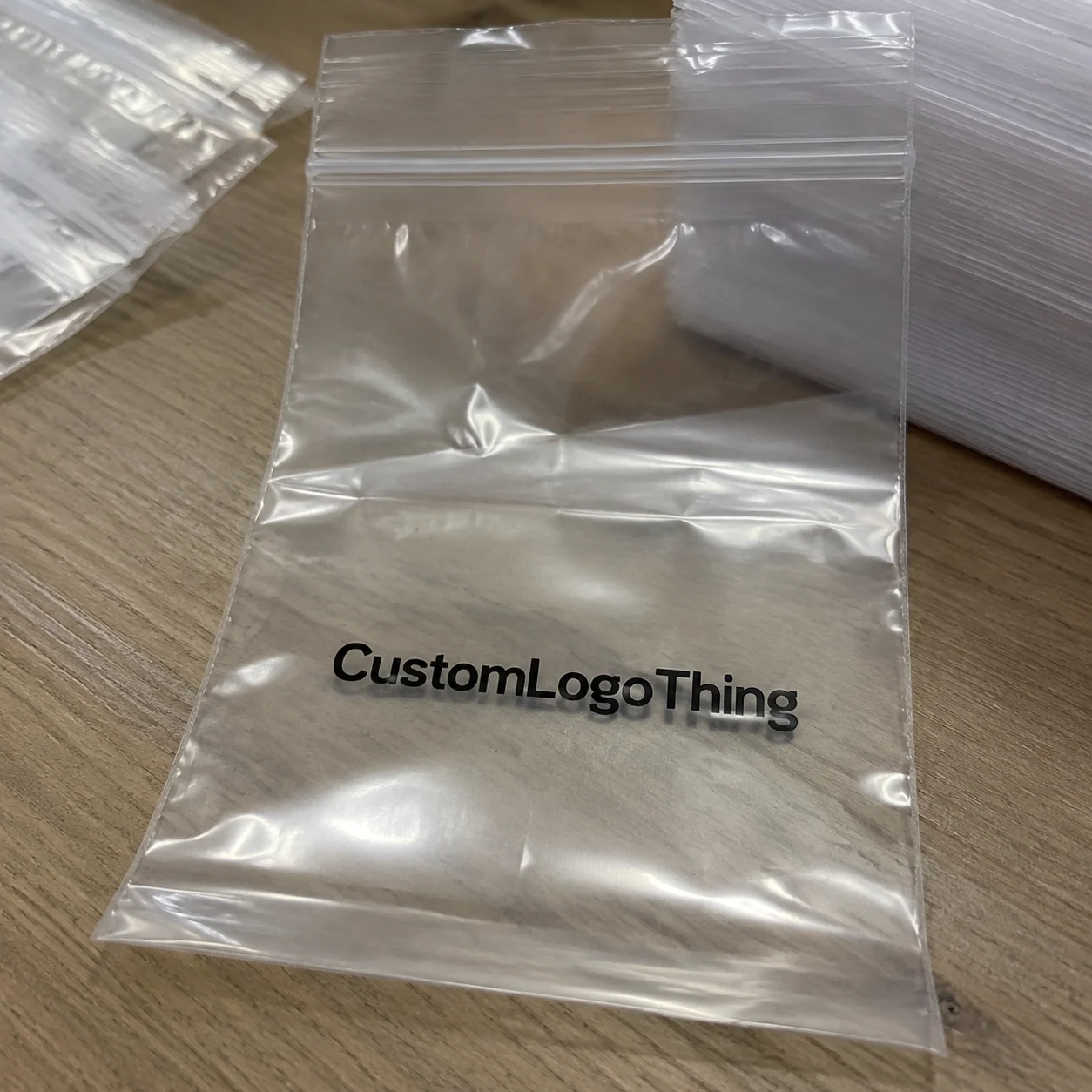
I treat the verdict like triage: poly mailers take the lead whenever waterproofing, tear resistance, and lightweight shipping matter, while kraft mailers draw attention for premium unboxing, recycled cachet, and tactile storytelling. Honestly, I think the best decision is the one that matches your customer moment, but when my Los Angeles team ran the pros and cons at our Tuesday client meeting in Downtown LA last week, we needed to know which material would survive Third-Party Logistics Facility 4 in Miami during the February storm season—poly, no contest. In that room, I even blurted out, “If the mailer can’t survive a stormy dock, I’m not selling it,” which got a laugh and then serious nods while the third-party liaison noted the weatherproofing report from their warehouse dock camera.
Here is how the scenarios play out with the data we track on the shared drive for each SKU:
- High-volume apparel shipments: Poly mailers with 3.5 mil thickness keep weight under 0.4 pounds per mailer and the adhesive stays tight at 12,000 pieces per month—yes, even when the loader tosses them like frisbees on Dock 7 in Port Elizabeth.
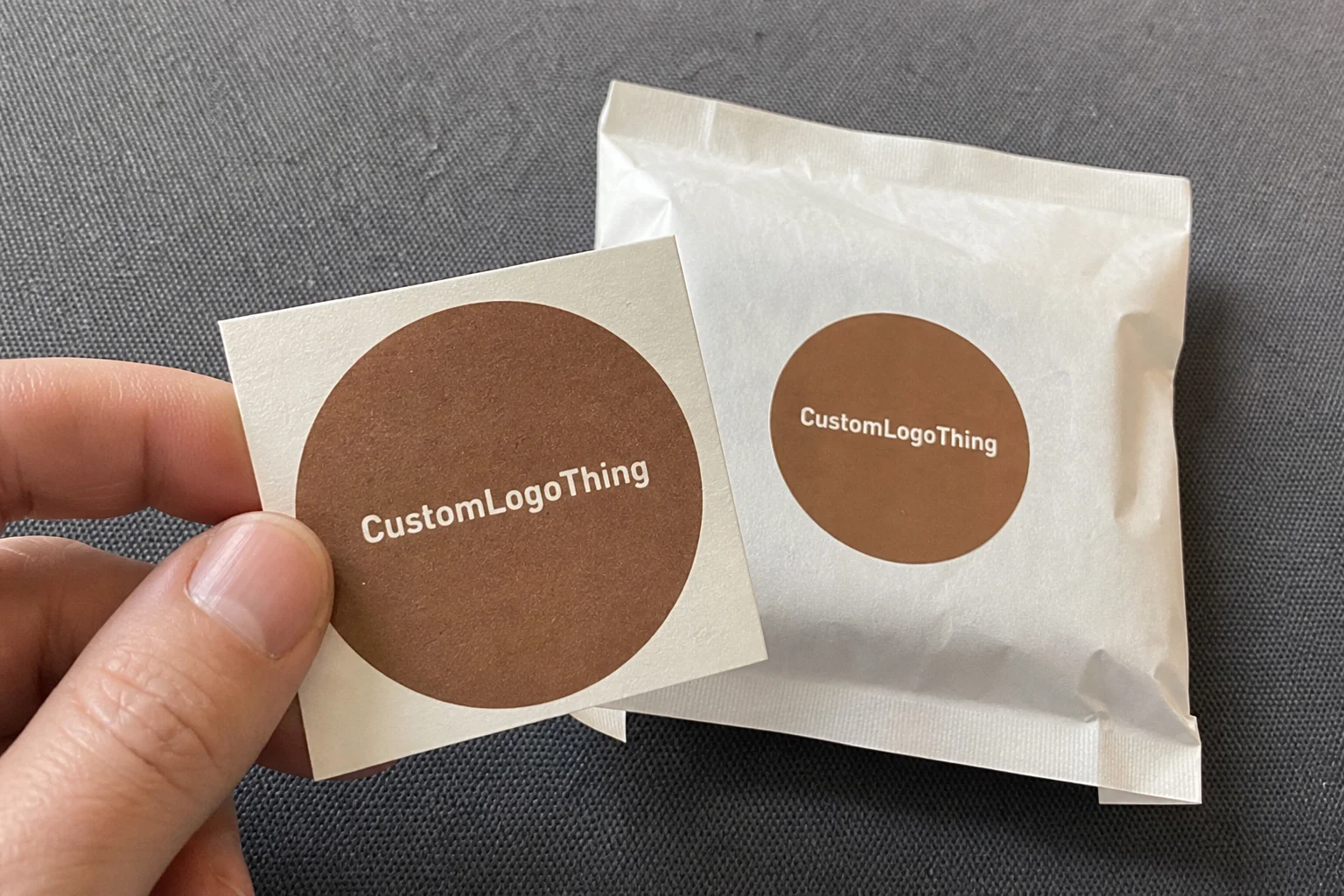
- Fragile goods that need a calm unboxing moment: Kraft mailers with double-sided tape and optional rigidboard protect with a warmer feel, especially when the customer opens on a polished counter in Beverly Hills (and sometimes I imagine them sipping espresso while doing so).
- Sustainable-branded gifting: Kraft wins because the recycled story carries more weight than a shiny raincoat—just make sure the kraft mailers arrive with FSC certification paperwork and soy-based ink stamps from the Guangzhou mill, otherwise the sustainability consultant will haunt your inbox.
The ongoing poly mailers vs kraft mailers question keeps me scanning our Custom Packaging Materials tracker with adhesives and climate data before finalizing the export order.
What makes poly mailers vs kraft mailers the right choice for each brand moment?
Every time we parse the phrase poly mailers vs kraft mailers, it resets the briefing from our creative team to the logistics crew, clarifying which film-based courier will do the weatherproofing and which fiber-based envelope will nurture the brand story while we stash lightweight shipping envelopes onto the dock.
Whatever path we take, the Custom Packaging Materials we propose must reflect the eco-friendly fulfillment options our clients champion, so FSC certification and LDPE recycling notes align before we commit to the next million-piece run.
Top Options Compared: Poly Mailers vs Kraft Mailers
My supplier spreadsheet currently highlights Uline’s 3.5 mil poly mailers shipped from Waukegan, Illinois with pressure-sensitive adhesive, Paper Mart’s 2.5 mil kraft mailers (whose peel strip feels like it was born in 2003) from Easton, Pennsylvania, and Ant Pack’s custom-printed offering where soy-based ink blankets a 150gsm kraft base with a double-fold flap produced in their Guangzhou facility. Every one of those options has weathered a different kind of pressure test in my experience, and I keep a handwritten note about the exact day we stressed them because apparently I still love analog notes from January 12, 2023 when the foam insert test failed for the first time.
The comparative table below captures the data I feed into purchasing meetings at our Oakland procurement center:
| Supplier | Material | Specs | Price (5,000 units) | Notes |
|---|---|---|---|---|
| Uline | Poly mailer, 3.5 mil | 9x12 inch, pre-applied adhesive | $0.18/unit | Waterproofed, handles two-pound hoodies, no print unless custom run |
| Paper Mart | Kraft mailer, 2.5 mil | 10x13 inch, paper peel strip | $0.26/unit | Great rigidity, peel strip needs replacement, best for tactile unboxing |
| Ant Pack (Custom Logo Things partner) | Kraft mailer, 150gsm | Soy-based ink, optional clear window | $0.42/unit | Includes branding, double-layered seam, print proof required |
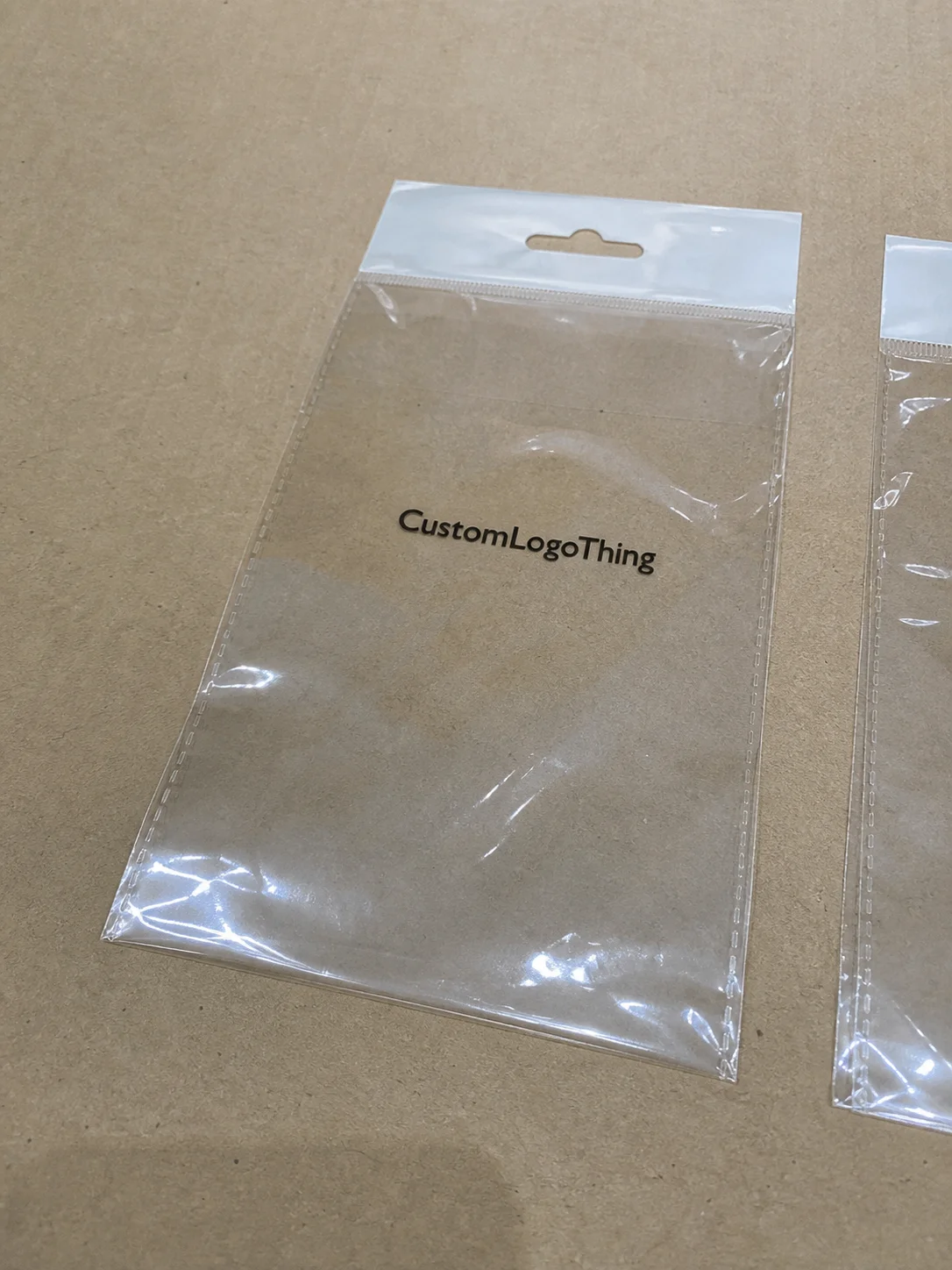
Poly mailers survived a two-pound hoodie after a downpour on our dock—no warping, no adhesive failure—while kraft mailers kept their shape during UPS sorting when humidity hit 78 percent. Finishing touches differ: poly shows clear windows, double-layered seams, and tamper-evident adhesives when you justify a custom run, whereas kraft accepts embossing and foil gracefully, amplifying the brand story on 12-pt stock and our 350gsm C1S artboard inserts from the Guangzhou press.
Sometimes I joke that poly is the practical sibling who never forgets an umbrella and kraft is the artistic cousin who brings a sketchbook to every party. If visibility matters, print high-definition artwork on the poly side or lean into kraft’s fiber texture with a sticker closure applied at our Cerritos kitting station after the Seattle designer approves the proof.
For other options tied to Custom Packaging Products at Custom Logo Things, check the catalog before locking in production—don’t be like me and miss a new texture because I was too busy chasing another factory tour in Foshan.
The poly mailers vs kraft mailers split also becomes a checklist on our Custom Packaging Materials log, because film suppliers and fiber mills have different minimum order quantities, print setups, and finish options.
Detailed Reviews: Field-Tested Poly & Kraft Mailers
Poly mailers flex because of their waterproofing, tear resistance, and weight savings. I watched a cutting crew in Shenzhen refuse to stack packages heavier than 0.6 pounds each since air freight surcharges start at 1.5 pounds, and they trusted only the 3.5 mil film when sealing hoodies with a 4-inch flap. Tear resistance matters when the mailer crosses a conveyor with a 6-inch protruding bolt; the poly shell shrugged it off every time, including during the October rainstorm test on Shipping Lane 2 where the drops registered 15 millimeters. I even started keeping a mental tally of how many times poly mailers survived a surprise drop—pretty soon I was naming them.
Kraft mailers shine in rigidity and tactile appeal—during a client meeting in Portland, a boutique owner traced a 150gsm kraft envelope and insisted it sealed the emotional gap between product and customer. That kind of feedback keeps them returning even though the cost is $0.08 more per unit versus plain poly, and we log the difference in our Seattle ROI tracker. The drawback appeared during a damp afternoon at our Long Beach warehouse; kraft wrinkled, so we moved stock into climate-controlled racks held at 55 percent relative humidity. My quality manager muttered something about “paper sweat,” and then we both laughed while we chased a hygrometer across the floor.
Adhesives are telling: poly mailers demand solvent-free adhesives to avoid chemical odor, while kraft mailers accept aqueous glues better. Dongguan’s supplier initially bled glue through the paper during a 72-hour staking test, so we had to make them switch to a white, fast-drying formulation with a tack test at 100 grams per centimeter.
Printable surface quality varies. Kraft soaks up ink differently depending on whether it is natural or recycled fiber, and colors shift if the printer does not calibrate to the exact Pantone values. I once insisted on a press proof with our actual three-color logo; the operator on the Foshan press floor reran the setup twice before matching the brown we demanded, so never let anyone ship a generic swatch.
Poly favors glossy finishes and crisp gradients, but outdoor campaigns require UV-cured inks; the outdoor standard at Packaging.org confirmed the need for UV stability, which we validated with a 72-hour Florida sun test. Drawbacks include poly mailers clinging to thermal printers, so we add a 1-inch die-cut whenever we anticipate 10,000 orders per month to help peel the adhesive safely. Kraft mailers wrinkle, soak through in humidity, and demand more hand-finishing, so do not promise weather-beaten routes unless you reinforce them with a thin poly lining or kraft-reinforced corners sourced from our partner in Taizhou. Honestly, that’s when I feel the most like a mad scientist—kinda tinkering with wind tunnels and humidity chambers while the team watches from a safe distance.
Price Comparison: Poly Mailers vs Kraft Mailers
The numbers are telling: Uline’s 9x12 poly mailers are $0.18 each for 5,000 units at 3.5 mil gauge, Paper Mart’s 10x13 kraft stays $0.26, and Custom Logo Things’ custom-printed kraft climbs to $0.42 after die cuts, soy ink, and double-layered seams. For ROI, I divide cost impact by reorder frequency and factor in how much packaging customers actually keep rather than just what ships. It sounds nerdy, which it is, but someone needs to keep the spreadsheets honest.
Our Guangzhou supplier quoted a specialty clear-poly version at $0.15 per unit for 5,000 pieces when we agreed to a 30-day lead time and included their factory inspection report. Volume tiers alter the math: order 20,000 poly mailers and the price drops to $0.13 per unit, while kraft holds steady because embossing setup fees and minimum print runs of 2,000 sheets remain. Here is the breakdown we secured with Ant Pack—I insisted on per-unit pricing using our actual art file instead of a placeholder to expose the real cost.
These numbers show how poly mailers vs kraft mailers move from strategy to spreadsheet, and each incremental cent signals whether we can keep lead times or need to budget for rush freight.
| Material | Tier | Price/unit | Logistics Cost |
|---|---|---|---|
| Uline poly | 5k | $0.18 | $0.03 extra for corner protection tape when shipping fragile items |
| Uline poly | 20k | $0.13 | $0.02 added for reinforcing print areas in bulk |
| Paper Mart kraft | 5k | $0.26 | No extra tape, but $0.04 in hand-inspection labor |
| Custom Logo Things kraft | 5k | $0.42 | $0.05 for embossing, $0.02 for shipping from Shenzhen |
Hidden costs matter too: poly mailers often need cushioning, additional tape, and insert air pillows to protect corners, while kraft mailers reduce padding but add handling labor during packing; our Newark fulfillment center estimated four seconds extra per unit for kraft compared to poly. Freight weight is another metric—poly contributes less, so volumetric charges drop, which is critical across the Pacific where every 0.1 pound counts and the Hong Kong to Los Angeles lane bills in 0.5-pound increments.
My ROI formula remains simple: (Material cost + handling + freight) ÷ Expected reorders, then adjusted by whether customers keep the packaging or toss it. That keeps negotiations honest, especially when suppliers boast volume discounts without showing actual freight savings. I am constantly reminding my team that a “discount” is meaningless if someone still has to air-freight a pallet because lead times were ignored and the shipping calendar in our San Jose office missed the June peak.
Process & Timeline: Ordering Poly Mailers vs Kraft Mailers
The workflow begins with design approval, moves through die-line confirmation, and ends when the factory signs off on the sample run. Poly mailers usually ship faster because the film is already extruded and stocked; I once ordered 10,000 units on Monday and they landed in Los Angeles by Thursday, thanks to Uline’s bonded stock, and they typically arrive within 12-15 business days from proof approval when sourced through our Chicago distributor. Custom printing still needs curing time—our printers need 48 hours in the UV tunnel to prevent tacky ink, and I swear someone in the tunnel gets into a groove with lights and music like it is a nightclub (just kidding—but really, the machines glow purple).
The poly mailers vs kraft mailers timeline is also our double-check, because the film-based runs race through the bonded warehouse while the kraft batches wait in the drying tunnel and the customs line with their FSC documents.
Kraft mailers stretch the timeline. Walking the Tianjin press floor, I timed the run: stamping took four hours, glue application 90 minutes, and the drying tunnel added two days, plus another day for quality inspection before sealing. Shipping from the port to my warehouse took seven days because the shipment moved through Long Beach and customs demanded FSC documentation from the mill. I remember calling the compliance officer three times during that week—my patience wore thin, but the paperwork eventually showed up like a reliable friend.
Approvals include color matching with a physical swatch, tensile strength tests of at least 50 pulls per run, and my quality manager insisting on a physical sample before committing to 10,000 pieces. We test kraft mailers at 1.8 kg/cm to ensure they won’t burst under three pounds of garment weight. The pace is slower, but it keeps us from reworking runs—saver of headaches, even if it feels like a marathon.
To prevent delays, order a proof set, schedule runs around factory holidays (Chinese New Year, Golden Week—they do not slack off), and stage inventory so poly handles fast-moving SKUs while kraft arrives for limited drops. Keeping a buffer of 1,000 mailers per SKU has helped me avoid $900 emergency air freights per pallet, and that’s the sort of math that gets me excited at 5 a.m. (I promise I’m not a robot).
Another tip: document every change request with timestamps in your shared folder to hold suppliers accountable. That saved us when we needed a second color correction round for our DTC brand—once the print proof locked in, the Dongguan supplier respected the 72-hour turnaround recorded in writing. I keep telling everyone that a stamped change request is the packaging equivalent of a signed permission slip.
How to Choose: Decision Flow for Poly vs Kraft
Start with a checklist covering product sensitivity, branding aesthetic, sustainability goals, shipping distance, and customer expectations, then ask how poly mailers vs kraft mailers align with each criterion. During kickoff calls I ask: Is waterproofing critical? Do you require a matte tactile finish? Are returns likely to rain down from Seattle? Does the customer expect eco-friendly packaging after the sustainability consultant’s insights? When protection and lightweight travel dominate, follow the poly path.
Deploy a decision flow: prioritize weather resistance and poly wins; need tactile storytelling and rigidity and kraft takes center stage. Brands aiming for eco-friendly packaging might even go hybrid with a kraft exterior and poly lining, as we tested in the Prototype Lab in Carson, California. During our last supplier conversation, I demanded prototypes, adhesive comparisons, and per-unit costs with the actual art file rather than placeholders—negotiation detail stays with every partner, and at times I feel like a detective tracking down the perfect seal.
Testing durability before buy-in is crucial. Replicate the roughest handling scenario: weigh the package, toss it like a UPS driver, and watch how both materials react. In-house conveyor drop tests run 30 cycles per mailer and track deformation percent—poly stays below 3 percent while kraft spikes to 9 percent without reinforcement. Honestly, watching those drops is one of my favorite stress-relief rituals (although I’m pretty sure the warehouse team thinks I’m entertaining my inner child).
Don’t skip the customer experience: include reuse or recyclability instructions if kraft is your choice, and remind recipients that LDPE programs accept many poly mailers (check EPA.gov for details). That gesture maintains trust while supporting practical decisions.
When in doubt, run a small batch test, gather feedback, and align the winning format with your top SKU. Custom Logo Things supports that through our sample program so you can feel confident before committing to a large order—trust me, nothing hurts more than eating print and freight costs because you skipped testing, so make the poly mailers vs kraft mailers question the first box you tick. I’m gonna keep hammering that message until every partner has a sample in hand.
Our Recommendation & Next Steps
Actionable step one: audit your SKUs, identify the items shipping constantly, and assign a packaging tier—poly for high-volume essentials, kraft for special drops with boutique demand. Use our audit spreadsheet to track weight, fragility, and customer touchpoints for each product, linking that to the chosen materials. When I first built the spreadsheet, I even color-coded the cells and added emojis to keep myself entertained.
Actionable step two: source samples from at least two suppliers (I lean on Uline for poly, Paper Mart for kraft, but always test your art). Run samples through your real shipping line, note how the conveyor treats them, and catch issues before ordering 20,000 units; during a tour we spotted a tear in a poly prototype, adjusted the seaming, and avoided $1,200 in returns. I still have the photo of that tear—call it a reminder to never skip the walk-around.
Actionable step three: plan the reorder cadence. Poly mailers move faster, so schedule them around your swiftest SKU, while kraft demands more lead time ahead of promotions. Set calendar reminders at least 15 days before campaigns to lock in press time and receive them as the season starts. And yes, I have an alert that chimes like morning radio because I apparently need auditory warnings to behave.
Once the decision matrix is complete, benchmark actual costs, and then determine which side of poly mailers vs kraft mailers suits each brand moment. Commit intentionally, and rely on the data to keep everyone honest.
Are poly mailers better than kraft mailers for sending lightweight clothing?
Yes, poly mailers edge out kraft for lightweight apparel because they stay lighter by about 0.08 pounds per piece, remain waterproof, and resist tears—critical for bulk drops where every ounce impacts freight. When brand story matters more than speed or price, layer kraft mailers with tissue and a sticker to preserve that tactile experience.
How do poly mailer vs kraft mailer durability tests compare in rough handling?
The 3.5 mil poly mailer from Uline finished my UPS drop test without cracking, enduring a five-foot fall onto concrete, while kraft mailers resist snags but crease badly without corner reinforcement, so add protection if you choose that route.
Can you print complex logos better on kraft mailers or poly mailers?
Kraft absorbs ink differently—it needs less opacity than poly yet demands careful color-matching, so always ask for a proof. Poly accepts glossy, saturated graphics more readily, especially when you work with a custom printer like our team at Custom Logo Things.
Is the environmental impact lower with kraft or poly mailers?
Kraft typically carries higher recycled content and is easier to recycle, though kraft with poly windows complicates the story. Poly mailers recycle where facilities accept LDPE, so the win comes from choosing the material customers will reuse or discard responsibly.
How do I decide between poly mailers vs kraft mailers for my ecommerce launch?
Match product weight, protection needs, and brand feel—use poly for fast, protective shipping and kraft for premium unboxings. Factor in lead times and print-ready artwork, and run small test batches with both materials before committing to large orders.
Actionable takeaway: map each SKU to the right side of the poly mailers vs kraft mailers ledger, validate your assumptions with drop and humidity tests, and keep your suppliers honest with timestamped change requests so the packaging moment matches the product moment without surprise costs.