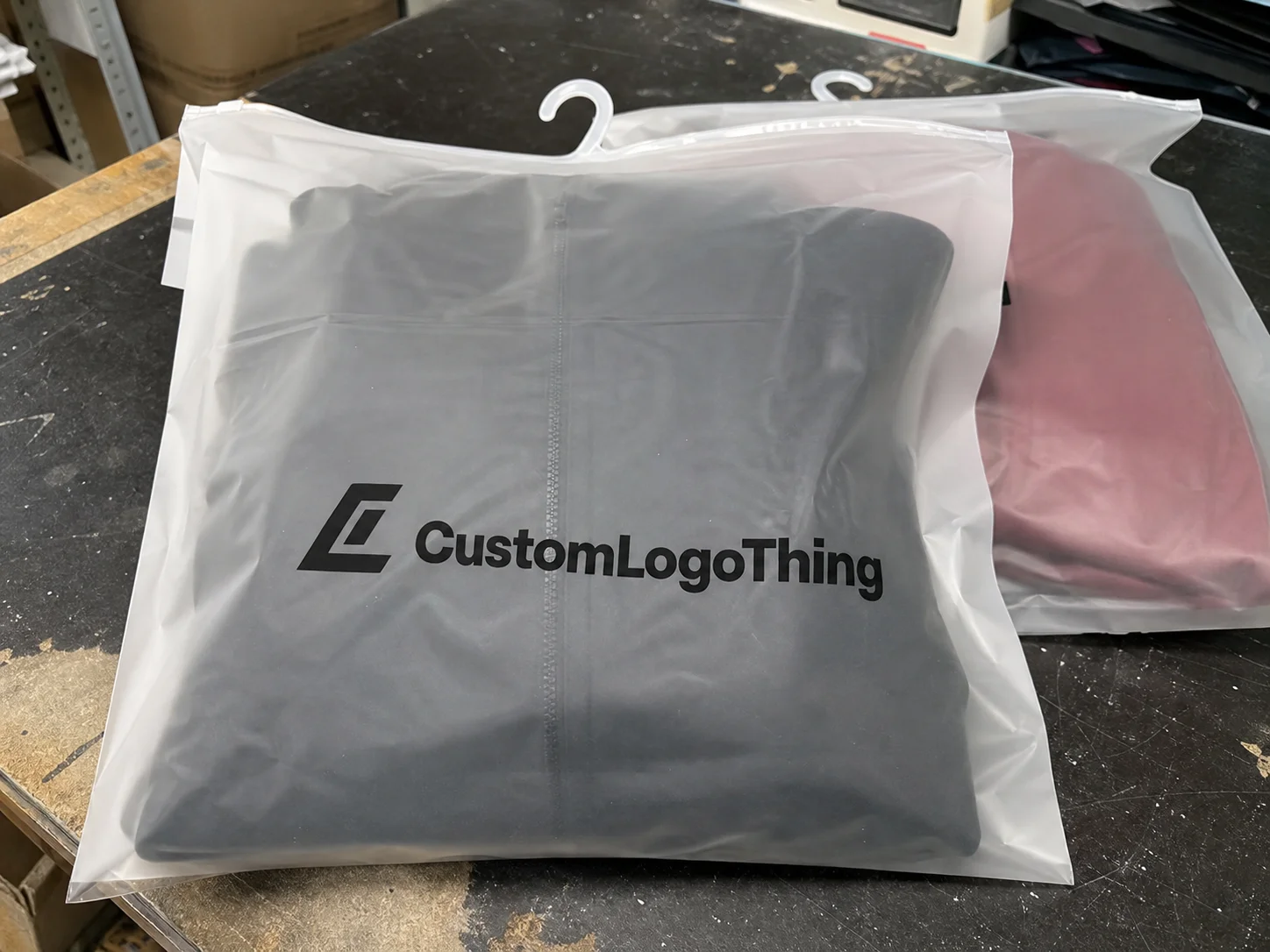
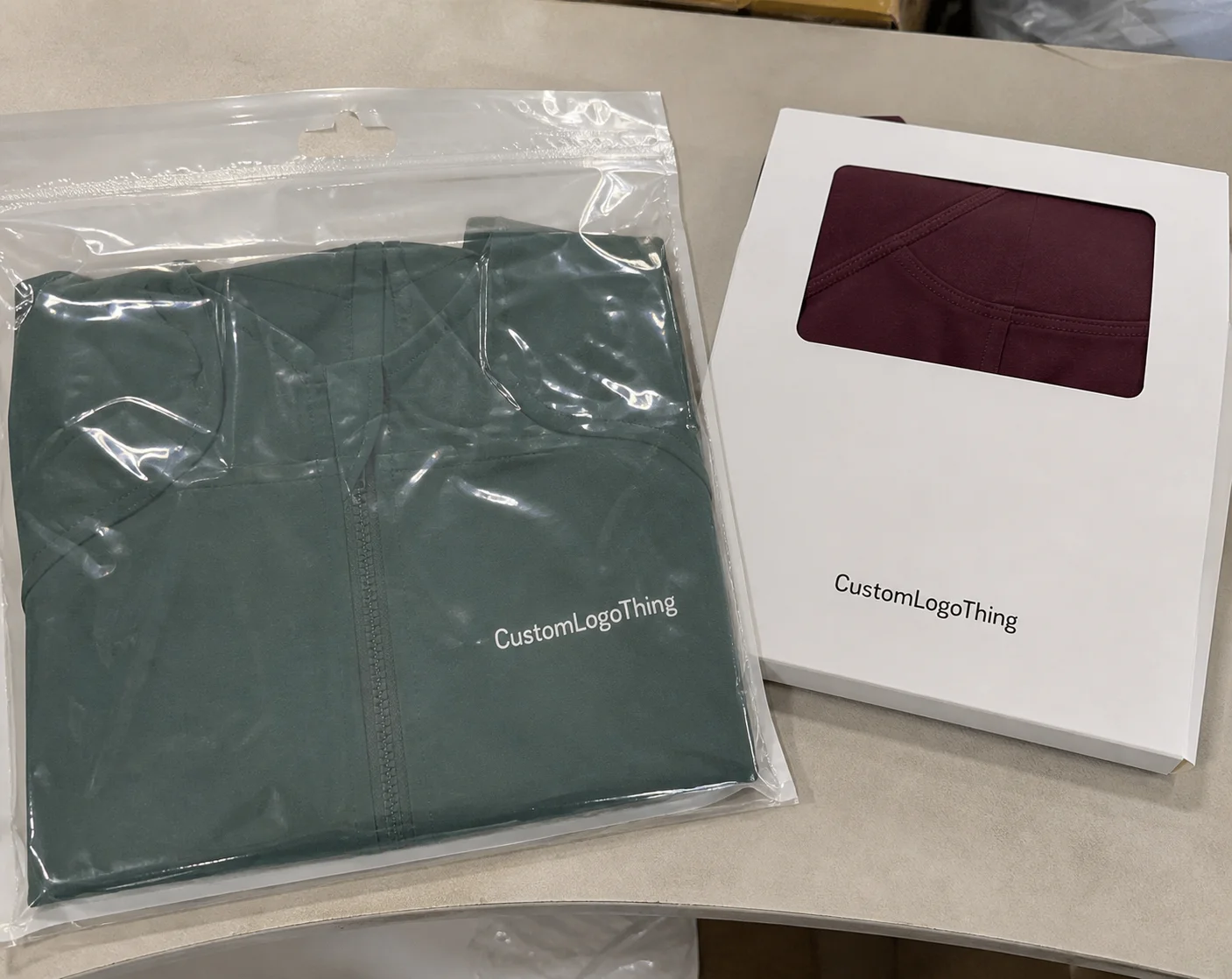
Buyer Fit Snapshot
| Best fit | Popcorn Packaging Bags Custom projects where brand print, material claims, artwork control, MOQ, and repeat-order consistency need to be specified before quoting. |
|---|---|
| Quote inputs | Share finished size, material target, print colors, finish, packing count, annual reorder estimate, ship-to region, and any compliance wording. |
| Proofing check | Approve dieline scale, logo placement, barcode or warning zones, color tolerance, closure strength, and carton packing before bulk production. |
| Main risk | Vague material claims, crowded artwork, missing packing details, or unclear freight terms can make a low unit price expensive after revisions. |
Fast answer: Popcorn Packaging Bags Custom: Design, Print, and Sell should be specified like a repeatable production item. The safest quote records material, print method, finish, artwork proof, packing count, and reorder notes in one written spec.
Production checks before approval
Compare the actual filled-product size with the drawing, then confirm tolerance on folds, seals, hang holes, label areas, and retail display edges. Reserve space for logos, QR codes, warning copy, and material claims before decorative graphics fill the panel.
Quote comparison points
Review material grade, print process, finish, sampling route, tooling charges, carton quantity, and freight assumptions side by side. A quote is only useful when the supplier can repeat the same color, closure quality, and packing count on the next order.
Popcorn Packaging Bags Custom are one of those things that look simple from the aisle and become surprisingly technical once you’ve stood on a converting line at 6:30 in the morning, watching seal jaws, registration marks, and ink laydown all have to agree within a few millimeters. I remember one factory visit in Dongguan, Guangdong, where the line stopped three times before breakfast because one tiny adjustment kept throwing the seal off by just enough to make everybody groan (not exactly a glamorous start to the day). I’ve seen a bag save a product line, and I’ve also seen the wrong film structure turn a great popcorn recipe into stale, greasy disappointment within weeks. If you’re selling popcorn, the bag is doing three jobs at once: protecting freshness, carrying your package branding, and controlling grease and oxygen transfer before the customer ever opens the package. On a 10,000-piece run, a material change as small as moving from a 20-micron to a 25-micron sealant layer can be the difference between a clean launch and a shelf-life complaint.
That is why Popcorn Packaging Bags custom is not just an artwork decision. It is a materials decision, a machinery decision, and, honestly, a retail decision too. The right popcorn Packaging Bags Custom can help a gourmet flavor stand next to national brands, while a poor choice can make even excellent popcorn look underfilled, soft, or forgettable on shelf. At Custom Packaging Products, I always tell brands to start with the product first, then the filling method, then the graphics. Get those three aligned, and everything else becomes easier. Well, easier is relative. Packaging still has a habit of humbling people, especially when a 4 oz pouch looks generous on screen but thin in a Chicago grocery aisle under cool LED lighting.
What Popcorn Packaging Bags Custom Really Mean
On a production floor in Shenzhen, I once watched a snack brand switch from a plain stock pouch to popcorn Packaging Bags Custom made for a butter-seasoned kernel line, and the difference was immediate: better fill consistency, fewer seal complaints, and much stronger shelf presence in the retail test store. The new bag was not just “prettier.” It was sized to 4 oz, built with the right barrier, and printed so the flavor name could be read from 10 feet away. That is what custom means in practical terms. In that case, the brand used a 110 mm x 180 mm stand-up pouch with a 35 mm bottom gusset and a matte finish, and the change cut visual clutter by nearly half.
Popcorn Packaging Bags Custom usually includes several choices at once: bag size, film structure, barrier level, print method, seal style, tear notch, zipper, window, and gusset configuration. A brand selling single-serve concession packs may need a pillow bag with a clean top seal and fast pack-out. A gourmet gift line may need a stand-up pouch with a matte finish, hang hole, and reseal zipper. A subscription box product may need something that looks premium on the outside but still survives warehouse handling and multi-state shipping. For example, a holiday sampler for New York City gift retailers may use a 3 mil laminate with a tear notch and euro hole so it can move from display rack to shipping carton without extra handling.
Here’s the distinction most people miss. Plain stock bags are made in standard sizes and standard materials, then filled with whatever fits. Popcorn packaging bags custom are built around a specific product weight, a specific sales channel, and a specific production method. If your popcorn is oily, seasoned, and meant for shelf display, the bag needs a different barrier than a dry caramel corn sold in a farmers market. If it is packed by hand, your seal tolerance can be different than if it runs on a form-fill-seal line at 120 bags per minute. A hand-packed operation in Austin, Texas may tolerate a wider mouth opening and slower cycle time; a co-packer in Ohio running overnight shifts usually will not.
Common end uses for popcorn packaging bags custom include concession stands, retail snack aisles, private label gifting, and gourmet popcorn subscription boxes. I’ve also seen them used for fundraiser programs and seasonal corporate gifts, where presentation matters almost as much as product protection. In those cases, the bag is part of the gift experience, not just a container. And yes, I’ve watched people judge the popcorn by the bag before they ever tasted it. Humans are predictable that way, especially when the pack is sitting beside a $6.99 kettle corn competitor with a brighter orange panel and a larger flavor callout.
The biggest misconception is thinking packaging starts with graphics software. It doesn’t. For popcorn packaging bags custom, the real starting point is performance: how much oxygen the film can keep out, how well the seal holds, and whether the structure works with your filling equipment. That is why packaging design, material choice, and line speed need to be discussed together, not in separate meetings weeks apart. If your target shelf life is 120 days, you cannot spec the same structure you’d use for a two-week local market run.
How Popcorn Packaging Bags Custom Are Made and Printed
Most popcorn packaging bags custom projects move through a familiar chain: product brief, material selection, artwork setup, cylinder or plate preparation, printing, lamination if needed, slitting, bag converting, and final inspection. On paper, that sounds tidy. In reality, each step has a chance to introduce variation, and the factory has to control that variation with process discipline, not luck. I have an irrational respect for factories in Suzhou that can keep all those variables in line before lunch, especially when they’re running two print jobs and a slitting order from Singapore at the same time.
Material selection comes first. In the snack industry, I most often see PET/PE, BOPP/CPP, metallized films, and paper-based laminates. PET brings stiffness and print clarity. PE gives sealability. BOPP offers good clarity and a nicer feel for retail packaging. CPP can help with heat resistance and sealing. Metallized films add light and oxygen barrier, which matters when popcorn has butter flavoring, seasoning oils, or a more delicate aroma profile. Paper-based laminates can work beautifully for a natural look, but they need to be checked carefully for barrier and grease resistance. A common spec for a premium pouch might be 12-micron PET / 12-micron AL / 70-micron PE, while a simpler line may use 20-micron BOPP / 30-micron CPP.
Printing method matters just as much as film choice. Flexographic printing is often the practical choice for longer runs of popcorn packaging bags custom, especially if you’re repeating a proven design and want decent speed plus controlled unit cost. Rotogravure tends to shine when a brand wants premium consistency, dense solids, and a very polished look across large volumes. Digital printing is useful for shorter runs, test launches, seasonal flavors, or when a client wants to iterate quickly without committing to expensive cylinders or plates. I’ve sat through more than one supplier negotiation where the real question was not “Which print is best?” but “How many SKUs are you actually launching, and how quickly do you need to change artwork?” On a 5,000-piece test order, digital can be the smarter move; on 50,000 pieces for a regional rollout, gravure often makes more financial sense.
Sealing and finishing details are where the bag becomes usable. Heat seals must be clean and strong, especially near oily coatings. Bottom gussets help the bag stand better. Side gussets can increase fill volume while keeping the profile compact. Resealable zippers are useful for premium popcorn that won’t be eaten in one sitting. Tear notches improve opening, but they need to be placed where they won’t interfere with seal integrity. Window patches can help shoppers see the product, though I usually advise restraint because too much window area can reduce barrier and expose the product to light. A zipper can add about $0.02 to $0.05 per unit on a 5,000-piece order, and a clear window may add another few cents depending on size.
Factory equipment matters more than many brand teams realize. A bag that looks excellent on a PDF can still fail if the converting machine can’t hold registration, if the laminate curls too much, or if the seal jaws leave burn marks. On high-speed popcorn packaging bags custom jobs, I always ask about form-fill-seal compatibility, pouch-making machine capability, and QC checks for seal strength, ink adhesion, and dimension tolerance. A vendor should be able to tell you how they measure these things, not just promise “good quality.” Honestly, if a supplier can’t answer those questions clearly, I start mentally preparing for a headache. A serious factory in Guangzhou should be able to quote a seal strength target in newtons, a thickness tolerance within ±5%, and a proof approval-to-production timeline with confidence.
For brands that want a packaging systems view, I often recommend reviewing broader product packaging options alongside popcorn bags, especially if you also sell gift bundles, club packs, or sampler kits. Sometimes the best solution involves matching the popcorn pouch with Custom Printed Boxes or outer cartons for shipping and shelf presentation. That is where the whole branded packaging system starts to feel coherent. A brand in London might use a 6 oz pouch inside a printed folding carton for premium resale, while a warehouse club in Dallas may prefer bulk cases plus a simpler retail-facing bag.
Useful industry references can also help teams set quality expectations. The ISTA testing standards are worth knowing if your popcorn is shipping long distances or through e-commerce channels, and the PMMI and Packaging School ecosystem is full of practical resources on converting, materials, and packaging line efficiency. If your warehouse is in Los Angeles and your retail distribution reaches Atlanta, a drop-test and transit-vibration review can reveal problems long before a customer does.
Key Factors That Affect Performance, Shelf Appeal, and Cost
Freshness protection is the first performance issue, and it is especially important for butter-coated or seasoned popcorn. Popcorn may seem dry, but it is still sensitive to moisture gain, oxygen exposure, and aroma loss. If the film barrier is weak, the popcorn can lose crispness quickly, and in some cases the seasoning can flatten out before the customer finishes the bag. For popcorn packaging bags custom, barrier specs are not optional details. They are part of the product promise. A metallized structure can reduce oxygen transmission dramatically compared with a plain laminate, which is one reason it remains a common choice for popcorn sold in higher-humidity regions like Florida or coastal California.
Shelf appeal comes next, and this is where packaging design earns its keep. Matte finishes can suggest a premium, artisanal feel, while gloss can make colors pop under retail lighting. High-contrast graphics help a flavor read quickly, especially in crowded snack aisles. A clean flavor hierarchy matters too: brand name first, flavor second, weight third. I’ve watched buyers reject otherwise good packs because the flavor name was buried in a decorative script that looked beautiful on a monitor but vanished under fluorescent store lights. That happens more often than people think, and it is usually fixable if somebody catches it early enough. On a 14-inch shelf strip in Denver, even a good design can underperform if the weight panel is too small or the product name is tucked into a low-contrast corner.
Size and fill volume are another place where brands get tripped up. A 5 oz bag that is physically too large for the actual fill can look empty, even if the weight is correct. A bag that is too tight can distort seals, reduce headspace, or make packing harder. With popcorn packaging bags custom, the goal is to make the bag fit the product, not force the product to fit a random bag. That sounds obvious, but I’ve seen teams choose dimensions based on shelf facings alone, then wonder why their pack-out line slows down. Packaging is ruthless about revealing bad assumptions. A 120 mm x 220 mm pouch for 5 oz often feels balanced, while a 160 mm x 260 mm pouch can look underfilled unless the popcorn is especially fluffy.
Cost depends on a handful of variables that you should understand before asking for quotes. Order quantity matters because setup cost spreads over more units. Number of print colors affects plate cost and sometimes press time. Film complexity affects raw material pricing. Special finishes such as soft-touch lamination, matte varnish, metal effects, or spot UV raise cost. Add-ons like zippers, hang holes, and windows also change unit price. For a rough example, a simple digitally printed short run of popcorn packaging bags custom might come in around $0.18 to $0.35 per unit at 5,000 pieces, while a more complex laminated pouch with premium finishing can move much higher depending on materials and print method. A more specific benchmark I’ve seen from suppliers in Shenzhen and Ningbo is about $0.15 per unit for 5,000 pieces on a straightforward 4-color pouch with no zipper, rising to roughly $0.28 to $0.42 per unit once you add matte lamination and a reseal feature. That range is not universal, and any honest supplier should tell you the same.
Here is a quick comparison of common options I’ve seen quoted for popcorn packaging bags custom projects. These numbers are directional, not final, because exact pricing changes with size, film thickness, print area, and freight. If your supplier in Dongguan quotes a 350gsm C1S artboard carton at $0.22 per unit for 5,000 pieces, that does not translate directly to a laminated popcorn pouch, but it does tell you the market is sensitive to weight, finish, and setup cost.
| Bag Type | Typical Use | Approx. Unit Price Range | Strengths | Tradeoffs |
|---|---|---|---|---|
| Pillow Bag | Concession, high-speed packing | $0.06–$0.16 | Fast to run, simple structure, low material waste | Less premium shelf presence, limited reseal options |
| Stand-Up Pouch | Retail snack aisle, gourmet gifting | $0.14–$0.38 | Better shelf display, zipper options, strong branding surface | Higher unit cost, more converting complexity |
| Metallized Pouch | Higher barrier products, longer shelf life | $0.18–$0.45 | Improved barrier, premium look, better aroma retention | Can increase cost and reduce recyclability in some setups |
| Paper-Laminate Bag | Natural/organic brand positioning | $0.16–$0.40 | Distinct tactile feel, strong artisan appeal | Barrier must be checked carefully, may need liners |
Compliance and practicality matter too. Food-safe inks and materials should be confirmed with your supplier, especially if your popcorn contains seasoning oils or butter flavor compounds. Storage conditions can affect the film before filling, so humidity and temperature control should be discussed. Shipping durability matters if bags are going into cases, then pallets, then distribution centers with rough handling. And if you are packing by hand, a beautiful structure that requires fiddly alignment can cost you labor every single day. I’ve seen teams lose more money to annoying pack-out than to the actual material premium, which is exactly the sort of thing nobody wants to admit in a meeting. A co-packer in Pennsylvania might save 2 seconds per bag with a wider opening, which adds up fast over 25,000 units.
From a branding standpoint, the bag is only one piece of the visual system. For some clients, I’ve suggested combining popcorn packaging bags custom with branded packaging elements like headers, labels, or outer cartons to make the product line feel more cohesive. That is especially useful if popcorn is part of a gift bundle or cross-sold with Custom Packaging Products like sleeves, mailers, or promo inserts. A Midwest subscription brand, for example, can pair a matte pouch with a printed mailer and a tasting card for a much stronger unboxing moment.
Step-by-Step Process for Ordering Popcorn Packaging Bags Custom
The cleanest projects start with a one-page brief. I ask for product type, fill weight, target retail price, distribution channel, desired shelf life, and whether the popcorn is plain, buttered, caramel, kettle-style, or heavily seasoned. If those basics are vague, every quote that follows will be vague too. With popcorn packaging bags custom, clarity at the start saves money later. A useful brief should also include expected annual volume, such as 5,000 pieces for a test run or 50,000 pieces for a regional roll-out in the Southeast.
Next comes the bag style and structure. Stand-up pouches make sense for retail presentation and resealability. Pillow bags often work better for concession packs and high-speed lines. Gusseted bags can help with volume and shelf presence. The right format depends on fill weight, product shape, and your machinery. If you are hand-packing at a co-packer, your priorities may be very different from a plant running a form-fill-seal line at 90 to 140 bags per minute. A small bakery in Portland may prioritize premium feel, while a distributor in Houston may prioritize throughput and case-pack efficiency.
Artwork preparation should be handled with care. You need proper bleed, correct resolution, barcode placement, legal copy, and nutritional panel legibility at actual size. One of the most common problems I see is artwork that looks fine on a laptop but becomes crowded once the bag is reduced to true scale. For popcorn packaging bags custom, I recommend printing a 100% mockup and checking it from arm’s length. If you cannot read the flavor in three seconds, shoppers probably won’t either. If your design includes a QR code, keep it at least 0.75 inches wide and away from the heat seal.
Proofing and sampling are where real-world issues show up. A digital mockup can reveal layout issues. A printed sample can reveal color shifts. A filled sample can reveal whether the bag stands properly, seals properly, and looks right with product inside. I once worked with a caramel corn client who approved a gorgeous pouch flat on the table, only to discover that the filled sample made the bag belly out and distort the logo. We corrected the gusset depth and moved the logo higher, which fixed the whole presentation. That is the kind of issue you catch only after sampling, which is why I push for it so hard. In one case, a client approved a proof in five days, received samples in 8 business days, and then adjusted the final file before production.
Production timeline is usually straightforward once approvals are done. For many popcorn packaging bags custom jobs, artwork and prepress take several days, sampling can take another 5 to 10 business days depending on structure, and production often runs 12 to 15 business days from proof approval for standard printed pouches. Shipping adds its own clock. Delays usually come from late artwork changes, missing nutrition details, or back-and-forth on sample revisions. If a vendor promises speed but never asks for complete specs, I get suspicious. A factory in Zhejiang may quote 12 to 15 business days from final proof approval, plus 3 to 7 days for ocean or air freight depending on destination.
- Write the product brief with exact fill weight and distribution channel.
- Choose a structure that matches shelf life and filling method.
- Prepare artwork with accurate legal panels and print-safe files.
- Review digital proofs, then request printed samples.
- Test seal strength, fit, and filled appearance.
- Approve production only after the sample matches the real product.
At that stage, it helps to compare quotes apples-to-apples. If one supplier quotes a 20-micron film and another quotes a 30-micron film, those are not the same offer. If one quote includes a zipper and another does not, the unit price is misleading. I’ve seen brands choose the lowest quote only to discover later that the real cost was hidden in rework, slower pack-out, or shelf complaints. Better to ask hard questions early than explain a margin miss later. A quote from a plant in Shanghai that includes a 1,000-piece sample run, plate charges, and carton packing is far easier to evaluate than a bare-bones number with no assumptions attached.
Common Mistakes Brands Make With Popcorn Packaging Bags Custom
The first mistake is choosing a bag based only on looks. A glossy pouch can photograph beautifully and still fail if the barrier is weak or the seal area is too narrow for your filling conditions. I’ve seen brands buy popcorn packaging bags custom because the mockup looked expensive, then discover that the actual product needed more oxygen protection and a tougher bottom seal. Looks matter, yes, but performance pays the bills. A gourmet line sold in Seattle can still look flat if the film is only suited to low-humidity storage and the bags spend two weeks in a warm truck.
The second mistake is underestimating how artwork changes at small size. Nutrition panels, ingredient statements, warning lines, and flavor callouts all compete for space. If the design is crowded, the customer sees clutter instead of confidence. That is especially true for smaller snack packs where the printable area may be limited. I always tell clients to treat readability like a structural feature, not a design afterthought. A 4 oz pouch with a 10-point legal panel may technically fit, but that does not mean it reads well under grocery lighting in Minneapolis.
The third mistake is ordering too many SKUs before testing sell-through. One buyer I met in a Bangkok co-packing facility wanted six flavors, two sizes, and three seasonal graphics all at once. The result was a beautiful spreadsheet and a storage problem. For popcorn packaging bags custom, it is smarter to launch with fewer variants, then expand once you know what actually moves. Inventory waste is a quiet profit killer, and it has a nasty way of hiding until the warehouse starts looking like a museum of bad guesses. If you sell 2,000 units of cheddar corn and only 350 units of white cheddar, that data should shape the next print order.
The fourth mistake is ignoring the relationship between seasoning and packaging materials. Oil migration, aroma loss, and migration resistance are not abstract lab concepts; they are what your customer notices when the popcorn tastes flatter after sitting on shelf. Butter-flavored popcorn, caramel-coated popcorn, and spicy snack popcorn all behave differently. Your supplier should understand how the film, seal, and coating interact over time. A spicy jalapeño blend packed in Phoenix will stress the seal area differently than a sugar-coat popcorn shipped to humid Miami in August.
The fifth mistake is forgetting to match packaging to production speed. If the line can only fill bags efficiently when the opening is wide and the seal area is forgiving, a narrow complex pouch can slow everything down. I’ve watched labor cost climb because a “premium” design made hand-packing more awkward than the team expected. That is not a packaging failure alone; it is a process mismatch. With popcorn packaging bags custom, the machine, the operator, and the material have to get along. Even a 1-second slowdown per bag adds roughly 83 labor minutes over 5,000 units.
- Do not approve artwork before checking actual bag dimensions.
- Do not skip filled samples, especially for heavy seasoning or oily popcorn.
- Do not compare quotes without matching film thickness and finish.
- Do not launch too many flavors before you know which ones sell.
If you need broader packaging support, including labels, inserts, and secondary packs, it can help to review your retail packaging plan as a system. That way, your popcorn bag, shipping carton, and display box all support the same package branding instead of competing with one another. A cohesive line can be the difference between a brand that looks assembled and one that looks intentional.
Expert Tips for Better Results on Popcorn Packaging Bags Custom
My strongest advice is to test three things together: barrier, seal integrity, and shelf presentation. Too many teams evaluate them separately, and that creates blind spots. A film may have good barrier on paper but poor seal behavior with greasy product. A pouch may stand well but read poorly from six feet away. A truly good popcorn packaging bags custom decision balances all three. In practical terms, I like seeing a finished sample held in a palm, on a shelf, and inside a shipping case before approval.
Design with one hero visual and one clear flavor hierarchy. Keep the brand mark visible, keep the flavor big, and let supporting details work in a quieter role. That approach holds up better in a crowded snack aisle where shoppers are scanning quickly. Strong packaging design is not about stuffing every inch with graphics; it is about guiding the eye in the right order. If your popcorn is a caramel sea salt blend, the words “caramel sea salt” should win the first glance, not the logo flourish.
Always request samples with actual product inside. I cannot say that strongly enough. A pouch that looks perfect when empty can wrinkle, dome, or collapse once filled with popcorn. Even the aroma behavior can shift once the product sits in the film for a few days. For popcorn packaging bags custom, the filled sample is the real test, not the flat proof. I like to keep a sample for 72 hours at room temperature and another at 85% relative humidity if the market is humid, because the difference can be revealing.
Plan for future SKUs by standardizing a base bag size or structure, then changing graphics by flavor. That keeps tooling and production simpler, and it makes the line easier to manage as you grow. I’ve helped brands move from one flavor to four without changing the entire packaging system, and that saved them a lot of headache. Standardize what you can, customize what matters. If a 5 oz pouch sells well in Chicago and a 10 oz family size follows in Minneapolis, you can often keep the same material family while adjusting the height and gusset.
“We thought the bag was just the wrapper,” one client told me after a retail relaunch, “but the new pouch changed how buyers saw the brand in the first ten seconds.” That is a very real thing, and I’ve heard some version of it from more than one snack founder, including a retailer in Atlanta who reordered 20,000 units after a single shelf reset.
From the converting floor, here is a tip that saves trouble: allow enough margin around seals, zippers, and perforations so the machine has room to stay consistent. Tight design tolerances look neat on a screen, but production equipment needs a little breathing room. When a zipper is too close to artwork or a perforation is too close to a seal, the line can become fussy fast. That is the kind of issue a seasoned supplier should catch before production. A 3 mm buffer may not sound dramatic, but it can save a whole batch.
If your popcorn line is expanding, you may also want to think about related formats like custom printed boxes for sampler sets or holiday bundles. I’ve seen popcorn brands create a more premium gifting lane by pairing flexible pouches with secondary cartons, which makes the overall product packaging feel more complete and easier to merchandize. The bag remains the hero for freshness, while the box becomes the stage. In a Toronto holiday campaign, that approach helped a small brand move from 1,500 seasonal units to 6,000 in one quarter.
And yes, sustainability questions come up often. Depending on your market, you may want to look at recyclable structures, reduced material gauges, or paper-forward constructions. That said, not every “green” option works for every popcorn formula, and not every claim is appropriate without proper testing. If your brand is exploring environmental goals, the EPA has useful background on materials recovery and waste management at epa.gov. I’d rather be honest about tradeoffs than oversell a label claim that doesn’t survive scrutiny. A paper-based pouch may look appealing in Portland, but if it cuts shelf life from 90 days to 45, the economics can collapse fast.
What to Do Next Before You Order Popcorn Packaging Bags Custom
Start with a one-page packaging brief. Include product type, fill weight, dimensions if known, finish preference, print goals, shelf-life target, and budget range. If you can also include pack-out method, distribution channel, and whether the popcorn is oily or dry, even better. A clear brief makes popcorn packaging bags custom quotes more accurate and reduces the back-and-forth that slows everything down. If you know your annual volume, add it; a quote for 5,000 pieces in Miami will look very different from 50,000 pieces for a Midwest chain.
Collect competitor bags or reference images. Not to copy them, but to clarify what you like and what you want to avoid. A good supplier can read a stack of examples quickly and infer whether you want premium, playful, minimalist, rustic, or mass-market positioning. That conversation is much more productive than trying to describe a visual style only in abstract terms. A bag from a San Francisco gourmet brand, for instance, can show whether you prefer muted tones and matte texture or bold color blocking and metallic accents.
Ask for material recommendations, MOQ, and sample timeline before you finalize artwork. Those three details tell you a lot about whether the project is realistic. If the MOQ is too high for your first run, or if the sample lead time is longer than your launch window, You Need to Know early. For popcorn packaging bags custom, a good quote should tell you what structure is being offered, what finishing is included, and what assumptions were used to build the price. A factory in Zhejiang should be able to say whether the MOQ is 3,000 pieces, 5,000 pieces, or 10,000 pieces without hedging.
Confirm whether your popcorn will be packed manually or on a form-fill-seal line. That single detail changes the bag structure more than many brands expect. A manual operation may tolerate a tighter pouch or more decorative feature set. A high-speed line needs reliable feeding, stable seals, and dimensions that repeat well. I have seen beautiful bags fail simply because the pack method was never discussed. If the line is in Salt Lake City and the bags are made in Foshan, the logistics should be matched to the machine plan, not guessed later.
Once you have that brief, compare quotes carefully. Match material to material, print method to print method, and features to features. Then move to sampling, proof review, and a pilot run before scaling. That is how you protect margin and avoid expensive rework. It is also how you end up with popcorn packaging bags custom that feel like they belong to the product instead of fighting it. A strong launch often comes down to a boring habit: writing down every spec, then checking it twice.
For brands building out a broader line, it can be smart to view Custom Packaging Products as a toolkit rather than a single order. Your popcorn pouch, branded mailer, display carton, or gift sleeve can all support the same retail message. That is where packaging stops being a cost center and becomes part of your sales story. If your seasonal line ships from a facility in Chicago to stores across the Northeast, the right outer packaging can reduce damage and improve the unboxing moment at the same time.
What should I look for in popcorn packaging bags custom for freshness?
Choose a film structure with enough moisture and oxygen barrier for your specific popcorn style, because caramel, buttered, and lightly salted products behave differently over time. Ask about seal strength, aroma retention, and whether the material can handle storage and shipping conditions without letting the product go flat. For popcorn packaging bags custom, freshness is usually a material question first and a design question second. A metallized laminate or a well-specified PET/PE structure is often the starting point for longer shelf life.
How much do popcorn packaging bags custom usually cost?
Pricing depends on bag size, film type, print colors, finishing, and order quantity, and those variables can move the quote quite a bit. Short runs and premium structures usually cost more per unit than larger runs with simpler specs. The best way to compare is to request quotes using identical specifications for your popcorn packaging bags custom project. As a practical benchmark, many suppliers quote simple runs around $0.15 per unit for 5,000 pieces and higher once you add zippers, matte lamination, or specialty films.
How long does it take to produce popcorn packaging bags custom?
Lead time depends on artwork readiness, proof approval, sampling, and factory scheduling. Simple digital or shorter-run jobs can move faster than laminated or high-color projects, especially when the artwork is already finalized. Delays usually come from late changes, missing compliance details, or sample revisions, so the smoother your approvals, the faster your popcorn packaging bags custom order can move. A typical production window is 12 to 15 business days from proof approval for standard printed bags, plus shipping time from the manufacturing region.
What bag style works best for popcorn packaging bags custom?
Stand-up pouches are a strong choice for retail presentation and resealability, while pillow bags often work well for high-speed packing and concession use. The best format depends on fill weight, machinery, and whether shelf appeal or throughput matters more for your operation. I always recommend matching the bag style to the production line before locking in popcorn packaging bags custom. A 4 oz gourmet line in Los Angeles may favor a stand-up pouch, while a theater concession pack in Orlando may run better in a pillow bag.
Can I print multiple flavors on popcorn packaging bags custom?
Yes, and in most cases it is smarter to standardize the base bag while varying the graphics by flavor. That keeps production simpler, helps shoppers recognize the line faster, and often reduces the chance of costly SKU confusion. Ask your supplier whether they can manage multiple popcorn packaging bags custom versions efficiently without driving up cost too much. A good manufacturer in Guangdong or Zhejiang should be able to support flavor variants on one shared bag format with separate print plates or digital files.
If you’re preparing a launch, my honest advice is to slow down long enough to get the structure right. The right popcorn packaging bags custom can protect freshness, sharpen your shelf presence, and make filling easier; the wrong one can quietly drain profit in labor, waste, and reprints. I’ve seen both outcomes on real factory floors, from Guangzhou to Indianapolis, and the difference usually came down to asking the right questions before approval, not after the shipment landed. Packaging has a funny way of rewarding the cautious and punishing the rushed, especially when the first order is only 5,000 pieces and every dollar per unit suddenly matters.