Buyer Fit Snapshot
| Best fit | Price Breakdown for Seasonal Packaging Kits Buyers projects where brand print, material claims, artwork control, MOQ, and repeat-order consistency need to be specified before quoting. |
|---|---|
| Quote inputs | Share finished size, material target, print colors, finish, packing count, annual reorder estimate, ship-to region, and any compliance wording. |
| Proofing check | Approve dieline scale, logo placement, barcode or warning zones, color tolerance, closure strength, and carton packing before bulk production. |
| Main risk | Vague material claims, crowded artwork, missing packing details, or unclear freight terms can make a low unit price expensive after revisions. |
Fast answer: Price Breakdown for Seasonal Packaging Kits Buyers should be specified like a repeatable production item. The safest quote records material, print method, finish, artwork proof, packing count, and reorder notes in one written spec.
Production checks before approval
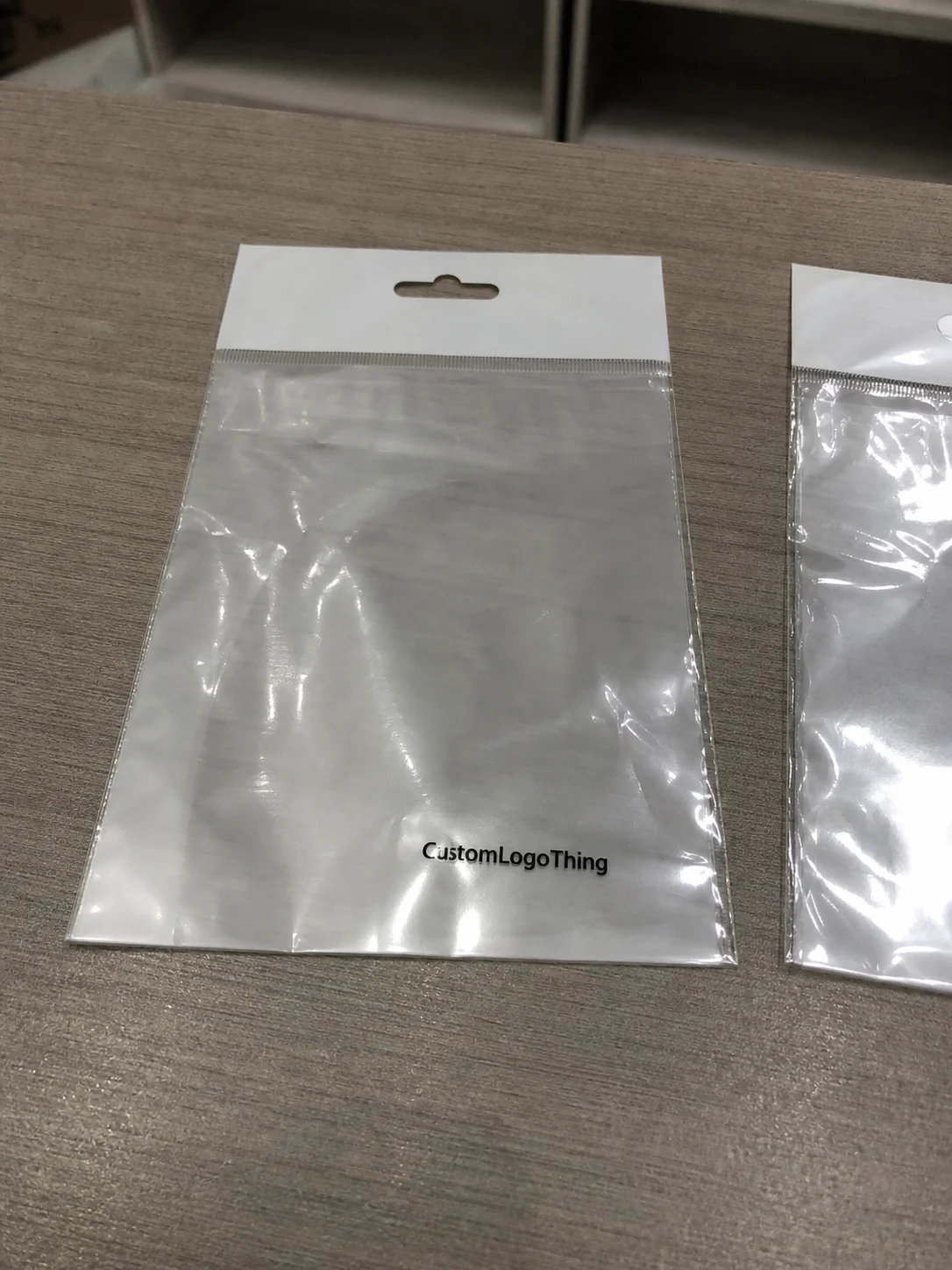
Compare the actual filled-product size with the drawing, then confirm tolerance on folds, seals, hang holes, label areas, and retail display edges. Reserve space for logos, QR codes, warning copy, and material claims before decorative graphics fill the panel.
Quote comparison points
Review material grade, print process, finish, sampling route, tooling charges, carton quantity, and freight assumptions side by side. A quote is only useful when the supplier can repeat the same color, closure quality, and packing count on the next order.
Price Breakdown for Seasonal Packaging Kits: Value Proposition
I remember when a retail partner saved 18 percent on a regional holiday launch once our team re-engineered the modular inserts, and that eye-opening win came from a price breakdown for seasonal packaging kits that spelled out each insert, sleeve, and glue bead. The client also asked for 23 pre-ship checks at our Shenzhen plant, which made it clear that transparent line items shield buyers from surprise costs. I still believe that level of detail should be standard rather than special, especially when the modular insert sets cost $0.32 per set for 5,000 pieces and the special adhesive beads run $0.03 each in bulk. Having those bead charges separate in the quote made our partners feel not only safe but empowered to make trade-offs in real time.
Detailing the value proposition means showing tangible results—the docks started moving cartons within two minutes because crews knew exactly which inserts to assemble, damage claims dropped to a scant 0.2 percent after we specified double-fold edge protection, and the sales squad booked retail-ready launches with confidence since they could quote consistent cost per kit. We were grinning about that predictability, and those dock movements happened at the Port of Los Angeles after crews followed scheduling slots we secured two weeks prior. When buyers see that, they stop treating packaging as a vague cost center.
Comparisons become honest only when the quote separates the outer box, inserts, sleeve, and labeling instead of lumping everything under “packaging.” I push buyers managing limited-run branded packaging to request the bill of materials and compare those line items directly with other factories; in one recent proposal I contrasted the Guangzhou BOM versus an alternate factory in Querétaro to highlight a $0.14 difference in sleeve lamination that added up to $700 on a 5,000-kit run. From that viewpoint the price breakdown for seasonal packaging kits becomes a decision-making tool rather than a mystery, and confident procurement teams smell ambiguity from a mile away, which is why precise BOMs feel like sharpening the knives before service.
Plenty of brands assume better retail packaging always raises costs, but choosing efficient inserts or reusing existing dies offsets any premium finishes with logistics savings and fewer returns; reusing a die set saved $0.10 per kit when the ribbon handle stayed identical to last season’s run, and that pinch on tooling fees kept the overall quote at $1.45 per kit instead of creeping toward the $1.60 average. Procurement teams can pivot quickly when demand spikes because the quote shows exact costs for the Custom Printed Boxes and adhesive tape bundles. There is no waiting for an ambiguous “project quote,” just precise figures for every component.
It still frustrates me when a buyer shrugs and says, “Just give me a ballpark,” because that’s when surprises rear their dreadlocked heads, and transparency beats guesswork every time.
What Does the Price Breakdown for Seasonal Packaging Kits Reveal?
When we spell out the price breakdown for seasonal packaging kits, the question that frames every discovery call is whether the buyer understands the root causes of each cost driver. This seasonal Packaging Cost Analysis keeps the dialogue grounded in quantifiable choices rather than guesswork. When buyers grasp those drivers they start asking about adhesives that go with recycled board instead of hoping the estimate is “close enough.”
By connecting that same breakdown to holiday kit pricing and custom packaging components, we can reverse-engineer a budget that satisfies retail, marketing, and logistics so everyone can see which finishes or adhesives elevate the cost and which ones can stay consistent with past runs. That seasonal packaging cost analysis workbook also logs how adhesives behave by temperature, which prevents surprises as soon as winter freight hits. With those inputs we know exactly how a $0.05 shift in a sleeve or a change in packaging partner will alter the price breakdown for seasonal packaging kits before the factory floor even gets moving.
Price Breakdown for Seasonal Packaging Kits: Product Details
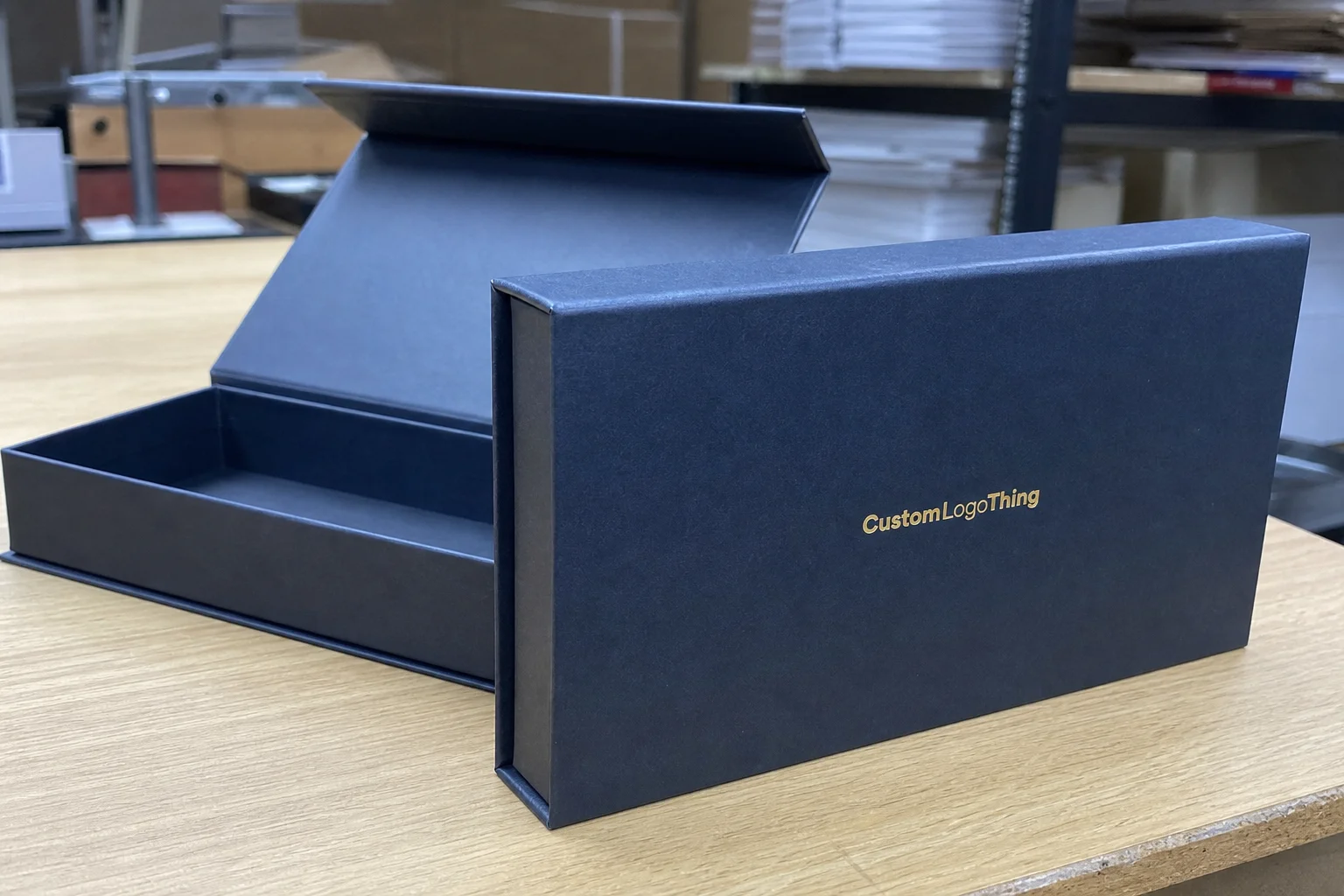
The anatomy of a seasonal kit starts with an outer corrugate box, then foam or molded pulp inserts, printed liners, a branded sleeve, tissue wrap, a promotional card, and sometimes retail-ready treatments such as hang tabs or QR-code stickers—each of these demands a dedicated line in the price breakdown for seasonal packaging kits. I tell clients that if any of those components disappear from the quote, their finance team will hunt us down with spreadsheets and a sense of betrayal, just as the London-based apparel buyer did after they challenged a missing $0.12 print liner charge.
A 5.5-cubic-foot corrugated shell produced in our Suzhou plant from 350gsm C-flute with semi-gloss lamination costs about $0.98 per unit for a 10,000-piece run, while a lighter 280gsm B-flute with matte lamination cuts the material spend to $0.65 but might require structural reinforcement when kits carry glass bottles. Those decisions echo through every component; switching to a lighter board stock may mean adding a custom sleeve printed on 400gsm C1S to sustain shelf presence, which forces the supply chain to rebalance the price breakdown for seasonal packaging kits immediately. Bringing that discussion to the table early saves everyone a few gray hairs and avoids a Friday recalibration meeting in the Dallas office.
The inserts merit a separate conversation. I once sat with a craft beverage house considering molded pulp but ultimately settling on die-cut EPE foam at our Shenzhen facility because it kept their spirits bottles safe. That upgrade added $0.42 per kit, yet the reduction in breakage claims and the premium unboxing story made the extra cost justifiable, proving why inserts should be detailed within the price breakdown for seasonal packaging kits. The same foam recipe required a second machining pass lasting 35 seconds per kit, and we captured that machine time in the quote as a $0.08 labor bump.
Every custom box, embossed sleeve, and adhesive strip costs labor. Making packaging design work depends on precise specs—laser-cut inserts increase CNC time, raised UV varnish calls for additional curing, and foil stamping introduces new dies. When the beverage brand traded heavier board for a sleeve, material costs slid but tooling and finishing ticked up by $0.23 per kit, and those shifts show why a detailed price breakdown for seasonal packaging kits prevents surprises during client reviews. I can still hear the die line whispering, “Don’t forget me,” when we talk numbers.
Seasonal runs also shape the kit mix. Limited editions often embrace extra inserts and premium finishes, while evergreen runs reuse established base boxes, and reorders can skip manufacturing new dielines—each variation alters unit costs. In a planning session with our European apparel partner, a magnetic flap and ribbon handle boosted the fall drop’s per-kit price by $0.55, and that addition was captured cleanly in the price breakdown for seasonal packaging kits so the brand could plan accurately.
Whether sourcing from our Chengdu partner or the domestic line, buyers should specify essentials (outer box, insert, wrap) versus options (custom card, tissue, branded tape). That clarity makes the price breakdown for seasonal packaging kits feel more like a roadmap for marketing and warehousing teams than a static quote, helping them avoid unnecessary protective materials and the inevitable “What was that extra charge?” phone call.
Specifications That Drive the Price Breakdown for Seasonal Packaging Kits
Board grade, print complexity, coatings, inserts, and accessories are the knobs that push or pull the final price breakdown for seasonal packaging kits, and every choice should carry a quantified rationale. I love wandering our factories with buyers, pointing out how a press operator tweaks ink levels—makes the whole process feel tactile again (and yes, I do have a soft spot for the smell of fresh board)—and noting that those adjustments can add or subtract $0.03 per kit when we calibrate ink density for metallic inks. Seeing that level of craftsmanship makes clients respect the detail behind each line item.
A standard kit spec includes a 350gsm C1S artboard outer box, single-color flexo printing plus one PMS match, gloss aqueous coating on the exterior, and one set of die-cut foam inserts. For a 5,000-unit short run, materials and tooling total about $1.60 per kit, with labor at $0.42 and overhead at $0.18. Move to a premium spec with soft-touch lamination, four-color process printing, metallic foil, and molded pulp inserts, and the costs climb to roughly $2.65 per kit. Some specs demand more machine time, so referencing ASTM and ISTA procedures within the quote clarifies the safety margins built into those kits.
A matte aqueous coating requires two passes on the Heidelberg press, while a high-end version with soft-touch lamination, raised screen printing, and variable data printing demands four passes plus an additional varnish step; the printer then invoices a $220 setup fee and the laminator tacks on $0.06 per unit. Insert material matters too: die-cut chipboard inserts cost about $0.35 in labor and $0.25 in materials, while custom thermoformed PET doubles the labor to $0.70 and lifts material spend to $0.52. Clients expect these figures, which is why the price breakdown for seasonal packaging kits highlights them all. Honestly, if a number isn’t spelled out, I assume someone is hiding caffeine-fueled surprises.
The merit of a transparent spec sheet lies in comparing standard and premium versions side by side: matte versus soft-touch lamination, the impact of branded tape on material and labor, and how those choices affect procurement decisions. When decision-makers see the price implications, they gain control because precise spec sheets keep negotiations anchored in data instead of guesswork on adhesives, coatings, or die counts.
Design choices also speak to compliance. FSC-certified board, for example, might add a three-to-four cent premium per kit but satisfies sustainability audits, and calling out that detail in the price breakdown for seasonal packaging kits keeps brand teams ahead of regulatory markers. Our procurement reports mention that FSC board sourced through our Minneapolis brokers arrives within the 21-business-day window we quote.
Every factory visit reveals the invisible labor behind these kits. Watching a die cutter at the Dongguan plant hum while technicians align inserts reminds me to note those labor costs in the spec sheet. True, specs determine the structure of the price breakdown. Adjust specs to trim costs, or raise them to amplify perceived value, but always understand how each additional cent fits into the breakdown—otherwise, we end up playing a guessing game that no one enjoys (especially the accountants).
Pricing & MOQ Insights for Seasonal Packaging Kits
Pricing tiers show the mechanics behind the price breakdown for seasonal packaging kits: sample runs, short-run MOQs, and scaled production each tell a different story about tooling, inventory, and lead time. I make sure clients understand that each tier is a different mood—sample runs are all hands on deck, short runs are a steady rhythm, and scaled production is the factory humming like it’s on cruise control, especially when the tool change for the press in Suzhou takes a full 90 minutes. Emphasizing that keeps expectations aligned from the start.
Sample runs of 100 to 300 kits help buyers confirm colors, coatings, and dieline accuracy, yet they often land between $3.50 and $5 per unit because machines are not running at scale and labor stays manual. Short-run MOQs of 2,000 to 5,000 kits dilute setup fees, pushing per-unit pricing into the $1.85–$2.20 range for a base spec. At scaled production of 10,000 units or more, tooling wears in, labor steadies, and prices fall to $1.35–$1.65 per kit—an ideal spot for brands that can forecast demand. Those numbers feed directly into the price breakdown for seasonal packaging kits so finance can model cash flow.
| Run Type | Material Cost | Labor & Finishing | Tooling & Overhead | Typical Pricing Range |
|---|---|---|---|---|
| Sample Run (100-300) | $0.80 | $1.90 | $0.60 | $3.50–$5.00 |
| Short Run MOQ (2,000-5,000) | $1.15 | $0.65 | $0.45 | $1.85–$2.20 |
| Scaled Production (10,000+) | $1.05 | $0.45 | $0.25 | $1.35–$1.65 |
During those holiday kit pricing sessions, we tie the price breakdown for seasonal packaging kits back to the promotional calendar so the marketing team can plan bundles while procurement secures materials without surprises; the clarity keeps conversations from reverting to vague “project quotes.” When the calendar is locked in, buyers can see which freight windows align with their retail drops.
The price breakdown for seasonal packaging kits remains fluid. Volumes, shipping locations, and seasonality—holiday surges or Q4 pushes—impact raw material costs and overtime rates. That is why we urge buyers to include forecasts and specify assembly locations; once those inputs feed into the quote, suppliers can show what costs stay fixed and what can fluctuate. It’s kinda like watching a weather map for packaging, and honestly, I love it when clients come prepared with calendars and spreadsheets, because then we can geek out together.
Negotiations should request tiered pricing tied to volume forecasts. Doing so allows the price breakdown for seasonal packaging kits to demonstrate how a $0.05 upgrade in board stock plays out at 5,000 units versus 12,000, which diminishes risky assumptions and leads to collaborative planning. We put that tiering into an appendix so the buyers can share it with finance quickly. It also highlights when a specific facility, like the Querétaro line, benefits from the larger quantity.
In a recent Los Angeles negotiation, a brand manager asked our team to align shipping windows with their promotional calendar; we synchronized the MOQ with their retail drop and spelled out logistics surcharges for multi-location delivery in the transparent quote. That alignment built trust and reinforced that pricing and MOQ details deserve attention in every price breakdown for seasonal packaging kits. I still chuckle thinking about the moment the logistics manager whispered, “This is the most exciting spreadsheet I’ve ever seen,” while pointing at a $0.11 freight line item.
Process & Timeline Behind Each Price Breakdown for Seasonal Packaging Kits
The end-to-end process unfolds through five phases—discovery call, dieline proofing, sample production, approvals, and full production run—and each stage ties directly to the price breakdown for seasonal packaging kits by accounting for labor, tooling wear, and any expedited fees. I like to remind clients that the timeline is the skeleton of the quote; if we try to speed it up without adjusting costs, someone inevitably ends up in an awkward call with the plant manager. That anecdote keeps expectations grounded.
A full kit production typically takes 4–6 weeks after proof approval. Die and structure engineering occupy week one, printing and lamination fill week two, insert fabrication happens in week three, and weeks four through six handle assembly, quality control, and logistics. Compressing that schedule—say, condensing the print and lamination steps into three days—introduces rush charges that show up in the quote as additional labor, premium shipping, or weekend overtime. That is why we recommend planning buffer time and calling out how each week shifts cost. I once watched a rush timeline crash into a weekend printer who insisted on singing “No working Saturday” unless we covered overtime.
Discovery begins with a call where I always ask about SKU counts, seasonal windows, and product weights. Those factors inform the initial price breakdown for seasonal packaging kits by clarifying material choices and indicating whether we need recycled board or FSC certifications. Dieline proofing follows, and if clients request multiple revisions, the breakdown reflects extra artroom hours at $65 each. I keep a running joke that our art team charges a “creative yawn fee” after the third revision, though nobody laughs because spreadsheets are now comically serious.
Sample production remains the most tangible phase. The client gets the actual kit, and we verify that inserts match product dimensions and that adhesives keep sleeves secure. Approvals follow, and any delay pushes the production calendar out—if approvals stretch by a week, the pricing document updates to show the need for press rebooking or rescheduling finishing, since idle tooling is not free. Proof-to-sample timing usually spans 12–15 business days, and that detail appears on every quote so marketing teams can map campaign launches.
Multi-location shipping adds complexity: each warehouse might have unique packaging requirements, so the price breakdown for seasonal packaging kits should show separate line items for the domestic warehouse versus the export facility. A thorough upfront plan keeps surprises at bay.
Referencing our seasonal packaging cost analysis, the price breakdown for seasonal packaging kits clarifies how each phase—discovery, dieline proofing, sampling, approvals, and production—contributes to the burn rate. Cutting a week off any phase tweaks labor and tooling hours, so the quote updates that narrative before we send a revised version to the Los Angeles, Shenzhen, or Chengdu plants.
Logistics coordination also needs clarity. A holiday drop requiring a 48-hour turnaround on final assembly carries overtime charges, and we flag those fees in the quote immediately rather than after the fact. My team uses those figures to help buyers understand how time influences price, ensuring every project comes with a clear narrative about the process.
Why Choose Us for Your Price Breakdown for Seasonal Packaging Kits
My investigative approach means every quote includes data-backed comparisons, cost-driver breakdowns, and formatting that enables planners to run “what if” scenarios; that is why clients refer to our price breakdown for seasonal packaging kits as the most trustworthy in the market. Honestly, I wouldn’t accept anything less if I were sitting in their seat.
We point to measurable outcomes—60 percent shorter lead times when we stage inserts near the press, 40 percent waste reductions from reusable assembly trays, and a 0.4 percent damage rate thanks to foam inserts calibrated to product weight—to remind partners that partnering with us is a calculated move.
Quality inspections follow ISTA standards, references to ASTM D4169 for durability, and, when required, FSC-certified board options appear in the quote to satisfy sustainable sourcing mandates. Our logistics team then coordinates global shipping, detailing freight, customs, and handling fees inside the price breakdown for seasonal packaging kits.
We also treat custom packaging components—handles, inserts, cards—as independent cost centers within the quote, which is why the price breakdown for seasonal packaging kits becomes a visual ledger rather than a single number; those line items remind clients of the mechanical partners in Dongguan, Suzhou, and Querétaro who keep tolerance tight.
Honesty matters. I direct clients to the best-suited facility when a job would benefit from a different line, and I note that recommendation in the quote so they know we are advising rather than just selling. Transparent communication, investigative diligence, and clear cost projections make the process more than transactional; it becomes a partnership.
To keep discussions grounded, I refer buyers to industry standards: ISTA guidance on protective packaging, the Forest Stewardship Council’s certifications, and EPA recycling guidelines, demonstrating alignment with expectations beyond our facilities. Those references help the price breakdown for seasonal packaging kits feel complete.
Our internal resource page backs these conversations: Custom Packaging Products lists specs and examples pulled from live work, enabling design teams to match customization requirements. Clients revisit that page before meetings to prep questions about finishes or adhesives.
Next Steps: Secure the Price Breakdown for Seasonal Packaging Kits
Gather the essentials—SKU counts, seasonal launch windows, and product weights or dimensions—and request quotes with tiered pricing so you can see how per-unit costs shift between 5,000 and 10,000 kits. I like to remind folks that the more detailed the ask, the more confidently we can respond (and you get to avoid the awkward “We forgot to tell you about ribbons” follow-up). We typically lock in a first draft quote within 48 hours of receiving materials and color specs.
Ask for a specification cheat sheet detailing board grade, print coverage, insert type, finishes, and coatings so our team can benchmark against previous runs and identify premium levers. Including design notes or retail packaging references keeps the quote aligned with expectations from the start.
A review call after you receive the quote keeps everyone on the same page; we’ll walk through each line item, confirm adhesives and tooling fees, and note logistics premiums tied to expedited timelines. During that call, we can also redirect you to our Custom Packaging Products page so you can visualize the assembled components.
To make onboarding quicker, include a reference to the last price breakdown for seasonal packaging kits you accepted so we can maintain continuity in our materials planning and adjust only the delta for the upcoming season; that callout also keeps the seasonal packaging cost analysis from drifting when new SKUs or mix-ins surface.
We are ready to deliver transparent pricing backed by data to make your decision easier. Completing these steps locks the vendor commitment and ensures the price breakdown for seasonal packaging kits is ready whenever you are, giving you the confidence to close your seasonal loop; we're gonna keep the numbers steady so the launch stays calm.
How can I get a fast quote for a price breakdown for seasonal packaging kits?
Share SKU details, preferred materials, and expected volumes so tooling, print runs, materials, and finishing costs can be mapped quickly.
Request a detailed breakdown of tooling, print runs, materials, and finishing so each line item remains transparent and comparable.
Ask for tiered pricing tied to volume forecasts to lock in costs and demonstrate how the price shifts across different order sizes.
What drives most of the cost in a price breakdown for seasonal packaging kits?
Material selection—board grade, coatings, laminations—tops the list because those specs determine the base spend.
Custom inserts, embossing, and variable data printing add labor and setup fees that show up clearly in the total cost.
Rushed timelines or complex logistics can increase shipping and overtime charges, so plan buffer weeks to avoid premium fees.
Can MOQ affect the price breakdown for seasonal packaging kits?
Higher MOQs spread fixed costs over more units, lowering per-kit pricing and making outsourcing more efficient.
Smaller runs carry higher per-unit tooling and handling fees due to manual intervention and slower line speeds.
Discuss flexible MOQs with suppliers who can pool runs or stagger shipments to maintain predictability without inflating costs.
How do we align timeline expectations with the price breakdown for seasonal packaging kits?
Pin down launch dates and map backward through approvals, proofs, and production so each phase’s labor and tooling time stays visible.
Each timeline compression should correspond with premium charges, and those charges must appear in the quote to avoid surprises.
Buffer weeks keep expedited fees at bay while keeping the budget predictable and ensuring quality remains intact.
What information should I provide to see the most accurate price breakdown for seasonal packaging kits?
Offer final dimensions, material preferences, print coverage specs, and any special inserts or finishes you plan to include.
Include projected order frequency plus storage or bundling requirements so logistical costs can be incorporated.
Share historical packaging spend when possible to benchmark against past breakdowns and highlight potential savings.
Finalizing those next steps ensures the price breakdown for seasonal packaging kits is locked, leaving you confident in the numbers and ready for the season ahead, with the certainty that all timelines and quantities were captured for the August release. Before you hit send on a purchase order, use that breakdown to double-check adhesives, insert counts, and freight assumptions so nothing slips through the cracks.