Zipper Packaging Bags Bulk China Factory: Buyer Pricing, Specs, and Quality Checks is not a simple quote hunt if the bags have to perform the same way on every reorder. Sourcing from a Zipper Packaging Bags Bulk china factory makes sense only when the supplier can hold zipper engagement, film thickness, print registration, and pack-out steady across batches. A 0.02 mm shift in film gauge, a different zipper profile, or a looser carton count can change landed cost faster than the headline unit price suggests.
Why sourcing lowers landed cost
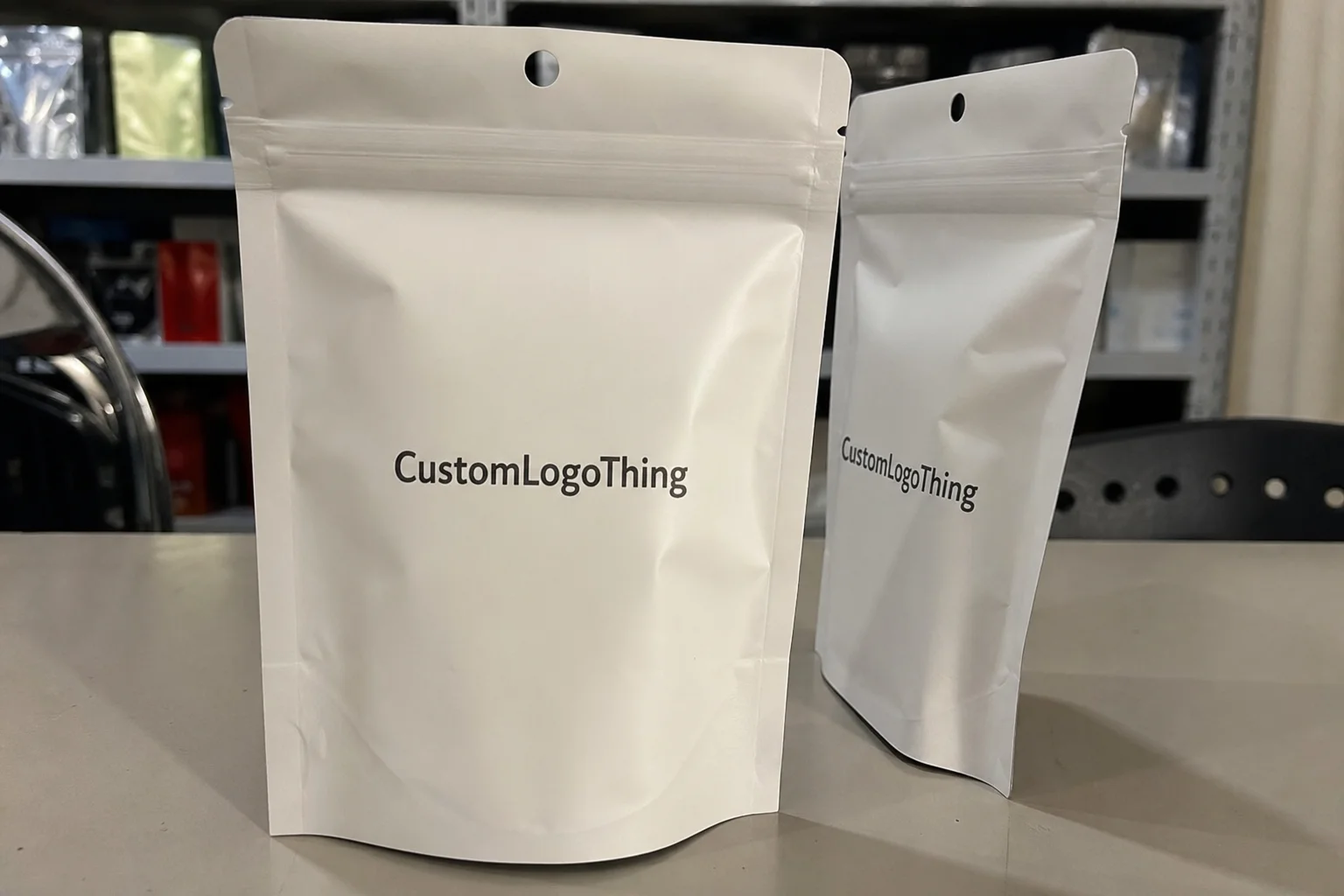
Most buyers start with the unit quote and end up paying for what the quote did not include. The bag that looks cheaper on paper can become more expensive after freight, defects, repacking, and replacement shipments are folded in. That is why sourcing from a Zipper Packaging Bags Bulk china factory needs to be judged as a full cost system, not as a single number.
Factory-direct sourcing reduces handoffs. That matters because every handoff introduces another chance for spec drift. One supplier assumes matte film, another quotes gloss. One treats zipper position as flexible, another treats it as fixed. By the time the order reaches the warehouse, the savings are often gone in correction work.
The strongest quotes come from factories that read the brief like a production document. They ask for bag size, laminate structure, seal width, zipper style, print coverage, and final packing format. That is not bureaucracy. It is the only way to protect consistency when the order repeats six months later.
Low pricing can be useful, but only if the bag still survives transit and works in the hands of the end user. A weak seal, uneven zipper closure, or carton pack that is awkward for warehouse staff can create hidden costs that never appear in the first quote. Buyers shipping retail packaging or subscription goods usually notice those problems first, because complaint rates and labor time expose them quickly.
The better comparison is landed cost. Include the effect of freight density, reject rate, inspection, and reorder stability. For teams that also source custom printed boxes or other branded packaging, the same rule applies: repeatability matters more than a polished first quotation.
Industry guidance from organizations such as packaging.org helps keep the conversation anchored in material behavior instead of sales language. That discipline is useful when thousands of units are on the line and a small mistake gets multiplied across the order.
Materials, closures, and barrier options
Material structure is where most of the performance difference starts. A plain PE zipper bag behaves differently from a PET/PE laminate. PE is generally softer, easier to seal, and lower in cost. PET/PE adds stiffness, a cleaner print surface, and a more premium shelf presence for retail packaging.
Finish changes the presentation more than many buyers expect. Matte film gives a quieter, more restrained look. Gloss pushes color contrast and makes graphics pop under store lighting. Neither is universally better. If the product needs a technical or understated look, matte usually fits. If the bag has to stand out in a crowded aisle, gloss can be the stronger choice.
Closure type affects the experience after the first opening. Press-to-seal zippers are common because they are simple and economical. Slider zippers cost more, but they are easier to use on larger bags or heavier fills. Child-resistant closures are a separate category and should be specified carefully, because the design affects both user friction and compliance requirements.
Barrier performance deserves the same attention as print quality. Moisture resistance matters for dried food, coffee, and products that lose performance when humidity gets in. Oxygen barrier matters when oxidation shortens shelf life. Odor barrier matters for pet treats, herbs, and kits with strong smells. The goal is not to build the most complex bag possible. It is to match the structure to the product and the route to market.
For paper-rich constructions or mixed-material supply chains, ask whether any paper components need FSC documentation. That is not a branding detail. It is a sourcing check that can matter to retail buyers and compliance teams.
| Structure | Typical Use | Strength | Tradeoff |
|---|---|---|---|
| PE mono-layer | Simple food, hardware, refill packs | Lowest cost, flexible, easy sealing | Less stiffness and lower premium shelf feel |
| PET/PE laminate | Retail packaging, supplements, coffee | Better print surface and more rigidity | Higher cost than PE and more complex converting |
| Barrier laminate with zipper | Moisture-sensitive or odor-sensitive goods | Stronger shelf-life protection | Usually the highest unit price and longer lead time |
For teams comparing formats across a wider packaging program, our Custom Packaging Products catalog is useful for testing whether a flexible bag is the right fit before the spec gets locked.
Dimensions, thickness, and print specs
Size mistakes are expensive because they compound across the whole run. Before asking for a quote, lock the bag width, height, gusset depth, zipper placement, and usable fill area. If the bag needs a header, euro slot, tear notch, or hang hole, say so early. A factory cannot price accurately if half the geometry is still moving.
Thickness should be specified in the unit system the supplier actually uses. If the factory quotes in microns and the internal sheet uses mils, convert carefully and keep one master reference. Mixed units are a common source of false comparisons, especially when several suppliers are being reviewed for zipper packaging bags bulk china factory production.
Print specs need the same rigor. State the number of colors, whether artwork is full-bleed or partial, whether there are matte windows, and whether QR codes or batch fields must remain clear. If the bag sits inside a broader branding system, define the color target and the approval method. The supplier needs to know whether the goal is visual match or exact numeric tolerance.
Operational details are easy to ignore and hard to repair later. Confirm carton quantity, bag count per sleeve, whether the pack is retail-ready, and what language appears on labels. If the buyer is feeding a warehouse or e-commerce team, pack format can change labor time more than people expect.
A practical rule helps here: write the spec so a second buyer could use it without asking follow-up questions. That is the level of clarity worth aiming for on any custom printed bags program, whether the format is a pouch, sleeve, or zipper pack.
Cost, MOQ, and unit pricing levers
Pricing is not random. It moves in predictable ways when the structure, print load, and order size change. If you are comparing zipper packaging bags bulk china factory offers, look at the drivers that actually move cost: film thickness, zipper type, print complexity, order quantity, and carton configuration.
MOQ deserves close reading. Sometimes the minimum applies per size. Sometimes it applies per artwork. Sometimes the factory can split a run by color only if the structure remains identical. Those distinctions change the economics quickly. A buyer may think a 10,000-piece MOQ is manageable until it turns out to be 10,000 per design version.
Hidden charges are where quotes become misleading. Ask about sampling fees, plate charges, tooling, inspection, and any special carton pack-out. Ask whether the supplier charges for artwork proof revisions. Ask whether reprints are free if the color tolerance misses the agreed range. The cleaner the quote, the easier it is to compare.
For bulk orders, plain PE zipper bags often sit at the lower end of the price range, while printed barrier laminates move up fast as color count, finish requirements, and zipper complexity rise. At scale, the difference can be the gap between low single cents and several tens of cents per unit, depending on size and structure. Freight can amplify that spread if the pack-out is poor.
Use landed cost, not ex-works price, for the real comparison. Include freight, duties, carton configuration, and the inspection work needed to satisfy your quality team. A supplier that looks expensive at the factory gate may become competitive once density and shipping are counted correctly.
| Quote Lever | Typical Cost Impact | Buyer Check |
|---|---|---|
| More print colors | Usually raises setup and run cost | Confirm total color count and coverage area |
| Thicker film | Raises material cost and sometimes freight weight | Specify the exact thickness, not a range |
| Slider zipper instead of press-to-seal | Raises component and assembly cost | Check whether the end user truly needs it |
| Tighter carton pack-out | Can reduce freight cost per unit | Verify crush risk and warehouse handling |
Production process, lead time, and shipping
A clean production flow starts with the brief, not the press. The supplier should receive size, material, thickness, print file, quantity target, destination, and inspection standard. Once that is in hand, the factory can issue a proof, confirm the structure, and decide whether a sample is needed before mass production.
Lead time depends on where the project sits in the queue. Simple unprinted bags can move faster if the material is already in stock. Custom printed runs take longer because artwork proofing, plate work, and setup must be approved first. For many bulk programs, 12 to 20 business days after proof approval is a reasonable planning window, but capacity, seasonality, and material availability can push that wider.
Shipping mode changes both the calendar and the economics. Air freight shortens transit but can change the unit math quickly, which is why it is usually reserved for urgent replenishment or smaller runs. Sea freight is more efficient for larger bulk orders, but it demands better inventory planning. Courier services are fine for samples and proofs, not for scaling a retail packaging program.
Buffer time matters. Customs, peak season congestion, and rework loops can all move the shipment date. If the launch date is fixed, do not plan as if every part of the chain will stay on schedule. A cushion of 3 to 7 days can separate a controlled release from a rushed one.
If the program includes multiple packaging formats, ask how the supplier coordinates artwork changes between pouches, cartons, and labels. Color drift between components is one of those issues that sounds minor until the brand team sees the first production lot.
For transit durability, ask whether the supplier can align testing with ISTA methods. You can review testing language at ISTA and use that framework when discussing drop, compression, and distribution risk with the factory.
Factory checks and repeat-order reliability
Price wins the first order. Reliability wins the second. If the bags are part of an ongoing supply program, ask how quality is controlled across batches. The answers should cover traceability, in-house process steps, inspection checkpoints, and how the factory handles print alignment or seal issues when they appear.
Communication speed is a useful signal. A supplier that answers quickly during sampling usually handles artwork changes and tolerance questions better later. Slow replies are not always a problem, but they become one if the order is complicated and the launch date is fixed.
Request evidence, not promises. Photos or video of the sealing line, zipper attachment stage, and final inspection provide more useful information than a polished sales deck. If the factory can share seal strength data, registration checks, or a lot-based inspection report, that is stronger still.
For technical comparison, ask whether seal strength testing follows ASTM methods where appropriate, especially if the closure has to hold under stress or repeated opening. That does not replace your own acceptance criteria, but it makes the discussion more objective.
Repeat-order reliability shows up in small details. The zipper feel is the same. The film opacity is the same. The print sits where it should. That consistency is what separates a one-off source from a supplier that can support a real buying program.
If you need a broader procurement route, our Wholesale Programs page works for buyers who want to combine flexible packaging orders with other retail-ready supply items.
Sampling, quote comparison, and first-order approval
Start with a clean spec sheet. Include size, material, thickness, print file, quantity target, delivery destination, and any packaging format details that affect pack-out. If one point is ambiguous, the quote will drift. That is true for a new supplier and for a supplier you already trust.
Request at least two or three quote tiers so the comparison is honest. One should reflect the target spec. One should reflect a lower-cost option. One should reflect a higher-barrier or premium build. That makes it easier to see whether the supplier is quoting the same structure or quietly changing the bag to hit a number.
Then ask for a sample or pre-production proof before full approval. Do not skip this step on a bulk order. A sample tells you more about zipper feel, seal integrity, print registration, and material stiffness than any sales note can. If the sample does not match the quote, stop and correct it before the run starts.
Confirm the artwork, inspection standard, and carton format in writing. If the bags need to sit inside a case, move through fulfillment, or arrive with custom printed boxes, make that clear. Packaging works as a system. A good bag that is packed badly still creates problems.
The disciplined approach is straightforward: compare landed cost, verify the spec, and approve the run only after the sample matches the quote. That is how buyers avoid the gap between a low estimate and a usable product.
For zipper packaging bags bulk china factory sourcing, the best outcome is not the cheapest unit price. It is a repeatable supply plan that protects margin, supports package branding, and arrives on time without surprises.
What is the usual MOQ for zipper packaging bags from a China factory?
MOQ usually depends on size, print count, and zipper style rather than one fixed number. Plain unprinted bags can often be ordered in lower minimums than custom printed runs. Ask whether the MOQ is per size, per artwork, or per color before comparing suppliers.
How long does zipper packaging bag sampling take from a China factory?
Simple samples can move quickly if the factory already has the material and zipper structure in stock. Custom printed samples usually take longer because artwork proofing and setup need approval first. Build extra time if you need a pre-production sample, revised artwork, or special barrier film.
Which materials are best for food-grade zipper packaging bags bulk orders?
For food applications, buyers usually look for structures that balance seal strength, moisture resistance, and print quality. Ask for food-contact documentation and confirm whether the structure supports the product's shelf-life needs. Do not choose a material only by appearance; barrier and closure performance matter more for food.
How do I compare quotes from different zipper packaging bag factories in China?
Compare the same size, thickness, material, print spec, carton pack-out, and delivery terms. Include freight, sample fees, tooling, and inspection when calculating landed cost. If one quote is lower, check whether it quietly changed the zipper type, thickness, or print coverage.
Can I order custom zipper packaging bags in bulk with low shipping urgency?
Yes, if your timeline allows sea freight and normal production scheduling, unit cost is usually more efficient. Air freight is possible for urgent small runs, but it can change the economics quickly. Plan around production lead time plus shipping buffer so the order arrives before launch or replenishment stock runs out.


