For a new SKU, Zipper Packaging Bags Bulk private label is rarely just a packaging line item. It affects launch cost, retail perception, warehouse handling, and how fast a product can move from approval to shelf. In many categories, the bag is the first thing a buyer sees and the first thing a warehouse team touches. If the closure feels weak or the print looks inconsistent, the product starts behind.
That matters more than brands usually admit. Packaging can shift perceived value even when the product itself has not changed. A cleaner zipper, better film stiffness, and sharper print often do more for shelf confidence than a modest price cut ever will. Buyers remember packaging that behaves well because it reduces friction at every stage: filling, shipping, display, and repeat ordering.
The practical advantage is straightforward. Bulk purchasing lowers per-unit cost, while private label formatting creates a consistent brand face across every shipment. That combination matters for launches, replenishment programs, and products that need to look identical from one order to the next.
Why bulk private label zipper bags can improve launch economics
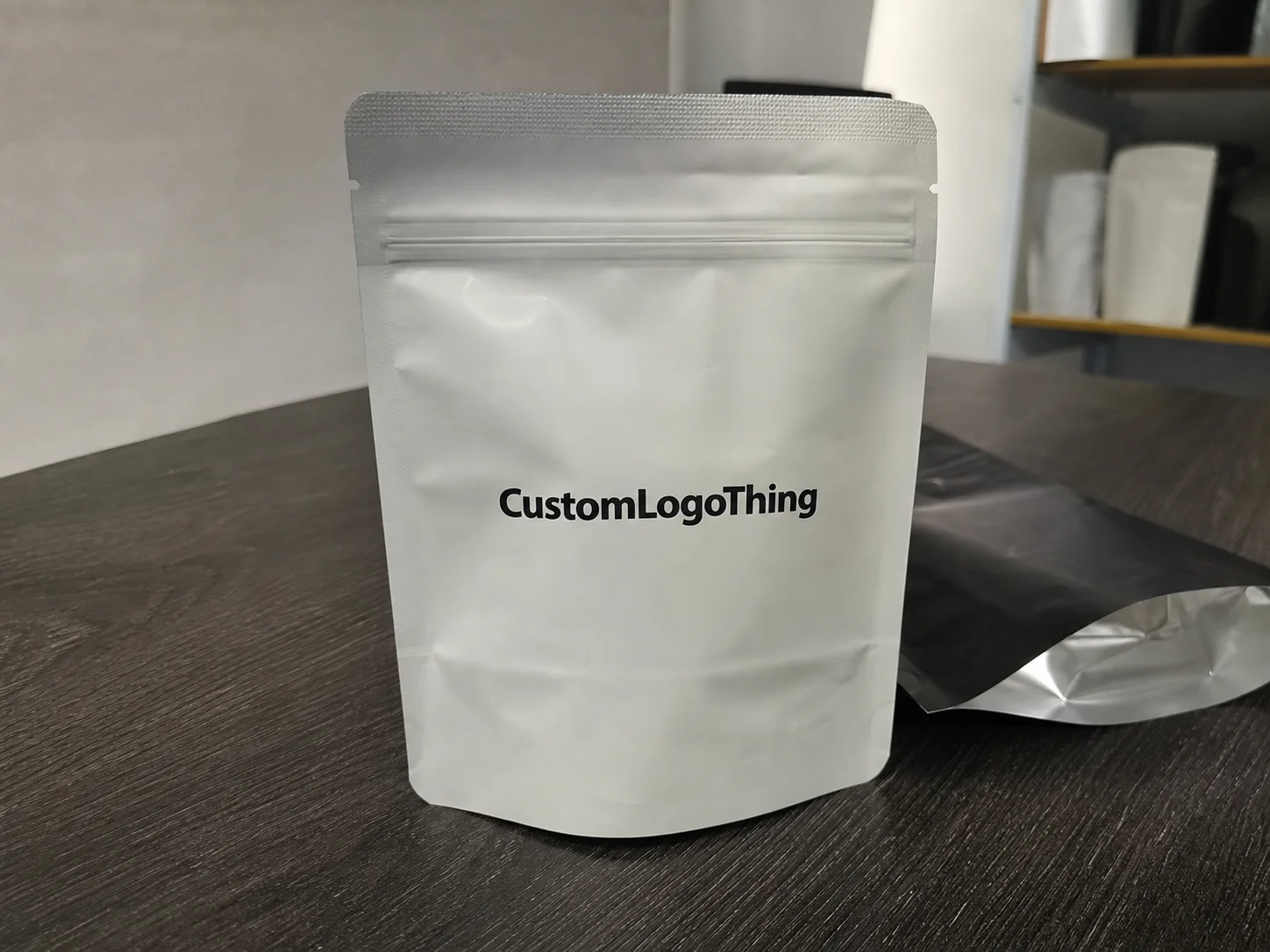
Bulk buying changes the economics in ways that go beyond unit price. The cost per bag usually falls as volume rises, but the more valuable gain is operational: fewer reorders, fewer vendor handoffs, and less risk of packaging drift across SKUs. For brands trying to secure retail approval or fulfill an ecommerce launch quickly, those differences can matter more than a small price gap.
Private label packaging also solves a visibility problem. A plain pouch protects the product, but it does not reinforce the brand or help buyers remember it. Printed or labeled bags support shelf recognition, unboxing, and repeat purchase behavior. That matters in categories where packaging is part of the product story, not just a container.
There is a simple comparison worth keeping in mind. A retailer may overlook a minor price change, but they will notice a bag that opens cleanly, seals reliably, and stacks without sagging. That is the kind of packaging quality that supports a launch instead of complicating it.
For buyers managing several formats at once, consistency becomes even more valuable. If your line includes Custom Packaging Products across multiple materials or sizes, aligning those specs can help the brand feel organized rather than pieced together.
“A good bag doesn’t just hold the product. It helps justify the price.”
Product details that matter before you request samples
Before a sample request goes out, the construction should already be defined. Common zipper pouch options include clear, frosted, matte, and printed finishes. Clear bags are useful when the product itself needs to be visible. Frosted and matte surfaces are often chosen when the brand wants a softer, more premium appearance. Printed formats work well for private label launches where the packaging has to carry most of the branding load.
Material choice matters just as much. Polyethylene is common for lighter-duty applications. Laminated structures are better when presentation, stiffness, or barrier performance is more important. If freshness, odor control, moisture resistance, or longer shelf life is part of the brief, a barrier film may be worth the higher cost. That is especially relevant for snacks, supplements, powders, and small hardware kits that need protection during transit and storage.
The zipper itself deserves attention. A resealable closure should feel secure without requiring excessive force. Too loose and the bag feels unreliable. Too stiff and packing slows down. If a bag will be opened repeatedly, closure durability matters more than glossy graphics.
Branding details should be decided early. Logo placement, front-panel messaging, back copy, hang holes, tear notches, and writable areas all affect how the bag works in retail and in the warehouse. One common mistake is treating the artwork as a separate decision from the packaging structure. It isn’t. A design that looks clean on screen can become awkward if the fill line blocks the logo or if a hang hole interrupts the top panel.
Product category should guide the format. Snacks need different sealing behavior than apparel. Supplements need more reliable barrier performance than accessories. Even a small item, such as jewelry components or a repair kit, may need a different width and zipper style to keep the package neat and easy to use.
Sample first. Every time. A sample reveals fit, seal strength, transparency, print clarity, and how the bag behaves in real handling. It also exposes issues that spec sheets miss: whether the zipper closes cleanly with gloves, whether the surface scuffs in transit, and whether the artwork remains legible under bright store lighting.
For buyers comparing Zipper Packaging Bags Bulk private label options, the sample is the cheapest risk check available.
Size, thickness, and finish specifications buyers should compare
Start with the basics: width, height, gusset depth, thickness, zipper style, and seal type. These details shape fill behavior, stacking, transport durability, and shelf presentation. A bag that is too short makes branding feel cramped. A bag that is too thin can look underbuilt, even if it protects the product adequately.
Thickness changes more than puncture resistance. It also affects stiffness and perceived quality. A thicker bag often feels more premium, but that does not mean every product needs the highest gauge available. For lightweight soft goods or low-risk items, a moderate thickness may be the better balance of cost and function. For anything with sharp edges, irregular shape, or added weight, testing a heavier film is usually justified.
Finish has a stronger influence on retail performance than many teams expect. Clear bags let the product do the selling. Frosted and matte surfaces reduce glare and can make printed copy easier to read under bright lighting. That matters in stores with strong overhead illumination, and it also changes how the bag photographs for ecommerce listings.
Dimensional tolerance deserves written confirmation. Bulk packaging is not custom craft work, and small variation is normal. Still, Buyers Should Know the acceptable range before production starts, especially if the bags will run through filling equipment or need to fit into a display tray. A spec sheet should say what the package must do, not just what it should look like.
Build the specification around the real use case:
- Filling method: manual, semi-auto, or automated
- Shipping conditions: carton packing, palletization, transit distance
- Display format: hanging, standing, flat lay, or shelf stack
- Brand position: value, mass-market, or premium retail packaging
That framework keeps the bag aligned with the product instead of forcing the product to adapt to a convenient size. If you also need coordinating Custom Labels & Tags, it usually makes sense to align both items during the same approval cycle so the visual system stays consistent.
| Finish | Best use | Buyer advantage | Typical tradeoff |
|---|---|---|---|
| Clear | Products that need visibility | Easy product inspection, strong shelf transparency | Less surface space for visual branding |
| Frosted | Retail and lifestyle items | Cleaner premium look, reduced glare | Product is less visible |
| Matte | Premium or design-led SKUs | High-end feel, good print contrast | Can show scuffs if handled roughly |
| Printed | Private label launches | Strong package branding and repeat recognition | Higher setup cost and proofing time |
Cost, pricing, MOQ, and unit cost drivers
Several variables drive the final price: bag size, material thickness, number of print colors, zipper style, special finishes, and order volume. Bigger bags use more film. Thicker constructions use more material. Higher print coverage adds setup time and production complexity. Barrier layers, matte lamination, hang holes, and special closures can also raise the unit cost.
MOQ usually changes with the amount of customization. Plain or lightly customized bags often have lower minimums than fully printed private label runs. That is not just a supplier preference. It reflects setup cost. Once artwork, plates, proofing, and press adjustments are involved, the economics change. A buyer ordering Zipper Packaging Bags Bulk private label with a detailed print layout should expect a different minimum than someone requesting a stock-compatible pouch with a simple mark.
Unit cost does tend to fall as volume rises, but not in a perfectly straight line. The first jump in quantity can produce a meaningful drop, while later increases may flatten out. That is one reason smaller runs can look expensive on paper even if the total purchase is manageable.
Comparing suppliers only works if the specs are identical. Same dimensions. Same film. Same zipper. Same print coverage. Otherwise the lowest quote can be misleading. One quote may exclude freight. Another may assume thinner material. A third may omit carton configuration. Without a common baseline, the numbers are not comparable.
Buyers should also budget for the quiet costs:
- Sampling: sometimes billed separately, sometimes credited later
- Artwork revisions: especially if dielines need correction
- Freight: carton weight and shipping mode can change landed cost
- Packaging materials: inner packs, master cartons, pallet wrap, and labeling
For many teams, landed cost matters more than factory price. A lower unit quote can disappear once freight, revisions, and extra handling are added. That is why transparent quoting matters more than the lowest initial number.
If your organization manages Wholesale Programs across multiple SKUs, packaging cost control becomes a planning issue rather than a one-off purchase. Private label bags can help standardize forecasting, provided the specifications stay disciplined.
For general material and sustainability context, professional buyers often review resources from organizations such as The Packaging School / packaging industry resources and EPA packaging materials guidance.
Process and lead time from artwork to shipped cartons
The standard workflow starts with inquiry and spec confirmation, then moves to artwork proofing, sample approval, production, inspection, and shipment. It sounds tidy. In practice, delays usually happen before the press starts, not during production. A missing dieline, unclear color target, or late layout change can push a shipment back by days or even weeks.
Lead time depends on order size, print complexity, and the factory’s current schedule. Plain runs usually move faster than heavily printed versions. Buyers who approve proofs quickly tend to shorten the schedule. Buyers who change artwork after final proof approval create a new timeline. That is a process issue, not a production mystery.
A practical milestone plan helps keep the order on track:
- Day 1-2: send specs, quantity, and artwork files
- Day 3-5: review quote, confirm MOQ, and request proof
- Day 6-10: review sample or digital proof
- Day 11-15: final approval and production release
- Then: inspection, packing, and shipment booking
That is a planning model, not a promise. Actual timing depends on the order and the number of revision cycles. Still, it gives procurement teams a realistic framework for launch calendars and retail submission deadlines.
Documentation also affects the last mile. Buyers should confirm carton count, inner pack quantity, and final carton labels before production closes. If cartons arrive with the wrong labels, warehouse teams may need to relabel by hand, which adds cost and slows replenishment. Good documentation is part of good packaging.
For buyers with strict transit requirements, suppliers should be able to discuss test protocols such as ISTA transit packaging methods. The goal is not acronym collection. It is to confirm that the bag, carton, and pallet system can survive the route from plant to warehouse. The ISTA site is a useful reference point for that discussion.
How to evaluate a supplier for private label consistency
The best supplier is not automatically the cheapest. It is the one that can repeat color, size, and zipper performance across reorders. Private label work is not a single transaction; it is a chain of orders that need to match. If the second batch looks different from the first, the brand absorbs hidden costs in time, customer confidence, and inventory management.
Ask for sample quality, response speed, proof accuracy, and written confirmation of the final specification. Those four items reveal more than polished sales language ever will. If the supplier is slow to answer simple questions, the production issues will likely move just as slowly. If the proof does not match the quoted spec, that is a warning sign.
Packaging defects are often small but expensive. A weak seal can create returns. Poor registration can make a premium bag look cheap. A zipper that fails too often creates waste at packing benches and frustration in retail. Buyers usually discover those issues only after volume is committed, which is why sample review should never be treated as a formality.
Useful questions to ask:
- Production photos from similar jobs
- QC procedures for print, seal, and zipper checks
- Replacement policy if cartons arrive damaged or off-spec
- Specification sheet confirming dimensions, finish, and material
Trust becomes measurable when the documentation is clear and the answers are consistent. A reliable supplier should be able to support the packaging program with the same discipline expected from custom printed boxes or any other retail-facing format. Repeatability is the real selling point.
Next steps for ordering zipper bags at scale
Before requesting a quote, prepare three things: target size, product weight or contents, and branding artwork. Those details remove most of the back-and-forth that slows down pricing. With the basics ready, it is easier to get usable numbers and avoid revisions that stretch the schedule.
Then ask for samples, MOQ confirmation, lead time, and a landed-cost estimate. Do not stop at the first figure. Ask how freight is handled. Ask whether artwork revisions are included. Ask how cartons are packed and whether the count per carton is fixed. Clear answers matter more than optimistic ones.
For internal review, a short approval checklist keeps the order grounded:
- Dimensions: verified against the product
- Color: matched to brand standards
- Finish: clear, matte, or frosted approved
- Zipper type: function tested by the packaging team
- Carton count: confirmed for warehouse receiving
After that, the sequence is simple: review the sample, approve the proof, lock the production schedule, and confirm shipment details. If the sample performs well, the run becomes an execution task instead of a guessing exercise.
That is the real value of zipper packaging bags bulk private label: fewer surprises, tighter inventory control, and a cleaner retail presentation from the first shipment. For a launch team, that is not decoration. It is an operational advantage.
What is the typical MOQ for zipper packaging bags bulk private label orders?
MOQ depends on bag size, print complexity, and material selection. Plain or lightly customized bags usually have a lower minimum than fully printed private label runs. Ask suppliers to quote MOQ by spec so you can compare real options.
How do I estimate unit cost for private label zipper bags in bulk?
Use the same dimensions, material, and print details across suppliers. Ask for a breakdown that includes setup, printing, packaging, and freight. Unit cost usually drops as volume increases, but artwork and tooling can affect the total.
What lead time should I expect for custom zipper bags?
Lead time changes with order size, print count, and sample approval speed. Artwork revisions and late proof changes are common causes of delay. Fast approvals and clear specs usually shorten the production schedule.
Can I request samples before placing a bulk private label order?
Yes, samples help verify size, seal strength, print quality, and overall feel. Sampling reduces risk before committing to a larger production run. Use the sample to test product fit and shelf presentation.
What information should I send to get an accurate quote for zipper bags?
Send target size, material preference, quantity, artwork files, and any special features. Include product weight or contents so the supplier can recommend the right thickness and zipper style. Clear specs produce faster quotes and fewer revision cycles.


