Buyer Fit Snapshot
| Best fit | Price for Luxury Magnetic Closure Boxes projects where brand print, material claims, artwork control, MOQ, and repeat-order consistency need to be specified before quoting. |
|---|---|
| Quote inputs | Share finished size, material target, print colors, finish, packing count, annual reorder estimate, ship-to region, and any compliance wording. |
| Proofing check | Approve dieline scale, logo placement, barcode or warning zones, color tolerance, closure strength, and carton packing before bulk production. |
| Main risk | Vague material claims, crowded artwork, missing packing details, or unclear freight terms can make a low unit price expensive after revisions. |
Fast answer: Price for Luxury Magnetic Closure Boxes: Board, Finish, Dieline, and Unit Cost should be specified like a repeatable production item. The safest quote records material, print method, finish, artwork proof, packing count, and reorder notes in one written spec.
Production checks before approval
Compare the actual filled-product size with the drawing, then confirm tolerance on folds, seals, hang holes, label areas, and retail display edges. Reserve space for logos, QR codes, warning copy, and material claims before decorative graphics fill the panel.
Quote comparison points
Review material grade, print process, finish, sampling route, tooling charges, carton quantity, and freight assumptions side by side. A quote is only useful when the supplier can repeat the same color, closure quality, and packing count on the next order.
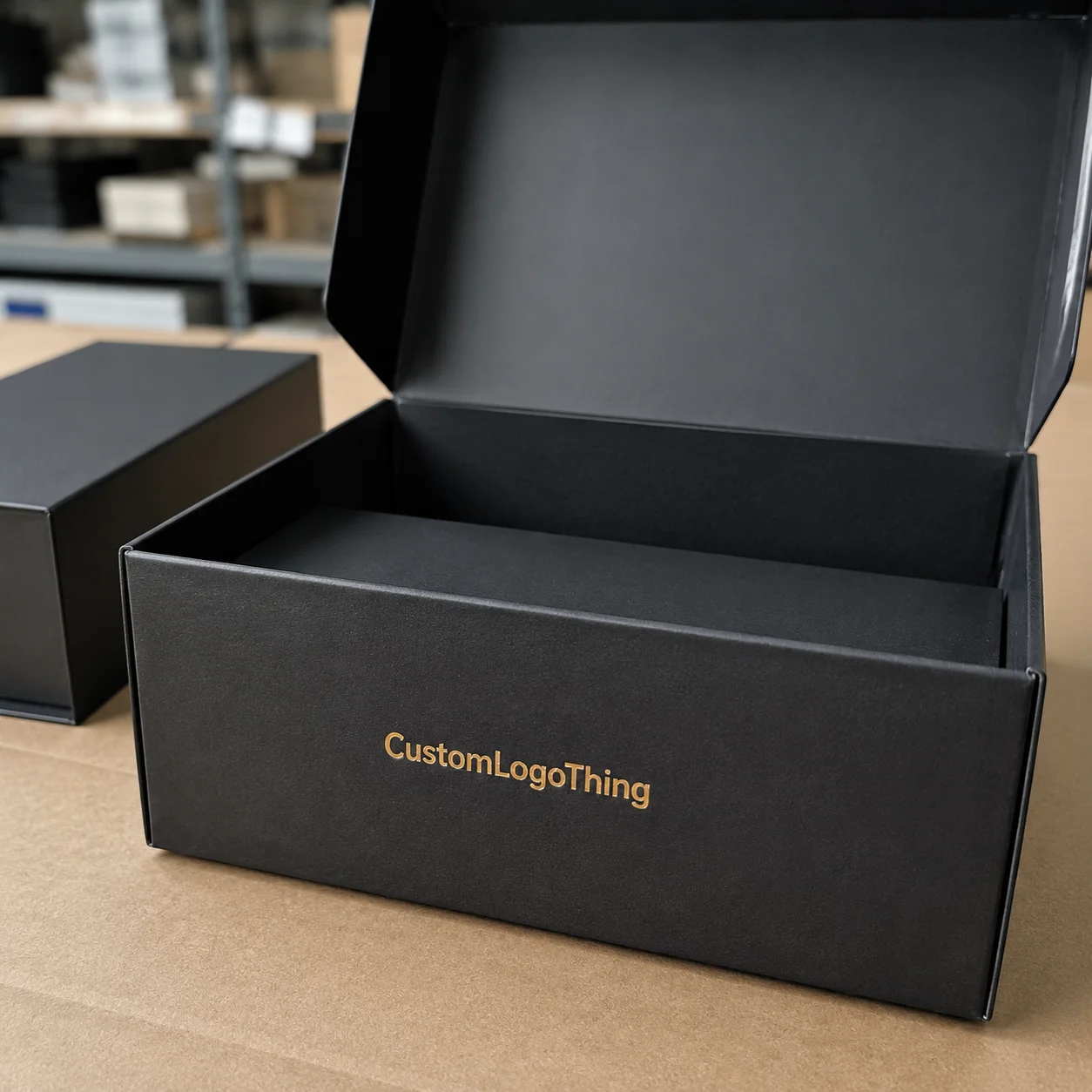
I still remember standing beside a rigid box line in Shenzhen, in a factory district packed with carton plants and laminating shops, watching two magnetic closure samples roll off the same wrapping table within ten minutes of each other. The price for luxury Magnetic Closure Boxes on those two jobs ended up being wildly different, even though they looked almost identical on a retail shelf. One used 1200gsm greyboard, matte art paper, and a simple EVA insert. The other had 2.0 mm board, soft-touch lamination, gold foil, and a custom flocked tray that took more hand work to assemble. That gap is exactly why the price for Luxury Magnetic Closure boxes should never be guessed from size alone.
Honestly, a lot of buyers get misled because the outside appearance hides the real build. A 120 x 120 x 40 mm jewelry box and a 120 x 120 x 40 mm fragrance box can have very different quotes depending on board grade, magnet placement, finish passes, and whether the insert is cut from EVA foam, molded pulp, or 350gsm C1S artboard. If you want a reliable price for luxury magnetic closure boxes, start with structure, materials, and production method. Not just a vague idea of “premium packaging.”
Price for Luxury Magnetic Closure Boxes: What Drives the First Quote
The first quote usually comes from seven basic inputs: dimensions, board thickness, wrap material, print coverage, decorative finish, insert style, and order quantity. I’ve seen buyers send a product photo and ask for a firm price for luxury magnetic closure boxes, then wonder why the numbers vary by 20% or more between vendors. That variation is normal. One supplier may be pricing a 1.5 mm chipboard shell with standard paper wrap, while another is quoting a 2.5 mm rigid build with special lamination and a hand-glued magnetic flap.
Board grade matters more than most people expect. A 1000gsm board might work for a lightweight cosmetic set, but a heavier gift item may need 1400gsm or more to keep the lid square and the hinge line crisp after shipping. The wrap material also shifts the price for luxury magnetic closure boxes. Plain art paper is easier to run than textured specialty paper, and soft-touch laminated wrap usually adds cost because the surface needs extra handling and can show glue marks if the line is not well controlled. In Dongguan and Shenzhen, I’ve seen the same box move from $1.48 to $2.05 per unit just by changing from standard art paper to soft-touch wrap on a 5,000-piece run.
Finishing method is another major driver. Foil stamping, embossing, debossing, spot UV, and edge painting all require additional tooling or extra machine passes. Each one adds labor plus spoilage risk. On one cosmetics project I inspected in Guangzhou, the client wanted black rigid boxes with rose-gold foil, a raised logo, and a magnetic flap that opened with a very specific “snap” feel. The final price for luxury magnetic closure boxes was driven as much by magnet grade and alignment tolerance as by the print itself. That job also needed a 0.8 mm magnet recess and a tighter flap score than the standard line uses.
Hidden details can be expensive. If the magnets are too weak, the lid feels cheap. If they are too strong, the box becomes difficult to open and the board can crease over time. Hinge scoring, hand assembly time, magnet seating depth, and insert fit all show up in the factory labor cost, even if the box looks simple on paper. That is why I always tell clients to request the price for luxury magnetic closure boxes only after they confirm the closure feel, the insert structure, and the artwork coverage. A “simple” lid can still hide 12 separate hand steps.
“Two boxes can share the same outer size and still sit in completely different cost bands because one is built for shelf presence and the other is built for repeatable factory output.”
If you need a serious estimate, send the dieline, finished dimensions, desired quantity, artwork files, product weight, and finish instructions. Without those details, any price for luxury magnetic closure boxes is really just a rough placeholder, not a quote you can take to procurement. I usually ask for the final product carton weight, target delivery city, and whether the client wants proofing in 3D render, printed sample, or full pre-production sample before I trust the numbers.
Luxury Magnetic Closure Box Construction and Materials
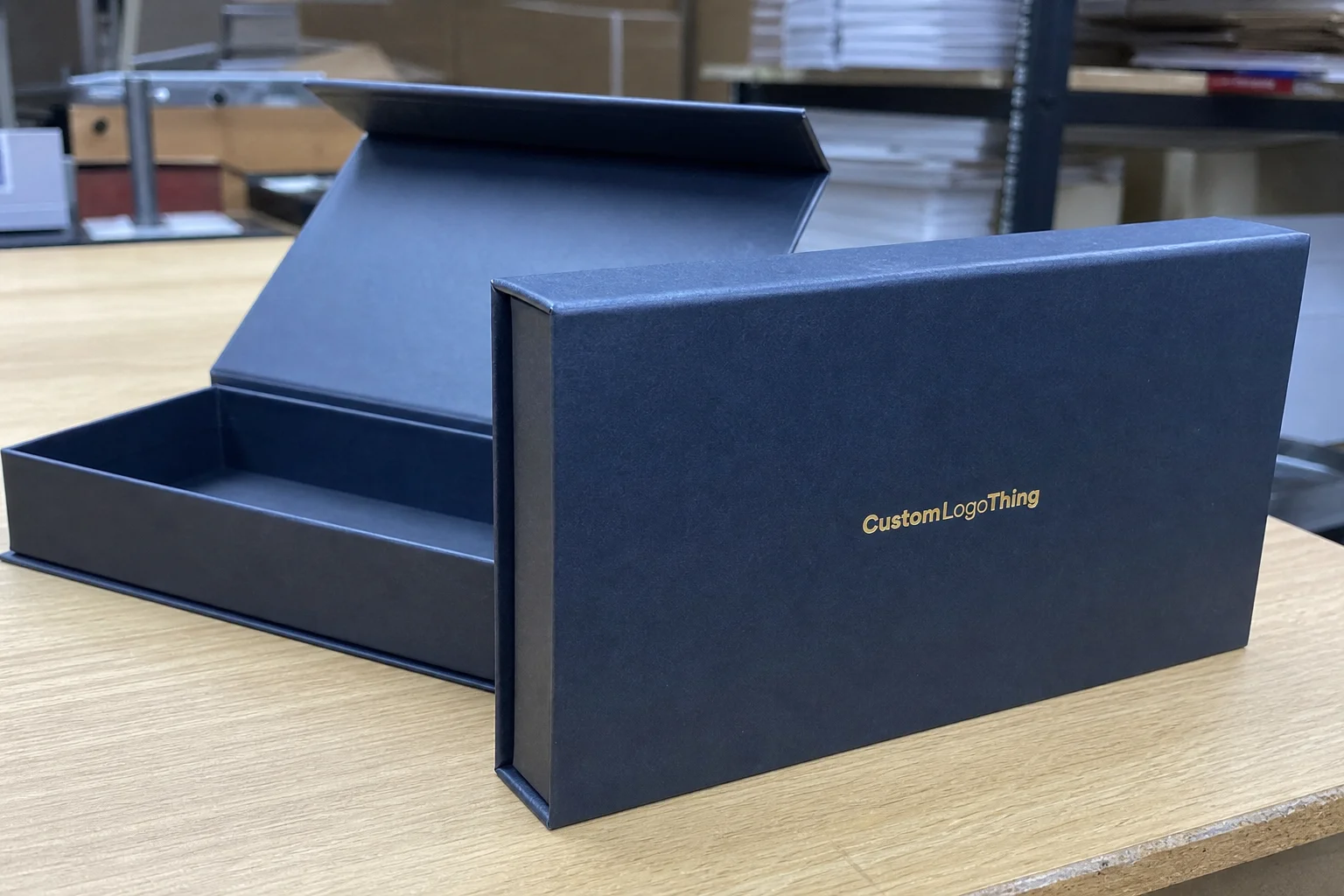
A proper rigid magnetic box is built like a small piece of packaging furniture. The core is usually greyboard or chipboard, then that board is wrapped with printed paper, specialty stock, or laminated art paper, and the magnetic flap is hidden inside the wall or lid so the outside stays clean. In my experience on factory floors in Shenzhen, Dongguan, and Foshan, the difference between a box that feels truly premium and one that feels ordinary is often hidden in the construction detail, not the printed logo.
For wrap materials, buyers usually compare matte art paper, soft-touch laminated paper, textured specialty paper, and FSC-certified stock. Matte art paper is economical and prints cleanly. Soft-touch finishes feel richer in hand, but they add surface cost and can show scuffing if the transport cartons are not packed properly. Textured specialty papers can elevate a fragrance or jewelry presentation, yet they may require slower wrapping speeds, which affects the price for luxury magnetic closure boxes. FSC-certified materials are often requested by brands with environmental goals, and they can be sourced responsibly through suppliers who understand chain-of-custody requirements; for reference, FSC describes its certification system clearly at fsc.org. On a 5,000-piece order, switching from standard coated paper to FSC-certified textured stock can add about $0.12 to $0.28 per unit, depending on the paper mill in Guangdong or Zhejiang.
Internal components matter just as much. EVA foam inserts are common for watches, cosmetics, and small electronics because they can be die-cut precisely and hold shape well. Molded pulp inserts offer a more fiber-based option and can work well for brands that want a less plastic-heavy presentation. Flocked inserts create a jewelry-case look, while satin ribbon pulls add a tactile detail customers remember. Each of these choices affects the price for luxury magnetic closure boxes because each one changes cutting time, glue application, and hand assembly. For example, a basic 1-color paperboard cradle may cost about $0.18 per unit at 10,000 pieces, while a custom EVA insert can add $0.32 to $0.65 per unit depending on cavity count and thickness.
Decoration choices shape the quote, too. Spot UV on a matte black wrap looks dramatic under store lighting, but the setup and registration need careful control. Foil blocking, especially on dark paper, needs good pressure and a clean die. Debossing and embossing add a tactile premium feel, but they can slow line speed if the artwork contains fine lines. Edge painting, which I’ve seen done beautifully on high-end perfume cartons in Guangzhou, can transform a box visually, yet it also introduces another manual finishing stage. When buyers ask for a lower price for luxury magnetic closure boxes, I often suggest simplifying one decorative layer rather than downgrading the structural board. Dropping spot UV and keeping foil alone can save $0.15 to $0.40 per unit on medium-volume runs.
These boxes are used across several premium categories: cosmetics, fragrance, jewelry, premium apparel accessories, corporate gifts, and even small luxury electronics. A fragrance brand may care more about visual drama and shelf impact, while an apparel accessory client might prioritize the opening experience and the insert fit. Either way, the structure must hold up in shipping and retail handling, and standards such as ISTA packaging test methods are useful references for transit planning; ISTA outlines distribution testing principles at ista.org. For export shipments going from Shenzhen to Los Angeles, I usually recommend at least basic drop and compression checks before production release.
If you are comparing packaging options, remember that rigid packaging is only one part of the broader product presentation. For related formats, review Custom Packaging Products and compare other box types and finishing combinations that can support the same brand story at a different cost point. A telescoping rigid box or a drawer box may land at a different price band entirely, especially if the outer dimensions stay close to standard carton sizes used by suppliers in Dongguan.
Price for Luxury Magnetic Closure Boxes by Specification
The price for luxury magnetic closure boxes moves in very predictable ways once the specifications are clear. Bigger boxes need more board and wrap. Thicker board adds material and can increase setup difficulty. Full coverage print requires more ink and more careful wrapping. Inserts, especially custom-cut EVA or flocked trays, raise labor time and sometimes scrap. A box with a plain white interior and no insert will almost always price lower than one with printed interiors, foil accents, and nested trays. For a 200 x 150 x 60 mm box, that difference can easily reach $0.40 to $1.10 per unit at 5,000 pieces.
Here is a practical comparison I often use when advising buyers on the price for luxury magnetic closure boxes. The numbers below are directional, not fixed, because final pricing depends on quantity, artwork complexity, and shipping terms. Still, they help separate real market expectations from vague sales language.
| Build Type | Common Specs | Typical Unit Range | What Drives Cost |
|---|---|---|---|
| Entry-level rigid magnetic box | 1200gsm board, matte art paper, 1-color print, simple paper insert | $1.20–$2.10/unit at 5,000 pcs | Standard structure, limited decoration, low hand labor |
| Mid-tier premium box | 1400gsm board, soft-touch lamination, foil logo, EVA insert | $2.10–$3.80/unit at 5,000 pcs | Lamination, foil tooling, insert die-cutting, higher finish control |
| High-end presentation box | 2.0 mm+ board, specialty wrap, spot UV, embossing, flocked insert | $3.80–$7.00+/unit at 5,000 pcs | Multiple decoration passes, specialty materials, heavier assembly labor |
Those ranges make sense only if the specs line up. I’ve watched buyers compare a simple 300-piece quote to a 10,000-piece quote and assume the supplier is padding margins, when the truth is that setup cost, manual wrapping, and material buying power change the economics completely. If you want the most honest price for luxury magnetic closure boxes, ask every supplier to quote the exact same dieline, same board thickness, same wrap, same insert, and same shipping term. On a matched spec sheet, a factory in Dongguan and a factory in Ningbo should be much closer than a generic “premium box” quote would suggest.
Custom sizing also matters more than many teams expect. A box that fits a standard rigid line dimension may be much cheaper to produce because the factory already has wrapping boards, cutting habits, and insert tooling near that size. A strange size, especially one with a very shallow lid or an oversized flap, can create extra waste during board cutting and paper wrapping, which pushes the price for luxury magnetic closure boxes higher. In one client meeting in Shanghai, a brand wanted a dramatic square box with a very tight magnetic closure. After we reduced the lid height by 3 mm and adjusted the flap score, the project became easier to run and the quote moved down by about $0.22 per unit on a 3,000-piece order.
Print coverage changes labor and waste as well. Full-bleed artwork is beautiful, but it requires careful paper matching so seams do not show in the final wrap. Printing inside the lid can increase both ink and handling time, particularly if the interior also needs registration with a logo or pattern. Multi-color decoration usually raises the price for luxury magnetic closure boxes because each added color means more press setup and more inspection points. A single-color logo on 157gsm coated paper will always be cheaper than a four-color full-wrap design with inside print and metallic accents.
If you are trying to compare offers, ask suppliers to state whether the quote includes board, wrap, magnets, insert, proofing, and shipping. Some quotes look low because they exclude one or two of those items, and that creates confusion later. A fair price for luxury magnetic closure boxes should be broken down clearly enough that you can see where the value sits. I like line-item quotes because they expose whether the supplier is pricing a real build or just tossing out a number to win the inquiry.
Pricing, MOQ, and What Affects Your Per-Unit Cost
Minimum order quantity is one of the biggest levers in the price for luxury magnetic closure boxes. The reason is simple: setup labor does not scale linearly. A machine operator still needs to calibrate the cutting dies, magnets still need to be seated, the wrap line still needs to be set up, and quality control still has to inspect the first pieces whether you order 300 or 30,000. At lower volumes, that fixed labor gets spread over fewer units, so the per-unit price rises.
In practical terms, smaller runs often sit in a higher cost band because factories cannot recover prep time quickly. Mid-size orders usually bring the best balance between price and flexibility, and larger production lots benefit from material purchasing efficiency and steadier line speed. For many brands, the price for luxury magnetic closure boxes becomes much more attractive once they move from test quantities into real launch volumes. I’ve seen a 1,000-piece order price at nearly double the unit cost of a 10,000-piece order with the same materials, simply because the setup burden was being absorbed by fewer boxes. A run of 500 pieces in Guangdong may land at $2.90 per unit, while 5,000 pieces of the same spec can drop closer to $1.65.
Shipping terms also change how the quote appears. FOB means the seller prices goods to the port, EXW means the buyer handles pickup from the factory, and delivered pricing includes more of the logistics burden in the quote. Two suppliers can offer the same box build and still look different on paper because one is quoting EXW and the other is quoting delivered terms. That is why you should always compare the price for luxury magnetic closure boxes on the same basis before judging which offer is actually better. A quote from Shenzhen EXW and a quote from FOB Yantian are not the same number, even if the box looks identical.
Custom inserts, specialty inks, and multiple decoration passes may also influence MOQ. A simple paperboard divider can often be run in lower quantities than a highly engineered EVA insert with multiple cavities and precise product recesses. If a box includes gold foil, spot UV, and an insert that requires a separate cutting tool, the factory may ask for a higher MOQ or a higher unit price to keep the job viable. That is not a sign of poor pricing; it is a sign the line is being protected from inefficient short runs. On a box with a flocked tray and magnetic flap, I have seen MOQ move from 1,000 pieces to 3,000 pieces just because the tooling and handwork were too heavy for a tiny run.
Here is the mistake I see most often: buyers compare quotes without confirming whether the quotes are based on identical specs. One quote includes a ribbon pull, another does not. One includes a 2.0 mm board, another uses 1.5 mm. One is quoted with inner print and custom foam, another is not. The result is a misleading discussion about the price for luxury magnetic closure boxes that has nothing to do with real factory cost. Compare apples to apples, or the numbers will not help you. Better yet, ask suppliers to confirm board grade, wrap stock, magnet size, and insert method in writing before you compare anything.
If your product is heavy, fragile, or unusually shaped, I recommend asking for a structural sample before production. A sample may add time up front, but it protects you from rework, closure issues, and insert fit problems later. In many packaging programs I’ve overseen, one pre-production sample saved a full run from an expensive mistake on the magnet placement. That sort of check is worth far more than trying to shave a few cents off the initial price for luxury magnetic closure boxes. I would rather pay $35 for a sample in Shenzhen than scrap 2,000 finished boxes because the lid sat crooked by 2 mm.
From Artwork to Delivery: Process and Timeline
The workflow for custom rigid packaging is straightforward, but each stage matters. It usually starts with inquiry and spec review, then moves to quote, dieline creation, artwork proofing, sample approval, production, inspection, and shipping. When a client gives complete information early, the project moves in a clean line. When they send partial artwork or keep changing the insert layout, the whole schedule stretches out and the price for luxury magnetic closure boxes may also change because of extra revisions. A clean project in Dongguan may move from brief to proof in 2-3 business days, while a messy one can burn through a week before the first file is even approved.
Lead time depends on three main things: tooling readiness, finish complexity, and factory workload. A standard rigid magnetic box with a straightforward print finish can often be produced faster than a box with embossing, foil, spot UV, and a custom tray. Seasonal loading matters too. If a plant is already busy with holiday gift packaging, even a well-planned order can slow slightly because die-cut and wrapping lines are booked. That is one reason I always caution buyers not to assume every price for luxury magnetic closure boxes comes with the same timeline. A typical production window is 12-15 business days from proof approval for a standard build, and 18-25 business days for a more decorated box with special inserts.
A physical sample or pre-production prototype is one of the most useful checkpoints in the process. It lets you confirm magnet placement, lid alignment, closure feel, and insert fit before the full run begins. If a sample closes with too much resistance, the magnet strength can be adjusted. If the lid sits proud on one side, the score or board dimension can be corrected. That kind of review is especially valuable for premium cosmetics and fragrance work, where the opening experience is part of the product itself. In my notebook from a factory visit in Shenzhen, one 2.5 mm box needed a 1 mm score adjustment and a 0.5 mm magnet repositioning before it passed approval.
Delays usually happen in a few predictable places. Artwork revisions are one. PMS color matching is another, especially when a brand wants a very specific black, metallic tone, or deep matte shade. Final approval delays can also stall the project, because production should not start until the client signs off on the proof or sample. I’ve seen a perfectly planned job slip by more than a week because the brand team kept asking for slight logo movement after the dieline had already been approved. That delay did not just affect timing; it changed the practical price for luxury magnetic closure boxes because the factory had to hold material and reschedule line time.
Typical timelines vary by structure. A simple rigid magnetic box may move from approved proof to shipping within a practical factory window if the schedule is open and the quantities are reasonable. More customized builds, especially those with multiple finishes or hard-to-source wrap materials, need longer. If you need exact timing, ask for a schedule from proof approval rather than from the first inquiry, because that is the point where the process becomes measurable instead of theoretical. For export shipments from Shenzhen to the U.S. West Coast, sea freight can add 18-24 days after loading, while air freight may cut transit to 3-7 days depending on the route.
Why Custom Logo Things Is a Smart Source for Luxury Rigid Boxes
Custom Logo Things is a stronger partner when you need clarity on the price for luxury magnetic closure boxes because direct manufacturing knowledge changes the quality of the conversation. A reseller can repeat a number, but a team that understands rigid board cutting, magnet insertion, wrap tension, and assembly tolerances can tell you why a quote sits where it does and which specification changes will actually move the cost. That matters when a $0.20 change per unit turns into a $2,000 swing on a 10,000-piece order.
That factory-floor perspective matters. I’ve seen jobs where the magnet line was set a fraction of a millimeter off, and the lid had a faint pull to one side that only showed once the box reached stack height in cartons. I’ve also seen a beautiful soft-touch wrap ruined by poor adhesive control, which left ripple marks along the edges. Those problems are expensive to fix after production starts, and working with a team that understands the production sequence helps protect both the box quality and the price for luxury magnetic closure boxes. A plant in Dongguan that checks magnet pull before wrapping is worth far more than a nice website and a vague promise.
Clearer pricing communication is another benefit. When a supplier understands the difference between an EVA insert and a paperboard cradle, or between a simple matte wrap and a full soft-touch laminated build, the quote breakdown is far more useful. That makes it easier to compare options and decide whether to prioritize finish, insert engineering, or box structure. It also means fewer surprises after order placement, which is exactly what most procurement teams want. I like when a supplier states things plainly, like “1.5 mm greyboard, 157gsm art paper, matte lamination, EVA insert, no spot UV, 12-15 business days after approval.” That is a quote I can actually use.
There is also real value in having guidance on branding presentation. A premium rigid box has to do more than hold a product; it has to support retail shelf presence, giftability, and the unboxing sequence. Custom Logo Things can help align custom dimensions, logo placement, insert engineering, and finishing decisions so the packaging feels consistent with the product’s retail position. If you are planning a broader packaging program, you can also explore Custom Packaging Products to compare rigid formats with other package styles that may fit part of your line. A fragrance launch in Paris, a jewelry rollout in New York, and a corporate gift kit in Singapore will not need the exact same box structure, even if they all want the same premium look.
In short, you are not just buying a box. You are buying a controlled manufacturing process that should produce a consistent closure, a clean exterior, and a presentation that matches the value of the product inside. That is where the real return sits, even before you calculate the price for luxury magnetic closure boxes themselves. A polished box can raise perceived product value by far more than a few cents per unit if the execution is clean.
How to Request an Accurate Quote and Next Steps
If you want a serious quote, gather the right data first. The more exact the brief, the more reliable the price for luxury magnetic closure boxes will be. I recommend sending a specification sheet that includes the finished dimensions, board thickness, quantity, product weight, insert type, print coverage, finishing requirements, and the shipping destination. If you already have artwork, include editable files or high-resolution PDFs so the factory can confirm logo placement and color needs. I also ask for the target market, because a box shipping to Milan may need different carton protection than one going to Dubai.
Here is the checklist I usually give clients before quote requests go out:
- Finished box size in millimeters or inches
- Order quantity for the first run and any future forecast
- Board thickness preference, such as 1.5 mm, 2.0 mm, or 2.5 mm
- Wrap material choice, including matte, soft-touch, textured, or FSC-certified stock
- Decoration details such as foil, embossing, debossing, or spot UV
- Insert type such as EVA foam, molded pulp, paperboard, or flocked tray
- Artwork files and any PMS color references
- Shipping terms and delivery address
Ask for a sample if the product is valuable, fragile, or awkwardly shaped. That step matters more than people think, because it confirms magnet placement, product fit, and lid feel before the full run begins. A 3 mm adjustment on an insert cavity can save a lot of frustration later. It can also keep the final price for luxury magnetic closure boxes from creeping upward because of rework, remakes, or rush adjustments. I would rather catch a fit issue on one sample in Shenzhen than find it in 4,000 finished cartons sitting in a warehouse.
You should also compare not just the unit price, but the whole package: sample cost, production cost, inspection standard, lead time, and delivery terms. A quote that looks cheaper on the surface may be missing freight, tooling, or an insert detail that will appear later as an extra charge. The cleanest approach is to confirm one final spec sheet and request that every vendor quote against that same document. That keeps the price for luxury magnetic closure boxes honest and comparable. If one factory quotes $1.72 EXW and another quotes $1.95 FOB, You Need to Know what is actually inside those numbers.
Once your specs are fixed, move from rough estimates to a formal request. The fastest way to get a dependable number is to send the exact box size, desired finish, insert structure, quantity, and destination in one message, then ask for a line-item breakdown. That is the point where the conversation becomes practical, and the price for luxury magnetic closure boxes becomes a decision-making tool instead of a guess. A clear brief from a brand in Chicago, Berlin, or Singapore will always get a better answer than “need premium box, please quote.”
FAQ
What affects the price for luxury magnetic closure boxes the most?
Board thickness and wrap material usually have the biggest effect on the price for luxury magnetic closure boxes. After that, foil stamping, embossing, soft-touch lamination, and custom inserts add labor and setup cost. Higher quantities usually lower the unit price, while very small runs often stay expensive because setup time has to be spread over fewer boxes. On a 5,000-piece run, changing from 1.5 mm board to 2.0 mm board can add roughly $0.10 to $0.25 per unit, depending on the factory in Guangdong.
Can I get a lower price for luxury magnetic closure boxes without lowering quality?
Yes, and I’ve seen clients do it by simplifying the finish, choosing a standard wrap, or reducing insert complexity. Keeping the size close to a standard rigid box format can also lower setup cost. In many cases, ordering a higher quantity lowers the price for luxury magnetic closure boxes more effectively than changing board quality. For example, moving from 1,000 pieces to 5,000 pieces can drop the unit price by $0.40 or more on the same build in Shenzhen.
What is the usual MOQ for luxury magnetic closure boxes?
MOQ depends on size, decoration, and insert requirements. Standard builds can often be produced at lower MOQ than highly customized boxes with special finishes or engineered foam inserts. Ask for a quote based on your exact spec, because MOQ is tied directly to the production complexity behind the price for luxury magnetic closure boxes. A plain matte box may run at 500 pieces, while a flocked, foil-stamped version may need 1,000 to 3,000 pieces to be cost-effective.
How long does production take after I approve the sample?
Lead time depends on quantity, finish complexity, and current factory workload. Simple rigid box runs usually move faster than boxes with multiple decoration steps or custom inserts. Approval delays on artwork or samples are one of the most common timeline setbacks, and they can affect the final price for luxury magnetic closure boxes if the factory has to hold materials or reschedule production. A typical schedule is 12-15 business days from proof approval for a standard box and 18-25 business days for a more decorated build.
What details should I send to get an accurate quote for luxury magnetic closure boxes?
Send dimensions, quantity, product weight, insert needs, finish preferences, artwork files, and shipping destination. Include preferred delivery terms as well, so the quote is comparable across suppliers. A clear spec sheet helps avoid pricing surprises and production revisions, which is the best way to get a dependable price for luxury magnetic closure boxes. If you can, add the target box opening direction and any magnet strength preference so the factory can quote the real build, not a placeholder.
After spending years around rigid box lines in Shenzhen, Dongguan, and Guangzhou, I can say this plainly: the smartest buyers do not chase the lowest number first, they chase the clearest specification first, because clarity is what reveals the real price for luxury magnetic closure boxes. If you are ready to move from rough estimates to a factory-based quote, send your dimensions, quantity, finish choices, and insert requirements, and you will get a far more useful answer than a generic price range ever could. That is how you avoid cheap-looking surprises and expensive rework.