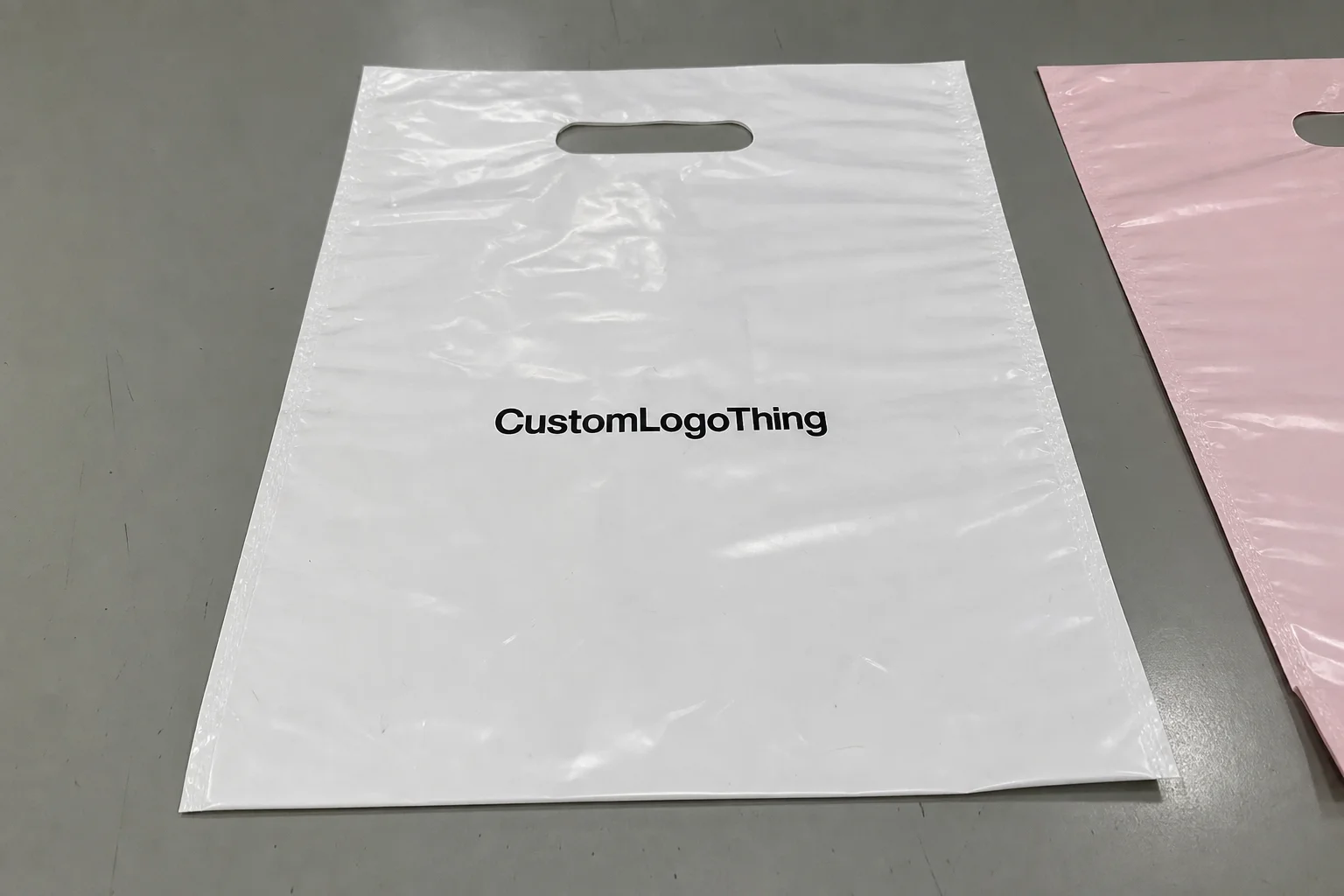
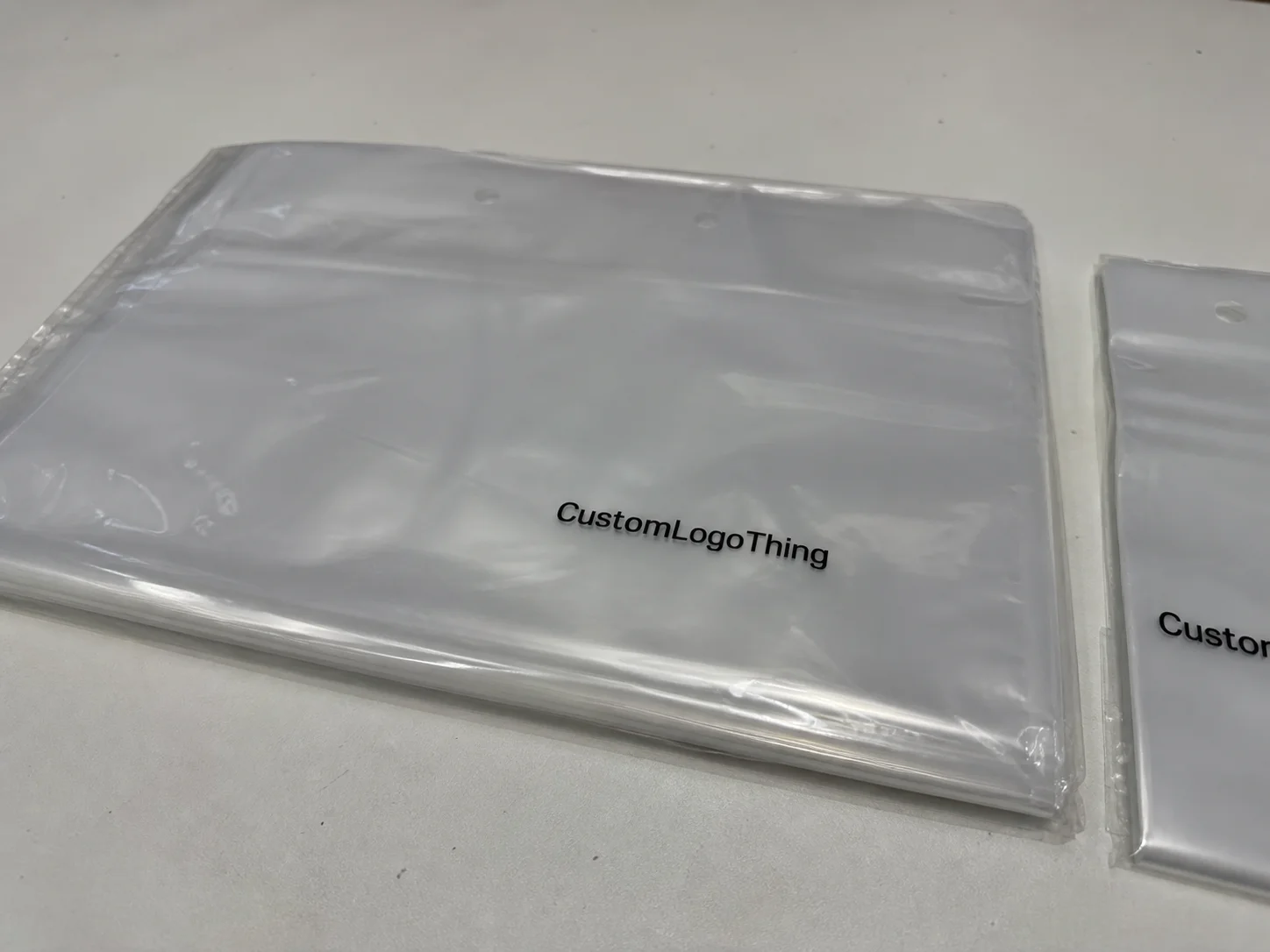
Buyer Fit Snapshot
| Best fit | Price of Biodegradable Packing Tape projects where brand print, material claims, artwork control, MOQ, and repeat-order consistency need to be specified before quoting. |
|---|---|
| Quote inputs | Share finished size, material target, print colors, finish, packing count, annual reorder estimate, ship-to region, and any compliance wording. |
| Proofing check | Approve dieline scale, logo placement, barcode or warning zones, color tolerance, closure strength, and carton packing before bulk production. |
| Main risk | Vague material claims, crowded artwork, missing packing details, or unclear freight terms can make a low unit price expensive after revisions. |
Fast answer: Price of Biodegradable Packing Tape: Material, Print, Proofing, and Reorder Risk should be specified like a repeatable production item. The safest quote records material, print method, finish, artwork proof, packing count, and reorder notes in one written spec.
Production checks before approval
Compare the actual filled-product size with the drawing, then confirm tolerance on folds, seals, hang holes, label areas, and retail display edges. Reserve space for logos, QR codes, warning copy, and material claims before decorative graphics fill the panel.
Quote comparison points
Review material grade, print process, finish, sampling route, tooling charges, carton quantity, and freight assumptions side by side. A quote is only useful when the supplier can repeat the same color, closure quality, and packing count on the next order.
The price of biodegradable packing tape can look simple on paper, yet I have stood on a carton-sealing line in Shenzhen and watched two rolls that were nearly twins behave like completely different products. One rolled cleanly through a hand dispenser, the other snagged just enough to slow the crew down, and that small difference mattered more than the logo on the carton. A line supervisor in Longhua once switched from a thinner sample to a slightly heavier 60 micron spec and cut reseals by 18% across a 600-carton shift, which told me more about real value than any polished brochure ever could. I still trust that kind of floor test a lot more than a tidy sales deck.
If you are buying for a shipping room, a retail fulfillment center, or a contract packer, the real question is not just what one roll costs. The sharper question is how many cartons you can seal cleanly, quickly, and without failures using that roll, because the price of biodegradable packing tape only makes sense once you measure cost per sealed carton rather than cost per roll. I have watched teams get excited about a low sticker price, then quietly lose that savings one jam, one lifted seam, and one frustrated supervisor at a time, which is a miserable way to spend a Tuesday on a 2,000-box shift.
That is the lens I use on factory floors from Dongguan to Xiamen, and it has saved more than one procurement team from choosing the cheapest option that slowed the crew down. A tape that splits early, lifts on recycled board, or leaves sticky residue on a hand dispenser may look inexpensive, but it can quietly push labor cost, waste, and rework upward across every shift. I have seen packing leads stare at a bad roll like it personally offended them, and honestly, I get it.
Why can the price of biodegradable packing tape surprise buyers?
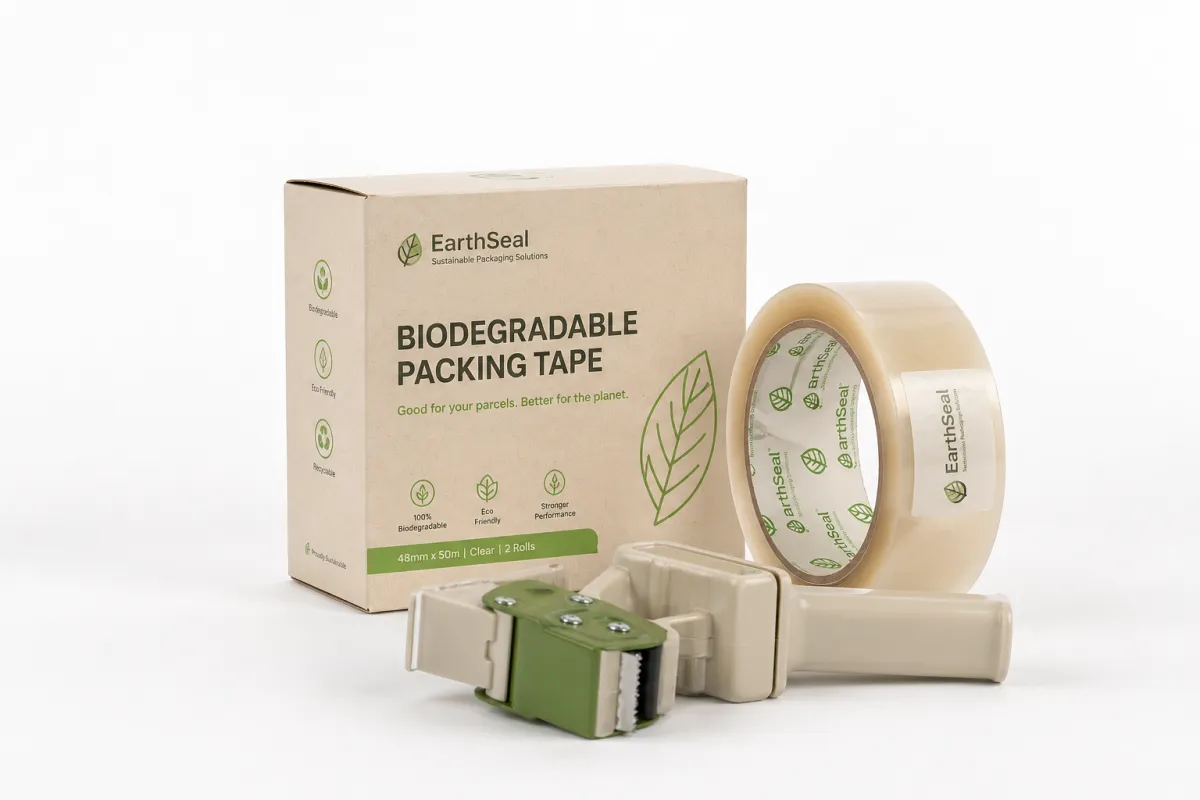
The first surprise is that the roll in your hand is only the final result of several inputs: base material, adhesive chemistry, coating method, unwind control, slitting accuracy, and final packaging. On a warm afternoon in a converter's plant near Foshan, I once compared two 48 mm rolls side by side; both looked clean, but one ran at 0.8 meters per second with a smooth edge while the other caught on the dispenser blade, and that difference showed up immediately in the price of biodegradable packing tape because the better roll needed tighter process control. I remember thinking, a bit irritably, that the cheaper roll was costing us more in attention than it saved in cash.
Buyers also pay for width, length, and the way the tape behaves in real conditions. A 48 mm by 50 m roll is not the same product as a 48 mm by 100 m roll, even if both use the same base material, and a supplier quoting the price of biodegradable packing tape will usually factor in core size, carton pack quantity, and whether the roll must run cleanly on a hand dispenser or an automatic case sealer. If those details are fuzzy, the quote usually is too, and then the office is left reconciling assumptions with a shipment already on the truck.
The cheapest roll can become the most expensive choice once a packing crew hits a humid dock in Guangzhou, a cold-storage lane in Suzhou, or a recycled corrugated carton with a dusty flute surface. I have seen warehouse teams lose 20 to 30 minutes per shift because low-tack tape would not hold on double-wall cartons, and those minutes cost more than the difference in the price of biodegradable packing tape by the third day of production. That is the sort of math procurement does not always see on the first pass, but the floor sees it right away.
“We saved less on the tape than we spent on labor when the first shipment failed on the carton line,” a procurement manager told me during a plant review in Dongguan, after we switched them from a thin sample to a stronger 60 micron spec with better unwind control.
The core buying lens is straightforward: calculate total cost per sealed carton. If a roll priced 12% higher reduces split seams, dispenser jams, and taped-over rework, it often wins. That is why the price of biodegradable packing tape should be judged alongside line speed, sealing reliability, and carton damage rates instead of in isolation. I know that sounds almost too practical to be exciting, but shipping departments rarely get paid for excitement anyway.
Catalog photos can mislead buyers. Two products may both be labeled biodegradable, yet one may be a paper-based tape with a natural rubber adhesive while another is a bio-based film with a different coating structure and a 3 inch core. The price of biodegradable packing tape reflects those construction differences, and those differences matter the moment the tape touches a dusty mailer or a 20-kilo RSC carton. I have opened enough sample boxes to know that a nice-looking roll can still act like a grumpy little mule on a live line.
Price of biodegradable packing tape: what drives cost
Start with the backing material. Paper-based biodegradable tape usually sits in a different cost bracket than bio-based plastic alternatives because paper needs a different coating line, different dimensional control, and sometimes different release behavior during slitting. In my experience, the price of biodegradable packing tape for paper-based construction can rise when the paper stock is FSC-certified, thicker than 90 gsm, or designed for hand tearability without added fibers. I personally like hand-tear versions for certain teams because they save time, though I have also seen operators get a little too enthusiastic and tear the strip at a crooked angle, which is weirdly common on a Monday morning at 7:15 a.m.
Adhesive type matters just as much. Natural rubber adhesives often bond aggressively and feel familiar to operators, while water-based acrylic systems can be cleaner in some applications but may need more cure control or a more exact coat weight. On a supplier visit near Ningbo, I watched a coating operator hold temperature within a narrow band because a 2 to 3 gsm shift in coat weight changed peel behavior, and that kind of production discipline shows up in the price of biodegradable packing tape. When someone says, “It is just tape,” I usually have to bite my tongue a little, because there is a lot happening in that thin strip of material.
Thickness, print, and finish also move pricing. A plain unprinted 45 micron bio-based film is usually easier to produce than a custom-printed 2-color roll with registered graphics and a matte finish, and the extra setup time can add a noticeable premium. For buyers comparing the price of biodegradable packing tape, the practical question is whether branding is needed on every roll or only on select outer cartons for retail presentation, especially if the outer carton is a 350gsm C1S artboard sleeve used for sample presentation. I have seen brand teams fall in love with a beautiful printed roll, then realize they only needed it on the outer packaging anyway, which is a better place to spend money if the goal is to spend it once.
Order volume is a major lever. A run of 500 rolls may carry a much higher unit cost than a run of 10,000 rolls because machine setup, trimming, sampling, and packaging time are spread over fewer units. That is one reason the price of biodegradable packing tape can fall sharply once a buyer moves from trial lots into steady replenishment, especially if the width and adhesive stay unchanged. Small orders are useful, of course, but the factory still has to wake the line up, tune it, and then calm it back down again.
Lead time changes cost too. Rush production, holiday backlog, or special raw material sourcing can add fees, and those fees are not arbitrary. A factory that must reserve a coating window, hold a specific adhesive batch, and schedule an extra QC check in Ningbo or Xiamen will quote the work differently than a stock item sitting on the shelf, so the price of biodegradable packing tape should always be read together with the delivery date. I have lost count of how many buyers ask for “just a little faster” as if it were a small favor, when the production schedule is already pinned to the wall like a crime board.
| Option | Typical construction | Relative price level | Best use |
|---|---|---|---|
| Paper-based biodegradable tape | FSC-certified kraft or white paper, 60 to 90 gsm, natural rubber or water-based adhesive | Medium to high | Retail cartons, branded mailers, hand tear applications |
| Bio-based plastic tape | Bio-derived film, 45 to 60 micron backing, pressure-sensitive adhesive | Medium | General shipping, moderate load cartons, dispenser use |
| Economy biodegradable spec | Thinner backing, basic finish, stock roll size, standard 3 inch core | Lower | Light parcels, testing, short-term promotional shipping |
| Custom printed biodegradable tape | Custom graphics, tighter color matching, special roll build, proofed artwork | Higher | Branding, retail presentation, controlled logistics programs |
That table is only a starting point, because the real spread depends on thickness, adhesive weight, and the tolerance stack of the converting line. A 50 mm roll with a 65 micron backing and a premium adhesive can cost materially more than a 48 mm economy roll even if both are biodegradable, and that is why the price of biodegradable packing tape should never be compared by one line item alone. I have learned the hard way that the smallest-looking spec difference can turn into the biggest headache on the floor.
If you want an external benchmark on packaging standards and transport testing, I often point buyers to the International Safe Transit Association and the FSC system for paper sourcing. Their guidance helps procurement teams ask better questions about performance and chain-of-custody details: ISTA and FSC.
Product details that affect everyday performance
A packing tape spec only matters if it performs on the cartons your team actually uses. In a distribution center handling 32 ECT single-wall boxes in Shanghai, moderate tack can be enough; on heavy 44 ECT double-wall cartons in Shenzhen, you may need stronger adhesion and better initial grab. The price of biodegradable packing tape rises or falls based on whether the tape must survive cold rooms, humid docks, or dusty recycled-board surfaces without edge lift. I have always said that if a tape cannot survive a slightly messy dock door, it does not really matter how noble the brochure sounds.
Adhesion is only one piece of the picture. Tensile strength matters when the tape is pulled tight across a box seam, hand-tearability matters when operators use manual pack stations, and unwind noise matters in rooms with 20 or 30 active stations because nobody wants a sharp ripping sound every 10 seconds. I have stood on a packing floor where a louder roll slowed a team simply because workers began overhandling the dispenser, and that practical detail is part of the price of biodegradable packing tape conversation even if it never appears on the quote. There is something oddly tiring about a tape that sounds angry every time someone pulls it.
There is also a difference between a tape that is technically biodegradable and one that is genuinely practical in distribution. A product can carry an environmental claim and still fail a rough transit profile if the adhesive is not matched to the board grade, humidity level, or storage time. That is why I always tell clients to request sample rolls and test them on their own cartons before judging the price of biodegradable packing tape by appearance alone. I have seen a gorgeous sample roll fail so quickly it deserved a tiny apology.
Compatibility with equipment matters too. If a buyer uses a hand dispenser, the tape needs clean unwind and easy blade release; if the site uses an automatic applicator, roll geometry, core consistency, and splice quality become critical. The same roll can feel excellent in one setting and troublesome in another, and that is one more reason the price of biodegradable packing tape is tied to use case rather than just material family. A buyer who skips that detail usually finds out during the first hectic shift, which is never the ideal moment to discover a mismatch.
“The sample looked fine in the office, but the real test was the 4 a.m. line start on cold cartons,” a plant manager told me after we ran a 90-minute shift trial with 120 cartons and checked peel after 30 minutes and again after 24 hours.
Here is a practical way to think about it. If your team ships 800 cartons a day and each failed seal costs even 20 seconds of rework, the labor impact can be significant by week's end. That is why experienced buyers compare the price of biodegradable packing tape against sealing speed, failure rate, and the number of cartons handled per operator hour. Numbers like that have a way of cutting through wishful thinking faster than any sales pitch ever could.
For buyers in regulated or brand-sensitive programs, appearance can matter as much as performance. Kraft mailers, recycled corrugated cartons, and printed retail boxes all respond differently to surface texture and adhesive spread, so the tape spec should fit the package, not the other way around. The smartest use of the price of biodegradable packing tape is to select the lowest-cost spec that still passes your own carton test without adding labor or returns. That might sound boring, but boring is lovely when shipments are moving on time.
Specifications buyers should compare before requesting a quote
A serious quote request should include width, length, thickness, adhesive type, substrate, color, print option, core diameter, and carton pack quantity. If you send only “biodegradable tape needed,” the supplier must guess at the structure, and the price of biodegradable packing tape will come back as a broad estimate instead of a usable offer. I have been on both sides of that email thread, and the fuzzy version usually produces the fuzzy answer.
I tell customers to ask for technical data sheets and sample rolls every time. A catalog blurb can say “strong adhesion,” but a datasheet may show peel strength, tensile values, and temperature limits that matter on the floor. When I worked with a specialty foods client in Suzhou, we tested two 48 mm samples against the same 20-kilo carton, and one failed after a 2-hour cold hold while the other held cleanly; that trial changed the price of biodegradable packing tape decision immediately because the better tape prevented spoilage risk. Nothing focuses a buying team faster than the possibility of a spoiled shipment.
Specification fields worth comparing side by side
Use a simple checklist before you request a final quote. If you compare six to eight fields consistently, the price of biodegradable packing tape becomes much easier to interpret across suppliers and regions. It also keeps conversations from drifting into vague compliments about a roll's “nice feel,” which, while charming, is not exactly a procurement metric.
- Width: 24 mm, 36 mm, 48 mm, or custom widths for specialized applications.
- Length: 50 m, 66 m, 100 m, or longer for lower changeover frequency.
- Thickness: paper gsm or film micron, plus adhesive coat weight.
- Adhesive type: natural rubber, water-based acrylic, or other specified system.
- Substrate: paper backing, bio-based film, or blended construction.
- Color and print: plain, kraft tone, white, or branded artwork.
- Core diameter: commonly 3 inch, but confirm the dispenser fit.
- Pack quantity: rolls per carton and cartons per pallet.
Shipping environment should be part of the spec, not an afterthought. A tape that works in a dry warehouse at 22 C may behave differently in a humid port facility in Guangzhou or a refrigerated outbound lane in Qingdao, and that difference can change the price of biodegradable packing tape because the adhesive or backing may need a higher-performance formulation. I have seen humidity do strange things to otherwise respectable materials, which is a polite way of saying it can make a packing line grumpy.
Compliance language deserves careful reading. Ask what “biodegradable” means in the supplier's documentation, whether the claim applies to the backing, the adhesive, or the full finished roll, and whether any third-party testing is available. I have seen buyers surprised by a mismatch between marketing language and technical paperwork, so I prefer to confirm these details before discussing the price of biodegradable packing tape in earnest. A neat claim is nice, but the paperwork has to survive daylight too.
If your business needs paper sourcing proof, look for FSC or equivalent chain-of-custody language. If transport durability is a concern, ask whether the roll has been considered against ISTA-style distribution handling expectations. That does not turn a quote into a guarantee, but it gives procurement a more grounded basis for comparing the price of biodegradable packing tape against the risk of shipment damage. I like that kind of clarity because it reduces the amount of guessing everyone has to do later.
Pricing and MOQ for biodegradable packing tape orders
Most pricing structures are built around unit price, roll length, and total order volume. A buyer asking for 1,000 rolls will usually see a higher per-roll number than a buyer ordering 12,000 rolls of the same spec because setup and packaging costs are spread differently, and that is the single most common reason the price of biodegradable packing tape changes from one quote to the next. Honestly, this is one of those details that sounds obvious once you hear it, but it still catches plenty of people off guard.
MOQ logic is tied to production reality. A converter must secure raw materials, schedule a coating or lamination run, slit the jumbo rolls, inspect the edges, and pack the final cartons, all before a single finished roll ships. When I sat across from a supplier in Xiamen during a pricing negotiation, the conversation shifted from “Can you lower the unit price?” to “Can you fill a 5,000-roll run efficiently with this width and adhesive?” and that question explained a lot about the price of biodegradable packing tape. Once we framed it around machine time and raw material usage instead of wishful bargaining, the numbers made a lot more sense.
Reading a quote correctly means separating several cost buckets. Unit price matters, but so do sample costs, tooling or print charges, freight, and any documentation fees for testing or certification. A quote with a low ex-factory number can still carry a higher landed cost if freight is heavy, carton counts are inefficient, or documentation arrives late, so the price of biodegradable packing tape should be compared on a delivered basis whenever possible. I have learned not to celebrate the low number until the box is actually on the dock.
For international orders, landed cost is the number that matters most. If a supplier quotes $0.18 per roll ex-works but freight adds $0.05, import handling adds $0.02, and you lose two days waiting for documents, the real cost profile changes. The buyer who watches only the initial price of biodegradable packing tape may miss that the “cheaper” offer is not cheaper once the full shipment lands. I have seen that happen more times than I can count, and every time someone gives the same long, tired sigh.
For a practical benchmark, one Dongguan supplier quoted $0.15 per unit for 5000 pieces on a 48 mm by 50 m stock roll, while a printed 48 mm by 100 m roll from Xiamen landed closer to $0.23 per unit because of plate setup, extra QC, and higher material usage. That spread is exactly why the price of biodegradable packing tape has to be read against the build, the city of manufacture, and the total order volume rather than one headline number. A quote without those three details is only half a quote.
| Order profile | Indicative unit price behavior | Typical MOQ logic | Best buying approach |
|---|---|---|---|
| Sample rolls | Highest per-roll cost | Low or no MOQ | Use for dispenser and carton testing |
| Trial production | Moderate cost | 1,000 to 3,000 rolls | Validate on a real packing shift |
| Standard replenishment | Lower unit cost | 5,000 rolls or more | Lock in a proven spec and forecast usage |
| Custom printed program | Higher due to setup and color matching | Usually higher than stock goods | Confirm artwork, proofing, and lead time early |
That framework helps buyers avoid a common mistake: comparing a stock tape quote to a custom tape quote as if they were the same thing. A printed 48 mm by 100 m roll on a special core is not interchangeable with a plain 48 mm by 50 m stock roll, and the price of biodegradable packing tape should be measured against the exact build rather than a loose category label. I have had to say this gently in meetings and less gently in hallway conversations.
If you need a planning number, I usually advise buyers to request two versions: a value spec and a higher-performance spec. In many programs, the lower-cost version is fine for light cartons, while the stronger spec is better for heavier loads, long transit, or branded retail shipment. That side-by-side view gives procurement a fair read on the price of biodegradable packing tape without guessing. It also gives the operations team something concrete to test instead of arguing in the abstract, which everyone appreciates after the first cup of coffee.
Process and timeline from sample to shipment
The usual workflow starts with inquiry, then spec confirmation, then sample approval, then production scheduling, quality checks, packing, and dispatch. A clear supplier should map each step with dates or business-day ranges, because buyers planning inbound stock need more than a vague promise about the price of biodegradable packing tape and availability. If the timeline is fuzzy, the risk usually shows up later in the warehouse, and nobody enjoys explaining that to a floor manager.
Timing varies with custom width, printed artwork, and factory load. A standard stock roll may move faster than a printed order because it skips plate work, color approval, and extra inspection, while a custom spec may need a proof cycle before the line is released. In practical terms, I often see the price of biodegradable packing tape stay steady while the timeline expands by several business days if artwork, adhesive matching, or carton labeling is not confirmed early. Delays have a funny way of arriving all at once.
Sampling should arrive early enough for a real test, not just a desk review. A good buyer will run carton drop tests, temperature checks, and dispenser compatibility checks before signoff, and that is especially true for a sustainable tape product that still has to perform like a shipping consumable. I have watched a client reject an otherwise attractive quote after a 6-hour warehouse trial revealed edge lifting on a recycled carton seam, which saved them from a larger issue later and justified the higher price of biodegradable packing tape they eventually chose. That sort of decision feels expensive in the moment and smart six weeks later.
Communication milestones matter more than many teams realize. You Should Know when the quote is confirmed, when the sample ships, when production begins, when QC passes, and when the documents are ready. If a supplier cannot provide those checkpoints, the price of biodegradable packing tape is only part of the risk; schedule uncertainty can be just as expensive. I would rather hear a realistic timeline than a cheerful guess, every single time.
For most custom orders, a practical lead time is 12-15 business days from proof approval to finished shipment, with sample dispatch often happening in 2-3 business days if the backing and adhesive are already in stock. That kind of timing lets buyers plan around a Tuesday carton run in Shanghai or a Friday outbound load in Shenzhen without building the schedule on hope alone, and it makes the price of biodegradable packing tape easier to evaluate because the timeline is attached to it. Numbers like that are far more useful than “soon.”
“We want the first sample by Thursday, the test report by Monday, and a clean shipping notice before we release payment,” a purchasing lead told me during a supplier meeting, and that level of clarity made the entire process faster for both sides.
For buyers with tight replenishment cycles, I recommend building a small buffer into the first order. Even a 10% cushion can prevent line stoppages if freight slips or if the first cartons reveal a dispenser setting that needs adjustment. That buffer may slightly change the price of biodegradable packing tape per planned unit, but it usually protects the packing schedule and reduces emergency buying later. Emergency buying is almost always the most expensive kind, and it arrives with the worst timing.
Why choose us for biodegradable packing tape supply
At Custom Logo Things, we approach tape as a packaging line component, not just a commodity in a carton. That distinction matters because a roll that looks fine in a catalog can still fail to meet your carton size, dispenser, or storage conditions, and the price of biodegradable packing tape only makes sense when the product fits the way your team actually packs. I have spent enough time around converting lines in Guangdong and Jiangsu to know that “good enough on paper” is not the same thing as good enough at 7 a.m. with a queue of boxes waiting.
We work with corrugated cartons, kraft mailers, and branded shipping programs every day, so we focus on adhesive match, roll build, and production consistency instead of promising the lowest number on paper. In my experience, procurement teams return to a supplier when the supplier helps them reduce rework, clarify specs, and choose between a light-use roll and a higher-performance one without confusion about the price of biodegradable packing tape. That kind of guidance is quiet, practical, and very welcome when the inbox is already full.
Quality control is central to that approach. We look at unwind, edge trim, roll tension, and carton-ready packaging because those details affect whether a packing crew can move through 200 or 2,000 cartons without unnecessary interruptions. When the production team can trust the roll, the price of biodegradable packing tape becomes part of a broader value calculation rather than the only decision point. And honestly, a smooth shift is worth more than a tiny savings if the alternative is five people circling a dispenser like it owes them money.
We also support sample testing before larger purchase commitments. That means we can help you compare two specs, test them against your own carton stock, and refine the recommendation before you commit to a larger order. I have found that a 1-hour test on your cartons answers more questions than a 10-page sales sheet, and it gives a much truer view of the price of biodegradable packing tape versus performance. I would rather put a roll in a real pack station than talk about it endlessly in a conference room.
Clear documentation matters too. Procurement teams often need sample records, spec sheets, and shipping paperwork that match the purchase order exactly, and a branded sample box packed in a 350gsm C1S artboard sleeve can keep those documents flat during courier transit from Dongguan or Xiamen. We keep that process direct so your team can review the price of biodegradable packing tape, verify the build, and move forward without chasing missing details from three different inboxes. Fewer loose ends, fewer headaches, fewer “quick follow-ups” that somehow eat an hour.
Next steps to get an accurate quote
If you want a quote that is actually useful, prepare a short spec sheet before you send the inquiry. Include tape width, roll length, quantity, carton type, shipping environment, print needs, and target delivery date, because every one of those details can move the price of biodegradable packing tape up or down depending on the final build. The more precise you are, the less guessing everyone has to do, and that saves time on both sides.
Photos help more than many buyers expect. A picture of the carton seam, the packing table, and the current dispenser can tell a supplier whether the adhesive should favor quick grab, clean release, or stronger long-hold performance. In one client meeting, a simple photo of a humid dock door in Guangzhou changed the recommendation from a light stock tape to a stronger spec, and that changed the price of biodegradable packing tape only slightly while improving seal reliability a great deal. It was one of those small adjustments that makes you wonder why nobody asked for the photo first.
Ask for two options: a value-focused spec and a higher-performance spec. That comparison gives you a cleaner way to judge the price of biodegradable packing tape against the actual risk of seal failure, labor waste, and carton damage, especially if your shipping profile includes longer routes or heavier cartons. I like this approach because it keeps everyone honest about what is truly essential and what is just nice to have.
Test the samples on your own cartons, then place a trial order before you scale up. A 3-day test on 50 to 100 cartons is often enough to expose problems with unwind, edge lifting, or dispenser fit. Once those details are clear, the price of biodegradable packing tape becomes much easier to justify because you are buying certainty, not just rolls. And certainty, in a busy packing room, is a beautiful thing.
Final advice from years on factory floors: do not let a small per-roll savings hide a bigger operating cost. If you compare the price of biodegradable packing tape by sealed carton, approved sample, and landed cost, you will usually make a stronger buying decision and avoid the false economy of a tape that looks cheap but slows the line. I have seen that lesson repeated enough times to trust it completely.
Frequently asked questions
What affects the price of biodegradable packing tape the most?
The biggest factors are backing material, adhesive type, roll size, certification requirements, and order volume. Custom printing, tighter performance specs, and special packaging can also raise the unit price, especially on smaller orders of 1,000 rolls or less. I usually tell buyers to start there because those are the levers that move the quote fastest, whether the factory is in Dongguan, Ningbo, or Xiamen.
Is biodegradable packing tape more expensive than standard packing tape?
Often yes, because sustainable materials and additional testing usually cost more to produce. The gap can narrow at higher volumes, or when the tape saves labor by sealing faster and failing less often on cartons with recycled board or humid storage conditions. In a few plants I have visited, the better tape actually paid back part of its premium through fewer reworks, which is the kind of result everyone remembers.
How do I compare the price of biodegradable packing tape from different suppliers?
Compare unit price, roll length, carton count, shipping, and any sample or print charges. Also compare adhesion, tear resistance, unwind behavior, and whether the supplier can provide technical documentation that matches the exact spec you requested. If one supplier gives you clean numbers and another gives you vague enthusiasm, I would trust the clean numbers first.
What MOQ should I expect for biodegradable packing tape?
MOQ depends on whether the tape is stock or custom, but suppliers often set minimums based on production setup and material sourcing. Ask for both a sample quantity and a production MOQ so you can test before committing to a larger run, and keep in mind that a 5,000-roll order often lands at a better unit rate than a 1,000-roll trial. That small extra step can save a very large headache later.
How long does it take to produce biodegradable packing tape orders?
Timing depends on whether the tape is standard or custom, plus sample approval and production queue length. A clear supplier should give you a sample-to-shipment timeline after confirming the exact specification, and a typical custom run moves in 12-15 business days from proof approval when the backing, adhesive, and carton labeling are already aligned. If the timeline sounds too good to be true, I would ask one more question before planning anything around it.
Related packaging resources
Use these related guides to compare specs, costs, quality checks, and buyer decisions before making the final call.