Buyer Fit Snapshot
| Best fit | Price per Unit Luxury Shoeboxes projects where brand print, material claims, artwork control, MOQ, and repeat-order consistency need to be specified before quoting. |
|---|---|
| Quote inputs | Share finished size, material target, print colors, finish, packing count, annual reorder estimate, ship-to region, and any compliance wording. |
| Proofing check | Approve dieline scale, logo placement, barcode or warning zones, color tolerance, closure strength, and carton packing before bulk production. |
| Main risk | Vague material claims, crowded artwork, missing packing details, or unclear freight terms can make a low unit price expensive after revisions. |
Fast answer: Price per Unit Luxury Shoeboxes: Material, Print, Proofing, and Reorder Risk should be specified like a repeatable production item. The safest quote records material, print method, finish, artwork proof, packing count, and reorder notes in one written spec.
Production checks before approval
Compare the actual filled-product size with the drawing, then confirm tolerance on folds, seals, hang holes, label areas, and retail display edges. Reserve space for logos, QR codes, warning copy, and material claims before decorative graphics fill the panel.
Quote comparison points
Review material grade, print process, finish, sampling route, tooling charges, carton quantity, and freight assumptions side by side. A quote is only useful when the supplier can repeat the same color, closure quality, and packing count on the next order.
I’ve sat across from buyers who swore two boxes were “basically the same,” then watched the price per unit luxury shoeboxes quote swing by 38% because one spec sheet called for 2mm greyboard with 157gsm art paper and the other used 3mm board, soft-touch lamination, and a flocked insert. That kind of gap is not unusual. It is the market speaking in numbers. In one case, a rigid shoe box spec in Dongguan that looked almost identical on a screen came back at $0.82 per unit for 5,000 pieces, while the upgraded version landed at $1.13 per unit because of the thicker board and the interior tray. Packaging is one of the few places where a tiny change can make a quote do a dramatic little backflip.
The first quote tells you more than most people realize. A clean, itemized quote can reveal whether a supplier understands rigid packaging, whether they have a real finishing line, and whether they are hiding charges in “miscellaneous” or “special handling.” For wholesale buyers, private-label brands, and footwear companies planning a launch in Los Angeles, Milan, or Dubai, price per unit luxury shoeboxes is not just a buying metric. It is a screening tool. I’ve learned the hard way that if the first quote is sloppy, the production usually is too, and nobody likes surprise invoices with mysterious line items and a three-week delay attached.
My focus here is practical: structure, finishes, order size, and logistics. Not prestige language. Not glossy promises. I’ve seen enough factory floors in Shenzhen, Dongguan, and Quanzhou to know that luxury packaging pricing is built from measurable inputs, and if you know which levers matter, you can read a quote with more confidence than half the sales reps who send them. I say that with love, mostly.
Price Per Unit Luxury Shoeboxes: Why the First Quote Matters
Do not compare price per unit luxury shoeboxes across suppliers until you know what each quote actually includes. Two shoeboxes can look nearly identical on a sales sheet and still differ sharply in cost because of board grade, lining material, print coverage, or whether the interior is machine-finished or hand-wrapped. A buyer in Toronto once told me, “It’s just a box.” We opened the samples and, well, the “just a box” turned out to be a 320 x 220 x 120 mm rigid case with a 2mm greyboard shell on one side and a 3mm shell with EVA cutouts on the other. Same silhouette. Very different economics.
I remember a client meeting in a Shenzhen showroom where one sample had a matte black wrap, a satin ribbon pull, and a paperboard tray. The other looked close enough to fool a casual glance. But when we opened them, one had 1.8mm greyboard and a plain insert, while the other used 3mm rigid board, EVA foam, and a full wrap with edge folding on all four corners. The quote difference was more than 25%. The boxes were not competitors; they were different manufacturing jobs. On a 10,000-piece order, that type of structure change can shift the per-unit price by $0.22 to $0.41 without anyone touching the artwork.
That is why the first quote matters. A serious supplier uses it to show you structure, machine capability, and labor intensity. A weak supplier uses it to hide variability. If a seller cannot separate printing, lamination, insert work, and freight, I become cautious immediately. A quote that bundles “all packaging” into one line might be convenient on paper, but it often means the buyer will discover the missing pieces after the deposit clears and the proof is already in Guangzhou. Honestly, that caution has saved me more money than any “special discount” ever did.
For wholesale and private-label buyers, price per unit luxury shoeboxes should be read as a window into procurement risk. A low headline price can be attractive, but it sometimes excludes tooling, sample rounds, export cartons, or even basic color matching. A quote that seems slightly higher but includes these pieces is often the cheaper route once the shipment is complete. I’ve seen a $0.96 per unit quote become a $1.28 landed cost after cartons, freight from Yantian, and a second sample round. My mild frustration here is that the cheapest number on a spreadsheet has a way of breeding expensive problems later.
“The cheapest quote is rarely the truest quote. The truest quote is the one that names every process step and every material thickness.”
In packaging, detail is leverage. A buyer who knows whether the quote assumes 120gsm wrap paper or 157gsm art paper has more negotiating power than a buyer asking for “better quality.” That difference sounds small. On the factory floor, it affects glue absorption, folding behavior, and edge finish. It also changes the price per unit luxury shoeboxes buyers ultimately pay. Small detail, big invoice. Annoyingly big, sometimes.
Luxury Shoebox Product Details That Affect Per-Unit Cost
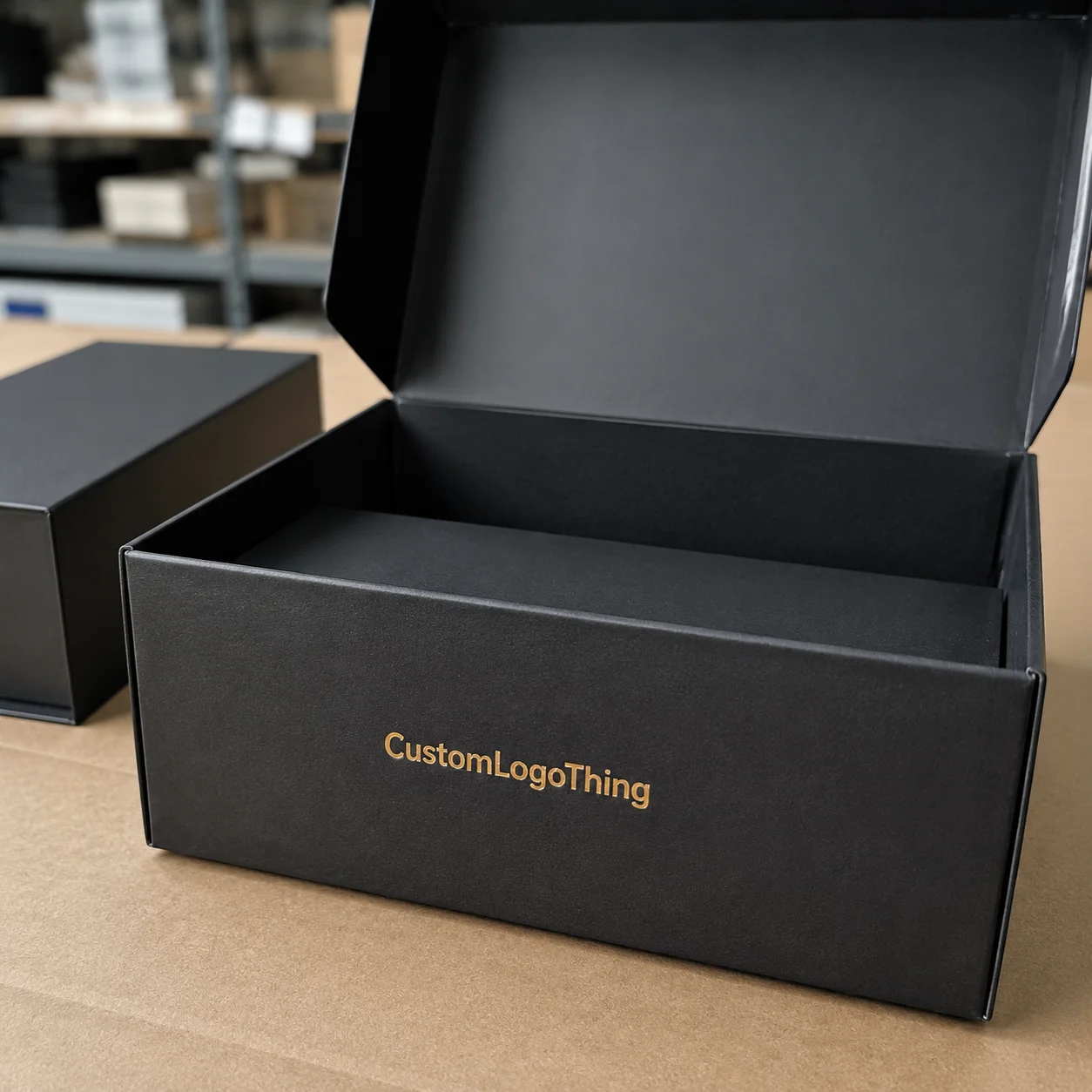
Luxury shoeboxes are built from layers, and each layer has a cost. The outer shell usually starts with rigid board, often greyboard or chipboard in the 1.5mm to 3mm range. Then comes the wrap paper, which may be C2S, textured specialty paper, coated art paper, or even linen-look stock. Inside, buyers may specify lining paper, molded pulp trays, EVA foam, velvet-covered inserts, or a simple folded card divider. Every one of those choices changes labor time and material waste, which affects price per unit luxury shoeboxes buyers receive. A 350gsm C1S artboard wrap, for example, behaves very differently on the corner folds than a 157gsm coated sheet, and that difference shows up in both appearance and labor minutes.
The structure matters more than the decoration in many cases. I’ve seen brands obsess over foil color while ignoring the fact that a magnetic closure box takes longer to assemble than a lift-off lid. A magnetic closure sounds small. It is not. It adds alignment steps, adhesive control, and hardware cost. On a 5,000-piece run in Dongguan, those seconds become labor hours. And if you’ve ever watched a line worker line up magnets by hand for hours, you know it is not exactly the glamorous side of “luxury.”
Here is a basic comparison of common luxury shoebox styles and how they affect unit economics:
| Box Type | Typical Construction | Manufacturing Effort | Impact on Price Per Unit |
|---|---|---|---|
| Standard retail shoebox | Paperboard folding carton | Low | Lowest |
| Rigid luxury shoebox | Greyboard with wrapped paper | Medium | Moderate |
| Premium presentation box | Rigid board, insert, special finish | High | Higher |
| Collector-grade shoebox | Rigid board, magnetic closure, custom insert, premium decoration | Very high | Highest |
The table is blunt on purpose. You can dress a shoebox up with foil stamping, embossing, debossing, soft-touch lamination, and spot UV, but if the construction itself is simple, the cost ceiling remains lower than a complex rigid box with multiple insert parts. Price per unit luxury shoeboxes rises fastest when you combine structure complexity with high-touch finishing. That’s the part some brands underestimate because they fall in love with the look before they’ve met the bill. A black rigid lid with gold foil can look like a $2.00 product while being built from a $0.68 shell and a $0.24 decoration package.
On one supplier negotiation, a brand asked for a black box with foil logo, embossing, and a velvet tray. The factory priced it correctly. Then the buyer added a window cutout for display, which required a custom die and manual reinforcement around the opening. That one change pushed labor up enough to make the whole project feel “expensive.” It was not a surprise to the factory. It was the buyer’s first time seeing how one aesthetic decision can move the entire quote. I’ve seen that face before: equal parts surprise and regret, with a dash of “wait, really?”
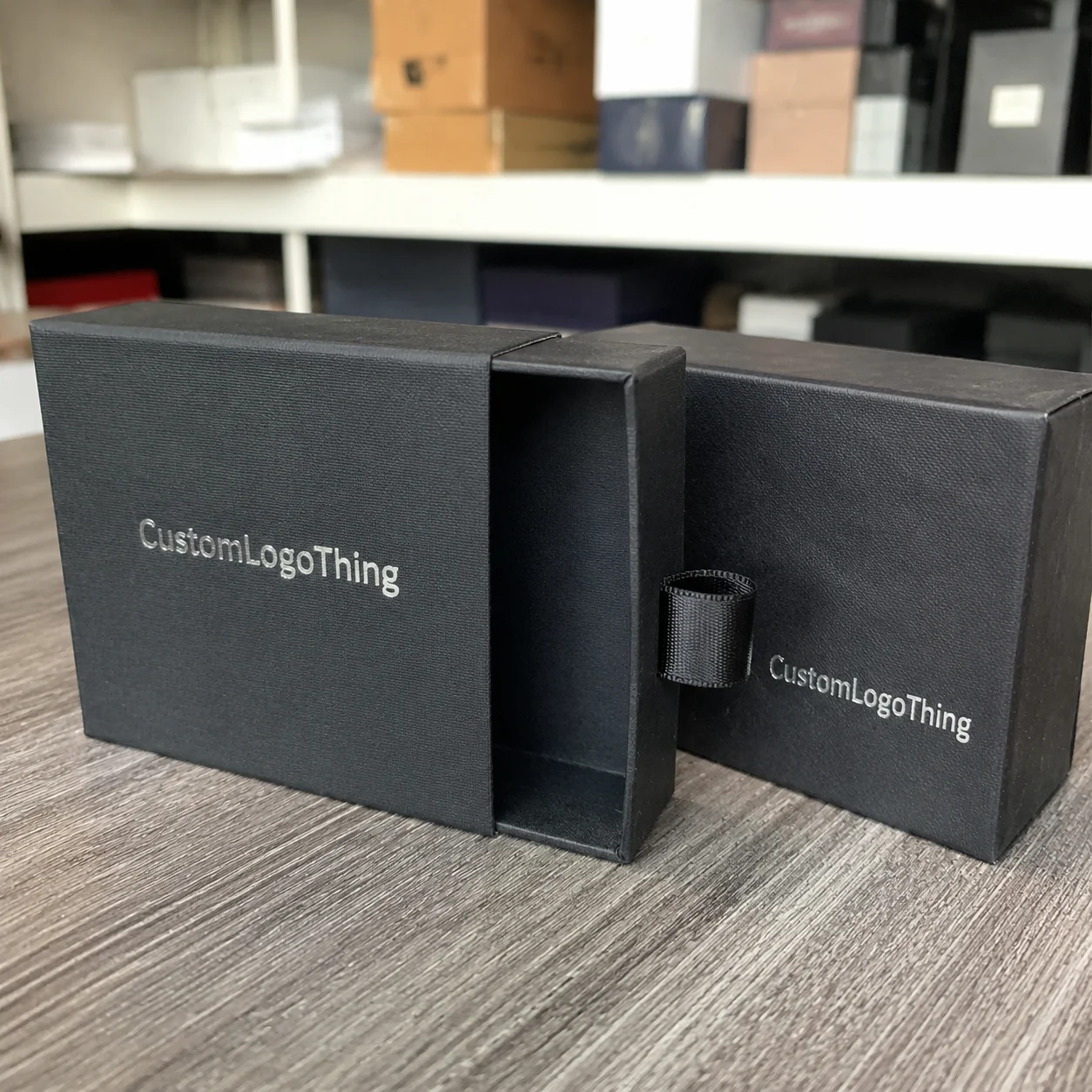
Other details that matter include ribbon pulls, dust covers, corner wrapping style, and whether the insert is glued in or loose-packed. A loose tray is cheaper. A glued-in tray reduces shift in transit but adds assembly time. Dust covers improve presentation, especially for high-end footwear and gifting programs in Paris and Seoul, yet they also add material and folding steps. If you want to control price per unit luxury shoeboxes, start with the structure before you start adding ornament. Decoration is fun; structure is where the money hides.
Factory capability is part of the equation too. A plant that runs rigid boxes every day will usually control consistency better than a general carton shop that does luxury work only occasionally. I’ve visited both, from a facility in Quanzhou that produced 20,000 boxes a day to a smaller plant outside Foshan that handled only a few premium runs each week. The difference shows up in corner wrapping, glue lines, and how well the lid aligns after compression. That affects reject rate, and reject rate always finds its way back into the quote. Packaging math has a rude habit of making itself heard.
Price Per Unit Luxury Shoeboxes: Specifications That Change the Quote
If you want a precise quote, define the spec first. I mean exact dimensions, exact board thickness, exact paper type, exact finish, and exact closure style. A request for “premium shoebox” usually produces a vague answer. A request for “320 x 220 x 120 mm rigid box, 2mm greyboard, 157gsm coated art paper, matte lamination, foil logo, EVA insert, lift-off lid” produces a quote you can actually compare. That is where price per unit luxury shoeboxes becomes usable. For a run of 5,000 units manufactured in Shenzhen, that level of detail can tighten a spread from $1.06–$1.38 down to a more meaningful $1.12–$1.19.
Exact measurements reduce variance. A supplier working from an estimate may allow for extra board waste, larger wrap allowances, or a broader print tolerance. Then the quote gets padded. Exact specs remove guesswork and often prevent costly revisions after sampling. I’ve seen buyers lose a week because the first sample was built from “approximate dimensions” and the brand team later changed the shoe silhouette. That means the box profile changes too. The box, naturally, does not care that the design meeting ran long. It still needs to fit a UK size 9 sneaker with a 14mm heel rise and a foam cradle that does not crush the upper.
Key specification inputs buyers should lock down
- Dimensions: length, width, and depth in millimeters
- Board thickness: often 1.5mm, 2mm, or 3mm greyboard
- Wrap paper: C1S, C2S, art paper, specialty textured paper, or recycled stock
- Finish: matte lamination, gloss lamination, soft-touch, uncoated, or textured coating
- Closure: lift-off lid, magnetic flap, drawer style, or tethered lid
- Insert: paperboard tray, EVA foam, molded pulp, velvet wrap, or no insert
- Artwork: foil stamping, embossing, debossing, spot UV, or full-coverage print
Each of those lines affects the price per unit luxury shoeboxes buyers pay because each line adds one or more process steps. A foil logo requires a plate and heat application. Embossing requires pressure and alignment. Soft-touch lamination looks subtle, but it adds a coating stage and usually tighter quality control. Spot UV is popular because it gives contrast on black or dark paper, yet it requires registration accuracy. If the printer misses the alignment, the whole face can look cheap. I have seen a beautiful design get dragged down by a half-millimeter misalignment. It was like watching a tuxedo arrive with one sleeve too long.
Color matching matters more than many buyers expect. If the brand needs a Pantone reference, specify it upfront. If you send a CMYK file and ask for “deep black,” suppliers will interpret that differently. Some will print rich black. Some will use standard K100. Some will push a warm black with a slight brown cast. I’ve had clients reject a batch for that exact reason, and the reprint cost made the original price per unit luxury shoeboxes look irrelevant. That kind of mistake is expensive and, frankly, avoidable.
Custom sizing is another hidden cost. Non-standard shapes, oversized formats, and shoe boxes for boots or fashion sneakers often raise tooling and shipping costs. Bigger boxes use more board and wrap paper, but they also ship less efficiently. That means higher carton cube, higher freight, and sometimes more breakage if the box is left too empty inside the master carton. You are not only buying a box. You are buying transport density. That’s the nerdy truth, but the freight bill agrees with me. A boot box shipped from Ningbo to Rotterdam can cost 12% more in freight per unit simply because the carton cube expands from 0.08 to 0.11 CBM per case.
There is also a practical tiering pattern I see often:
- Entry-level luxury: rigid box, basic print, one finish, simple insert
- Mid-range retail presentation: heavier board, foil or embossing, better lining, tighter tolerances
- Premium collector-grade: multi-step decoration, custom insert, magnetic or drawer closure, strict color control
This tiering does not exist to impress. It exists because production time and material choice behave differently at each level. Entry-level luxury shoeboxes can run efficiently. Collector-grade boxes ask for more hand work and more inspection. That is exactly why price per unit luxury shoeboxes shifts as the design gets more ambitious. The factory doesn’t care about the mood board; it cares about steps, seconds, and scrap.
One thing most people get wrong: artwork complexity is not always the cost driver they think it is. A simple full-bleed print can be cheaper than a “minimal” design with four special finishes, a custom insert, and a magnetic lid. Less visual noise does not mean less manufacturing effort. The factory knows the difference, even if the brand team does not. I’ve lost count of how many times a “simple” look turned into a highly fussy build.
Pricing and MOQ for Luxury Shoeboxes: What Buyers Should Expect
MOQ changes everything. Lower quantities almost always increase price per unit luxury shoeboxes because setup, tooling, and labor are spread over fewer units. If a factory must create a die, prepare plates, run sample approvals, calibrate color, and set up finishing lines for 500 boxes, the setup cost lands much harder than on 5,000 pieces. A tiny order can be perfectly valid, but it behaves like a very expensive guest at the production table. In a plant outside Guangzhou, a 300-piece pilot run can carry a tooling burden of $180 to $260 before one box is even wrapped.
That does not mean small orders are impossible. It means they are priced differently. Buyers should expect the unit cost to fall as quantity rises, but not in a straight line. The first jump from 300 to 1,000 units can reduce the per-box price sharply. The next jump from 1,000 to 5,000 may produce a smaller drop if the project includes premium finishes. Past a certain point, savings level off because material grade and labor content set a floor. A box that costs $1.74 at 500 units may drop to $1.09 at 3,000 units, then only to $0.97 at 10,000 units if the structure stays the same.
I’ve had supplier negotiations where the factory offered a lower unit price only after the buyer agreed to simpler finishes. That is normal. A quote is a formula, not a compliment. The key is understanding what the formula includes. If a supplier says the price per unit luxury shoeboxes is low but excludes insert assembly, outer cartons, or inspection, the “cheap” quote becomes expensive very quickly. The quote may look tidy, but the landed result will not be. I once saw a buyer celebrate a $0.88 unit price in Xiamen, then add $0.19 for inserts, $0.06 for export cartons, and $0.14 for sea freight handling. The final number stopped looking festive.
Here is a practical way to think about cost drivers:
- Quantity tier: more pieces usually reduce setup burden per unit
- Finish selection: foil, embossing, soft-touch, and spot UV raise labor and setup time
- Structural complexity: magnetic closures, drawer boxes, and custom inserts add operations
- Sample rounds: extra revisions increase project cost before mass production starts
- Freight method: air shipping can dwarf product cost on smaller orders
Hidden costs deserve attention. Tooling fees, prototype charges, export cartons, and storage can distort the final unit cost. If inventory is held for staged releases, warehousing can become part of the product economics. I’ve seen brands celebrate a low factory quote, then discover the landed cost was 19% higher after freight, duties, and cartons. That is why asking for a landed-cost estimate is not optional. Otherwise you’re comparing apples to apples, then paying for the juice, the basket, and the farm gate.
A landed-cost view lets you compare supplier quotes on equal terms. If Supplier A quotes FOB Shenzhen and Supplier B quotes EXW, the numbers are not directly comparable. You need shipping terms, pack-out details, and carton quantities. If the supplier can provide a full breakdown, it is much easier to evaluate price per unit luxury shoeboxes without getting distracted by a single attractive number.
Below is a simplified framework buyers can use during sourcing discussions:
| Decision Variable | Lower-Cost Choice | Higher-Cost Choice | Effect on Quote |
|---|---|---|---|
| Board thickness | 1.5mm | 3mm | Material and rigidity increase |
| Finish | Matte lamination | Soft-touch + spot UV | More coating and setup steps |
| Closure | Lift-off lid | Magnetic flap | More assembly precision |
| Insert | Simple paperboard tray | EVA or velvet insert | Higher material and labor cost |
That table is not a pricing promise. It is a map. And maps are useful because they show where the hills are before you start climbing them. In procurement terms, those hills are exactly what moves price per unit luxury shoeboxes from one quote band to another.
What Is the Price Per Unit Luxury Shoeboxes and How Is It Calculated?
The phrase price per unit luxury shoeboxes sounds simple, but the calculation sits on top of several moving parts. Material costs, labor, finishing, setup charges, sampling, packaging, and freight all shape the final number. A factory may quote a base unit price for the box itself, then add separate lines for printing plates, insert assembly, outer cartons, and inspection. If any of those inputs are missing, the quote can look lower than it really is.
A good working formula usually looks like this: material cost plus printing cost plus finishing cost plus labor cost, then divided by the total quantity. Tooling and sample fees may be amortized across the order, which means smaller runs carry a heavier burden per piece. Add freight and duties, and the landed unit price rises again. It is not elegant, but it is honest. Packaging economics rarely care about elegance.
That is why buyers should ask for separate lines whenever possible. If a quote includes the wrap paper, the board, the insert, the finishing, and the export carton in one figure, it is harder to see where the cost pressure lives. A transparent breakdown helps you compare a rigid box with a lift-off lid against a magnetic closure box with a velvet insert and understand why the latter costs more.
I’ve also seen the calculation shift when a supplier has to adjust for scrap rate. Complex structures create more waste, especially on specialty paper or delicate finishes. If a plant expects higher scrap, that risk is often folded into the unit price. A 1% difference in waste may not sound dramatic, but on a large order it can move the quote more than a buyer expects. That is one reason why a clean, stable design is often cheaper than a visually busy one. The factory gets fewer surprises. The buyer gets fewer extras.
There is a second layer to the calculation: regional operating costs. Factories in major production hubs like Shenzhen, Dongguan, and Quanzhou often have different labor structures, machine access, and material sourcing networks. Two suppliers can quote the same box and arrive at different figures for perfectly rational reasons. One may have tighter control over rigid box assembly. Another may source paper more efficiently. The important part is not which number is lower in isolation. It is whether the quote matches the spec and the service level you need.
So if you are reviewing price per unit luxury shoeboxes, ask three questions: What is included, what is excluded, and what changes the price if the spec changes? Those answers usually explain most of the spread.
From Sample to Shipment: Process and Timeline
Most custom packaging projects move through a familiar sequence: inquiry, spec confirmation, quotation, sampling, approval, production, inspection, and shipping. The order sounds straightforward. The trouble usually sits in the middle. Artwork changes, material substitutions, proof approvals, and peak-season congestion are where schedules slip.
When I visited a finishing line in Guangdong, the production manager pointed to a rack of nearly finished rigid boxes and told me half of the week’s delays came from late artwork revisions. That matched what I’ve seen elsewhere. A buyer thinks the box is “done” when the design team sends the logo. The factory thinks the box is done when the dieline, foil plate, color swatch, and insert fit have all been approved. Those are very different milestones, and they affect price per unit luxury shoeboxes because rushed changes tend to cost more. Production schedules, unlike mood boards, do not enjoy improvisation.
Realistic timing depends on complexity, but buyers should expect enough time for at least one review cycle before production. Simpler structures and standard materials move faster. Custom Rigid Boxes with foil, embossing, and inserts need more time because each step has to be checked. If the order also includes special paper stock, the sourcing lead time may stretch further. In many factories in Shenzhen or Dongguan, a typical sample can take 5-7 business days, while mass production usually takes 12-15 business days from proof approval for a 5,000-piece order.
Here is how the workflow usually looks in practical terms:
- Inquiry and brief: buyer shares dimensions, quantity, finish, and artwork
- Quotation: supplier returns unit price, setup charges, and lead time
- Sampling: one or more prototypes are made for review
- Approval: buyer signs off on structure, finish, and color target
- Production: board cutting, printing, wrapping, assembly, and QC
- Inspection: batch checks for glue lines, alignment, and print consistency
- Shipping: cartons are packed, labeled, and moved by air or sea
The timeline can shorten if the buyer accepts a simpler construction or standardizes certain parts. For example, using a common insert profile instead of a fully custom tray saves both tooling and approval time. On one shoe brand project, we reduced the schedule by nearly a week simply by choosing a standard interior partition instead of a custom-molded insert. The product still looked premium. The unit economics improved. Price per unit luxury shoeboxes did not rise just because the presentation stayed strong. That was a pleasant surprise for everyone except the person who wanted to overcomplicate it.
Shipping deserves its own warning. International freight and customs clearance can add days, and sometimes more than a buyer plans for. If the launch date is fixed, build in buffer time. A box that arrives a week late can create more cost than a slightly higher product quote. In the packaging business, timing errors tend to show up as marketing problems. The box is late, the product launch slips, and suddenly everyone is “in a meeting” about why.
If you need a helpful standard to benchmark performance, ask whether the supplier can align with quality references such as ISTA test methods for transit protection, and verify material claims against documentation. Not every shoebox requires formal drop testing, but transport performance matters once cartons are stacked, trucked, and handled multiple times.
For companies that care about sustainability claims, the FSC chain-of-custody framework is a credible reference point for paper sourcing. That does not lower the price per unit luxury shoeboxes automatically, but it can support brand trust and retail compliance. Buyers should ask for documentation rather than assuming all “eco” claims are equal. “Eco” printed on a quote sheet is not the same thing as proof.
Why Choose Us for Price Per Unit Luxury Shoeboxes
What buyers usually want is not a slogan. They want transparency, repeatable quality, and a supplier who understands how rigid packaging behaves when the order moves from sample to production. That is where Custom Logo Things can be a practical partner. We focus on clear quotes that separate materials, printing, labor, and shipping, so you can see exactly what shapes price per unit luxury shoeboxes. A typical quote might show 2mm greyboard, 157gsm art paper wrap, matte lamination, and a simple EVA insert as separate lines, which makes it easier to compare a 1,000-piece run against a 10,000-piece run.
I prefer suppliers who think like production people first and sales people second. A supplier with real factory experience will flag sizing risks, finish alignment issues, and batch consistency problems before you approve the order. That saves time and prevents the kind of rework that ruins margins. In a supplier negotiation last year, I watched a manufacturer advise against a decorative insert shape because it would slow hand assembly by nearly 20%. That honesty earned trust fast. And yes, it also saved the buyer from a very pretty headache.
Here’s the value in direct manufacturing control: fewer handoffs, fewer assumptions, and fewer chances for a spec to drift between quote and shipment. A reliable partner may not always be the cheapest line item, but they can reduce rework, returns, and delayed launches. For a retail brand in New York or Amsterdam, those downstream savings matter more than a few cents on paper. A couple of cents look nice until you multiply them by a damaged launch calendar.
We also help buyers make practical design adjustments that lower total cost without sacrificing presentation. That may mean simplifying the closure, adjusting insert depth, standardizing dimensions, or choosing a finish that photographs well without creating unnecessary setup expense. The best result is a box that looks expensive because it is well made, not because it is overloaded with decoration. A 350gsm C1S artboard sleeve over a 2mm rigid shell can often achieve a premium look without pushing the quote into collector-grade territory.
If you are comparing options, it helps to browse a broader range of Custom Packaging Products to see how rigid boxes, printed cartons, and premium inserts interact in a real packaging program. Sometimes the best saving does not come from one box spec. It comes from standardizing across multiple packaging components. I know that sounds boring. It also saves money, which has a way of making boring look brilliant.
We also work with buyers who need sample support before they commit to mass production. A good sample reveals glue behavior, lid fit, paper texture, and color tone in a way a PDF never can. That is why sample approval should sit before production approval. It sounds obvious. It is not always followed. I’ve watched more than one team approve a file and then act shocked when the physical box didn’t magically obey the screen. For a launch scheduled in Milan or Sydney, that lesson can cost real calendar time.
When a buyer asks me how to reduce price per unit luxury shoeboxes without losing impact, my answer is usually the same: keep the structure disciplined, keep the artwork clean, and keep the approval cycle tight. That combination does more for budget control than any amount of wishful thinking.
For companies building a broader packaging system, our Custom Packaging Products page can help identify where shared materials or shared dimensions may bring consistency across the range. That consistency is useful. It simplifies sourcing, reduces surprises, and improves the overall buying story. It also makes it easier to forecast the next order in 2026 without rebuilding the spec from scratch.
Next Steps for Ordering Luxury Shoeboxes
If you are ready to request quotes, do the groundwork first. Gather exact dimensions, choose your finish level, estimate quantity, and prepare artwork files in the right format. A clean brief gets better pricing. It also gets you closer to a quote that reflects reality rather than assumptions. That is the fastest path to a trustworthy price per unit luxury shoeboxes comparison. If you send a 320 x 220 x 120 mm spec with Pantone 432 C, a 2mm greyboard core, and a target run of 5,000 pieces, the response will usually be much more useful than a message that says “need premium boxes, please quote.”
I recommend asking for two or three quote scenarios. One can use a simpler structure. One can include a premium finish. One can show the effect of a higher quantity. That gives you a live view of how price per unit luxury shoeboxes moves with spec changes. Buyers learn quickly that a small improvement in presentation can have a measurable cost, and a small simplification can save more than expected. I’ve seen someone save more by removing one unnecessary finish than by negotiating for two weeks. That was a very quiet victory, but a victory nonetheless.
Before mass production, approve a sample. Then confirm carton pack-out requirements. How many boxes fit per export carton? What is the gross weight? Will the carton survive pallet stacking without crushing the corners? These questions sound operational, but they directly affect shipping cost and damage rate. I have seen a beautiful box arrive with corner scuffing because the outer cartons were overfilled. Presentation matters all the way to the end. A rigid shoebox that leaves the factory in perfect shape can still lose value if the master carton is packed at 18 kg instead of 12 kg and the corners collapse in transit.
Lock in shipping terms and delivery windows before production starts. Do not leave freight assumptions floating. If you know the shipment will move by sea from Yantian to Los Angeles, plan for 18 to 24 days on the water, plus customs and inland transport. If you need air freight for a launch deadline, build that cost into the business case now, not after the purchase order is issued.
Here is the checklist I would use on a live order:
- Confirm exact dimensions in millimeters
- Choose board thickness and wrap paper grade
- Select finish type, closure style, and insert style
- Provide print-ready artwork and Pantone references
- Request a full breakdown of tooling, samples, and freight
- Compare at least two spec scenarios
- Approve a physical sample before production
- Confirm carton pack-out and delivery terms
The best buying decision is not the cheapest number on a spreadsheet. It is the option that matches budget, spec, and timing to the real use case. A premium footwear brand launching a flagship collection in London may need a higher-end finish. A private-label seller testing a new line may need a cleaner, simpler box that scales efficiently. Both can be right. The key is knowing what you are paying for.
If you want help interpreting a quote, ask for a breakdown that shows how each detail affects price per unit luxury shoeboxes. That single habit can save money, reduce confusion, and keep your packaging program grounded in facts rather than guesswork. It also keeps everyone honest, which is useful when a quote starts getting creative.
Send the spec sheet, the artwork, and the quantity target together. The more complete the brief, the better the quote. That is the quiet truth behind price per unit luxury shoeboxes: the numbers improve when the inputs get sharper.
FAQ
What affects the price per unit luxury shoeboxes buyers are quoted most?
The biggest drivers are material grade, box structure, finish selection, order quantity, and whether inserts or special closures are included. In practice, a 2mm rigid box with matte lamination and a simple insert will usually price very differently from a 3mm box with soft-touch finish, foil logo, and magnetic closure. A supplier quoting from Shenzhen or Dongguan will often break these pieces down separately if they are serious. The quote reflects labor as much as materials, and a detail like 157gsm art paper versus 350gsm C1S can change the unit cost immediately.
How does MOQ change the price per unit for luxury shoeboxes?
Lower MOQs usually raise unit cost because setup, tooling, and labor are spread across fewer boxes. A 500-piece run often carries a heavier per-unit burden than a 5,000-piece run, especially if the project needs printing plates, custom inserts, or multiple sample revisions. A run of 10,000 pieces in Quanzhou may price far more efficiently than 300 pieces in Foshan because the fixed setup is spread wider. The lower the quantity, the more each setup step matters.
Can I reduce the price per unit luxury shoeboxes without lowering quality?
Yes. Simplify the structure, reduce finish complexity, standardize dimensions, and keep artwork changes minimal. A clean rigid box with one premium detail can look excellent without stacking several expensive features. For example, a 2mm greyboard box with matte lamination and one foil logo can often outperform a box with multiple embellishments while staying inside budget. The goal is to keep the presentation strong while removing unnecessary process steps.
How long does sampling usually take for custom luxury shoeboxes?
Sampling time depends on complexity, artwork readiness, and material availability, but buyers should expect enough time for at least one review cycle before production. In many factories, a first sample can be ready in 5-7 business days, while a refined sample may take a few more days if the insert or finish changes. If the box includes special paper, an unusual insert, or exact color matching, the sample stage may take longer. Rushing this step often costs more later.
What should I ask before approving a quote for luxury shoeboxes?
Ask for a full breakdown of materials, printing, finishing, MOQ, sample cost, shipping terms, and any potential extra charges. Also confirm whether the quote includes export cartons, inspection, and freight. If those items are not listed, they may appear later as add-ons, which changes the real price per unit luxury shoeboxes you pay. A quote that names the board thickness, finish, and lead time is usually far more reliable than one that only lists a single headline price.
In my experience, the smartest buyers are not chasing the lowest headline number. They are chasing the cleanest spec, the clearest quote, and the most predictable outcome. That is how price per unit luxury shoeboxes stays under control from sample to shipment, and that is how a packaging program holds its value once the boxes land on the floor.