Buyer Fit Snapshot
| Best fit | Printed Box Liners Wholesale projects where brand print, material claims, artwork control, MOQ, and repeat-order consistency need to be specified before quoting. |
|---|---|
| Quote inputs | Share finished size, material target, print colors, finish, packing count, annual reorder estimate, ship-to region, and any compliance wording. |
| Proofing check | Approve dieline scale, logo placement, barcode or warning zones, color tolerance, closure strength, and carton packing before bulk production. |
| Main risk | Vague material claims, crowded artwork, missing packing details, or unclear freight terms can make a low unit price expensive after revisions. |
Fast answer: Printed Box Liners Wholesale: Pricing, Specs & Lead Times should be specified like a repeatable production item. The safest quote records material, print method, finish, artwork proof, packing count, and reorder notes in one written spec.
Production checks before approval
Compare the actual filled-product size with the drawing, then confirm tolerance on folds, seals, hang holes, label areas, and retail display edges. Reserve space for logos, QR codes, warning copy, and material claims before decorative graphics fill the panel.
Quote comparison points
Review material grade, print process, finish, sampling route, tooling charges, carton quantity, and freight assumptions side by side. A quote is only useful when the supplier can repeat the same color, closure quality, and packing count on the next order.
Printed box liners wholesale is one of those packaging buys that looks small on paper and then starts doing serious work the moment a carton opens. The liner is often the first printed surface a customer sees, so it can make a box feel planned, finished, and worth keeping instead of just another shipping container. For brands that care about presentation, consistency, and unit cost, printed box liners wholesale usually makes more sense than patching together extra inserts later.
There is also a practical side that buyers notice fast. A liner can cover scuffs inside the carton, frame the product, hold accessories in place, and give retail, gifting, subscription, and e-commerce packaging a cleaner interior. It lets the outer box do one job and the inside do another, which is kinda the point. The lid protects, the liner presents, and the product lands in a space that looks intentional rather than improvised.
If you are comparing options through our Wholesale Programs, it helps to think through size, board choice, print coverage, and how the liner sits in the box before asking for pricing. Those details move cost more than most people expect. A quote for printed box liners wholesale only becomes useful once the spec is specific enough to price the real job instead of a rough guess.
One mistake I see over and over is treating the liner like decoration only. It can absolutely carry graphics, but it can also be structural, protective, and repeatable in the best way. Brands running several SKUs usually get better mileage when the printed box liners wholesale spec stays consistent across product families and the visual language remains steady while the item mix changes underneath it. Reorders are easier, rework drops, and the slow drift that happens with one-off packaging decisions starts to fade out.
In actual use, the best liner does its work quietly until the box opens, then presents the product cleanly every time. Buyers who plan for materials, print method, and die line usually get more from printed box liners wholesale than buyers who only think about artwork and skip the structure underneath it. That balance is where the value lives.
Printed box liners wholesale: why the smallest insert can do the heaviest branding
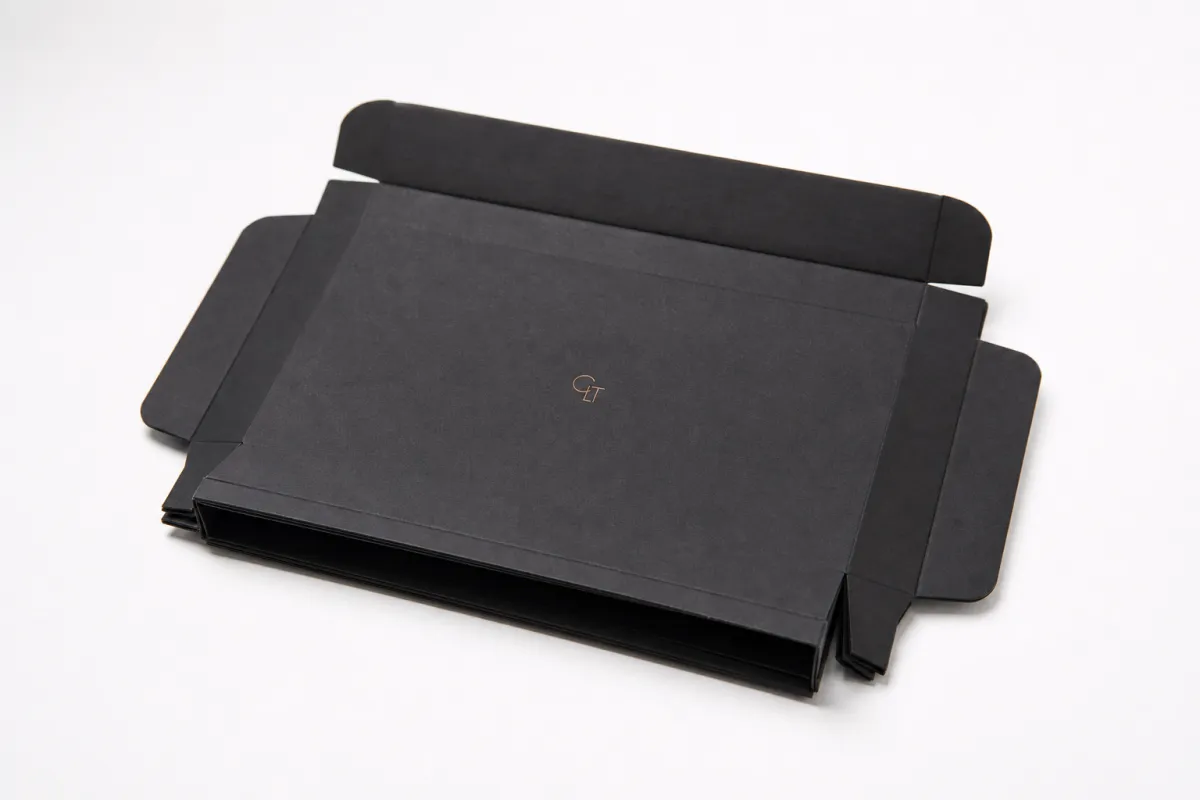
A liner has a quiet job, but the impact is not small. When a customer opens a box, they are not measuring print coverage or comparing sheet weights. They are reacting to order, cleanliness, and whether the packaging feels deliberate. A well-made printed box liners wholesale program helps create that response without asking for a full redesign of the outer carton.
In retail packaging, the liner can act like a stage. Subscription boxes benefit from the repeatable rhythm it creates across dozens or hundreds of shipments. Gift packaging gains a more considered feel. E-commerce orders get a cleaner reveal, a better way to hold accessories together, and less of the "dropped into a carton and sealed" impression. Those are plain uses, not glamorous ones, and they are exactly where printed box liners wholesale earns attention.
Cleanliness matters more than many teams expect. Cartons pick up dust, compression marks, and handling wear during storage and fulfillment. A liner gives the interior a controlled surface and a more polished reveal, especially when the outer box is plain kraft or uncoated board. I have seen a simple liner lift the perceived value of a package more than a more expensive outer print, because the customer actually interacts with the inside first.
Wholesale buying makes the liner even more useful because repeatability lowers friction. If the same spec can be ordered again each season or quarter, unit cost becomes easier to manage and the presentation stays steady. That matters for brands with multiple sizes or colorways. Printed box liners wholesale lets you lock in one look while the product line itself keeps moving.
There is also a business case for treating the liner as part of the packaging system rather than as an add-on. A stable liner spec means fewer surprises in production, smoother replenishment, and less time spent sorting through samples every time a reorder comes up. In a crowded packaging calendar, that sort of predictability is worth real money. It also gives related SKUs a shared graphic language, which helps brand recognition.
A liner that looks clean on screen can still fail in the box if score placement is off, grain direction is wrong, or the insert is cut too tightly for the carton interior. Good printed box liners wholesale work starts with fit, not artwork.
The quote itself depends on the box size, the board you choose, how much of the surface gets printed, and the way the liner sits once it is inside the carton. Some liners lie flat under the product, while others fold, wrap, or lock around a tray or insert. Those structural choices change die cost, setup time, and packout labor. A buyer who sends only a logo and a rough box size will get a less reliable estimate than a properly defined printed box liners wholesale request.
Presentation does not have to mean fragile. A liner can look sharp and still handle packing tables, ship days, and storage carts without trouble. The right stock and finish can hold up better than people expect, especially when the job is planned as printed box liners wholesale rather than as a one-time promotional run.
For buyers who want to compare materials, structure, and wholesale buying logic in a broader packaging context, the resources at packaging.org are a useful reference point, especially when you are sorting through carton construction and print expectations. The more you understand the packaging system as a whole, the easier it is to buy printed box liners wholesale with confidence.
Product details: printed box liners that fit the box and the brand
Several liner formats show up again and again, and each one solves a slightly different packaging problem. A full-sheet liner is the simplest version: it lays flat inside the carton and gives the entire interior a printed surface. A scored insert adds fold lines so the piece can sit around a product or fold into a more dimensional shape. A slip-in panel is lighter and faster to pack. A die-cut insert can lock around a bottle, jar, box, or accessory set. In printed box liners wholesale, the format matters as much as the artwork.
Material choice is where many projects succeed or stumble. Paperboard is the usual starting point because it prints cleanly and gives the liner enough body to sit properly in the carton. SBS board has a smooth face and crisp print response, which suits brand-forward work. Coated one-side stock works well when you want a bright printed face with a less finished reverse side. Kraft-style stock gives a more natural look and often fits recycled or minimal branding programs. Recycled options are used widely too, though the exact shade and surface smoothness can vary more than on premium white board. Those differences show up in how printed box liners wholesale looks in the hand and under light.
Print method deserves the same care. A one-color logo on a clean stock can look sharp and keep cost down. Full-color CMYK graphics open the door to richer scenes, patterns, and product messaging, but they require better file prep and tighter control of ink coverage. Spot-color matching still makes the most sense when a logo has to stay consistent from reorder to reorder. If the brand depends on a specific red, blue, or black, printed box liners wholesale should be built around that color target from the start.
Finishing does more than polish the look. A matte varnish can reduce glare and create a more restrained presentation. Gloss sharpens contrast and makes photos or bold graphics stand out. Aqueous coating can improve rub resistance and help the surface hold up during packing. If the liner will be touched often during assembly or display, that extra protection is worth discussing early. In printed box liners wholesale, finish affects handling, shelf life, and how the piece behaves in the carton.
Structural details matter because the liner has to move through production, packing, and shipping without curling or shifting. Grain direction affects fold quality. Fold direction affects how cleanly the piece opens. Score quality affects whether the liner lies flat or pushes back against the carton. If the insert is too stiff for the format, it may spring back and create pressure points. If it is too light, it may wander or wrinkle. These are ordinary production issues, and they can make or break printed box liners wholesale results.
Common liner styles buyers request
Most programs settle into a few repeatable styles: flat liners for presentation, folded wraps for a premium reveal, and die-cut inserts for positioning or protection. A buyer who knows which of these fits the job can get a faster and more accurate printed box liners wholesale quote, because the vendor can price the structural work instead of guessing at the build.
Print and finish combinations that work well
For simple branding, a one-color logo on uncoated or lightly coated stock is often enough. For gift sets or premium retail items, a full-color face with matte coating gives a refined result without too much shine. For higher handling environments, especially where packers touch the liner during assembly, rub-resistant finishing is worth asking about. That choice can save money later by reducing scuff complaints and replacement orders in printed box liners wholesale.
For sustainability-driven packaging programs, buyers often request recycled content, FSC-certified sourcing, or simplified finishing so the liner stays closer to paper recovery expectations. If that is part of the brief, say so at the start. FSC chain-of-custody details are laid out clearly at fsc.org, and it is much easier to build printed box liners wholesale around a sourcing requirement than to retrofit it after the quote is already out.
The liner should support the brand without taking attention away from the product. Strong versions do that by balancing stiffness, print clarity, and surface feel. Buyers sometimes try to force too much design into too small a space, but a cleaner layout often performs better. If the product itself is the hero, printed box liners wholesale should frame it rather than compete with it.
I usually tell buyers to think about the liner as a surface, a fit element, and a handling element at the same time. That sounds obvious, but it is the difference between a piece that looks fine in a PDF and one that behaves properly on a packing table. Once that switch flips, the rest of the spec gets easier to judge.
Printed box liners wholesale specifications that affect quality
A quote only means something when the spec is clear. Send the kind of information you would use for a carton dieline: finished dimensions, fold positions, print coverage, color targets, material preference, and whether the liner is flat, folded, or die-cut. In printed box liners wholesale, a precise brief leaves less room for surprises later.
Tolerances matter more than many buyers realize. A liner made for an existing box needs to fit the interior with enough room to slide in cleanly, but not so much room that it wrinkles or exposes empty edges. Even a small measurement error can alter the look. A liner that is too large may buckle at the corners. One that is too small may shift during transit and reveal the carton underneath. Accurate dimensions are essential in printed box liners wholesale work.
Artwork prep is another place where careful buying pays off. Send bleed, safe area, and dieline files in the format the printer asks for, usually vector for logos and high-resolution images for anything photographic. Keep key text away from folds and score lines. If the liner includes product information, make sure the type is large enough to survive trimming and handling. Clean art speeds up printed box liners wholesale production because proofing becomes a review instead of a rescue mission.
Thickness and weight should match the job. A liner that only supports a light presentation piece can often use a thinner stock, which helps with unit cost and foldability. If the liner needs to hold a heavier item, support a tray, or act as part of the product nest, a stiffer board is usually the safer option. This is one of the easiest places to overspend or underspecify, and both mistakes show up quickly in printed box liners wholesale.
Compliance questions belong at the beginning of the conversation. If the liner is going near food packaging, ask about inks and coatings that fit the application. If the project calls for recycled content or verified sourcing, note that in the request. If the packaging will be tested for transport durability, it may be wise to consider ISTA procedures such as those described at ista.org. That kind of planning helps printed box liners wholesale hold up during actual shipment instead of only on a proof.
Environmental preferences also shape the quote. Some buyers want uncoated kraft, recycled board, or lighter-weight stock to reduce material use. Others need a premium coated sheet because the brand image depends on it. There is no universal answer. The right spec depends on what the liner has to do inside the box. Good printed box liners wholesale pricing reflects that balance instead of forcing every order into the same material choice.
| Option | Typical use | Common spec | Estimated unit cost at 5,000 pieces |
|---|---|---|---|
| Flat printed liner | Simple presentation and branding | 12pt to 16pt coated one-side board, 1-color or CMYK | $0.14-$0.24 |
| Folded wrap liner | Premium reveal or product framing | 16pt to 18pt SBS, scored and folded, matte or aqueous finish | $0.22-$0.38 |
| Die-cut support insert | Product retention and shipping stability | Heavier board, custom tooling, precise score layout | $0.28-$0.55 |
| Kraft-style branded liner | Natural look and recycled positioning | Uncoated or lightly coated kraft board, limited print coverage | $0.16-$0.30 |
Those ranges are planning numbers, not promises. A smaller order may land higher because setup cost is spread over fewer pieces. A larger repeat run may come in lower if the dieline is already approved and the material is in stock. That is normal in printed box liners wholesale, and it is why buyers should ask for tiered pricing instead of a single number.
Printed box liners wholesale pricing, MOQ, and unit cost
Pricing for printed box liners wholesale begins with the basics: sheet size, board grade, print coverage, finishing, die cutting, folding complexity, and whether the job uses a standard format or a brand-new custom tool. Each of those choices can move cost in a real way. A small change in dimensions may alter how many pieces fit on a press sheet. A heavier board can add material expense and change fold behavior. A full-coverage graphic can push ink and setup cost higher than a small logo mark.
MOQ works the way most wholesale packaging does: lower quantity means higher unit cost because setup time is spread across fewer pieces. At 250 or 500 pieces, the per-unit price often lands noticeably above 1,000 or 5,000 pieces. That does not make small runs a bad decision; it just means the economics are different. If you are testing a new package or launching a seasonal set, a smaller printed box liners wholesale run can still make sense as a controlled trial.
Buyers get a more useful quote when they send the right information the first time. The most helpful items are finished dimensions, estimated quantity, artwork status, finish preference, and shipping destination. If the liner must fit an existing box, a photo or sketch of the carton is extremely useful. If the project needs multiple SKUs, say that too. A vendor can often suggest a standard base structure that trims setup cost while keeping the look consistent. Experienced printed box liners wholesale quoting usually saves time right there.
There are a few practical ways to control unit cost without flattening the look of the package. Reusing one liner format across several SKUs is one of the best. Simplifying the number of colors is another. Choosing a common sheet size can reduce waste in production. Skipping unnecessary special finishes helps as well. None of those choices makes the packaging dull; they keep the printed box liners wholesale budget focused on what the customer actually sees.
Sample charges may apply, especially if the project needs a physical prototype, several layout revisions, or special material testing. That cost is not wasted. A clean prototype can reveal fit issues, fold behavior, and visual balance before the full run is produced. In many cases, a sample prevents a much larger mistake later. A little extra work early in printed box liners wholesale often avoids expensive reprints.
Here is the part most buyers appreciate: the cheapest quote is not always the best value. If a liner saves three cents but arrives with poor scores, misaligned folds, or muddy print, the downstream cost is higher. Labor on the packing line, rejected units, and damaged presentation all add up. A good printed box liners wholesale quote should make those tradeoffs visible so you can decide with clear eyes.
For budgeting, many buyers think in three bands. A basic branded liner for a standard quantity may sit in the low teens or low twenties per piece. A more refined full-color or folded solution often climbs into the twenties or thirties. A custom die-cut support piece with heavier board and extra tooling can go higher. Those figures are broad, but they are useful enough to start a real printed box liners wholesale conversation.
One more thing: if the order repeats, ask for reorder pricing separately from first-run pricing. The second run is often simpler because the dieline is already approved and the production team knows the format. That can lower setup friction and improve predictability. In printed box liners wholesale, repeat orders should feel easier, not harder.
Another detail worth asking about is overage and spoilage allowance. Small packaging programs can get squeezed if the order lands exactly on the number you need and one box gets damaged in assembly. A little cushion is not wasteful; it is practical. It keeps the packaging table from turning into a scramble when the count runs tight.
Printed box liners wholesale process and lead time
The workflow is straightforward, but every step matters. First comes specification review. Then the dieline is confirmed. After that, proof files are prepared and sent for approval. Once the proof is approved, the order moves into printing, cutting, scoring, inspection, and final packing. That sequence is standard across most printed box liners wholesale jobs, yet the time spent in each phase can vary a lot.
The proof stage is where many delays begin. Artwork edits, layout corrections, and color adjustments often happen there, and a project can stall if the buyer is still deciding on copy or finish. If the liner has to fit a carton exactly, even a small change can trigger a fresh proof. The best way to keep printed box liners wholesale moving is to finalize the box dimensions and artwork before production begins.
Lead time usually depends on four main factors: stock availability, number of print colors, finishing complexity, and quantity. If the board is common and the artwork is final, turnaround is faster. If the job needs a special coating, a custom die, or a long approval cycle, it takes longer. Orders move best when the buyer sends clean files and a clear ship date from the start. That lets the production schedule treat printed box liners wholesale like a planned run instead of a rush request.
For many projects, a practical timeline is often 12 to 15 business days from proof approval for a straightforward run, with custom structures or heavier finishing pushing that window longer. Larger volumes can add time as well, especially if the line needs more than one press pass or multiple finishing steps. Those ranges are not promises; they are working estimates that help buyers plan inventory around printed box liners wholesale without overcommitting.
Packaging teams keep reorder buffers for a reason. When a liner is used in retail kits, subscription boxes, or promotional shipments, stock can disappear faster than expected. Waiting until inventory is nearly gone can force rush work or a less-than-ideal spec. A buffer of a few weeks of demand keeps the line moving. That habit pays off in printed box liners wholesale because the next run is planned before pressure starts.
Shipping affects the schedule too. A job can finish on time and still miss the target if transit time was never considered. If the delivery date matters, ask about ship method as part of the quote, not at the end. That is especially true for repeat wholesale programs where a delay interrupts packing. A clean printed box liners wholesale process should include both production time and delivery time in the plan.
Inspection deserves attention because it catches the problems that are easy to overlook on a screen. Look for color consistency, sharp folds, trim quality, and clean edges. Check whether the liner lies flat and whether any scoring has split the printed face. Small issues are the ones that affect perception most. In printed box liners wholesale, quality control is not a luxury step; it is part of the value.
For buyers who want a deeper look at shipping durability and package testing, the transit-testing guidance on ista.org is a useful companion resource. It does not replace production planning, but it helps frame how packaging behaves after it leaves the dock. The more a team thinks through handling, storage, and transit, the stronger the printed box liners wholesale outcome tends to be.
I have also found that the cleanest schedules usually come from one simple habit: approve the box structure before you argue about graphics. If the fit changes after art is locked, everyone pays for it in time and rework. That is avoidable, and it saves a lot of back-and-forth later.
Printed box liners wholesale: why Custom Logo Things and what to send next
Custom Logo Things fits buyers who want the packaging conversation grounded in real materials, real fit, and real production constraints. That matters more than people often admit. A liner is not just a printed surface; it is a fitted part of the package, and good printed box liners wholesale work depends on handling both the design and the structure with care.
The value here is not just printing a logo. It is helping the liner match the carton, support the product, and reproduce the brand consistently across repeat wholesale orders. That matters for retail packaging, e-commerce inserts, gift sets, subscription boxes, and multi-SKU programs that need the same visual language across changing sizes. If that sounds like your situation, printed box liners wholesale is probably the packaging format to evaluate first.
The next step should be specific. Send the finished box dimensions, estimated quantity, artwork files, preferred stock, finish expectations, and the date the order needs to ship. If the liner has to sit inside an existing carton, include a photo or a sketch of the interior. If you are comparing several looks, say that too. A clear brief makes printed box liners wholesale quotes faster, and it often improves pricing because the job can be scheduled accurately from the start.
If budget is tight, ask for alternatives instead of forcing the wrong spec. Sometimes a different board grade gives nearly the same appearance at a lower cost. Sometimes a simpler print plan still protects the brand. Sometimes one format can cover several SKUs and reduce tooling. Good vendors should show the tradeoff between cost, appearance, and turnaround in a way that is easy to compare. That is how printed box liners wholesale should work in practice.
For buyers managing broader packaging procurement, our Wholesale Programs page is a helpful place to compare options, and it can save time when you are lining up related packaging items at the same time. A liner often performs best when it is part of a larger buying plan rather than a stand-alone purchase. That is especially true if your outer carton, insert, and printed interior all need to land in the same budget window.
My advice stays simple: do not treat the liner as a decorative afterthought. Treat it as a repeatable packaging component that shapes what the customer sees first. If the spec is clean and the production plan is sensible, printed box liners wholesale can sharpen presentation, simplify reorders, and keep unit cost under control better than a string of ad hoc packaging fixes.
When you are comparing paths, keep the conversation practical. Ask for samples. Ask for tiered pricing. Ask what changes when the print changes or the quantity moves. Those are the questions that turn a nice-looking sample into a real buying decision. Done well, printed box liners wholesale is one of the most dependable ways to improve the inside of a carton without overcomplicating the outside.
There is no need to overbuild the spec just to make it feel premium. A clean liner with the right fit, the right stock, and the right print coverage usually outperforms a fancier idea that is harder to pack or reorder. That restraint is often what keeps the whole program working month after month.
What is the minimum order for printed box liners wholesale?
MOQ usually depends on size, stock, print method, and how much setup the job needs. Standard formats often support lower quantities than fully custom structures. Ask for tiered pricing so you can compare 250, 500, and 1,000 piece runs and see where printed box liners wholesale becomes more efficient.
How do I choose the right material for wholesale box liners?
Match the stock to the product weight, the amount of handling, and whether the liner is mostly decorative or also structural. Use stiffer board when the liner must support product placement, and smoother coated stock when print clarity is the priority. If the look or sustainability target is strict, request samples before approving printed box liners wholesale.
Can I print full-color graphics on printed box liners wholesale orders?
Yes, full-color printing is common when the artwork and stock are chosen for good ink performance. Keep key art away from folds, trims, and score lines so the finished liner stays readable after assembly. Provide high-resolution files and color references if brand matching matters in printed box liners wholesale.
What affects printed box liners wholesale lead time the most?
Proof approval, dieline changes, stock availability, and finishing choices usually have the biggest effect on turnaround. Orders move faster when the artwork is final and the quantity is locked before production starts. Shipping distance can also matter, so ask early if the delivery date is critical for printed box liners wholesale.
What should I send for an accurate printed box liners wholesale quote?
Send finished dimensions, quantity, artwork files, color requirements, and any finish or coating preference. Include a photo or sketch of the carton if the liner must fit an existing box. Share the ship-to location and target date so the quote reflects both cost and timing for printed box liners wholesale.
If you want branded protection, cleaner presentation, and predictable unit cost, printed box liners wholesale is one of the most practical packaging buys you can make. Before you request pricing, lock three things first: finished dimensions, board choice, and finish. Then ask for tiered pricing and, if the liner has to fit an existing carton, a physical sample or prototype. That sequence is usually the fastest path to a liner that looks right, fits right, and keeps performing on reorder after reorder.


